
We were lucky to catch up with Aaron Thomas recently and have shared our conversation below.
Aaron, appreciate you joining us today. We’d love to hear about a project that you’ve worked on that’s meant a lot to you.
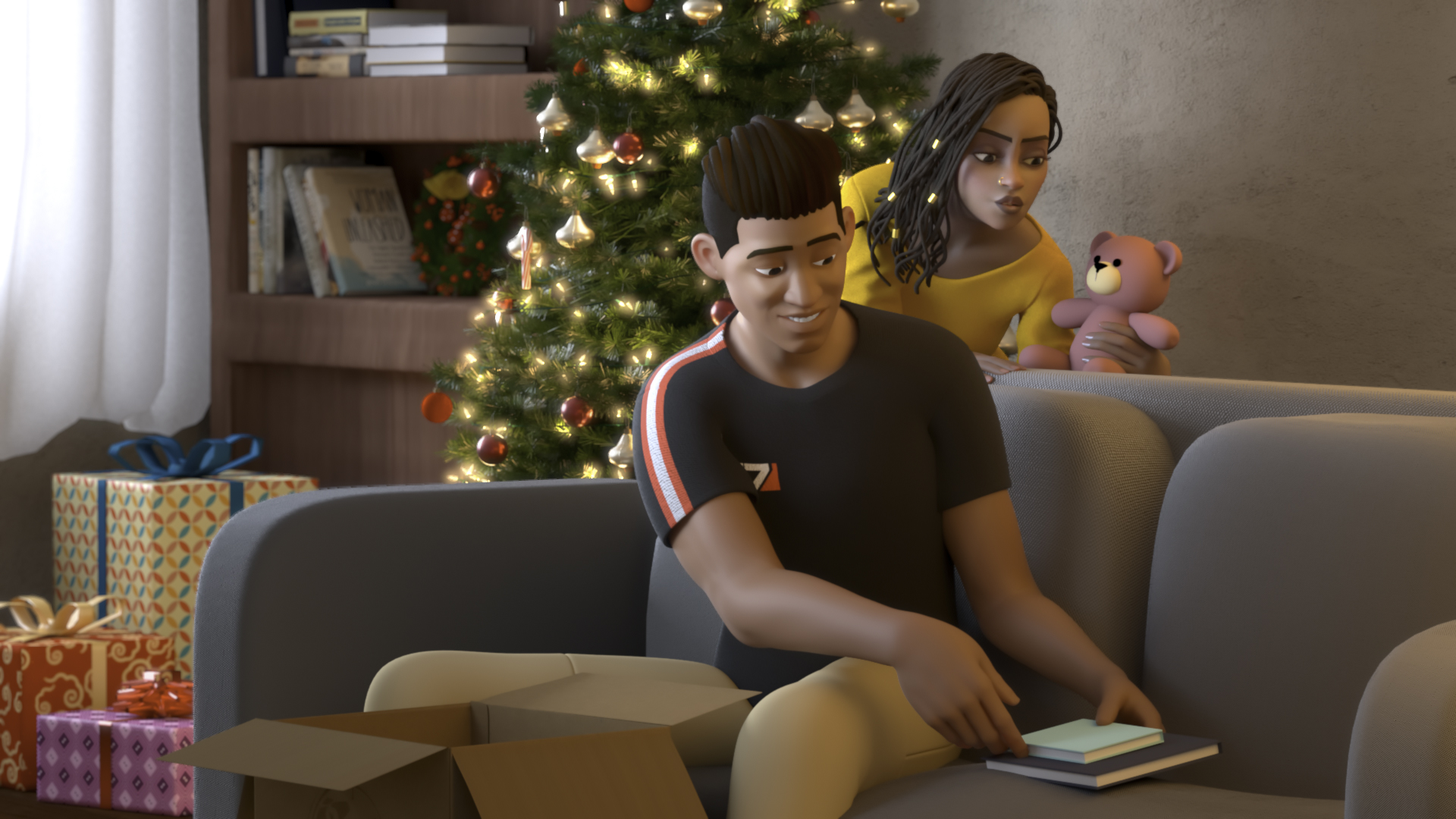
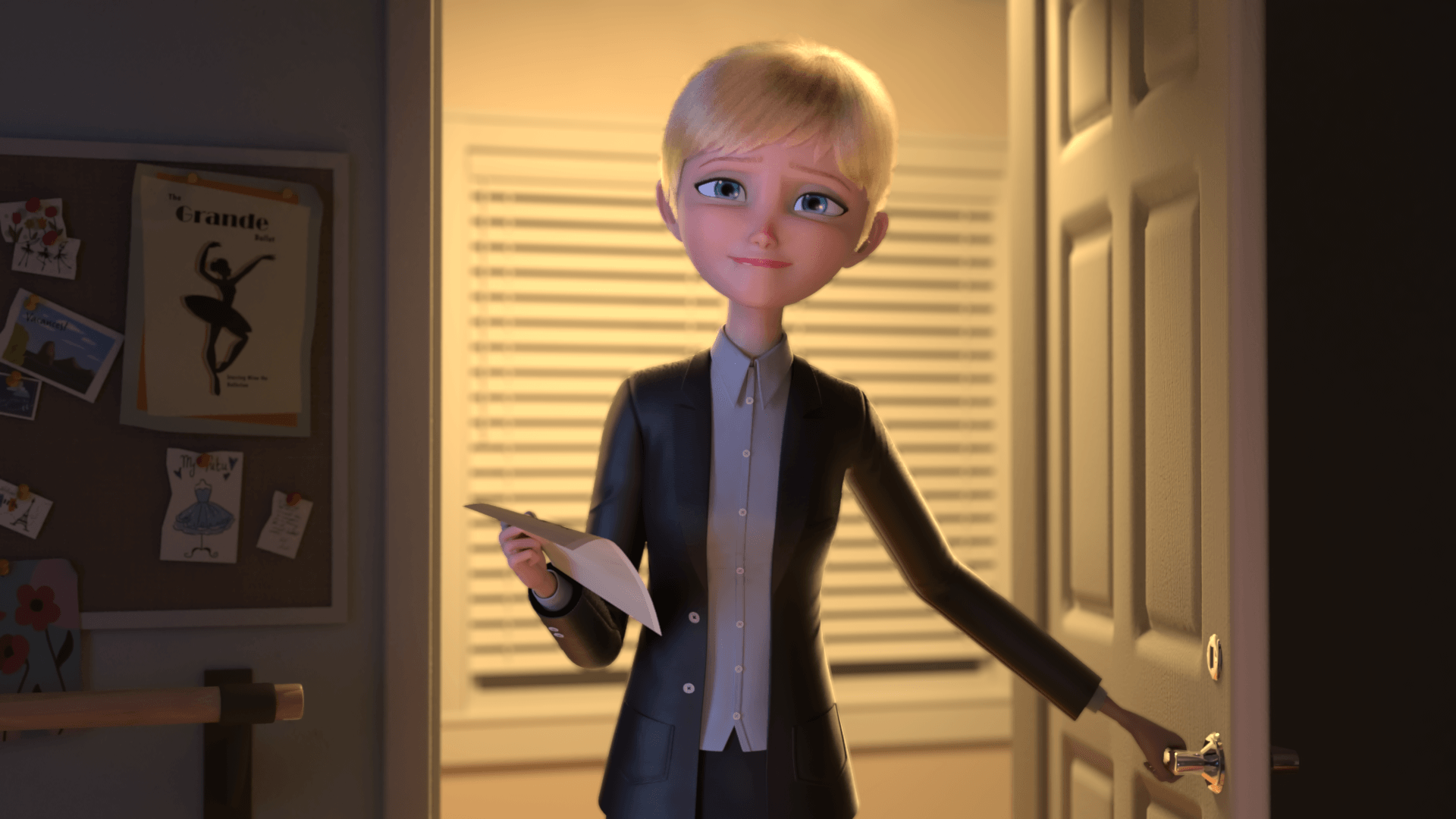
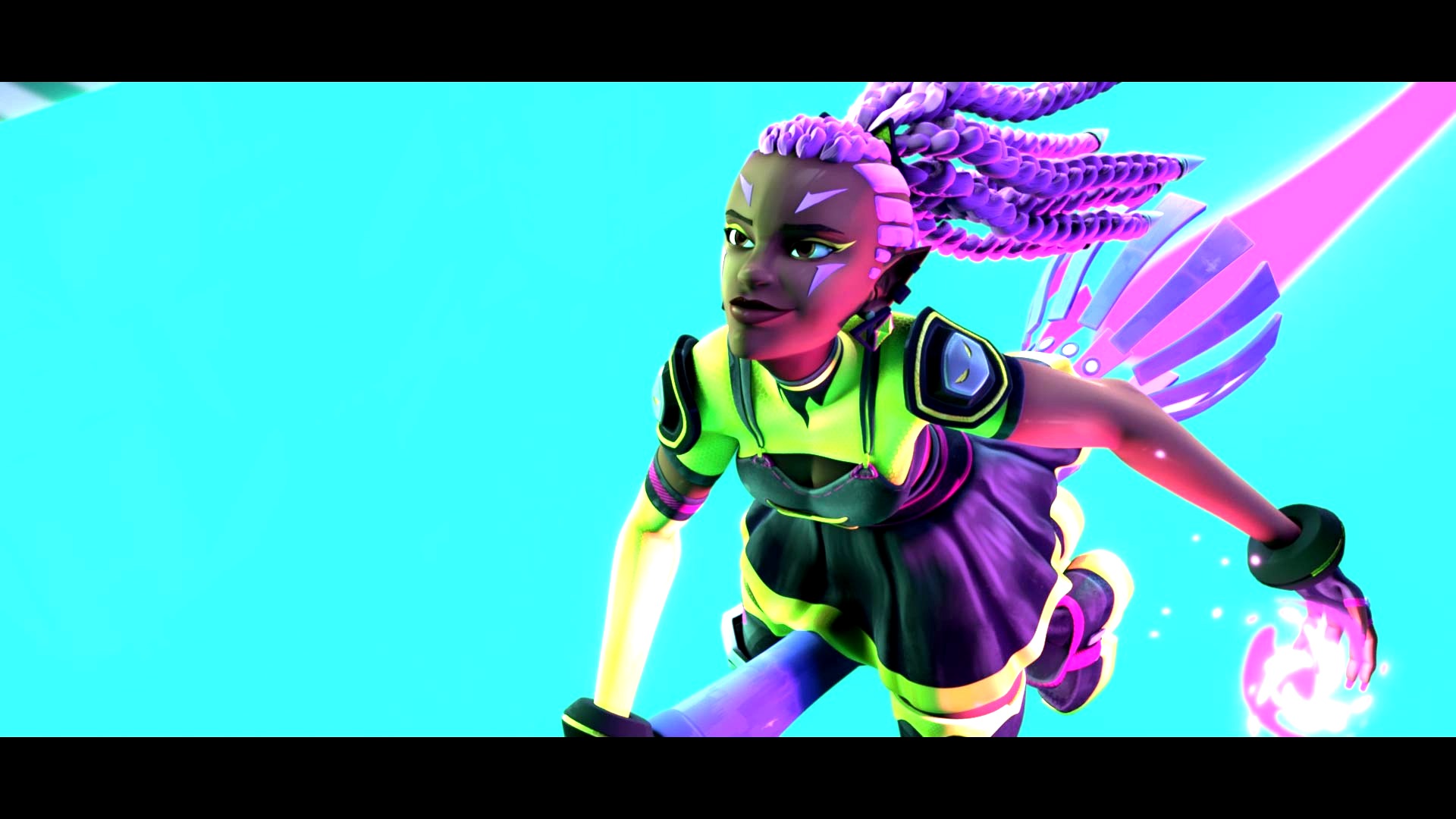
My most meaningful project to date was a 3D animated short film titled “Be There.” I took on the role of lighter while in graduate school, and it marked my third time handling both set lighting and shot lighting for a subtle, emotionally driven story.
The film explores themes of overcoming addiction and pursuing one’s passions. I was given the set’s color key and was familiar with the story and visual direction through concept art, but much of the responsibility for capturing the mood ultimately fell to me. It was up to me to translate the intended emotional tone into light.
To do that, I had to put myself in the character’s shoes. I imagined what a child’s bedroom would feel like when illuminated only by a starry night lamp and soft moonlight — how the light would shape the space, where shadows would fall, and how that atmosphere would support the emotional arc of the scene.
The projects I had worked on previously did not require that same level of emotional nuance. This film pushed me to be more intentional and attentive to detail, balancing technical precision with emotional storytelling. It was a rewarding challenge that allowed me to sharpen my technical eye while deepening my sensitivity to mood and character.
Awesome – so before we get into the rest of our questions, can you briefly introduce yourself to our readers.
I’ve always wanted to be part of the animation industry. Like a lot of people, I grew up watching cartoons and animated series and just enjoying them at face value. As I got older and started looking more into how they were made, I realized there were real people behind the scenes building the worlds and characters I loved.
They weren’t just making something to watch, they were creating stories that genuinely moved me and helped shape me who I am today. It felt almost unreal seeing how drawings and pixels could turn into something that feels alive, something that can make you laugh one minute and hit you emotionally the next.
I knew I wanted to be part of that. I wanted to help create something that could give someone else that same feeling — that sense of connection to a world or character that sticks with you long after it’s over.
Any resources you can share with us that might be helpful to other creatives?
I was lucky to be part of an amazing community called Academy of Animated Art. The feedback and support they gave me made a huge difference, and honestly, I wish I had joined a group of like-minded artists much earlier in my journey. Whether you’re just starting out or you’ve been at it for years, having peers and mentors around you changes everything.
They hosted weekly feedback sessions, answered questions, and were just genuinely kind people who loved talking about the industry and the media we all care about. I found them later in my path, but even then, the impact was real. I’d recommend anyone find a community of like-minded creatives—whether that’s through Discord, LinkedIn, classmates, or local clubs. It not only made me a better artist, but it also helped me build real connections and grow my network.
Is there something you think non-creatives will struggle to understand about your journey as a creative?
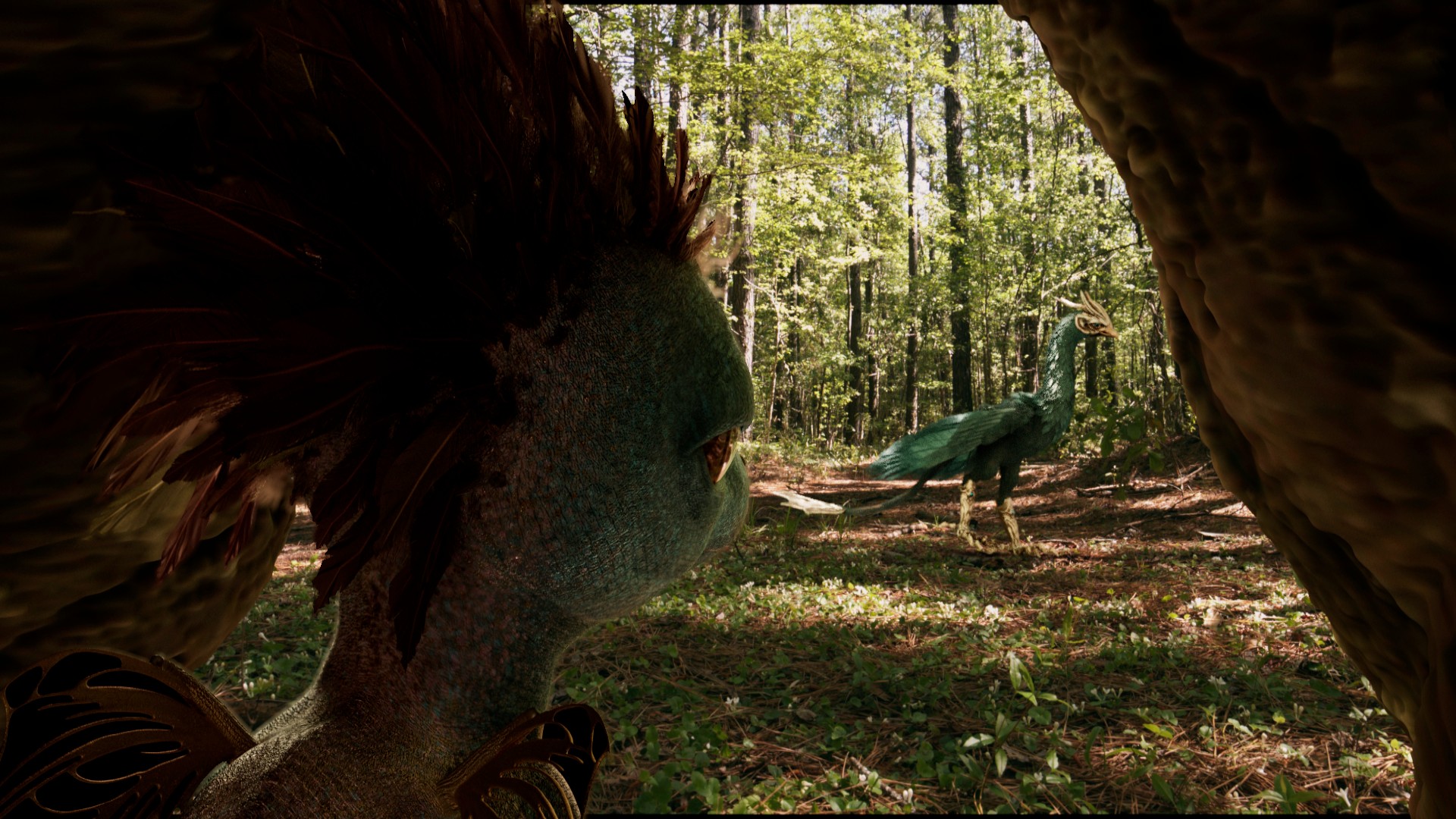
When you watch a TV show, a movie, play a game, or even glance at a poster, it’s easy to forget how much work goes into it. Behind every frame are hundreds, sometimes thousands, of hours spent building technical mastery. Artists design textures that mimic fabric, wet pavement, and even the fine details of an animal’s hair. Layers of code and complex node graphs control lighting, simulations, and materials, with countless moving parts working together to make a single moment feel believable and alive.
Many of the people creating these scenes study architecture, biology, and physics so they can depict the world more accurately and bring a deeper level of realism to the media we experience. Watching someone build a digital environment might not carry the same romantic, visible artistry as a painter standing at an easel, but the depth of skill and intentionality behind it is every bit as profound. As technology constantly evolves, artists have to evolve with it. Chasing that growth in an ever-changing industry that demands near perfection can be daunting and exhausting, but it’s ultimately worth it to create something meaningful. I really hope more people begin to appreciate the level of craftsmanship behind the visuals we consume every day.
Contact Info:
- Website: https://www.aaronthomascg.com/
- Linkedin: https://www.linkedin.com/in/aaronbthomas/