

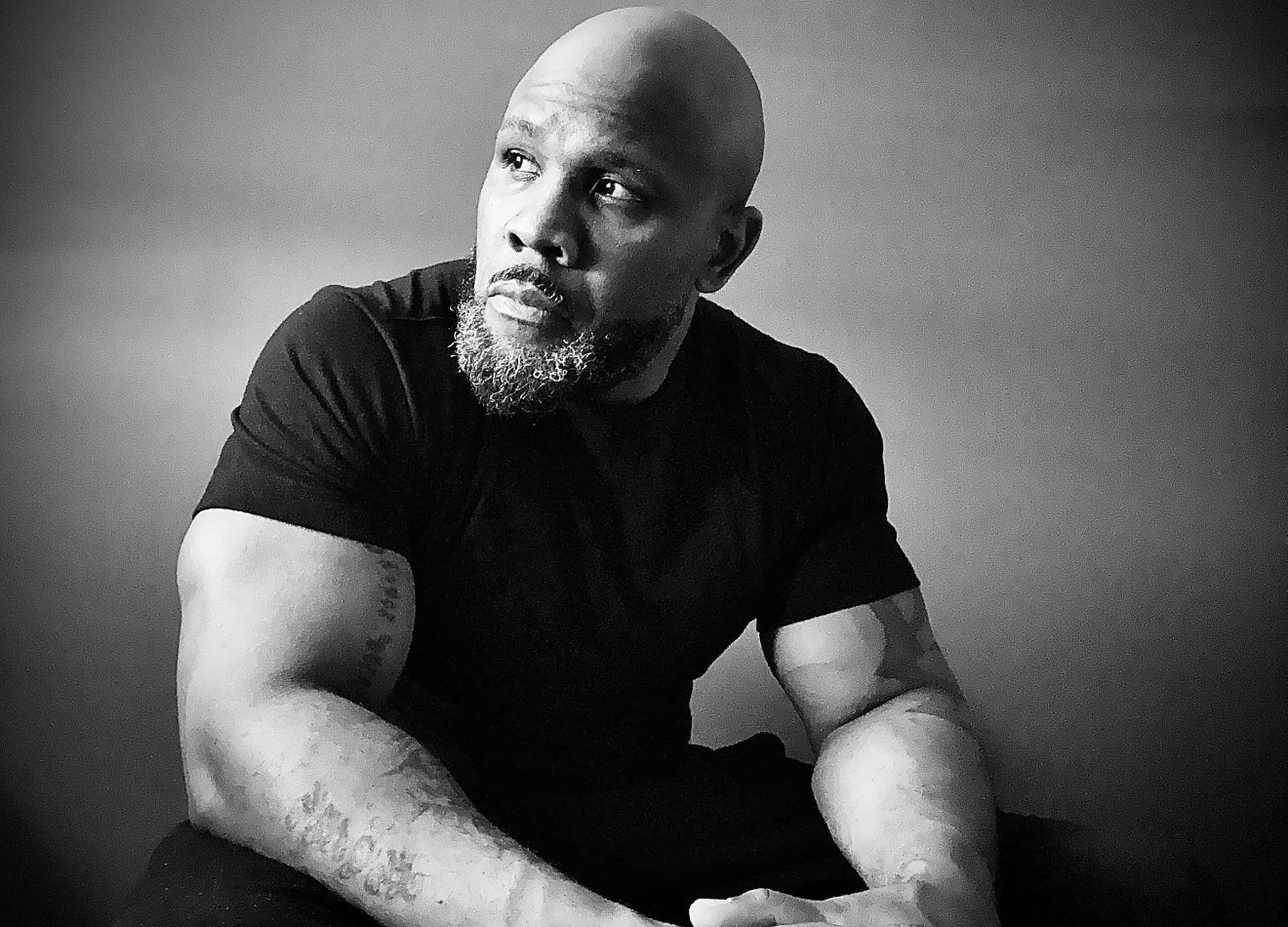

We were lucky to catch up with Aaron Quick Nelson recently and have shared our conversation below.
Aaron Quick, looking forward to hearing all of your stories today. Can you talk to us about how you learned to do what you do?
I learned my craft through a deep commitment to studying the art of acting and applying it in real time. I trained myself by immersing in multiple techniques such as Ivana Chubbuck, Meisner, Stanislavski, and Uta Hagen, then began to fuse what resonated most into my own approach. Over time, I developed what I call the Fusion Method, which centers on emotional truth, instinct, presence, and connection. For me, learning acting was never just about understanding theory, it was about doing the work daily, breaking down scenes, studying human behavior, and constantly pushing myself to be more honest and more free in my performances.
Looking back, I could have accelerated my growth by getting into stronger rooms earlier and surrounding myself with actors and mentors who were already operating at a higher level. Being in those environments forces you to elevate faster and exposes you to truths about the craft that you cannot fully discover on your own.
The most essential skills have been listening, emotional availability, discipline, and the ability to stay fully present. Acting lives in the moment. It is not about forcing a performance, it is about allowing truth to happen and being courageous enough to experience it in front of others. Developing stillness and learning how to communicate with the eyes and energy, not just words, has also been a major part of my growth.
The biggest obstacles were internal as much as external. There were moments of doubt, fear of not being enough, and the challenge of staying consistent when results were not immediate. There is also the reality of navigating an industry where opportunities are not always in your control. But those obstacles became part of my training. They forced me to build resilience, sharpen my focus, and deepen my connection to why I do this. Every challenge strengthened my foundation and pushed me closer to becoming the actor I am continuing to evolve into.
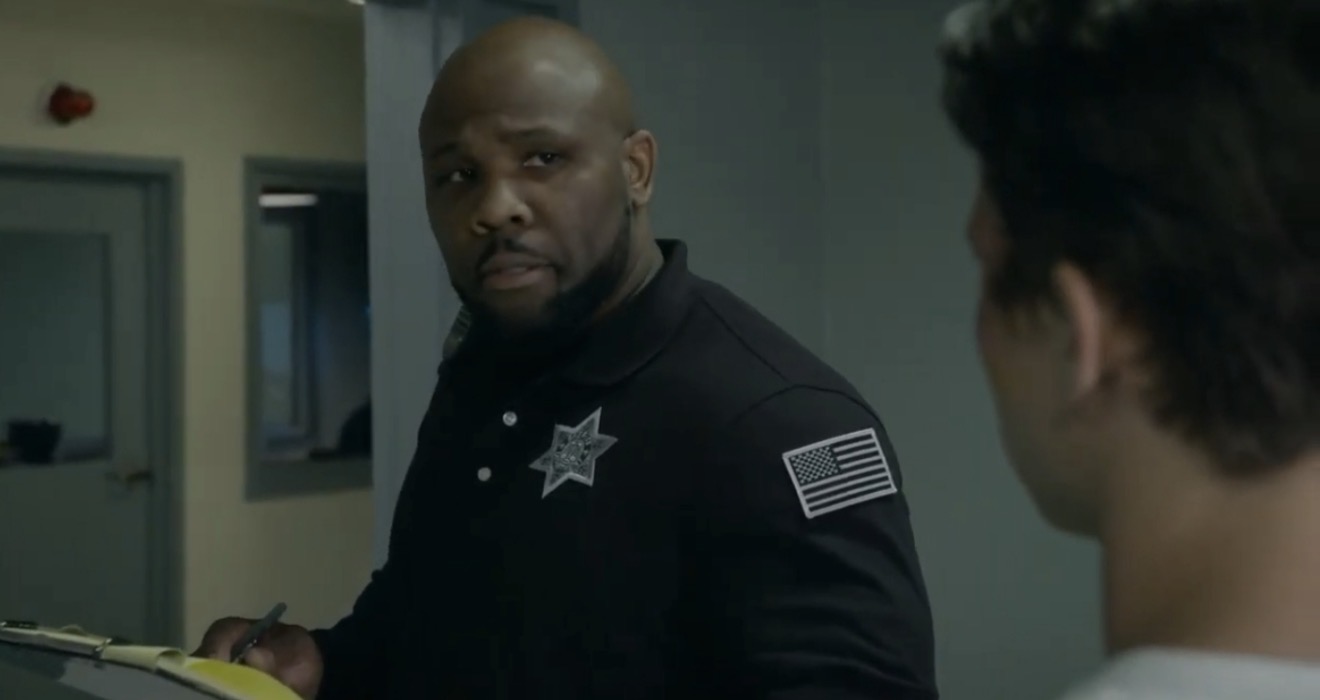
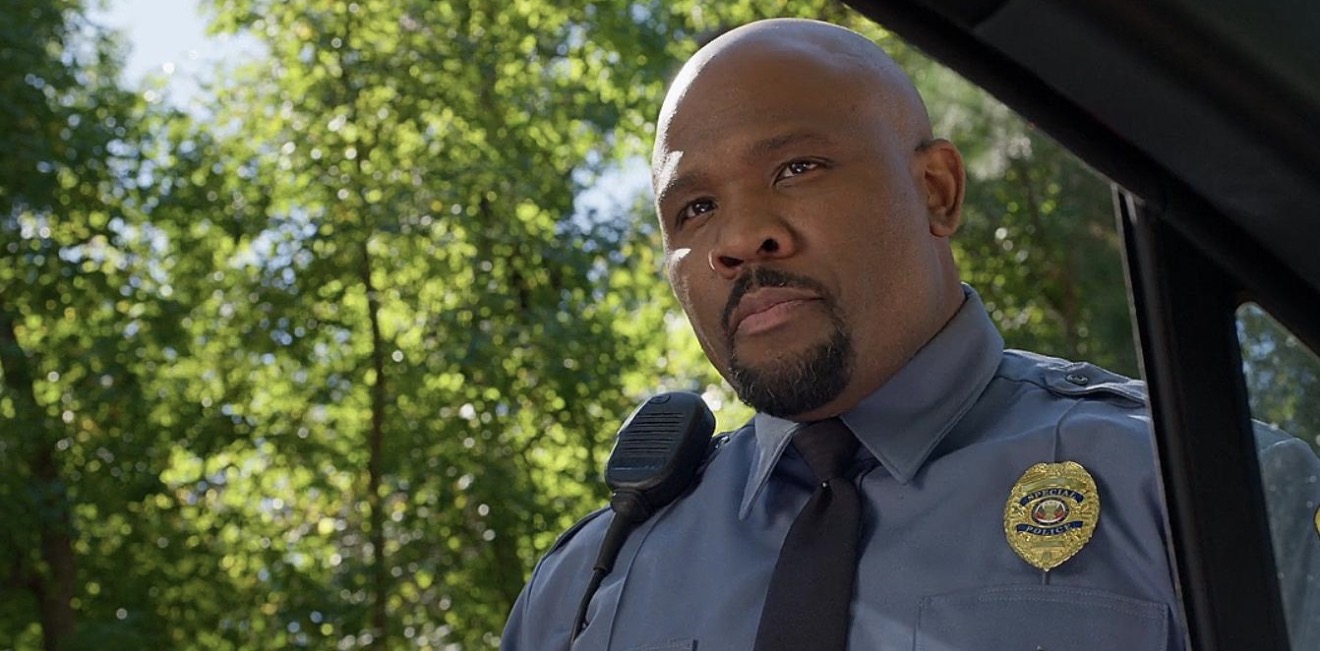
Great, appreciate you sharing that with us. Before we ask you to share more of your insights, can you take a moment to introduce yourself and how you got to where you are today to our readers.
I learned my craft through discipline, curiosity, and a relentless commitment to truth. I immersed myself in the study of acting through techniques like Ivana Chubbuck, Meisner, Stanislavski, and Uta Hagen, but I never believed in limiting myself to one system. Over time, I began to take what resonated on a deeper level and shape it into something personal. That became my Fusion Method, an approach rooted in emotional truth, instinct, presence, and connection. For me, acting has never been about performing, it has always been about revealing. It is a daily practice of breaking down scenes, studying human behavior, and pushing myself to live more honestly within the moment.
Looking back, I would have placed myself in higher level environments much sooner. There is a different level of growth that happens when you are surrounded by artists who demand more from the work. Being in those rooms accelerates everything. It sharpens your instincts, challenges your habits, and forces you to rise in a way that self study alone cannot fully replicate.
The most essential skills I have developed are listening, emotional availability, discipline, and presence. Acting lives in the space between words. It is in the silence, in the eyes, in the energy you bring into a moment. I have learned that stillness can be more powerful than action, and that truth does not need to be forced, it needs to be allowed. The courage to be fully seen, without hiding behind technique, is what transforms a performance into something real.
The greatest obstacles have been internal. Doubt, fear, and the pressure of not seeing immediate results can test your commitment to the craft. There is also the unpredictability of the industry, where opportunities are not always in your control. But I have come to see those challenges as necessary. They refine you. They build resilience and deepen your purpose. Every obstacle has strengthened my foundation and brought me closer to the artist I am continuing to become.
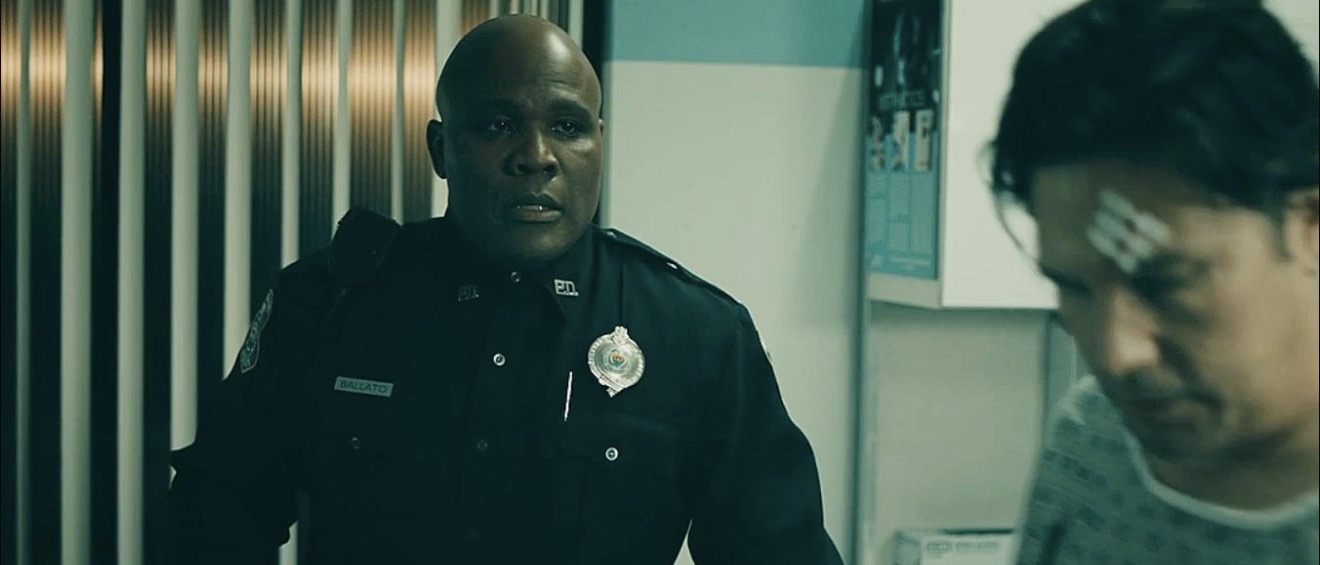
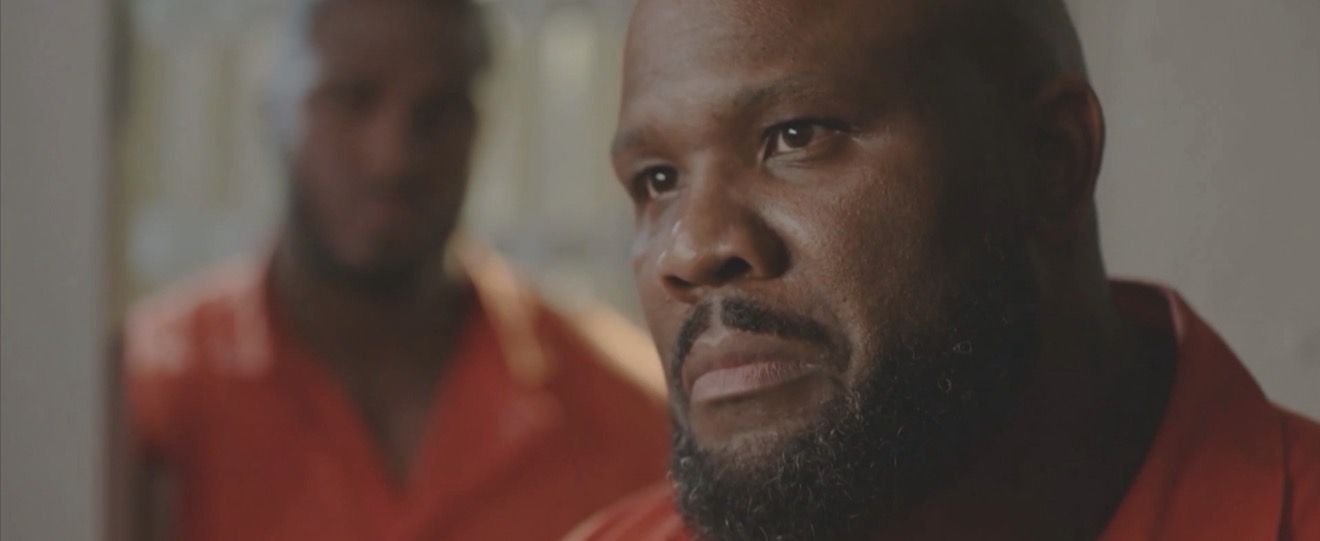
Let’s talk about resilience next – do you have a story you can share with us?
There was a period in my journey where everything felt like it was moving slower than it should. I was putting in the work every single day, studying, training, showing up, but the results were not matching the effort. That is a dangerous place for an artist because it tests your belief in yourself. It makes you question if you are truly on the right path or if you are just chasing something that may never come.
I remember having to make a decision in that season. Either I was going to allow doubt to take over, or I was going to double down on my commitment to the craft. I chose to go deeper. I refined my process, strengthened my discipline, and focused on becoming undeniable in my work instead of waiting for validation from outside sources. I treated every audition, every rehearsal, and every moment of preparation as if it mattered at the highest level, even when no one was watching.
What I learned in that time is that resilience is not loud. It is not a big moment. It is quiet. It is waking up and choosing the work again when there is no guarantee. It is staying consistent when the results are delayed. It is continuing to believe in your vision when there is no immediate evidence that it is working.
Eventually, opportunities started to come, but by that point, I had already changed. I was no longer attached to whether something happened for me or not. I was focused on who I was becoming through the process. That shift is what carried me forward. It taught me that resilience is not just about enduring difficult moments, it is about allowing those moments to shape you into someone stronger, more focused, and more aligned with your purpose.
For you, what’s the most rewarding aspect of being a creative?
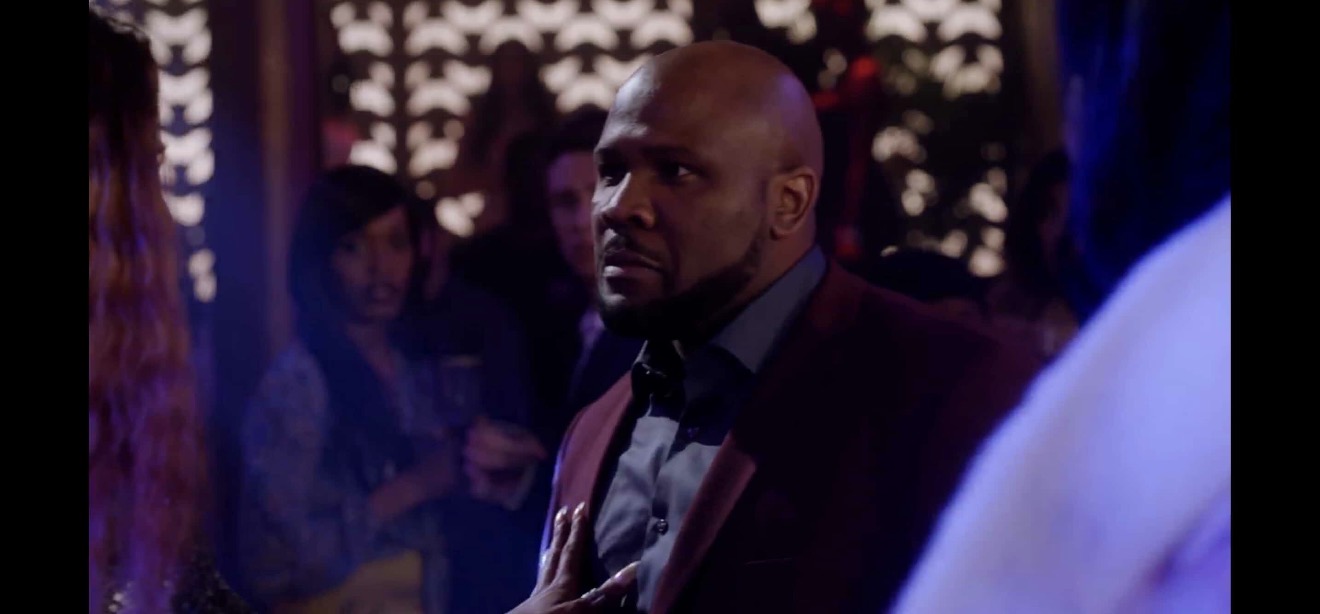
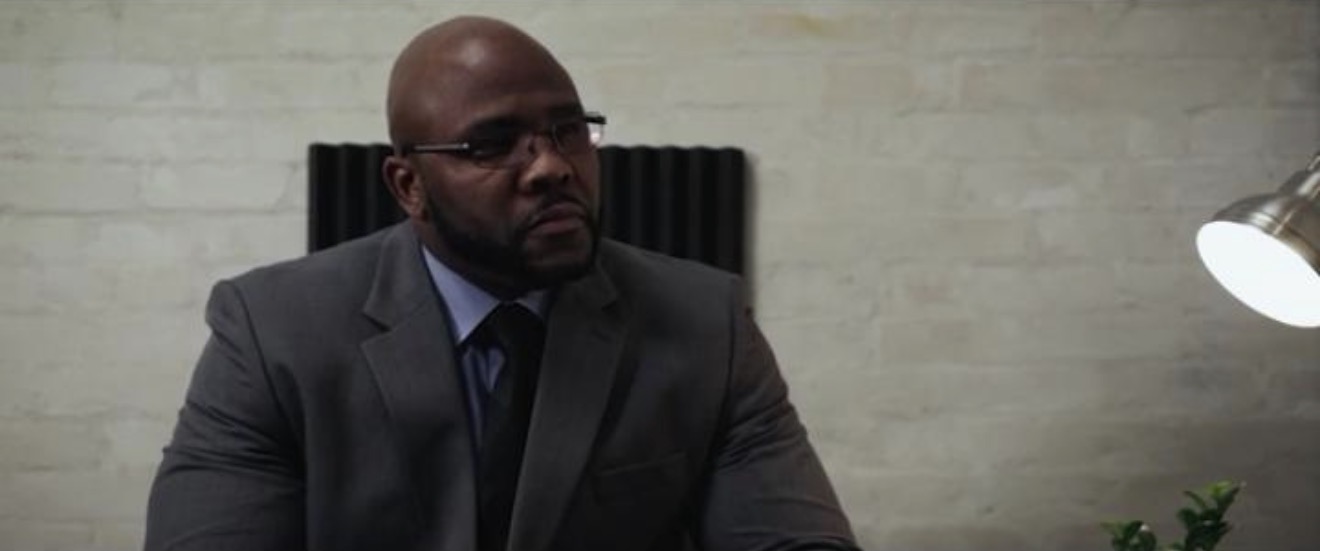
The most rewarding aspect of being an artist is the ability to tell the truth in a way that reaches people beyond words. There is something powerful about stepping into a character and bringing a human experience to life in a way that makes someone feel seen, understood, or even challenged. When a performance resonates, it creates a connection that is real, even between strangers, and that is something I do not take lightly.
For me, it is also the process of transformation. Each role requires you to grow, to explore parts of yourself you may not fully understand yet, and to expand your emotional range. It forces you to become more aware, more open, and more present. That journey of constantly evolving as both an artist and a person is one of the most fulfilling parts of the work.
There is also a deeper purpose in it. Art has the ability to shift perspective, inspire change, and leave an impact that lasts far beyond the moment. Being a part of that, even in a small way, is meaningful. It reminds me that what we do is not just entertainment, it is storytelling that can move people, heal people, and sometimes even help them see their own lives differently.
At its core, the most rewarding part is knowing that the work matters. Not because of recognition, but because of the connection it creates and the truth it reveals.
Contact Info:
- Instagram: https://www.instagram.com/aaronquicknelson
- Youtube: https://www.youtube.com/@actoraaronquicknelson
Image Credits
BET
FOX
The CW
Netflix
Highland Film Group, BuzzFeed Studios