

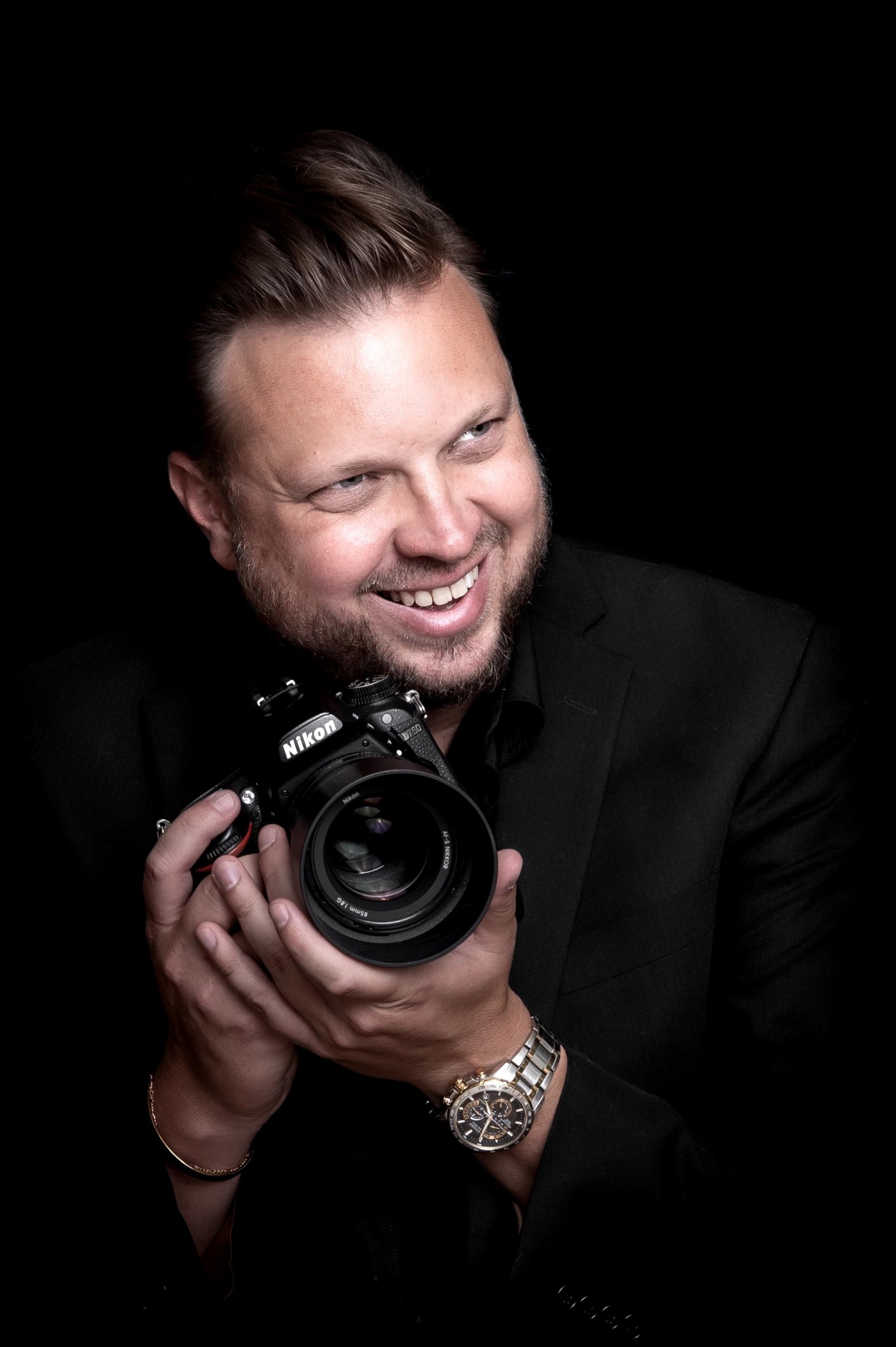

We were lucky to catch up with Aaron Farrier recently and have shared our conversation below.
Aaron, appreciate you joining us today. We’d love to hear the backstory behind a risk you’ve taken – whether big or small, walk us through what it was like and how it ultimately turned out.
One of the biggest risks I’ve ever taken was deciding to pursue celebrity and high-profile photography while living in Dayton, Ohio, with no real contacts in the industry. Most photographers who work with celebrities are based in Los Angeles, New York, or other major entertainment hubs. I didn’t have the convenience of proximity, and I didn’t have a network to lean on, no agents, no mentors, and certainly no guaranteed assignments. So I had to lean on my ability to network and meet the right people which I’ve always somehow been pretty good at.
Financially, it was a huge leap. I was investing in professional-grade camera gear, studio rental spaces, and travel all without any assurance of income. Not to mention, doing less graphic design work as I was on the road more. Creatively, it was daunting because I knew I’d be competing with photographers who had decades more experience and established reputations. Every project felt make-or-break for me, and I had to rely entirely on my own ability to produce work that could stand out on it’s own.
I approached it strategically: I built a portfolio that could speak for itself, leveraged every small connection I had and created opportunities wherever possible, even if it meant driving long distances for shoots or starting with unpaid or low-paid assignments just to prove myself. I knew I could do that work, that was never in question. I needed to prove I deserved to be hired. I focused on building trust and delivering results fast, knowing that word-of-mouth in this industry can make or break a career.
The risk paid off. Within a few years, I was photographing celebrities and working on higher-profile campaigns, and my work started to gain recognition both locally and nationally. Taking that risk taught me a few key things; how to navigate uncertainty, how to create my own opportunities, how to trust my instincts under pressure and possibly most importantly, how to be patient.
Great, appreciate you sharing that with us. Before we ask you to share more of your insights, can you take a moment to introduce yourself and how you got to where you are today to our readers.
I’m a photographer and graphic designer. But I’ve always been drawn to creating images and visuals that make people look like the best version of themselves and their brand. I didn’t come up through a traditional, linear path. I built my career by doing the work, figuring things out in real time, making an obscene number of mistakes, and constantly raising my own bar. I always wanted my next shoot to be better than my last one. Over time, that evolved into working with a mix of local businesses, agencies, defense contractors, and then eventually celebrities and other high-profile clients.
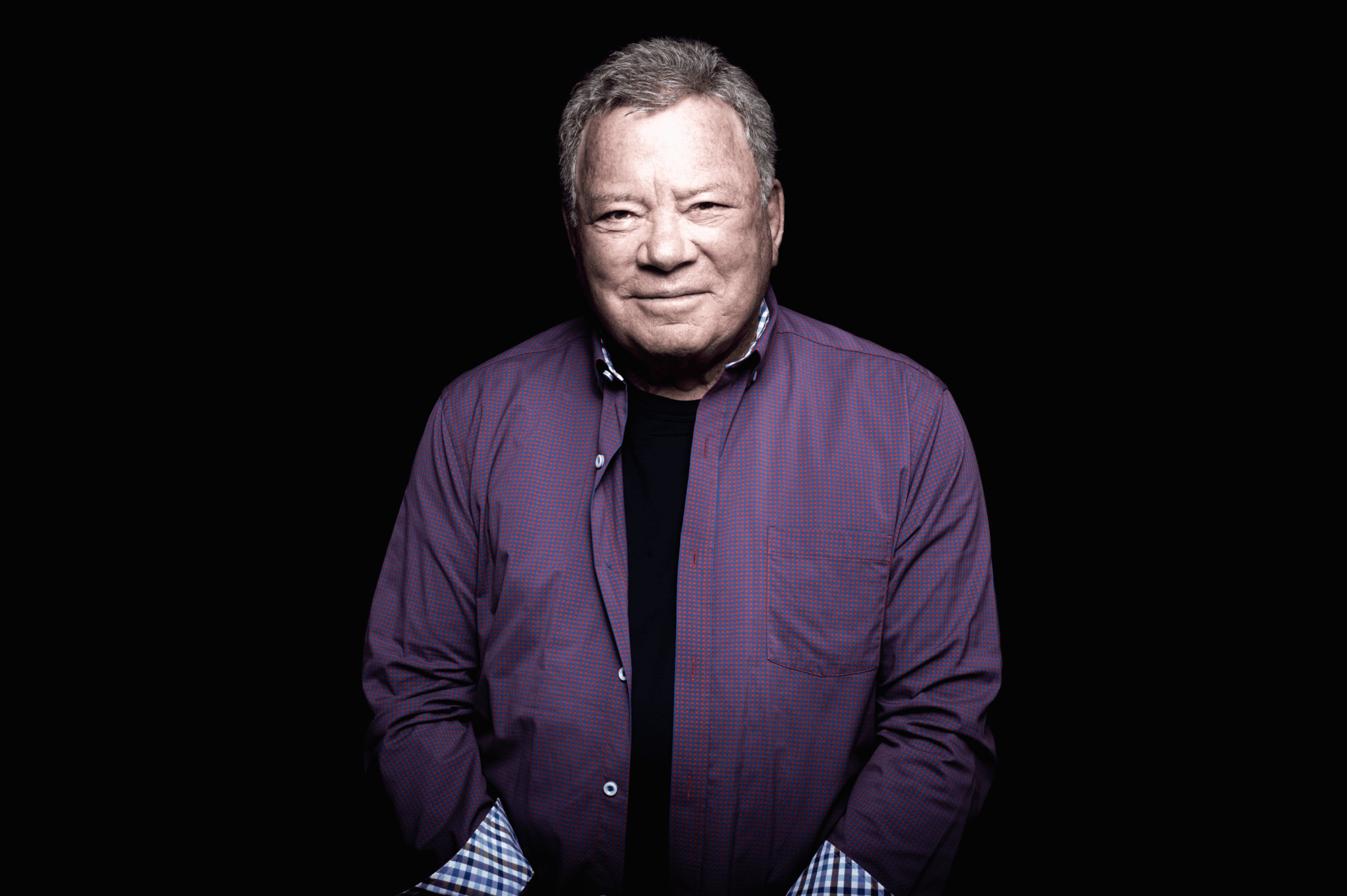
Today, I’m best known for my celebrity portraits and commercial photography. But I do continue to do graphic design work as that will always be my first love. Sometimes, I get to combine the two where I do the photoshoot and design the key art. However, when I’m home, and I’m in between assignments, I have a passion for giving local businesses, actors, etc access to the same deliverables, but on a more local scale. It helps keep me sharp while supporting small to mid-size businesses with their professional goals as well. And yes, I’ve been known to take senior portraits for my friends. Haha! Love it all.
In the celebrity or commercial realm, the problem I solve is pretty simple, but important: most people either don’t know how to visually represent themselves well, or they’ve been burned by work that looks generic or outdated. I bridge that gap by combining strategy with execution. I don’t just take photos, I think about how the photograph will work and how it will actually be used as well as how it impacts perception, credibility, and ultimately the client.
What sets me apart is speed, experience, and instinct. I work fast without sacrificing quality, which actually saves clients money compared to less experienced creatives who take much longer to get to the same result. The shoots are important. I have to be able to connect with the person, socialize with them, all while getting the shots. I structure my shoots a little differently than most I think and that’s what gives me the ability to get what I need, or what the publicist needs or what have you, and do so relatively quickly.
I also bring a dual background in both photography and design, so I’m not just thinking about a single image, I’m thinking about the entire visual ecosystem. I photograph like a designer, in other words, I know beforehand the end result, and know if I need to leave the designer (whether its me or someone else) enough room for them to use the image without having to add space artificially.
What I’m most proud of is that I’ve built a career as a celebrity photographer while still being based in Dayton, Ohio. In an industry where most people feel like they have to be in Los Angeles or New York to be taken seriously, I chose a different path. That meant taking on more risk, traveling when needed, and consistently producing work that could compete at a national level, no matter where I was based.
The main thing I want people to know is that I take the work seriously, but I’m easy to work with. I understand both the creative side and the business side, and my goal is always the same: create work that not only looks great, but actually works for the client.
Is there a particular goal or mission driving your creative journey?
I had one simple rule when I stepped away from graphic design full-time, I didn’t want to take photos that just anyone could take.
At the time, I was working in NASCAR with some incredible clients—designing driver suits, car paint schemes, marketing… and then on weekends, I’d be at the track shooting candids and race action. It sounds exclusive, and it is! But I was also standing shoulder-to-shoulder with about 200 other photographers. We all had different assignments, sure, but at the end of the day? We were basically taking variations of the same shots and chasing the same clients.
After a few years, I had a moment of clarity that this wasn’t it for me. If I was going to do photography, it needed to be something more distinctive, something not easily repeatable.
So I pivoted. I took that same mindset and aimed it at Hollywood. The goal stayed the same, create images that not just anyone can take. That shift lit a fire for me creatively, and it’s still the foundation of how I work today.
It’s become my filter for every shoot, if it feels too ordinary, I push the creativity further. And I think that mindset is a big part of what sets me apart and ultimately gets me hired.
What do you find most rewarding about being a creative?
The financial rewards are great…when they show up. But honestly? The best part of what I do is the people and creating GENUINE connection.
Somewhere along the way, a lot of my clients have turned into acquaintances and some into really good friends. I’ve been invited to dinner parties, birthdays, even vacation homes. And a lot of them have become unofficial mentors, helping me navigate Hollywood, because, let’s be honest, what the hell did I know going into that? (Still figuring it out, by the way.)
I’ve gotten career advice, life advice, all of it. I don’t take that lightly. But beyond that, it’s the creative collaboration that really sticks with me.
A recent example was when I was photographing Teller from Penn & Teller. We spent two days shooting portraits and editorial work at his home. The first day actually started with him giving me a tour of the house, which was incredible, not just because it’s a fascinating space, but because it gave me a real sense of who he is as a person. What he’s into, how he thinks…all of that. I just wanted to listen to every word he had to say because the man has been through it all. It was like a masterclass in life lessons.
That turned into more conversation which then turned into trust and we carried that straight into the shoot. We weren’t just taking photos, we were building something that actually felt like him, on and off stage.
And in the middle of the second day, he stopped and said some of the kindest, most genuine things I’ve ever heard from a client. It caught me off guard, honestly. I’ll spare you the details of what exactly he said because I don’t want this to be self-aggrandizing, but I thought, here’s someone who’s worked with who-knows-how-many photographers over a long career, and to hear these things from him? That meant everything.
It was one of those moments that just kind of resets you and reminds you why you do this. At the end of the day, it’s not really about the camera, it’s about the connection.
The camera just happens to be my excuse to walk into a room and talk to people I’d otherwise never meet. #LifeHack
Contact Info:
- Website: https://www.aaronfarrier.com
- Instagram: @aaronfarrier
Image Credits
All Images by Aaron Farrier