



The number one thing we hear from entrepreneurs and artists and creatives when we ask them about their education is about how irrelevant it was to their story. Sure, some folks had wonderful educational experiences, but for many their experiences left them feeling ill prepared for life and their careers. So, we wanted to create a space for folks to share their experiences and ideas for how we can improve our educational system.
Rachel Curry
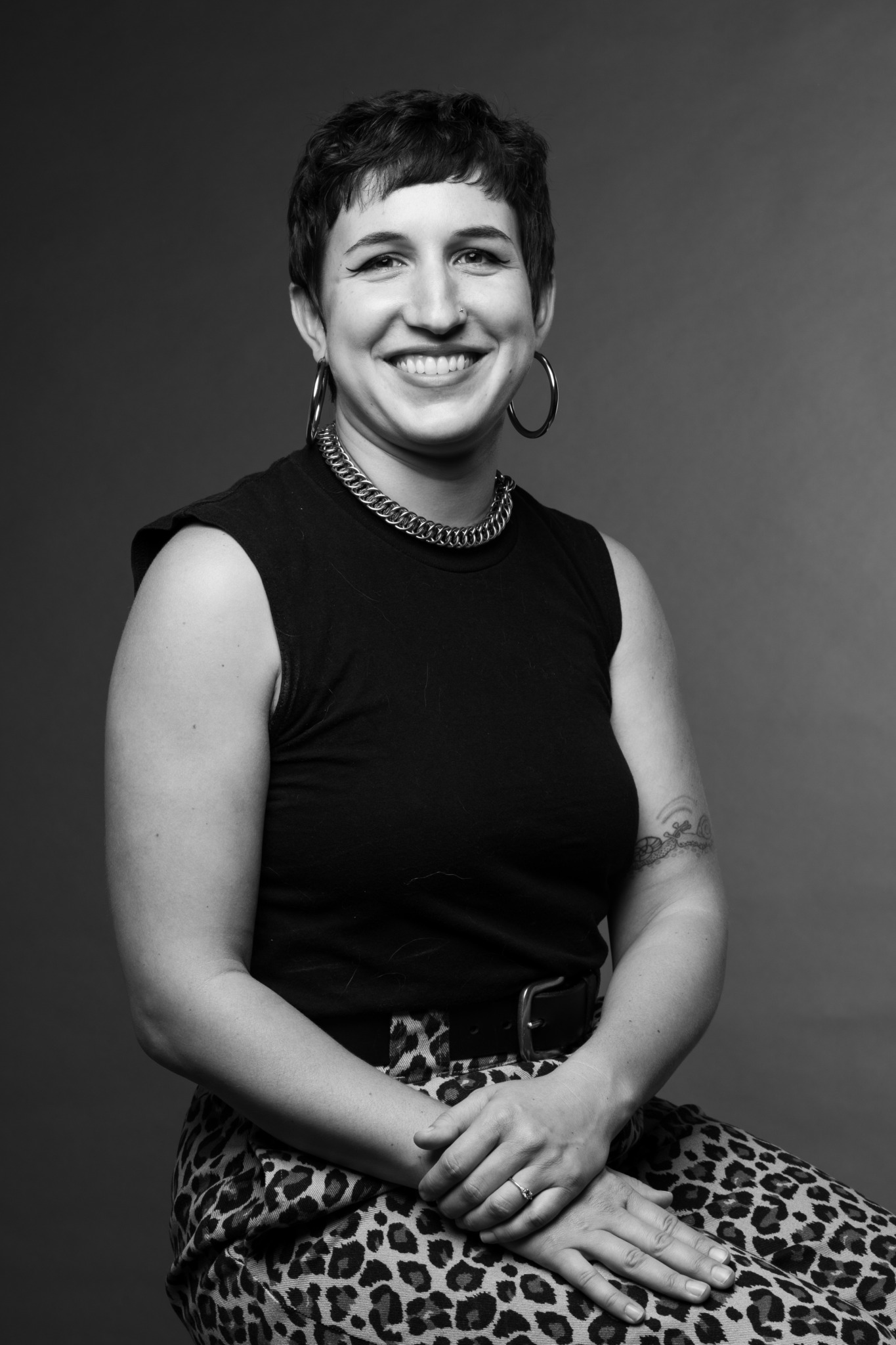
As someone who struggled in school and is now and educator myself, I have a lot of thoughts and feelings surrounding the school system. If I could change something about the educational system I would change the way schools are underfunded and the value systems that are placed on certain subjects over others. If this country invested more resources into education and less into carceral systems such as police and military, I think we would create a country where people have more opportunity and support overall. Personally, I prepare my students for a more fulfilling life and career by focusing on their humanity, and attempting to deconstruct harmful narratives they may have about themselves or others through a social justice pedagogy rooted in liberation through creative expression and community building. Read more>>
Deanna Rose

I did my elementary school in China, high school, undergraduate and doctorate degree in Canada, so I have personally experienced the differences between the two systems, cultures, and belief systems. I feel that both education systems can create a better environment to support students in learning and practicing critical thinking skills. The school system often teaches students what to think rather than how to use their own perspective to look at an event, a person, a place, or a subject. This creates copies of the same thinking mind, rather than supporting the individualized and creative minds of individual humans. This encourages students to explore, at a young age, of their own talents, perspectives, and preferences. So as they grow, they feel comfortable and confident in expressing their own opinions and thoughts without being judged or feel they might be “wrong”. Read more>>
Christine Kroger
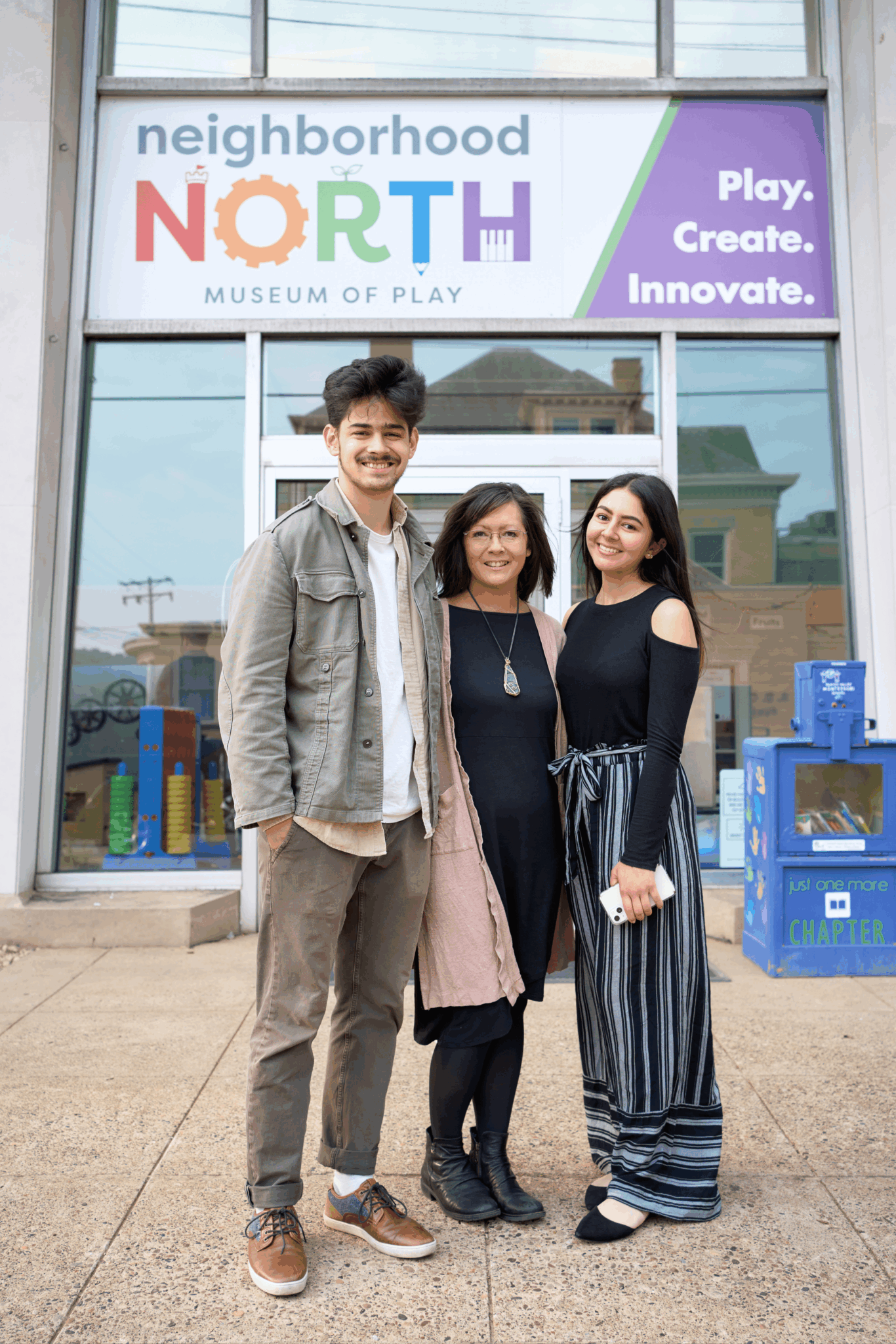
Frequently, the words we use to describe a situation shape our perspective and influence how we approach it. In recent years, the language used to describe our education system has led us to view learning as isolated, standardized, and restricted by inflexible criteria. Along with many experts in the field, I believe that this framework no longer supports the well-being of young people or our communities. Our education system is intended for human beings, and our understanding of child psychology and development informs us that humans learn and grow in diverse environments—environments that are often more complex than straightforward. Instead, I believe our vocations are part of a lifelong rhythm of learning, work, and play. The education system must reconsider who is considered a learner and how and when learning takes place to better prepare students for a more fulfilling life and career. Art, play, and hands-on creation should be emphasized as essential components of education, and learning should be acknowledged as happening both inside the classroom and out in the community. Elevating how play creates equity and fosters knowledge acquisition, understanding, and social-emotional development will impact learning across domains over a learner’s lifetime and impact community flourishing. Read more>>
Emma Stewart
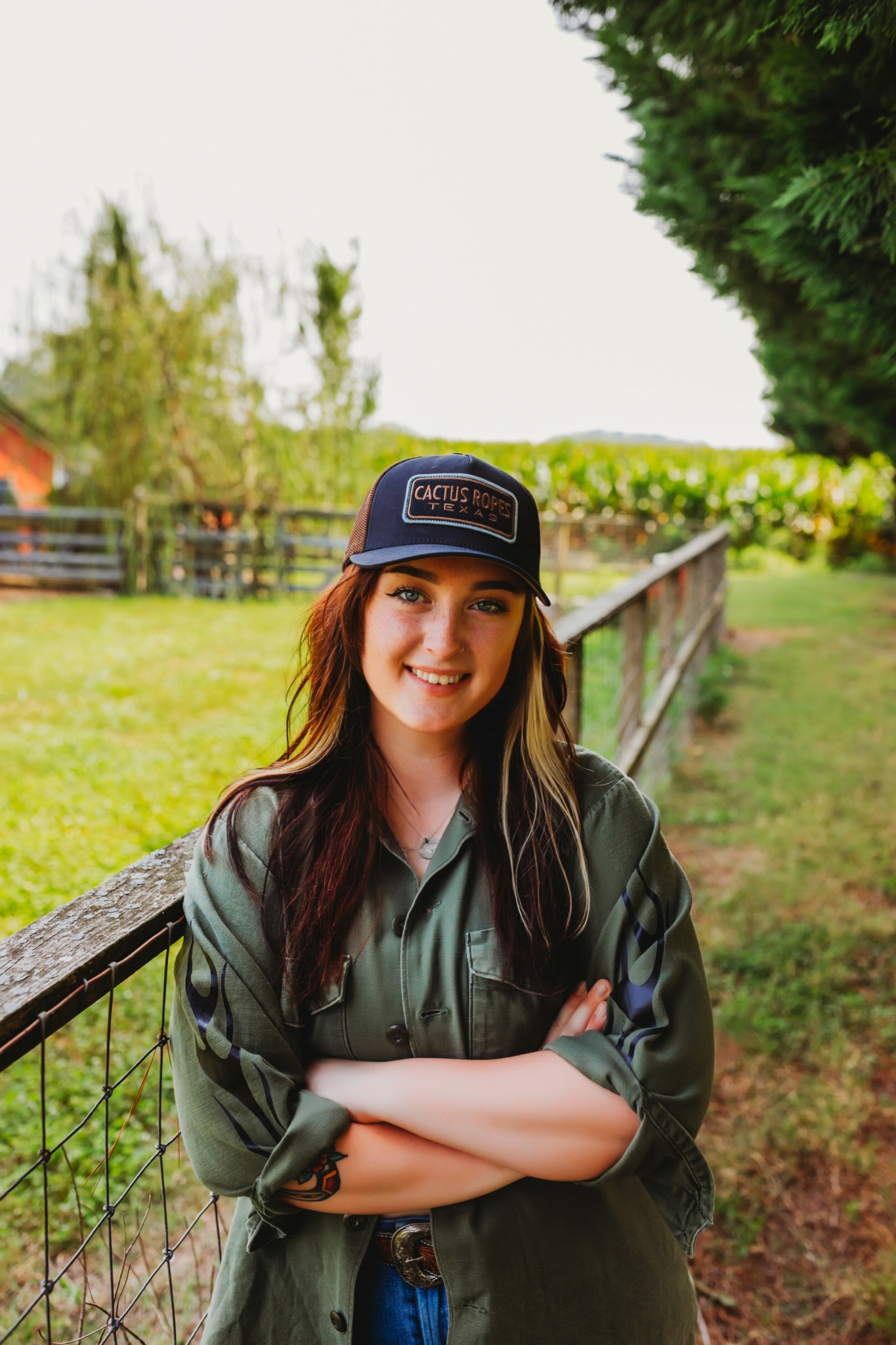
If there’s one thing I’d change about the American Education system, it’s placing less emphasis on a strictly-college education and more emphasis on learning marketable skillsets. I remember being in high school and being told by guidance counselors that I was “too smart to not go to college.” By that point, I’d already chosen to enter the workforce immediately after high school by enrolling in a machinist apprenticeship. At 19 years old, only a year later, I was fully supporting myself financially AND was able to start a photography business BECAUSE of that blue collar job that my guidance counselors said was a “waste of potential” for me. I’m also currently working on my associates degree – and my “waste” of a job is fully paying for it. So many kids are pushed towards college at age 17/18, and they’re never told that there are other options out there. Read more>>