

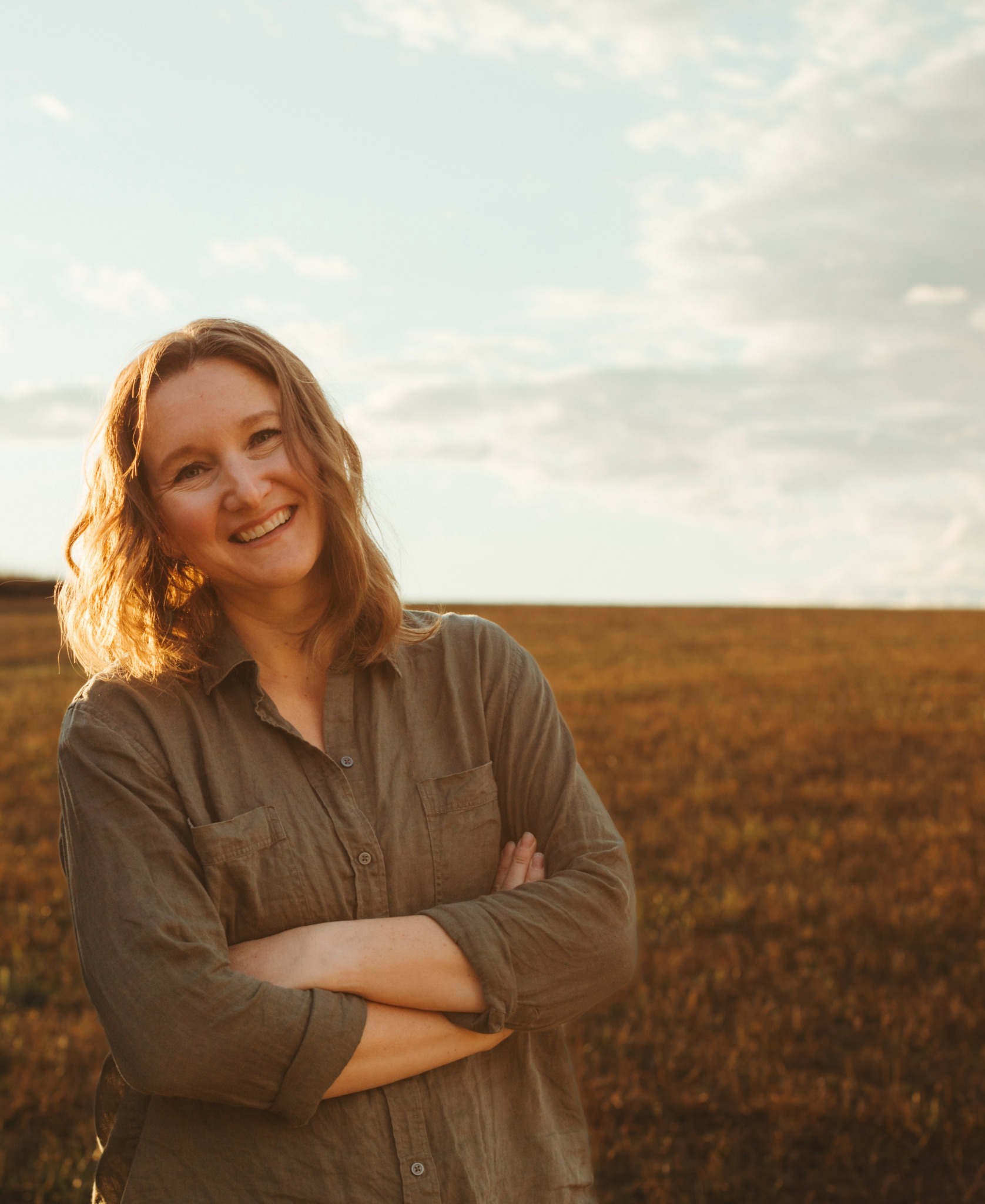

Today we’d like to introduce you to Livie Olsen
Alright, so thank you so much for sharing your story and insight with our readers. To kick things off, can you tell us a bit about how you got started?
This shop began on accident. It grew out of my quilt shop, Fenceline Fabrics. I set up a small de-stash corner in the quilt shop hoping to re-home some fabric that had been given to me by some children cleaning out their mother’s sewing room after her death. People loved the idea of a lower priced option and saving things that had been headed to the landfill. Eventually, people started asking if we took donations and well, I was too thrifty minded to refuse. In no time, the donations were taking up half the space in the Fenceline Fabrics building (which was only 600 square ft) and I realized that a secondhand sewing shop wanted to exist. We started up a website for A Thrifty Notion in 2018 and it’s been growing steadily since then.
Things were getting pretty crowded in our tiny space, so we moved house. We loaded up our de-stash and deadstock fabrics and transported our inventory to our current location, a 2,400 square ft warehouse in the little town of Ogden, KS. I’ve since closed the doors on Fenceline Fabrics in order to focus on A Thrifty Notion. I had been a bit conflicted about being part of the “buy new, buy more, here’s the latest collection of things you don’t need,” push that is part of mainstream retail. The sustainably secondhand core of this business sits better with my conscience.
Would you say it’s been a smooth road, and if not what are some of the biggest challenges you’ve faced along the way?
There is always a struggle for space. The intake process for secondhand items is very labor-intensive, so we’re constantly reviewing our procedures to find ways to be more efficient. Things still pile up. We’re learning to ride the ebbs and flows of donations vs. sales. Instead of panicking when sales are slow, we take the opportunity to process and list more items so we’ll be ready when sales pick up again.
The hardest thing for me to manage is our labor costs. The business lives or dies by how much we can make available on our website, but if sales are slow, I have to make a leap of faith that the labor we’re putting in will eventually pay for itself.
Great, so let’s talk business. Can you tell our readers more about what you do and what you think sets you apart from others?
A Thrifty Notion is a unique online fabric store dedicated to providing sustainable fabrics and notions to creative individuals. We specialize in offering a curated collection of vintage, deadstock, and secondhand fabrics.
What sets us apart? Our commitment to sustainability. We believe in giving fabrics a second life, reducing waste, and promoting a more eco-friendly approach to crafting. By choosing A Thrifty Notion, you’re not just getting beautiful fabrics; you’re also supporting a more sustainable future.
Our brand is known for:
Sustainability: We prioritize sourcing sustainable materials and reducing our environmental impact.
Unique offerings: Our shop features a variety of vintage and deadstock fabrics that are hard to find elsewhere.
Community: We foster a supportive community of creative individuals who share a passion for sustainable crafting.
What are we most proud of? Transparency: Our fabrics are carefully described so you know what you’re getting. If a fabric is damaged or of low-quality in some way, we’ll let you know. It still shouldn’t be thrown away and can be used, so we price accordingly and hope that someone will have the perfect project to make it useful.
What we want your readers to know: At A Thrifty Notion, we want to be your second or third choice when sourcing materials for your projects. We encourage you to shop your stash first, check with friends next and then come shop with us if you still can’t find what you need.
We’d love to hear about any fond memories you have from when you were growing up?
My siblings and I used to play house outside, but it was really more about building the house. I’m sure it looked creepy to anyone coming upon them, but we’d go into the woods and make little shelters. We would nail old boards and branches to trees to form the walls. My dad was constantly frustrated by his disappearing hammers. We’d pile up dirt to form chairs and I’d sew old sheets into curtains for doors and windows. Old milk cartons and margarine tubs were our dishes. I even found that I could wash rags and “clothes” in a plastic container with a little dish detergent and water and then I’d hang the laundry out to dry in the trees. I’ve always found great satisfaction in turning trash into magic.
Contact Info:
- Website: https://athriftynotion.com
- Youtube: https://www.youtube.com/@AThriftyNotion
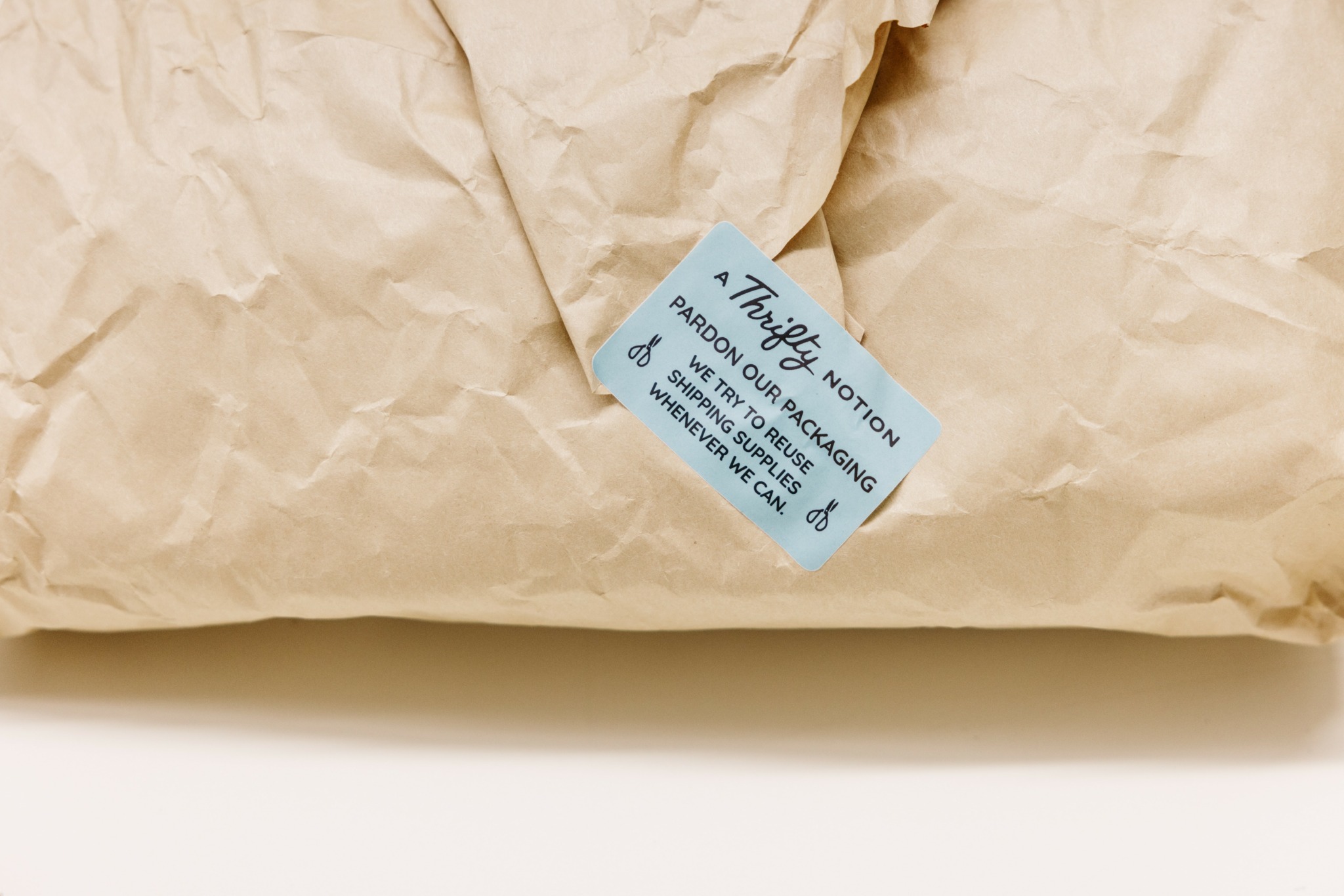
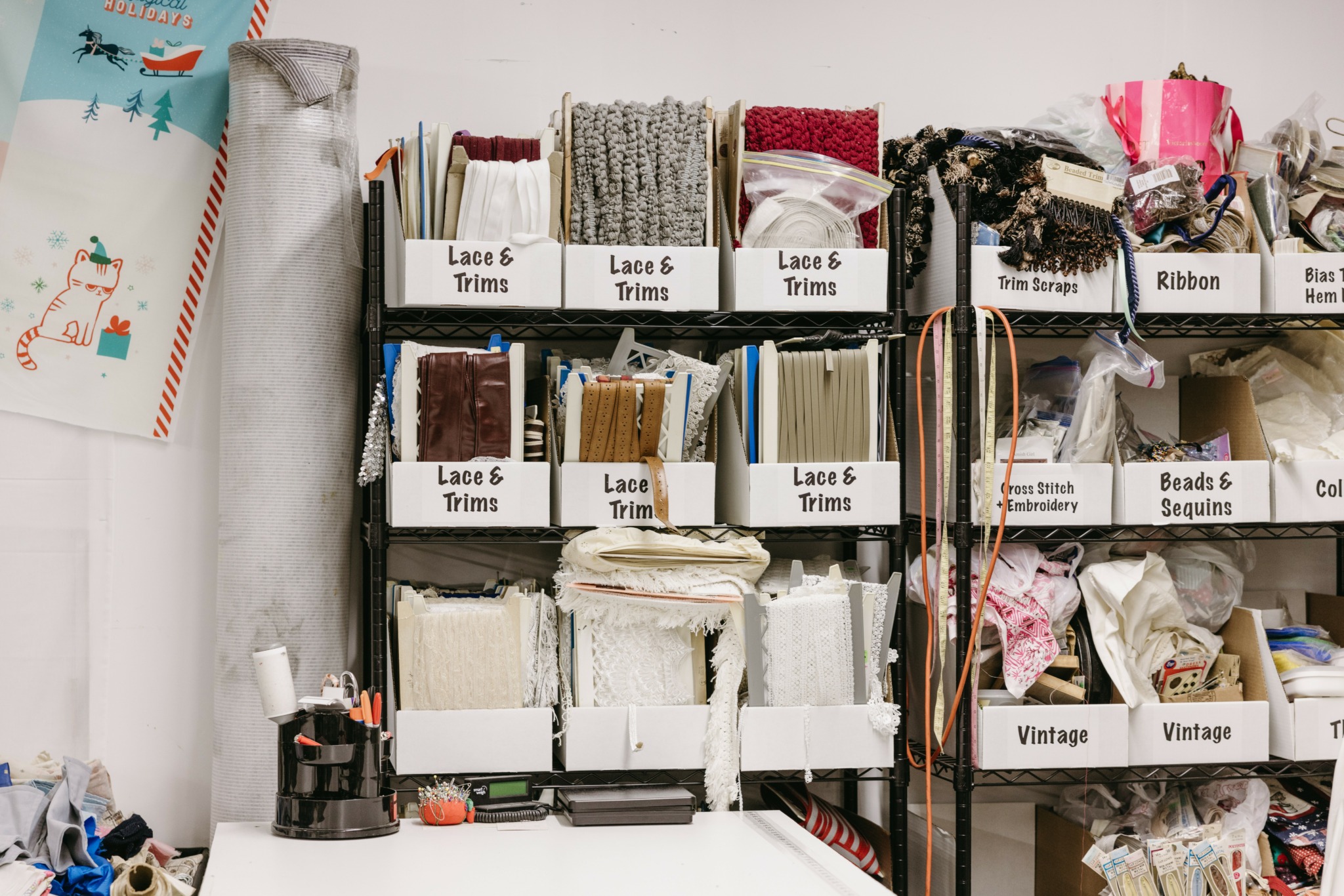
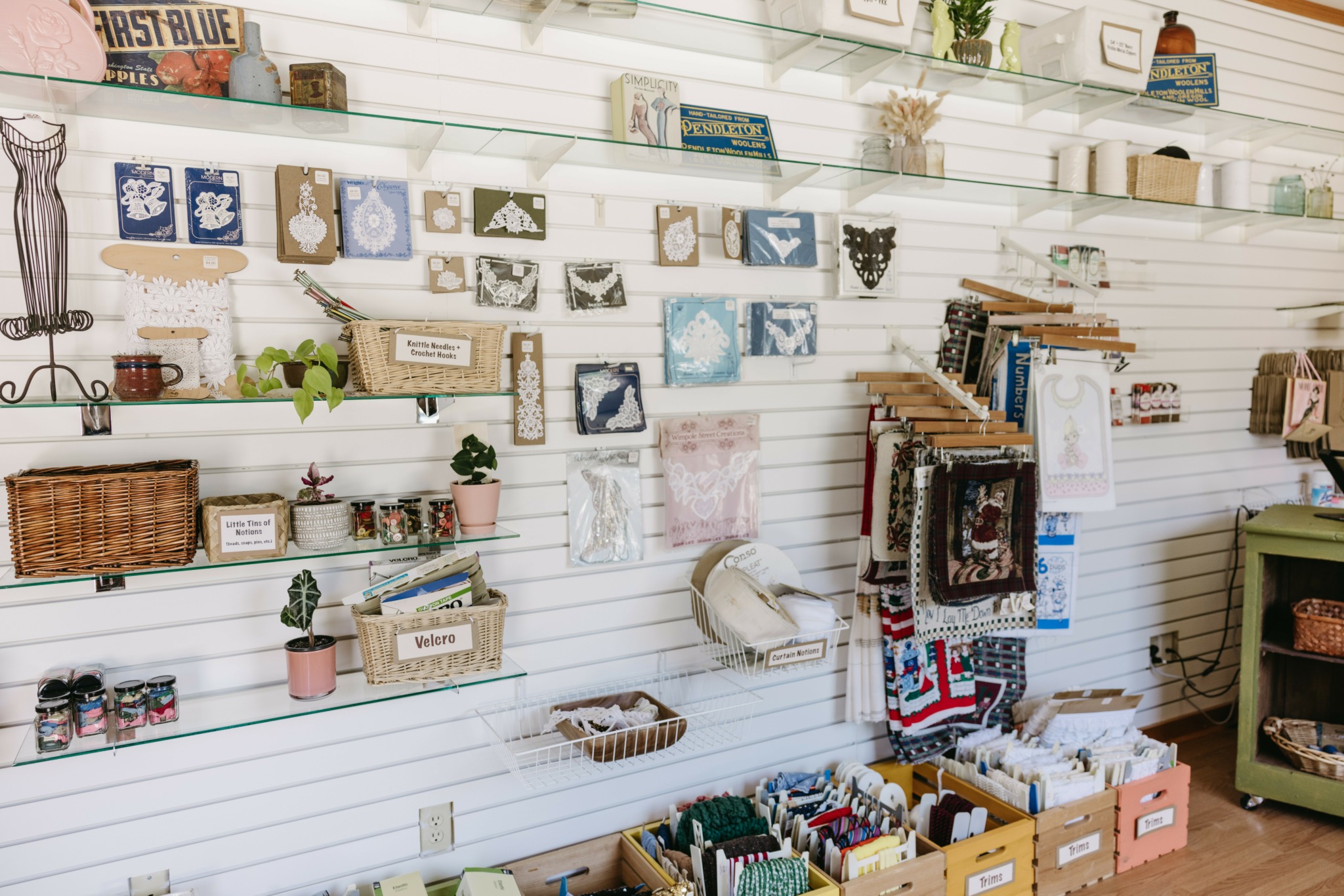
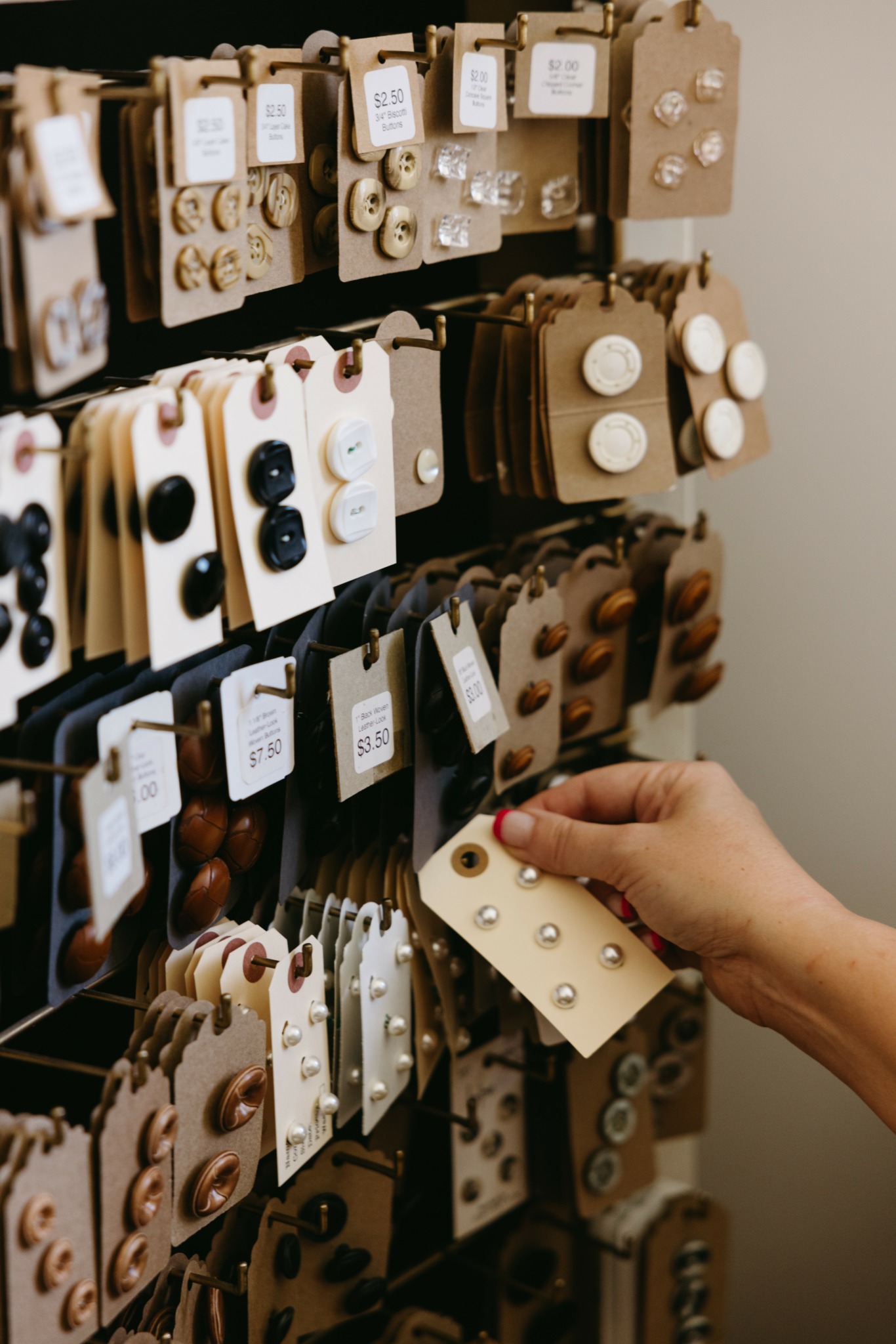
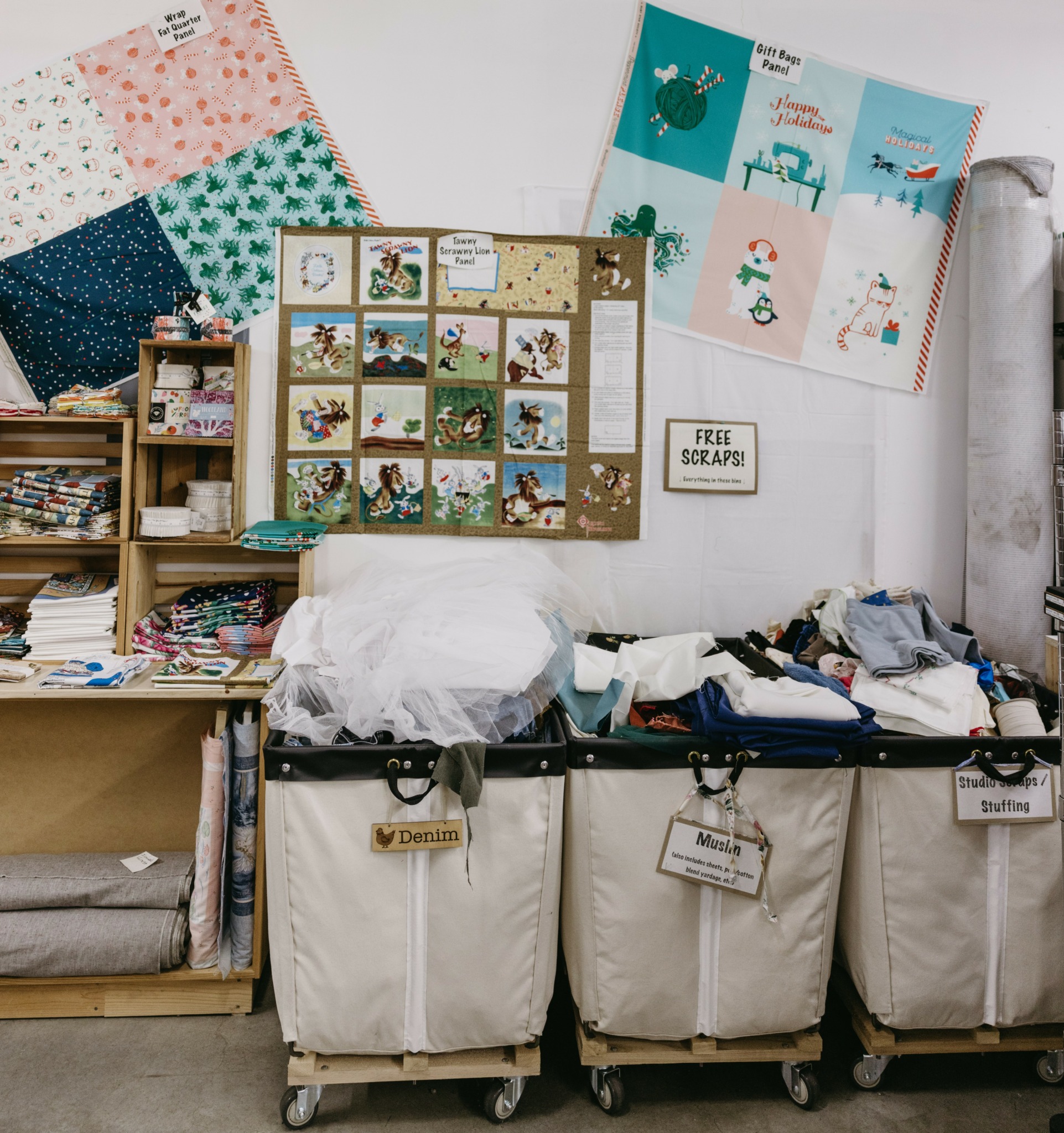
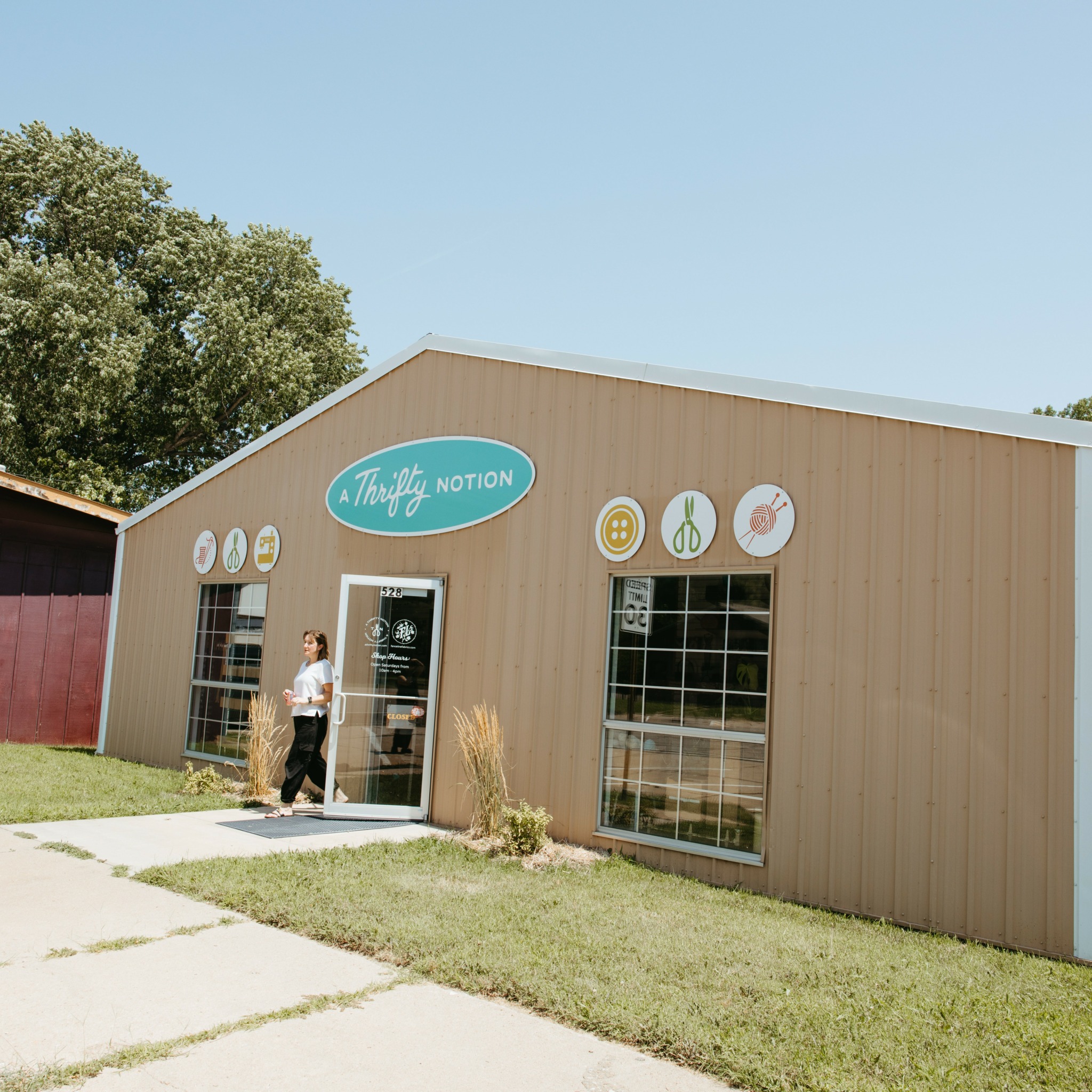
Image Credits
Marcea Lena Photo Co.