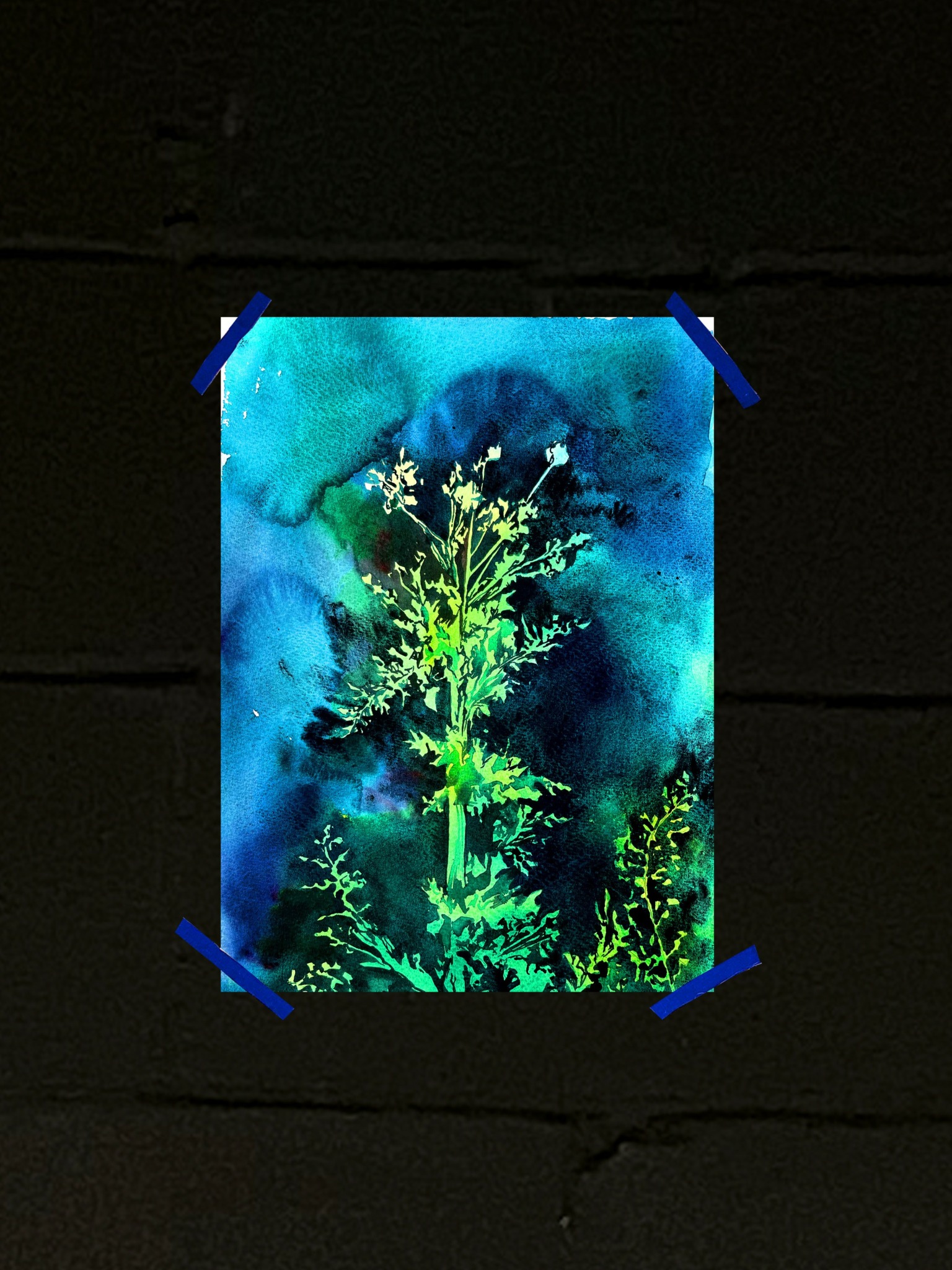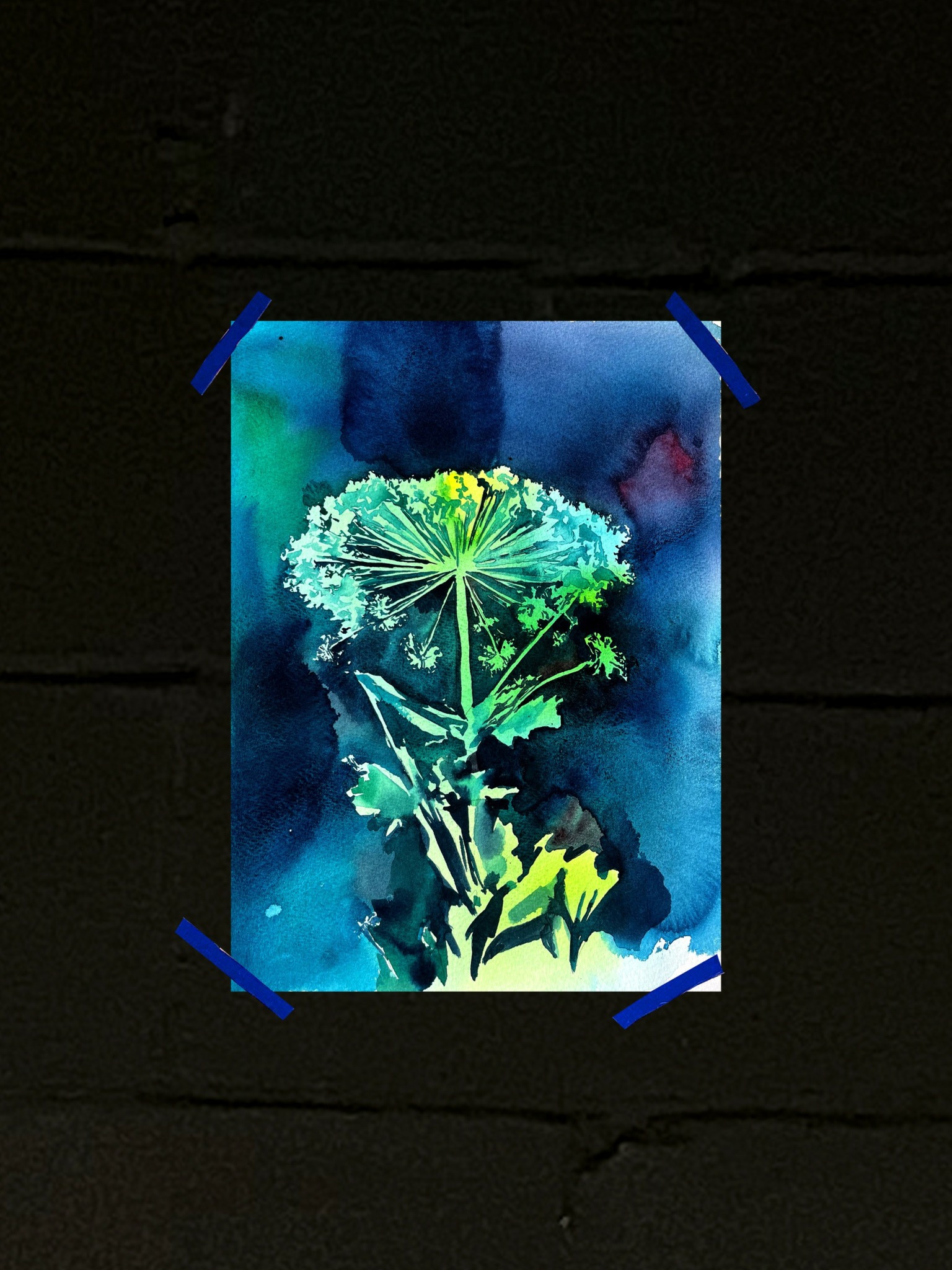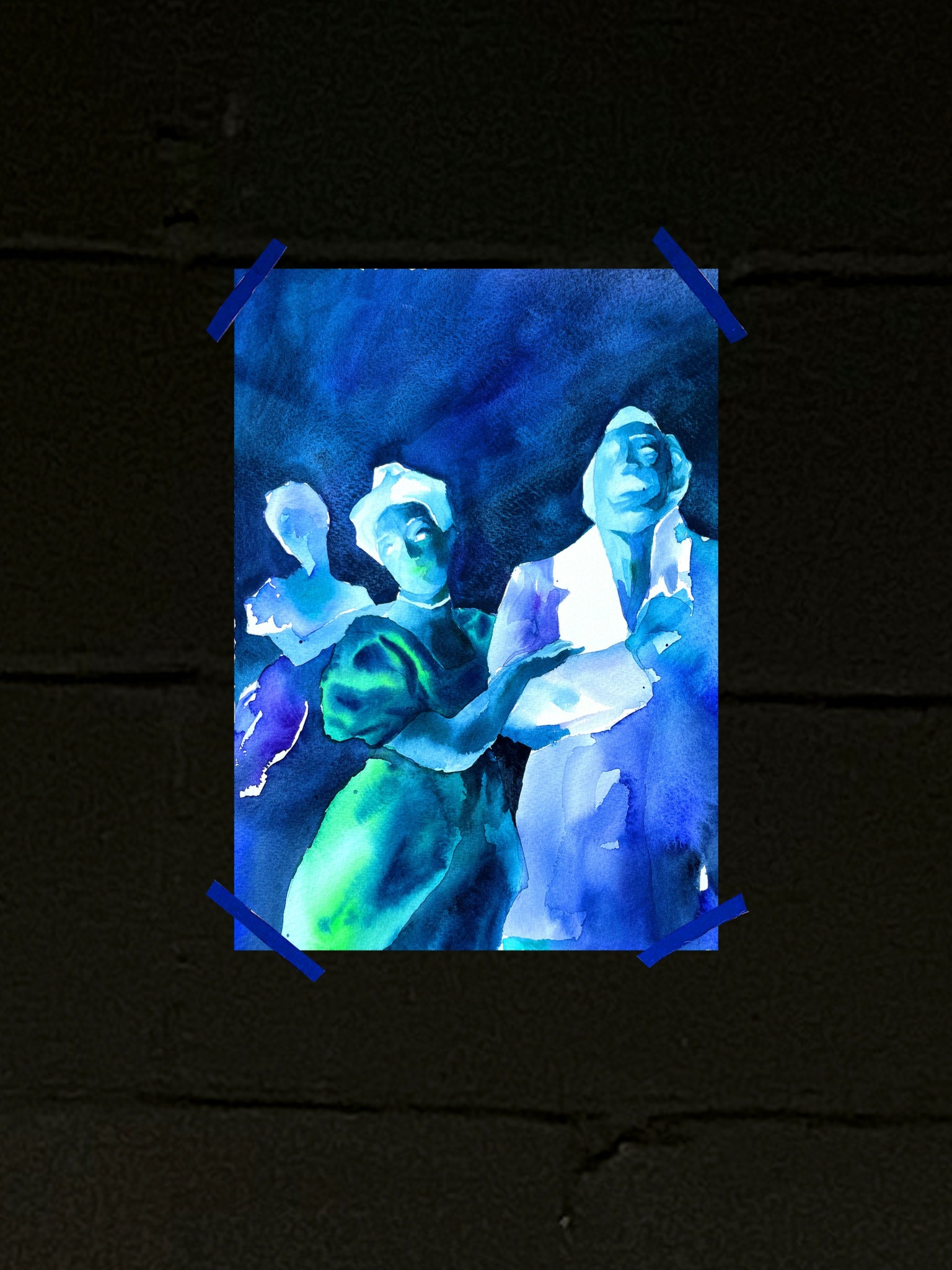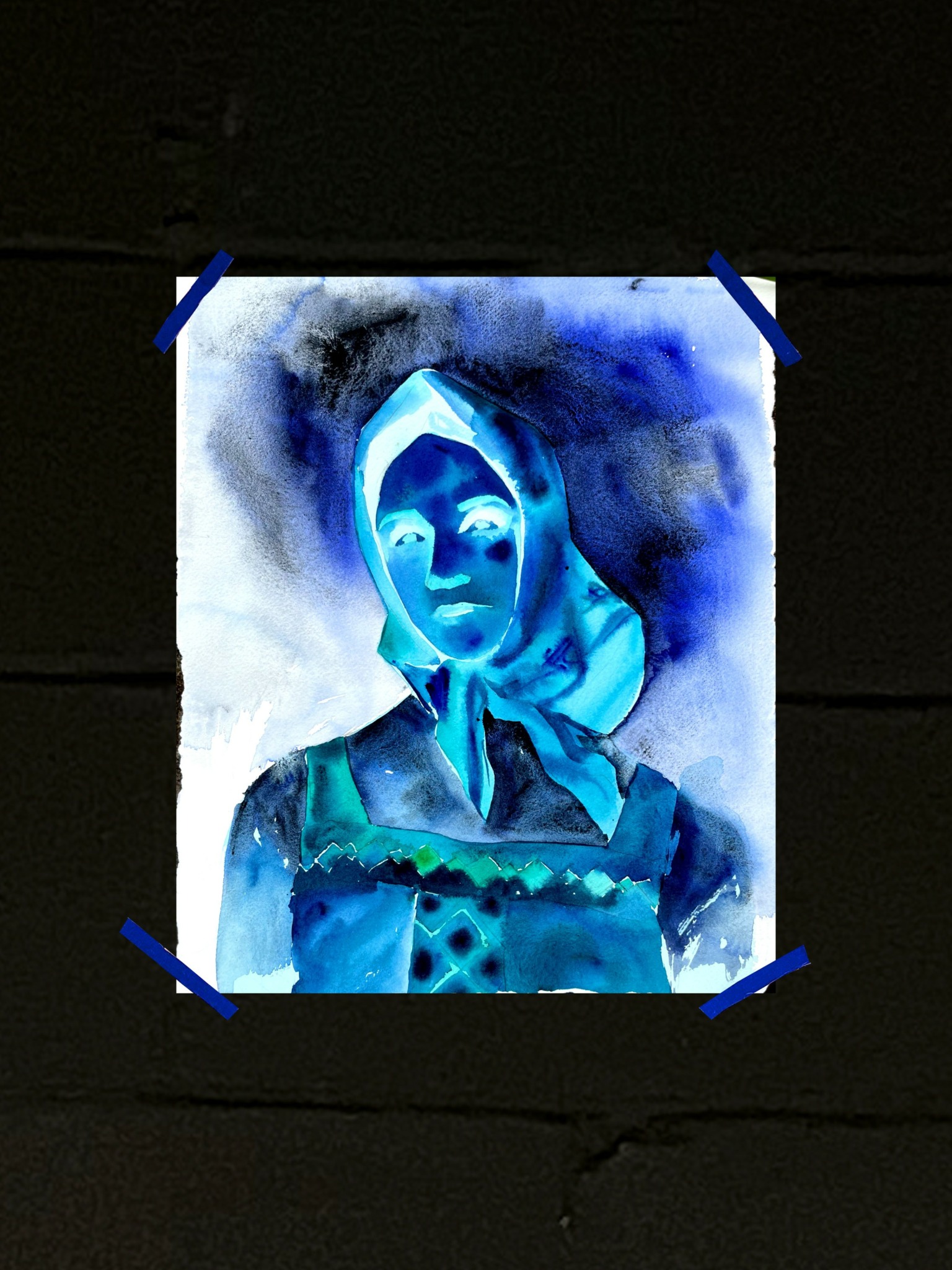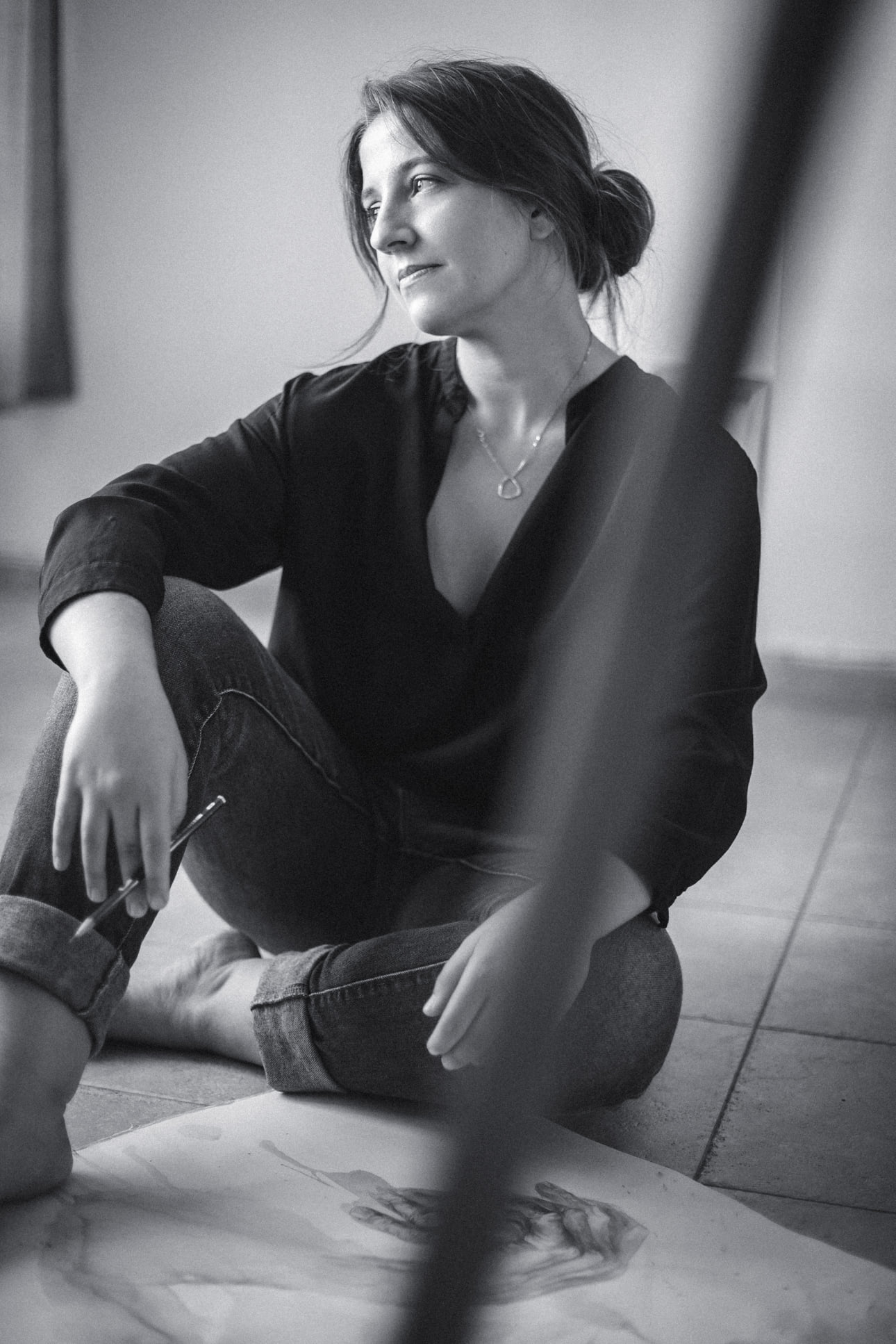

Today we’d like to introduce you to Masha Solus.
Hi Masha, please kick things off for us with an introduction to yourself and your story.
My work has been my hobby since childhood. Like any child, I loved to draw. In school, I struggled due to dyslexia, so my path forward was pretty clear early on. I didn’t get into art school, but I was accepted into music school. Music gave me so much and taught me many lessons. Looking back now, I think my love for painting and watercolor was born from music.
After graduating, though, I decided not to follow in the footsteps of my family of classical musicians—my older sister is an opera singer, my younger sister is a violinist, and my mom plays the accordion. Instead, I chose to pursue visual arts. Altogether, I’ve been studying for about 12 years, and I’m still learning to this day.
Alright, so let’s dig a little deeper into the story – has it been an easy path overall and if not, what were the challenges you’ve had to overcome?
Like any craft, when you take it seriously, there are always challenging phases. For me, the toughest part was navigating the transition between two major schools of thought in the world of painting: moving from academic realism to contemporary art. Perhaps this gap is unique to Russian education, where the divide between these styles feels particularly stark. That said, the academic art school tradition in Russia is undeniably strong.
Can you tell our readers more about what you do and what you think sets you apart from others?
Even though I’ve been in the art world for quite a while (around 18 years), I found my true voice and began following it about three years ago. For me, this shift was deeply tied to a series of crises in my life during that period: war, personal tragedies, and illness.
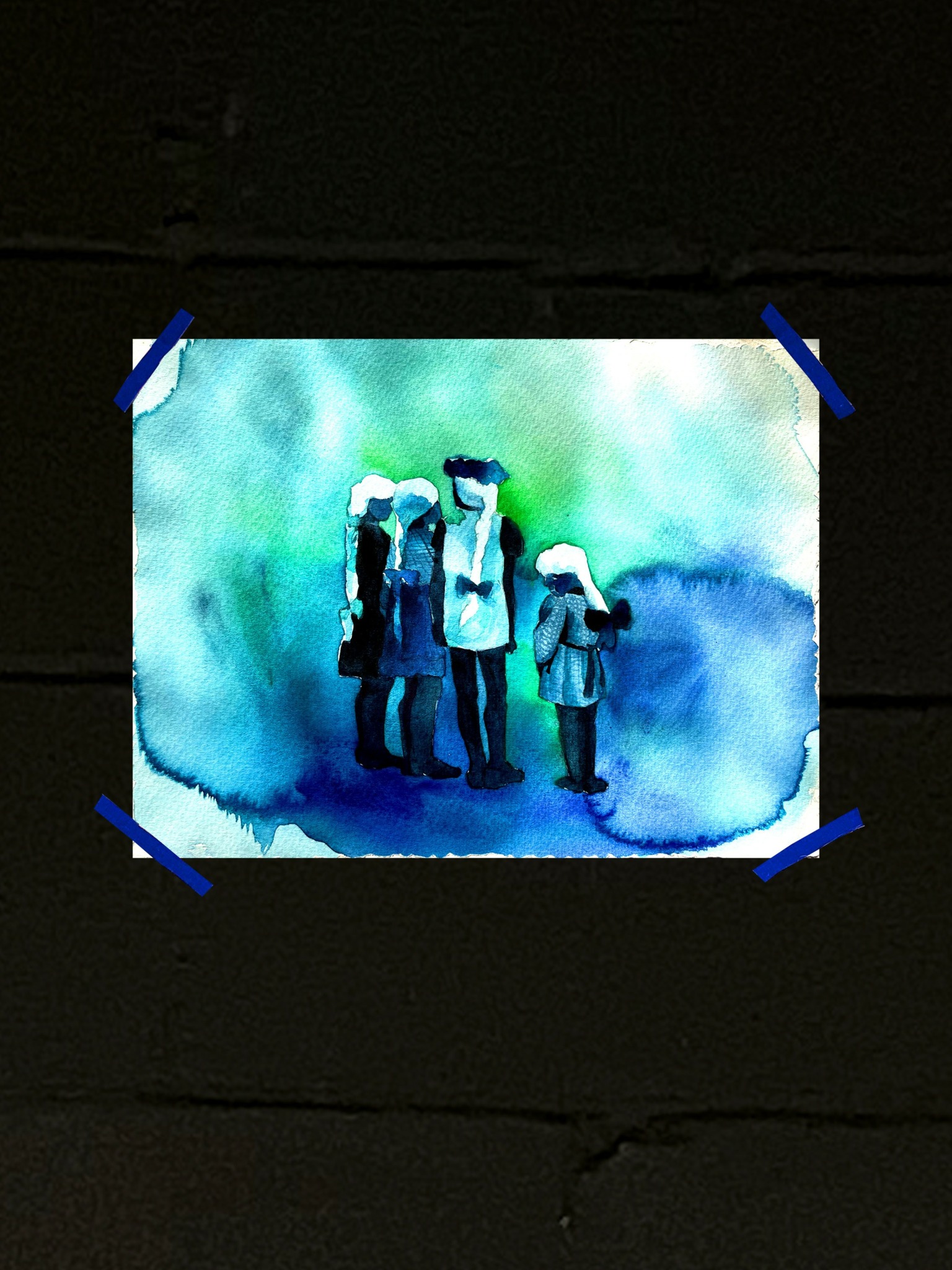
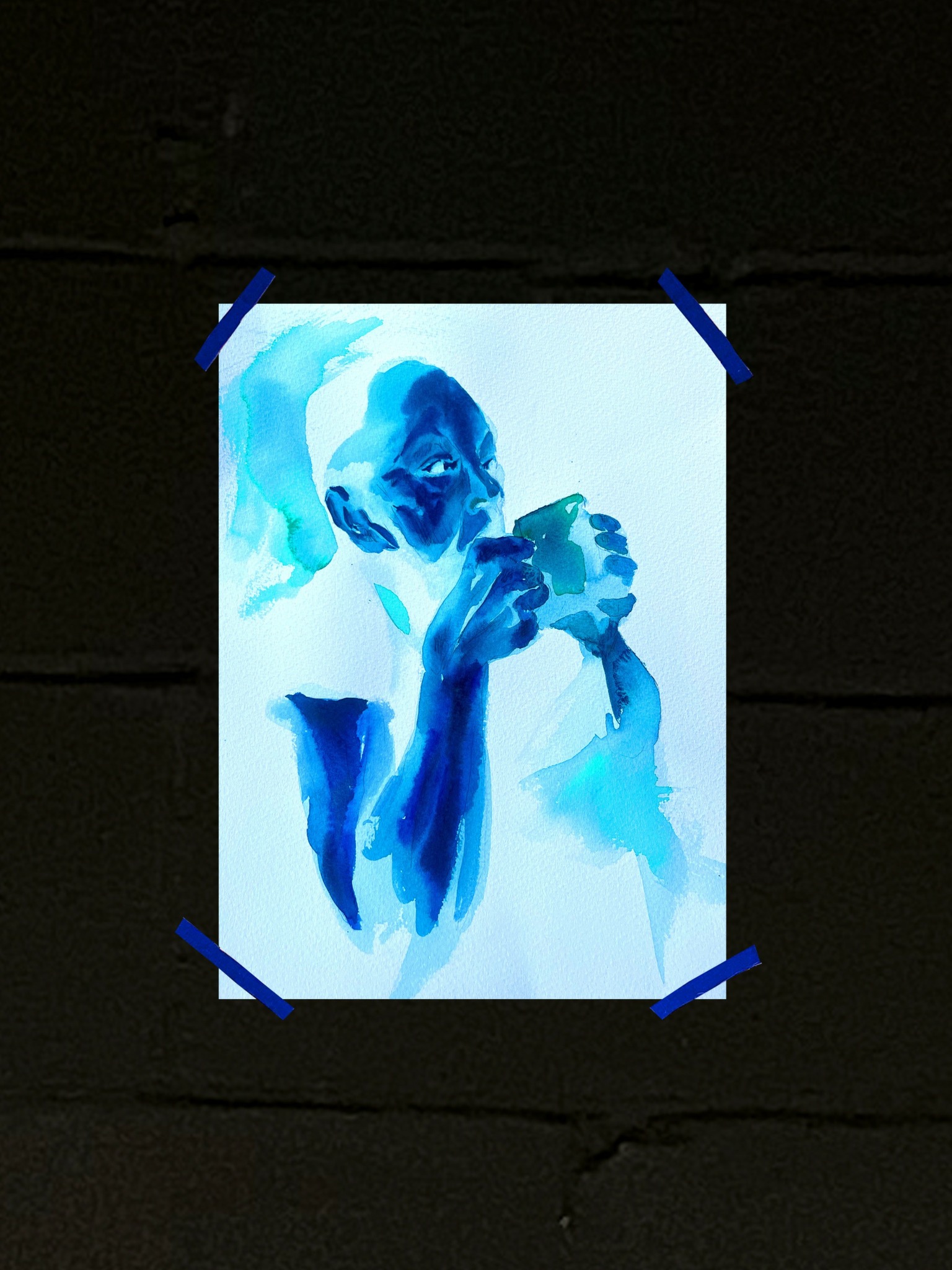
I create my work in the language of inversion. Through it, I reexamine my culture, traditions, and family. Familiar objects take on a new visual language—one that can sometimes feel unsettlingly strange. This approach is my way of rethinking and reinterpreting the world around me.
Do you have any advice for those looking to network or find a mentor?
Networking is still a challenge for me, especially since I’ve only been in the country for about three years. I believe building connections is an important part of any career, but focusing on personal growth and continuous learning creates a solid foundation for meaningful reflection.
Mentors can come in many forms—and they’re not always people we know personally. It might be a favorite podcast speaker or even a close friend.
Contact Info:
- Website: https://www.memorieshome.com/?fbclid=PAZXh0bgNhZW0CMTEAAaZbQc-8hnVmsLaybR04fPpsE8FfP9vLtlw5HLclJzNNwHPyf2NL151d9yE_aem_ky29aJY98qWv2GY6yob04A
- Instagram: https://www.instagram.com/masha_solus/?hl=ru