Today we’d like to introduce you to Cindy Cisneros
Hi Cindy, please kick things off for us with an introduction to yourself and your story.
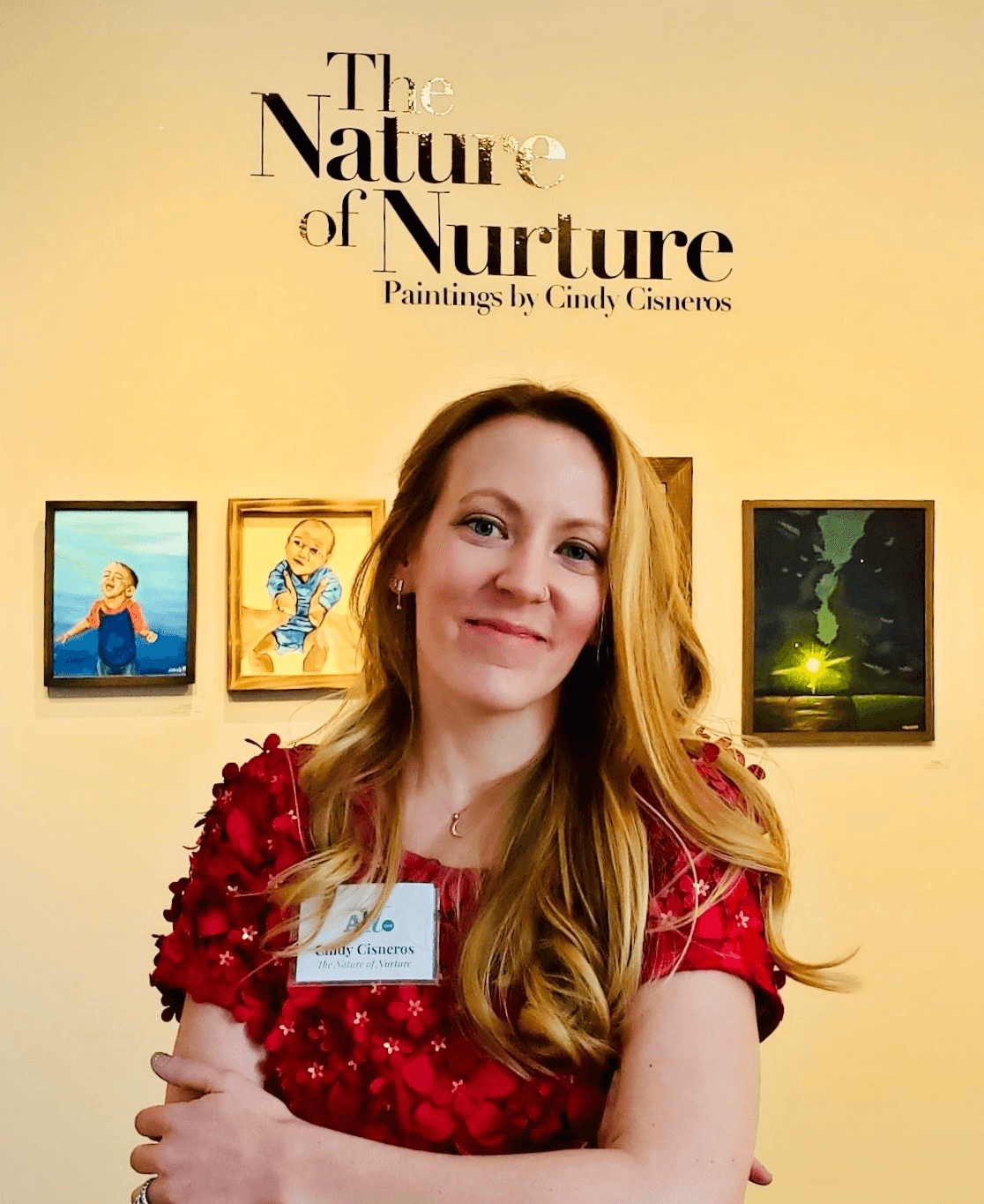
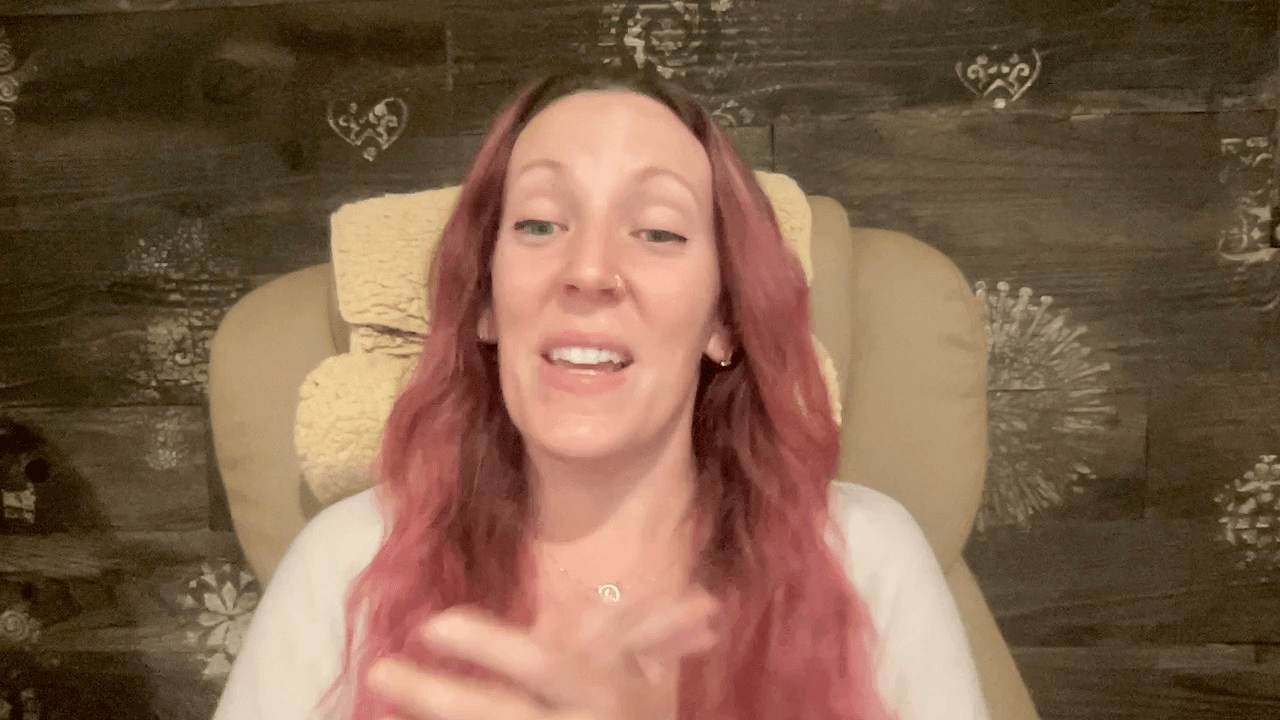
As an artist, I grew up with many rules and expectations that smothered my authenticity, leaving me profoundly unhappy. Blind to my own creative personality, I sought support from the mental health system, which ultimately also failed me. I was never seen for the creative person I was. Later, in Graduate School, I wrote a thesis on the relationship between mental health and creativity. Through research, I was awakened to the commonalities shared by creative personalities: their strength, power, need to make meaning, and desire to live authentically. I also discovered that the more creative people were, the more they needed to create to be well. These insights became foundational to my work, leading me to build my own career as a therapist and coach for artists and creative people.
Can you talk to us a bit about the challenges and lessons you’ve learned along the way. Looking back would you say it’s been easy or smooth in retrospect?
Pursuing authenticity as a neurodivergent individual has been a unique challenge for me. As a creative person, I often don’t fit into the conventional molds that society imposes. Mainstream society tends to be unfriendly to divergent behavior, and this lack of acceptance creates significant obstacles, making it difficult to navigate a world that doesn’t readily accommodate neurodiversity.
For me, the challenges are compounded by the absence of traditional or defined career paths. Unlike more conventional professions, there is no clear roadmap for a career in the arts. This uncertainty can make it feel like I’m constantly forging my own way, both emotionally and professionally, which can be incredibly lonely and overwhelming. I remember countless nights feeling the weight of this uncertainty, wondering if I was on the right path or if I should have pursued something more conventional.
The pressure to create something meaningful while also sustaining myself financially has been immense. There have been moments when the fear of failure loomed large. When your work is deeply personal and intertwined with your identity, the stakes feel incredibly high. Rejection or criticism can be devastating, making it hard to maintain the resilience needed to continue pursuing my passion.
Balancing the need to create with the need to survive in a society that often undervalues artistic contributions requires immense courage and perseverance. There were times when I questioned my choices, doubted my abilities, and felt overwhelmed by the journey ahead. But through it all, I remained committed to my authenticity, understanding that creating my own emotional and professional paths, though daunting, was essential to living a fulfilling life.
Alright, so let’s switch gears a bit and talk business. What should we know about your work?
I believe deeply in the resilience and importance of the creative spirit. This conviction is rooted in my own creative journey and struggles. My journey began with not really knowing how to do something, but working really hard to get there, letting my creativity ultimately carry me through. This was my first introduction to the power of the creative spirit.
My second introduction came through my psychological research on creativity, creative people, and their personalities—who they are and what they need. I discovered the profound connections between creativity and mental health, and how essential it is for creative individuals to express themselves authentically.
This understanding was sealed by my work with creative people and witnessing their success stories, resilience, triumphs, and impacts. Each story of an artist overcoming obstacles, finding their voice, and making meaningful contributions reinforced my belief in the strength and significance of the creative spirit. Their journeys, much like my own, are testaments to the power of creativity to transform lives and inspire others.
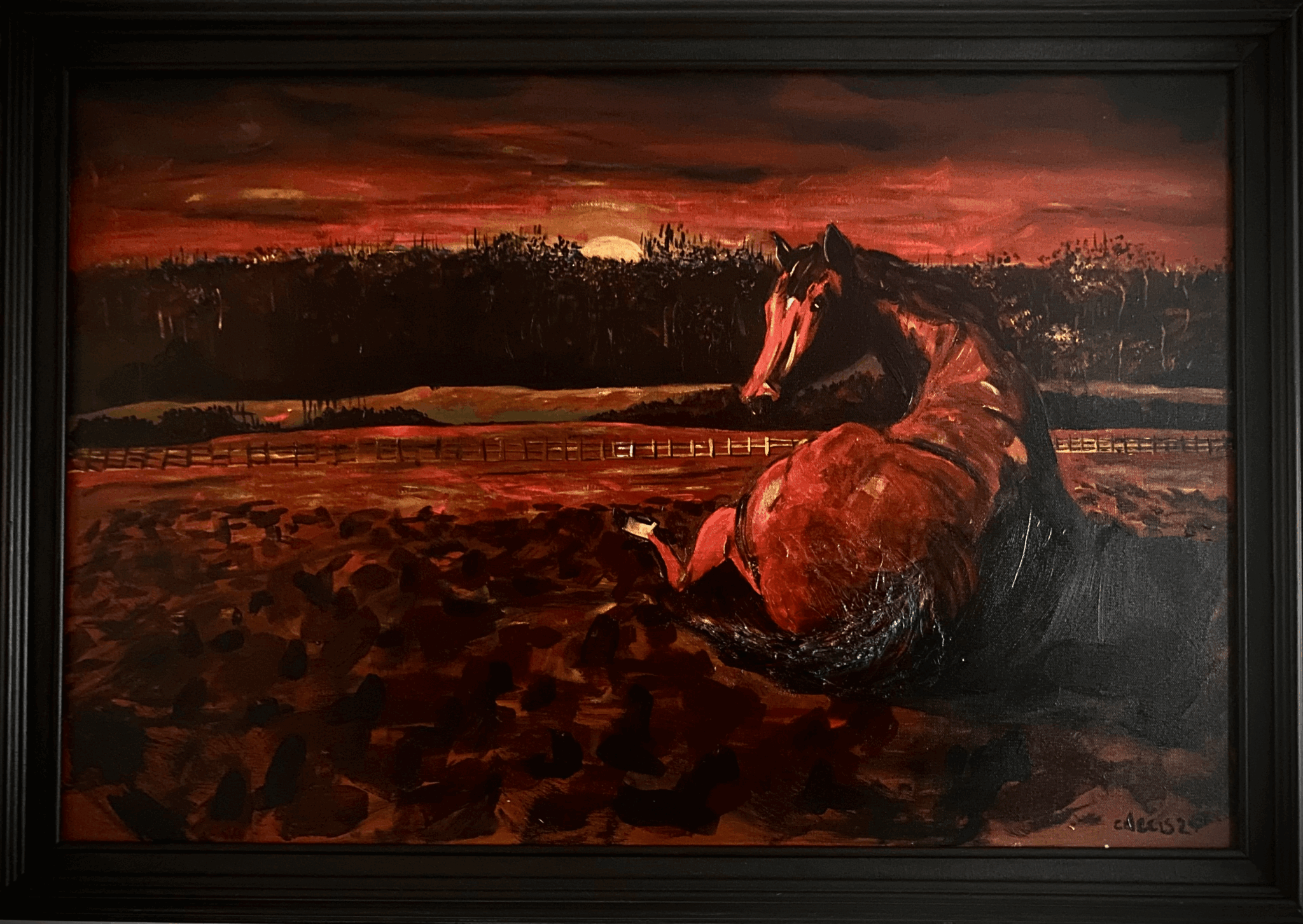
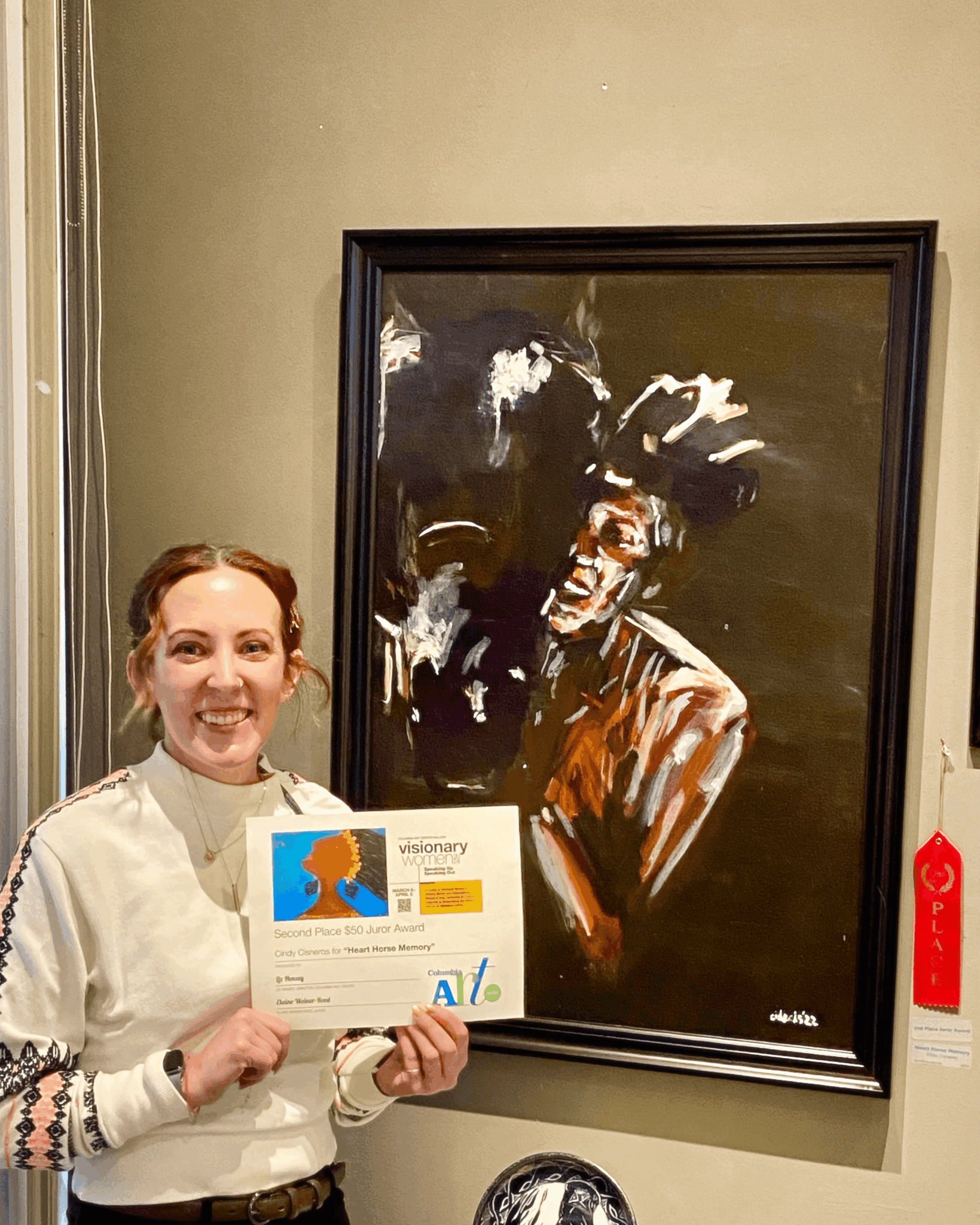
As an artist, I am exploring and defining the concept of beauty as the intrinsic existence of things—how things naturally exist, honestly and authentically. To me, this is the path to success and happiness through the creative spirit. It involves carving out a space for oneself in one’s most natural form. It is true, unblemished, untarnished, soul-scraping beauty. This pursuit of authenticity and genuine expression is what drives my work and fuels my passion. By embracing and celebrating the raw, unfiltered essence of life, I believe we can achieve a deeper understanding of ourselves and the world around us.
As a person invested in the psychology of creativity, I have developed the Creative Vitality Theory: that creative people need to practice creativity regularly to be happy. In other words, the regular engagement in activities that are expressive—actively making, building, shaping, telling, and creating—is vital to their happiness and health. This theory stems from my observations and research, confirming that the act of creation is not just a passion for creative individuals but a fundamental necessity for their well-being. Creative expression serves as a powerful outlet, enabling them to process emotions, find meaning, and connect with their true selves.
Before we let you go, we’ve got to ask if you have any advice for those who are just starting out?
I wish I knew people would take advantage of me as a creative person by exploiting my willingness to share my talents, time, and ideas freely. In collaborative projects, I’ve encountered situations where others relied heavily on my skills without reciprocating effort or acknowledging my contributions adequately. This imbalance often led to burnout and frustration, as I felt undervalued and taken advantage of.
Moreover, I wish I had known that some wouldn’t believe in me and my creative pursuits. In professional contexts, there were instances where clients or employers expected extensive work or services for minimal compensation, assuming that my passion for creativity would compensate for financial rewards. This assumption perpetuated a cycle of undervaluation and economic insecurity for artists and creatives like myself.
Furthermore, I wish I had anticipated that others would tell me to change—to conform to more conventional or mainstream norms. In personal relationships and professional environments alike, there were times when friends, colleagues, or clients suggested altering my artistic vision or style to fit their expectations. This pressure to conform often undermined my confidence and stifled my creative expression.
Understanding these challenges earlier would have helped me set clearer boundaries, advocate for fair treatment, and stay true to my creative vision and values. I wish I knew I wasn’t alone in facing these challenges. While knowing this wouldn’t have made the exploitation, disbelief, or pressure to change hurt any less, it would have reassured me that others have navigated similar struggles. It would have given me the strength to stand firm in my beliefs, set clearer boundaries, and advocate for fair treatment without doubting my own worth or creativity.
Contact Info:
- Website: http://www.creativelyllc.com
- Instagram: http://www.instagram.com/creativelyllc
- Facebook: http://www.facebook.com/creativelyllc
- Youtube: https://www.youtube.com/playlist?list=PLtotjr2gnT5zUXr2Iu44uctHlfHHLzvg1
- Other: http://www.thecreativitycourses.com