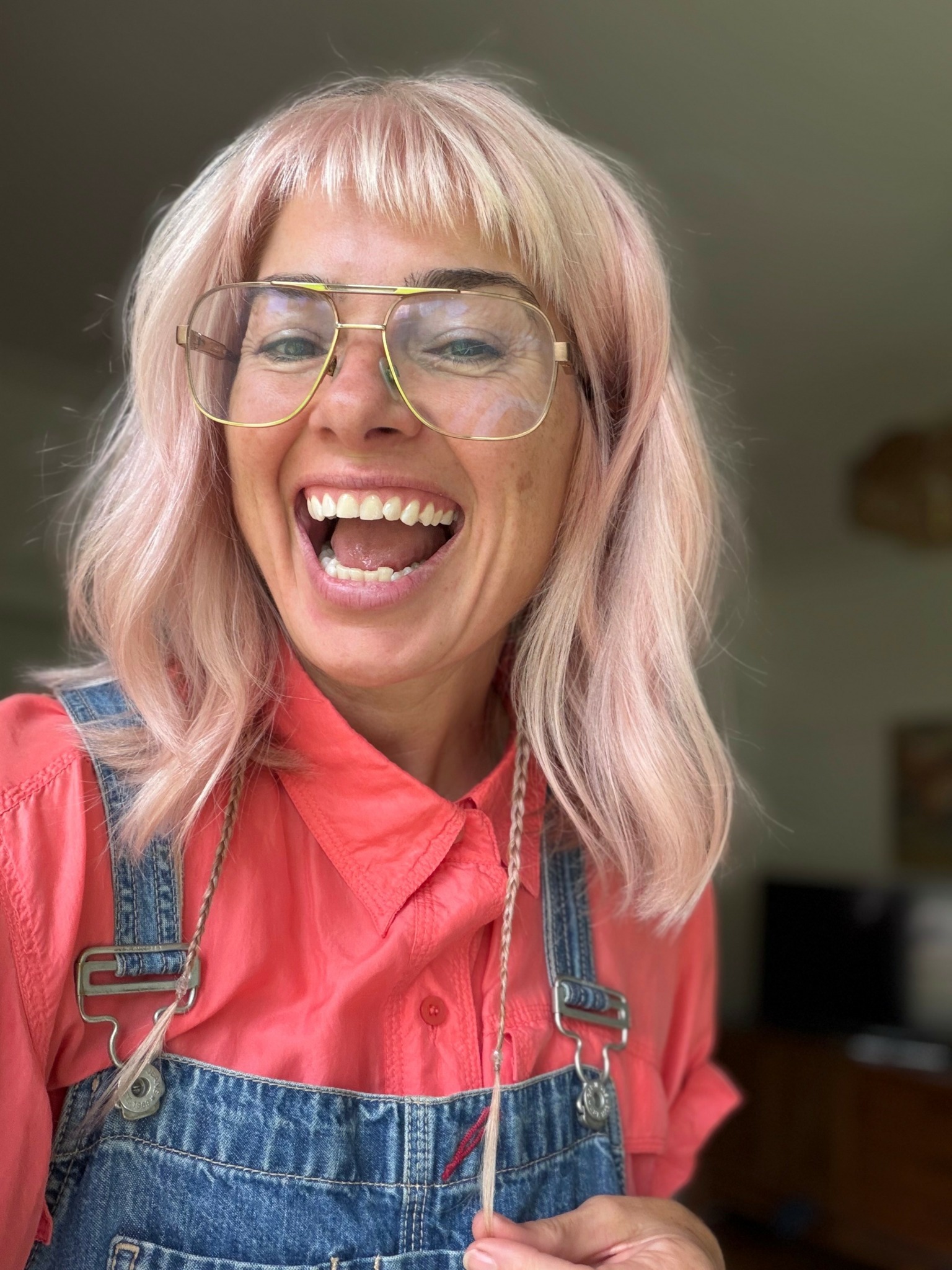

Alright – so today we’ve got the honor of introducing you to Maryanne Moodie. We think you’ll enjoy our conversation, we’ve shared it below.
Hi Maryanne , thanks for joining us today. What’s been the most meaningful project you’ve worked on?
One of the most meaningful projects I’ve ever created began during a particularly difficult period in my life.
In 2025, my family moved through an extended season of stress, uncertainty and emotional strain. As artists often do, I turned to making as a way to process what I was experiencing. Around that same time, I developed shingles, a physical manifestation of the stress my body had been carrying.
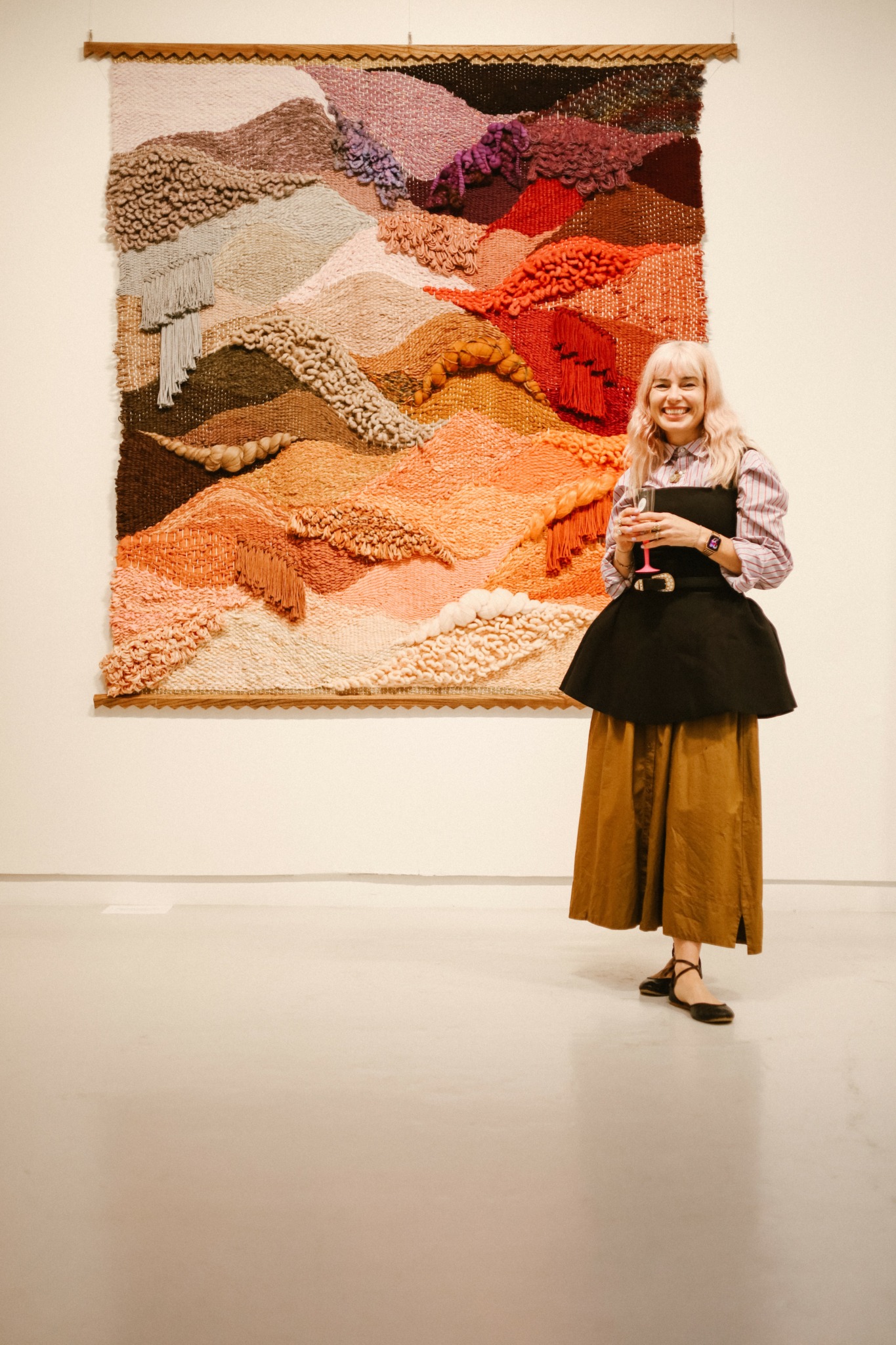
I began creating a large woven work that reflected that experience. The piece is dense with texture and repetitive knotting. Thousands of small gestures became a form of meditation, a way of moving through pain one thread at a time. The work wasn’t intended as a self portrait when I began, but that’s what it became.
As I worked, I found myself thinking about natural cycles. Living in Australia, I’ve always been fascinated by the way the landscape responds to drought. The earth can appear barren, exhausted and lifeless. Then rain arrives and, almost impossibly, wildflowers emerge. Not despite the hardship, but because of it.
That idea became central to the piece. It explored the possibility that beauty, growth and resilience can emerge after periods of difficulty. Not immediately. Not easily. But eventually.
The work went on to become a finalist in the Bay of Fires Art Prize, but that recognition wasn’t what made it meaningful. What mattered was what the making taught me. It reminded me that creativity can be both a refuge and a guide. That making something with your hands can help you move through experiences that words cannot fully explain.
When people stand in front of my woven works, I hope they see more than texture and fibre. I hope they feel something of that transformation. The possibility that after long seasons of drought, there can still be wildflowers.
As always, we appreciate you sharing your insights and we’ve got a few more questions for you, but before we get to all of that can you take a minute to introduce yourself and give our readers some of your background and context?
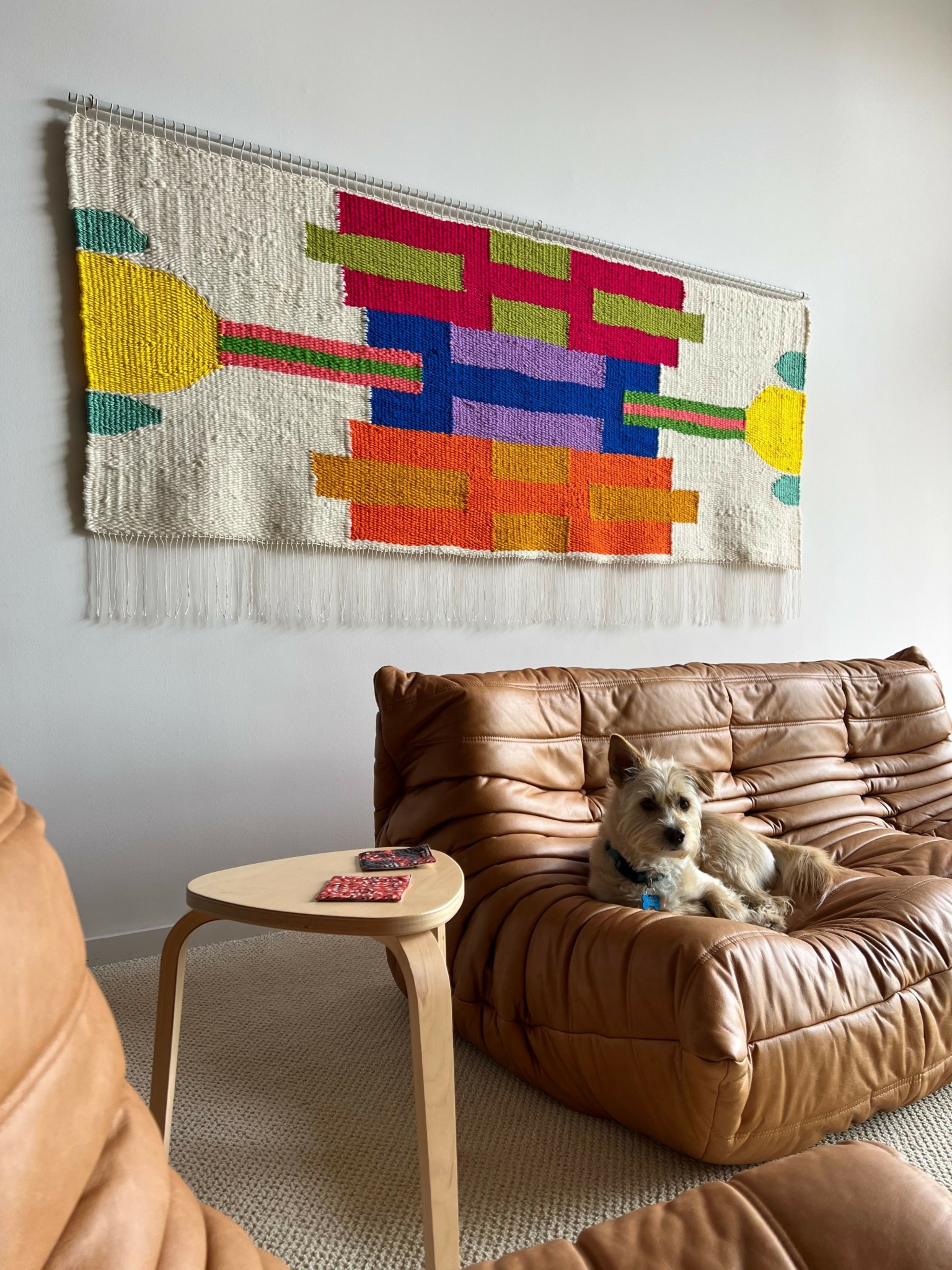
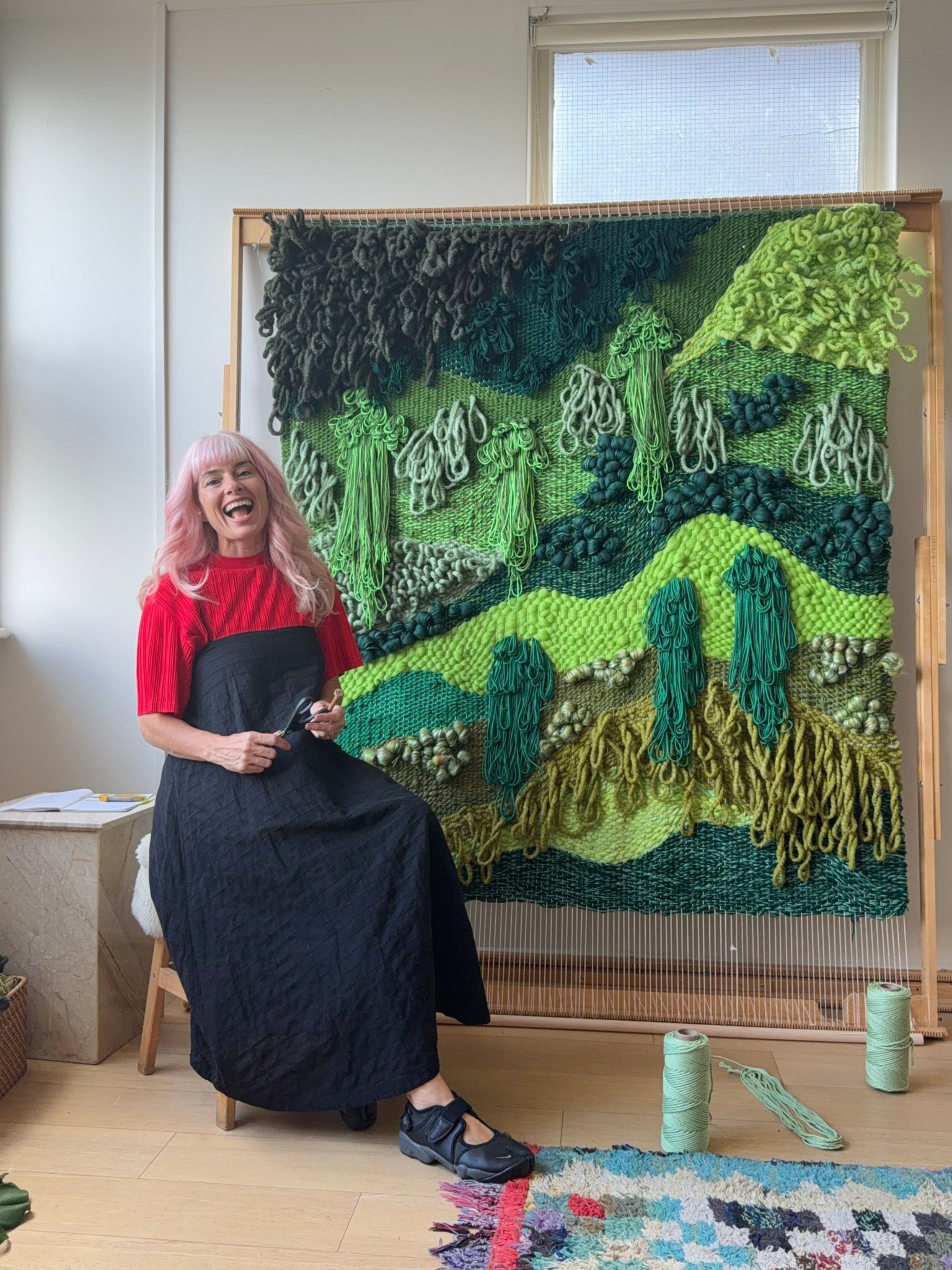
I’m a contemporary fibre artist based in Melbourne, Australia. I create hand woven artworks for homes, hospitality spaces and public projects, and I also teach weaving and write books about the craft.
What’s funny is that none of this was the plan.
I was a primary school art teacher for ten years and didn’t discover weaving until I was on maternity leave with my first son. I was looking for something creative that belonged just to me. I bought a loom, taught myself to weave and completely fell down the rabbit hole.
What started as a hobby quickly became a business. Then it became a career. Then somehow it became a life.
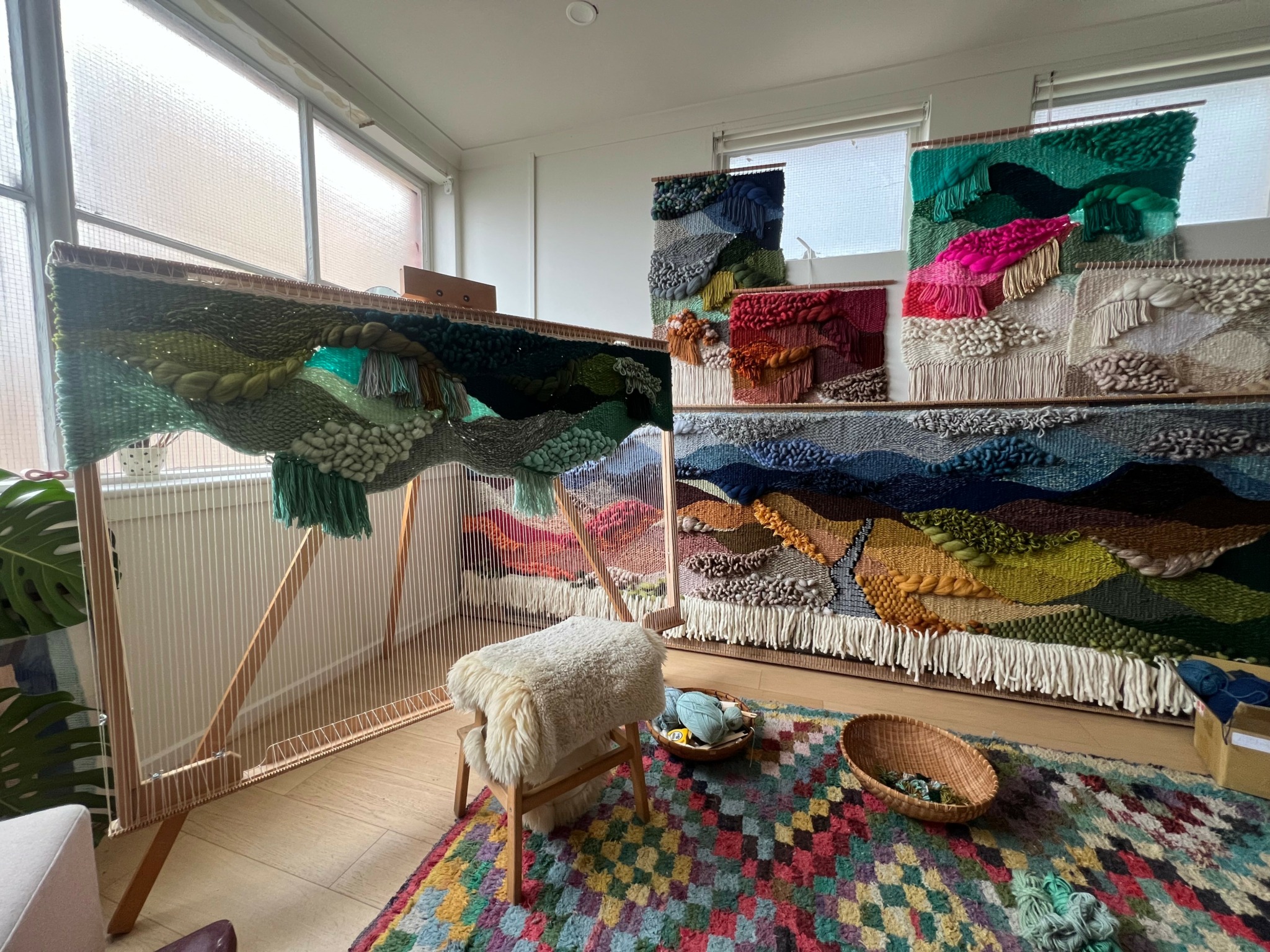
Over the years I’ve taught thousands of students, written two books, lived and worked in New York, run a weaving studio with a team of weavers and created large scale commissions for clients around the world. These days I’m back in Melbourne working from my studio creating commissioned and exhibition based work.
The work itself has changed a lot over the years. In the beginning I was interested in colour, texture and technique. Now I’m much more interested in what weaving can communicate.
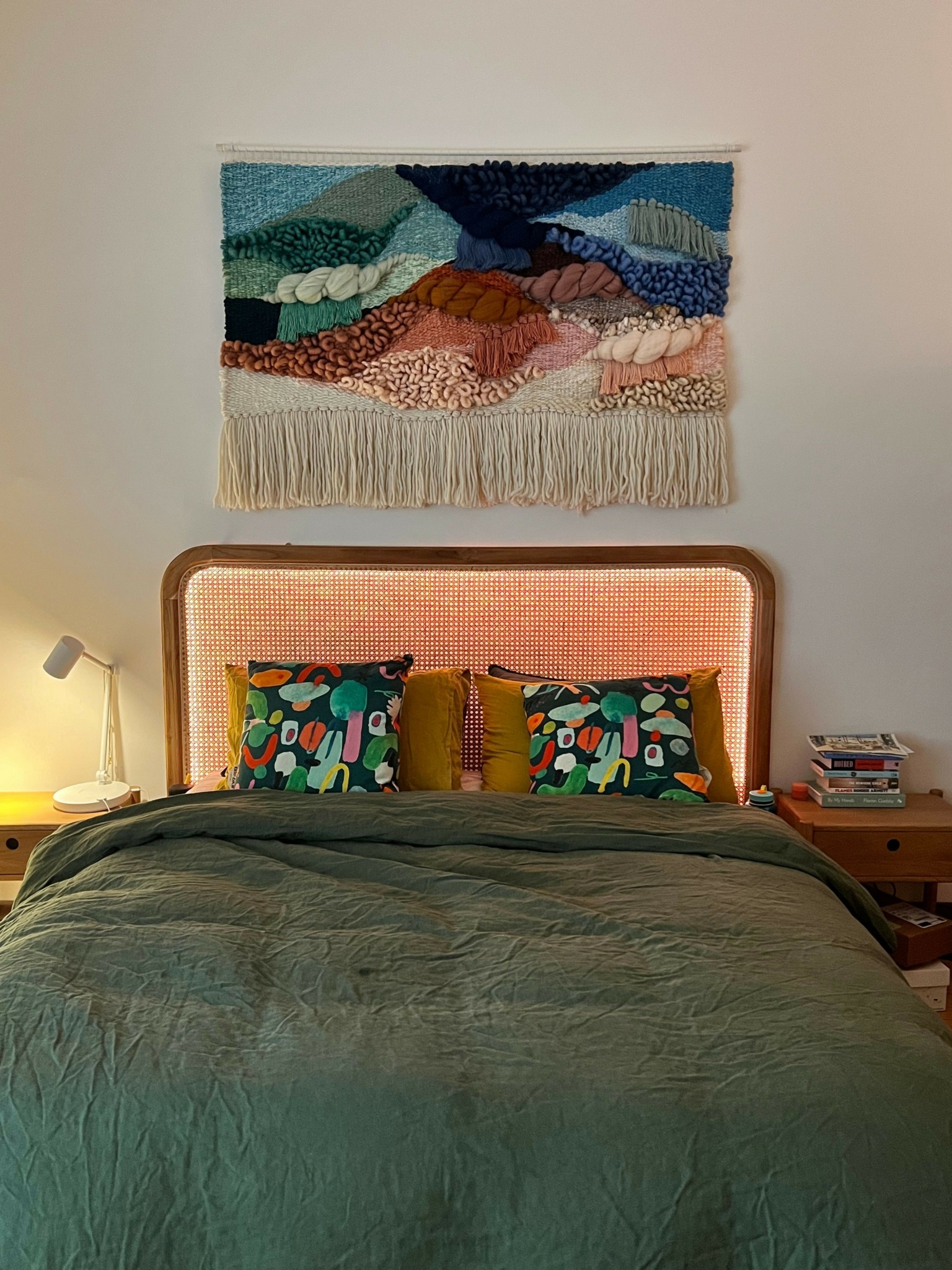
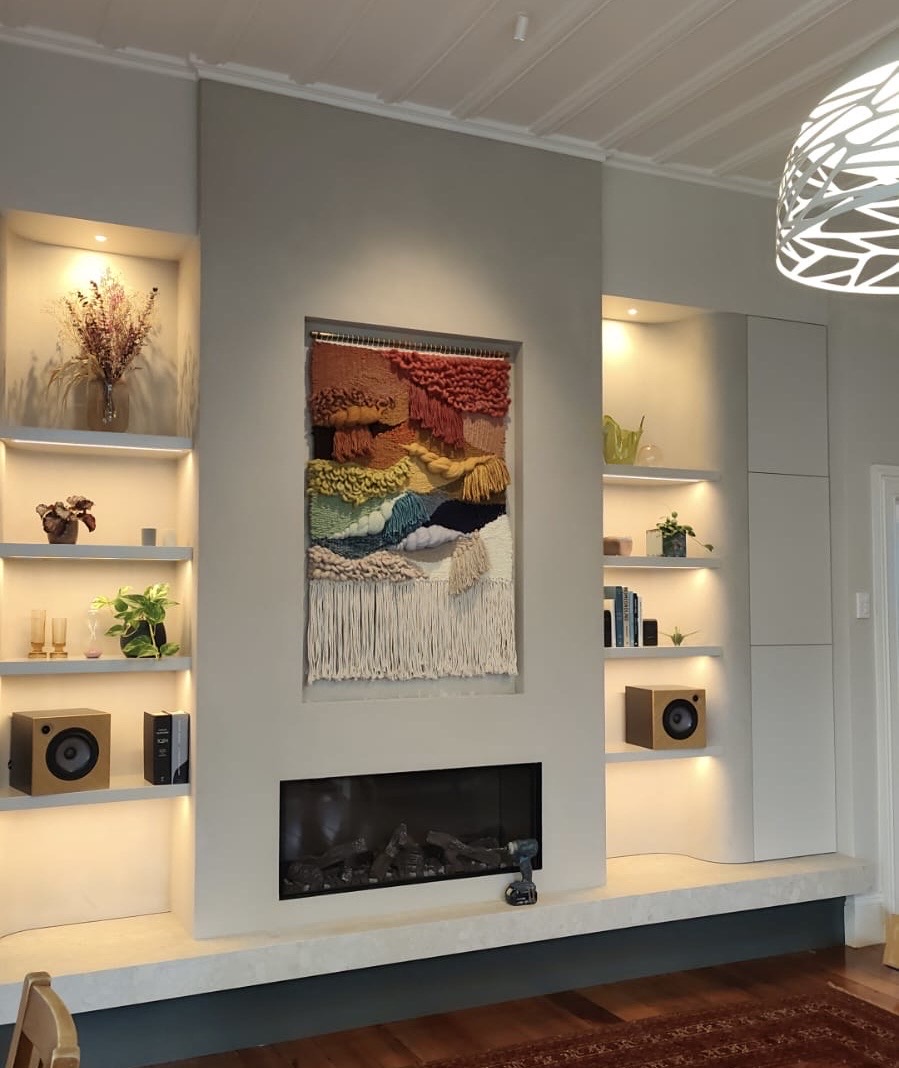
Most of my pieces start with a conversation. A client might tell me they want their home to feel calmer. Or warmer. Or more connected to nature. Sometimes they’re marking a major life event. Sometimes they’re simply trying to make a beautiful space feel more like home.
I think that’s what fibre does so well. It softens things. Literally and emotionally.
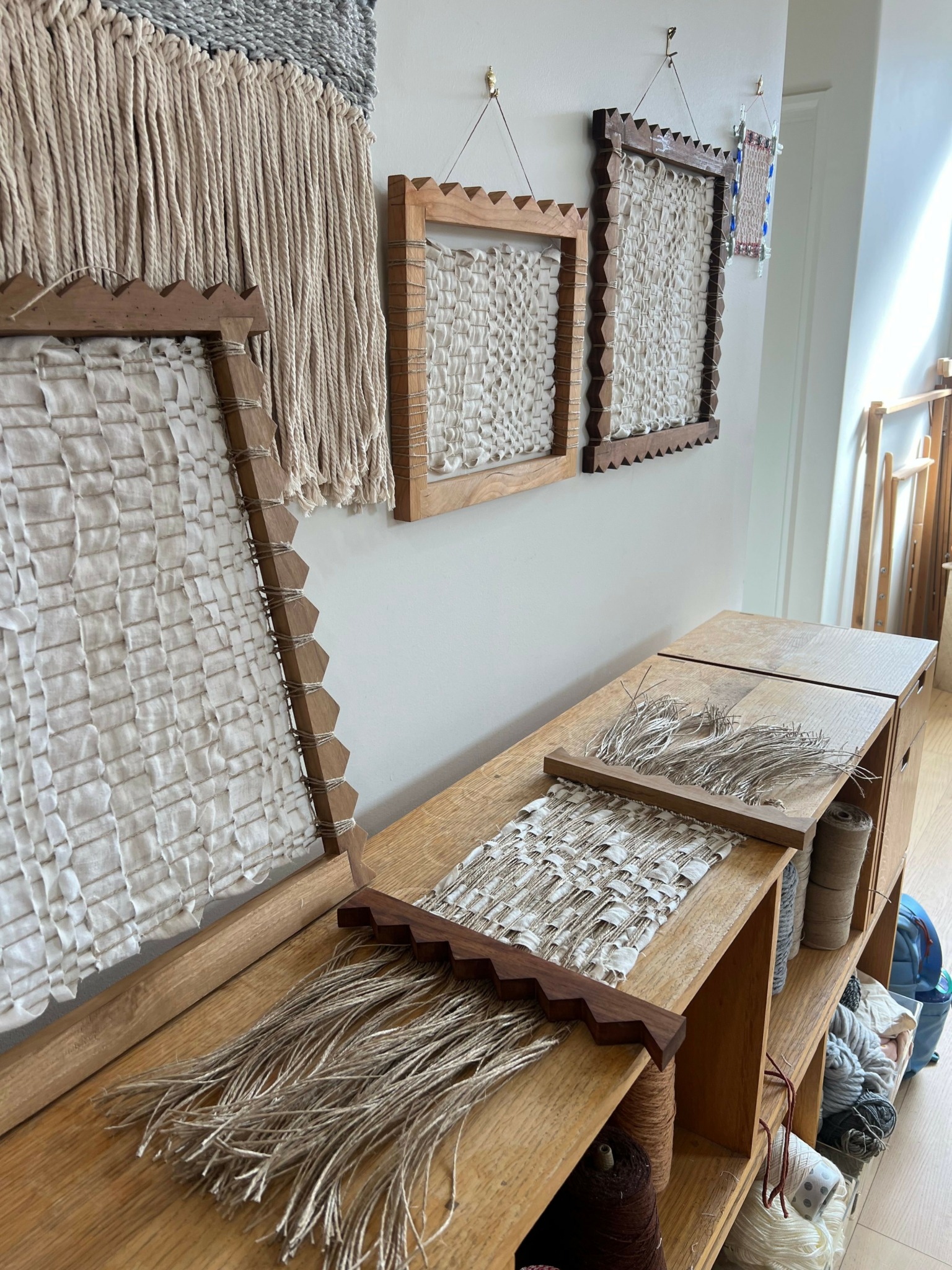
I work primarily with reclaimed, recycled and small batch fibres and I’m always interested in the stories materials carry with them. My work is inspired by landscape, weather patterns, memory, family life and the ways humans move through challenge and change. A lot of my pieces are less about representing something and more about capturing a feeling.
The thing I’m most proud of isn’t any particular exhibition or award. It’s the fact that I’ve built a creative life around something I taught myself at my kitchen table while my baby slept. That still feels kind of unbelievable.
What I’d love people to know about my work is that every piece is made slowly. In a world that feels increasingly fast, automated and disposable, weaving asks something different of us. It asks us to pay attention.
I hope that when people live with my work they feel that. I hope they feel a little more grounded, a little more connected and a little more at home.
How about pivoting – can you share the story of a time you’ve had to pivot?
One of the biggest pivots of my life happened about ten years ago.
At the time I was living in New York. On paper, everything was going incredibly well. I had a weaving studio in Industry City, a team of weavers, international clients, workshops selling out around the world and my first book had just been published.
It was the thing I’d worked so hard to build.
But behind the scenes I was exhausted. I had two young children, a husband travelling frequently for work and a business that had grown much faster than I had. I found myself spending more time managing people, logistics and growth than actually making art.
I remember having this strange realisation that I had built a successful business, but I wasn’t sure I was building the life I wanted.
So we made the decision to leave New York and move back to Melbourne.
At the time it felt incredibly risky. We were walking away from opportunities, connections and momentum. There was no guarantee I could rebuild what I’d created on the other side of the world.
Looking back, it was absolutely the right decision.
That move forced me to redefine success. Instead of asking, “How do I make this bigger?” I started asking, “How do I make this more meaningful?”
Over the years my practice has become slower, deeper and much more aligned with who I am. I spend more time creating and less time chasing growth for growth’s sake. The work has become more personal and more ambitious at the same time.
The funny thing is that I thought I was leaving something behind when I moved home. In reality, I was making space for the next chapter.
That experience taught me that sometimes the bravest pivot isn’t starting something new. Sometimes it’s walking away from something that’s working because you know there’s a better fit waiting for you on the other side.
Let’s talk about resilience next – do you have a story you can share with us?
A recent piece of work taught me a lot about resilience.
Last year, my family went through a prolonged period of stress and uncertainty. It was one of those seasons where life feels heavy for much longer than you expect it to. Eventually my body started keeping score and I developed shingles.
I remember feeling frustrated by how much it slowed me down. I wanted to push through, but my body had other ideas.
Around that time I was working on a large woven piece. Some days I only had the energy to spend a short time in the studio. Progress felt painfully slow. But weaving has always taught me the value of small, consistent actions. One row at a time. One knot at a time. One day at a time.
As the work developed, I realised it was becoming a reflection of what I was living through. The piece was inspired by landscapes that endure long periods of drought before bursting into wildflowers after rain. That felt like the perfect metaphor for the season I was in.
What struck me most was that resilience doesn’t always look the way we imagine it. It’s not necessarily pushing harder or being stronger. Sometimes resilience is resting when you need to rest. Sometimes it’s trusting that growth is still happening even when you can’t see it.
The finished work went on to become a finalist in the Bay of Fires Art Prize, which was wonderful, but the recognition wasn’t the real gift. The real gift was what the process taught me.
I learned that creativity can carry us through difficult periods. I learned that progress doesn’t have to be dramatic to be meaningful. And I was reminded that, much like the landscape that inspired the work, periods of hardship are often followed by unexpected beauty.
It’s a lesson I return to often, both in my work and in life.
Contact Info:
- Website: https://www.maryannemoodie.com
- Instagram: https://www.instagram.com/maryannemoodie
- Facebook: https://www.facebook.com/profile.php?id=100063466660168
- Linkedin: https://www.linkedin.com/in/maryannemoodie/