
Alright – so today we’ve got the honor of introducing you to Neda. We think you’ll enjoy our conversation, we’ve shared it below.
Alright, Neda thanks for taking the time to share your stories and insights with us today. Can you talk to us about a project that’s meant a lot to you?
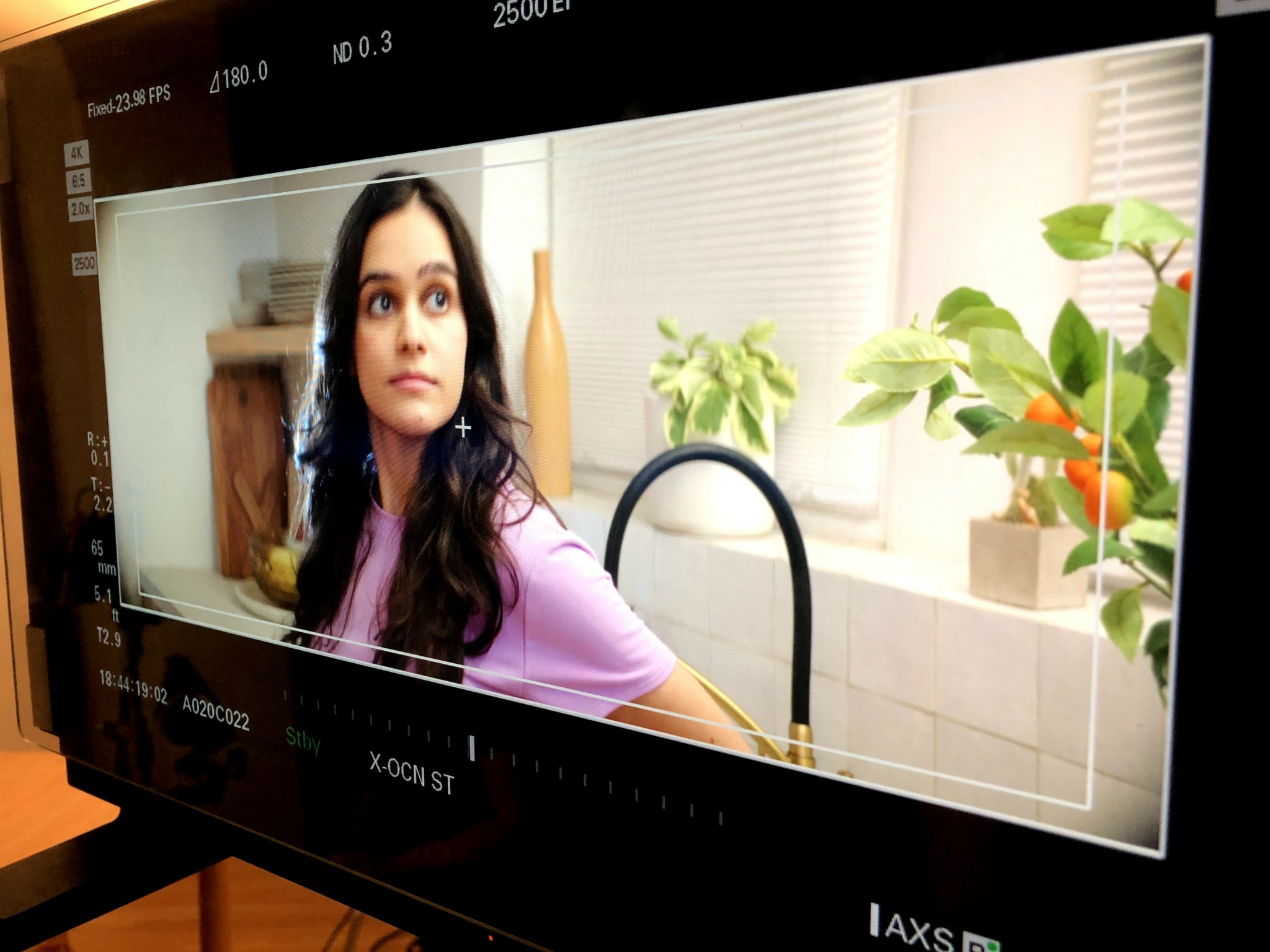
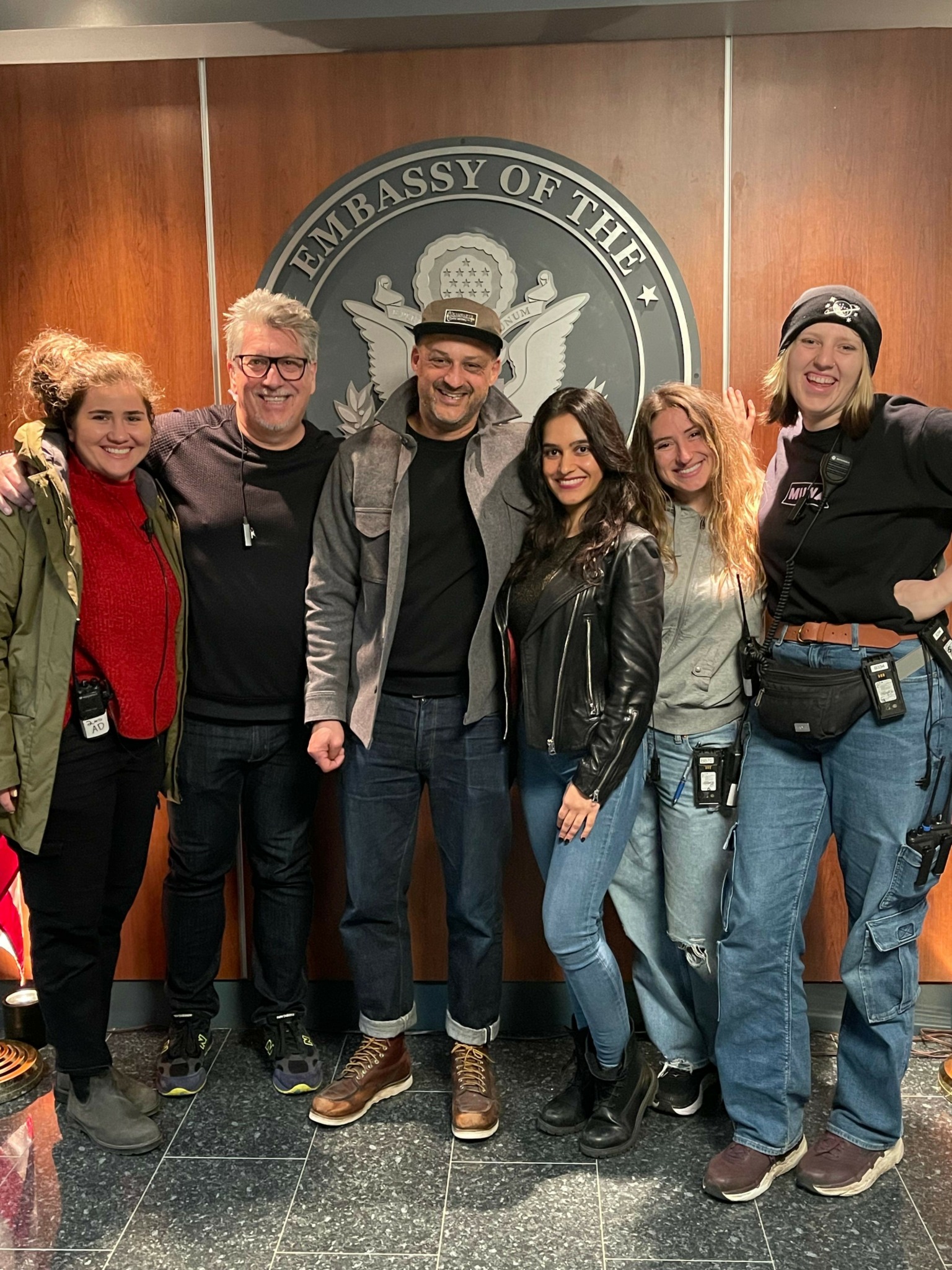
I’ve been very fortunate to have written and produced episodes of some amazing television series, run by some of the most talented and hardworking showrunners in the business. Working in the writers room of The Recruit (Netflix) and Tracker (CBS), producing my episodes on set and seeing them through post-production, has not only made me a better writer and producer but has provided me with invaluable hands-on experience which I’ll carry with me for the rest of my career.
Neda, before we move on to more of these sorts of questions, can you take some time to bring our readers up to speed on you and what you do?
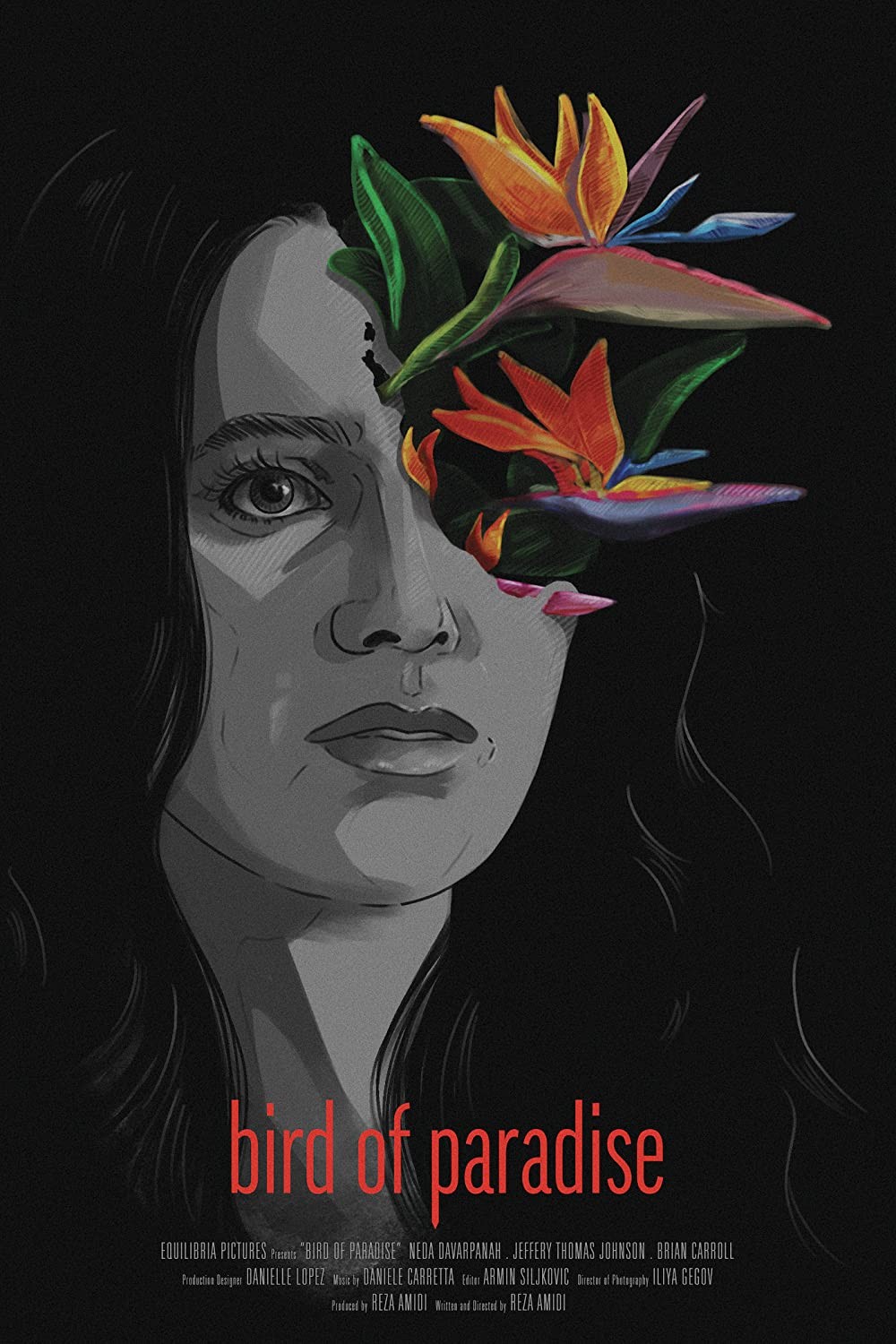
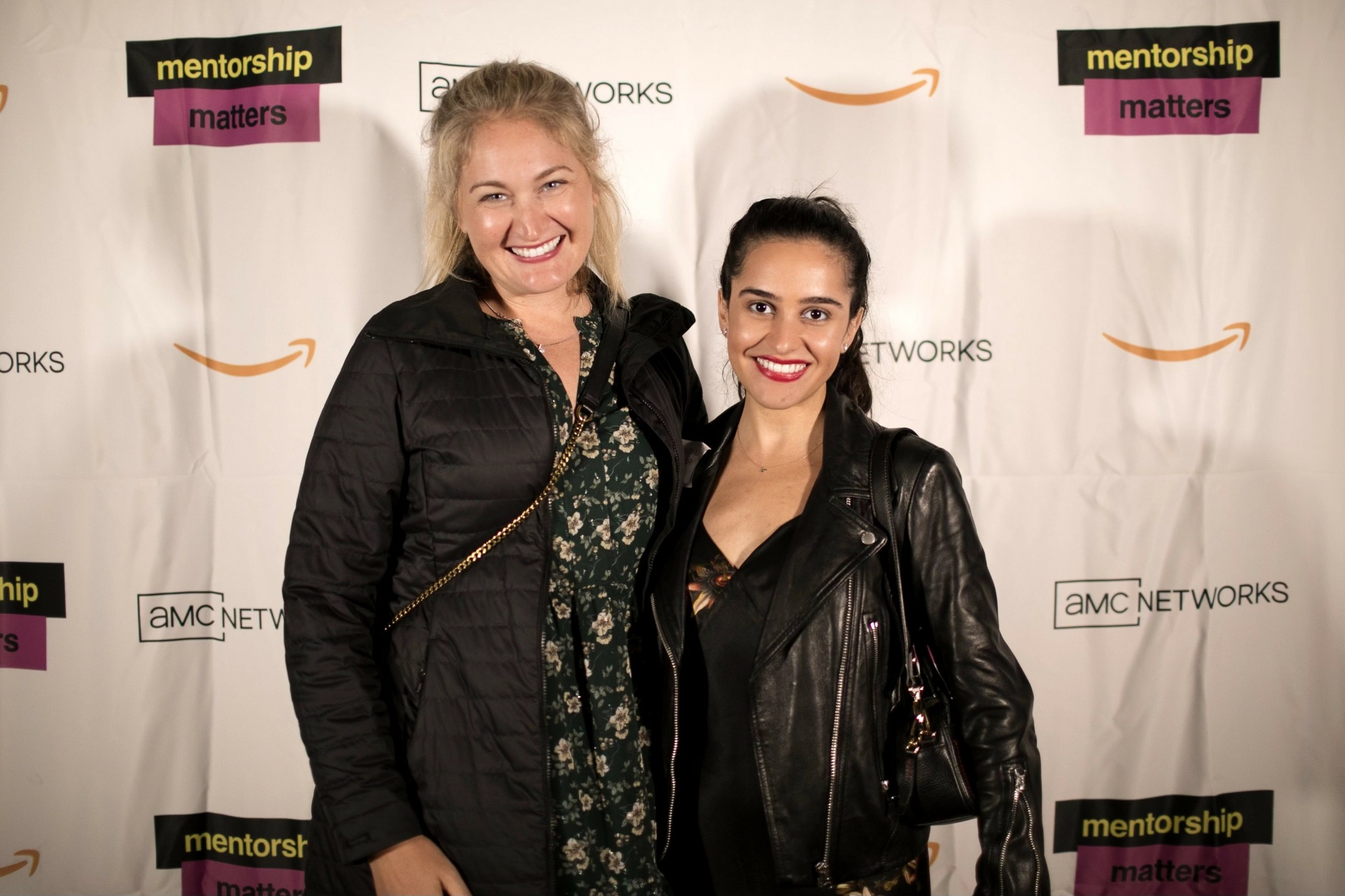
I’m an Iranian-American writer, actress, and producer from Los Angeles. I studied Writing for Screen & Television at the University of Southern California’s School of Cinematic Arts and I’ve been working in the entertainment industry ever since. I’m an alumna of the Mentorship Matters BIPOC Writers Initiative, the Women in Film Writer Fellowship, and the Disney Entertainment Television Writing Program. I like to tell stories about rebellious women who fight the systems that silence them, inspired by the woman who raised me. I’m currently a writer on the CBS series Tracker and I star in the feature film Bird of Paradise from Equilibria Pictures — and I couldn’t be more excited for the next stage of my career in this industry.
We’d love to hear a story of resilience from your journey.
The 2023 strikes were necessary, but this was an incredibly precarious time for entertainment workers who may have already been struggling financially or who were just starting out at the time. It should be uncontroversial to state that capitalism is an inherently unequal and unjust system. But seeing the actions of these studios, how they refused to come to the table and negotiate a fair deal for months on end while workers (actors, writers, and below-the-line professionals) struggled to pay the bills and keep their families afloat, is a stark illustration of the greed and apathy that leads to exploitative labor practices in so many industries, including entertainment. During this time, I volunteered with organizations like Hollywood Labor to provide aid to striking workers. Through this work, I met the organizers behind Every Day Action, which provides food aid to people in need across LA. Post-strike, I had the pleasure of connecting them with the Writers Guild of America West and Women in Film, and am thrilled that they’re collaborating. We can all combat injustice, not only in this industry but wherever we see it, by working together toward that common goal. Working to create a better world is an act of resilience.
For you, what’s the most rewarding aspect of being a creative?
It’s deeply rewarding to see how my work has affected someone. When I hear someone quote a line back to me that I wrote, or when they tell me about their favorite scene in one of my acting projects, it’s similar to the feeling of being understood. I know how much my favorite movies and shows mean to me and what they represent for me, and to know that I’m part of the next generation of artists who are giving those kinds of experiences to people means the world to me.
Contact Info:
- Website: https://nedadavarpanah.com