

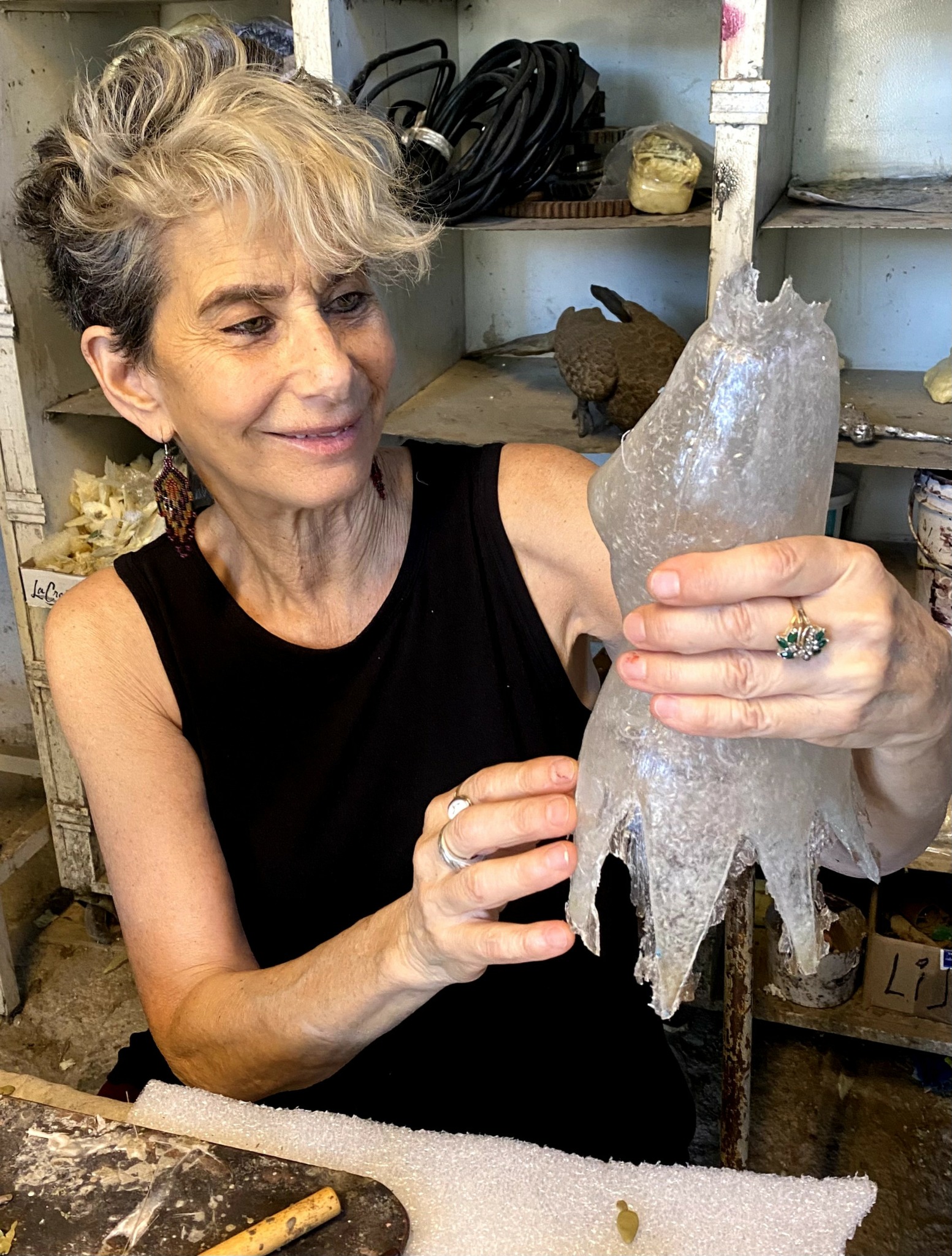

We were lucky to catch up with Deborah Kruger recently and have shared our conversation below.
Deborah, appreciate you joining us today. Can you share a story about the kindest thing someone has done for you and why it mattered so much or was so meaningful to you?
At a time when we need more kindness than ever, I wanted my interview to acknowledge the kindness that has opened doors in my career. In 2023 I met curator Barbara Pavan at a cafe in Milan on my way back from showing my art in Venice. Her specialty is contemporary textiles and she was already familiar with my artwork. Subsequently, she included my environmental artworks in several group shows in Italy. Her generous advocacy led to my upcoming solo exhibition at the Civico Museo Parisi Valle on Lake Maggiore in Northern Italy. This European debut is the highlight of my career to date and it is a wonderful example of women supporting and elevating other women. Having someone of her caliber recognize the value and meaning of my work is deeply affirming. Her essay in the exhibition catalogue is the most eloquent and penetrating description of my art and ideas that I have ever read.
Great, appreciate you sharing that with us. Before we ask you to share more of your insights, can you take a moment to introduce yourself and how you got to where you are today to our readers.
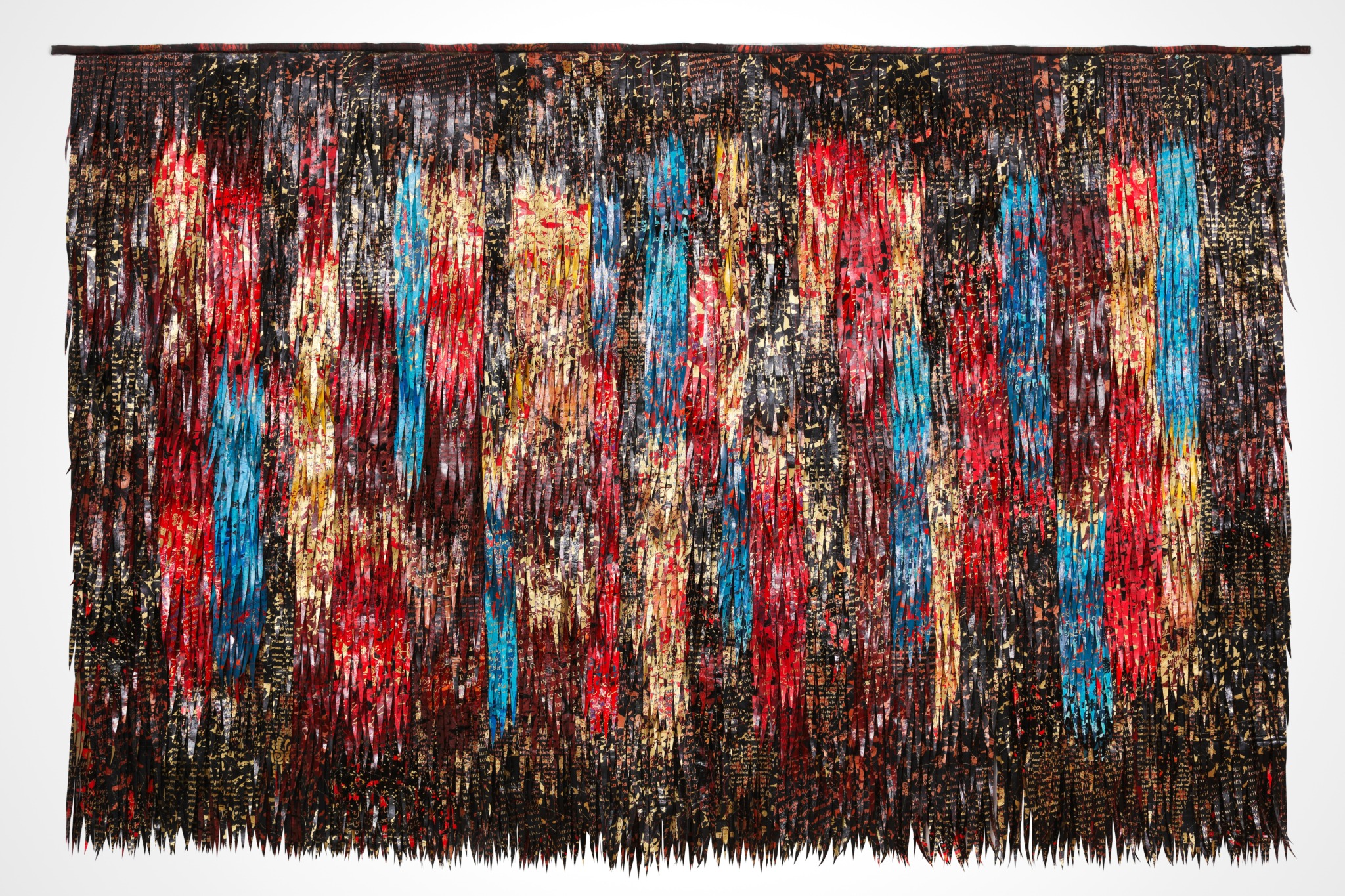
My journey as an environmental artist weaves together many threads in my life. My grandparents were immigrants and worked in the textile sweatshops of New York City. I grew up sewing all my clothing and deciding to study textile design at FIT in NYC seemed like a logical career choice. I designed wallpaper for many years. That training is still apparent in my artwork today.
I have always been drawn to nature and hiking in the woods listening to birds was a pastime that I have enjoyed all of my life in New England, North Carolina and Mexico. As a child of the 60s, the social movements that marked my coming of age also pulled me in the direction of activism, especially as related to the environment. Over time, I moved away from commercial art and gradually as my fine art developed, it integrated the forces that had shaped me as a child and young woman.
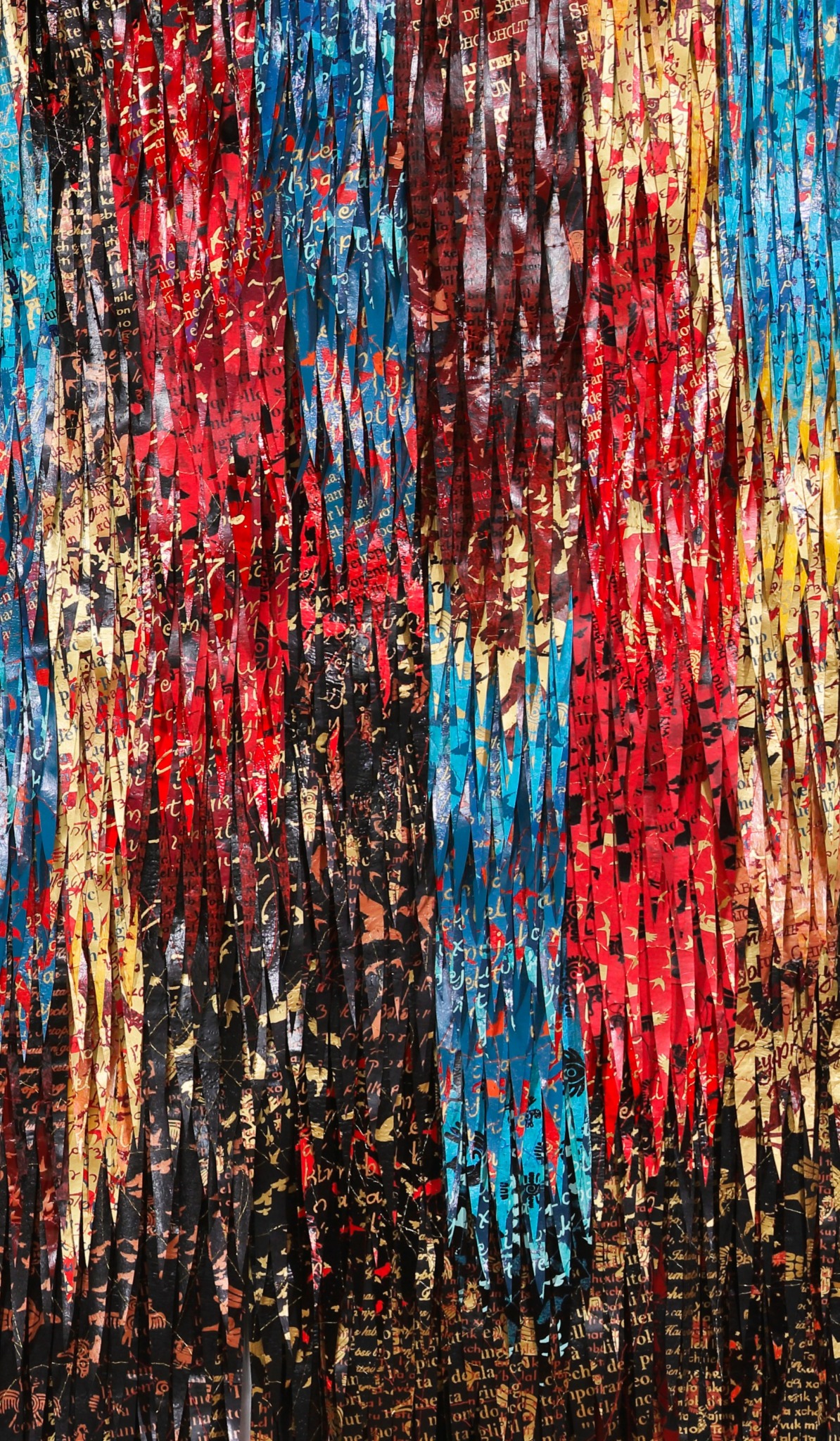
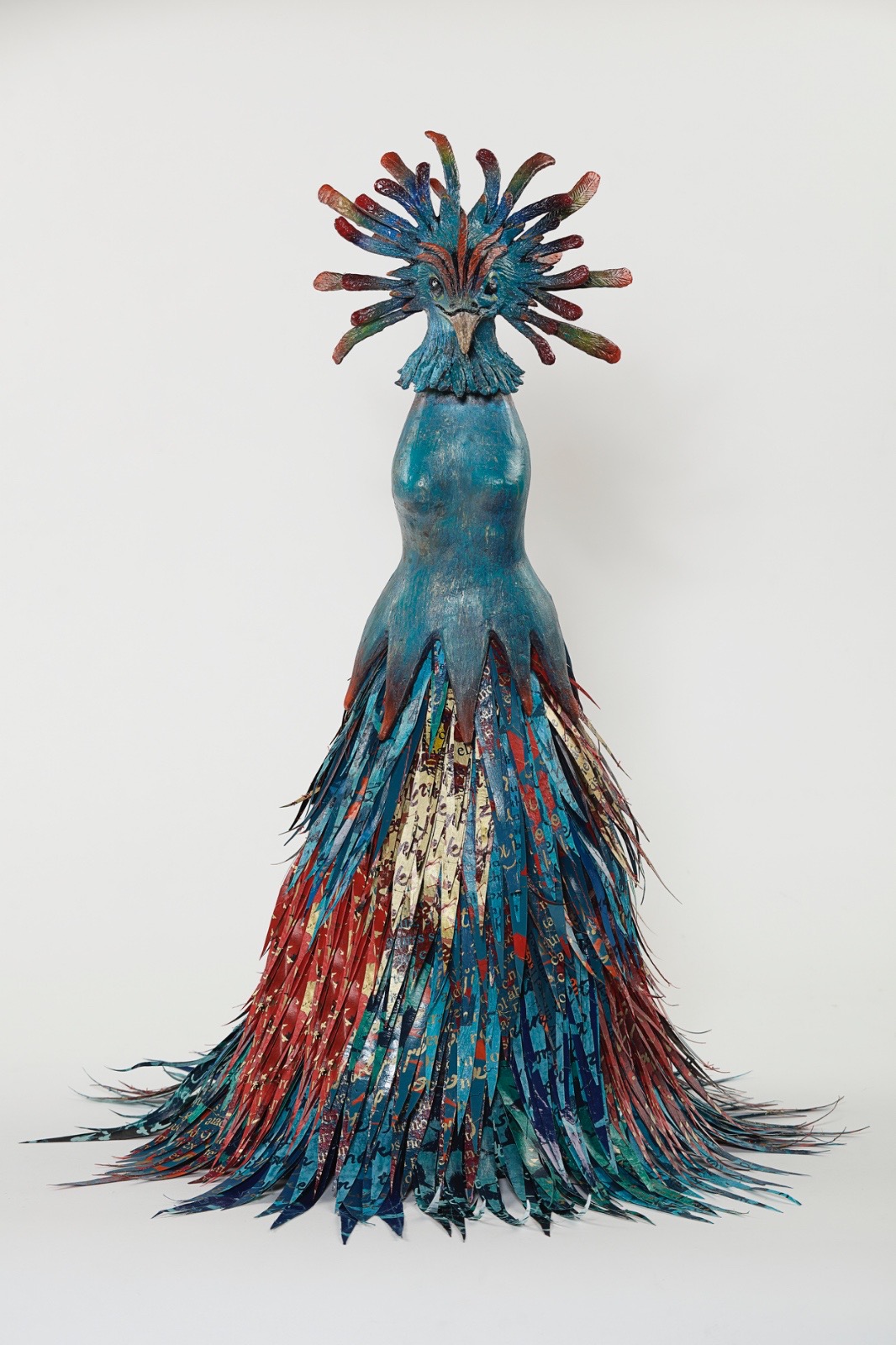
Now my environmental artworks are made from recycled materials that echo the decorative textiles of my youth. Rachel Carson’s book ‘Silent Spring’ focused my attention on the plight of endangered birds which became the focus of my art practice. I create monumental feathered sculptures that are exhibited around the world. My hope in sharing my artistic evolution is to demonstrate that staying true to your identity and core concerns is a winning strategy for creatives in any field.
How can we best help foster a strong, supportive environment for artists and creatives?
Evidence of the drive to create exists throughout history and around the world. Most artists create because for us it is like breathing. We need to express ourselves. We use our art to understand life, politics, feelings and deep questions. Few of us earn a living at our art and most of us struggle to make art alongside working, having a family, taking care of elders and participating in community.
There are so many ways to support the creative people in your life. Start by asking us what we are working on and why we are excited about it. Express your interest in our art and ideas. Being creative can be lonely and we appreciate your interest.
When you need to buy a gift, think about buying art or merch directly from artists instead of buying online from a box store. Go to a local gallery, craft store or museum store. No matter how large or small, we need your support. If we are performing, attend our concerts, readings and lectures. We need you as our enthusiastic audience!
If we are raising money for our art through crowdsourcing like GoFundMe or fundraising platforms like Fractured Atlas, please contribute. Every dollar makes a difference and shows that you believe in us.
If your children are artists, invest in them. Send them to camps, colleges and summer programs to help them develop their skills and learn from professional artists. If you are nervous about having a creative child, share your feelings with other parents or a therapist, not your children. Be proud that your creative child will be making the world a better and more beautiful place!
What’s a lesson you had to unlearn and what’s the backstory?
This is a painful story with an important lesson and a good ending. When I was in my 30s, an art historian came for a studio visit. She liked my work but told me that it was a shame I couldn’t draw. I was shattered. She was famous and I was insecure, so I believed her. I didn’t draw again for 30 years. Ten years ago I went to an artist residency in France and spent three weeks drawing endangered birds. Everyone loved my drawings. They became the basis for an entire body of artwork dedicated to environmental awareness. The lesson is this: Be VERY careful who you listen to; bad advice can set you back for decades. If you need feedback, choose someone who is honest and kind. And remember: The person who knows your work best is you; listen to her first… and carefully. Here’s the good ending. This summer I am having a solo exhibition of my environmental artwork at a museum on Lake Maggiore in Italy. To prepare for this show, my European debut, I worked for months at a foundry to transform my bird drawings into sculptures. The museum is thrilled with the new work which will be featured in the museum catalogue and on view from July – October 2026. Read more about the show: https://deborahkruger.com/extinctions-civico-museo-parisi-valle-presents-deborah-krugers-european-debut/
Contact Info:
- Website: https://deborahkruger.com
- Instagram: @deborahkrugerstudios
- Facebook: https://www.facebook.com/deborahkrugerartist
- Linkedin: https://www.linkedin.com/in/deborahkruger53
- Youtube: @deborahkruger
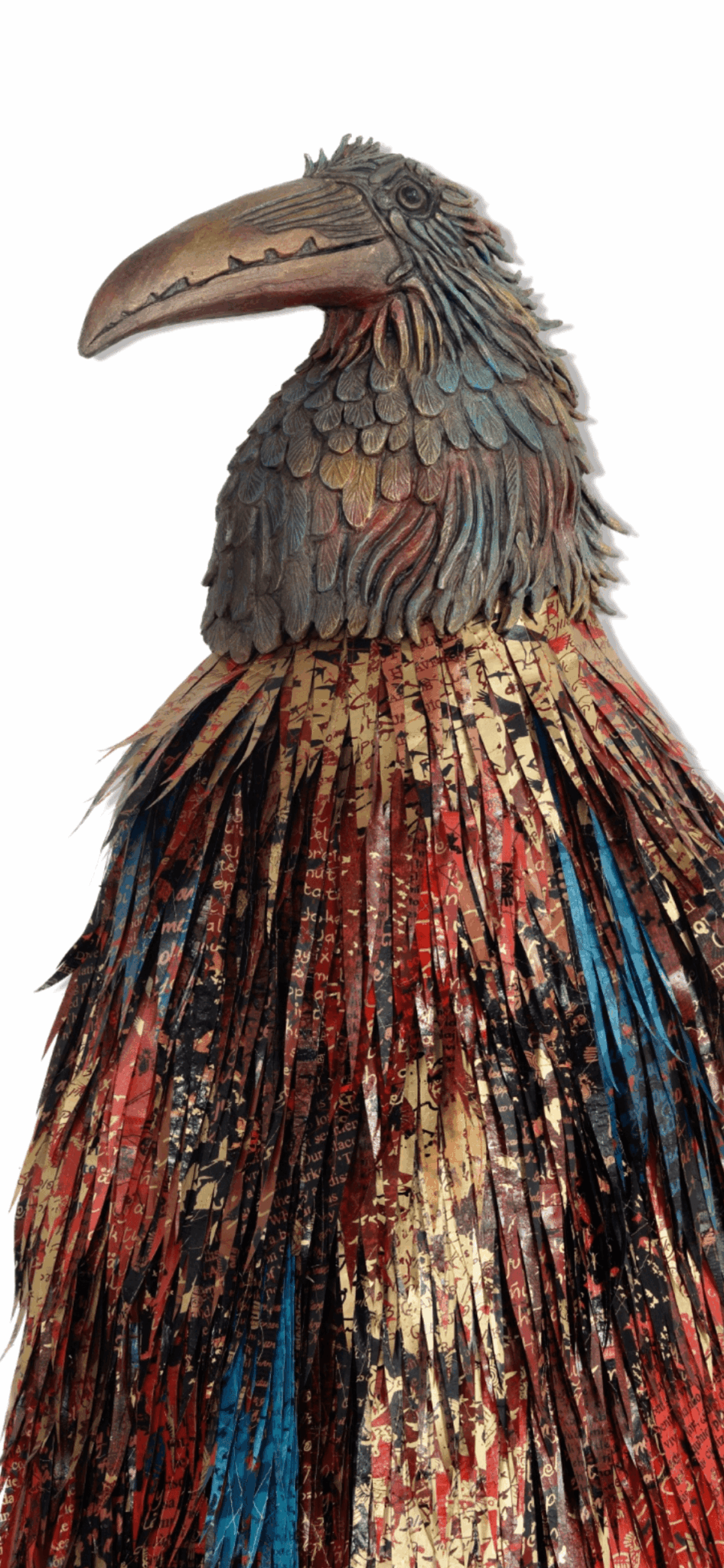
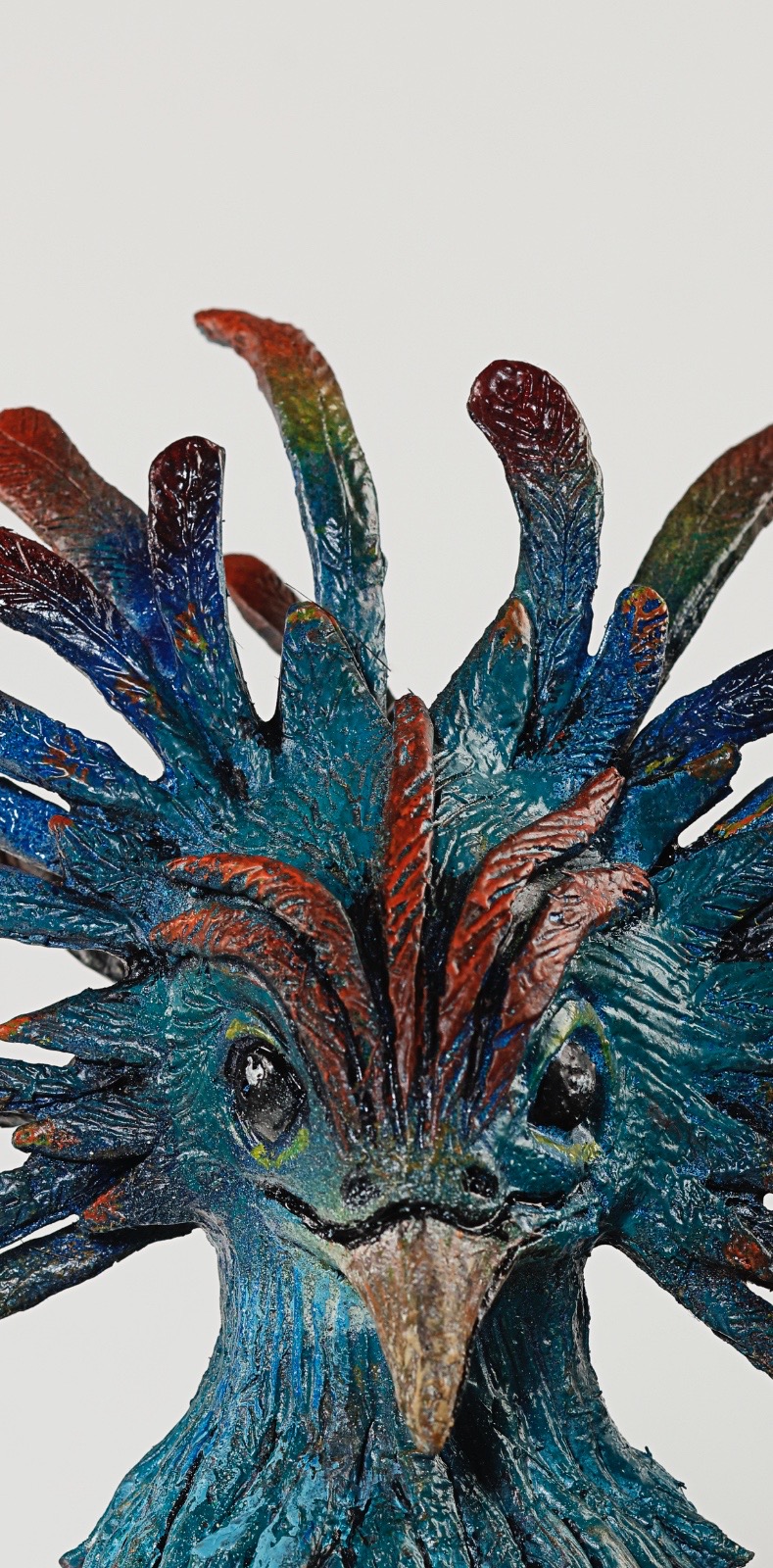
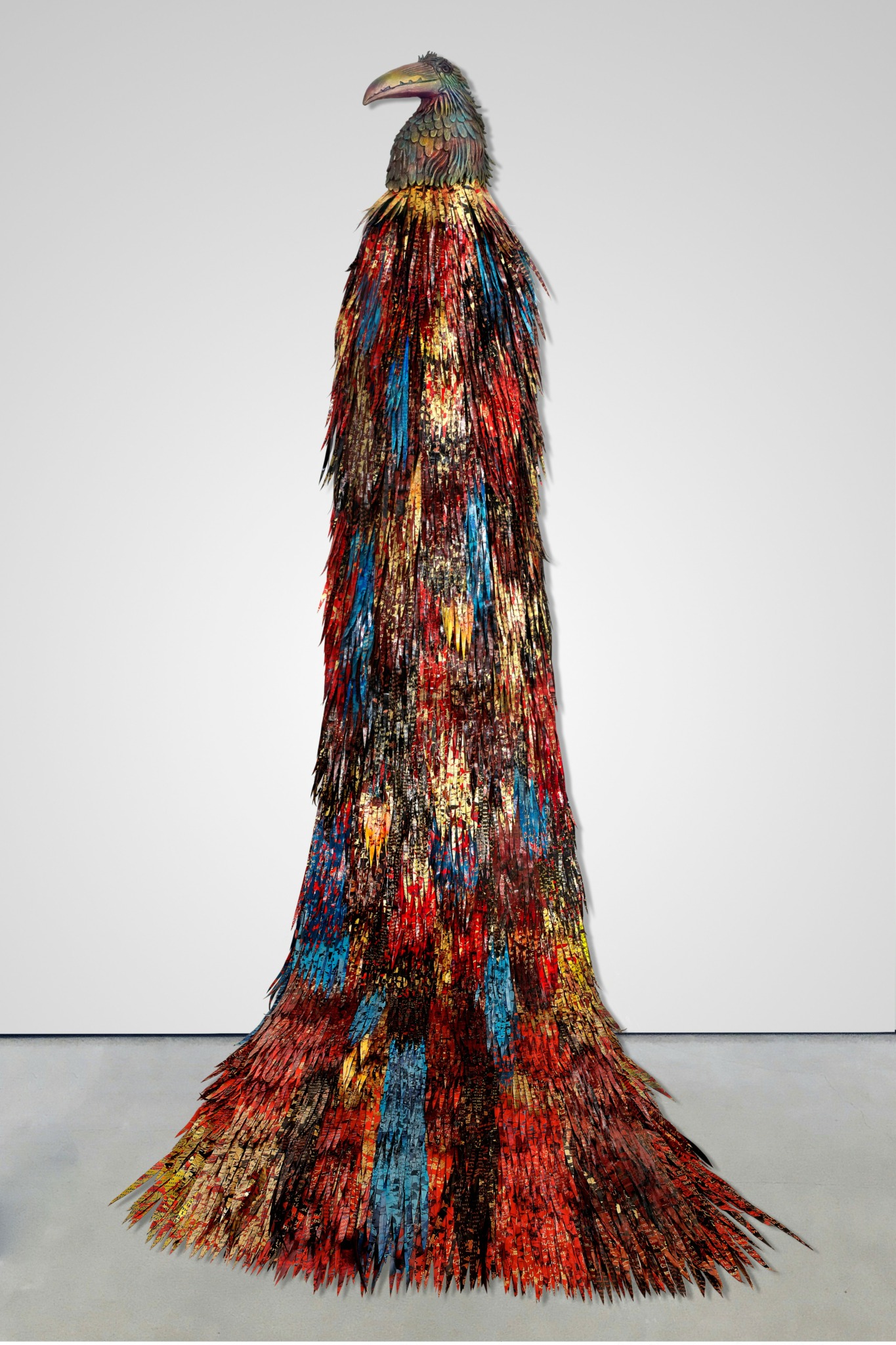
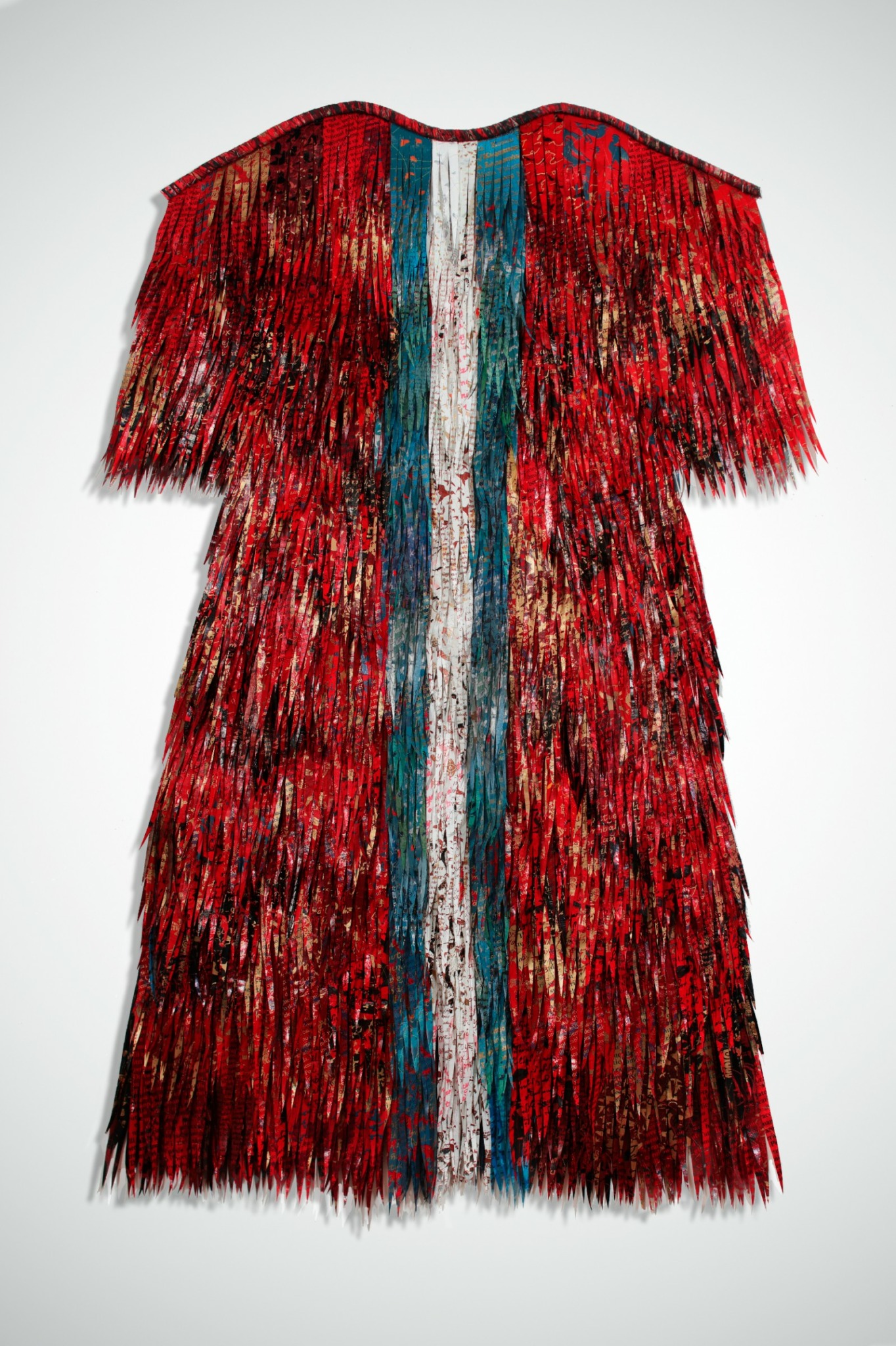
Image Credits
Carlos Diaz Corona