



We caught up with the brilliant and insightful Macey Hardin a few weeks ago and have shared our conversation below.
Alright, Macey thanks for taking the time to share your stories and insights with us today. Can you walk us through some of the key steps that allowed you move beyond an idea and actually launch?
A lot of people think design and renovation is pretty straightforward. You meet a client, pick some cabinets, hire a few trades, and somehow a new kitchen appears. The reality is that what clients see is maybe 10% of what’s actually happening behind the scenes.
When I started the business, I quickly realized that being good at construction wasn’t enough. I had to learn how to read people, manage expectations, build systems, coordinate schedules, understand design, budgeting, sales, project management, and about a hundred other things that nobody teaches you.
Over the years, I’ve become a student of the trade itself. Every consultation we do starts long before we ever talk about cabinets or countertops. The first thing we’re doing is evaluating the space, but we’re also learning about the client. We mentally categorize projects into what I call Tier 1 through Tier 5. A Tier 1 client may just want the job done and trust us to make most of the decisions. A Tier 5 client is highly involved, has very specific tastes, wants to see every option, and is usually investing heavily into the details.
At the same time, we’re learning personalities. Is this someone who makes decisions quickly? Do they need more guidance? Do they trust the process? Trust is one of the biggest factors in a successful project, and if you don’t establish that from day one, you’ll fight an uphill battle the entire time.
Then we dig into how they actually live in the space. A kitchen isn’t just cabinets and appliances. Does this family cook every night? Do they entertain? Do they have kids? Someone with no children may have completely different storage and appliance needs than a family of six. We’re also looking at structural considerations, load-bearing walls, electrical, plumbing, and everything else that can affect the design and budget.
Once we leave the consultation, the real work begins. We develop a proposal based on the existing space, our vision for the project, and where we believe the client’s expectations fall. That’s critical because one of the quickest ways to lose a client is presenting a Tier 5 design to someone with a Tier 2 budget. Understanding that balance comes from experience.
If we win the project, then it’s time for selections, planning, scheduling, and coordination. Depending on the client, the selection process alone can take months. That’s where understanding personalities and setting expectations becomes invaluable.
From there, we coordinate every trade and every phase of construction in a specific sequence. My goal has always been to make projects flow as efficiently and seamlessly as possible. Over time, we’ve built systems and processes that allow us to do that. Those systems weren’t created overnight. They came from years of learning, making mistakes, improving, and constantly refining how we operate.
The business didn’t launch because I had one great idea. It launched because I spent years learning how every piece of the puzzle fits together. What people see today is the result of thousands of small decisions, lessons learned, and systems built to create the best possible experience for our clients.
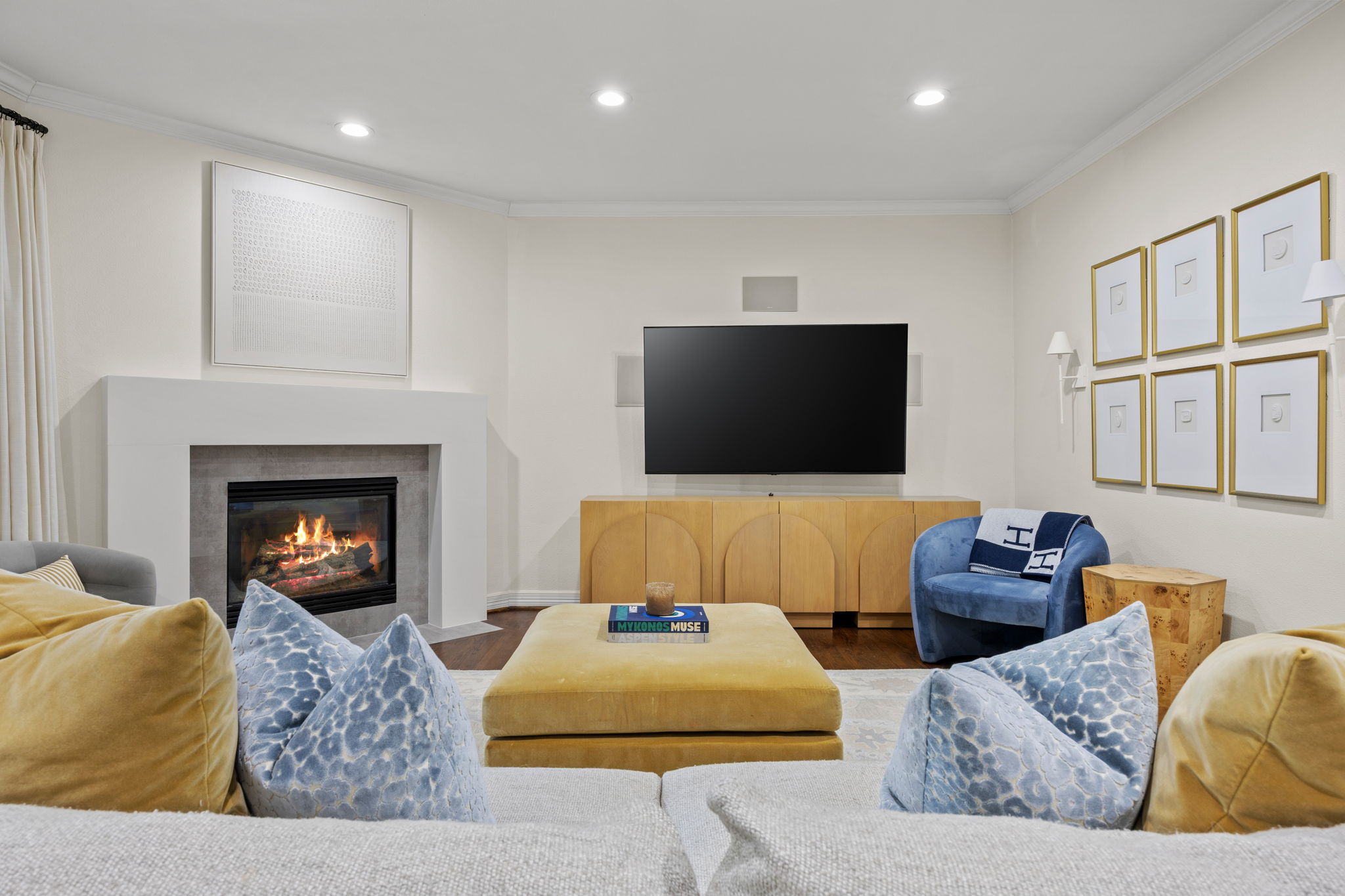
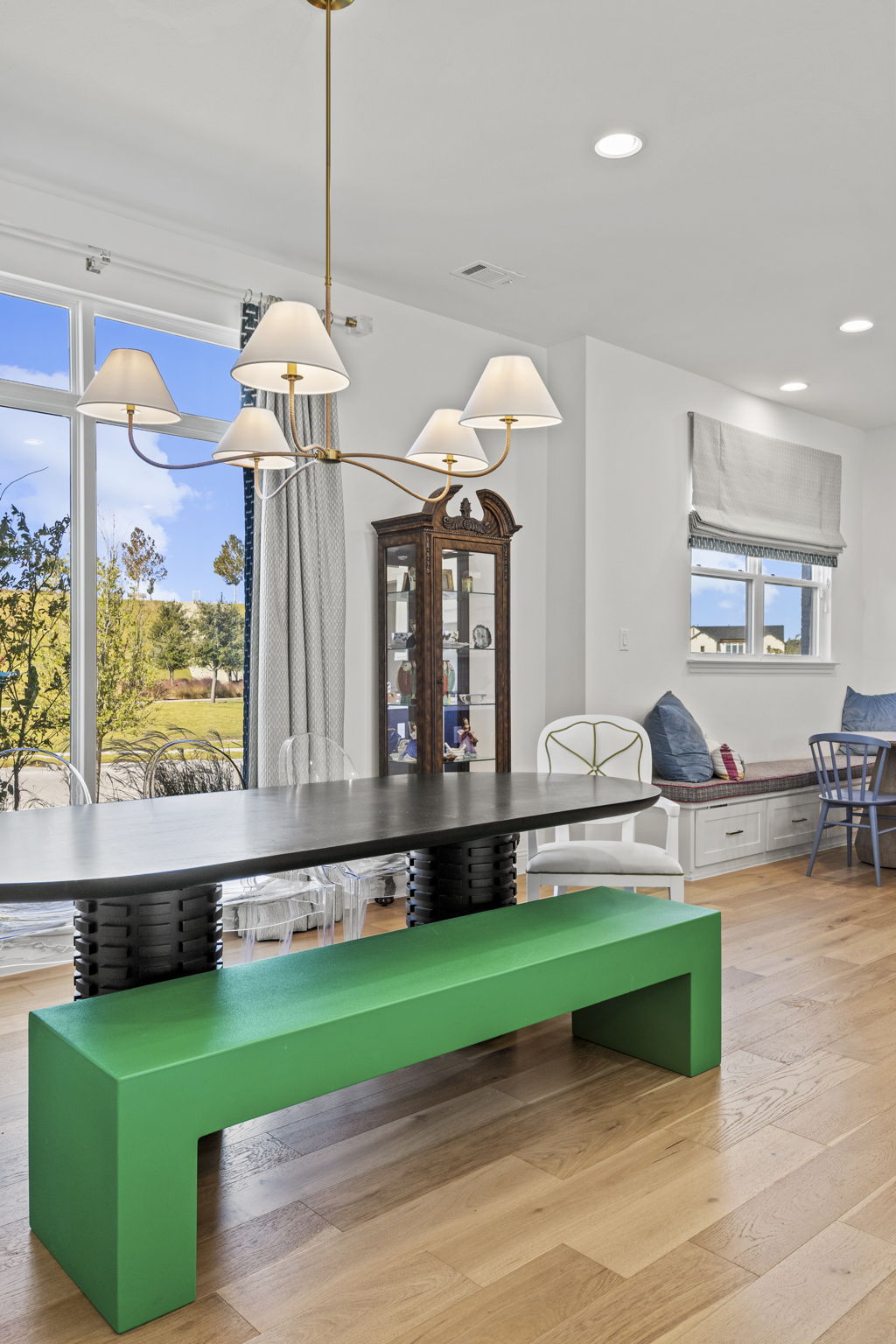
Macey, before we move on to more of these sorts of questions, can you take some time to bring our readers up to speed on you and what you do?
I’ve always loved interior design. As a kid, I was constantly rearranging furniture, redecorating rooms, and convincing my parents that something needed to be moved or changed. Looking back, I’m sure I drove them crazy because nothing ever stayed the same for very long. I was always imagining how a space could function better or feel more beautiful.
My path into the industry wasn’t exactly what I expected. When my husband and I relocated from Wichita Falls to Dallas for his job, I decided to pursue real estate. In my very naive mind, I thought becoming a Realtor would naturally lead to interior design clients. I figured I’d help people buy homes and then they’d hire me to help design them. It sounded simple enough.
That’s not what happened at all.
What I quickly learned was that finding clients, whether in real estate or design, was much harder than I anticipated. There were plenty of moments where I questioned whether I was doing the right thing. What ultimately changed everything wasn’t advertising or some magical business strategy. It was relationships.
I met some incredible friends who were Realtors, and they began referring me to their clients, friends, and family members. That taught me one of the biggest lessons of my career: networking works best when it’s genuine. People can tell when you’re simply trying to get something from them. The relationships that helped grow my business were built organically through trust, consistency, and showing up for people.
For many years, I focused solely on design because, frankly, I had no desire to get into construction. The liability, the responsibility, and the potential headaches did not sound appealing to me. But over time, I noticed a recurring problem. Client after client would tell me they couldn’t find reliable contractors, or they were frustrated by poor communication, lack of organization, missed deadlines, and feeling left in the dark throughout their project.
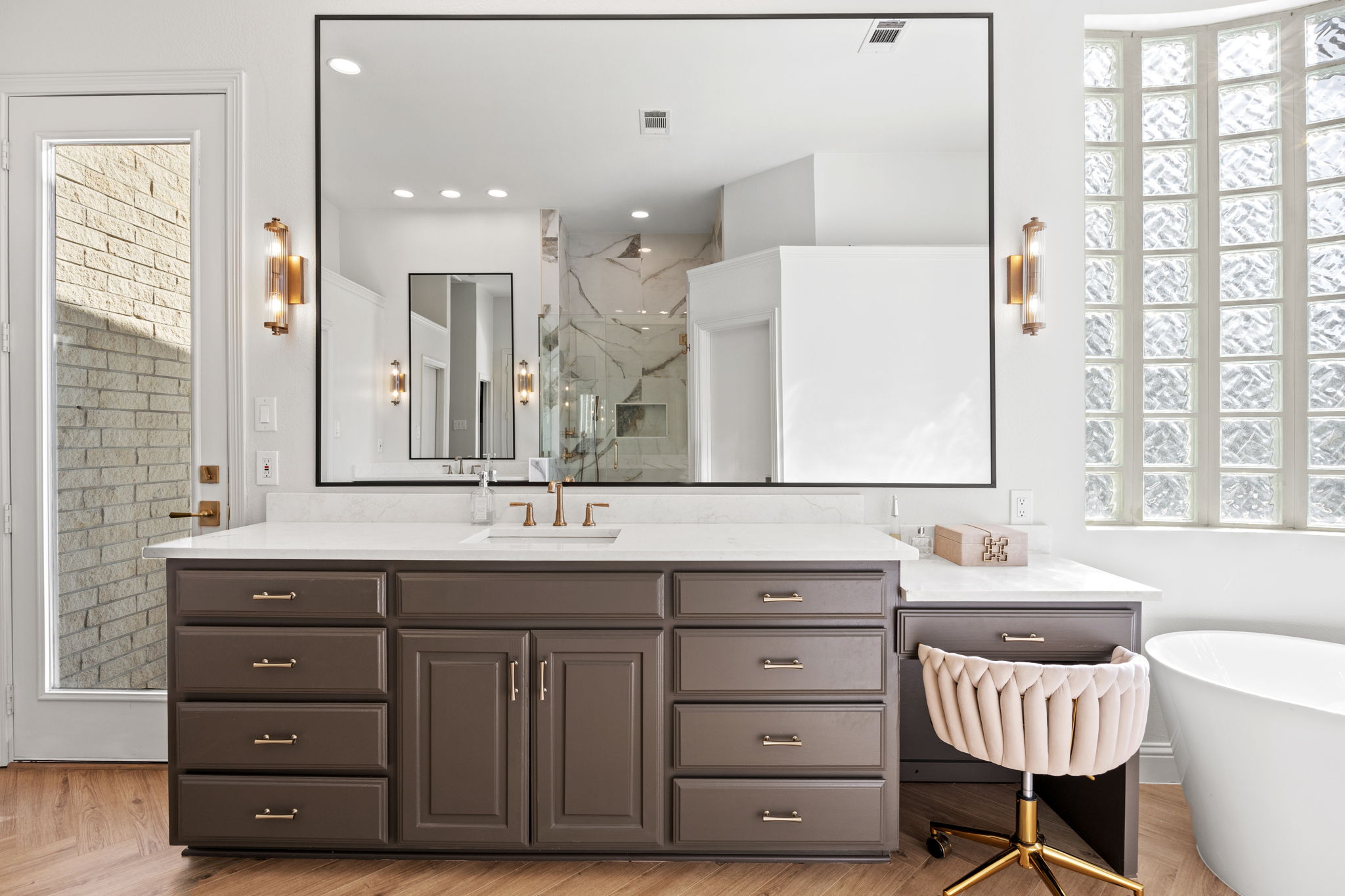
We started helping with smaller renovation project, kitchen facelifts, bathroom updates, paint, countertops, lighting, and finish selections. As our experience grew, so did the demand. What began as smaller projects eventually evolved into full-home renovations, restorations, and now even new construction.
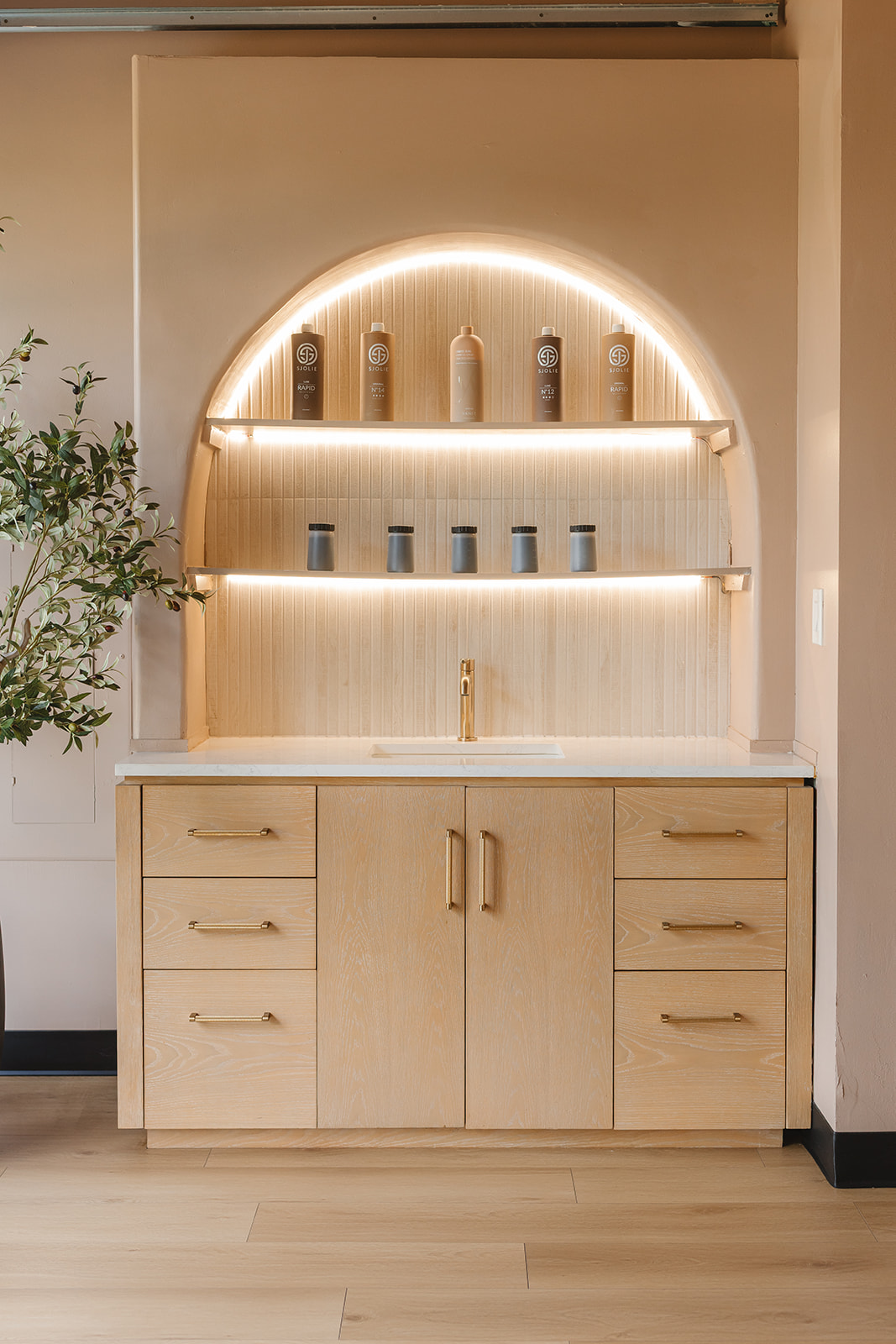
Today, we offer both design and construction services, which allows us to guide clients through the entire process from concept to completion. We help homeowners create spaces that not only look beautiful but function for the way they actually live. Whether it’s a kitchen renovation, a whole-home remodel, restoration project, or new build, our goal is to remove as much stress and uncertainty from the process as possible.
What sets us apart is something that sounds simple but is surprisingly rare in this industry: communication. Any contractor can build a house. Any designer can create a beautiful rendering. What separates great projects from frustrating ones is understanding the client’s expectations from the very beginning.
We spend a tremendous amount of time learning who our clients are, how they make decisions, what they value, how involved they want to be, and what success looks like to them. That understanding allows us to create realistic budgets, establish clear expectations, and execute projects more effectively.
We’re extremely transparent throughout the process. We communicate constantly, provide checklists, track action items, and keep clients informed every step of the way. I never want a client wondering what’s happening on their project or feeling like they can’t get an answer.
What I’m most proud of isn’t any individual project, it’s the trust we’ve built with our clients and referral partners. Most of our growth has come from people telling others about their experience working with us, and to me, that’s the greatest compliment a business can receive.
If there’s one thing I want people to know about me and my company, it’s that we genuinely care. I’m talkative, I like to have fun, and I’m probably a little more direct than most people in this industry, but I believe in doing what I say I’m going to do. We approach every project with honesty, transparency, and integrity because at the end of the day, we’re not just providing construction—we’re building relationships.
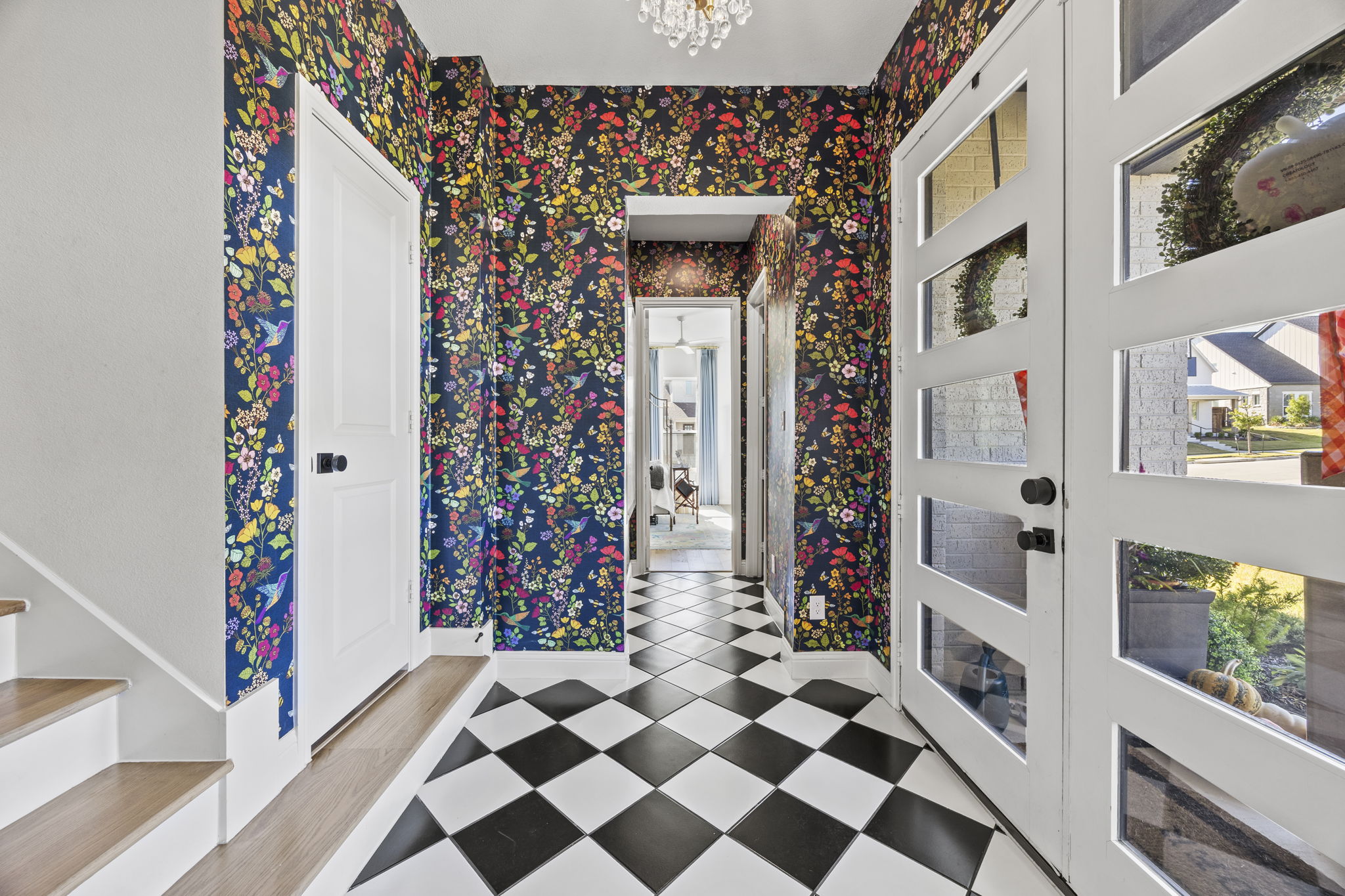
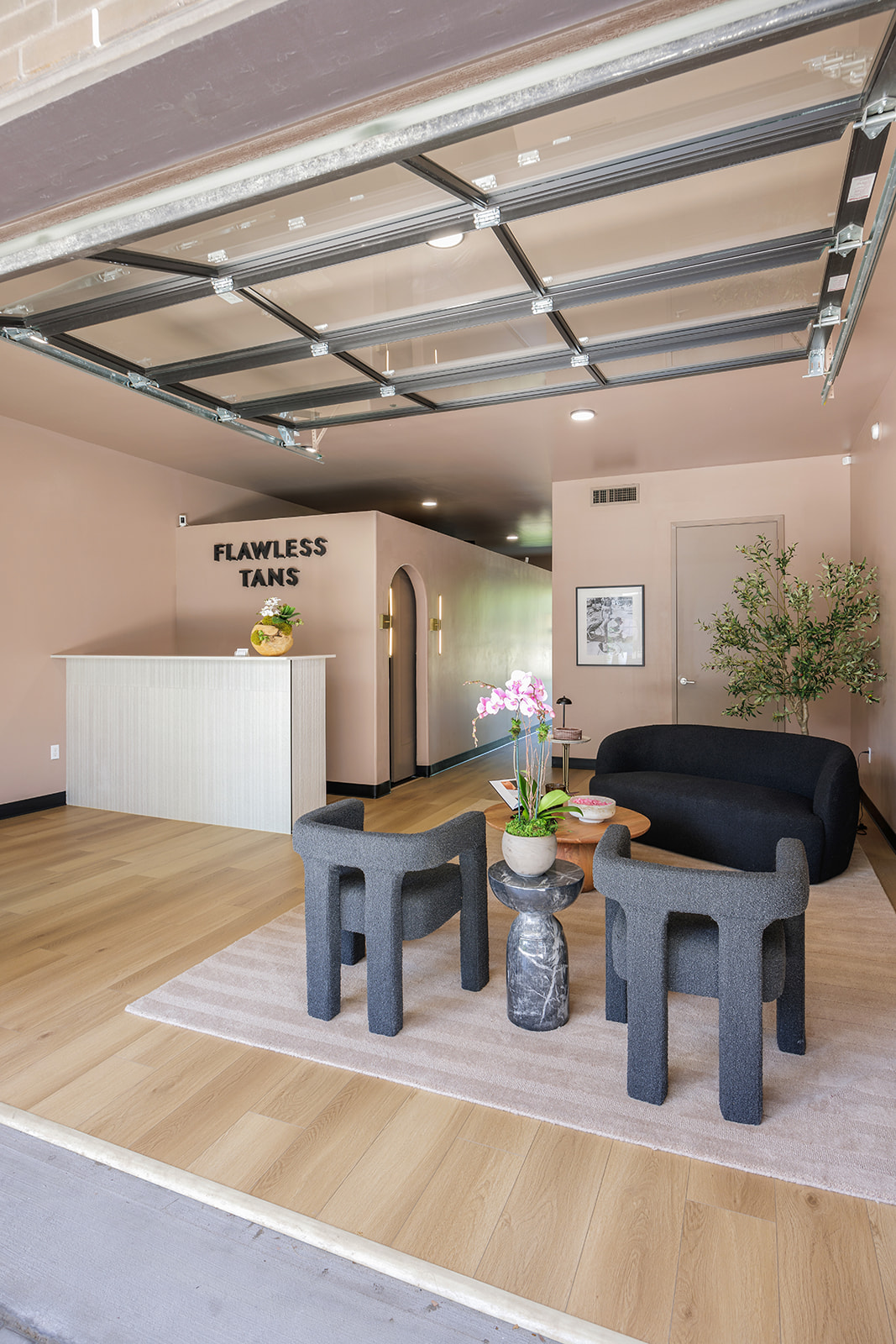
For you, what’s the most rewarding aspect of being a creative?
For me, the most rewarding part is the transformation, not just of the space, but of the client’s entire outlook.
Most of the people who come to us are overwhelmed. They have an awkward, outdated space that isn’t functioning for their family, and they often can’t see a path forward. They know something isn’t working, but they don’t know how to fix it, where to start, or who to trust.
I love being able to walk into a home, see the potential, and create a vision that completely changes the way they think about their space. There is something incredibly rewarding about presenting a design solution and watching a client realize for the first time that their dream is actually possible.
Then, just when they’re excited about the design, we get to bring it to life. That’s where the second reward comes in. A lot of homeowners go into construction expecting stress, delays, poor communication, and chaos because unfortunately that’s what they’ve heard from friends or experienced themselves. Being able to execute a project efficiently, communicate clearly, and deliver on what we promised is just as satisfying as the design itself.
My favorite moment is seeing a client walk into their completed space for the first time. Watching someone go from feeling completely lost and frustrated to absolutely blown away by the final result never gets old. Knowing we’ve improved how they live in their home every single day is what makes all the hard work worth it.
Are there any resources you wish you knew about earlier in your creative journey?
Honestly, I wish I had understood systems, processes, and procedures much earlier in my journey.
When I started, I was figuring everything out through trial and error and there was a lot of error. Looking back, I don’t think people realize how much of a successful design and build company has nothing to do with selecting pretty finishes or knowing construction. A huge part of it is creating repeatable systems that keep projects organized, clients informed, and trades working efficiently.
I also wish I had a better understanding of construction sequencing from the beginning. Knowing what happens first, what depends on what, and how one delay can create a domino effect throughout an entire project is something I learned through experience. Unfortunately, some of those lessons only come after making mistakes.
Another big lesson was understanding the value of hiring great trades. Early on, I was so focused on making projects affordable that I often prioritized price over quality. It wasn’t because I wanted cheap labor. Most of my clients had limited budgets, and many already assumed they couldn’t afford to work with me because I wasn’t performing the labor myself. I felt pressure to keep costs as low as possible in order to win projects.
What I eventually learned is that the cheapest option is rarely the most cost-effective option. A great trade partner can save a project. A poor one can create delays, callbacks, frustration, and ultimately cost everyone more money. Today, I would much rather work with skilled professionals who take pride in their work than save a few dollars upfront.
If I could go back and tell my younger self one thing, it would be this: focus on building strong systems and strong relationships with quality trades from day one. The designs may be what clients see, but those systems and partnerships are what ultimately determine whether a project succeeds or fails.
The good news is that every mistake taught me something. Many of the systems we use today were built because I experienced firsthand what happens when you don’t have them. Those lessons were expensive at times, but they’ve helped shape the company we are today.
Contact Info:
- Website: https://www.residstudios.com
- Instagram: residstudios
- Facebook: residstudios
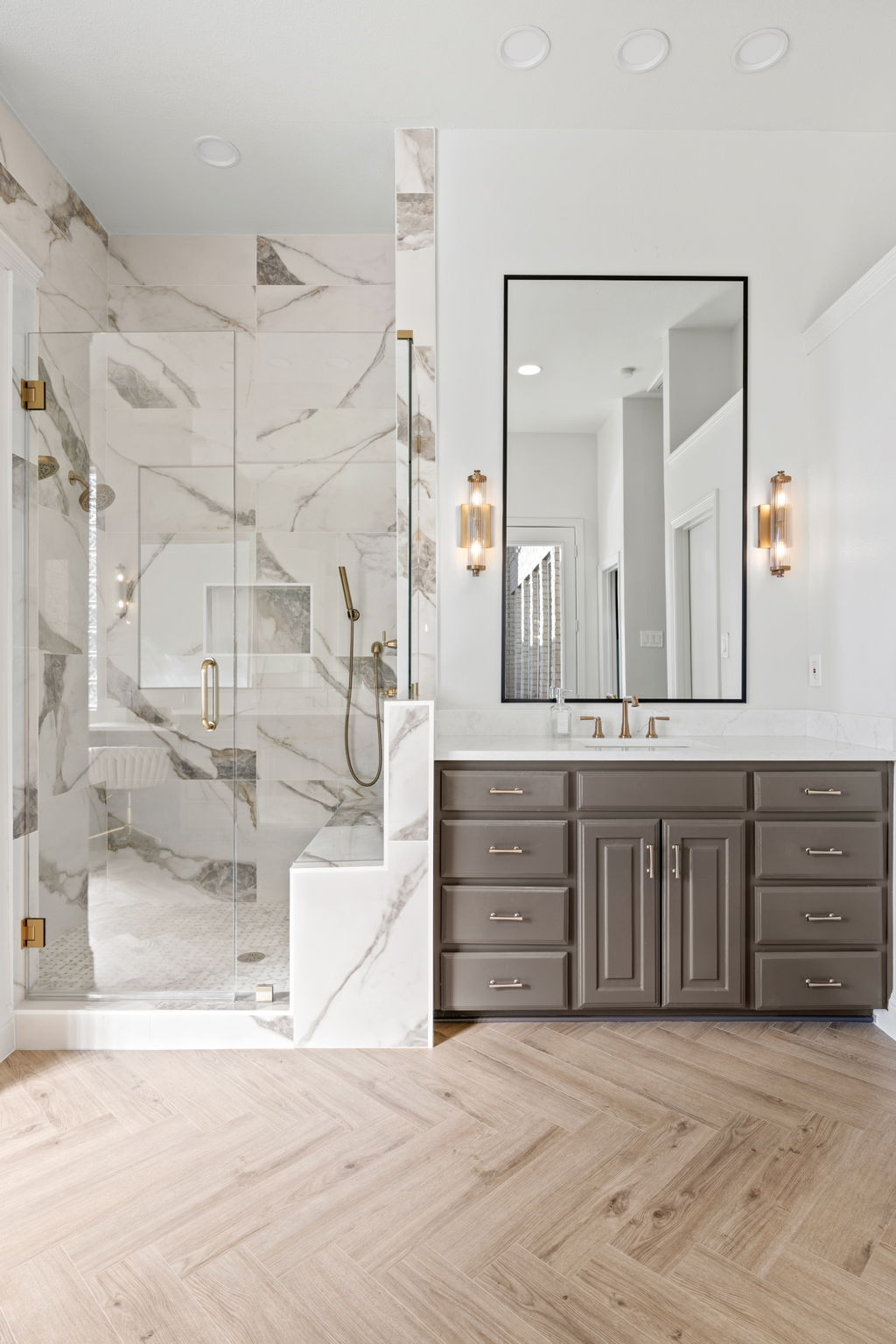

Image Credits
Stella Images