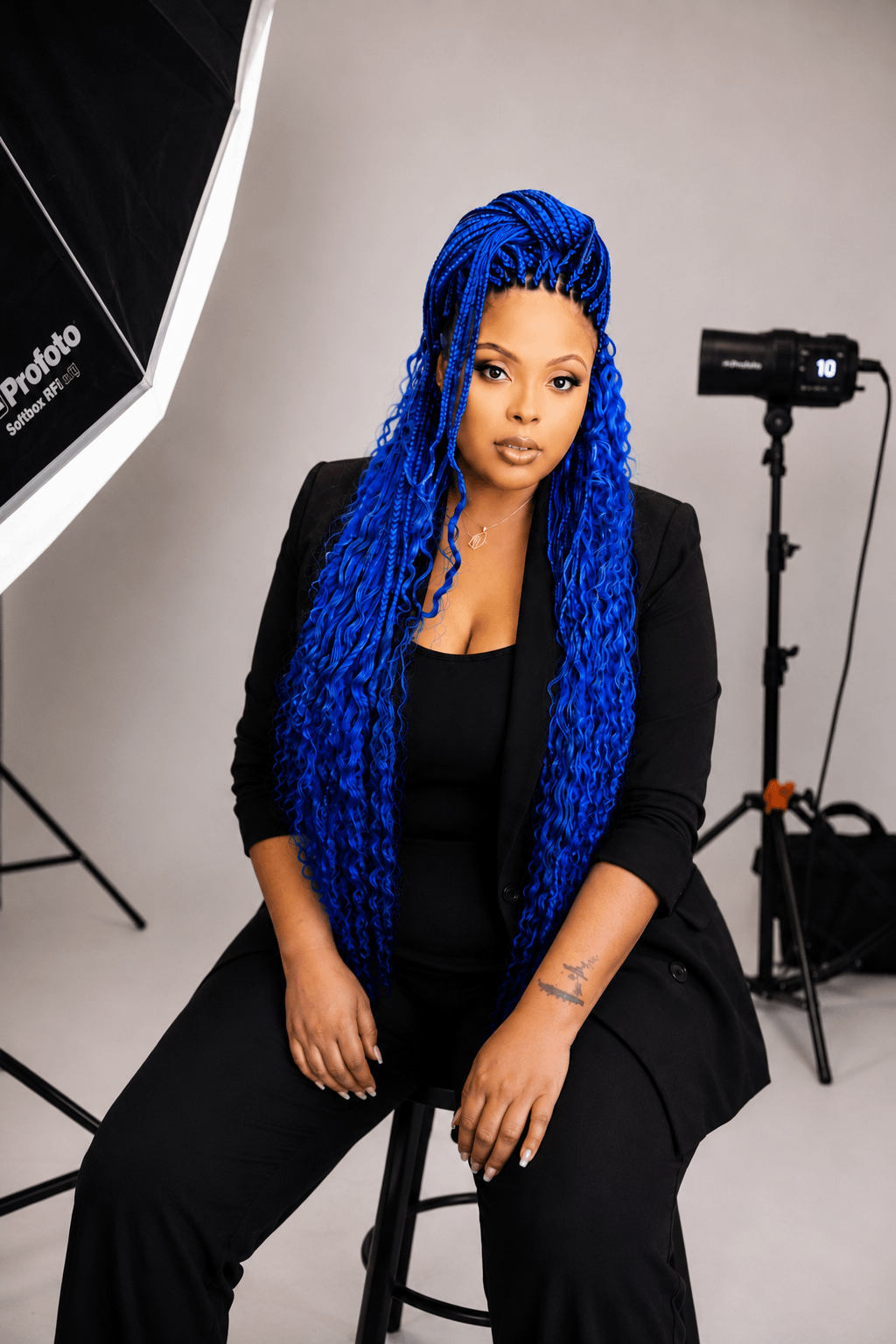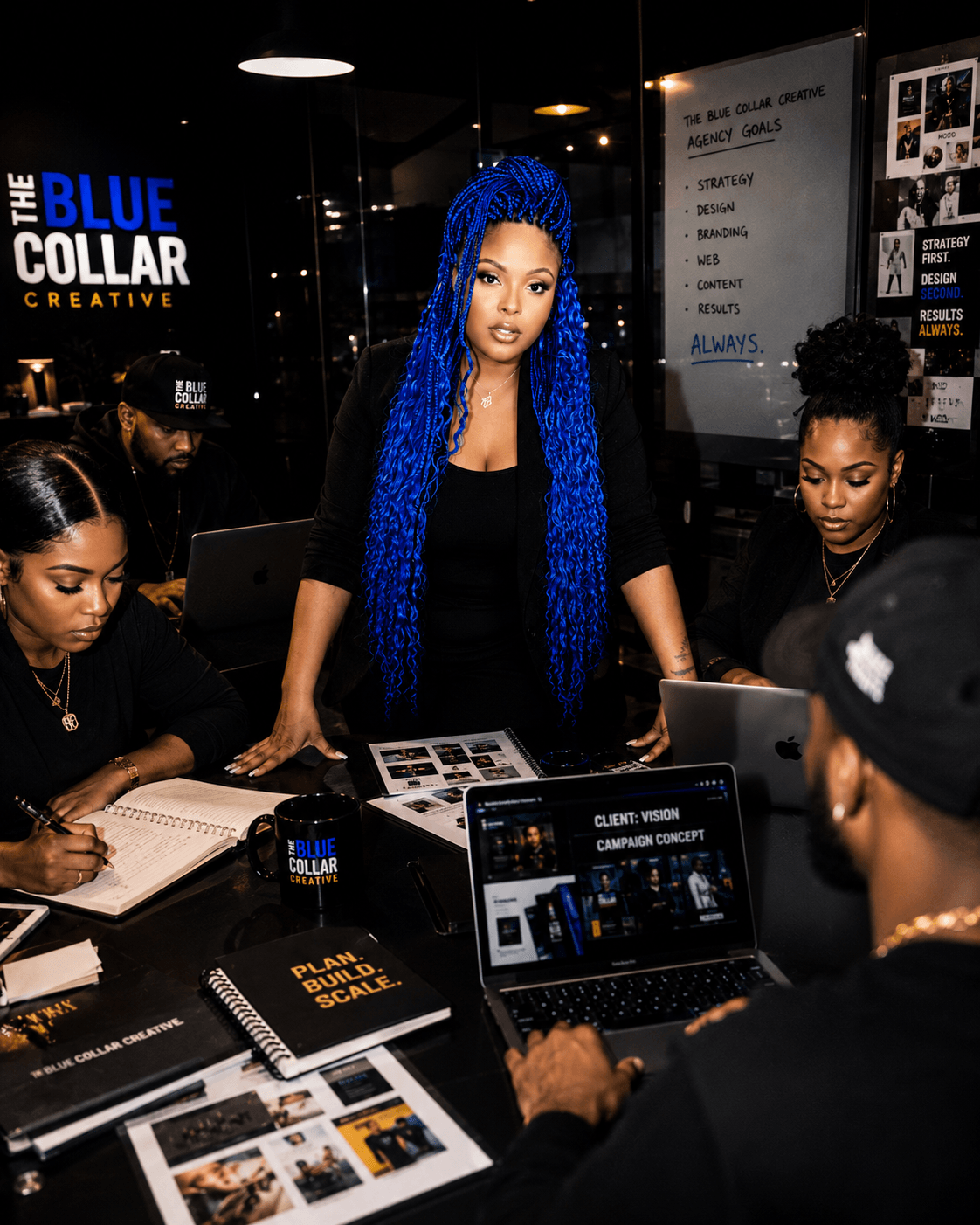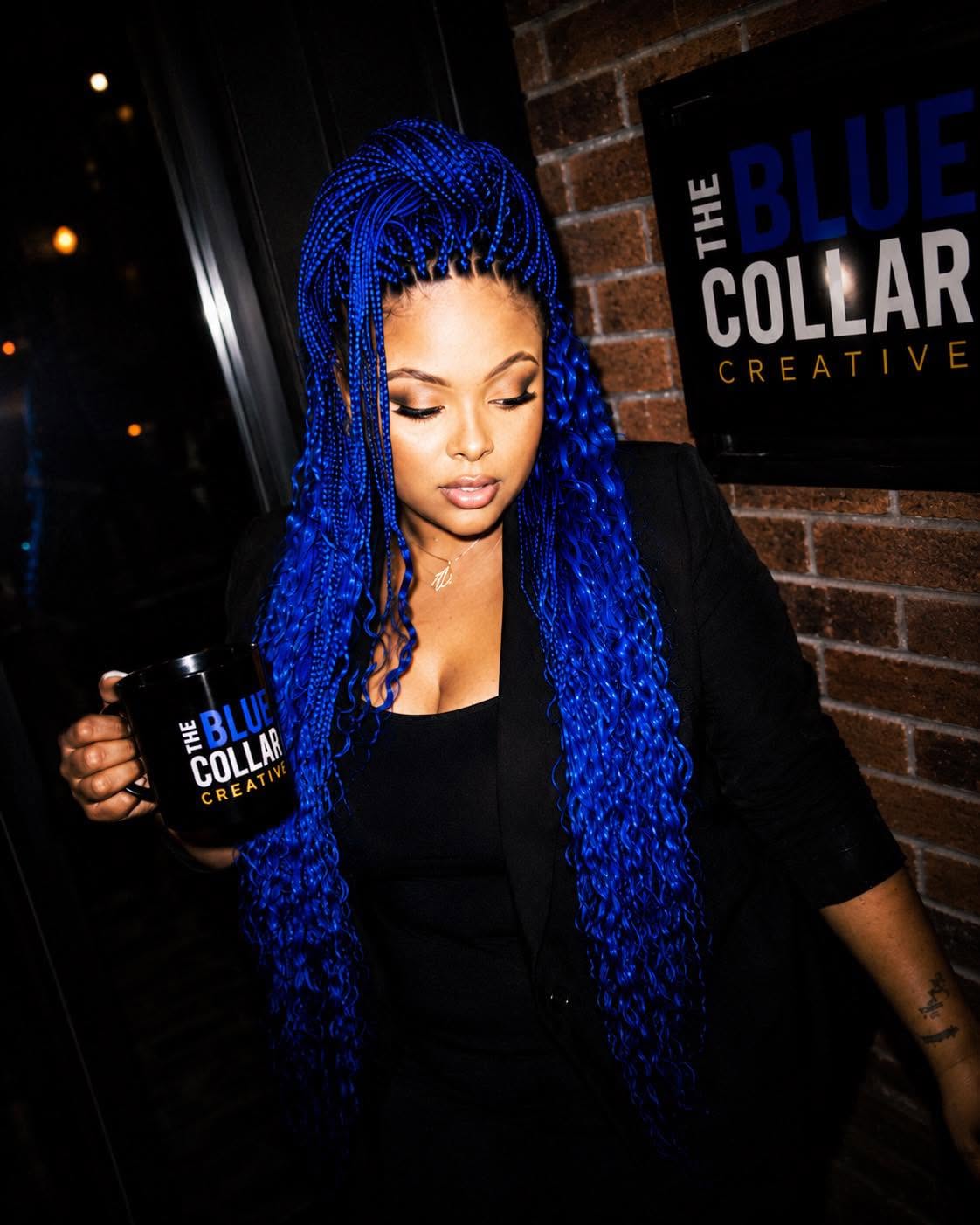

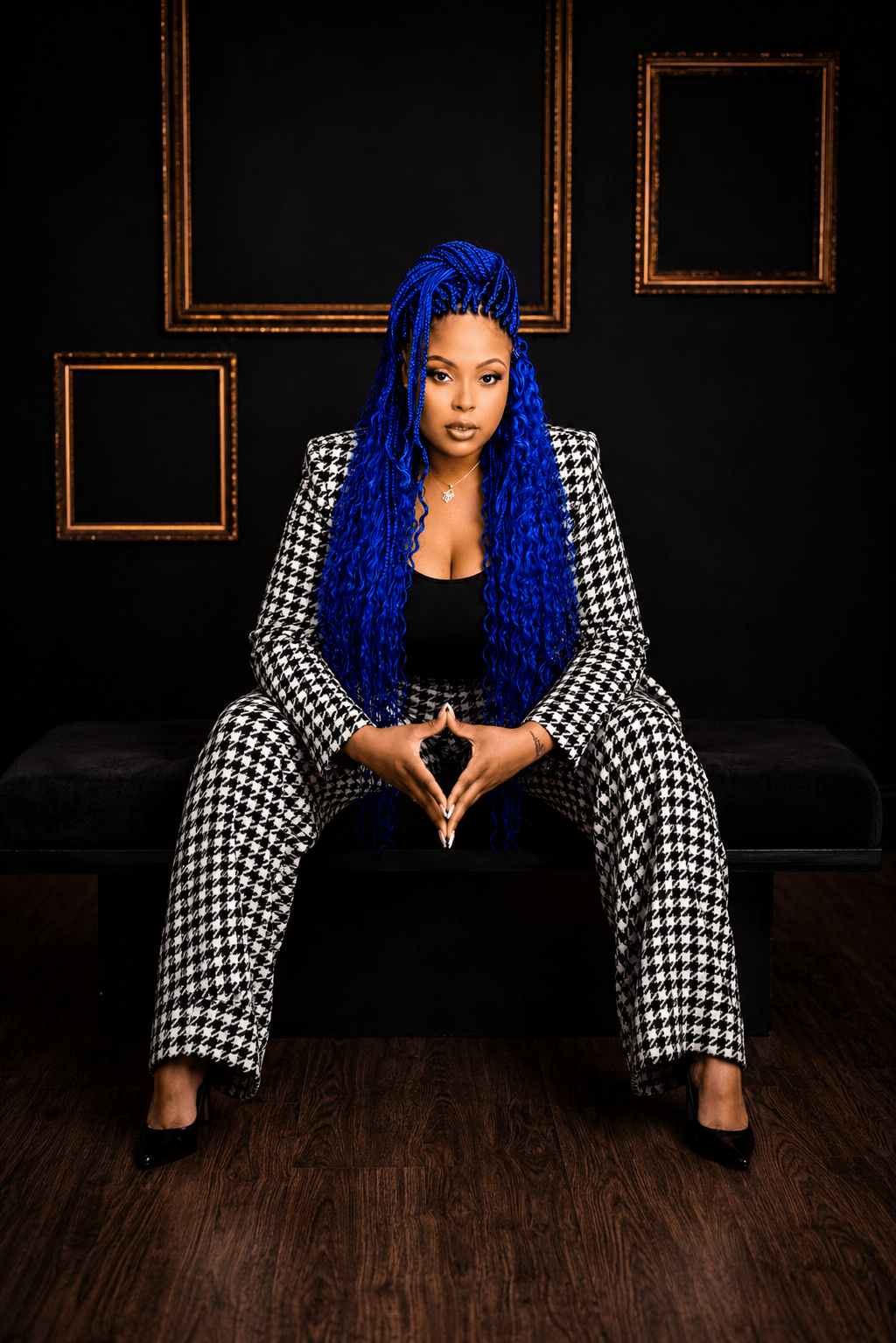
We were lucky to catch up with Chantee Lackey-Williams recently and have shared our conversation below.
Alright, Chantee thanks for taking the time to share your stories and insights with us today. Can you tell us the backstory behind how you came up with the idea?
I did not come up with the idea for my creative services business in a perfect office, with a clean desk, a business plan, and everything figured out.
It started years ago, in a much more ordinary and difficult season of my life.
At the time, I was a college student studying social work. That was the path I thought I was on. I cared about people, I cared about advocacy, and I cared about helping others feel seen and supported. Then my old partner introduced me to web development, and something in me lit up.
It was one of those moments where you do not fully understand what is happening yet, but you know something has changed. I started learning about front-end development, back-end development, design, structure, user experience, and how websites actually work. I realized this was not just something I liked. It felt like something my mind naturally understood.
But I was not learning web development in an easy season.
I was still taking social work classes at one school while studying front-end and back-end web development at a completely different school. I also had a job. I lived in Madison, Wisconsin, where the winters can be brutal, and I was getting around with a walker.
So when I think back to the beginning of my creative journey, I do not picture a laptop in a cute coffee shop. I picture myself early in the morning, before the sun was fully up, with my walker, a huge backpack, and cold Wisconsin air hitting my face while I made my way to the bus stop.
I had to leave around 5 a.m. because I walked slowly and the bus stop was far from where I lived. I had to give myself extra time for everything. Extra time to walk. Extra time to get on the bus. Extra time to transfer. Extra time to get from one building to another.
There were mornings when it was snowing. Mornings when it was freezing. Mornings when my body was tired before the day had even started. But I still went.
It was me, my walker, my backpack, and this quiet determination that I was going to finish what I started.
Then at the end of the day, I would make that same trip back home, except it was darker, colder, and heavier because I was tired from classes, work, and life. But I kept doing it.
I did not hesitate because I knew I was building something, even if I did not have the full picture yet.
Eventually, I graduated.
After that, I started graphic designing on the side. At first, it was something I was doing because I had the skill and people needed help. But then I got really good. Not average. Not decent. I got really good at taking someone’s idea and turning it into something visual, polished, and professional.
That led me deeper into web design, and that is where I truly fell in love.
Web design brought everything together for me. It was creativity, strategy, psychology, communication, and problem-solving all in one place. It was not just about making something look nice. It was about understanding what someone needed people to feel, believe, and do when they landed on a website.
My business started growing, and in the beginning, I mostly worked with women-owned brands, creatives, and service-based businesses. I loved helping people feel proud of how they showed up online. I loved taking their ideas seriously and building something that made them feel more legitimate.
But the direction of my business changed because of one junk removal company.
One day, I needed someone to come to my home and remove some things. I searched for a junk removal business and found one owned by an older man. I went to his website before booking, and honestly, the website was bad. It was outdated, hard to look at, and not professionally put together.
But there was something on that website that made me pause.
He had a picture of himself on the homepage.
He looked kind. He looked real. I saw that he was a veteran, and even though the website itself was not beautiful, I trusted him.
That part matters because at the time, I was a single woman living alone. Hiring a stranger to come into your home is not a casual decision. You are not just asking, “Can this person move my couch?” You are asking, “Can I trust this person in my space? Do they seem safe? Do they seem honest? Will I feel comfortable with them in my home?”
His website was ugly, but somehow his humanity still came through.
So I hired him.
When he and his coworker came to my house, I quickly realized that the owner had a disability and that his coworker was blind. I watched them work together, and something about it really touched me. The owner was patient. He was gentle. He guided his coworker respectfully while they moved my couch. He did not embarrass him. He did not rush him. He did not treat him like a burden.
He treated him with dignity.
That first job turned into me hiring them four more times.
And every time, I saw the same thing. This man was not just doing junk removal. He was showing character. He was showing patience. He was showing leadership. He was showing what kind of person he was when nobody was forcing him to.
One moment that stayed with me was when the job was done and he split the money with his coworker 50/50.
He did not cheat him. He did not give him a small piece and keep the rest. He did not take advantage of the fact that his coworker was blind. He gave him his fair share.
That may sound small to some people, but to me, it said everything.
It showed me that this was a good man. A hardworking man. An honest man. The kind of person you would want to support. The kind of person you would want in your home. The kind of person whose business deserved to grow.
Later, I asked him for his website again because I wanted to leave him a review. He told me no. He said he did not really like people going to the website because it was ugly. Then he explained that he could not figure out how to disconnect it because the designer had ghosted him.
That made me so angry.
Not angry at him. Angry for him.
Here was a man doing good work. A veteran. A disabled business owner. Someone honest enough to split money fairly with his coworker. Someone who had earned my trust so much that I hired him multiple times. And yet he was embarrassed to send people to his website because someone had left him with something that did not represent him.
That moment bothered me deeply.
Because I realized his website was not just ugly. It was costing him confidence. It was costing him trust. It was costing him opportunities. It was making a good business owner feel small.
And once I saw it, I could not unsee it.
I started paying attention to blue-collar businesses everywhere. Junk removal companies, contractors, landscapers, plumbers, roofers, cleaners, electricians, service providers, and tradesmen. I would look at their websites and see the same thing over and over again.
The work was solid, but the online presence was weak.
These were people with trucks, tools, crews, skill, experience, and real customer demand. They were solving real problems. They were showing up in people’s homes, businesses, yards, basements, roofs, and job sites. They were doing the kind of work that keeps communities moving.
But online, so many of them looked outdated, unprofessional, confusing, or forgotten.
That hit me hard because I knew the issue was not that they lacked value. The issue was that their value was not being communicated.
I also noticed something else. A lot of the design world was focused on making women’s brands, beauty brands, coaches, boutiques, and lifestyle businesses look beautiful, polished, and high-end. And I loved that work. But I started thinking, men deserve that level of care too. Blue-collar businesses deserve strong design too. Contractors deserve websites they are proud to send people to. Service providers deserve branding that reflects the quality of their work.
That is when The Blue Collar Creative became clear to me.
I did not want to just build websites. I wanted to help hardworking service providers be seen correctly.
I wanted to help the kind of business owner who may not have the fanciest words, the trendiest brand, or the most polished photos, but who shows up, does the work, treats people right, and deserves to be trusted.
I knew this was a worthwhile endeavor because the logic was obvious.
These businesses already had demand. People already needed junk removal, roofing, landscaping, plumbing, cleaning, repairs, and home services. The market was not the problem.
The problem was trust.
When someone hires a service provider, especially someone coming into their home, they are making an emotional decision before they make a financial one. They want to feel safe. They want to feel like the business is real. They want to see proof. They want to understand what happens next. They want to know who they are dealing with.
A strong website can do that.
A strong website can take a stranger and make them feel familiar. It can take a small business and make it look established. It can take honest work and give it the presentation it deserves. It can answer questions, reduce doubt, show proof, and guide someone to book.
I knew I could succeed because I had already lived the discipline required to build something hard.
I knew what it meant to keep going when something was inconvenient. I knew what it meant to walk through snow with a walker and a backpack before sunrise because I had a goal. I knew what it meant to learn something from the ground up. I knew what it meant to balance school, work, disability, transportation, and ambition all at once.
I also knew I had the skill.
I understood design. I understood websites. I understood messaging. I understood how people make decisions. And because of my social work background, I understood the human side of business. I could see beyond the logo and the layout. I could see the person behind the business.
That became my advantage.
The Blue Collar Creative was born from the belief that good work should not be hidden behind a bad website.
It was born from that veteran junk removal owner who was too embarrassed to share his own website.
It was born from every contractor, tradesman, and service provider who does excellent work but does not have the online presence to match it.
It was born from my own story too. From early mornings, snow, buses, a walker, a backpack, and the determination to build a life through creativity.
I created this business because I know what it feels like to be underestimated. And I know how powerful it is when someone finally sees the value that was already there.
That is what I want my work to do for blue-collar businesses.
I want their websites to make people trust them before they ever answer the phone. I want their brands to carry dignity, authority, and pride. I want them to stop apologizing for how they show up online. I want them to feel represented.
Because to me, this is bigger than design.
It is about respect.
It is about making sure hardworking people are not overlooked because their website does not tell the truth about who they are.
And that is why I knew The Blue Collar Creative was worth building.
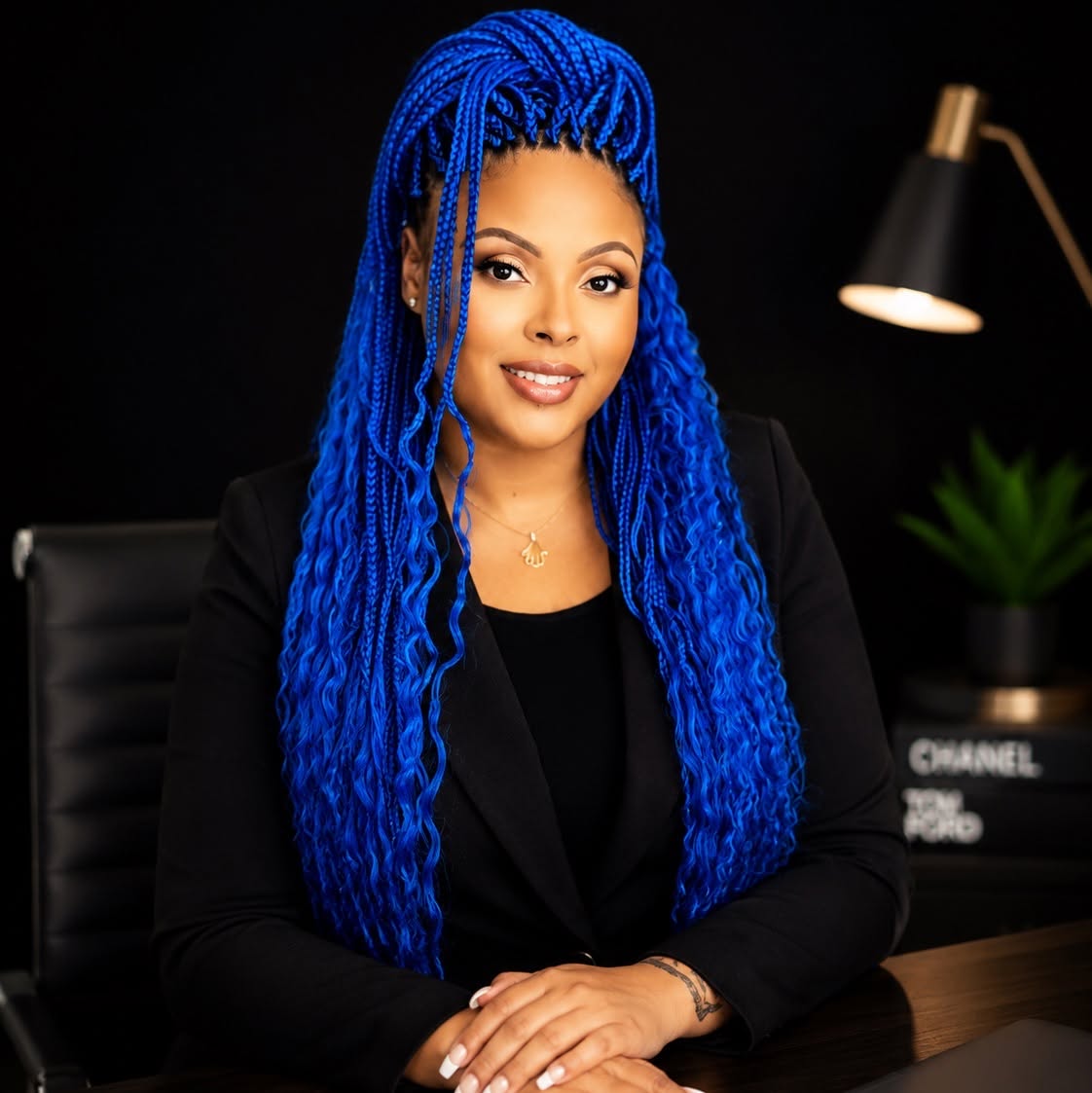
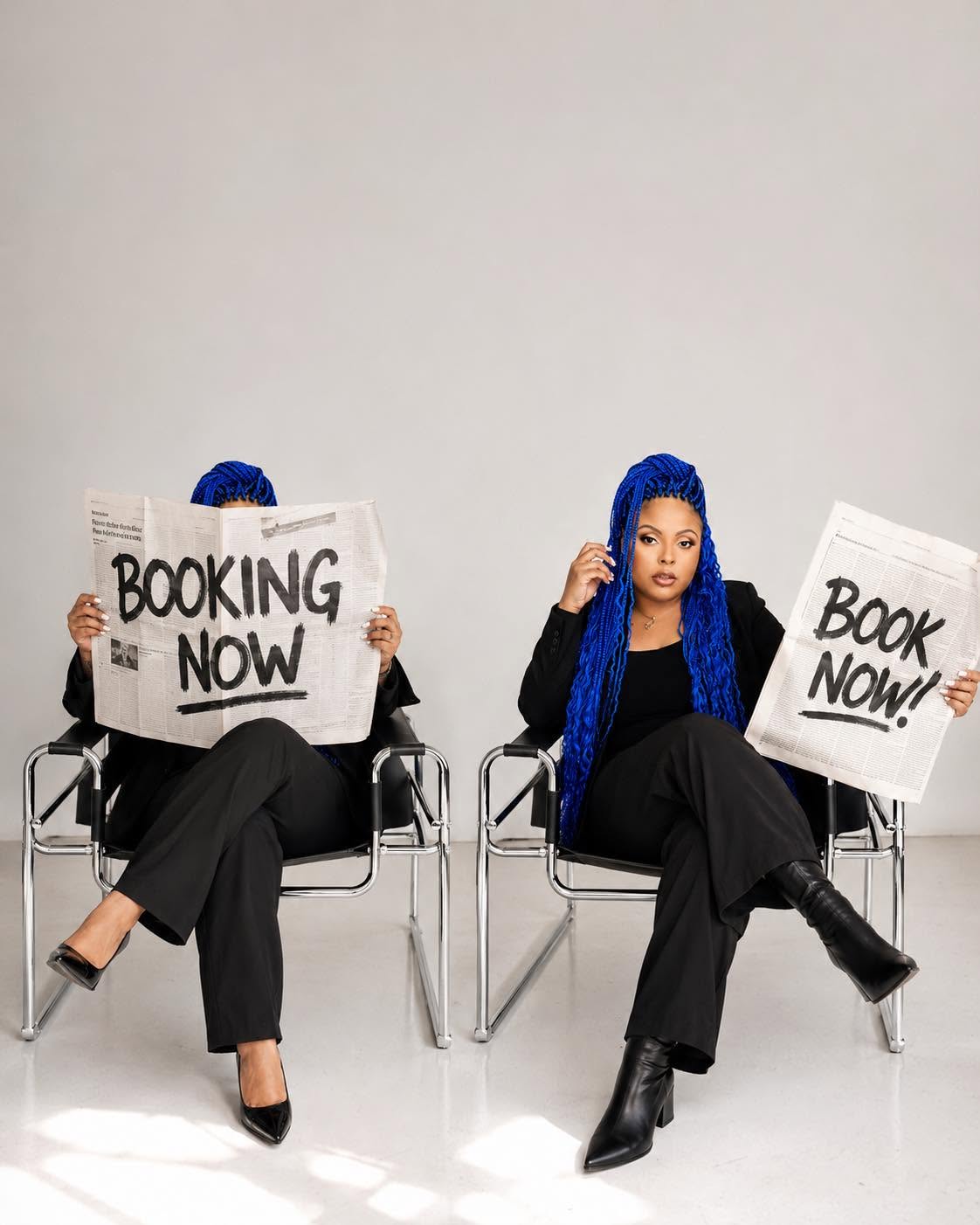
Great, appreciate you sharing that with us. Before we ask you to share more of your insights, can you take a moment to introduce yourself and how you got to where you are today to our readers.
My name is Chantee Lackey, and I am the founder of The Blue Collar Creative, a web design and brand strategy business created to help contractors, tradesmen, and service-based businesses show up online with more trust, clarity, and authority.
I did not enter this industry from a traditional design background. My first path was social work, and I think that has shaped the way I approach business more than anything else. I have always cared deeply about people, how they are seen, how they are supported, and how they navigate systems that were not always built with them in mind.
Years ago, I was introduced to web development by my old partner, and something clicked for me. I started learning front-end and back-end development while still going to school for social work. I was juggling classes at two different schools, working a job, using a walker, and taking the bus through Madison, Wisconsin winters with a huge backpack. It was not glamorous, but it taught me discipline. It taught me that when I care about something, I will show up for it fully.
Over time, I moved into graphic design, then web design, and eventually brand strategy. Web design became the place where all of my strengths came together. It gave me a way to combine creativity, technology, psychology, storytelling, structure, and business strategy.
At first, I worked mostly with women-owned brands, creatives, and service providers. My business grew because I was good at helping people take ideas that felt scattered or unpolished and turn them into something clear, professional, and marketable.
Eventually, The Blue Collar Creative was born from a very specific realization: hardworking service providers were doing excellent work in real life, but their online presence was not telling the truth about the quality of their business.
I saw this most clearly after hiring a junk removal company. The owner was a veteran, an older man, and a genuinely kind person. His website was outdated and poorly designed, but his picture was on the homepage, and something about him felt trustworthy. As a single woman living alone at the time, that mattered to me. I was not only hiring someone to move furniture. I was deciding who I felt safe allowing into my home.
When he came to my house, I saw his character immediately. He worked with a coworker who was blind, and he guided him with patience, respect, and dignity. After the job, he split the money with him fairly. He did not take advantage of him. He did not rush him. He treated him like a partner.
Later, when I asked for his website so I could leave a review, he told me he did not really like people going to it because it was ugly. He also said the designer had ghosted him, and he did not know how to disconnect it.
That stayed with me.
Here was a good man, doing good work, running a real business, and he was embarrassed by the thing that was supposed to help him grow. That moment changed the way I looked at my work. I started paying closer attention to blue-collar businesses: junk removal companies, roofers, landscapers, cleaners, plumbers, electricians, trucking businesses, handymen, and other service providers.
The pattern was everywhere.
These businesses had skill, experience, work ethic, equipment, customers, and real value. But online, many of them looked outdated, unclear, unfinished, or untrustworthy. Their websites did not reflect the quality of their work. Their messaging did not explain why people should choose them. Their branding did not build confidence. Their customer journey did not make it easy to call, book, or request a quote.
That is the problem I solve.
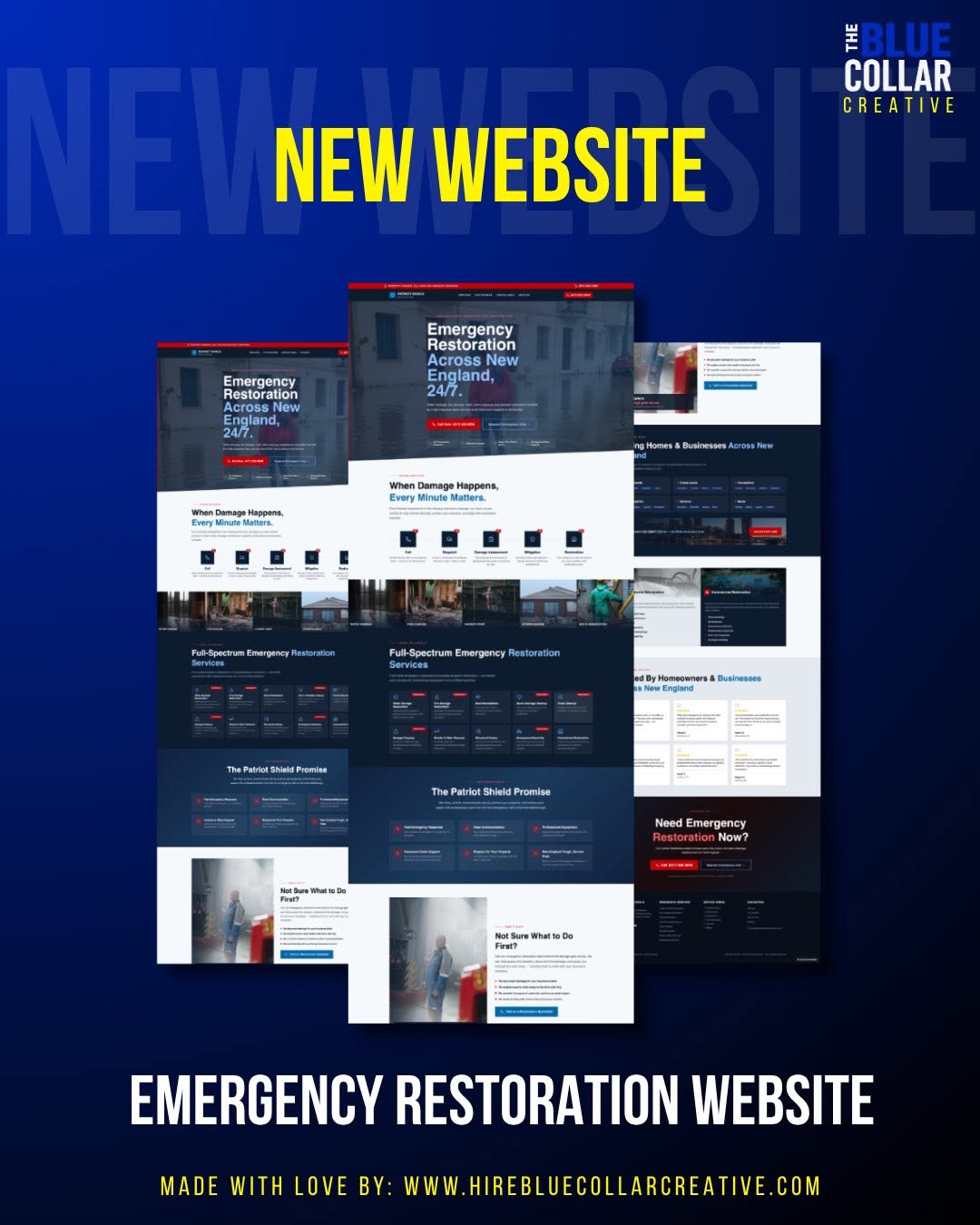
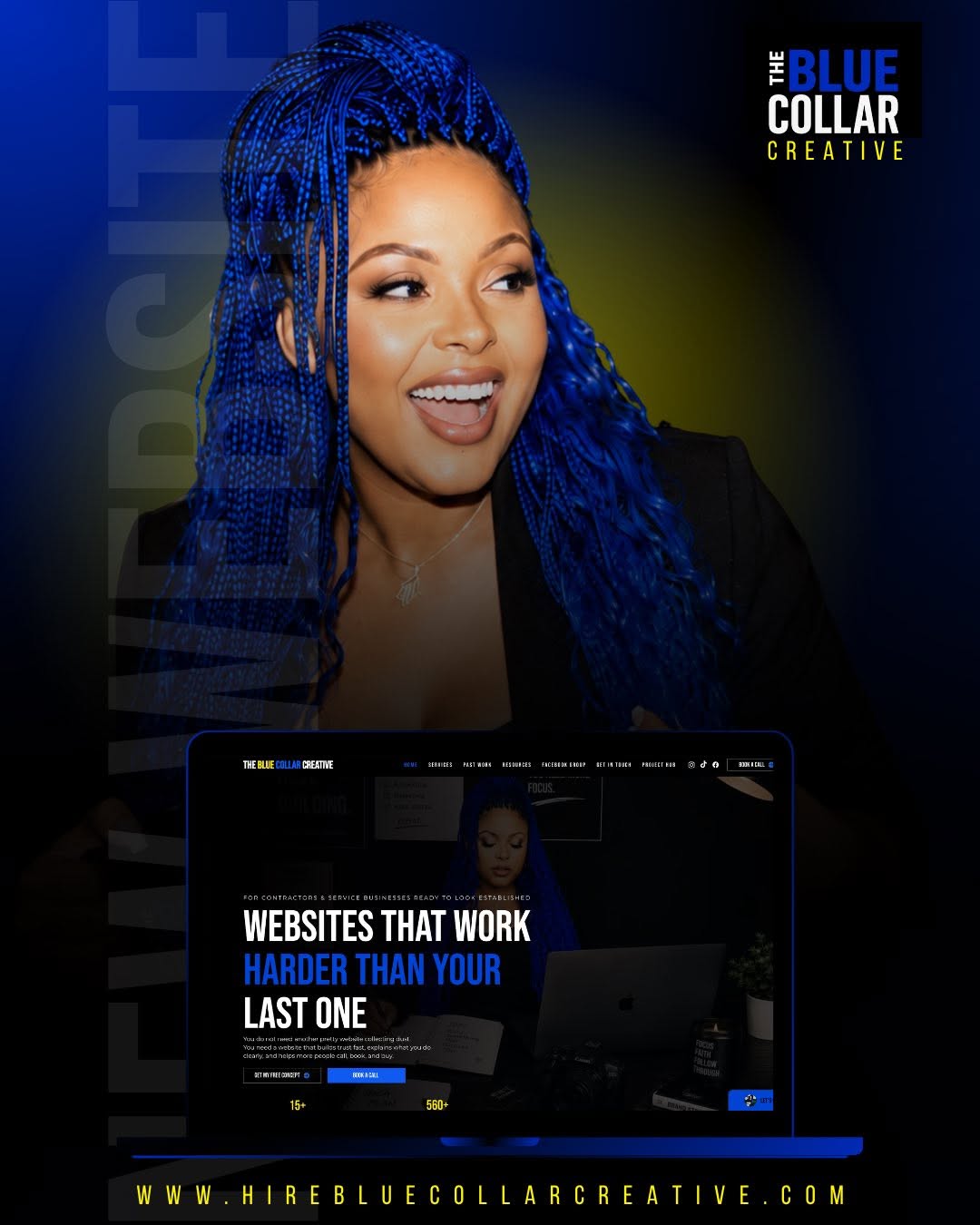
The Blue Collar Creative helps contractors and service-based businesses build websites and brand systems that create trust before the first phone call. I help them look professional, communicate clearly, and turn their online presence into something that supports real business growth.
My services include website design, website redesigns, brand strategy, messaging, homepage concepts, landing pages, service pages, SEO-friendly website copy, Google Business Profile guidance, social media graphics, flyers, business cards, and digital assets that help a business look more established and easier to hire.
But what I really provide is clarity.
A lot of business owners know they need a better website, but they do not know what is wrong with the one they have. They know their brand feels outdated, but they do not know how to explain their value. They know they are good at what they do, but their online presence does not make that obvious to the customer.
I help close that gap.
When I work with a client, I am thinking about more than colors and fonts. I am thinking about how a potential customer makes a decision. I am thinking about trust signals, proof, mobile experience, calls-to-action, service clarity, local credibility, and the emotions involved when someone hires a contractor or service provider.
For a homeowner, hiring someone is personal. They are inviting someone onto their property, into their home, or into a problem they need solved quickly. They want to know: Is this business real? Can I trust them? Do they do good work? Will they answer the phone? Do they serve my area? What happens next?
A good website should answer those questions clearly.
What sets my work apart is that I do not treat blue-collar businesses like they need to become something they are not. I do not try to make them look overly polished in a way that feels disconnected from the work they actually do. My goal is to make them look credible, strong, clear, and trustworthy while still keeping the real personality of the business intact.
I believe a contractor’s website should feel professional without feeling fake. It should feel clean without feeling cold. It should show pride, experience, and reliability. It should help the right customer feel confident enough to reach out.
I also bring a human lens to the work because of my background in social work and my own life experiences. I know what it feels like to be underestimated. I know what it feels like to have people not immediately see the value in front of them. That is part of why I care so much about helping hardworking businesses be represented well.
To me, this work is about more than design. It is about dignity. It is about making sure a good business does not lose opportunities because its website is confusing, outdated, or embarrassing to share. It is about helping business owners feel proud when someone asks for their website. It is about helping them show up online with the same confidence they bring to the job site.
One of the things I am most proud of is that I built this from skill, resilience, and observation. I did not wake up one day with everything handed to me. I learned. I failed. I kept going. I carried the backpack. I took the bus. I walked slowly, but I still got there. That same determination is in how I build for my clients.
I am also proud that my business has become more focused over time. I started with general creative services, but The Blue Collar Creative gave my work a stronger mission. I am not trying to serve everybody. I am here for the businesses that build, fix, haul, clean, install, repair, maintain, and serve.
I want potential clients to know that I take their business seriously.
I am not here to throw together something pretty and disappear. I care about whether the website makes sense. I care about whether a customer can understand what they do. I care about whether the business looks trustworthy. I care about whether the owner feels proud of it. I care about whether the final product can support real revenue.
The Blue Collar Creative is for the business owner who knows they are good at what they do, but their website is not helping them prove it.
It is for the contractor who is tired of looking smaller than they are.
It is for the service provider who wants to look more established, get more serious inquiries, and stop sending people to a website they are embarrassed by.
It is for the hardworking business that deserves to be seen clearly.
At the heart of my brand is one belief: good work should not be hidden behind a bad website.
That belief guides everything I create.
We’d love to hear a story of resilience from your journey.
One story from my journey that illustrates my resilience is the season when I was going to school for social work while also studying web development at a completely different school.
At that time, my life did not look easy or convenient. I was living in Madison, Wisconsin, working a job, taking classes, learning front-end and back-end web development, and getting around with a walker. I did not have the luxury of everything being close, simple, or perfectly arranged. I had to build my life around extra effort.
I was also in a domestic abuse situation during that season, which made everything even harder. So while I was trying to study, work, get to class, and build a future for myself, I was also carrying the emotional weight of being in an unsafe and unhealthy environment. That kind of stress changes everything. It affects how you sleep, how you think, how safe you feel, and how much strength it takes to do even the basic things.
But even in that situation, I kept going.
Most mornings, I had to leave around 5 a.m. because I walked slowly and the bus stop was far from where I lived. I would have my walker, a very large backpack, and all the determination I could gather before the sun was even fully up. In the winter, that meant cold air, snow, ice, and those dark Wisconsin mornings where everything felt heavier than it should.
I can still picture it clearly: me moving slowly toward the bus stop while other people were probably still sleeping. My body had limitations, my home life was difficult, and my circumstances were not ideal. But my mind was made up. I knew I was trying to build a different future for myself, even if getting there took me longer.
That season required more than motivation. Motivation is easy when life feels good. Commitment is what carries you when your body is tired, the weather is bad, the walk is long, your heart is heavy, and nobody knows the full story of what you are surviving.
There were days when I had to go from one school to another, then to work, then back home. By the time I made the return trip, it was dark. I was tired. The same distance I walked in the morning felt even longer at night. And returning home was not always peaceful. But I kept going because I knew I was building something that mattered.
I was not only trying to pass classes. I was trying to change the direction of my life.
What makes that season so important to me is that I did not know then exactly how all of it would connect. I did not know that web development would lead me into graphic design, then web design, then brand strategy, then eventually into building The Blue Collar Creative. I only knew that something about the work felt right, and I trusted that enough to keep showing up.
I graduated. I kept learning. I kept creating. I started designing on the side, got better and better, and eventually built a business from those skills.
That experience shaped the way I see resilience. To me, resilience is not always loud or dramatic. Sometimes resilience is waking up in a painful situation and still choosing your future. Sometimes it is leaving the house before sunrise because you know your life has to become bigger than what you are currently living through. Sometimes it is walking slowly and still refusing to stop.
Sometimes it is carrying the heavy backpack, catching the bus, doing the assignment, going to work, coming home in the dark, and waking up the next day to do it again.
That season also shaped the way I serve my clients.
When I work with contractors, tradesmen, and service providers, I understand what it means to work hard without always being seen. I understand what it means to have value that people may overlook at first glance. I understand what it means to keep showing up even when the conditions are not ideal.
That is why The Blue Collar Creative matters so much to me. My work is not only about building websites. It is about helping hardworking people be seen accurately. It is about taking businesses that have grit, skill, and real value and giving them an online presence that reflects that.
I am proud of that season because it reminds me that I can do hard things slowly, consistently, and successfully.
I was building a life while surviving one.
I may not have moved the fastest, but I kept moving.
And that has made all the difference in my journey.
What’s been the most effective strategy for growing your clientele?
The most effective strategy for growing my clientele has been building trust before asking for the sale.
For my business, people do not only buy a website. They buy confidence. They buy clarity. They buy the feeling that someone understands their business, their customers, and what is not working in their current online presence.
That is especially true with contractors and service-based businesses. A lot of them have either been burned before, ignored by a designer, or given a website that looked nice but did not actually help them get more leads. So I learned that my job is not to pressure people. My job is to show them what is possible and help them understand the value of a stronger online presence.
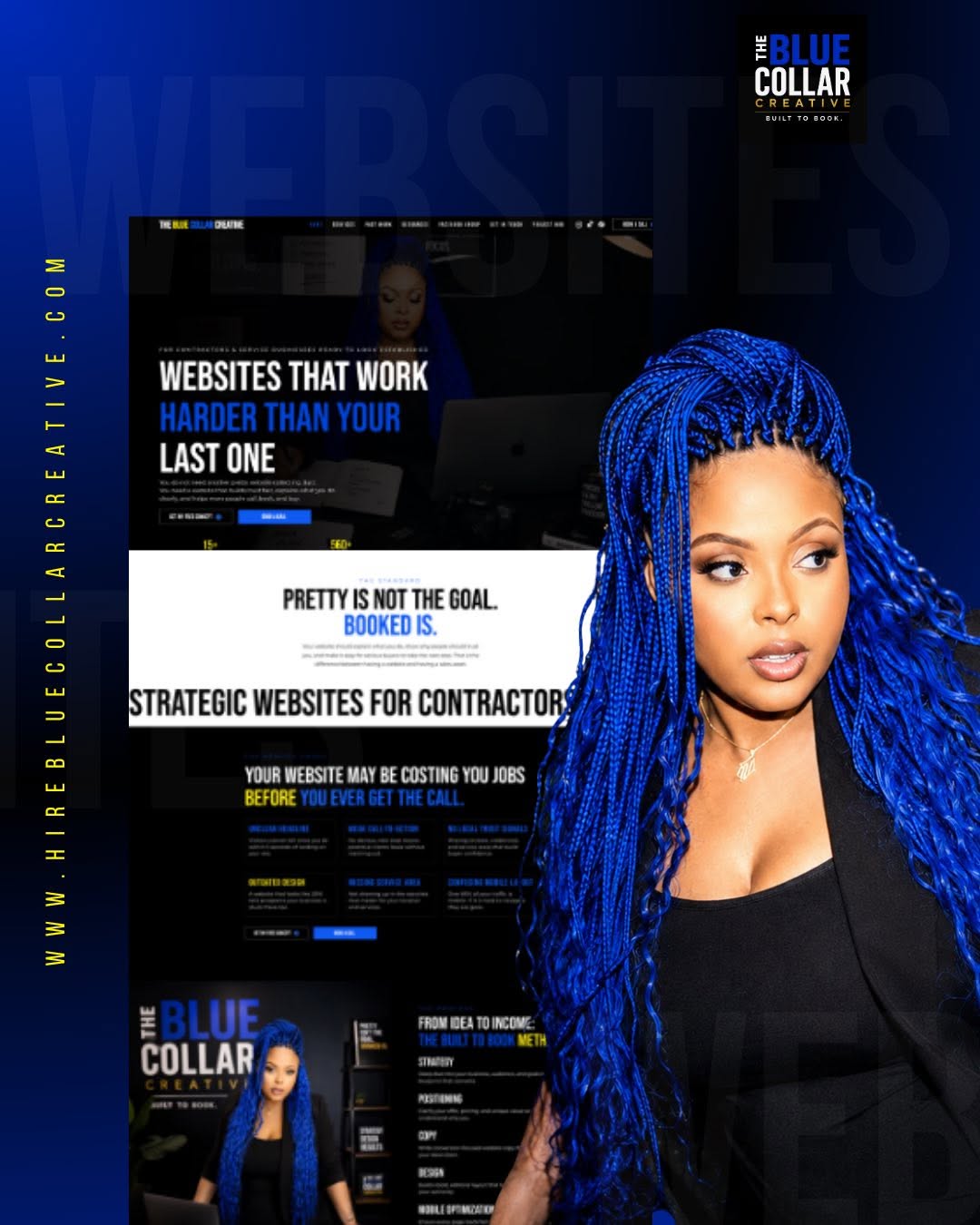
One of the most effective things I have done is offer free website concepts or homepage mockups. Instead of telling a business owner, “You need a better website,” I show them. I take a look at where they are now, study their services, their audience, and their current online presence, then create a visual direction that helps them see what their business could look like with better positioning, design, and messaging.
That works because it makes the problem real and the solution visible.
A contractor may know their website is outdated, but until they see a cleaner, stronger version of their brand, they may not fully understand how much trust they are leaving on the table. When they see their business presented with more authority, better structure, clearer messaging, and a stronger call-to-action, the conversation changes. They are no longer wondering if they need help. They can see the gap.
Another strategy that has helped me grow is relationship-based marketing. A lot of my business has come from referrals, follow-ups, past clients, community connections, and people seeing my work over time. I try to stay visible and useful. I share examples, educate business owners, point out common mistakes, and explain what actually makes a website work.
I do not want people to feel confused or intimidated by websites and branding. I want them to understand that their website should be doing a job. It should build trust, answer questions, show proof, and make it easy for someone to call, book, or request a quote.
I have also learned the power of niching down.
When I first started, I worked with many different types of businesses, especially women-owned brands and creative businesses. But once I started focusing on blue-collar and service-based businesses, my message became stronger. I was no longer speaking to everybody. I was speaking directly to contractors, junk removal companies, landscapers, cleaners, roofers, plumbers, trucking businesses, and service providers who knew their work was solid but their online presence was not matching it.
That focus made my marketing clearer. It made my services easier to explain. It helped people understand exactly who I help and why.
The strategy has been simple but powerful: show the value, educate the client, build trust, and make the next step easy.
I have found that when people feel seen, they listen. When they understand the problem, they take it seriously. And when they can visualize the solution, they are much more likely to invest.
That is why I lead with value. Whether it is a free homepage concept, a website audit, a conversation, a social media post, or an example of what better branding could look like, I want the business owner to walk away with more clarity than they had before.
The most effective strategy has not been chasing clients. It has been positioning myself as someone who understands their world and can help them turn their online presence into a real business asset.
Contact Info:
- Website: https://www.hirebluecollarcreative.com
- Instagram: https://www.instagram.com/bluecollarwebdesign
- Facebook: https://web.facebook.com/shantay.williams.35?mibextid=wwXIfr&rdid=TU4NjkeLpRbhkbOt&share_url=https%3A%2F%2Fweb.facebook.com%2Fshare%2F16UKsf4vmF%2F%3Fmibextid%3DwwXIfr%26_rdc%3D1%26_rdr
- Other: https://www.tiktok.com/@thebluecollarcreative