

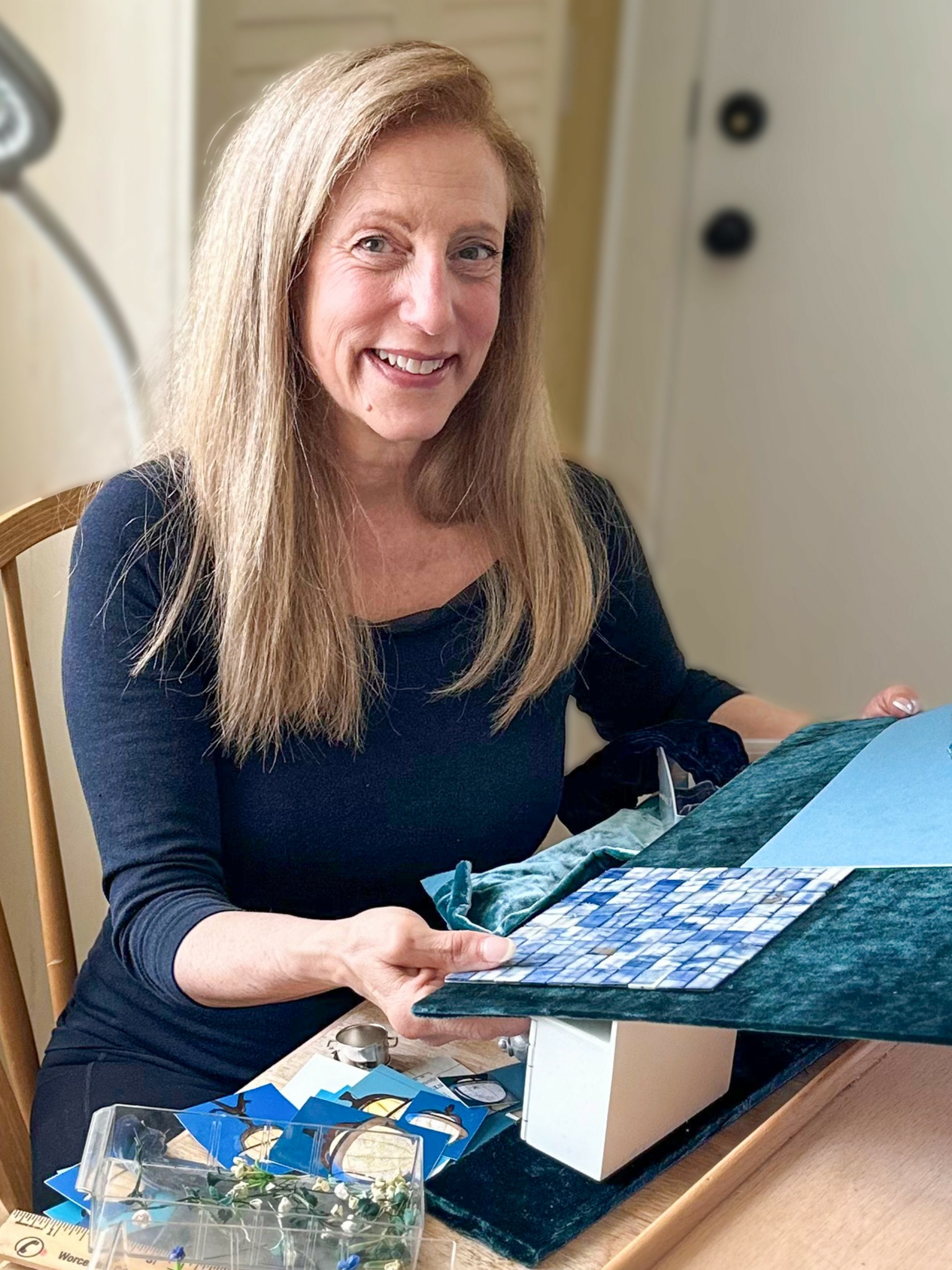

We recently connected with Vivian Cavalieri and have shared our conversation below.
Hi Vivian, thanks for joining us today. We’d love to hear about a project that you’ve worked on that’s meant a lot to you.
One project stands apart for the way it brought together research, personal history, and public engagement—”From War to Peace: World War II Opportunity, Postwar Domesticity”, a solo exhibition that opened on Veterans Day 2025 at the Military Women’s Memorial, located within Arlington National Cemetery. Originally scheduled to close on May 1, 2026, the exhibition has been extended by the Memorial, an affirmation of how strongly these histories continue to resonate.
The project began after reading “Code Girls” by Liza Mundy, which introduced me to the 11,000 women who served as cryptanalysts during World War II, highly skilled and entrusted with complex work that many credit with helping to shorten the war. As I looked further, I came to understand that their experience was part of a much broader story: hundreds of thousands of women served across nearly every domain. While not formally in combat, many worked directly in harm’s way: pilots testing aircraft, nurses on the front lines, some enduring years as prisoners of war. And yet, when the war ended, these newly trained workers were pushed back into domestic roles, their contributions largely absent from the historical record.
That dissonance between capability and constraint, recognition and omission, became the foundation of the series.
The exhibition brings together eleven small-scale assemblages built from archival fragments and symbolic materials. Each piece is designed to draw viewers in quietly, then unfold through close attention, objects and images layered with meaning, inviting a kind of visual decoding. In that sense, the method mirrors the subject: histories that are present, but not always immediately visible.
As the work developed, it became increasingly personal and expanded to acknowledge the additional burdens faced by those in segregated units returning home. In “The Girl with a Future”, a photograph of my father’s war ration book appears within the composition, a subtle reminder that large-scale events are lived at the level of the individual. “Mail Call”, which gestures toward the civil rights struggles that followed the war, was inspired by a letter my mother wrote to her brother while he was serving overseas. Encountering it years later, I was struck not only by what she said, but by what it must have meant to him to receive it, sharpening my sense of the emotional weight carried by letters from home.
Installed within a civic memorial dedicated to women’s military service, the exhibition exists in direct dialogue with lived history. The Memorial’s mission—to ensure that women’s service is recognized as integral rather than incidental—closely parallels my own intention with the series. The exhibition is accompanied by a short interpretive film produced by the Memorial which interweaves archival footage with an interview about the research and process behind the work, offering an additional point of entry into questions of historical visibility and public memory. View the film with captions (https://www.youtube.com/watch?v=cS-uJhr56CE) or without captions (https://www.youtube.com/watch?v=cmwk5nHAjvU).
This project brought together many strands of my practice, but more than that, it clarified something essential: that even the smallest, most contained spaces can hold complex histories, and, when approached closely, can open onto much larger conversations. What stayed with me most were the conversations that unfolded around the work. Visitors often arrived carrying their own connections (family histories, fragments of memory) and the exhibition became a space where those stories could surface, take shape, and be shared.
NB: Originally titled “War & Peace”, the name of the series changed after the making of the film when the Memorial suggested the fuller title of “From War to Peace: World War II Opportunity, Postwar Domesticity”.
Vivian, before we move on to more of these sorts of questions, can you take some time to bring our readers up to speed on you and what you do?
I’m a conceptual visual artist working in three-dimensional mixed-media assemblage. My work explores immigration, environmental fragility, social justice, and historical memory, drawing on both personal history and broader cultural narratives.
While these are complex subjects, I approach them through small, highly detailed scenes that invite viewers to look closely and discover meaning over time. My palette and visual language are deeply influenced by my Venetian heritage, which continues to shape how I think about color, material, and composition.
I grew up in Manhattan with an American-born mother and a father from Venice, in a home filled with European and Chinese antiques. We spent many summers in Venice at the beach, in churches and museums, and with family. My sensitivity to color, my attraction to layered materials, and my instinct to create visual richness all trace back to those early influences.
My path to becoming an artist wasn’t direct. Although I majored in art history in college, I was convinced I didn’t have artistic ability because I couldn’t draw or paint. Instead, I went to law school and spent nearly twenty years representing museums and nonprofit organizations. Unexpectedly, my mixed media artwork is heavily influenced by those years of taking complex, often unwieldy material and bringing structure and clarity to it.
My first artistic venture after leaving the law was designing ornate, multi-strand necklaces inspired by the Venetian torsades, twisted strands of tiny glass beads that catch and reflect light. My creations incorporated amber, semiprecious stones, freshwater pearls, and always, in memory of my father, at least one bead of Murano glass. Avoiding symmetry, I created movement by balancing color and texture to prevent the eye from settling in one place.
When larger necklaces fell out of fashion, and I found myself unfulfilled making simpler ones, I started using segments of earlier pieces to build miniature scenes. Each work often begins with a fragment of a necklace but expands into a carefully constructed environment using dollhouse miniatures, textiles, realistic animal models, mirrors, photographs, and found objects.
The materials are selected carefully. A broken replica of Richard Nixon’s Oval Office chair suggests a drastic fall from power; a fragment of my father’s 1939 U.S. visa application appears within a work about migration. From a distance, the pieces can feel decorative or even whimsical. But as you move closer, the emerging details shift the meaning. A diner, a nursery, or a domestic interior may seem familiar at first, but gradually reveals references to migration, environmental change, or social inequality.
Format is central to the experience. The works are intimate and housed in deep custom frames which draw people in and framed using museum glass because its clarity creates the illusion that no barrier exists between the viewer and the scene.
More recently, I’ve begun extending these assemblages into installations, inviting not only observation but participation. Across both formats, I’m interested in creating space for reflection, work that doesn’t dictate a single interpretation but allows viewers to bring their own experiences into what they see.
Setting my work apart is the tension between surface and depth, between what is immediately visible and what unfolds over time. My art rewards attention because, as with much of life, what we see at first glance is only part of the story.
Is there mission driving your creative journey?
My work is driven by a desire to foreground what binds us, even as I engage with subjects often framed as divisive, such as migration, environmental imbalance, or overlooked histories.
I design scenes rooted in specific contexts that can open onto shared questions about belonging and responsibility. For example, in The Diner (Coming to America), the familiar setting of a retro diner becomes a way to explore connection, separation, and the emotional weight carried across distance.
I aim to create moments when a viewer sees not only the scene itself, but something of their family history or their own experience within it.
Looking back, are there any resources you wish you knew about earlier in your creative journey?
Self-taught and coming to art later in life after a career in law, I didn’t have the built-in community that many artists develop through art school. As an only child, I was comfortable working independently and assumed the work would speak for itself, so I didn’t initially feel the absence of community.
Over time, I came to understand how essential that sense of community can be, not only as a source of support, but as a space for thoughtful critique and perspective. Conversations with other artists and advisors have shaped not just the work itself, but how I think about sharing it with others.
For instance, I hadn’t fully grasped how differently one presents oneself in the art world. In law, a CV is direct and structured; in art, presentation is far more nuanced. It requires articulating a practice, shaping a narrative, and communicating intent in a way that invites engagement rather than simply listing credentials.
Those insights came gradually as I found a community, but having had access to that kind of guidance earlier would have significantly eased my path.
Contact Info:
- Website: www.viviancavalieri.com
- Instagram: @vc_artworks_
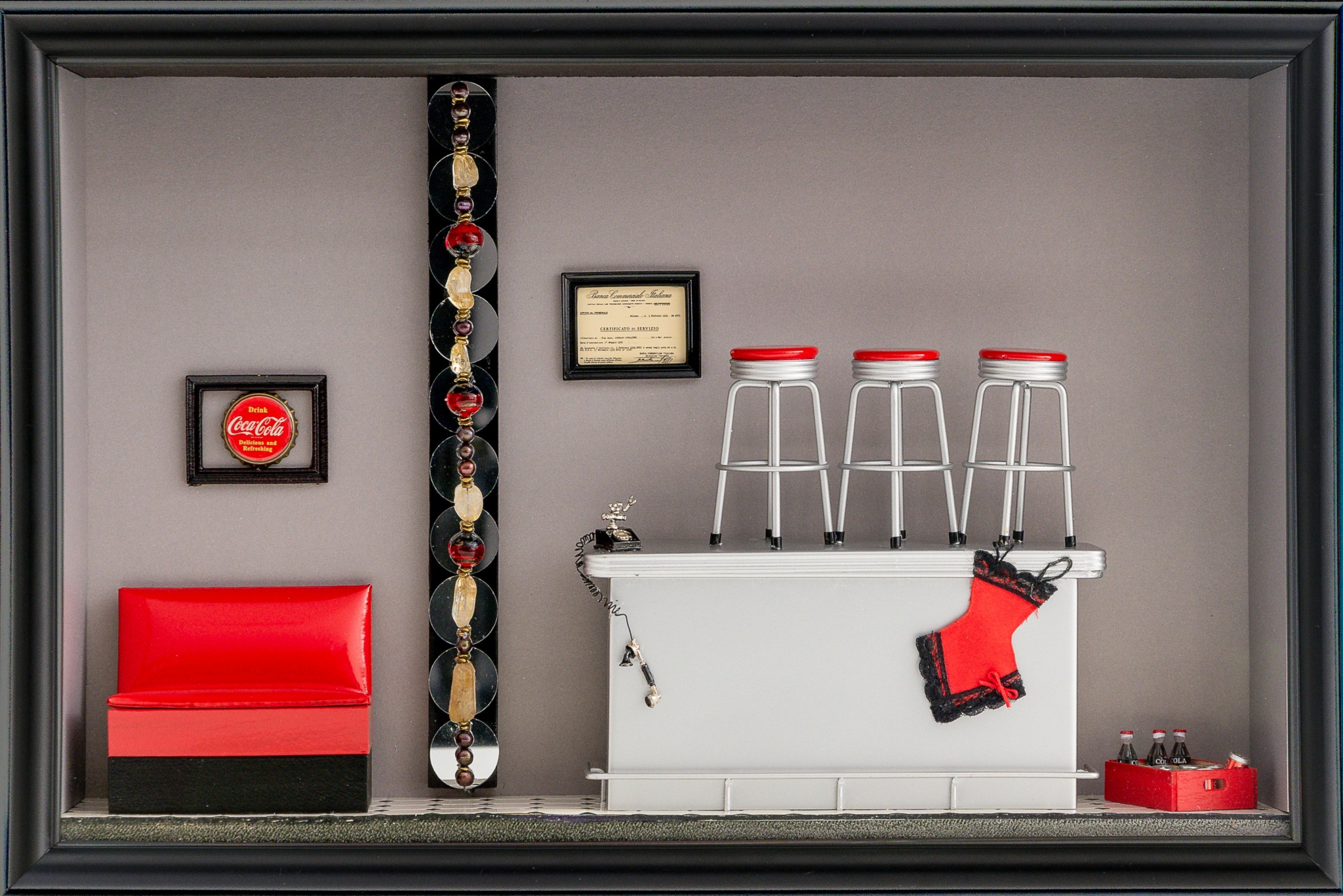
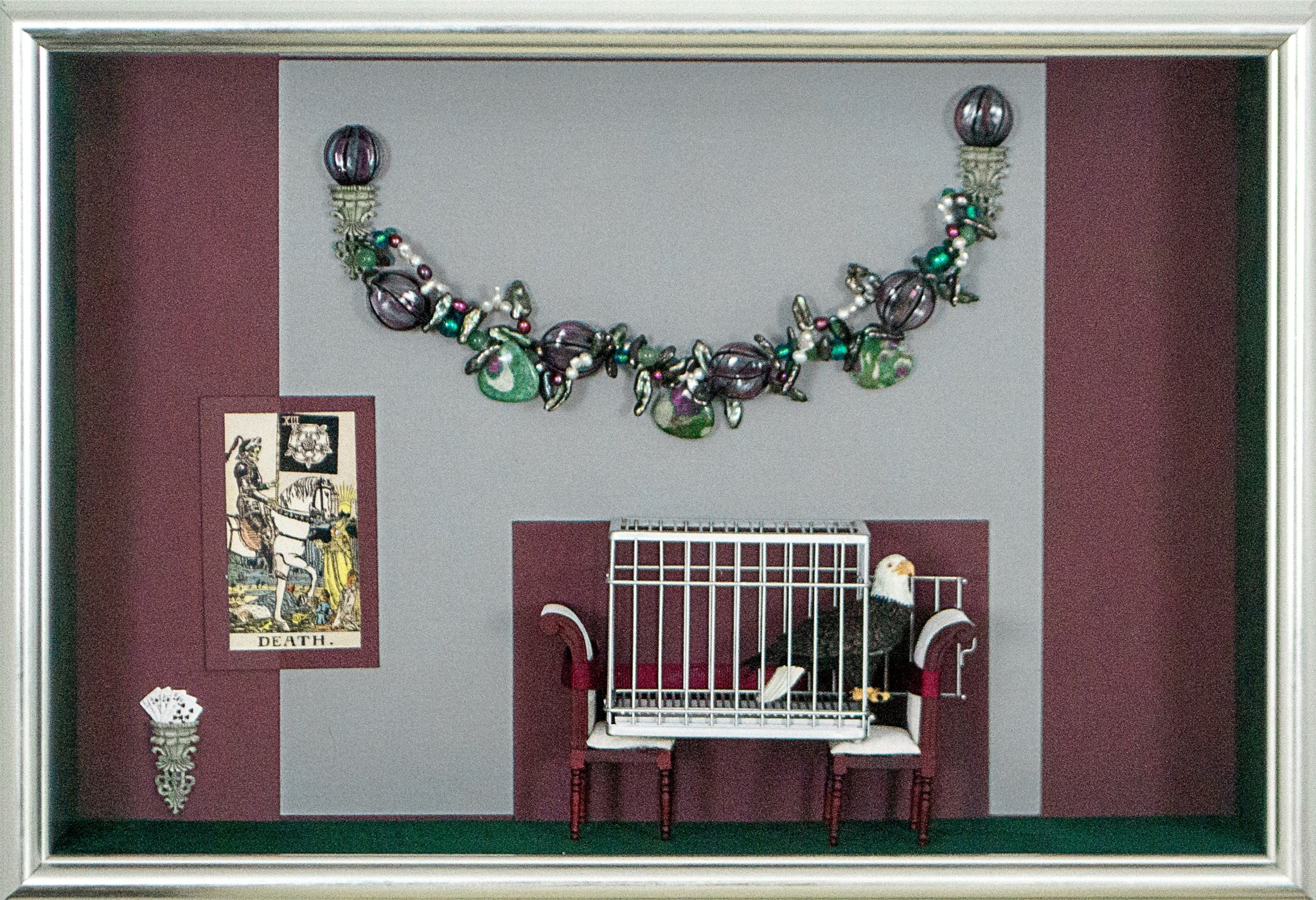
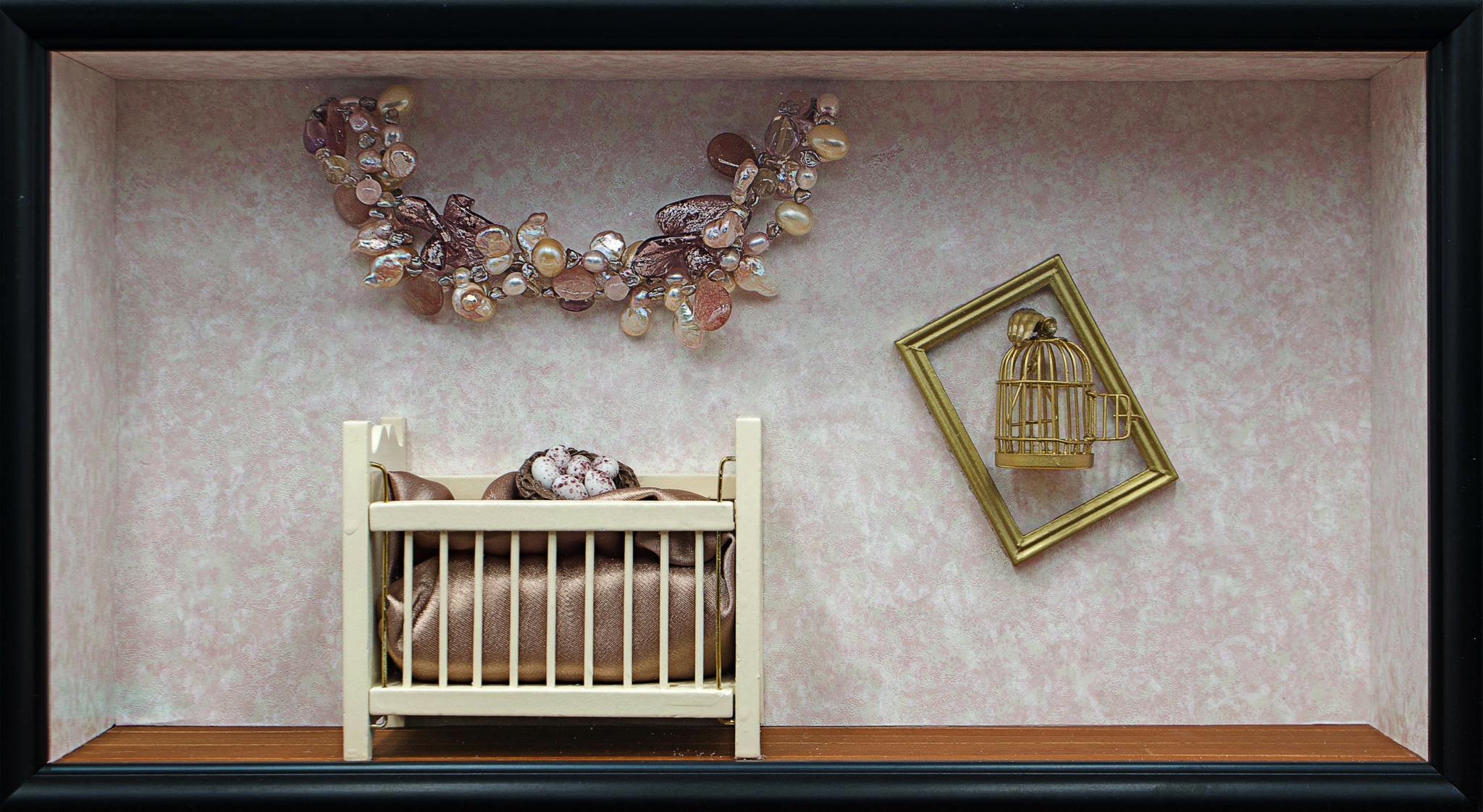
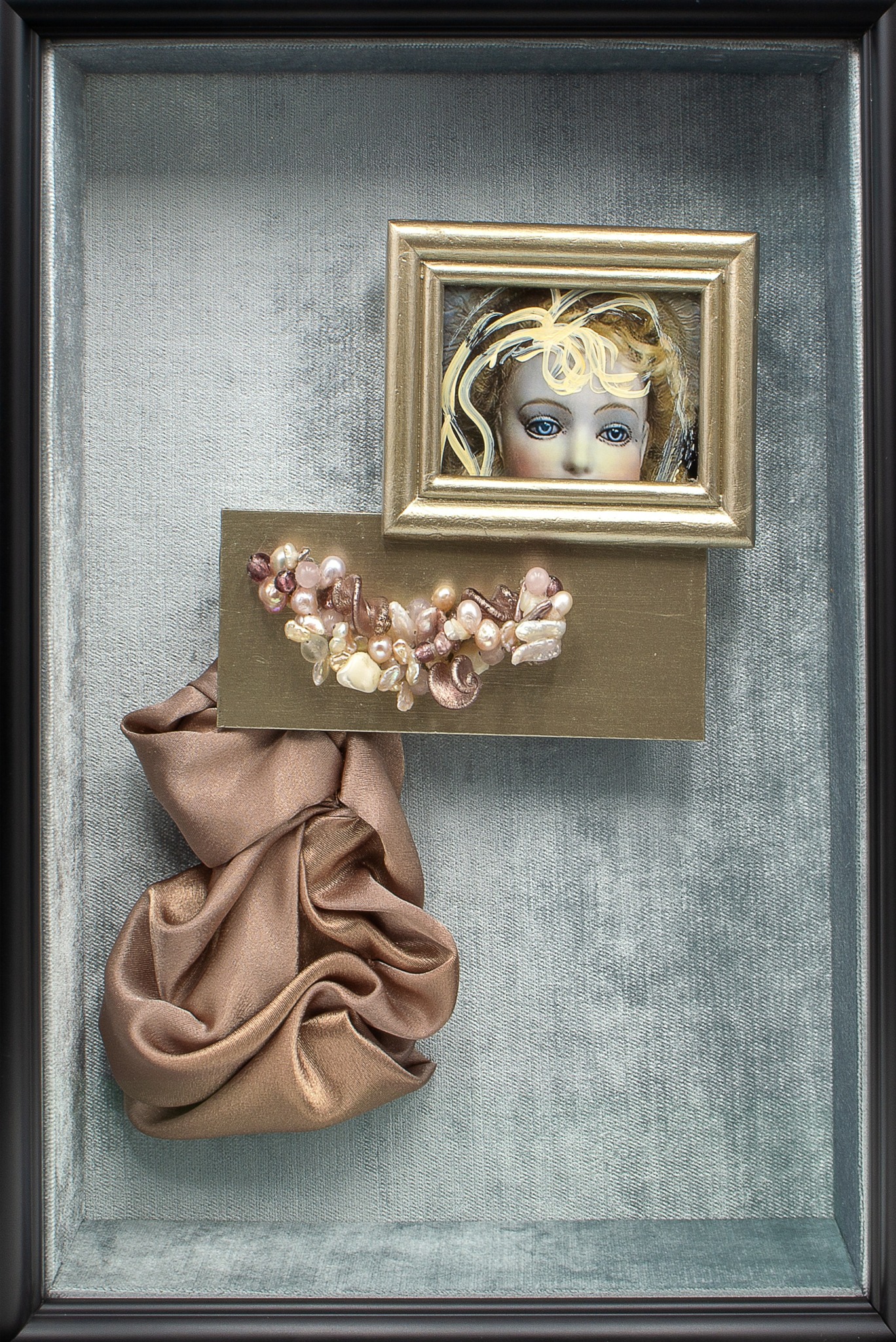
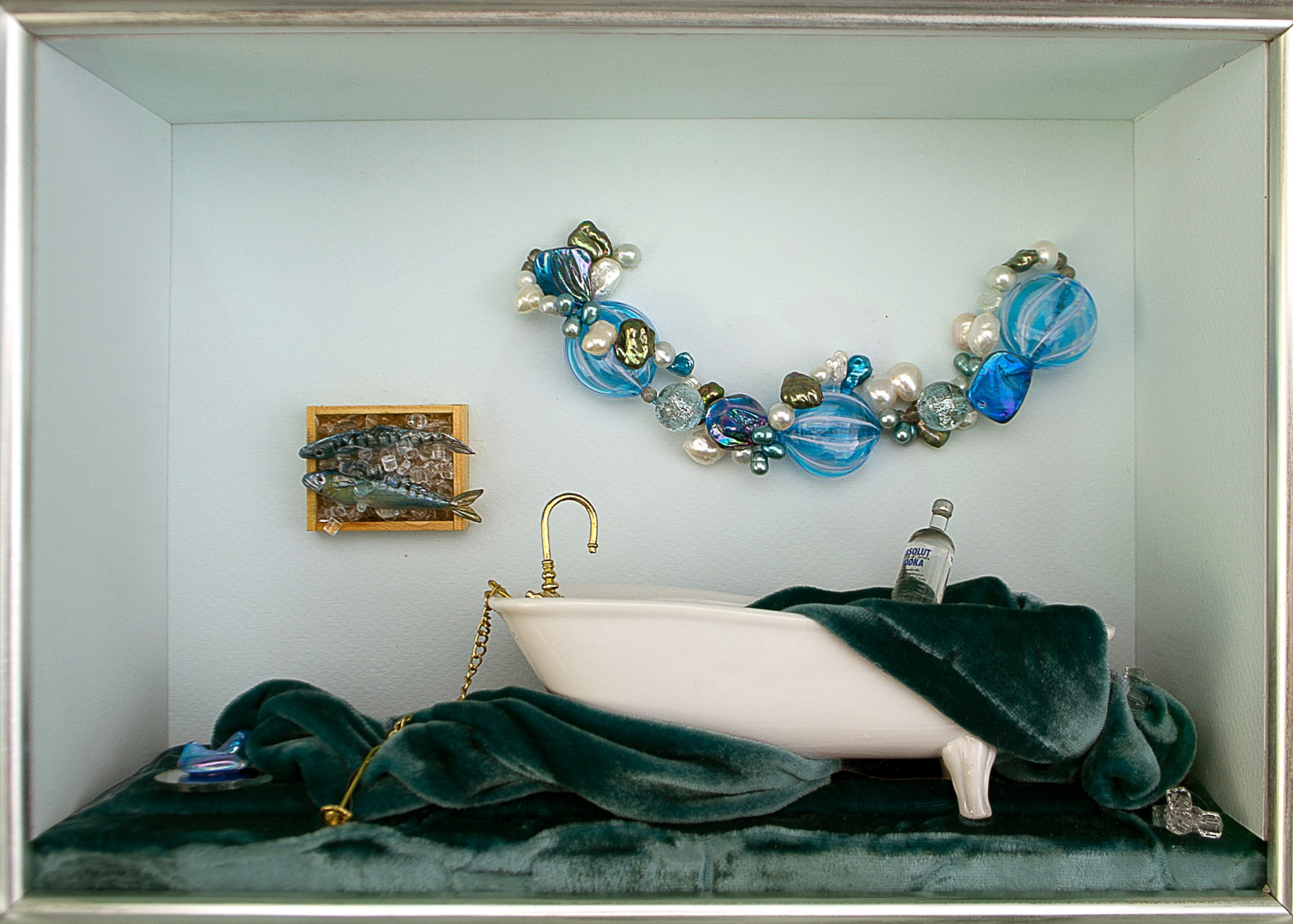
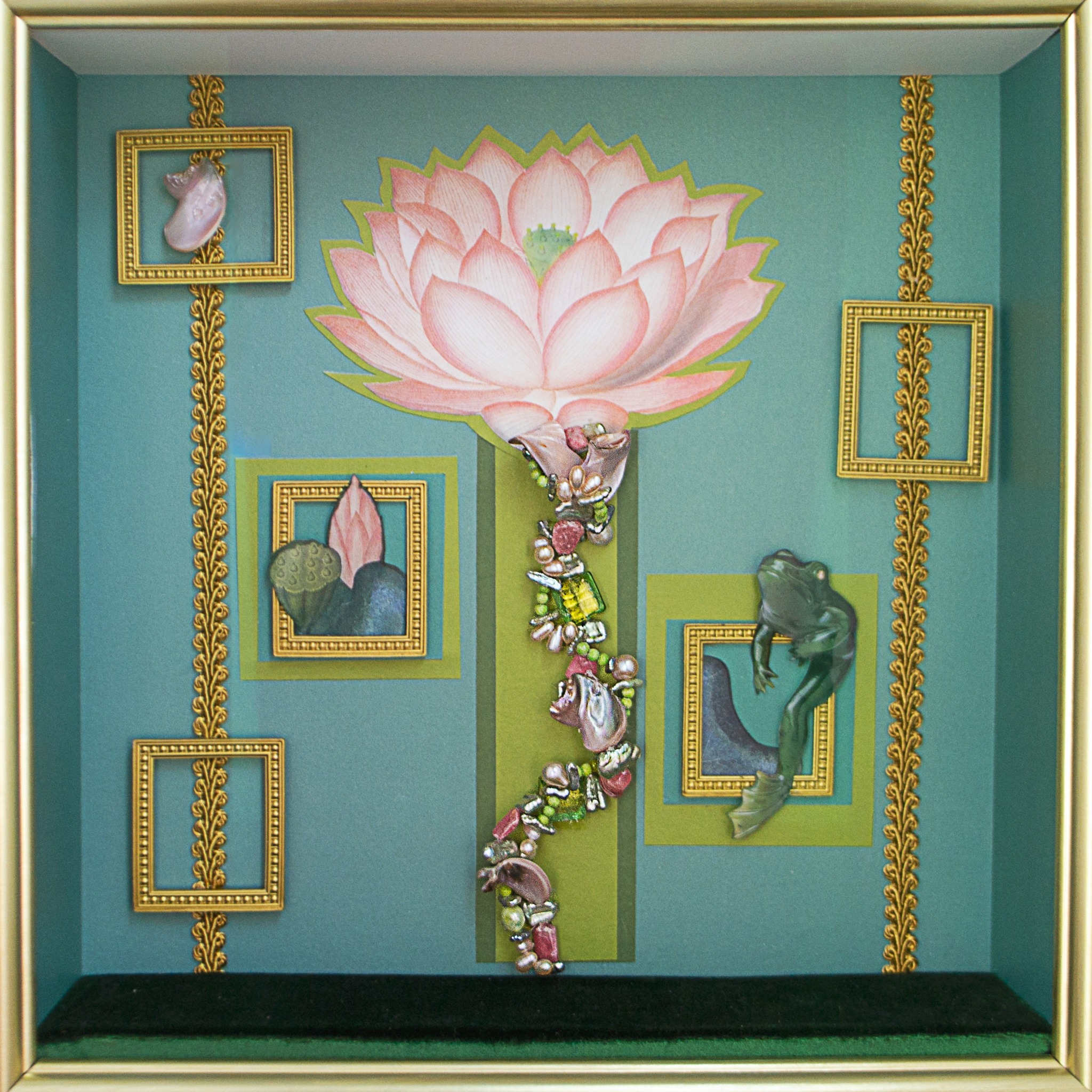
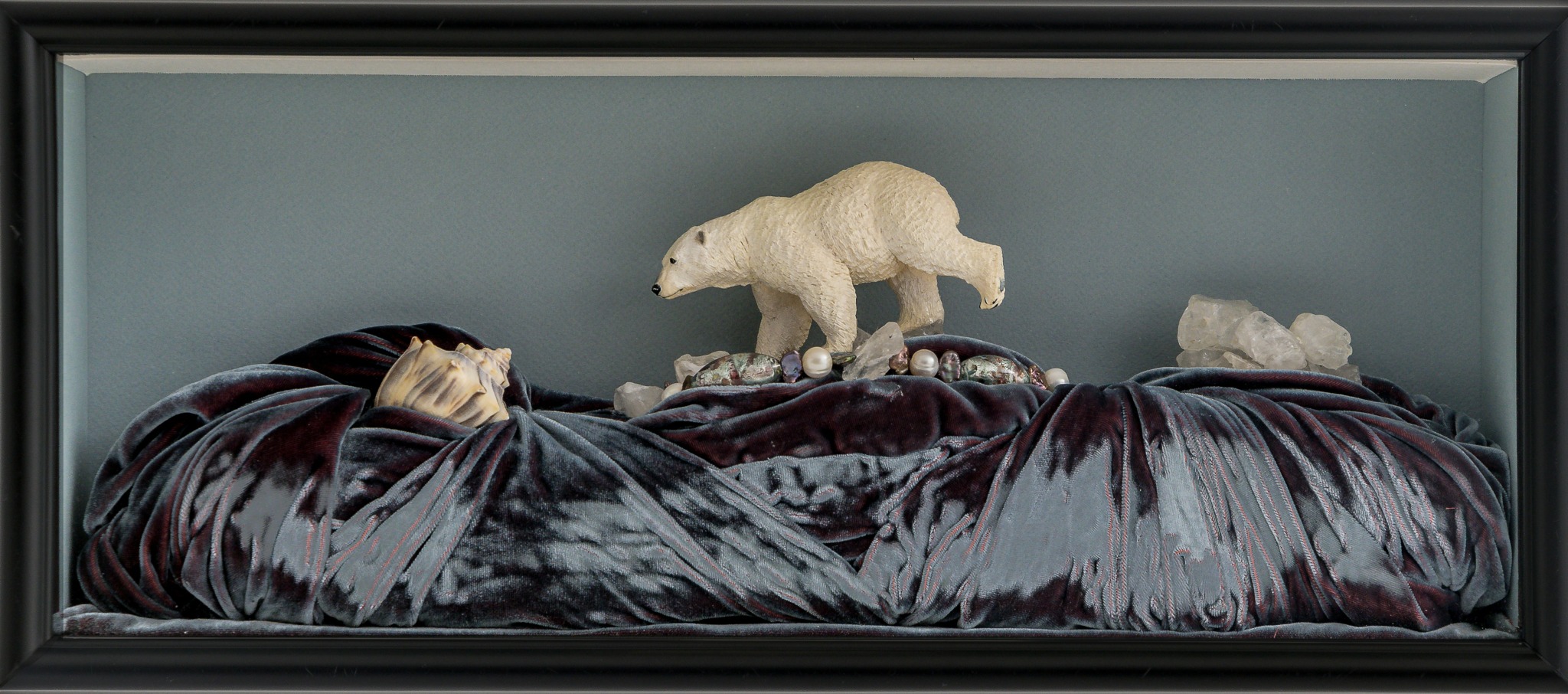
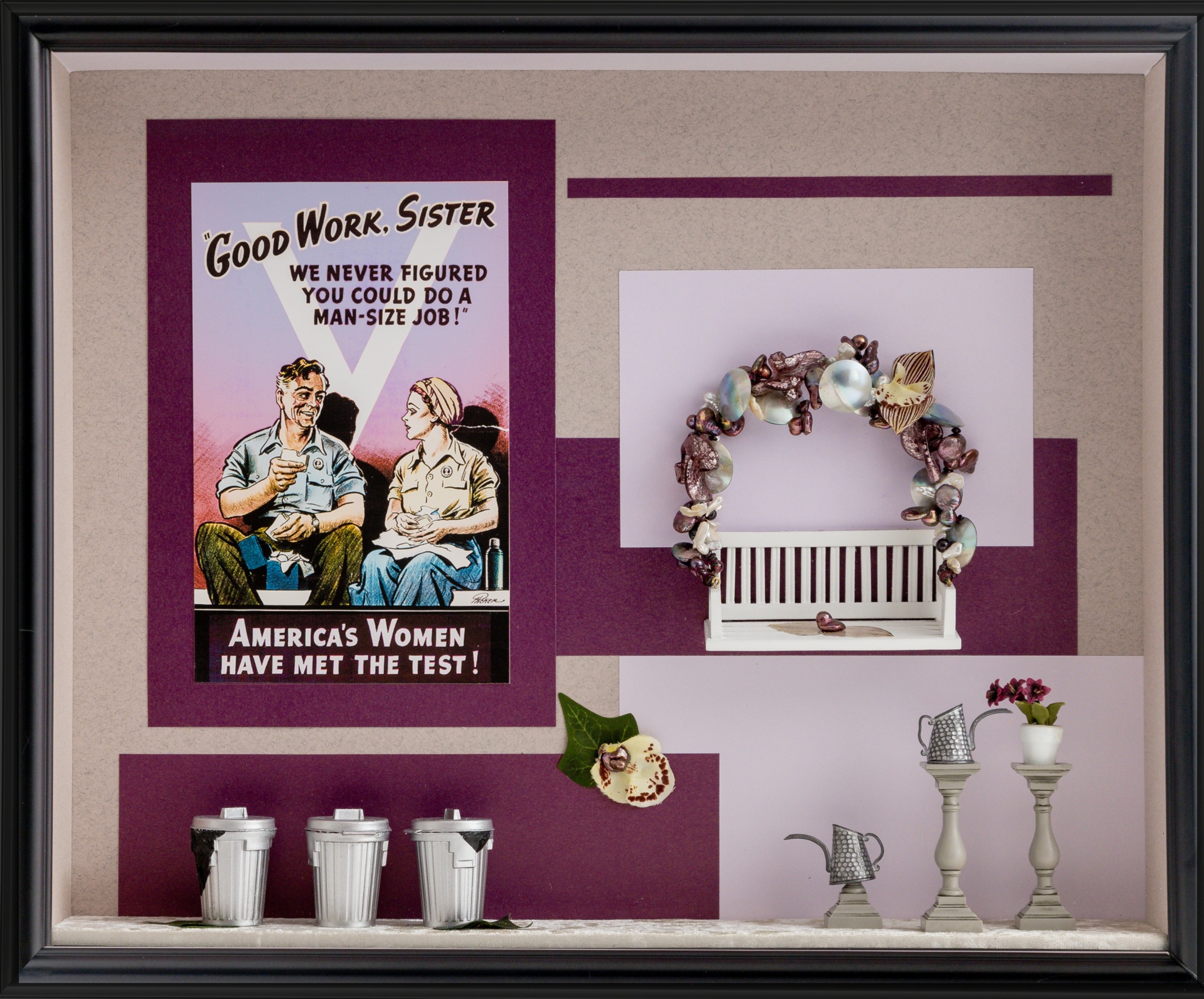
Image Credits
Pete Albert took the photos of The Diner, Staycation, and Ivy & Orchids.
I took all the other photos.