

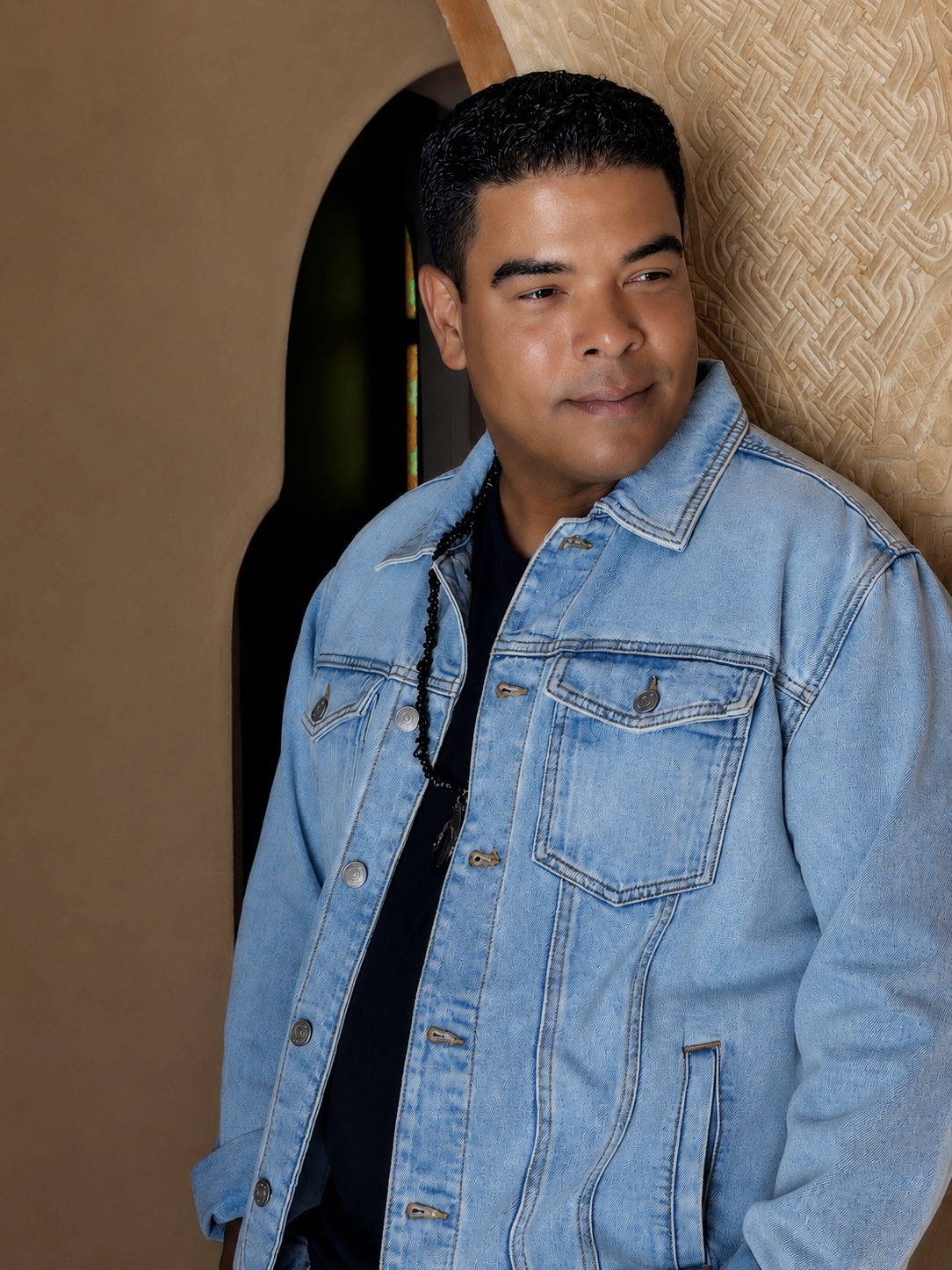

We were lucky to catch up with Rodney Roldan recently and have shared our conversation below.
Rodney, appreciate you joining us today. Learning the craft is often a unique journey from every creative – we’d love to hear about your journey and if knowing what you know now, you would have done anything differently to speed up the learning process.
I learned by doing and honestly, by being thrown into situations where I had no choice but to adapt quickly. My journey started in the U.S. Navy as an Electrician’s Mate, where discipline, technical precision, and teamwork became second nature. Spending years at sea, working in high-pressure environments during deployments and humanitarian missions, taught me how to stay calm under stress and solve problems in real time. Later, when I transitioned into broadcast journalism with the Army Reserve and eventually into acting and filmmaking, I realized those same military skills translated directly into storytelling and performance.
When I got into the performing arts, I approached it the same way I approached military service: train hard, stay humble, and never stop learning. I studied at the Stella Adler Studio of Acting, worked on independent productions, took roles wherever I could, and spent years refining my craft on stage, on camera, and behind the scenes producing documentaries and television projects.
Looking back, I probably could have accelerated my growth by trusting myself earlier and seeking mentorship sooner. Early on, I thought I had to figure everything out alone. I’ve since learned that surrounding yourself with experienced people who challenge and guide you can save years of trial and error.
The most essential skills for me were adaptability, communication, discipline, and emotional intelligence. Whether you’re reporting from Afghanistan, acting in front of a camera, or directing a production, you have to understand people and communicate authentically.
One of the biggest obstacles was balancing multiple identities and careers. I was serving in the military while pursuing the arts, and sometimes those worlds didn’t seem like they belonged together. There were also financial challenges, long deployments, and periods where opportunities were inconsistent. But those obstacles ultimately gave me perspective and resilience, which became invaluable as both an artist and a storyteller.
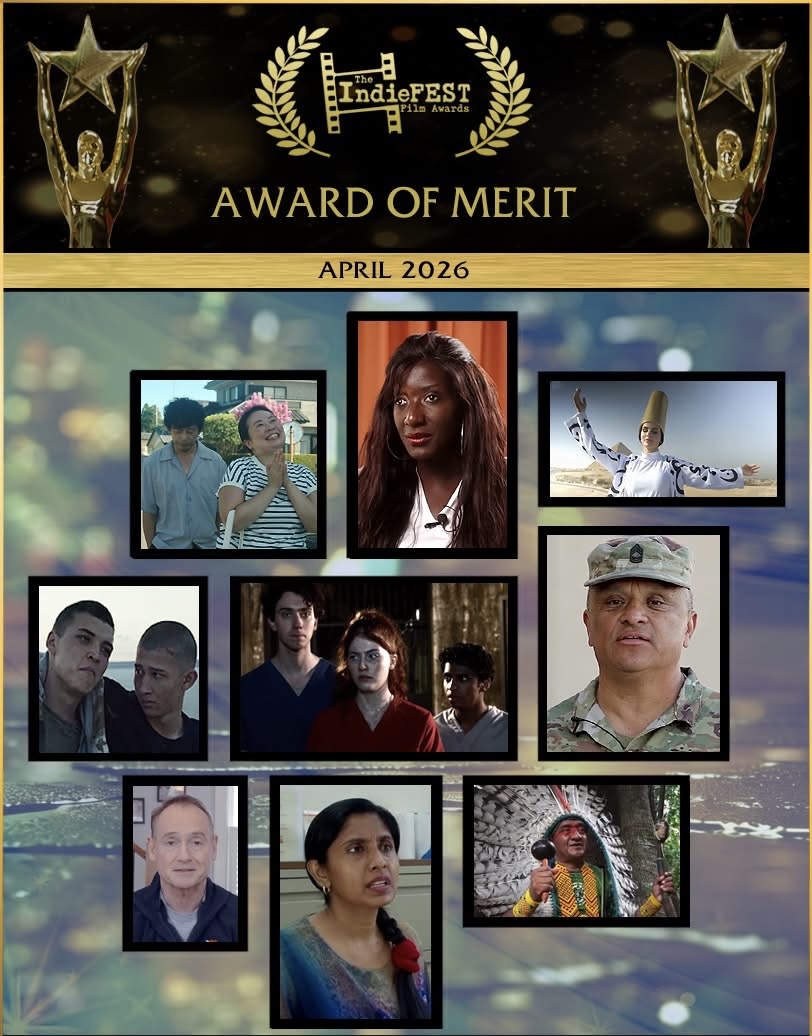
As always, we appreciate you sharing your insights and we’ve got a few more questions for you, but before we get to all of that can you take a minute to introduce yourself and give our readers some of your background and context?
I was born and raised in New York City, and my path has definitely not been conventional. After high school, I joined the U.S. Navy and served for ten years on both sea and shore commands. My military career took me around the world — from the Mediterranean and Arabian Seas to humanitarian missions in the Caribbean, Ukraine, and the Black Sea. Later, I transitioned into the U.S. Army Reserve as a Broadcast Journalist, which opened the door to storytelling in a completely different way. I reported for American Forces Network in Afghanistan during Operation Enduring Freedom and later deployed to Iraq, Poland, and Germany.
At the same time, I was building a civilian career in acting, filmmaking, and visual storytelling. I’ve worked in television, film, and theater, with credits including Imperium, Battledogs, and American Detective. Beyond acting, I’ve also directed and produced documentaries and television mini-series projects that focus on authentic human experiences.
What sets me apart is that my work is grounded in real-life experience. I’ve seen conflict zones, humanitarian crises, military operations, and the emotional realities that come with them. That perspective influences every role I play and every story I tell. I’m not interested in creating surface-level work — I want audiences to feel something genuine and human.
I also bring a strong academic foundation into my creative work. My education spans communication, web media design, visual communication, and acting, and I’m currently pursuing a PhD in Communication. I believe storytelling is one of the most powerful tools we have to connect people, preserve truth, and inspire empathy.
The thing I’m most proud of is being able to successfully bridge service and creativity. A lot of people think military veterans and artists exist in separate worlds, but I’ve spent my life proving they can coexist powerfully. I want people to know that my work is rooted in authenticity, discipline, and purpose. Whether I’m acting, directing, teaching, or producing, I care deeply about telling stories that matter.
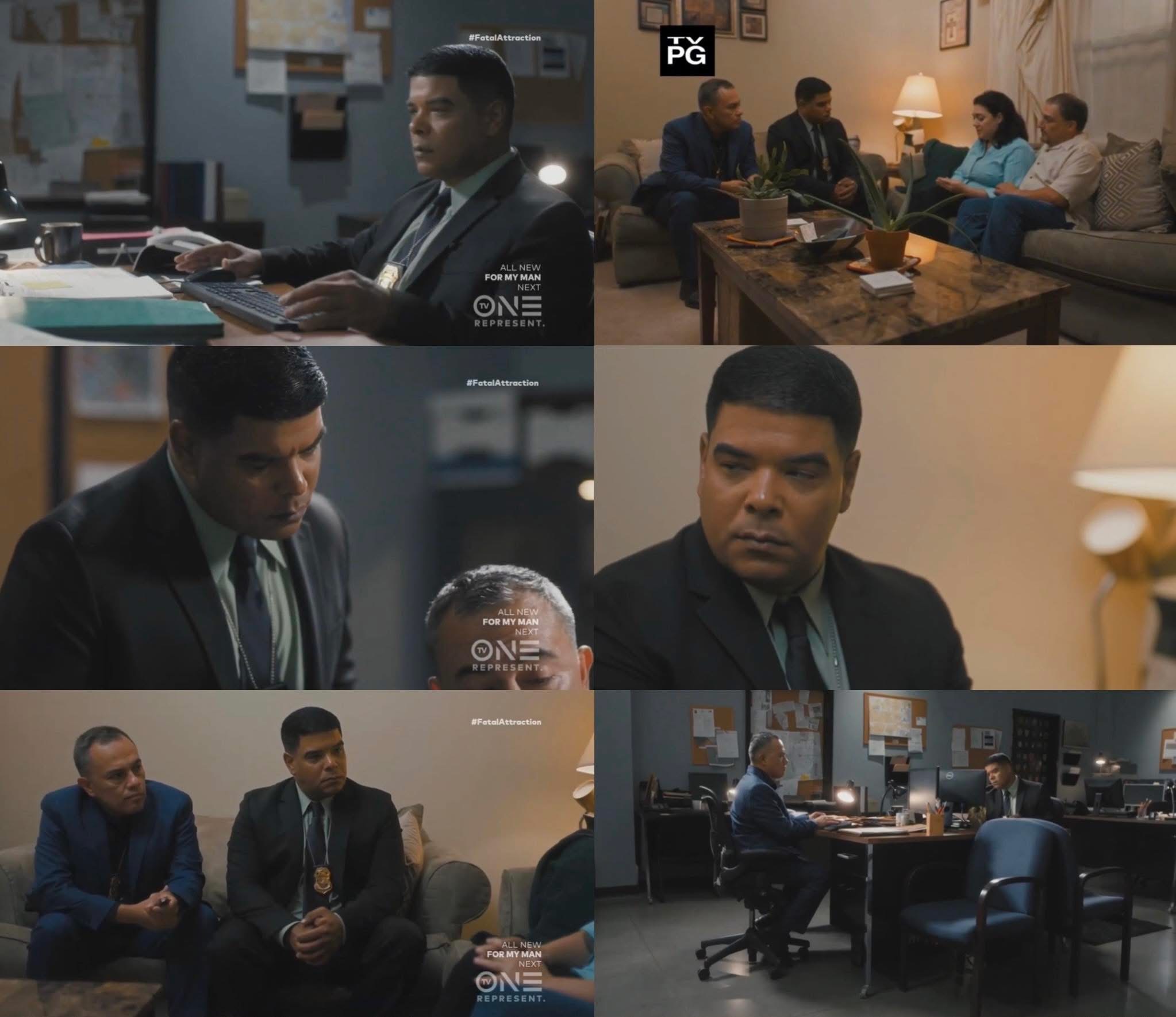
What do you find most rewarding about being a creative?
The most rewarding part is connection. There’s something powerful about creating a story or performance that makes someone feel seen, understood, or inspired. Whether it’s through acting, documentary filmmaking, or journalism, I’ve always been drawn to storytelling because it has the ability to cross boundaries that politics, culture, and even language sometimes can’t.
As an actor, you step into someone else’s life and try to reveal truth through that character. As a filmmaker or journalist, you have the opportunity to preserve moments and experiences that might otherwise be forgotten. For me, the greatest reward is knowing that something I created resonated with another human being on an emotional level.
I also find fulfillment in the process itself. Creativity requires vulnerability, discipline, and constant growth. Every project teaches me something new. It’s not just about the craft, but about how I see myself in the character and the relationships with other artists.
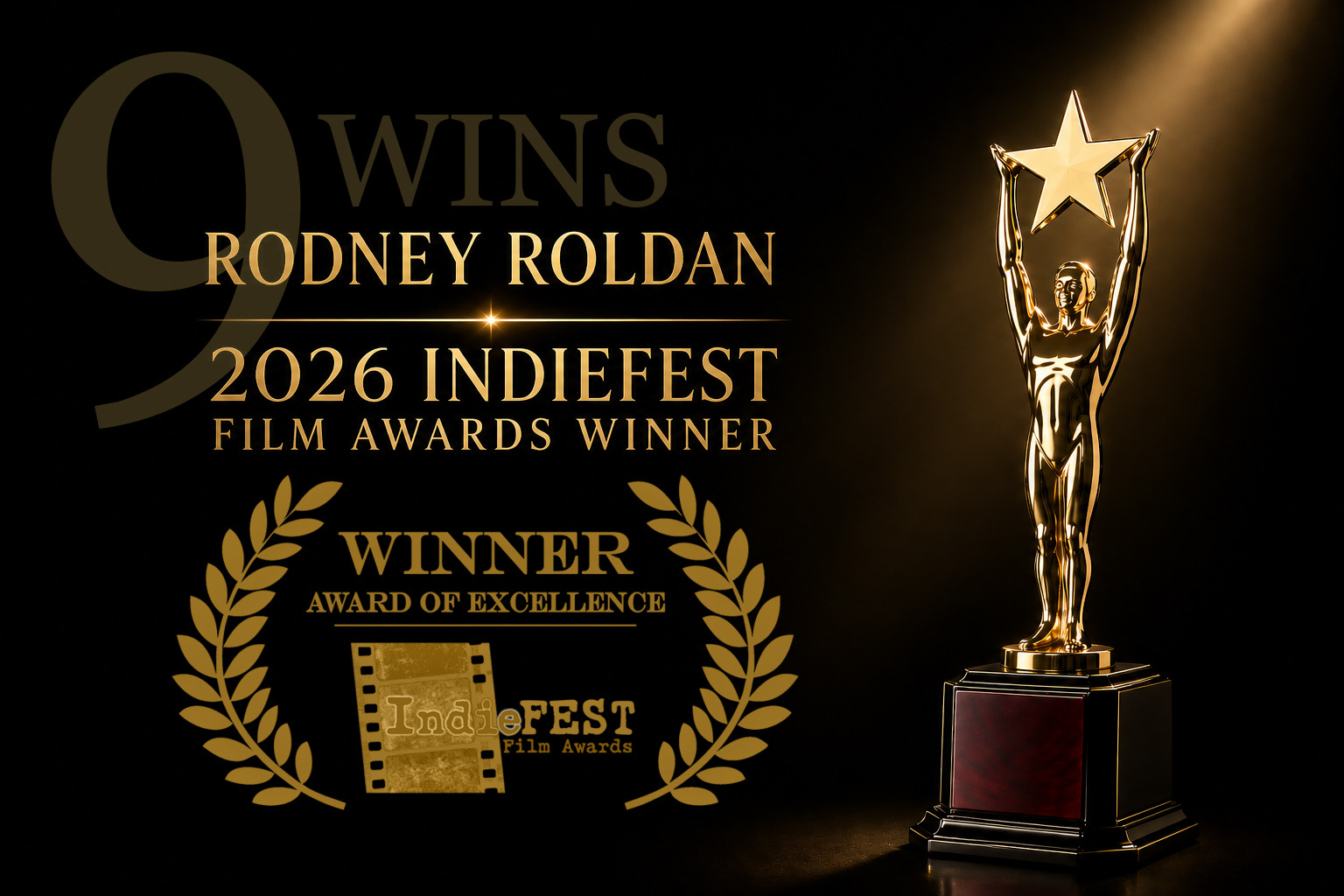
Is there something you think non-creatives will struggle to understand about your journey as a creative?
I think one thing non-creatives sometimes struggle to understand is how much uncertainty comes with pursuing a creative life. People often only see the finished product — the film credit, the stage performance, the published work — but they don’t see the years of rejection, self-doubt, financial instability, or sacrifices behind it.
Being creative is deeply personal because your work is tied to who you are. When you audition and don’t get the role, or when a project fails, it can feel like a rejection of you as a person if you’re not careful. Learning how to separate your worth from outcomes is one of the hardest lessons in the industry.
I also think people underestimate how much discipline creativity actually requires. Inspiration is great, but professionalism is what sustains a career. My military background helped me understand that consistency matters more than motivation. Showing up, continuing to train, continuing to create even when nobody is watching — that’s the real work.
If there’s one insight I’d offer to aspiring creatives, it’s this: your journey does not have to look like anyone else’s. I came into the arts from military service, deployments, journalism, and life experiences that many people wouldn’t associate with acting or filmmaking. But every chapter of my life became material that strengthened my voice as a storyteller. Sometimes the things that make you feel different are actually the things that make your work unique.
Contact Info:
- Instagram: https://www.instagram.com/rodneymroldan
- Facebook: https://www.facebook.com/rodney.roldan.5
- Linkedin: https://www.linkedin.com/in/rodney-roldan-5900831a/
- Other: TikTok: https://www.tiktok.com/@rodney.roldan
IMDb: https://www.imdb.com/name/nm1956452/
Film freeway: https://filmfreeway.com/RodneyRoldan
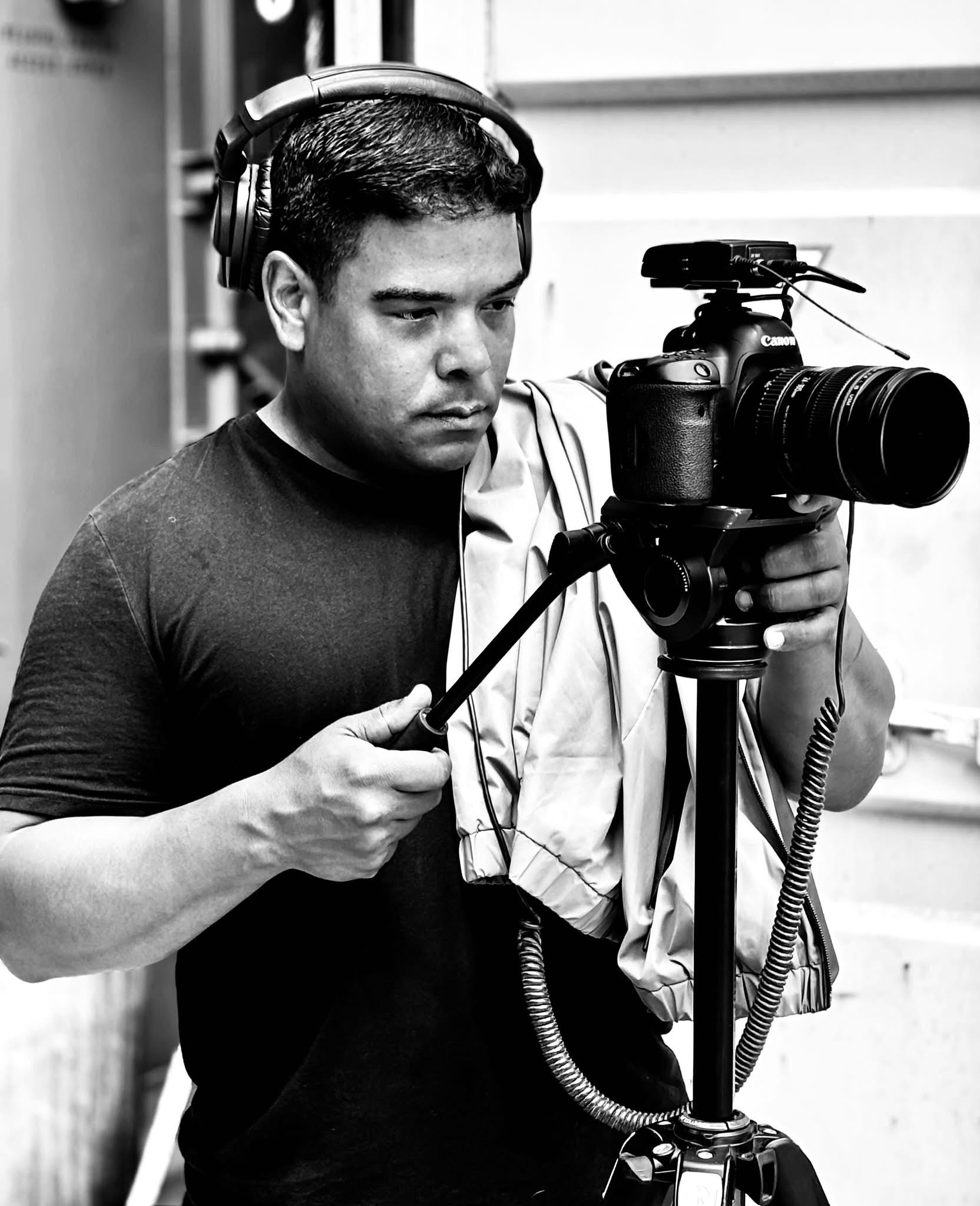
Image Credits
Primary – Taken by Rachel Skowyra
IndieFest Film Awards – IndieFest Film Awards
IndieFest Film Awards – Award of Merit – IndieFest Film Awards
Black and White Image – Taken onboard LSV5 as part of U.S. Army Public Affairs mission in Morocco
Fatal Attraction: Secrets in the Sand: TV one and Jupiter Entertainment