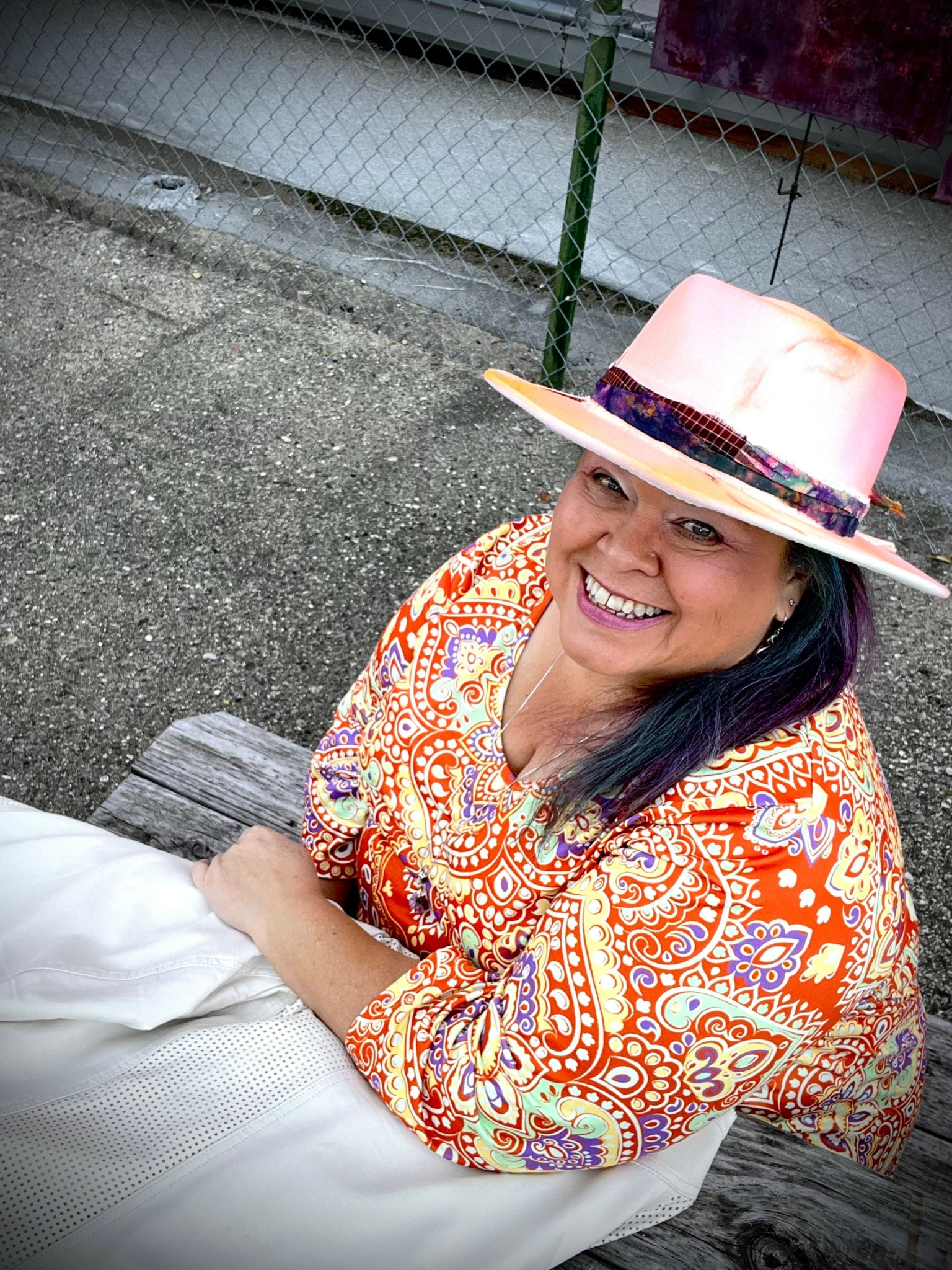

Alright – so today we’ve got the honor of introducing you to Marlene Steele. We think you’ll enjoy our conversation, we’ve shared it below.
Marlene, thanks for joining us, excited to have you contributing your stories and insights. When did you first know you wanted to pursue a creative/artistic path professionally?
I didn’t grow up thinking I would become an artist professionally, but the desire to do this has been with me for years.
I was always creative. I learned to paint from my mom and later studied decorative painting with Donna Dewberry. When I discovered intuitive painting through artists like Dionne Woods and Kelly Weiler, something shifted. My work became more personal, and the idea of pursuing this professionally started to feel real.
But even then, I hesitated.
It wasn’t that I didn’t want it. I did. I just wasn’t sure it could sustain me, and underneath that was a quieter fear that I might not be good enough.
Finding Front Street didn’t create that dream, but it gave it a place to grow. When I rented my studio, I did it with intention. I saw it as something I could build over time, something that could eventually support me.
What changed everything wasn’t one big decision. It was showing up.
I’ve consistently looked for ways to grow, both as an artist and as a business owner. I’ve sought out training, learned from others who are doing this, and worked to make better decisions along the way. That willingness to keep learning became part of the process.
Through both my online community and the artists around me, I began to feel like I belonged. As I kept trying new things and allowing myself to grow, my confidence followed.
Slowly, layer by layer, just like my work.
Until one day, the thought shifted from “I want this” to “I can actually do this.”
Marlene, before we move on to more of these sorts of questions, can you take some time to bring our readers up to speed on you and what you do?
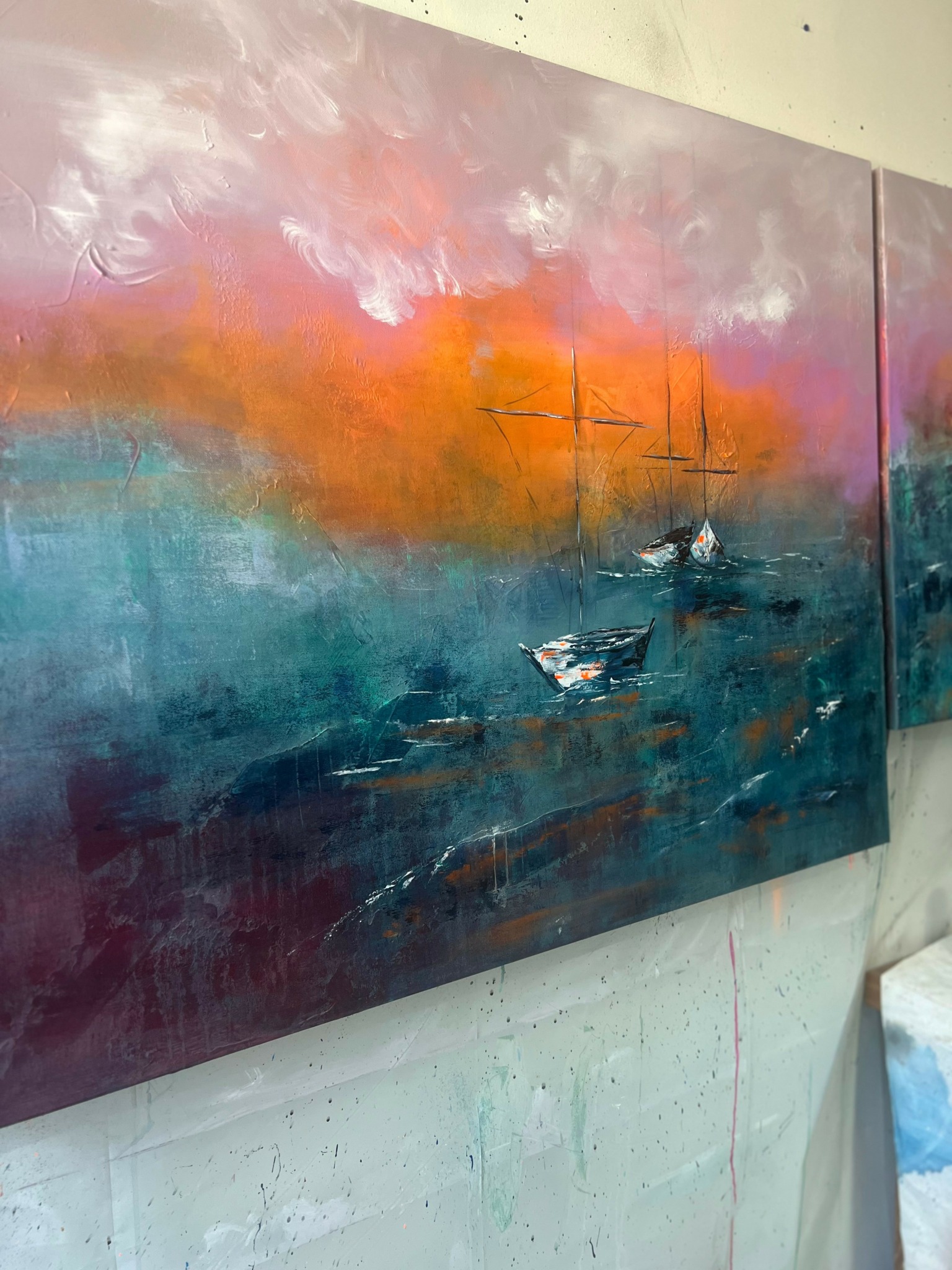
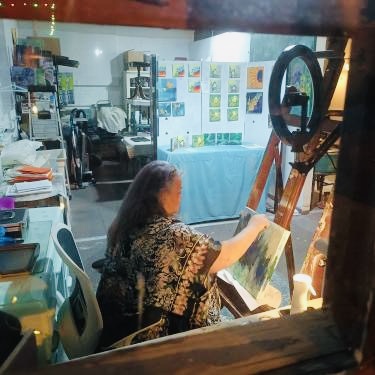
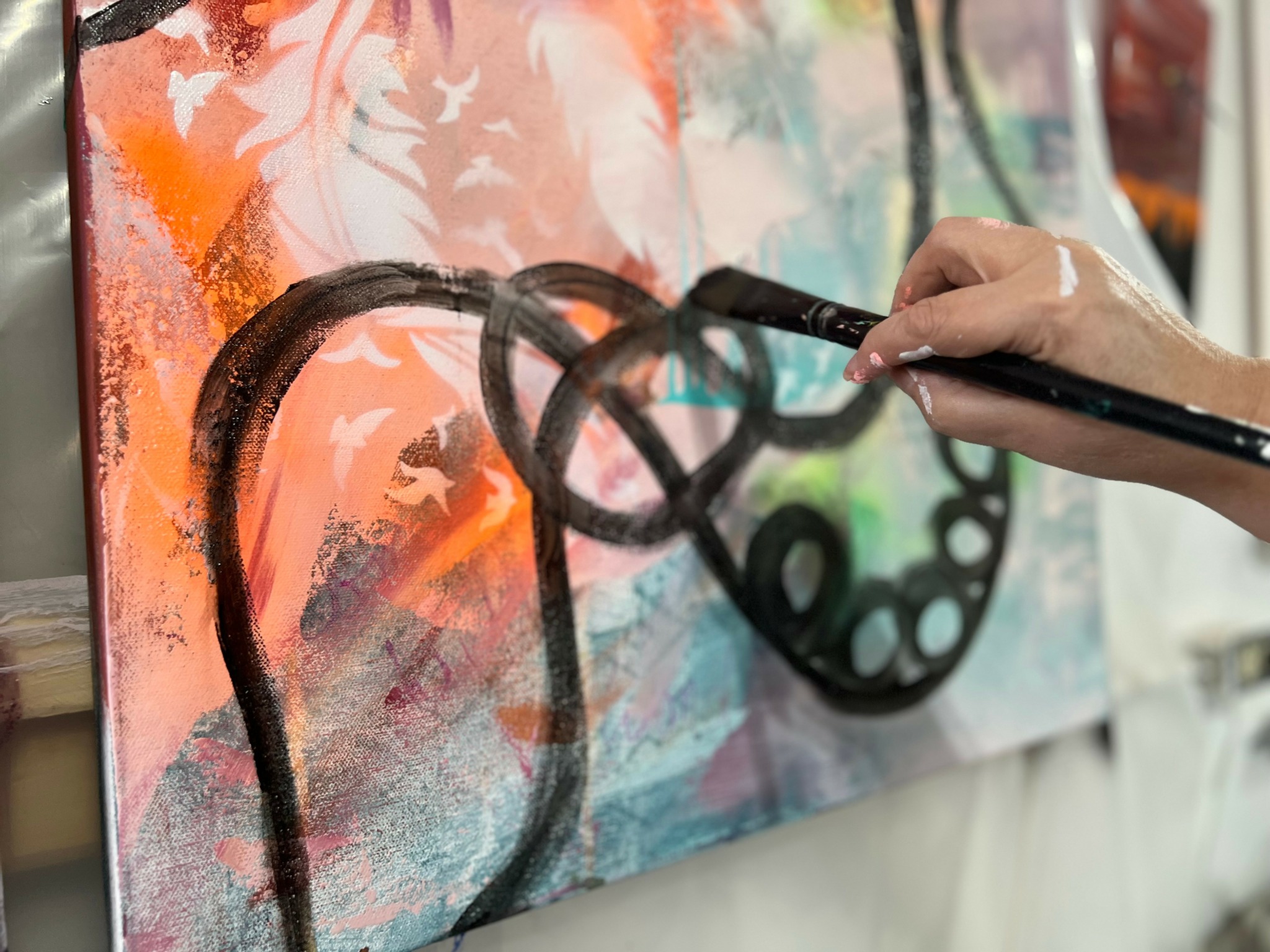
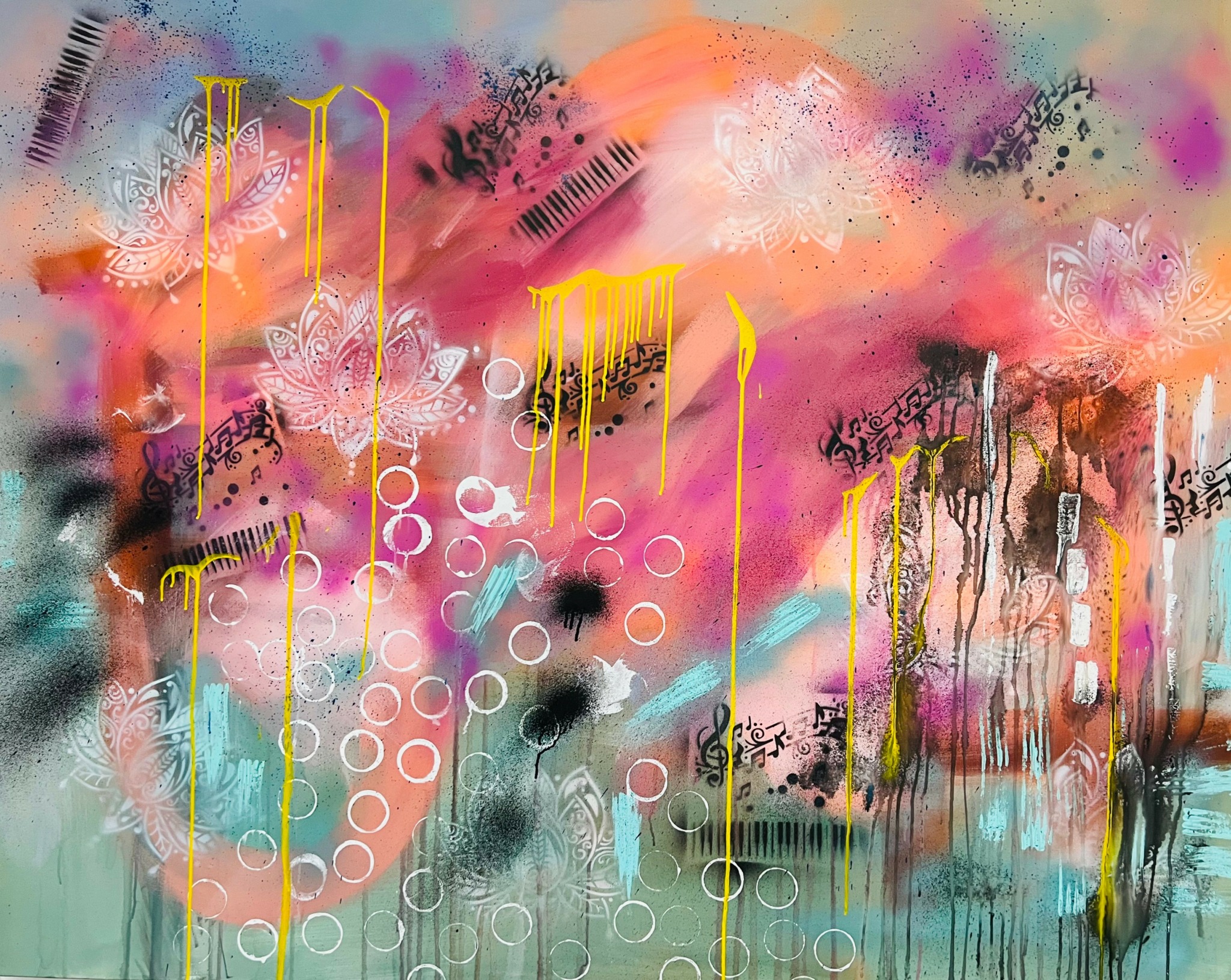
I’m a contemporary artist based at Front Street in Dayton, Ohio, creating work rooted in color, texture, and intuition. At the heart of what I do is a simple idea: trust the mark and let the work reveal itself over time.
I didn’t start out thinking of this as a business. It began as a way to explore creativity more deeply, especially after discovering intuitive painting through artists like Dionne Woods and Kelly Weiler. Over time, that exploration became more intentional, both artistically and professionally.
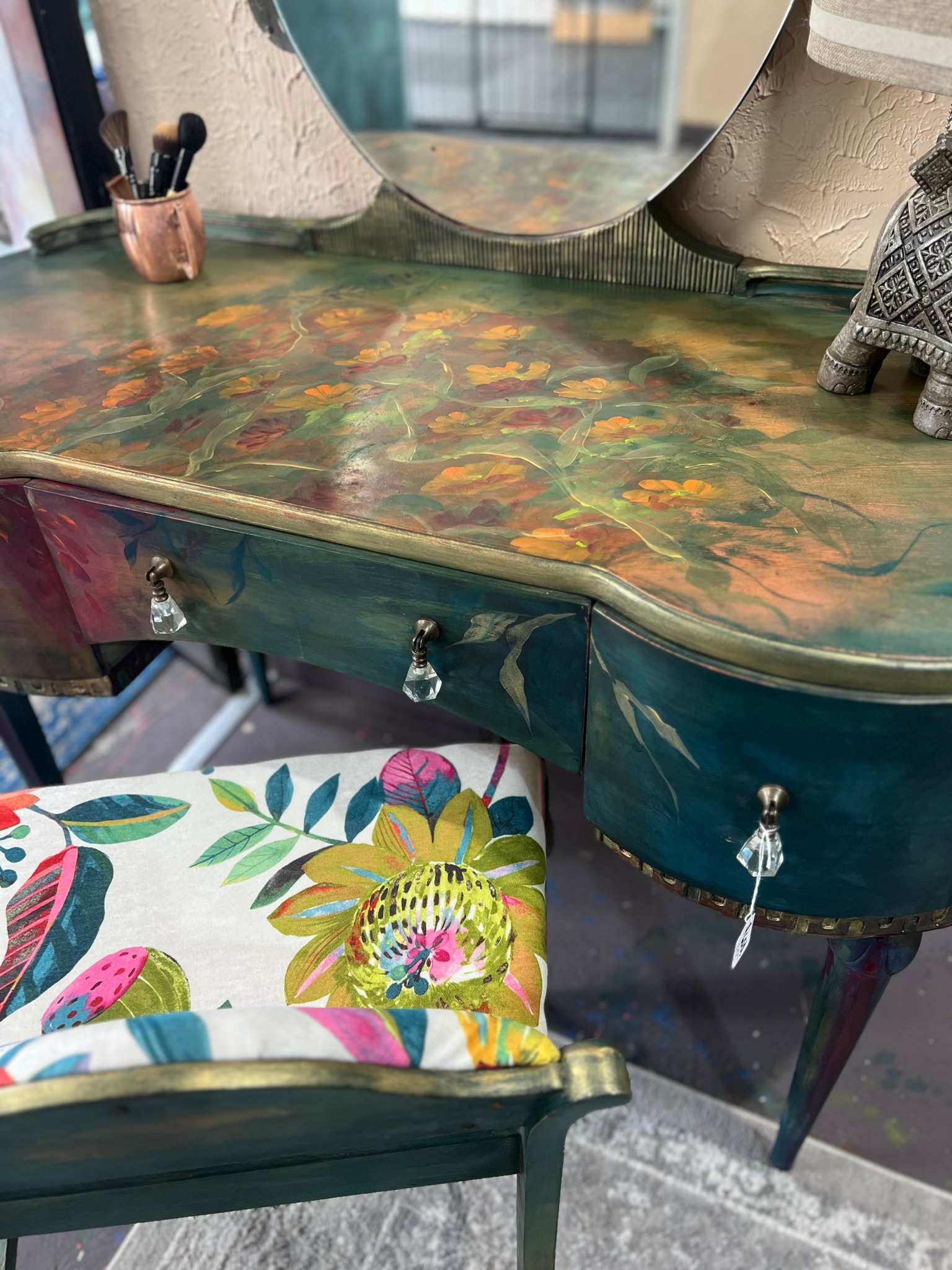
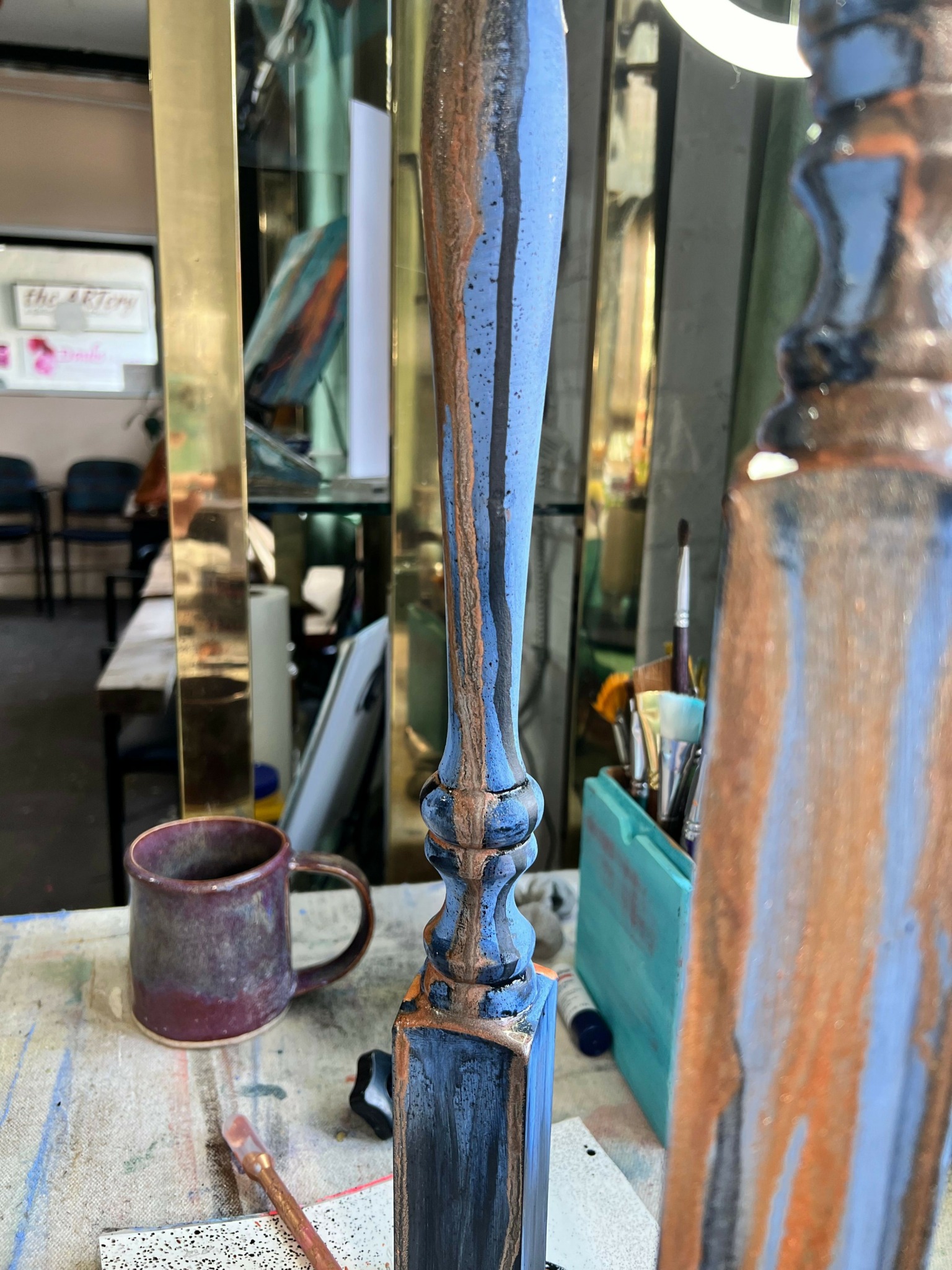
Today, my work includes original canvas pieces, mixed media, and furniture art. I don’t simply paint furniture. I create functional works of art designed to live in a home or business as both a statement and a usable piece. They are meant to be experienced as art, not just used as furniture.
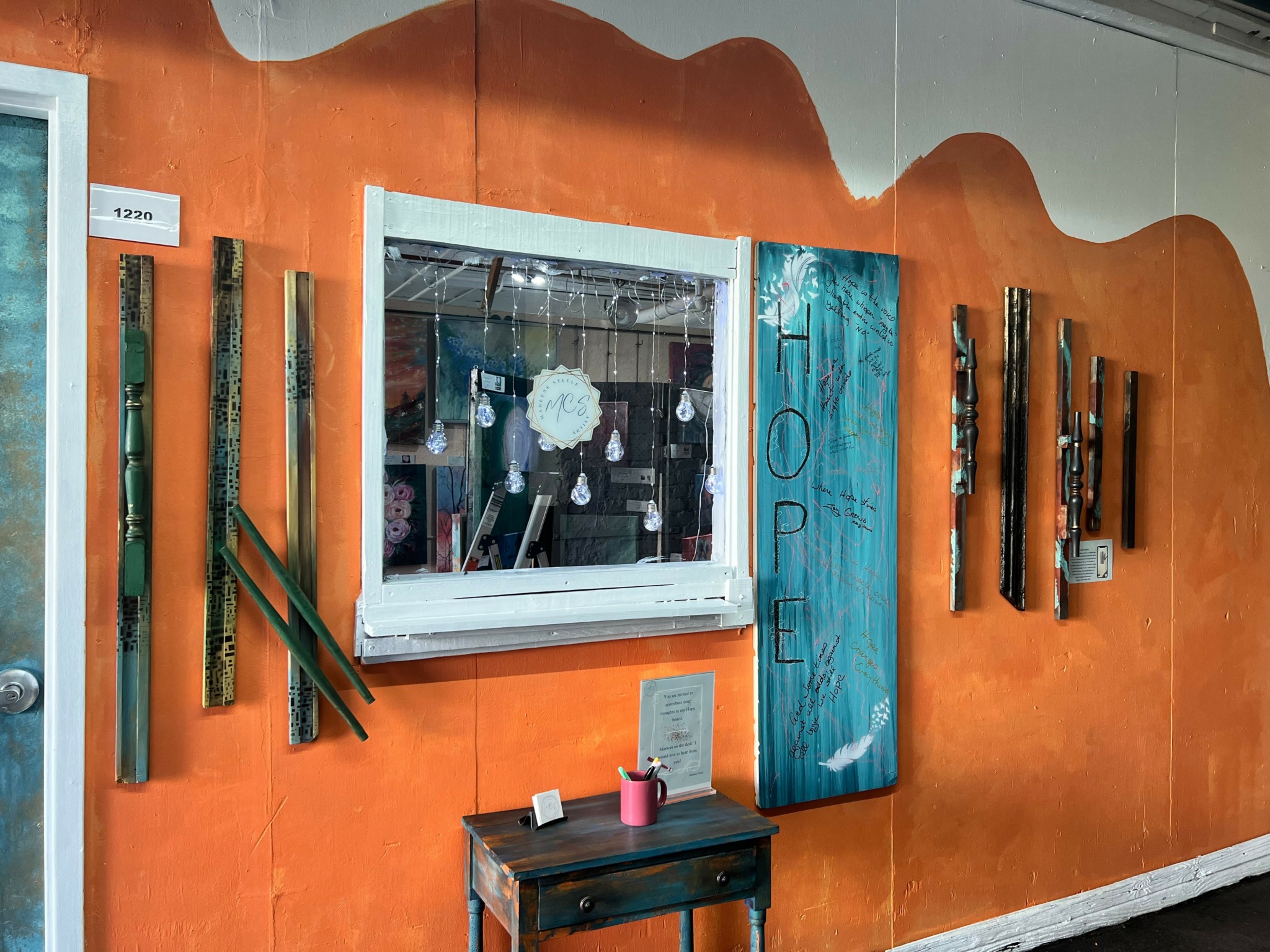
One of my most meaningful series, “Pillars of Hope,” uses salvaged architectural elements and transforms them into something new. That idea of taking what feels overlooked or worn and giving it new life runs through much of my work and reflects a deeper belief that even the broken can hold beauty and meaning.
I also teach workshops, helping people experience that same freedom in creating. Many come in believing they aren’t creative, and one of the most rewarding parts of what I do is watching that belief shift. It’s less about technique and more about reconnecting with the ability to create.
What sets my work apart is not just the finished piece, but the process behind it. My work isn’t about perfection. It’s about discovery. It invites people to look longer, find unexpected details, and sometimes see something of themselves in it.
I’m also committed to growing, both as an artist and as a business owner. I continue to learn, refine my process, and build something sustainable because I believe art can be both meaningful and viable.
What I’m most proud of is the space I’ve built around my work. Whether someone purchases a piece, attends a workshop, or walks into my studio, I want them to leave with a sense of possibility and a reminder that something new can always be created.
At its core, my work is about transformation—of materials, of perspective, and sometimes of the person experiencing it.
We’d love to hear a story of resilience from your journey.
One of the clearest examples of resilience in my journey isn’t tied to a single moment. It shows up in the ongoing, internal part of being a creative.
There are always going to be times when things feel uncertain. Sales fluctuate, and when you’re putting your work out into the world, you’re also opening yourself up to opinions. Sometimes those opinions can hit harder than expected and shake your confidence.
But if I’m being honest, the hardest voice to navigate hasn’t been anyone else’s. It’s been my own.
As creatives, we often question whether our work will be well received. We struggle with putting ourselves out there because it can feel uncomfortable, even a little egotistical. And we tend to be our own worst critics. There really isn’t much anyone could say to me that I haven’t already said to myself at some point.
For me, resilience has been learning how to move through that.
There have been moments where I’ve questioned everything, where I’ve stepped away feeling unsure. And one of the most important things I’ve learned is to come back anyway. To give it time. To revisit things in a different light, because what feels overwhelming in one moment often shifts with perspective.
Resilience, in my experience, isn’t about avoiding doubt. It’s about not letting it be the final voice.
It’s choosing to return to the work, to trust the process, and to keep showing up, even when your confidence isn’t fully there.
Over time, that choice to come back has made all the difference.
Do you think there is something that non-creatives might struggle to understand about your journey as a creative? Maybe you can shed some light?
I think one of the biggest things non-creatives struggle to understand is how much uncertainty is part of the process.
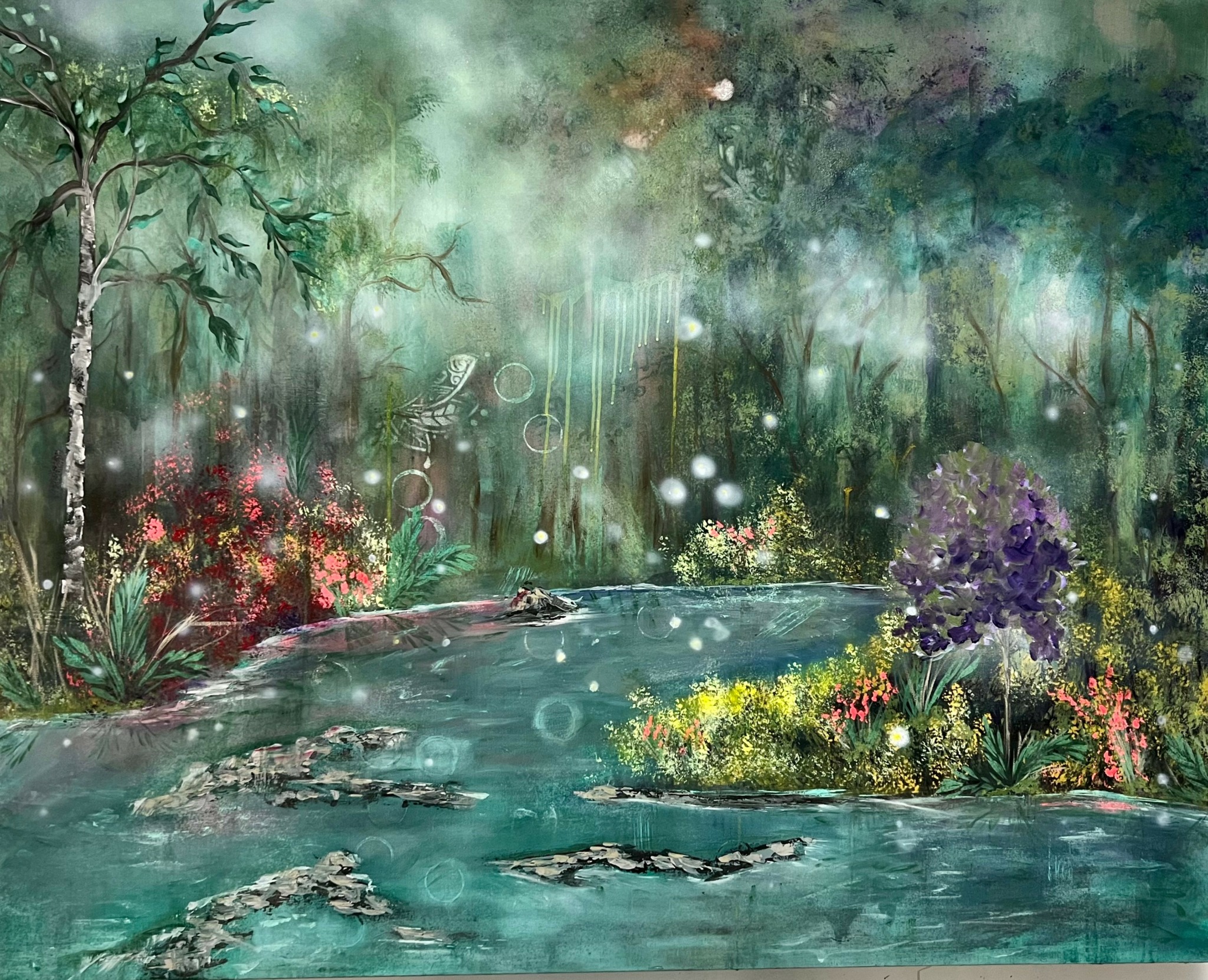
From the outside, it can look like an artist has a clear vision from the start. But for me, a lot of my work begins without knowing exactly where it’s going. I work intuitively, something I often describe as “trusting the mark,” where each layer leads to the next.
There are moments where a piece feels unclear or unfinished, where I question it or wonder if it’s working at all. That space can feel uncomfortable, but it’s also where the work starts to take shape.
I think that’s difficult to relate to, because in most parts of life we’re taught to plan, to follow steps, and to move toward a defined outcome. Creating doesn’t always follow that structure.
There’s also a level of vulnerability that comes with it. When you put your work out into the world, you’re sharing something personal, even if it isn’t meant to be literal.
And over time, I’ve learned that if I try to force a piece into something it isn’t, it loses its strength. I’ve had to learn to let the process take as long as it needs, to trust that it will find its way. With enough patience and resilience, the result becomes something far more meaningful than anything I could have planned.
Contact Info:
- Website: https://marlenesteeleart.com
- Instagram: marlenesteeleart
- Facebook: Marlene Steele Art
- Linkedin: Marlene Steele Art
- Youtube: Marlene Steele Art
- Other: Substack – Marlene Steele Art