



Alright – so today we’ve got the honor of introducing you to David Wright Faladé. We think you’ll enjoy our conversation, we’ve shared it below.
Hi David, thanks for joining us today. Are you happier as a creative? Do you sometimes think about what it would be like to just have a regular job? Can you talk to us about how you think through these emotions?
Absolutely happy–and no, I don’t ever wonder what it would be like to have a regular job. This, in part, because I’ve had regular jobs—a whole lot of them and from a fairly young age (busboy; fast food worker; on construction sites; in a convenience store; on and on).
More importantly, though, I remain engaged by the ideas that I believe matter—as a citizen of this country and of the world. Social engagement matters, and writing and teaching allow me to continue to explore those ideas and that engagement.
Great, appreciate you sharing that with us. Before we ask you to share more of your insights, can you take a moment to introduce yourself and how you got to where you are today to our readers.
I am a writer (fiction and nonfiction; short-form and long-) and a university teacher. With my writing, I hope to contribute to our national conversation about what it means to be “American” in our multicultural present, because, as a writer of color in a society where inequity still exists, I am committed to using my work in service of improving racial dialogue and understanding.
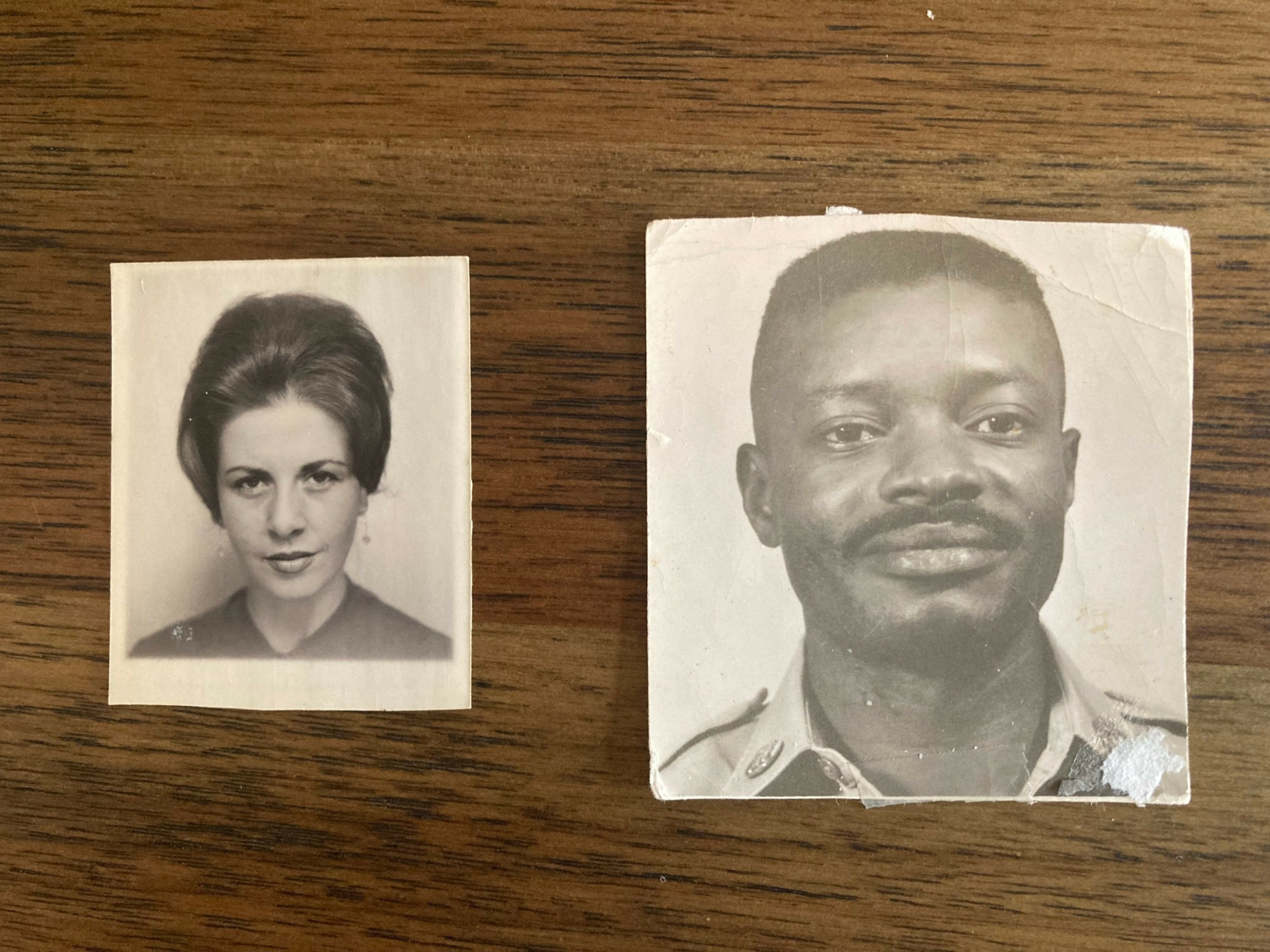
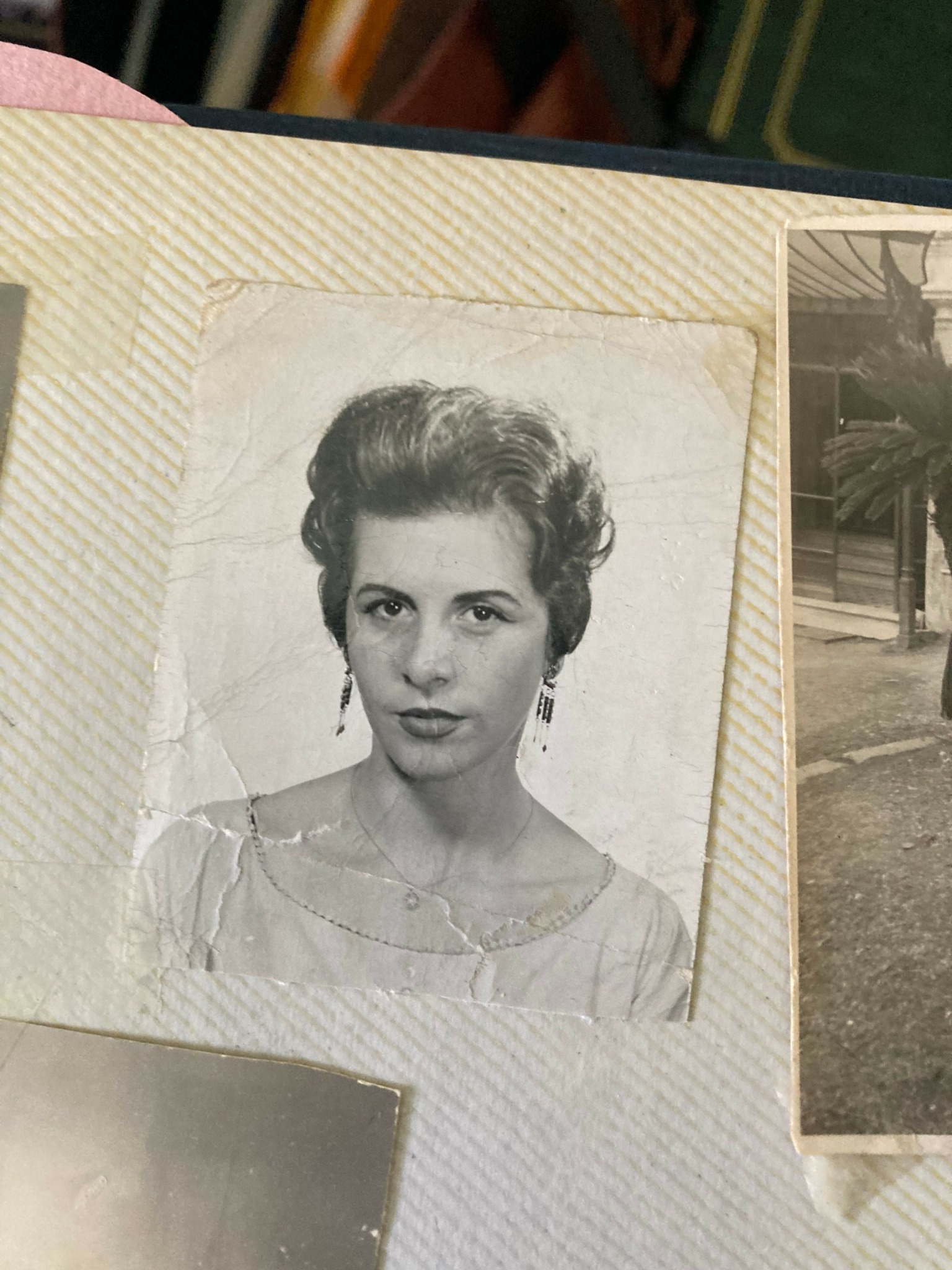
The idea for my recent novel, The New Internationals (Grove/Atlantic 2025) began in family history—specifically, in my mom’s story. My mom, who passed in 2016, wasn’t the sort of person to purposely avoid speaking about her past. When she would, though, she had a tough time being specific or precise. It was always mostly just her impressions.
She was born about a decade before the Nazi occupation of France, in a very wealthy and very secular Jewish family. As her family didn’t practice at all, my mom understood herself to be a French child of privilege more than she understood herself to be Jewish. It was the war and the German invasion that drove this home in her, and at an age—during her early teens—when questions of identity are typically difficult and confusing for most young people.
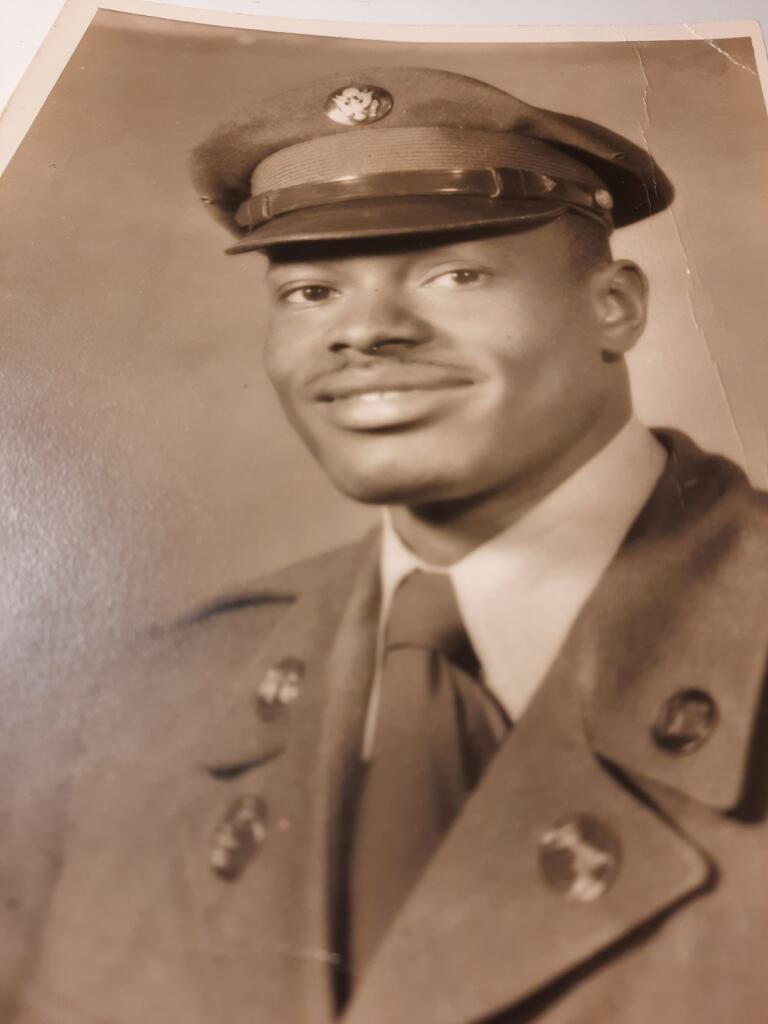
After the war, she was outraged by what she and her family had been forced to go through, but also haunted by feelings of guilt—about what she had done or not done; about the seemingly random forces that had permitted her to survive where so many others, including some very close to her, had not. She embraced anti-colonialism and other freedom movements, and that brought her into contact with a broad and colorful (pun intended) cast of characters, including two men with whom she would eventually fall in love: a fellow university student who was the grandson of the last King of Dahomey—a West African kingdom which, for two and a half centuries, had played a major role in the trans-Atlantic slave trade; and a Black GI, who was, necessarily, the descendant of enslaved people.
So, the novel is, on some level, an effort to try to understand my mom and the experiences that shaped her into the person I knew. On another level, a love triangle between those three very different people—a Holocaust survivor, the descendant of African slave traders, and the descendant of slaves—seemed like a great story to tell.
In your view, what can society to do to best support artists, creatives and a thriving creative ecosystem?
First and foremost, by publicly supporting the arts and creatives. Artists, in all the various media, tell our collective story. Sometimes, a reader might not connect with some stories, or a reader might not appreciate a particularly story. But we are a big, pluralist society, and all the stories together constitute our American story. So, those stories deserve to be told.
Private funding and support, while helpful, relegates the arts and artists into siloes based on the tastes or values of the individuals who can afford to pay. Some artists get represented and some stories told, others not. In that scenario, the gatekeepers, despite their best intentions, tend to not reflect the broad spectrum of America that constitutes Americanness.
Let’s talk about resilience next – do you have a story you can share with us?
My recent novel, The New Internationals, was 20 years in the making. I thought I’d finished it several times, including in 2015, when I landed a very prominent agent to represent it. The manuscript circulated to several potential editors, and they all said no. Each one had a very similar criticism–about the main character, who was based upon my mom.
At that point, the question was, Is this too big for me? And, frankly, I believed it was. I didn’t think myself capable of constructing the young woman character at the center of the love triangle I was trying to represent.
Though I’d given up on the project–or thought I had–I came back to the manuscript about 5 years later. I was a fellow at the Cullman Center at the New York Public Library, and another fellow and good friend, Madeleine Thien, suggested I write my mom’s story as nonfiction, as a way to open up the fictional character for me. I did, and that essay ended up in The New Yorker in the summer of 2022. And, as Maddie had predicted, I was also able to re-imagine the character at the center of the novel and complete the book.
Contact Info:
- Website: https://www.davidwrightfalade.net/
- Instagram: https://www.instagram.com/blackcloudrising/
- Facebook: https://www.facebook.com/DavidWrightAustin/
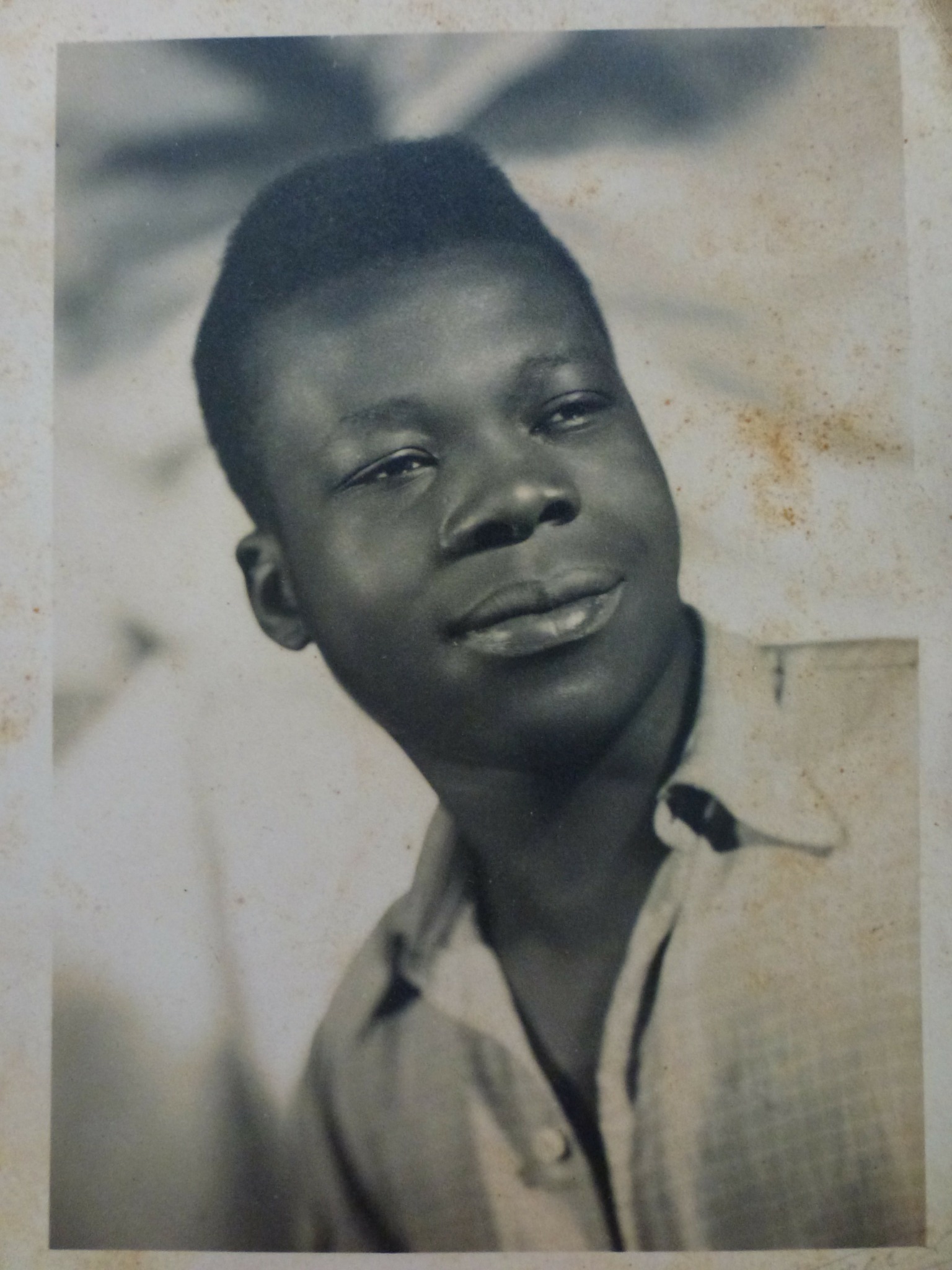
Image Credits
My author photo belongs to Grove/Atlantic and is by by Cristobal Vivar