

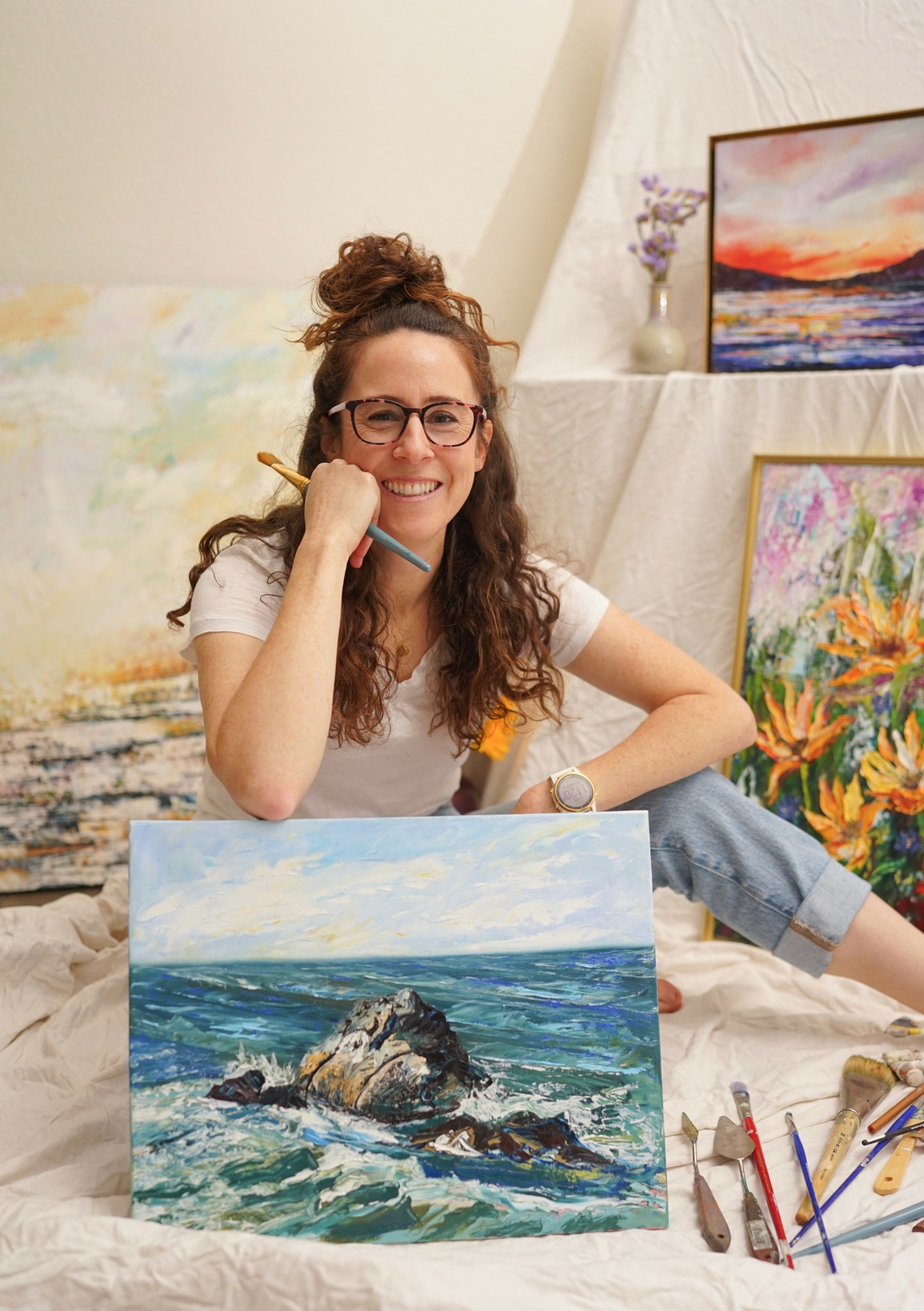

We recently connected with Chelsea Tikotsky and have shared our conversation below.
Chelsea, thanks for joining us, excited to have you contributing your stories and insights. Did you always know you wanted to pursue a creative or artistic career? When did you first know?
The first time I really knew I wanted to pursue an artistic path professionally came about a year after college.
In college, I took an art class and one day a professor told us that 90% of us would never pick up a paintbrush again after we graduated. It was said almost casually, but it stuck with me in a really discouraging way. And I ended up doing exactly that—I stopped painting completely for about a year.
But I couldn’t actually let it go.
For that entire year, I kept thinking about art, wondering why I had stopped. Eventually I came to a really simple but important realization: why was I letting someone else’s statement dictate something I hadn’t even explored fully myself? They didn’t know what I was capable of, and I hadn’t even given myself the chance to find out.
That was the shift. I picked up painting again and began my artistic journey in a much more intentional way. It’s evolved and changed many times since then, but that moment was the first real turning point.
Art had actually been part of my life long before that. As a child, I was always very creative, and my parents encouraged it. But through college and early adulthood, I never felt fully certain about what I wanted to do, and art often took a backseat to other careers and life transitions.
Then in 2023, I had major knee surgery. I was a serious runner at the time—marathons were a big part of my identity—and I was told I might never run again. That experience shook me deeply. I was grieving that version of myself while also trying to hold onto hope.
The day after surgery, I made a decision: if running was no longer going to be part of my life, then I was going to pour everything I had into my art instead. I didn’t want to keep holding back. I needed something to anchor me through that loss of identity.
Art became that anchor.
And since that moment, I haven’t looked back.
As always, we appreciate you sharing your insights and we’ve got a few more questions for you, but before we get to all of that can you take a minute to introduce yourself and give our readers some of your background and context?
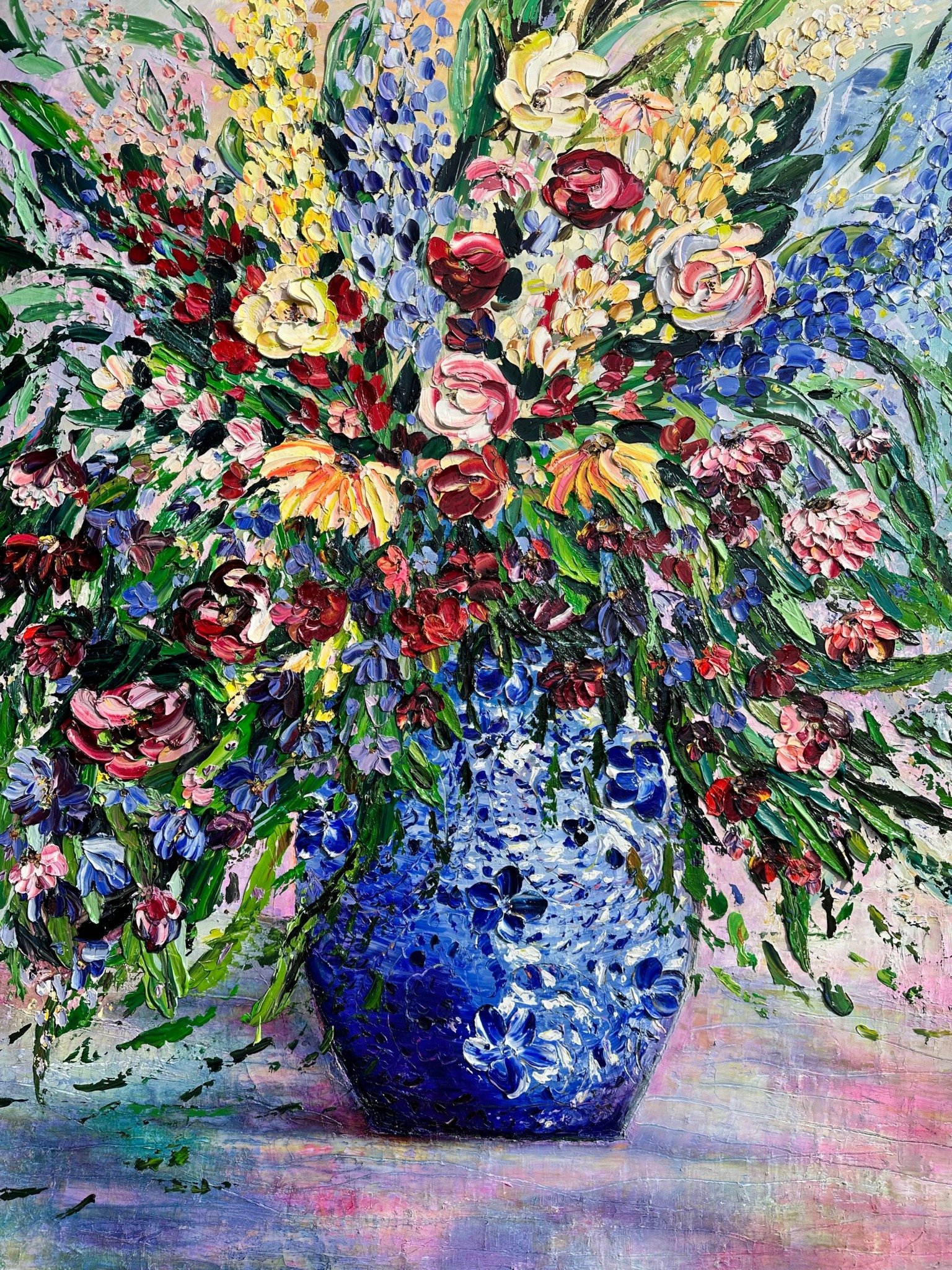
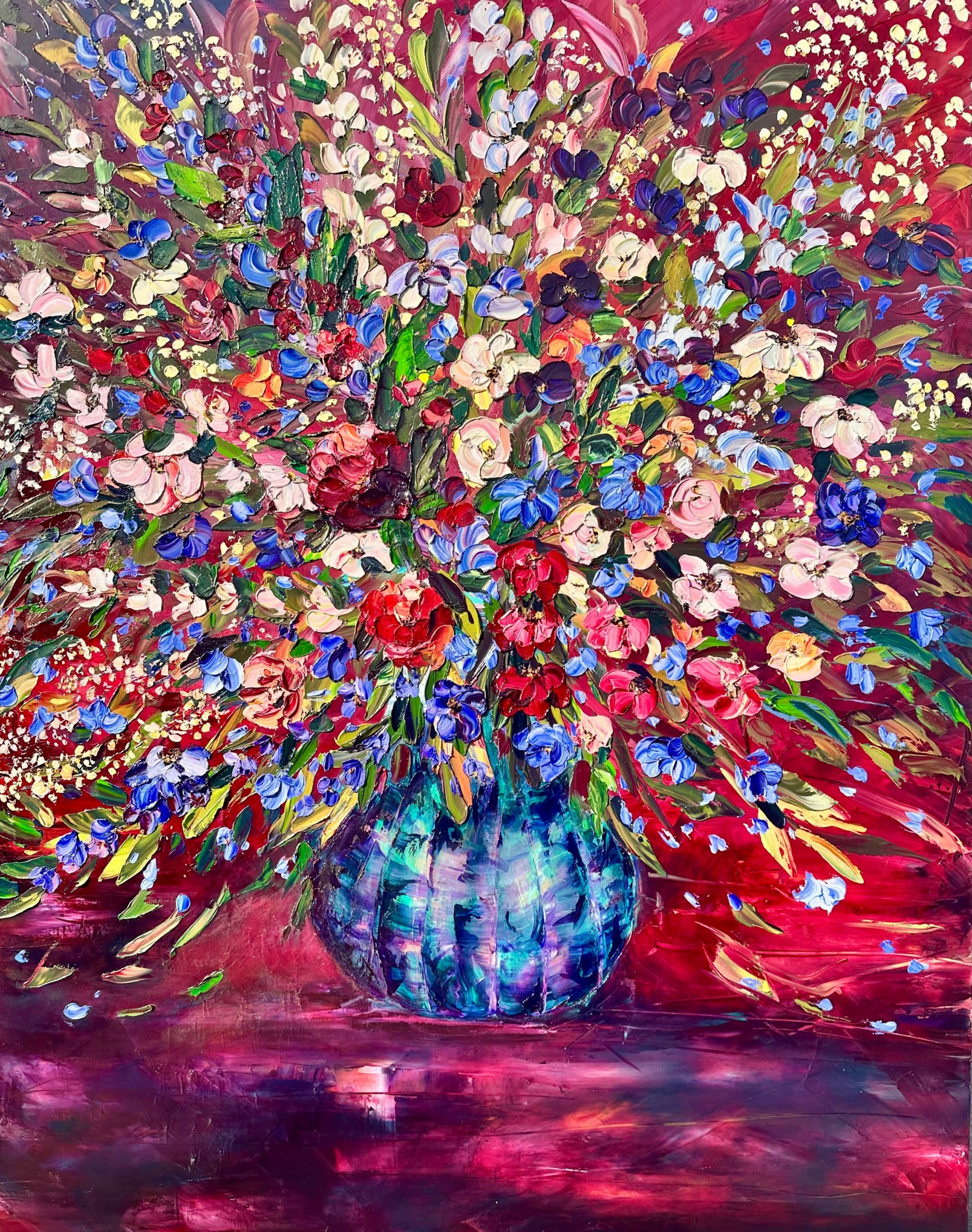
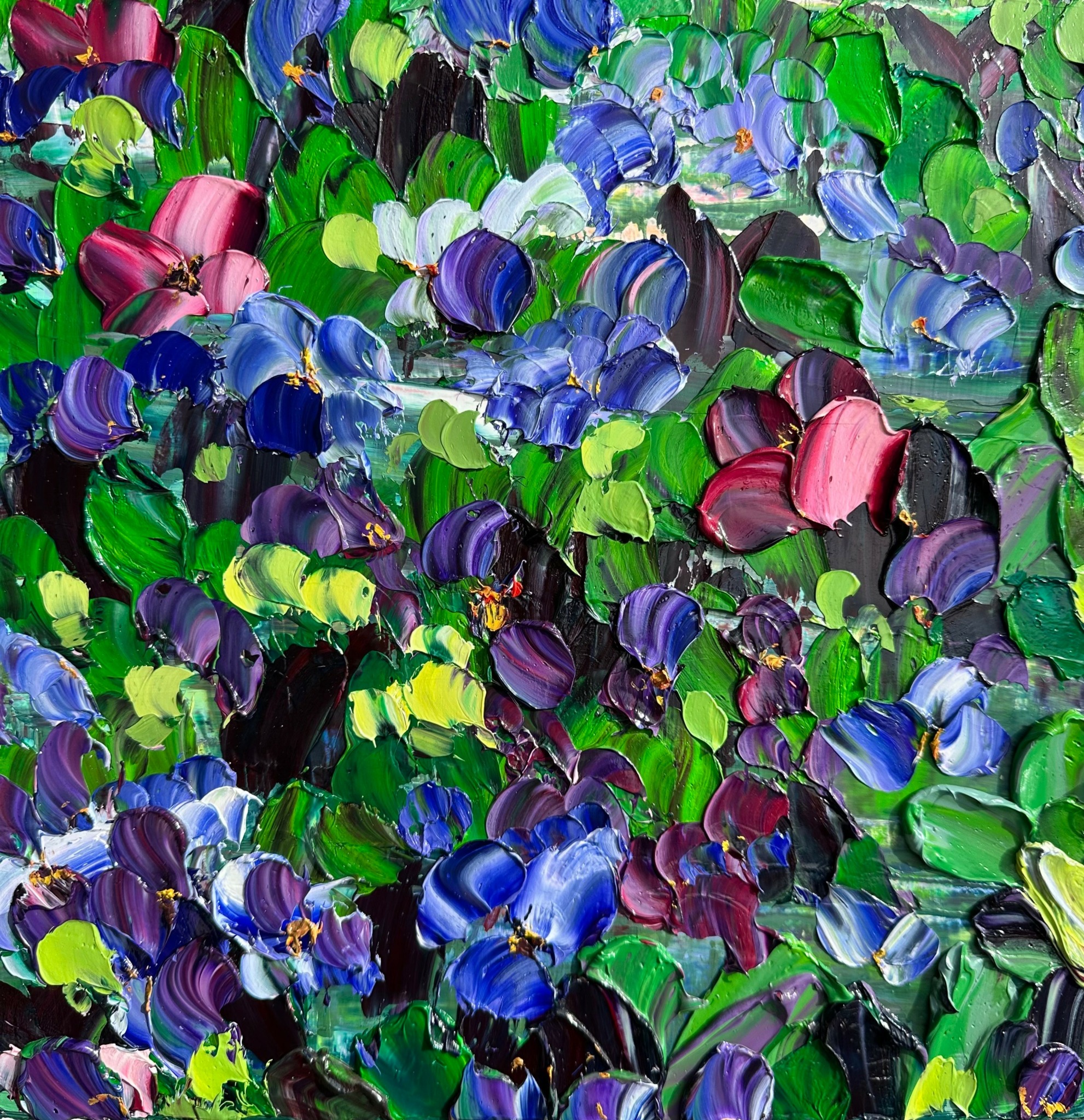
I am a contemporary painter based in the San Francisco Bay Area, working primarily in botanical and landscape forms that emphasize rich color, texture, depth, and vibrancy. My work often leans toward maximalism, using layered surfaces and expressive palette knife techniques to create paintings that feel immersive, dense, and tactile.
At the core of my practice is an ongoing interest in how we perceive beauty—particularly the tendency to dismiss what is visually “pretty” or decorative as surface-level. My work pushes against that assumption, using floral and botanical imagery as a way to explore how beauty can function as an entry point rather than a conclusion, and how it can hold complexity, tension, and emotional weight.
This perspective is informed in part by third-wave feminism, which reclaims femininity, aesthetics, and visual pleasure as sites of power rather than limitation. Rather than rejecting the decorative or the feminine, I am interested in what it means to take those spaces seriously and allow them to carry intellectual and emotional depth.
I am also influenced by Philip Guston, particularly his later emphasis on simplification and symbolic form, which informs how I think about structure, abstraction, and the tension between immediacy and deeper reading within an image.
I have been engaged in art for as long as I can remember. As a child, my parents placed me in a wide range of creative classes—from drawing and watercolor to ceramics, which I often did alongside my dad. That early exposure developed into a lifelong practice. In college, I immersed myself in multiple studio disciplines, including photography, oil painting, acrylic, watercolor, ceramics, lithography, textiles, and mixed media. That breadth of training continues to inform my material approach today.
My current work focuses on botanical and natural forms, which I reinterpret through layered compositions built with oil paint and palette knife. These surfaces are structured yet intuitive, designed to shift with light and reward closer, slower looking.
What I am most proud of is the continuity of my practice—continuing to evolve without abandoning it, and developing a clearer understanding over time of what I want to express and how I want to build my visual language. That clarity has been a defining part of my growth as an artist.
At its core, my work is about attention—slowing down perception and reconsidering what we think we already understand about beauty, presence, and depth.
We often hear about learning lessons – but just as important is unlearning lessons. Have you ever had to unlearn a lesson?
The biggest lesson I’ve had to unlearn is the set of preconceived ideas I carried about what the art world was—and what it meant to be an artist.
For a long time, I internalized the belief that the art world was rigid and exclusive, and that to be taken seriously as an artist you had to fit a very specific mold. That included the idea that you needed a BFA or MFA to have legitimacy, or that there was only one “correct” path into the art world. I also absorbed the familiar “starving artist” narrative—that making a sustainable living from art was unrealistic, and that success was rare or reserved for a select few.
Over time, I realized how limiting and untrue those assumptions were.
As I began building my own practice more intentionally, I started seeing a much broader reality: artists working in many different ways—through galleries, independent sales, social media, collaborations, product-based work, and interdisciplinary practices. There is no single entry point or approved structure anymore, and there are many ways to build a sustainable and visible career without following a traditional academic route.
I also became more aware of how often these limiting beliefs are reinforced socially—through casual comments like questioning whether being an artist is a “real job,” or assuming legitimacy only comes from academic credentials. Letting go of those external narratives was a necessary part of learning to trust my own path and define success on my own terms.
What I’ve come to understand is that the contemporary art world is far more expansive than I was originally led to believe. It is not a closed system with one gate—it is an evolving ecosystem with many different ways of participating, building, and thriving within it.
Unlearning those assumptions has been one of the most important shifts in my development—not just as an artist, but as someone building a long-term creative practice rooted in autonomy, possibility, and persistence.
Do you think there is something that non-creatives might struggle to understand about your journey as a creative? Maybe you can shed some light?
One thing I think non-creatives often struggle to understand about my journey—and about creative careers in general—is how much limiting and scarcity-based thinking surrounds the idea of being an artist.
There’s still a very common belief that being an artist automatically means being a “starving artist,” or that it’s extremely difficult to make a sustainable living from art. That narrative is so deeply ingrained that it often overshadows the reality, which is that there are many different ways to build a successful and financially stable creative practice. You don’t have to be widely famous to sell your work, and success in the art world doesn’t follow a single path. It can look like gallery representation, independent sales, commissions, online platforms, collaborations, or a combination of many different avenues.
What’s often overlooked is how expansive and flexible a creative career can actually be.
I also think there’s a parallel misconception on the collector side. The term “art collector” can feel intimidating or exclusive to people, when in reality it’s much more accessible than most assume. If someone buys and lives with art—whether it’s a print, an original work, or something at any price point—they are participating in collecting art. I’ve met many people who genuinely enjoy art but don’t identify with that label because it feels like it belongs to a more elite or distant world, when in fact it’s something they are already part of.
I think there’s also a lot of hesitation around engaging directly with artists, especially if a piece feels out of budget. But most artists genuinely welcome conversation. There are often different options available—smaller works, prints, or more accessible pieces—and more importantly, those conversations are how real connections between artists and collectors are formed.
At its core, what I wish more people understood is that the art world is not as closed or inaccessible as it can appear from the outside. It’s a living, interconnected space, and there is room for far more participation—on both the making and collecting side—than most people realize.
Contact Info:
- Website: https://chelseatikotsky.com
- Instagram: @chelseatikotskyart
- Facebook: @chelseatikotskyart
- Youtube: @chelseatikotskyart
- Other: email: chelseatikotsky@gmail.com
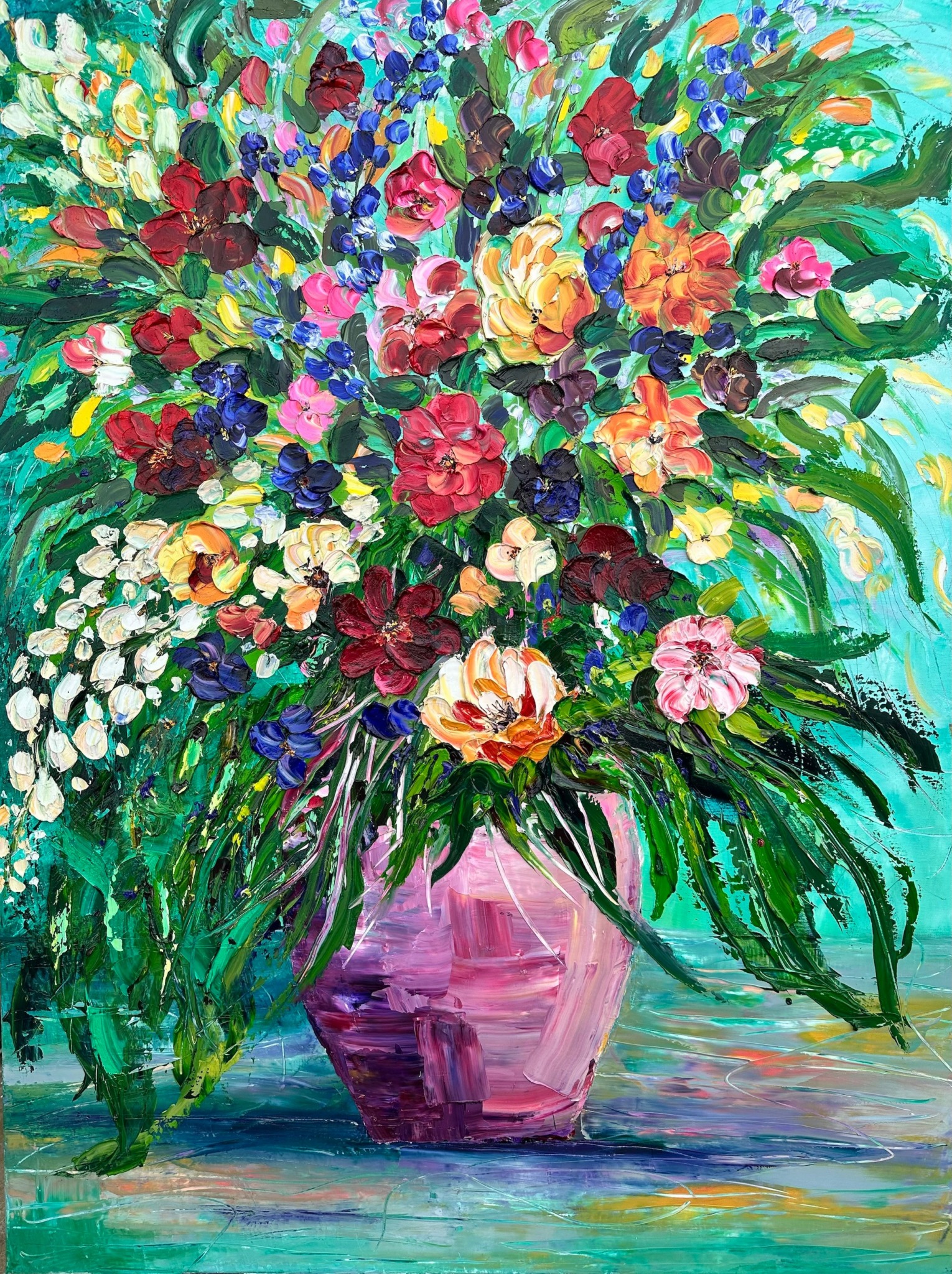
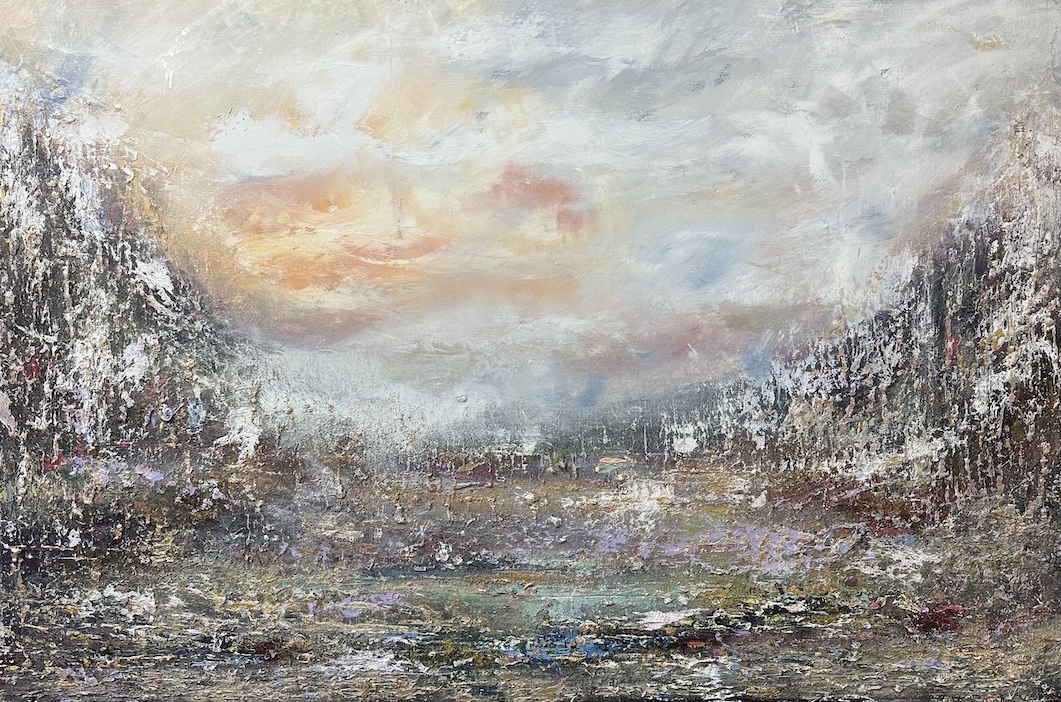
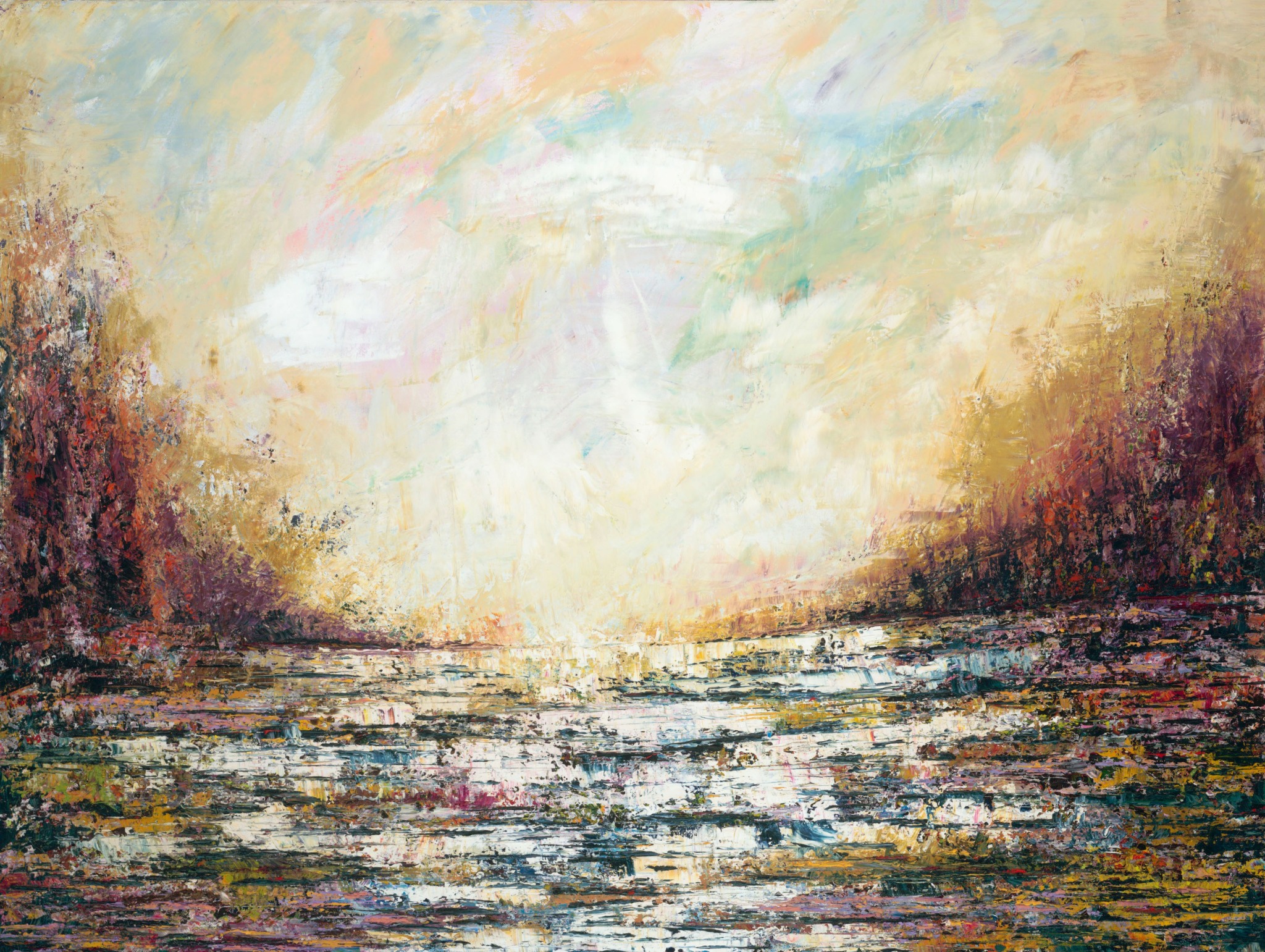
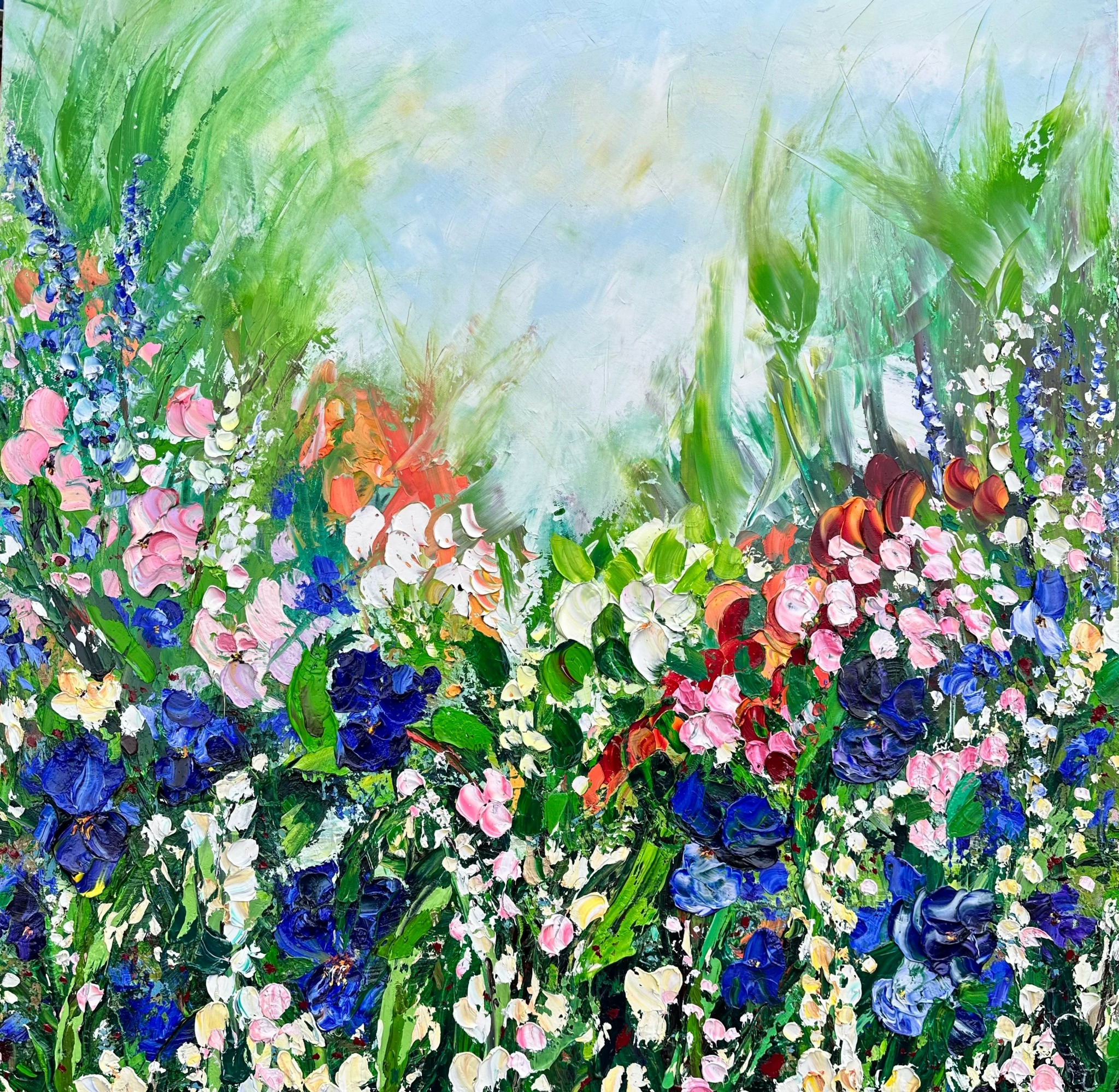
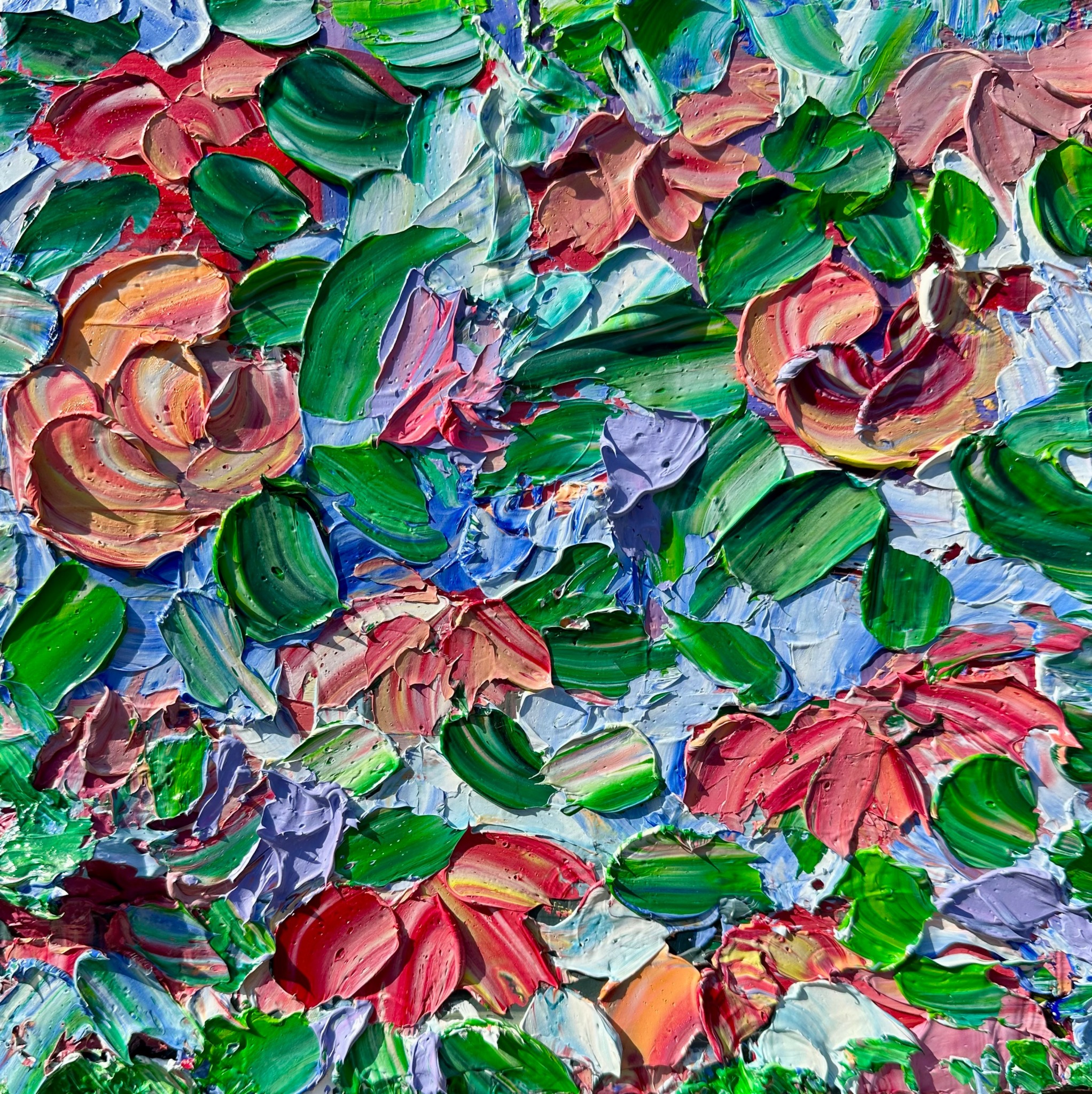
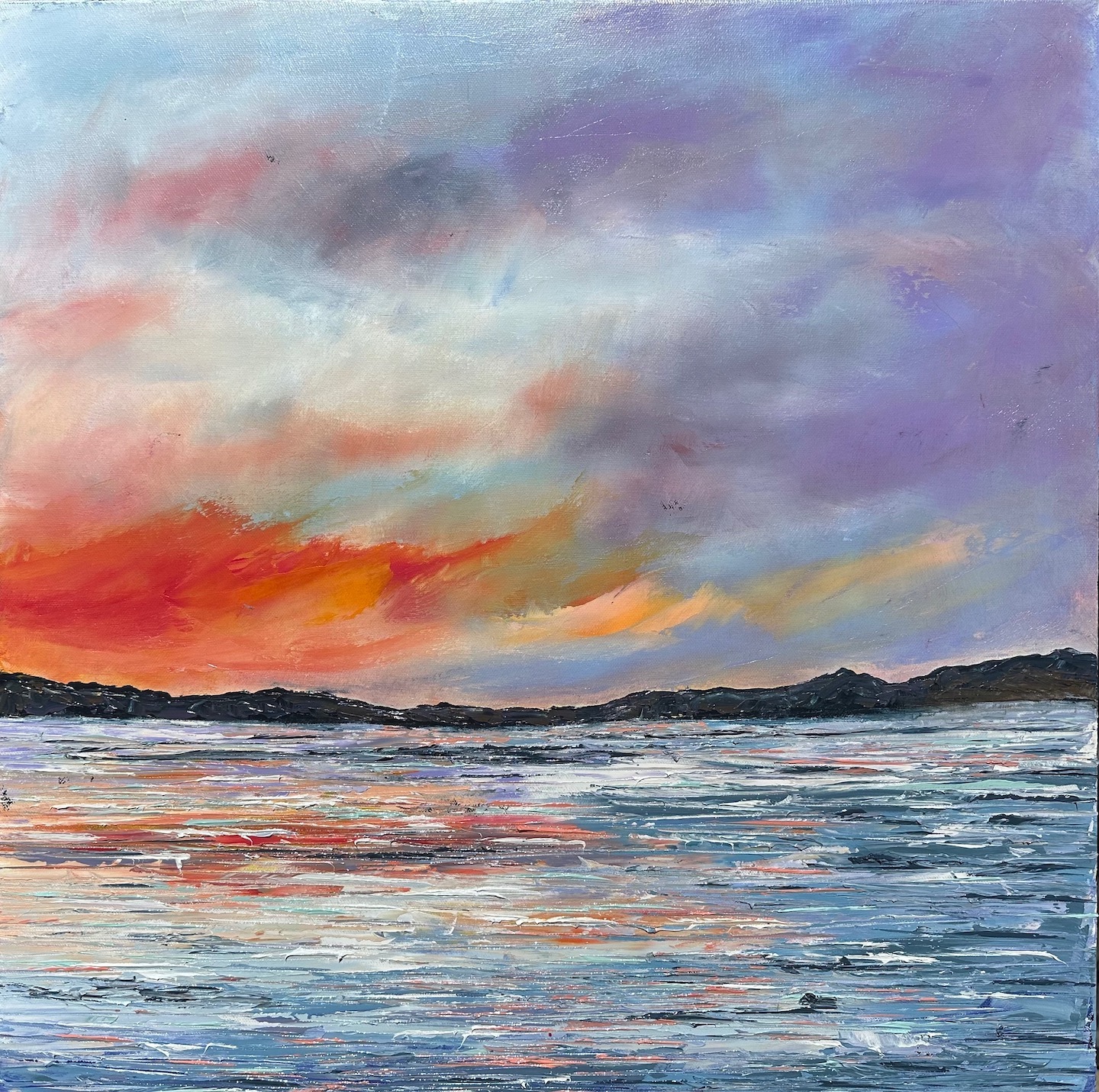
Image Credits
Portrait image taken by Olya Timoshevich
All images of the paintings taken by Chelsea Tikotsky