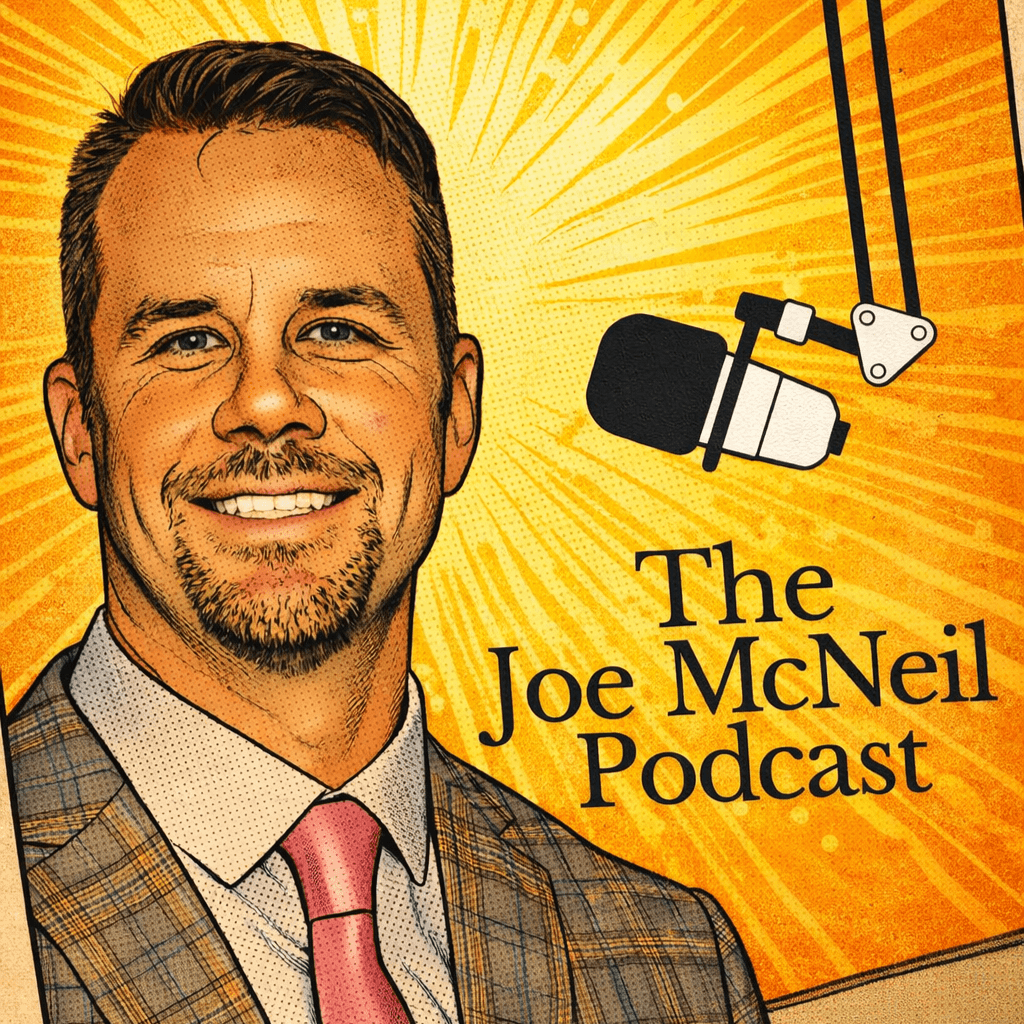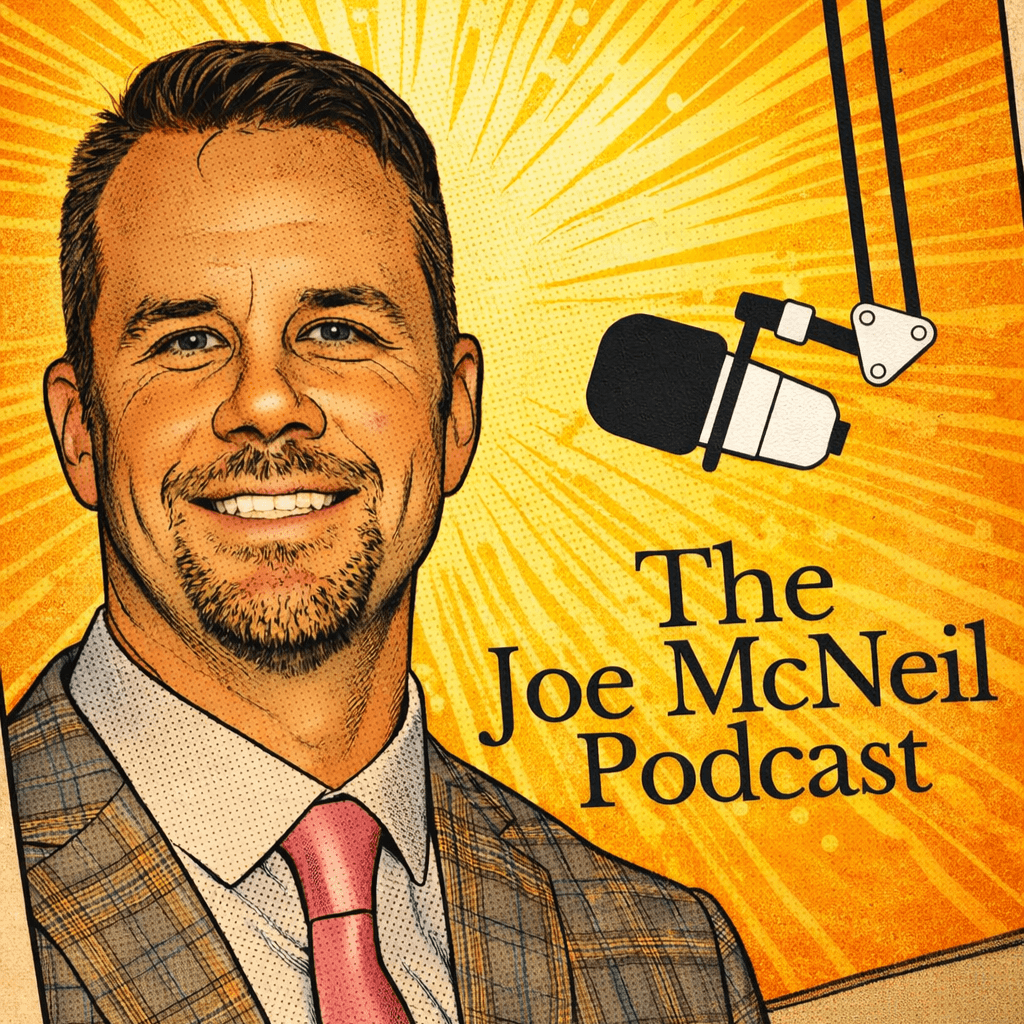

We recently connected with Joe McNeil and have shared our conversation below.
Joe, thanks for joining us, excited to have you contributing your stories and insights. Your ability to build a team is often a key determinant of your success as a business owner and so we’d love to get a conversation going with successful entrepreneurs like yourself around what your recruiting process was like -especially early on. How did you build your team?
No, it was just me at the start.
When I first got going, I wasn’t building a business, I was just trying to create opportunity. I was giving lessons anywhere I could, figuring things out as I went, and honestly just trying to make it work day to day. There was no playbook, no systems, no team. Just me, a passion for helping people improve, and a willingness to outwork whatever was in front of me.
The shift happened when I realized I couldn’t grow by myself. That was a tough moment because when it’s just you, you control everything. Bringing people in means letting go of some of that control, and at first I wasn’t great at it.
Our first team members weren’t recruited in a traditional sense. They were people already around me. Family, friends, and people who believed in what we were building before it was anything special. There weren’t formal interviews early on. It was more about trust, attitude, and whether they aligned with the culture we wanted. Skills could be developed, but mindset was everything.
Training was very hands-on and honestly a bit trial by fire. We learned together. We made mistakes, adjusted, and kept moving. Looking back, it wasn’t polished, but it built a tight culture because everyone felt like they were part of something being created, not just filling a role.
As we grew, I had to evolve. Recruiting became more intentional. I started looking for people who weren’t just good at the job, but who could represent the experience we wanted to create. Energy, attitude, and how they treated people became just as important as technical ability.
If I were starting over today, I would invest in leadership development much earlier. I spent too much time trying to do everything myself instead of building leaders who could carry the vision. I would also be clearer upfront about expectations, culture, and values. Early on, I assumed people would just “get it,” but clarity saves a lot of friction.
That said, I don’t regret the way it happened. Building it from the ground up with people who believed in it shaped not just the business, but me as a leader. It taught me that businesses don’t grow because of systems alone, they grow because of people. And learning how to lead those people has been the most important part of the journey.
Joe, love having you share your insights with us. Before we ask you more questions, maybe you can take a moment to introduce yourself to our readers who might have missed our earlier conversations?
I’m an entrepreneur, business owner, and podcast host based in Texas. Most people know me as the founder of Short Game, but what I’m really building now goes far beyond golf. At the core, I’m passionate about leadership, personal growth, and helping people maximize their potential both on and off the course.
I got into the golf industry in a very unconventional way. I didn’t start with a big facility or a detailed business plan. I started by giving lessons anywhere I could, just trying to create opportunity for myself and provide value to others. Over time, that grew into something much bigger. What began as a few lessons turned into building Short Game, which is now a full-scale training and entertainment facility with technology, coaching programs, and a strong community around it.
But golf was never just about golf to me. It’s one of the greatest teachers in the world. It exposes your discipline, your mindset, your consistency, and your ability to handle pressure. Those same principles translate directly into business, leadership, and life, and that’s really where my focus has shifted.
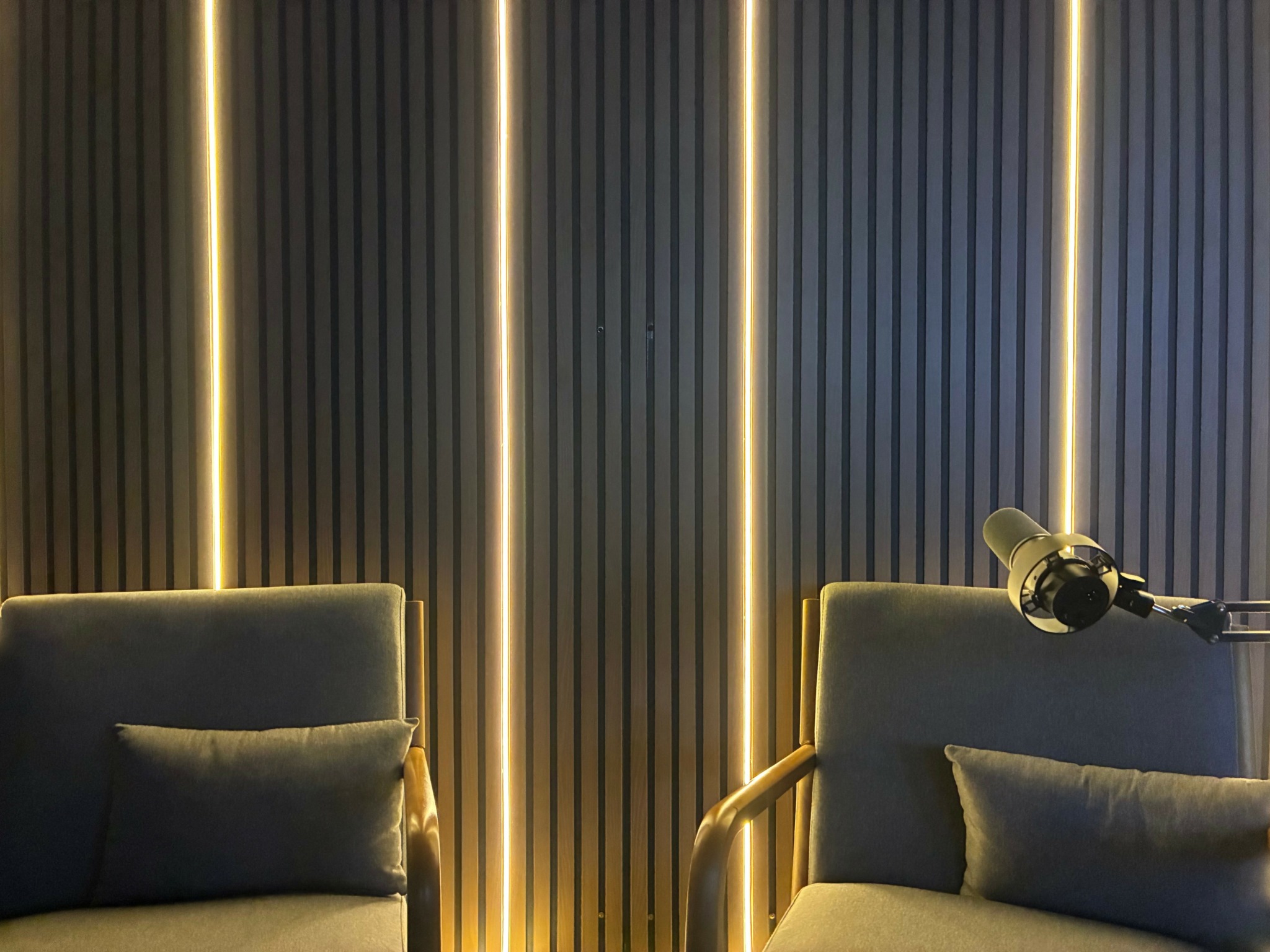
Today, in addition to running Short Game, I host The Joe McNeil Podcast. That’s where I get to have real, unfiltered conversations about leadership, family, business, faith, and the challenges people face that don’t always get talked about publicly. Some episodes are light and funny, others are more serious, but all of them are rooted in authenticity. The goal is simple, to create something that actually impacts people, not just entertains them.
At Short Game, we provide golf instruction, junior development programs, corporate memberships, and a unique environment where people can train, compete, and connect. But what we’re really providing is an experience. We’re helping people improve, build confidence, and enjoy the process. Whether it’s a junior player chasing college golf, a beginner picking up a club for the first time, or a business owner entertaining clients, we’re solving the problem of access, quality coaching, and creating a place people actually want to spend time.
What sets us apart is the combination of high-level coaching, technology, and culture. Anyone can build a facility or offer lessons, but not everyone builds an environment where people feel welcomed, challenged, and part of something bigger.
What I’m most proud of isn’t the facility or even the growth of the business, it’s the people. Watching junior golfers develop into high-level players, seeing families spend time together, and building a team that believes in what we’re doing means more than anything. On a personal level, walking through adversity with my family, especially during my son’s battle with cancer, reshaped everything for me. It changed how I view success, leadership, and impact.
That experience is a big part of why I’m so focused now on leadership and communication through the podcast and future speaking opportunities. I’m not just trying to build a successful business, I’m trying to build something that actually matters.
For anyone following along or considering working with us, I’d want them to know this: we care deeply about the people we serve. Whether it’s through golf, business, or content, the goal is to help people grow, improve, and walk away better than when they showed up.
At the end of the day, golf may be where the journey started, but leadership, impact, and people are where it’s going.
Let’s talk about resilience next – do you have a story you can share with us?
One of the defining moments of resilience in my life had nothing to do with business, and everything to do with my family.
In November of 2024, my son was diagnosed with stage 4 lymphoma. One day everything felt normal, and the next we were thrown into a fight we didn’t see coming. There were moments where we didn’t know what the outcome would be. As a father, there’s nothing that prepares you for that. You want to fix it, take it on yourself, do something, anything, and in many ways you’re forced to just stand there, trust, and keep showing up.
At the same time, life and business didn’t stop. Short Game was still operating, people were still counting on me, employees, customers, my family. There wasn’t an option to shut everything down. So I found myself living in two worlds. One was sitting in hospital rooms, dealing with fear, uncertainty, and emotions I had never experienced before. The other was leading a business, making decisions, and trying to create stability for everyone around me.
That season stretched me in ways nothing else ever has. It forced me to grow as a leader because I couldn’t rely on energy or emotion. I had to rely on discipline, faith, and perspective. I learned quickly what actually matters and what doesn’t. A lot of things that felt urgent before suddenly weren’t important at all.
There were hard days, moments of doubt, exhaustion, and questions you don’t always have answers to. But through it, I made a decision that I was going to keep showing up. For my son, for my family, and for the people who depended on me. Not perfectly, but consistently.
By the grace of God, my son is now cancer free. Walking through that didn’t just test my resilience, it redefined it. Resilience isn’t about pushing through when things are inconvenient, it’s about standing firm when everything in you wants to break.
That experience changed how I lead, how I communicate, and how I show up for people. It’s a big part of why I started leaning more into leadership and the podcast, because I realized people don’t just need instruction or advice, they need honesty, perspective, and someone willing to talk about the real stuff.
If there’s one thing I took from that season, it’s this: you don’t always get to choose what you walk through, but you do get to choose how you respond. And that response will shape not just your outcome, but who you become in the process.
How about pivoting – can you share the story of a time you’ve had to pivot?
One of the biggest pivots in my journey came when I realized I wasn’t just building a golf business, I was building something much bigger, whether I had intended to or not.
In the early days, everything was centered around instruction. Lessons, player development, helping people improve their game. That was the identity. And for a long time, that worked. The business grew, the facility expanded, and we built something I’m incredibly proud of.
But over time, I started to notice something. The conversations I was having with people, whether it was students, parents, or even corporate clients, were going far beyond golf. We were talking about discipline, mindset, pressure, business, family, and life. Golf was just the entry point.
Then life forced an even bigger shift in perspective. Walking through my son’s battle with cancer changed how I viewed everything, including the business. It made me step back and ask a hard question: “Is what I’m building limited to this space, or is there a bigger impact I’m supposed to have?”
That was the pivot.
Instead of just focusing on growing a golf facility, I started leaning into leadership, communication, and content. That’s what led to launching the podcast. At first, it was just an idea, something I thought might be interesting. But it quickly became clear that it was more than that. It was a platform to talk about real things, to connect with people in a different way, and to expand the impact beyond the walls of the business.
The challenge in that pivot wasn’t starting something new, it was redefining my identity. When people know you for one thing, stepping into something broader can feel uncomfortable. There’s always that question of how it will be received. But I realized growth requires that kind of discomfort.
At the same time, I had to adjust how I led the business. I couldn’t be involved in every detail like I had been early on. I had to trust my team more, build leaders within the organization, and step into a different role myself.
If I look back, the pivot wasn’t a single moment, it was a series of decisions. Choosing to think bigger. Choosing to speak more openly. Choosing to build something that isn’t confined to one industry.
Today, Short Game is still a huge part of what I do and always will be, but it’s no longer the ceiling. It’s the foundation. The real focus now is leadership, impact, and building a platform that reaches people far beyond golf.
That pivot changed not just the direction of the business, but the direction of my life.
Contact Info:
- Website: https://coachjoemcneil.com/
- Instagram: https://www.instagram.com/coachjoemcneil/
- Linkedin: https://www.linkedin.com/in/joe-mcneil-74a27836/
- Youtube: https://www.youtube.com/@CoachJoeMcNeil
- Other: Apple Podcasts: https://podcasts.apple.com/us/podcast/the-joe-mcneil-podcast/id1871753318
Spotify: https://open.spotify.com/show/2W1Fcn3BKTFhbB5akLxsE1