



One of the most daunting aspects of pursing a creative or artistic career for many aspiring artists is not knowing how to learn the craft. So, we asked some very talented artists and creatives to talk to us about how they learned their crafts and we hope their stories will help you in your journey.
Delorian Davis & Megan Tensle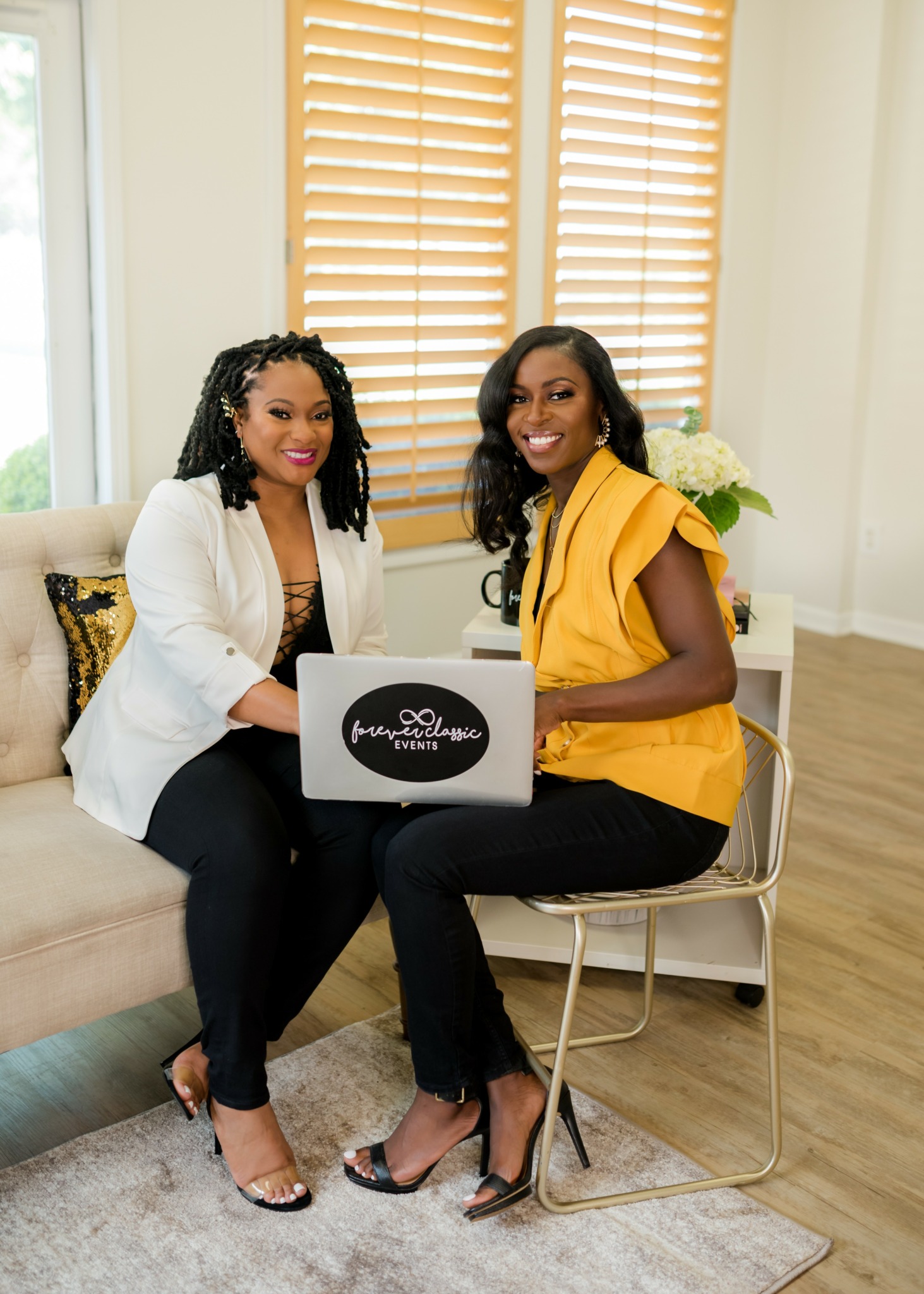
In the event industry, you must be willing to remain a perpetual student. Our expertise is a blend of formal education and digital immersion. To sharpen our creative edge, we regularly attend floral and design masterclasses led by industry experts. However, the ‘ever-changing’ nature of events means learning never stops at the classroom door. Read More>>
Xavi Medina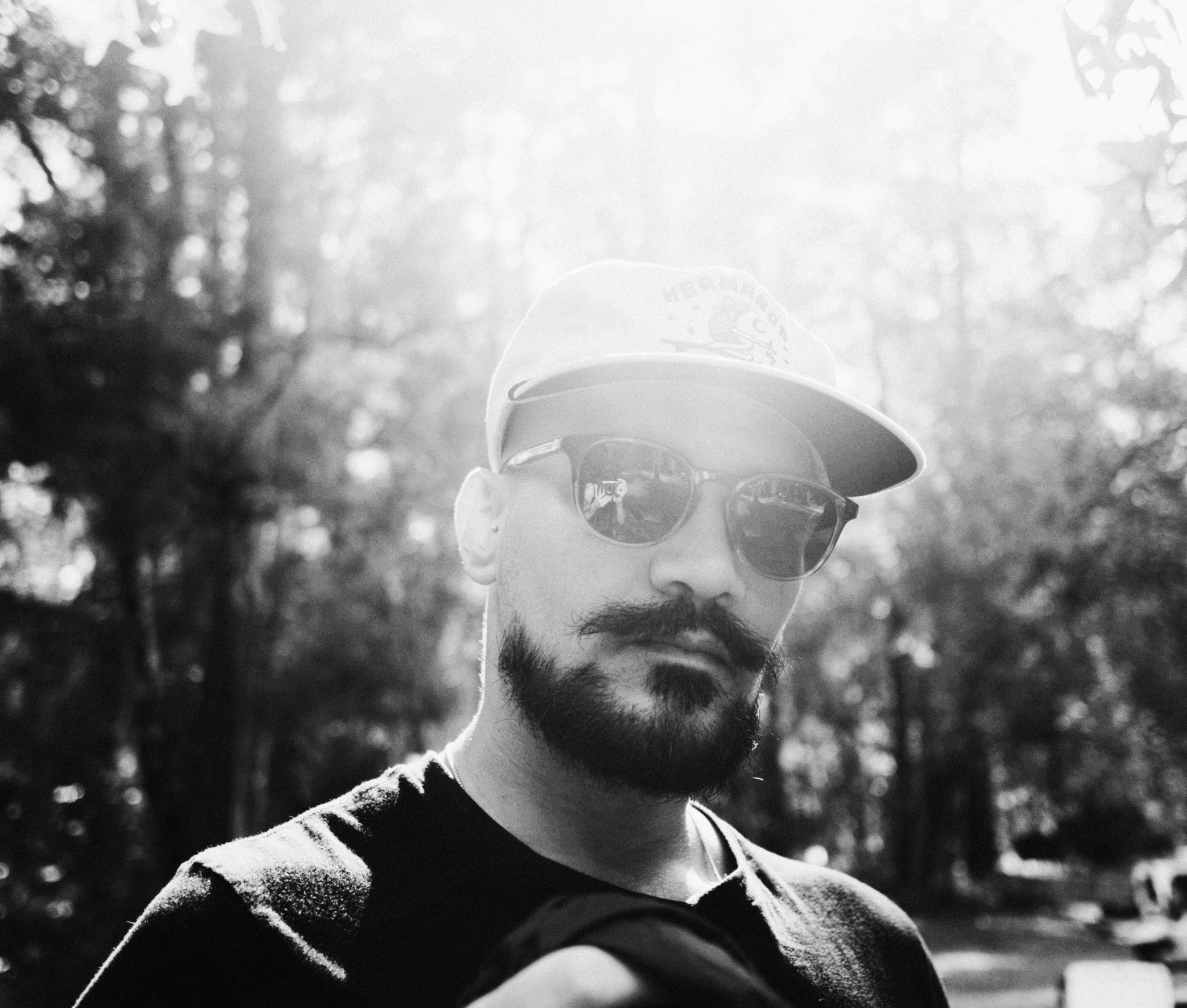
I learned by experimenting. I started borrowing my mom’s point-and-shoot 35mm camera when I was in fifth grade, and from the beginning it was all hands-on. There’s no substitute for that when it comes to a craft. Over time, I realized that the most essential skill isn’t technical, it is understanding the relationship between light and emotion. Read More>>
Amber Lopez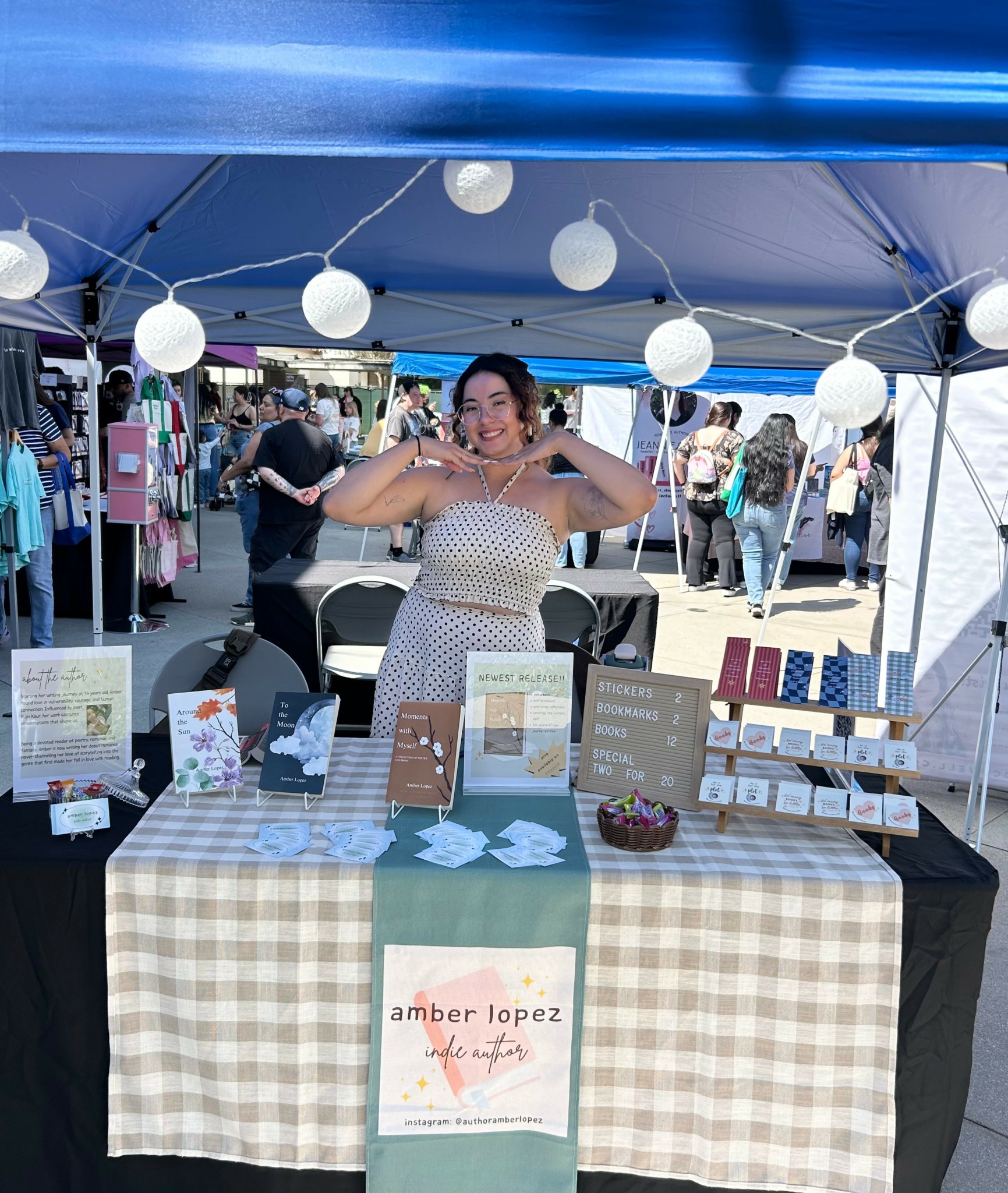
I learned to do what I do by dedicating my free time to writing, simply because I loved it. The more I wrote, the more I grew, and that growth has been a continuous journey spanning about ten years. Even now, I’m not chasing perfection, I’m trying to chase my progress. Read More>>
Jason John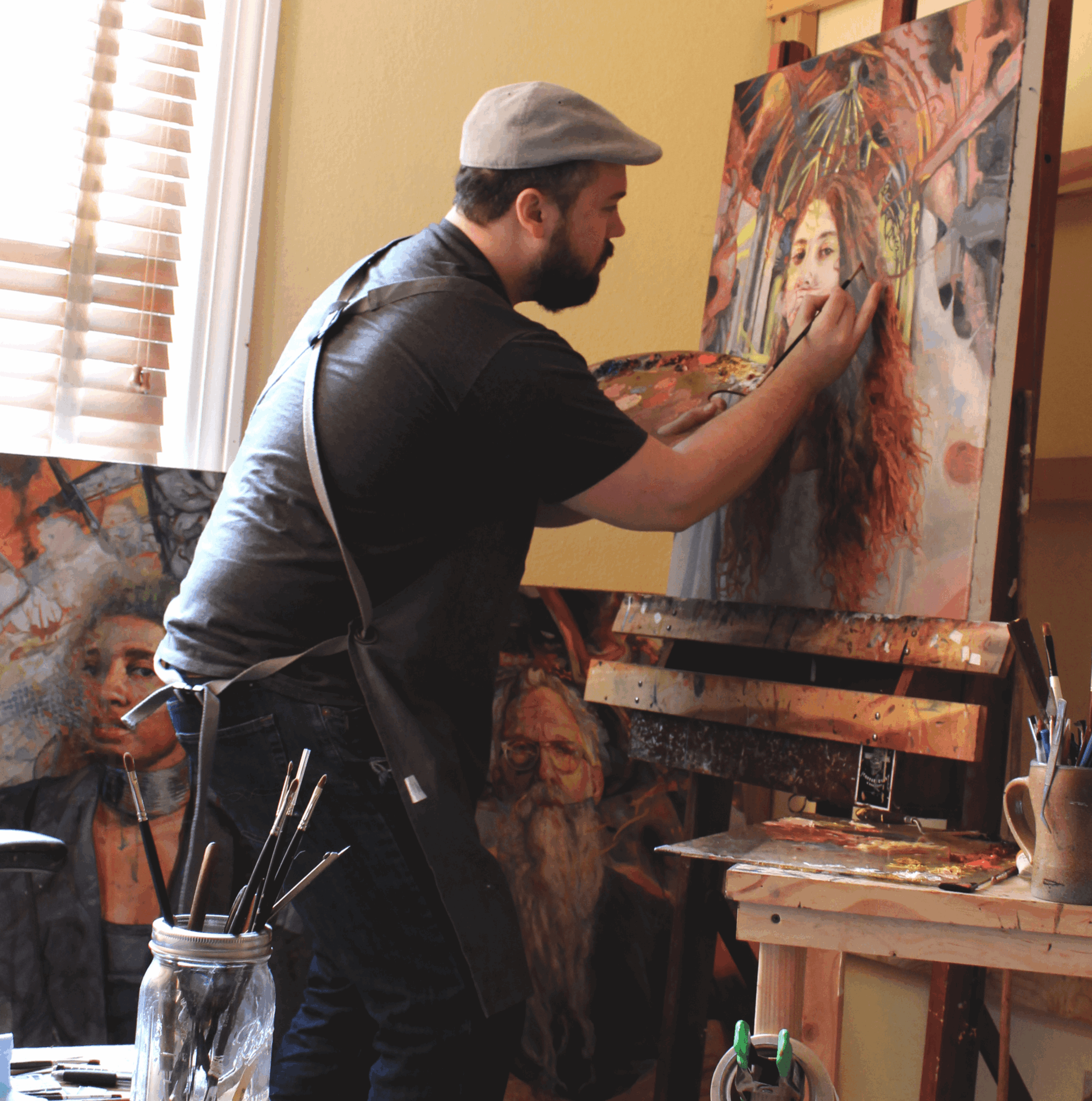
As a painter, I was classically trained, a circumstance that was both a gift and a burden. I remain deeply grateful for the technical skills I gained; they allow me to execute what I envision. Yet that same training made it difficult to shed the academic rules I absorbed, since the foundation of my education was built almost entirely on structure and correctness. Read More>>
wesley Roberts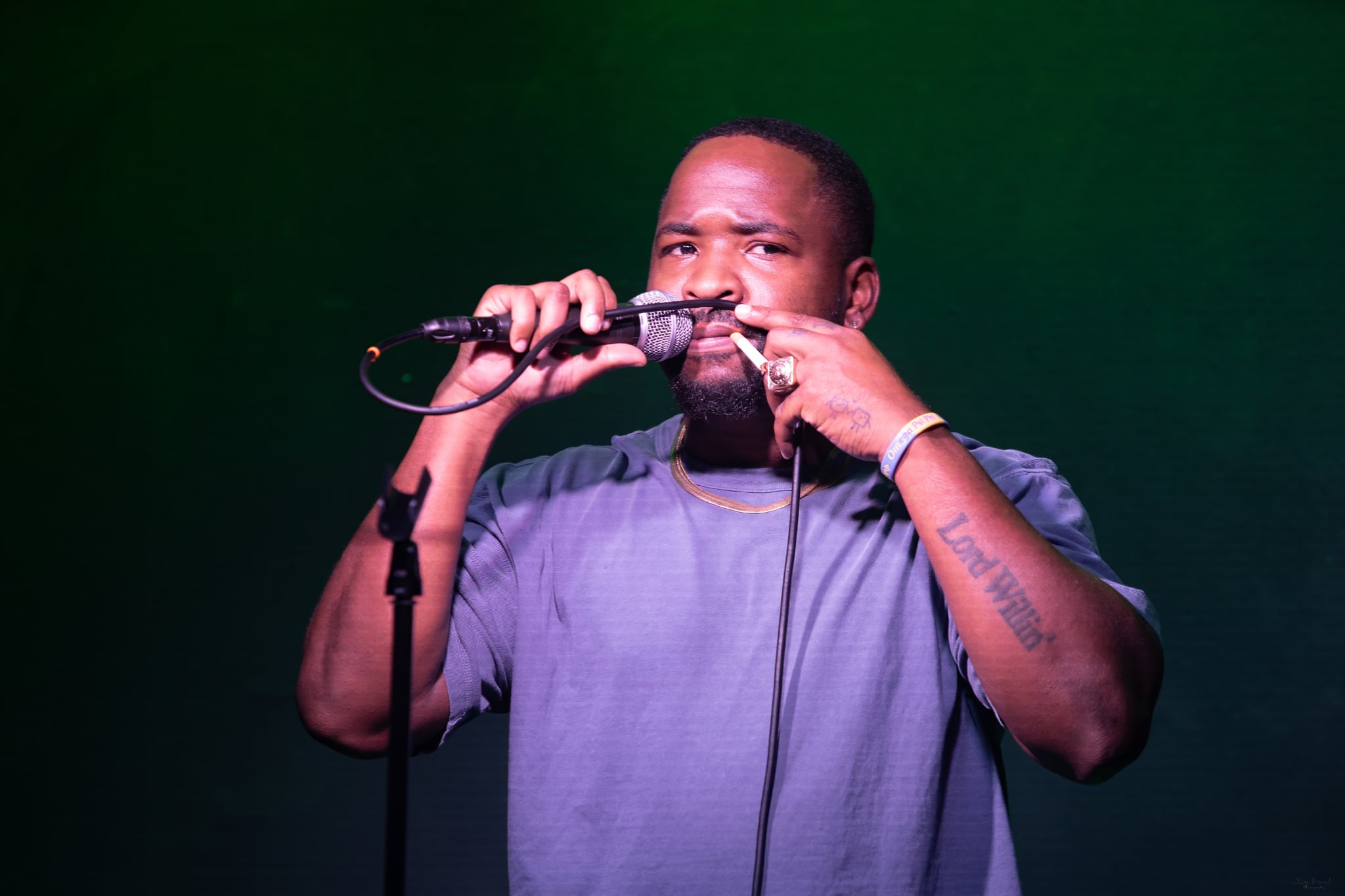
Being funny has always been natural to me, so it wasn’t the learning part. It was dressing up the jokes to be more professional and more presentable to an audience that has come to see you. I would say, put it myself in position to be able to learn from veterans in my actual profession. What skills do I think were most essential? Read More>>
Bruno Melga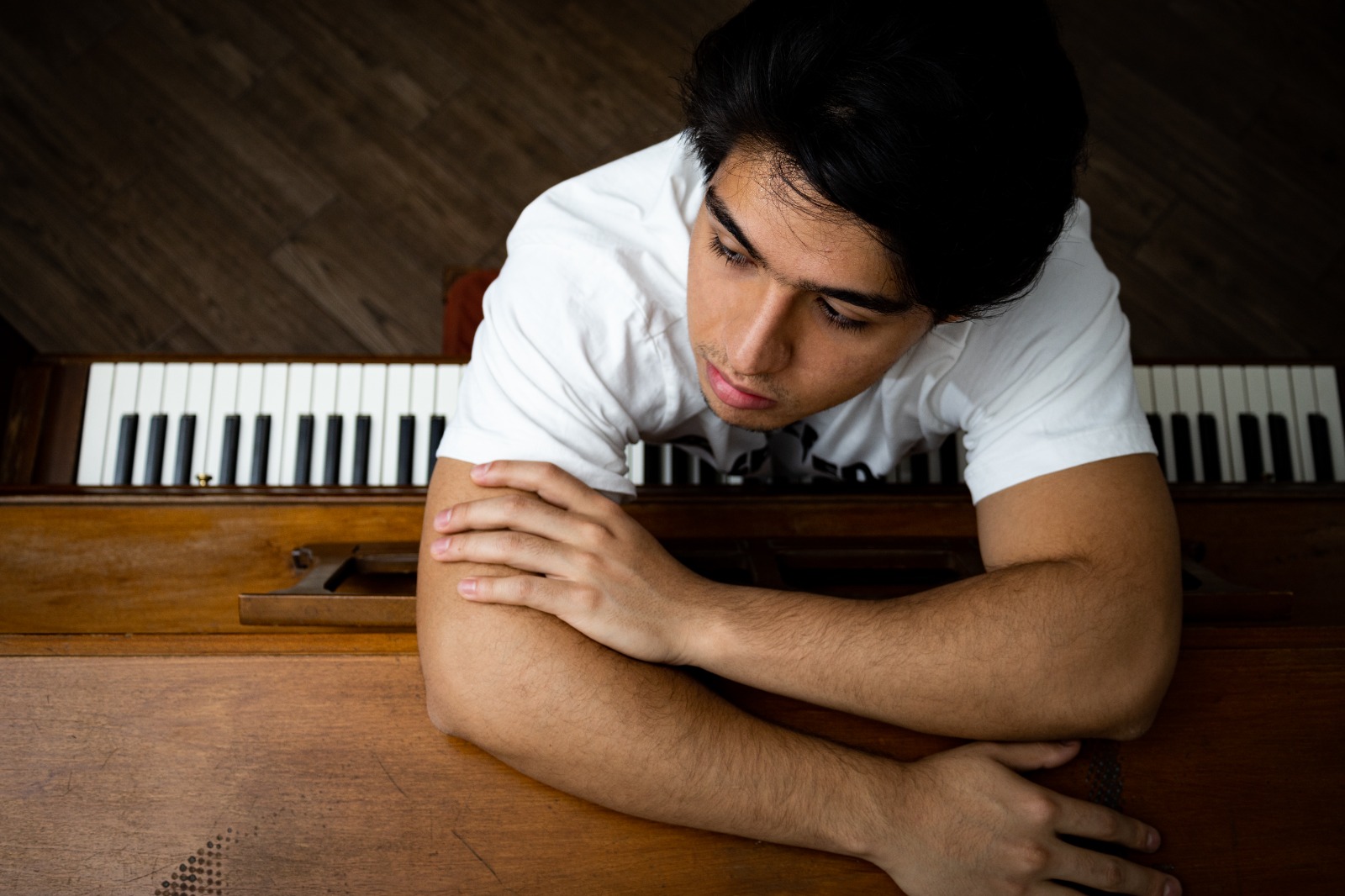
My process for assimilating, internalizing, and, ultimately, learning is very slow. As artists, it is impossible to escape the urge of comparing ourselves to our peers, or even the people we’re trying to learn from, whether it is our idols, our teachers or our elders. Read More>>
Taylor Deneen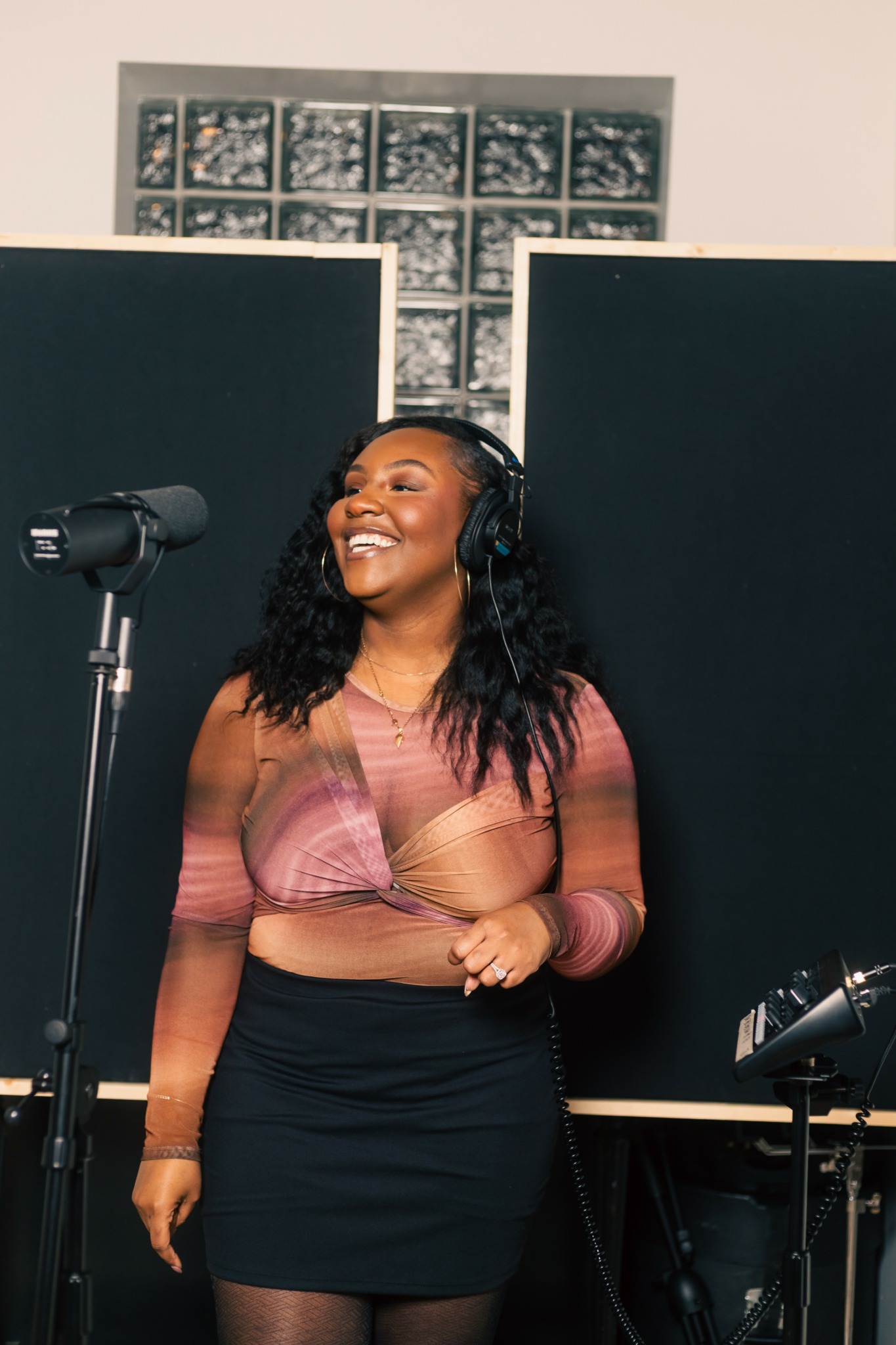
I started singing in church at an early age. When you grow up around music and singing, it just naturally becomes a part of you. I can remember sitting next to my mom, grandmothers, and aunts in church, trying to mimic what I heard them doing and being amazed by all of the harmony parts I heard around me. Read More>>
Roberta Pia De Angelis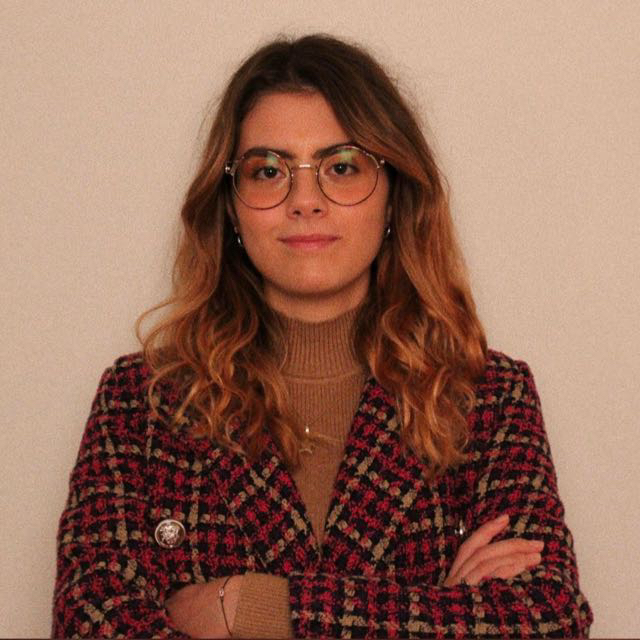
I learnt to do what I do by taking a big risk in the development of my MA thesis film for my degree at the New York Film Academy, here in Los Angeles. Read More>>
Corey McCormick
I had a good combination of book learning and street learning. I first learned a ton by just the amount of music I listened to in my early years. I loved to dance and sing and I was obsessed with Michael Jackson. I learned his whole Billie Jean routine. I roller skated so I was exposed to a ton of pop music there. Read More>>
Richard McPhee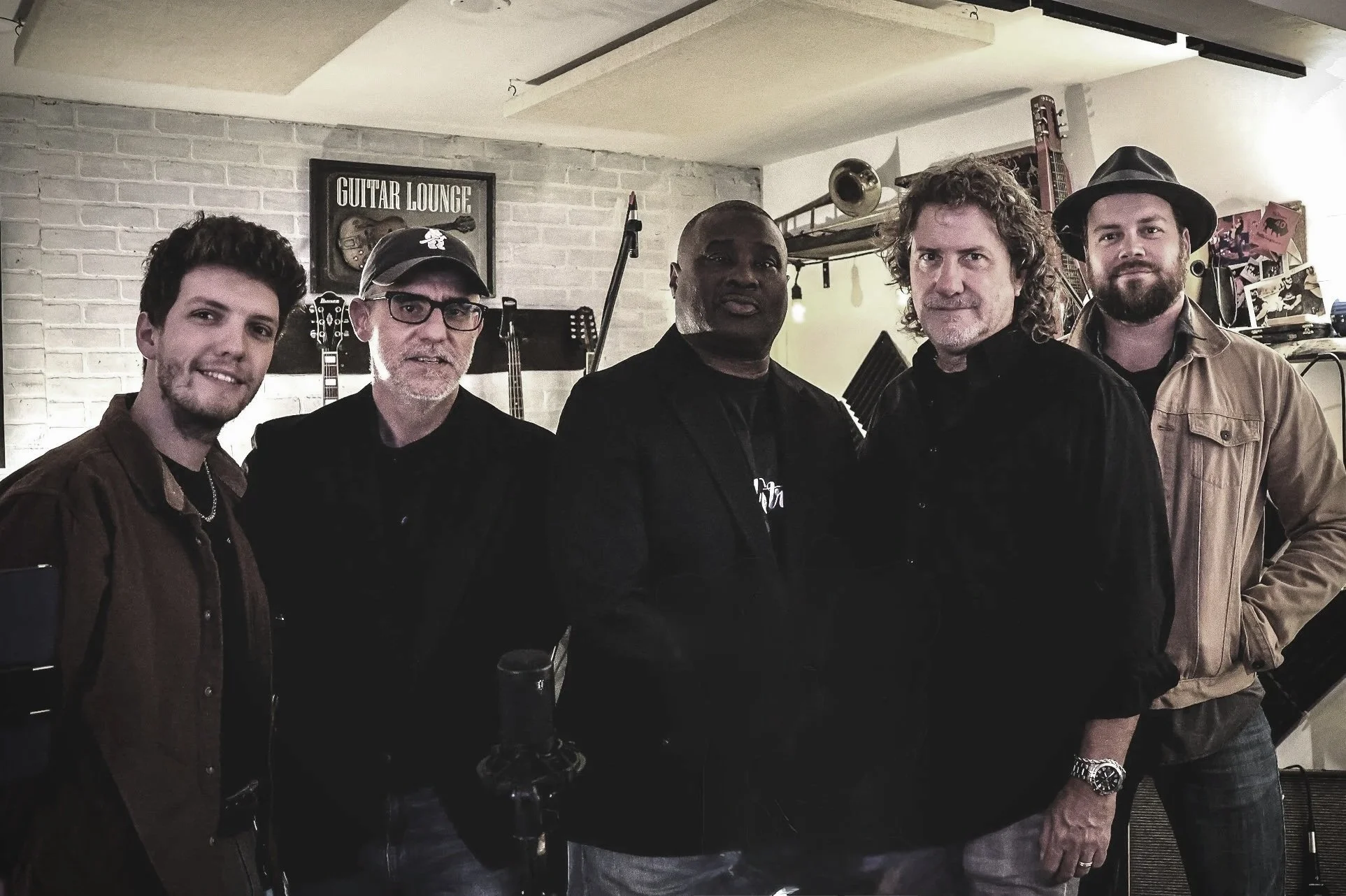
We’ve learned this the same way most bands do—by putting in the time and doing the work. Every member of ColdStream came in with years of playing, recording, and figuring things out individually, and that foundation has been huge. But the biggest growth has happened together—on stage, in rehearsals, and in the studio. Playing live, especially, has been one of our best teachers. Read More>>
Luke Sutton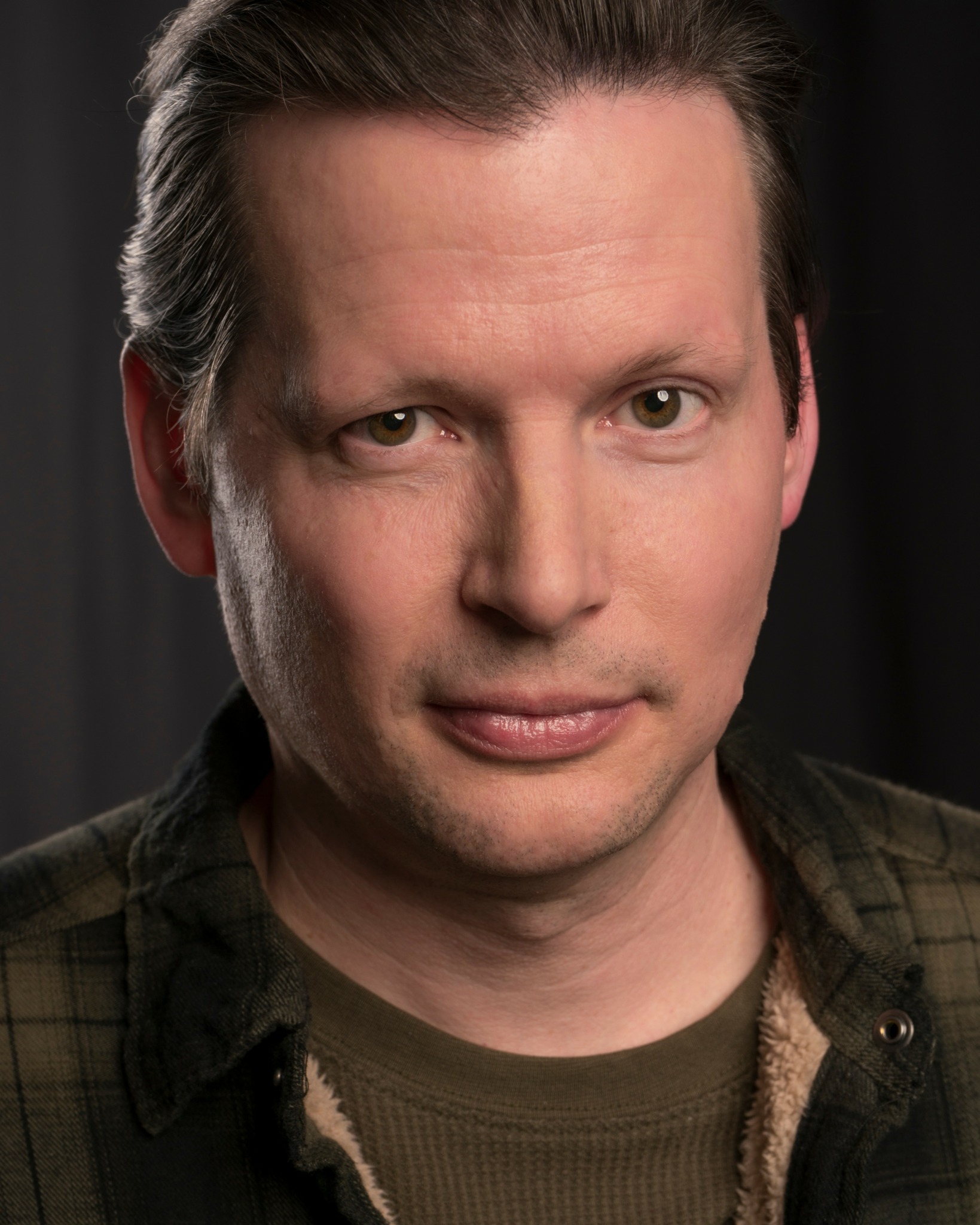
I started off as an actor in 2017. When you start as an actor, you are at the very bottom until you build your way up. After a few speaking roles, I started to realize that I didn’t really have a say in the roles I was auditioning for. Read More>>
DeMetra Dixo
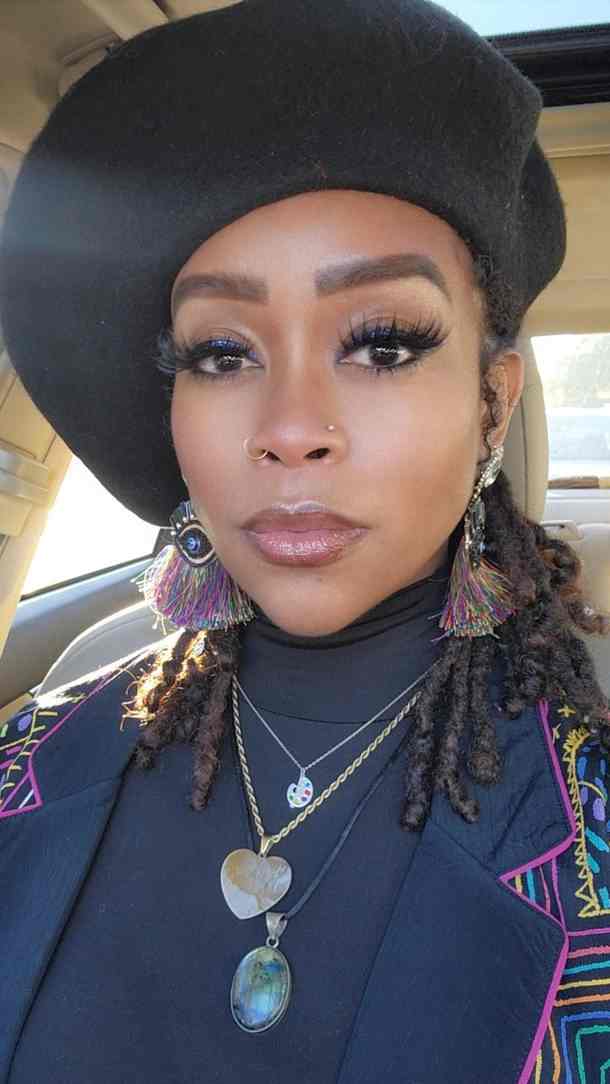
I learned to do what I do through a mix of curiosity, passion, and lived experience. Art was never just something I studied, it was something I felt and used as a way to process, heal, and express myself. Over time, I developed my skills through trial and error, experimenting with different techniques, and allowing myself the freedom to create without perfection being the goal. Read More>>
Laura Guese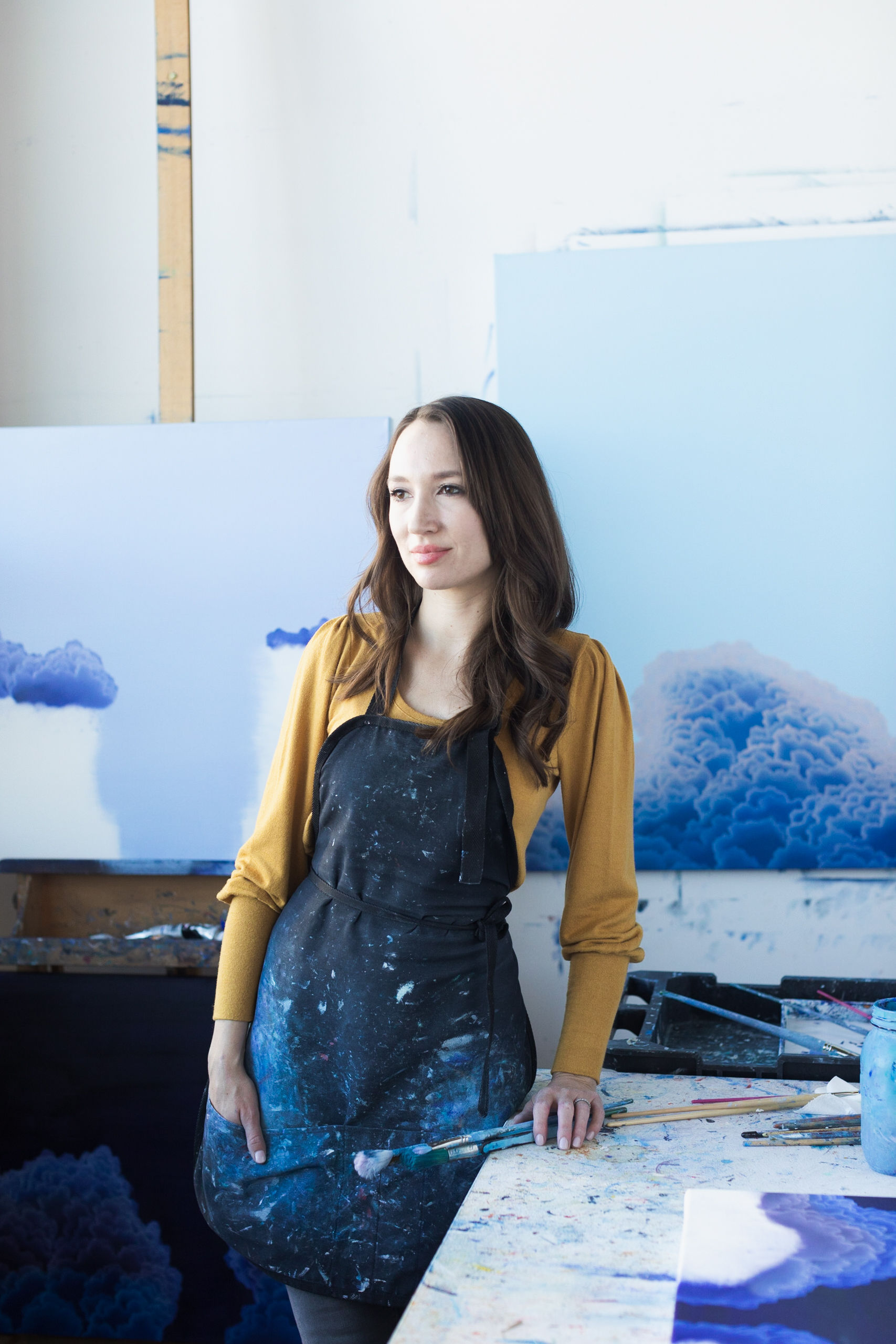
As a small child, I drew on the walls, much to my parents’ dismay! I was always drawn to be an artist, and I loved art classes as a child. By the time I was in high school, I was taking every art class possible. In college, I majored in studio art. I could never get enough of my art classes and studio time. Read More>>
Summer Wyman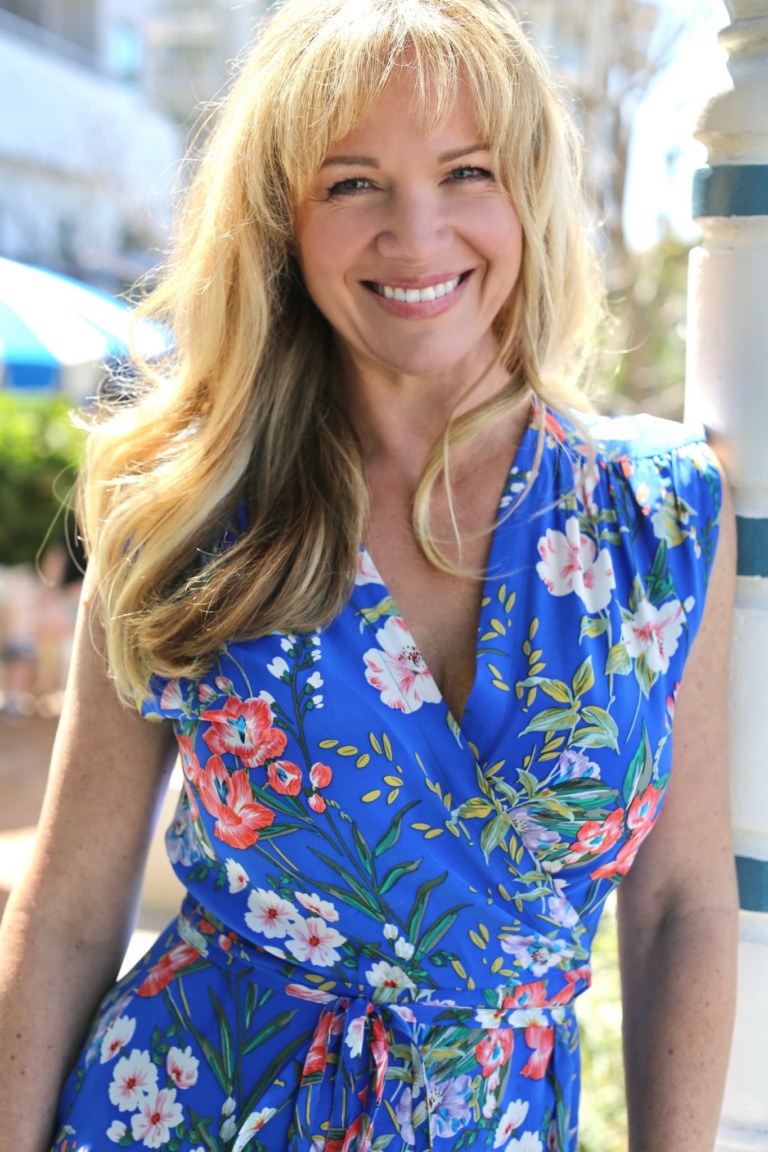
How did you learn to do what you do? I grew up in a family of accomplished artists, so I was surrounded by creative talent from a very young age. I eventually went on to study at the Art Center College of Design in Pasadena to formalize my training. Read More>>
Solomon Cruz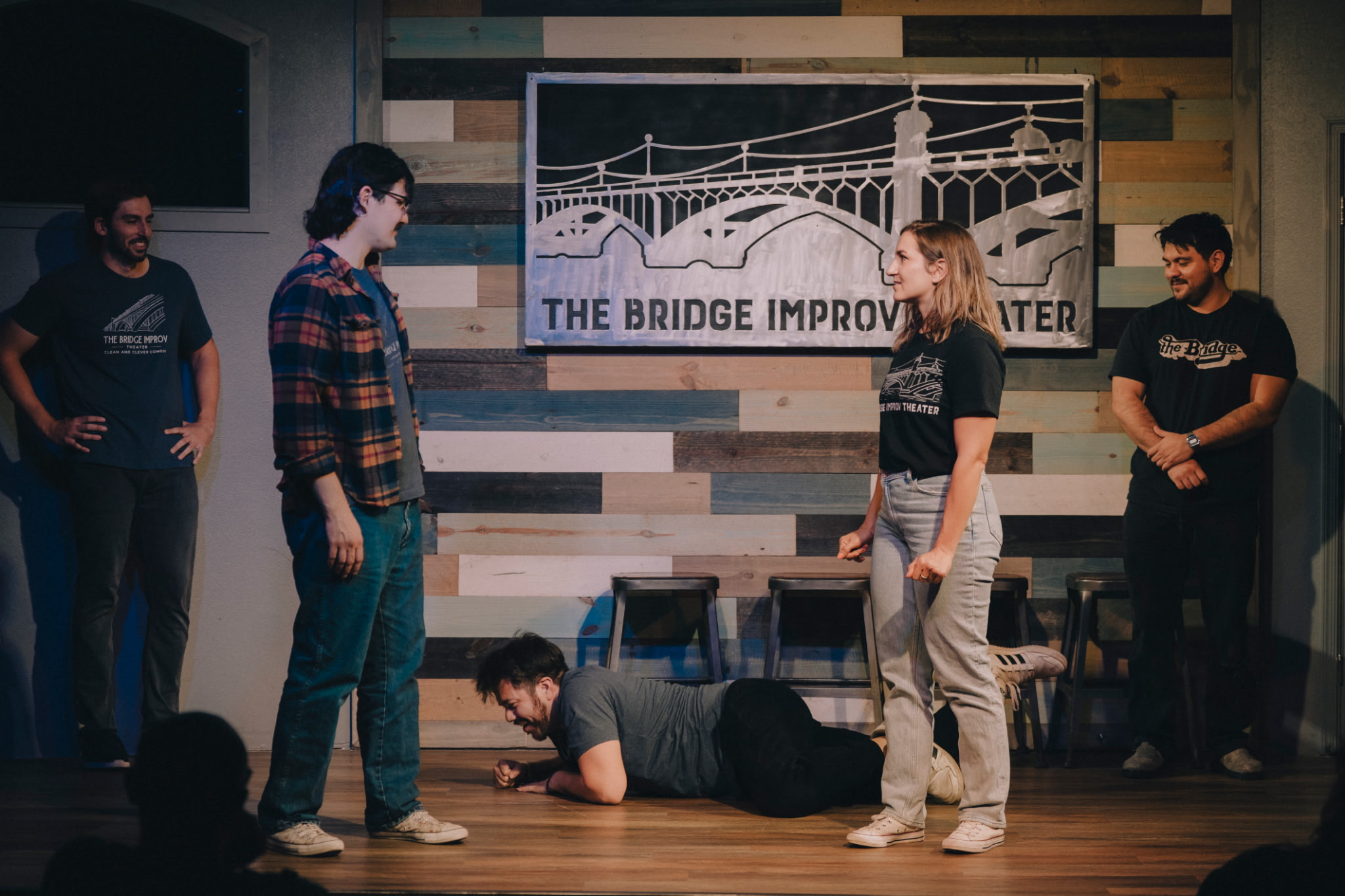
I learned to embrace failure by having fun with it. The true beauty of improv lies in its ability to discourage planning and reward being present. One of the biggest obstacles I faced—both in improv and in life—was my personal ego. Improv, much like real life, can sense when you’re trying too hard to be funny. Read More>>
Derrtie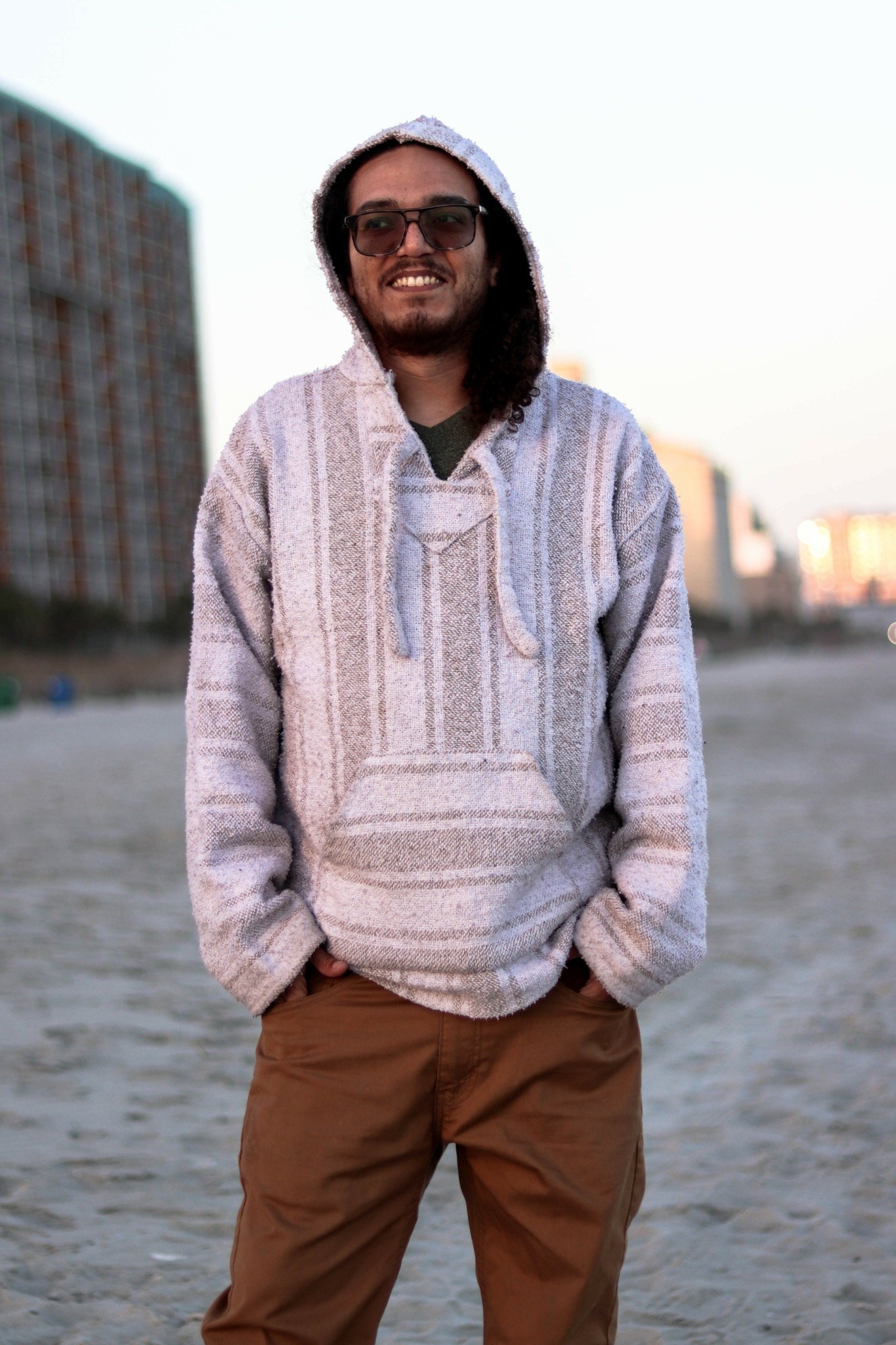
I learned to do so much in the multimedia space through a mix of early exposure and a lot of self teaching. Growing up, my sisters were into music and dance, my mom filmed everything, so creativity was always in the background. My oldest sister would take me to music studios when I was younger so I was really inspired. Read More>>
Kenneth Lui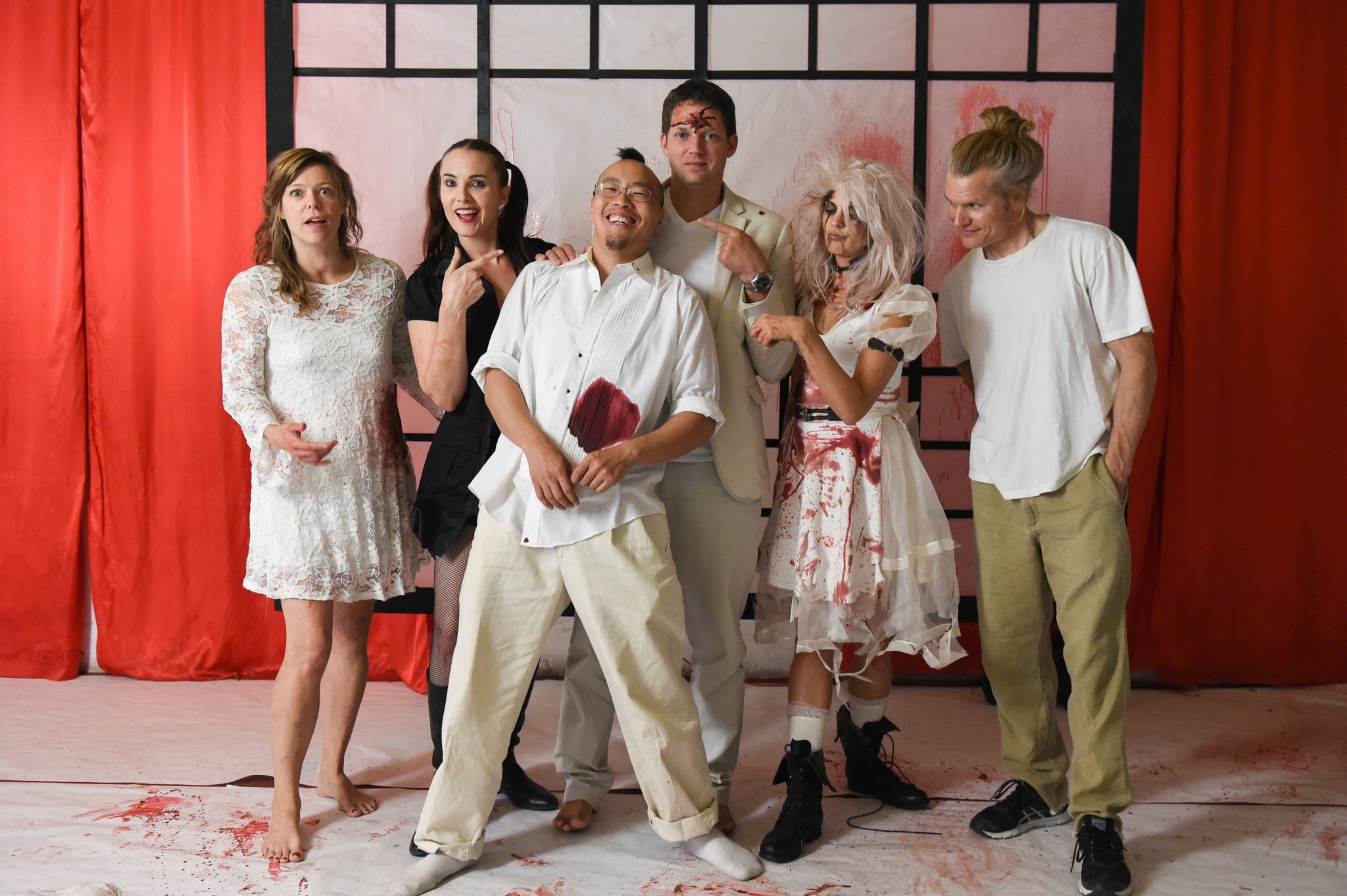
I learned to do what I do through a lot of imagination and hardwork. I collected as many ‘heroes/role models’ as I could and used their work as ‘lectures’ on their craft. I studied films and screenplays from the ones that inspired me, James Cameron, Martin Scorcese, Quentin Tarantino, Shane Black, Christopher Nolan, Ridley and Tony Scott. Read More>>
Emma Silver
I’ve been telling stories since I was a kid, whether through the secret romance novels I wrote in middle school, my acting education and experience, my sales career, or onstage doing improv, and I’ve always been a huge reader as well. But I think most importantly, I had tenacity and a willingness to fail hard. Read More>>
Daniel Alavi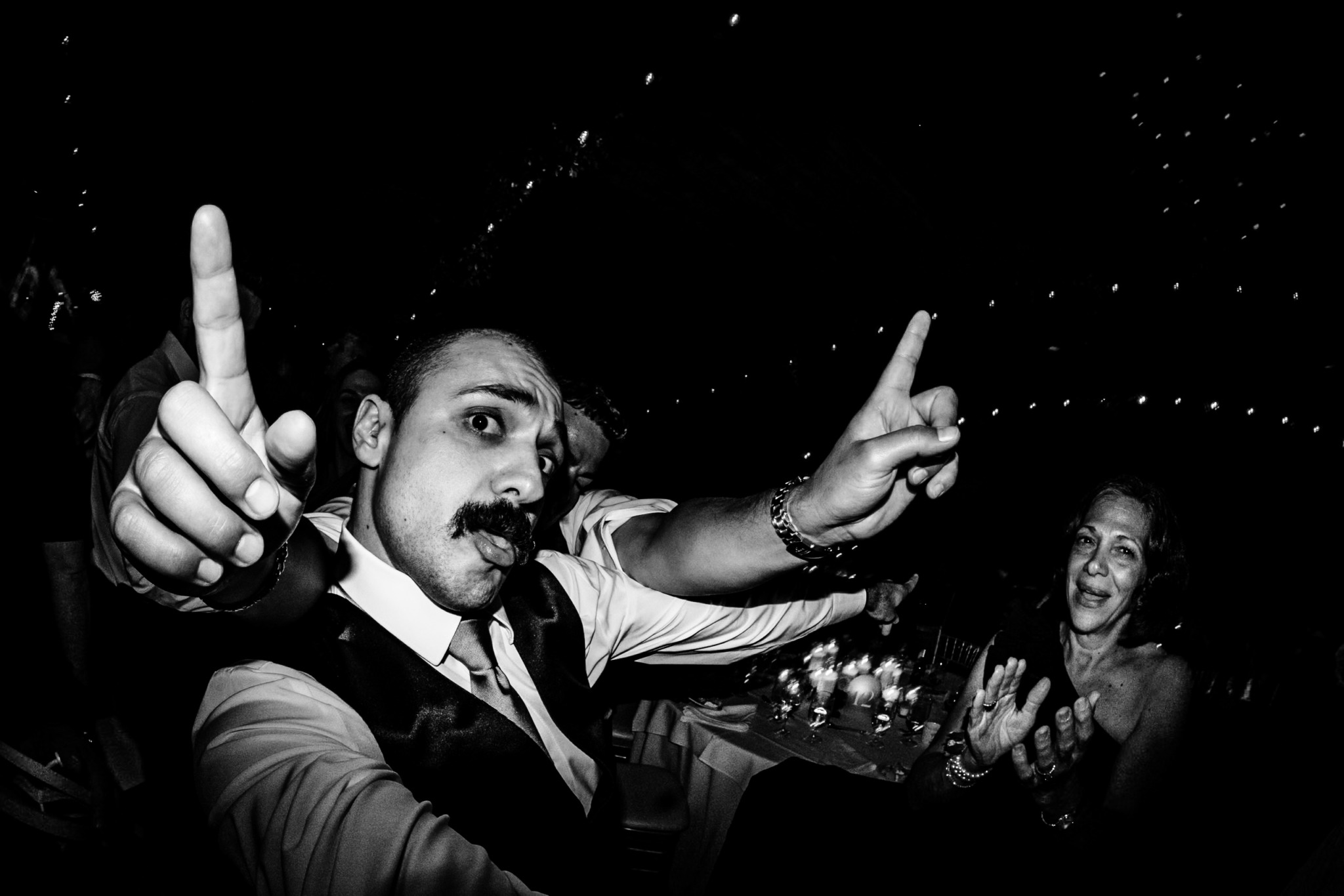
I had always kinda wanted to do photography. I started it as a hobby after finding a bunch of Pentax K1000 and a bunch of gear for it at a local thrift store, got it for a steal too. After that I watched as many YouTube videos about photography and using film cameras as I could find. Read More>>
séraphine ……
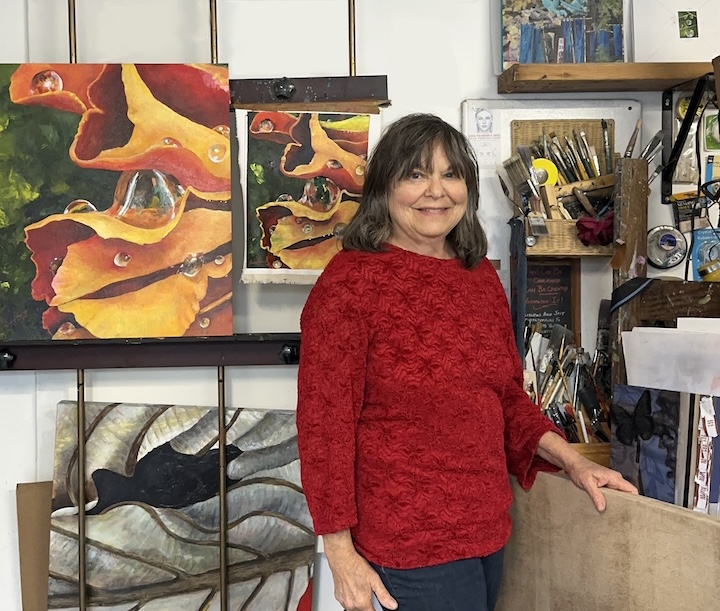
During my freshman year of high school, I initially enrolled in a drawing and painting art class but soon transitioned to the choir program, as I believed, right or wrong, I knew more than the teacher. Despite not having formal instruction, I served as the designer and painter for large stage backgrounds used in proms and theatre arts productions throughout high school. Read More>>
Lori Childers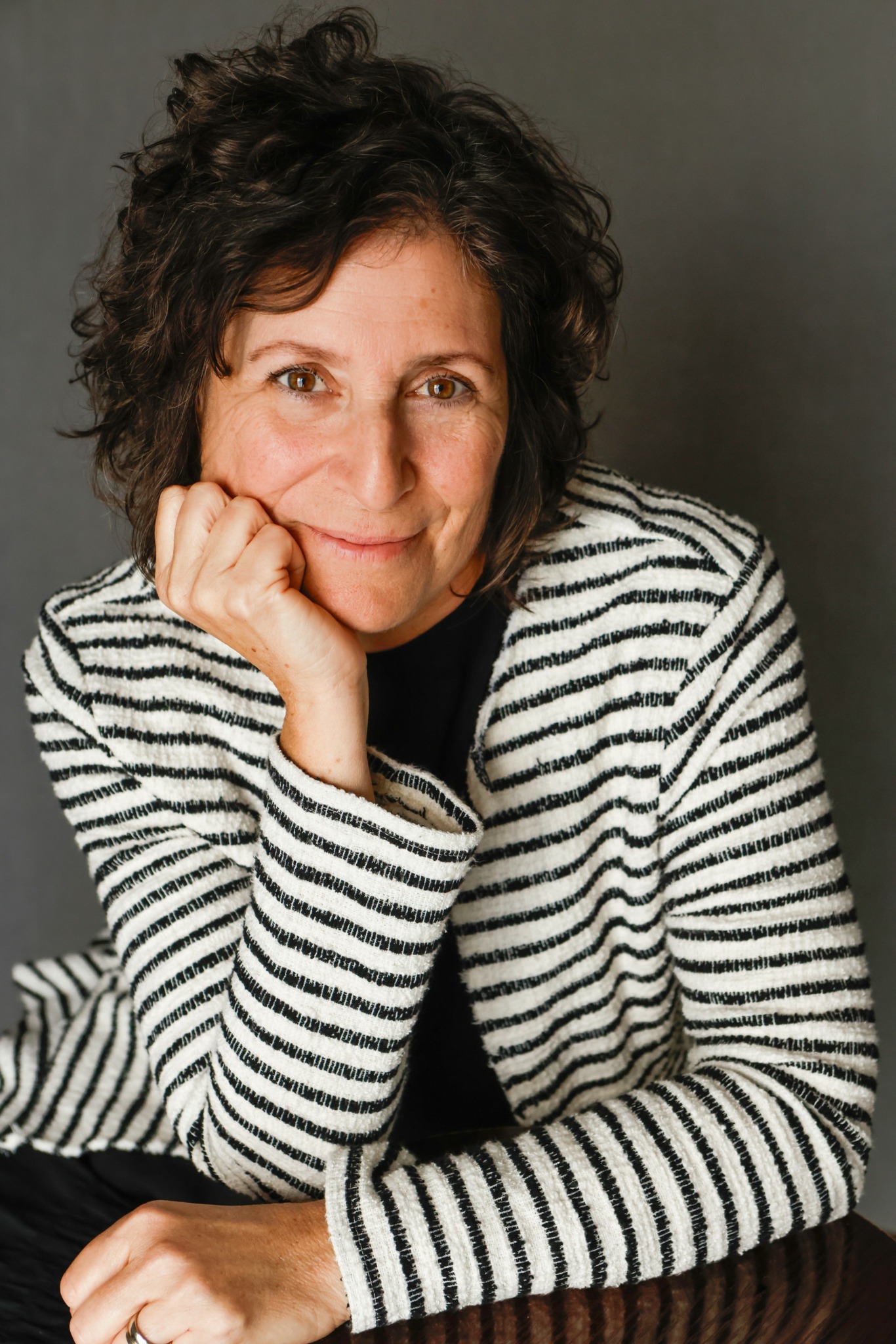
Painting takes time, a lifetime. It’s truly one of those long-game pursuits, with threads that lead you back to yourself, over and over again. I was interested in art and creative projects early, but I found myself looking over others’ shoulders. Read More>>
Oona Schreur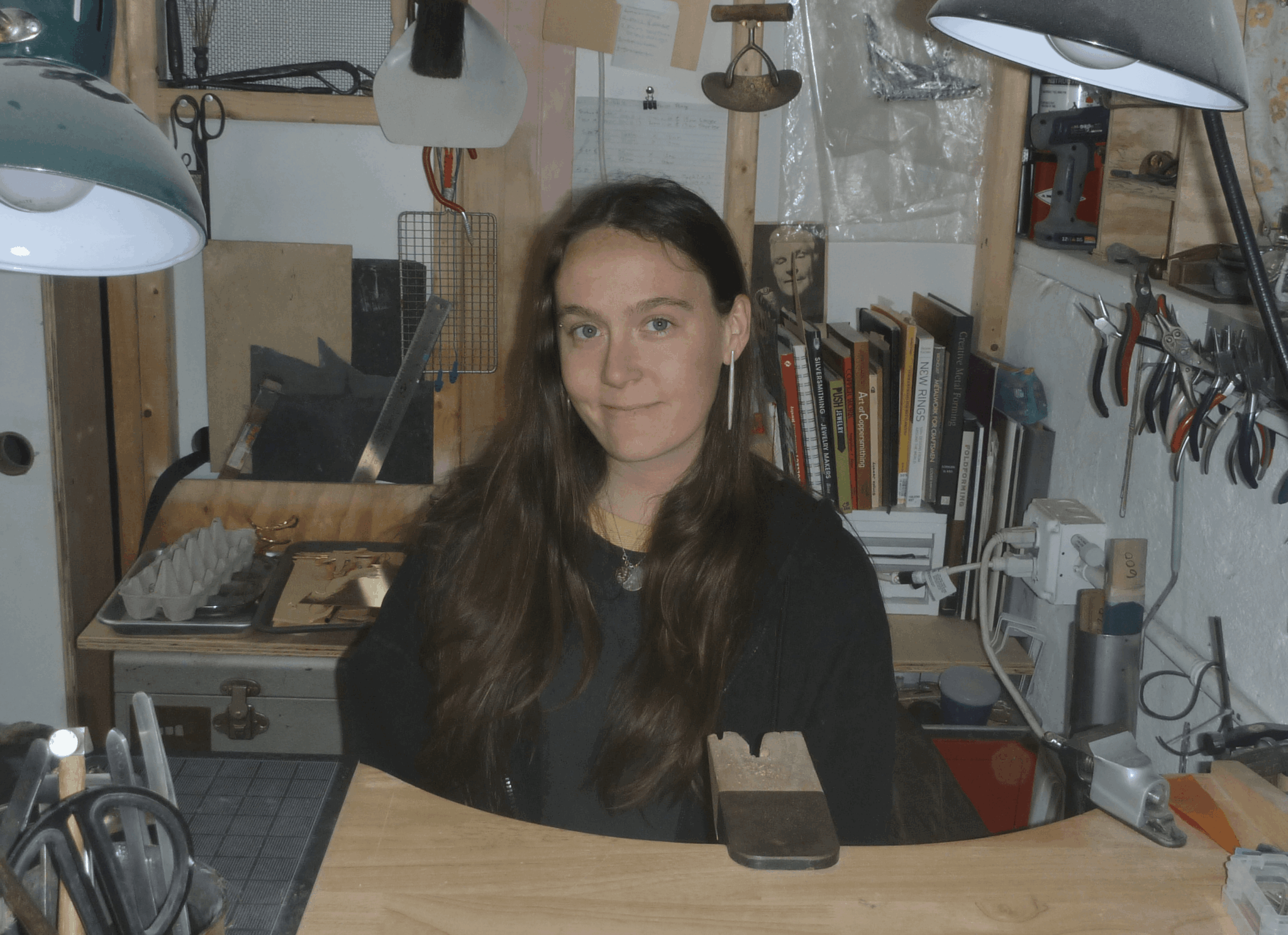
I have a BFA in Craft / Material studies from Virginia Commonwealth University. And although I have a degree I am always learning and searching. In undergrad I took an intro to Metalsmithing class without any prior experience and became infatuated. I have always liked sketching and creating patterns, Im attracted to lines negative space. Read More>>
Felicia Sumsion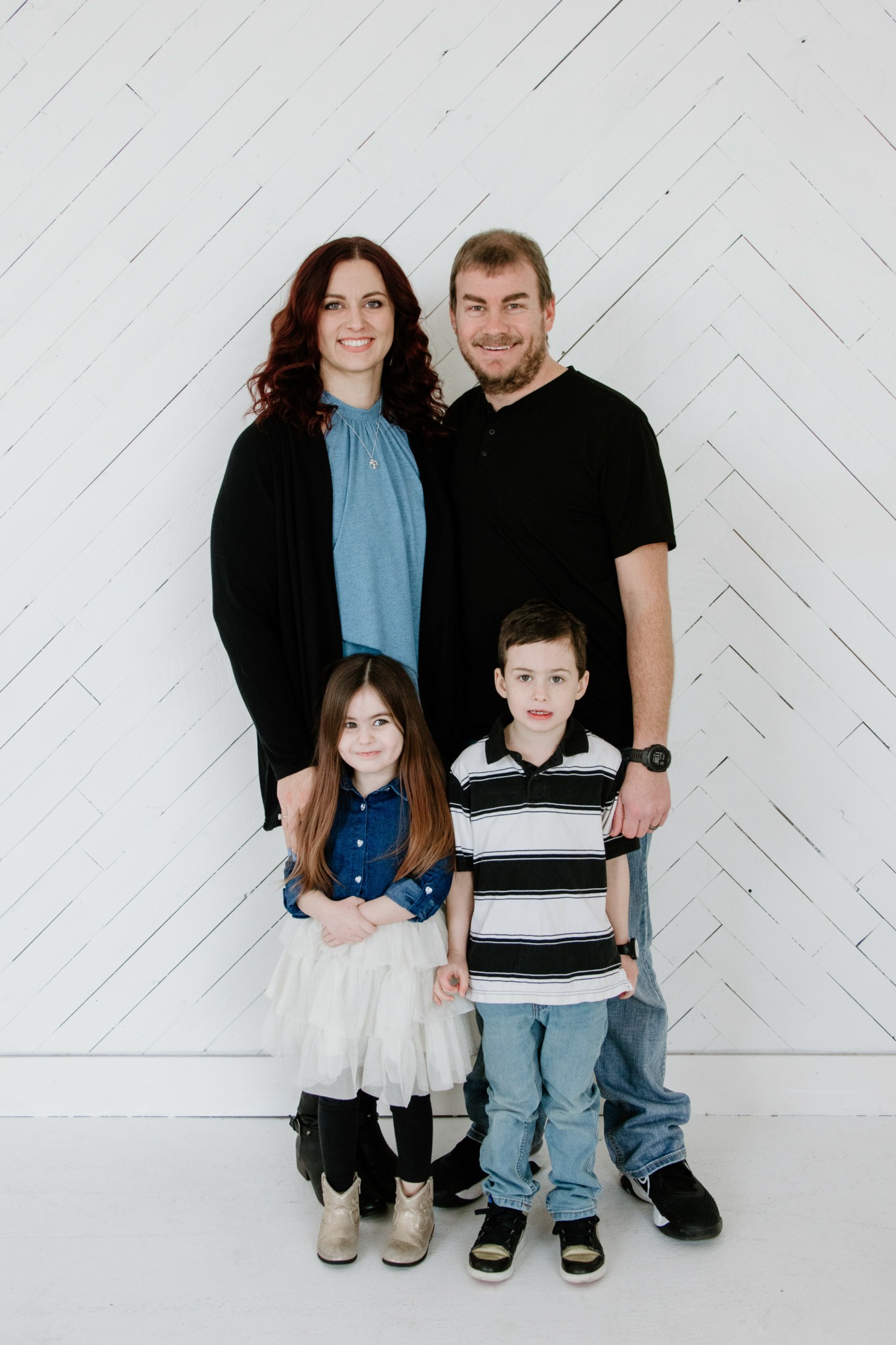
I started teaching myself how to decorate cakes because I wanted to make fun birthday cakes for my two kids. I didn’t know what I was doing, but I always had fun making cakes for birthdays. Read More>>
Mercedes Chircop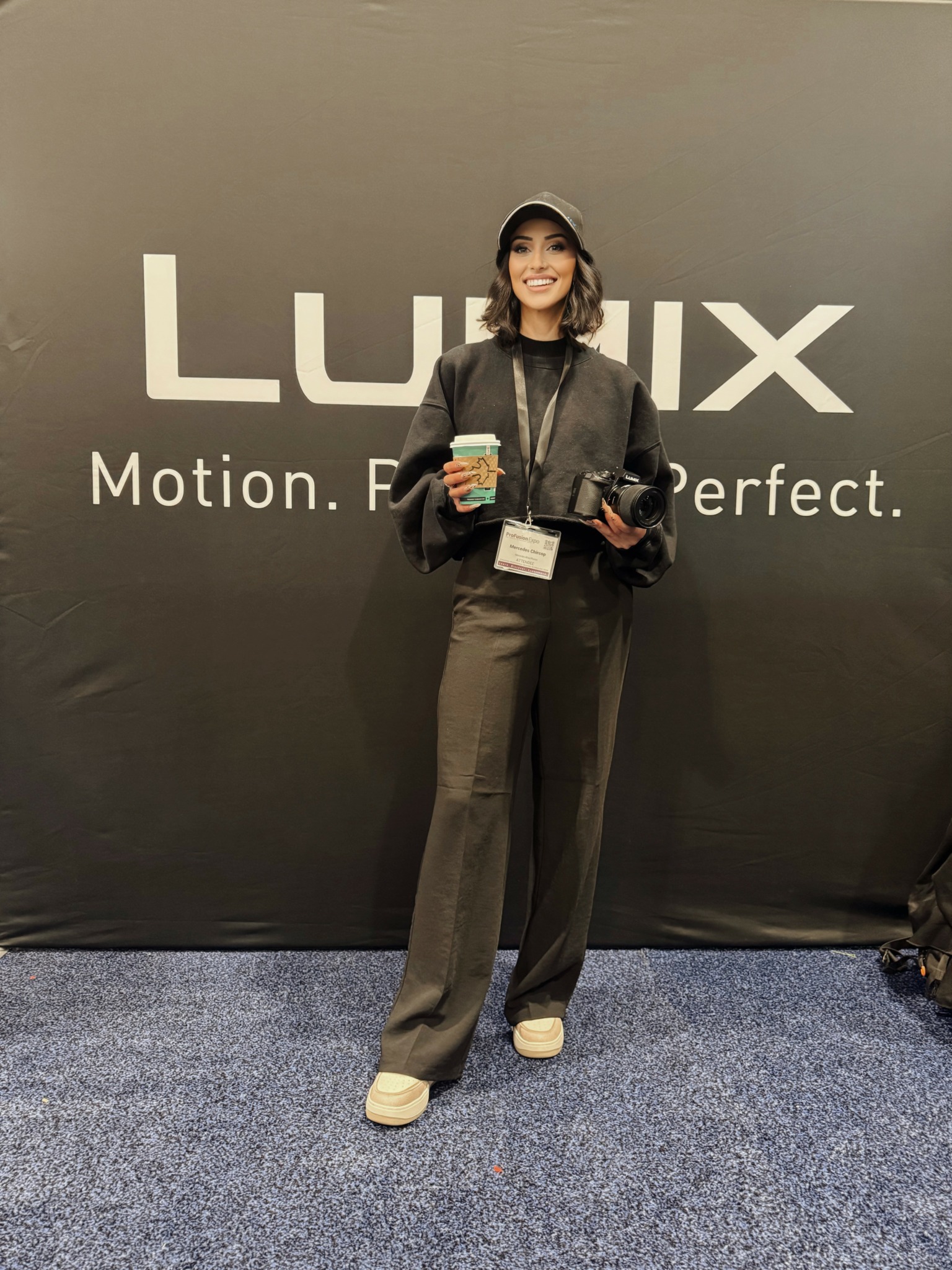
Believe it or not I’m self taught. I didn’t have anyone telling me what or how to do something unless I went to Youtube and watched a handful of videos on a new skill technique. Most of my days were spent learning how to edit and properly compose a photo. Read More>>
K Banks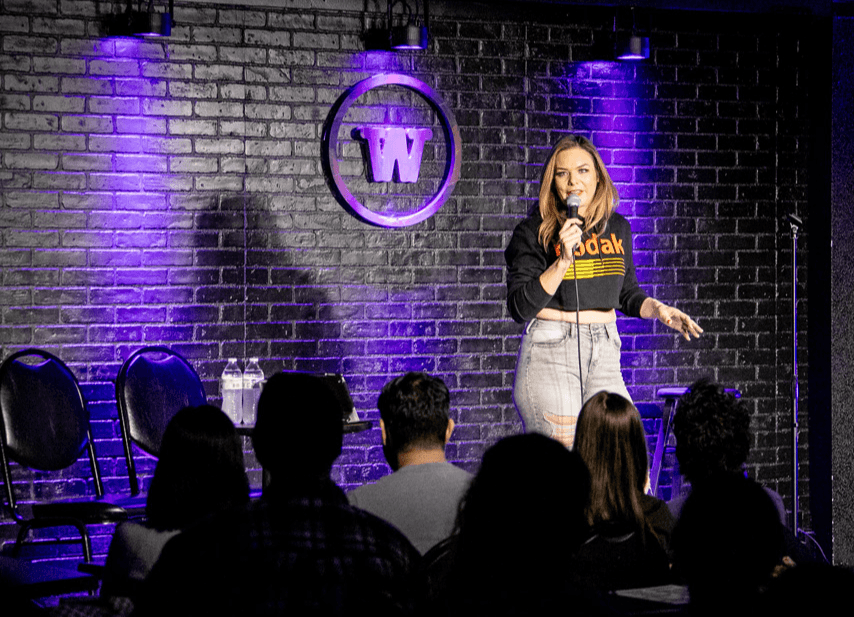
Learning anything first requires wanting to be bad at it. While I was recommended books and mentorship – the homework was all mine. I knew the first couple of years would be the hardest. Yet with a healthy dose of consistency, determination, and listening to feedback, I became a sponge in order to become the stitched together Frankenstein of good habits. Read More>>
Allen Linsey
I used the base audio knowledge I learned in College and Adapted that Theory to Production Audio. Finding A mentor Sooner rather than later would have helped me progress much faster. Being able to take other people’s advice and concerns into consideration Is a great skill to have. Money is definitely something that stands in the way of audio education. Read More>>
Scott Martinez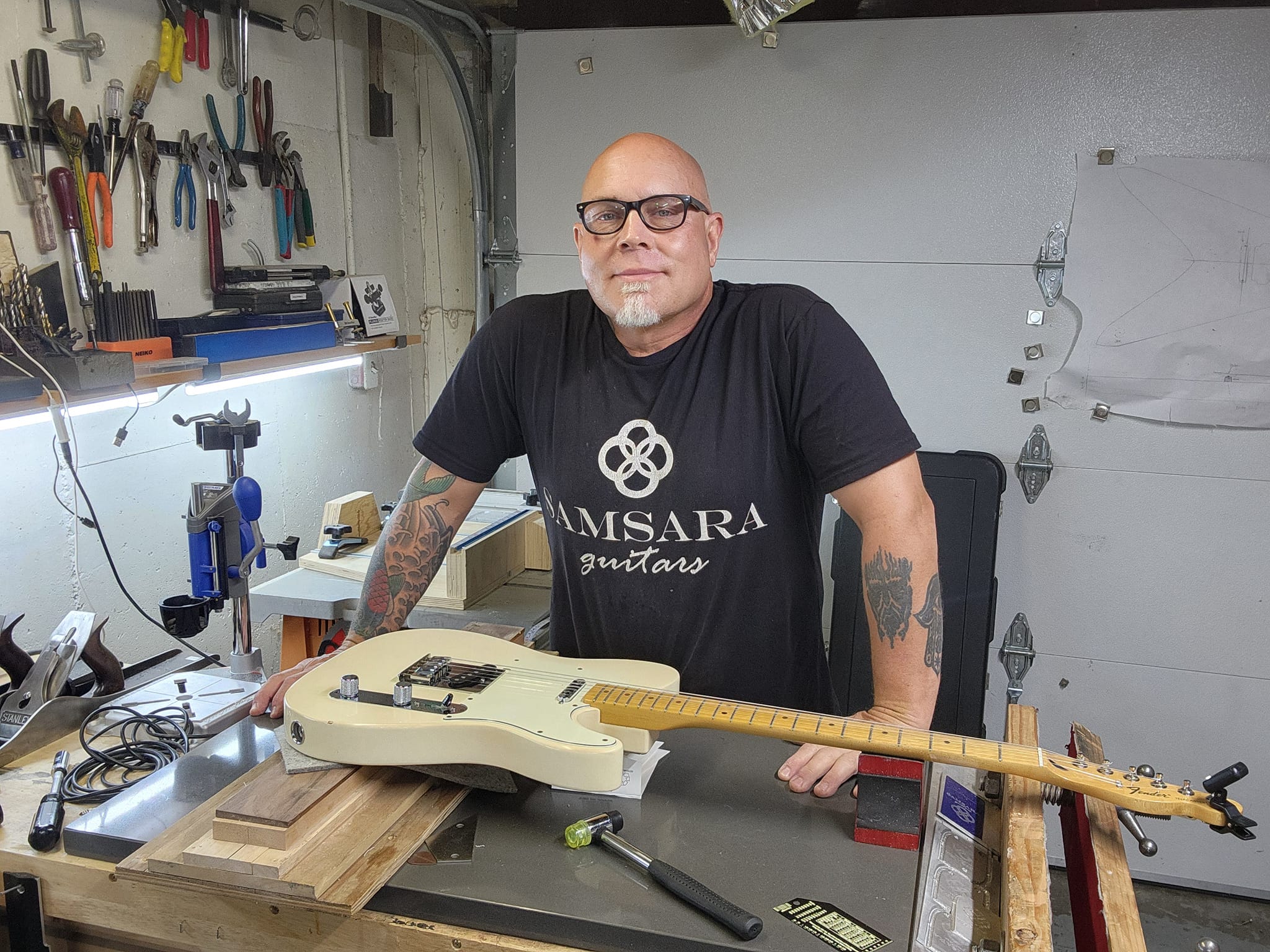
I’ve always wanted to get more involved in woodworking, and have in the past mostly stuck to carpentry – building things for my homestead and home remodeling. As a musician, guitars are close to my heart and I decided to try and start making them. Youtube is a great instructor, but making sawdust and messing things up is the best teacher! Read More>>
V.M. Marlowe
Writing creatively is something that I’ve done for a long time, but something really clicked after taking a few graduate courses and participating in learning opportunities with various organizations and authors. It’s often said that good readers are good writers, and I do think there’s some truth to that. Read More>>
Myriam Cavalli
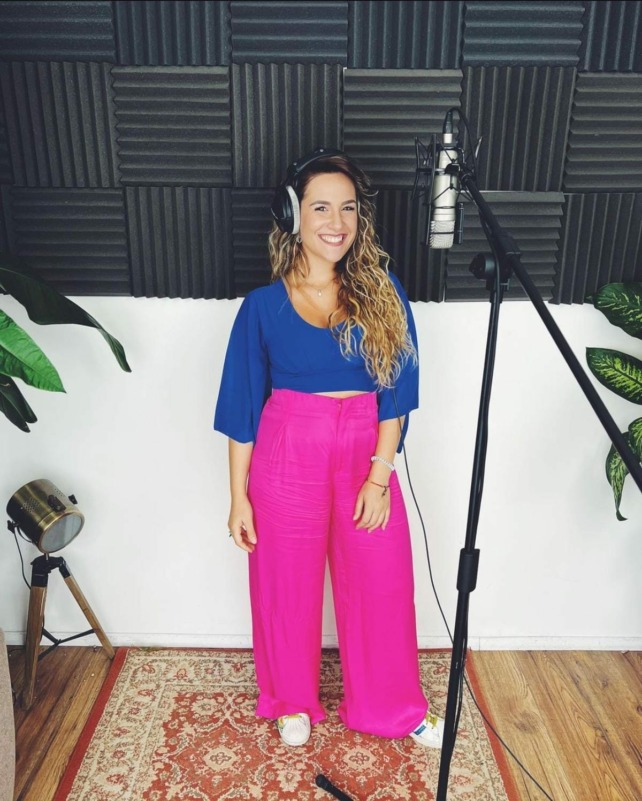
Personal experience, development and self-discipline were essential in my case. As a Vocal Coach and Performer, I have responsibilities towards my students.They see me as an example of what they’d like to be or to do. I am a partial living proof that their dreams can come true. Read More>>