

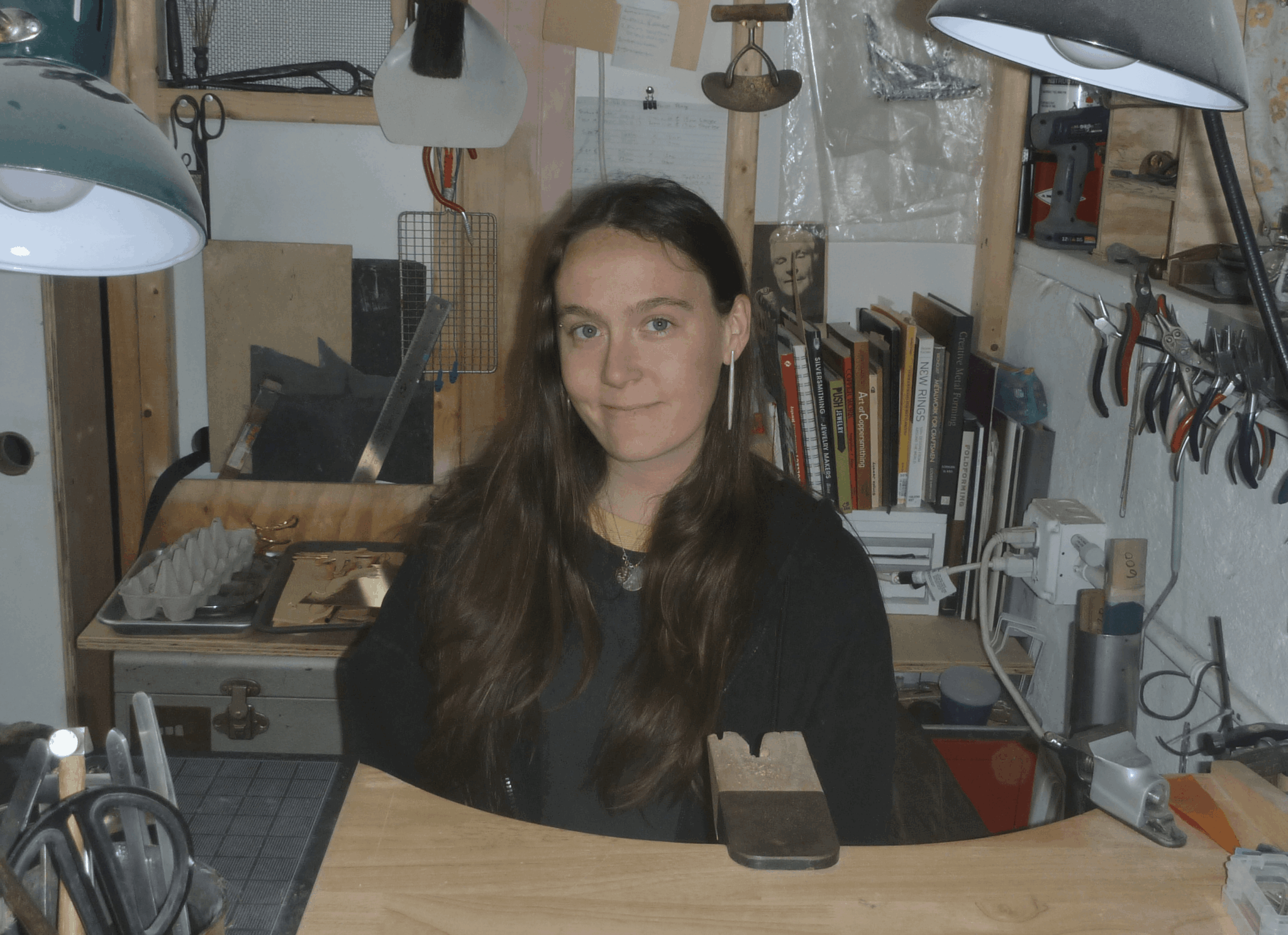

We were lucky to catch up with Oona Schreur recently and have shared our conversation below.
Oona, looking forward to hearing all of your stories today. How did you learn to do what you do? Knowing what you know now, what could you have done to speed up your learning process? What skills do you think were most essential? What obstacles stood in the way of learning more?
I have a BFA in Craft / Material Studies from Virginia Commonwealth University. And although I have a degree, I am always learning and searching. In undergrad, I took an intro to Metalsmithing class without any prior experience and became infatuated. I have always liked sketching and creating patterns. I’m attracted to lines and negative space. These interests translated very well into working with metals; the process is often a pattern in doing the same steps many times and exploring what the negative space of a 3D object can create.
Most making involves math and measuring; you need to know dimensions and sizes to see if it will work or fit your project. I, like many people, am really very bad at math. I have Dyscalculia, a learning disability that impairs a person’s ability to process, understand, and perform math. I have a hard time with fractions, doing equations, and reading a ruler. I have to write every single number and measurement down, often writing three-fourths instead of 3/4.
The intro class in metals was incredibly daunting for me. My first class introduced a ruler with millimeters, a measurement used to provide the precision needed for small-scale working. This made so much sense to me, and I was able to understand with more ease. I loved making (not often exact) models of what I was going to create while also allowing my artistic and internal dialogue to show in the product. I have created a way of working that uses some numbers in combination with lots of sketches, models, templates, and happenstance. I encourage happenstance in my practice. I am not a mathematical maker, but I think that’s appreciated by people who invest in my work and who work with me; making anything is always a process of growing and learning.
I focused on metalsmithing in undergrad, took every class I could, and actively absorbed all the information and techniques. I think a large part of learning is curiosity, and I was, and still am, so curious.
As I’ve recently started to learn blacksmithing, I’ve been presented with the challenge of scaling up my work. Instead of working in 3, 20, or one hundred twenty millimeters, I am contemplating and creating pieces that are 5 (five) feet tall by 4 (four) feet wide. For this, I am trying to use whole numbers only and MM for smaller details or in lieu of fractions. I am also using everything I’ve learned from working in small metals and applying it to different metals and on a larger scale.
One day, I hope to teach a class with no (or very little) math to show how engaging and creative it can be while also encouraging makers who are math-averse. I would also love to make a custom ruler to visually explain how I’m thinking… and for myself to use.
Oona, love having you share your insights with us. Before we ask you more questions, maybe you can take a moment to introduce yourself to our readers who might have missed our earlier conversations?
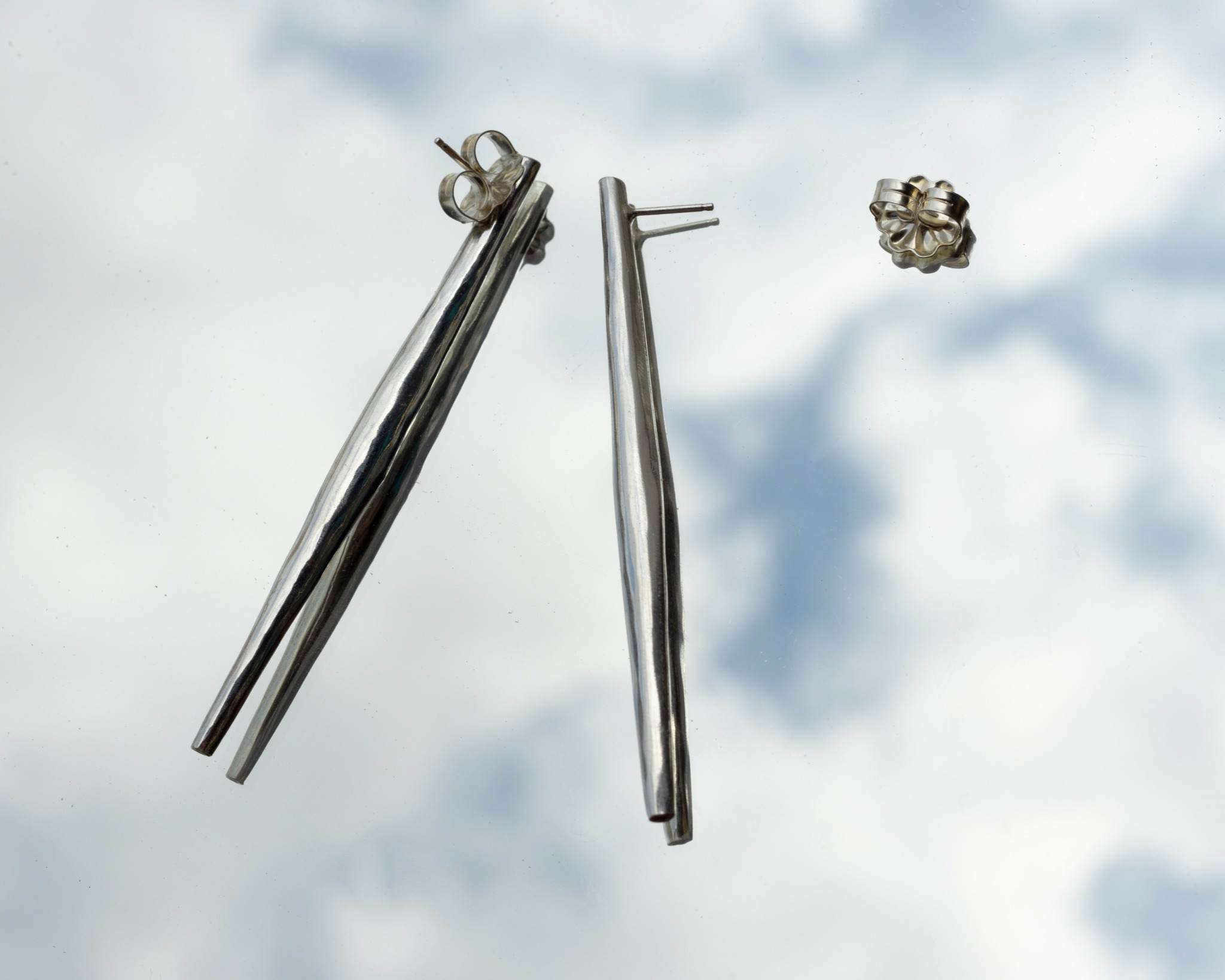
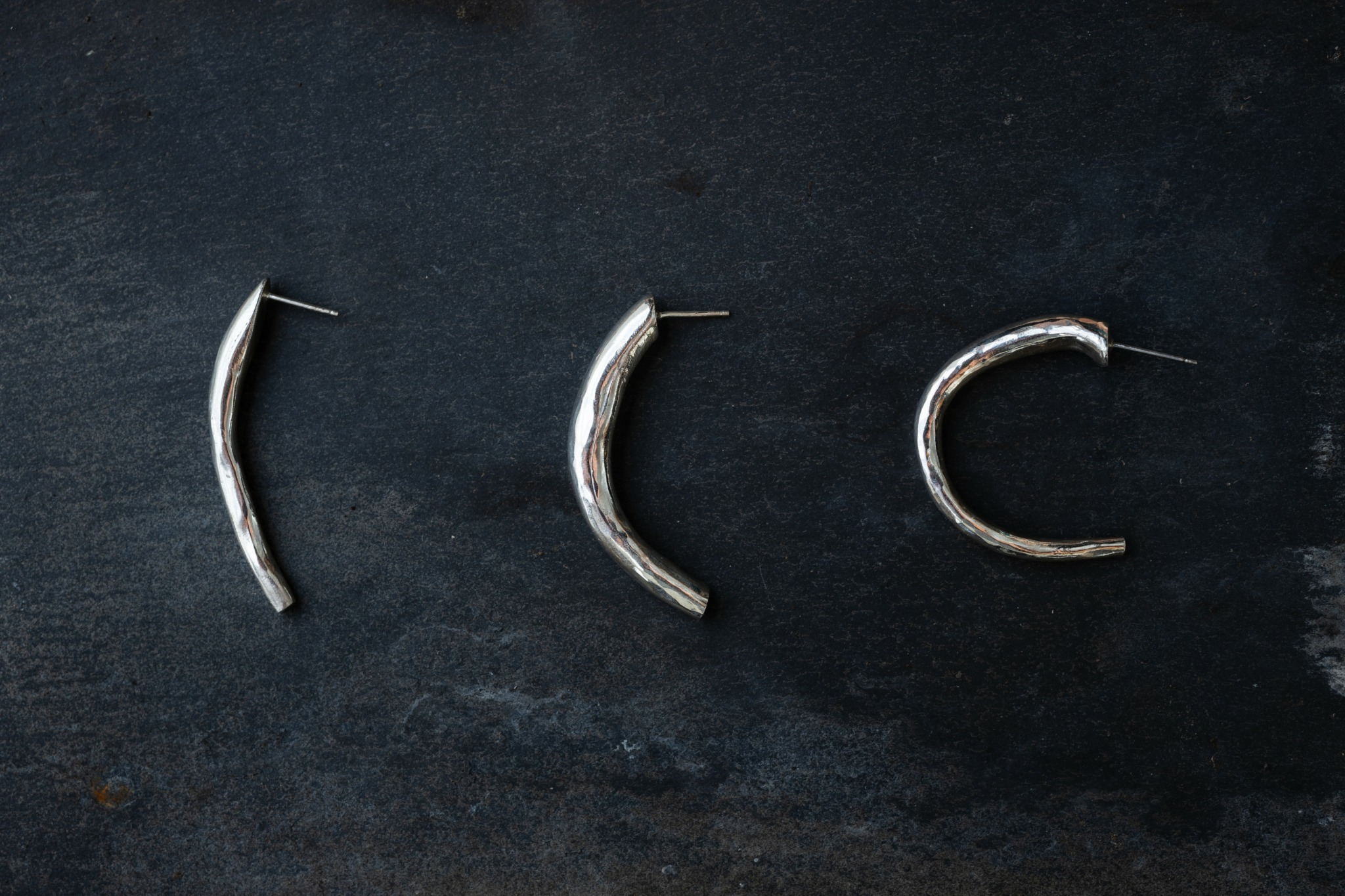
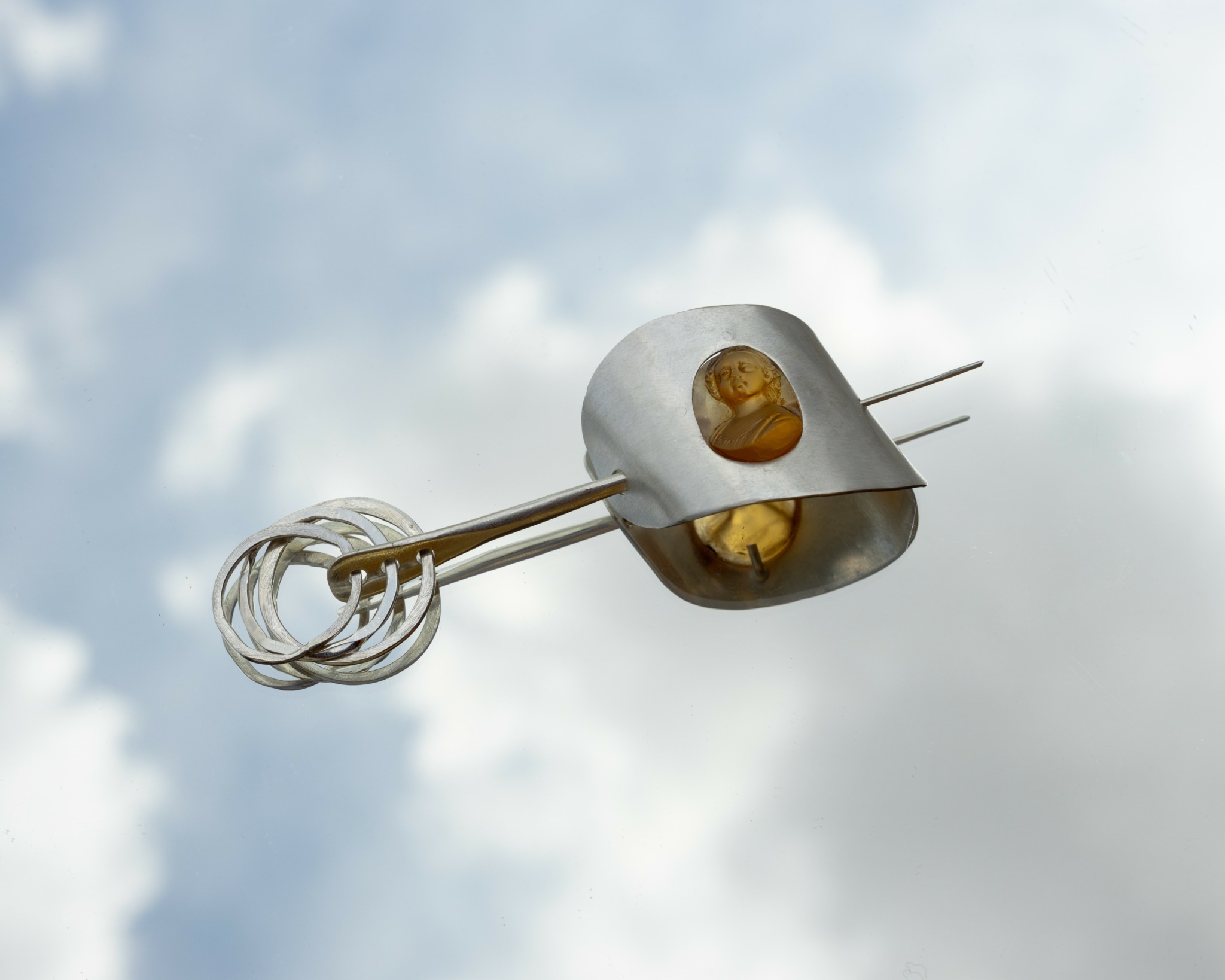
My name is Oona Schreur (Skur), and I am a metalsmith and maker currently living and working in Richmond, VA. I am 26 years old and, in some ways, just starting out. The beginning has been exciting and daunting. My journey into making started by creating conceptual sculptural objects while also forging bodies of work focused on form and function. These two anchor points heavily influence the jewelry collections I sell. My wearable objects are organic and eye-catching, often asymmetrical and unique. I create one-of-a-kind pieces with a few staple repeatable pieces in my collections. Sustainability and ethical practices are at the center of my making process, often using scraps or disassembled secondhand jewelry in innovative ways for one-of-a-kind pieces.
In addition to my studio practice, I work with a non-profit called Radical Jewelry Makeover (RJM) as their archival manager. We are a sustainability project focusing on mining our (communities’) collective jewelry boxes instead of the earth to make new Madeover pieces of jewelry. If you are curious about RJM’s work or want to donate, I urge you to check out our website. My work with RJM and my personal practice allow me to approach problems with a unique perspective and toolbox.
I think now more than ever it’s important to slow down in our consumption and address what the Anthropocene already has. For example, I am currently working on refinishing/reviving a community member’s bench anvils instead of buying brand new. I am also working on an heirloom project with a family by taking a family ring and making multiple pieces to be worn by members of this family.
As I continue to learn and work, I am adding blacksmithing into my practice, focusing on adorning the spaces we exist in. This is a really exciting addition that I am passionately pursuing. My education in non-ferrous metalsmithing has prepared me well for working with ferrous metals. In jewelry, I have a practice that involves forming with a hammer, focusing on techniques like synclastic and anticlastic raising to create hollow-formed shapes. When learning blacksmithing, I have found the forging hammer to feel very second nature in my hand, allowing for control and precision in my hammer blows. I often begin with a plan that grows and changes as I work on it, allowing for happenstance and communication along the way.
What’s the most rewarding aspect of being a creative in your experience?
It is so rewarding to see the joy and confidence imbued in the people who wear the jewelry my peers or I have made. It is so rewarding to create something with your hands that is then purchased by someone’s hands and worn on the body. No robots or data centers involved; it is personal. It builds community and connections. The humanness of my jobs and creative community will never not be rewarding.
Are there any books, videos or other content that you feel have meaningfully impacted your thinking?
I have always had pretty strong values and beliefs, but I am also eager for new ideas. I think it’s important to decide what you take with you and what you leave, realizing you don’t have to hold it all the time. That being said, I find resources all around me all the time that impact my thinking and philosophy.
I enjoy reading fiction and have recently been loving Solvej Balle and her series On the Calculation of Volume. Balle’s series dissects time and the lack of it, reminding me to take a breath and continue. I listen to a lot of music and often recall lyrics when I work. There is also a Sylvia Plath analogy from her novel The Bell Jar about a fig tree that I often think about when making big or daunting decisions.
One of the largest resources that impacts my thinking is my community members, my participation with non-degree-seeking education spaces, or more simply, my conversations and connections. I’ve learned most people have something to say or to teach. I learn so much about myself and my practice by listening and witnessing others. I try to go to every artist talk I can and am often enthusiastic to barter with other creatives to learn from them.
I was also recently given a book with hundreds of tax write-offs for self-employed individuals, which has been very helpful and informative.
Contact Info:
- Website: https://oonas.art
- Instagram: @oonaschreur
- Facebook: Oona Schreur
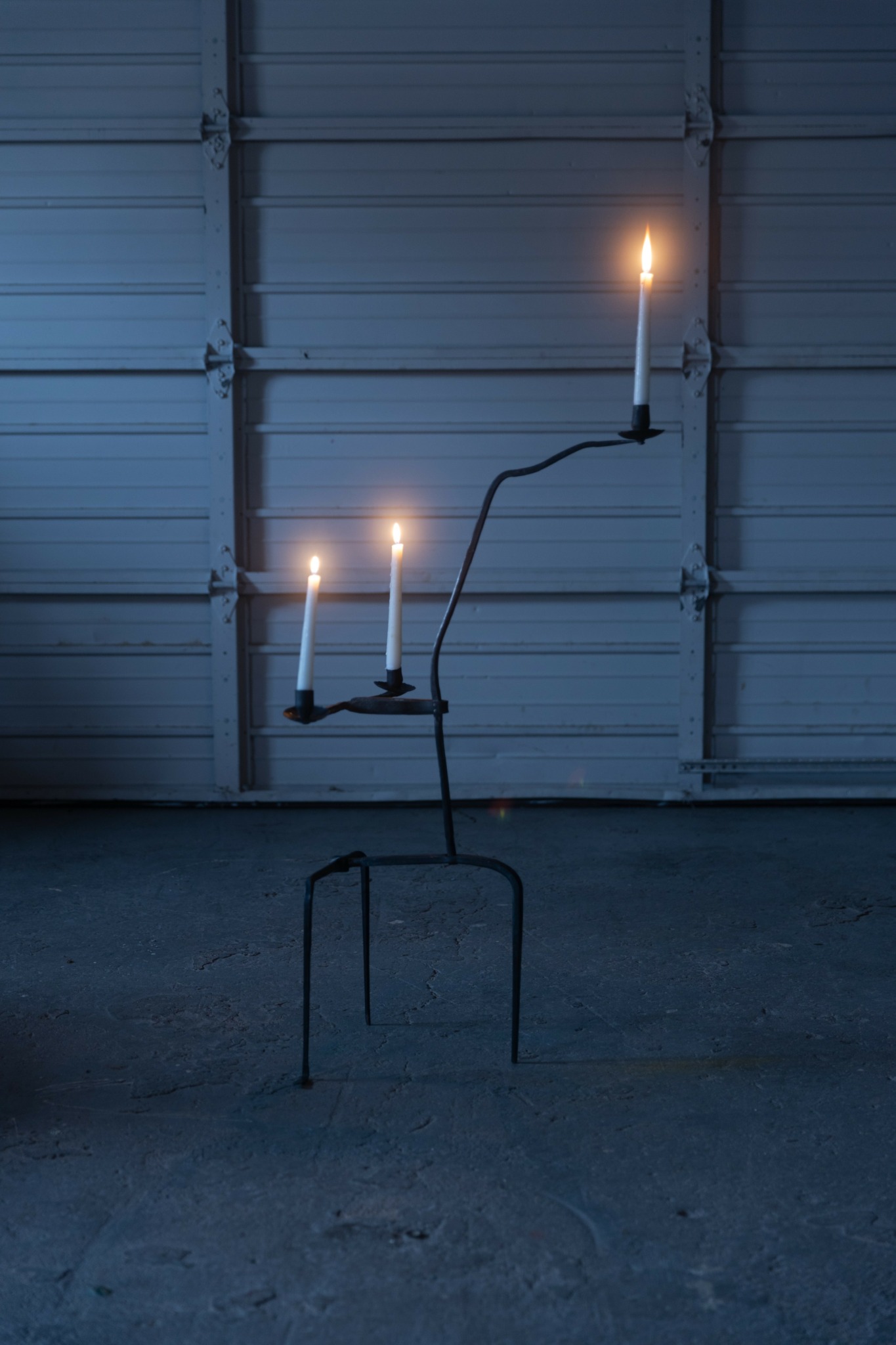
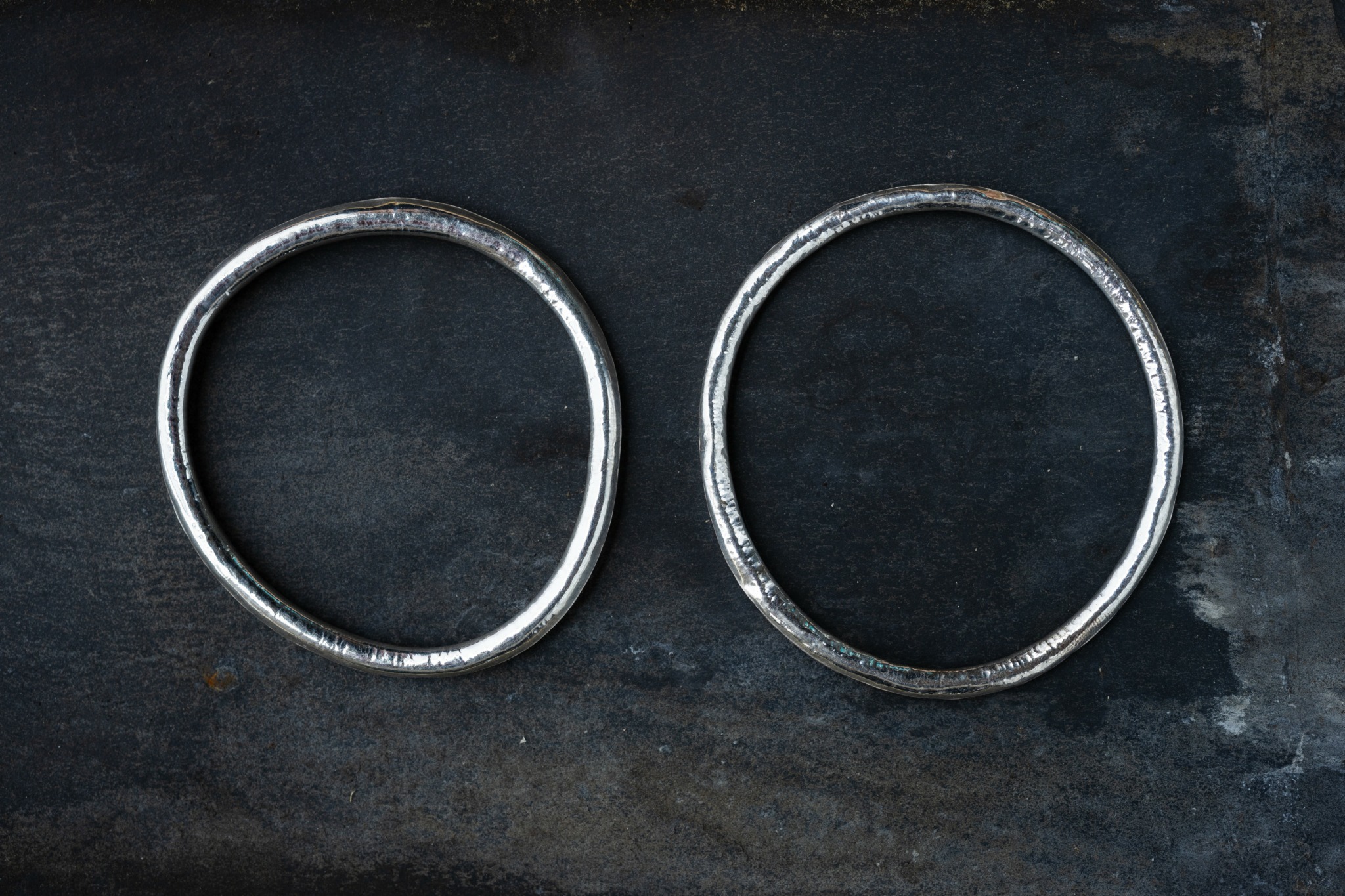
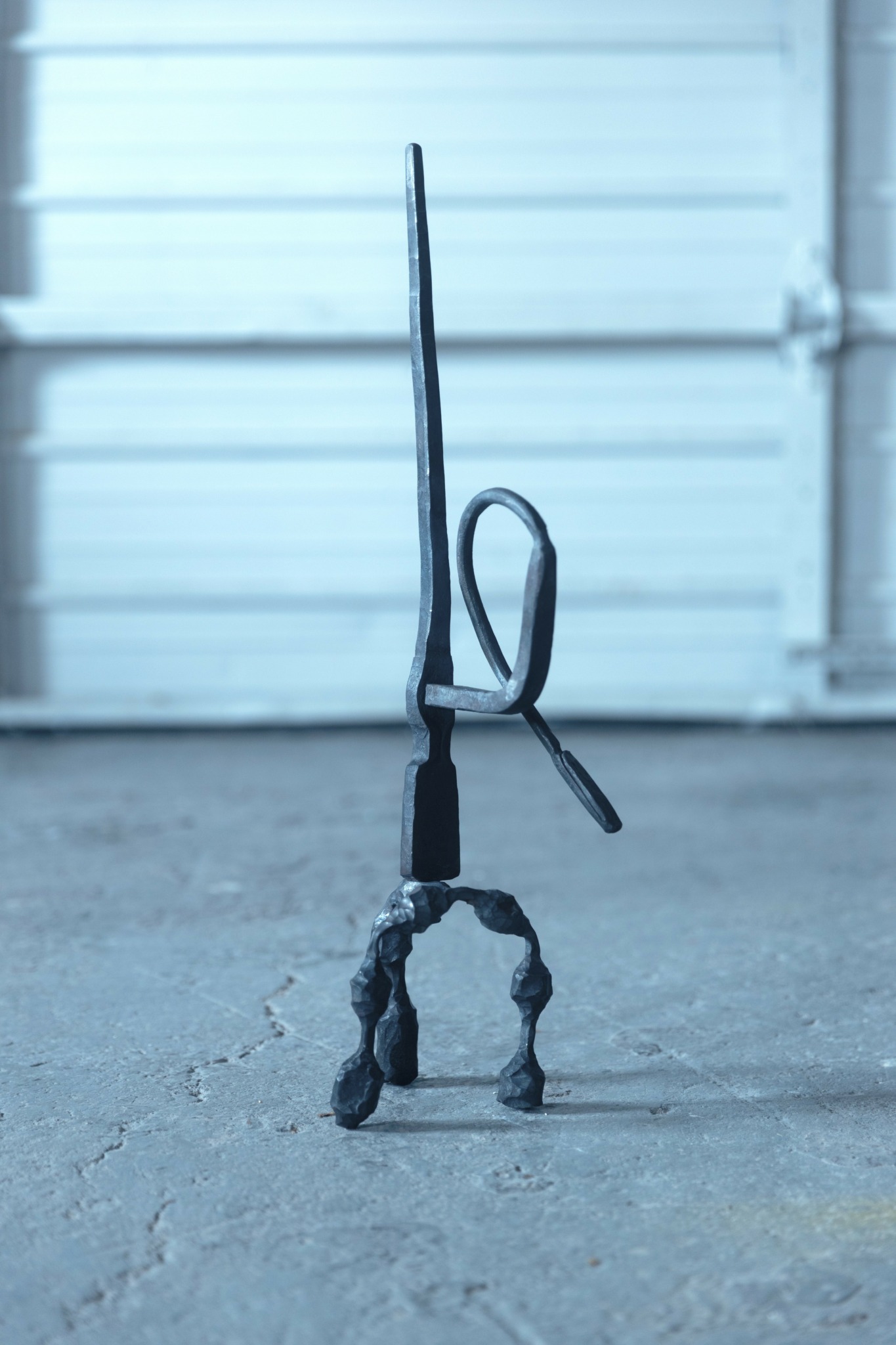
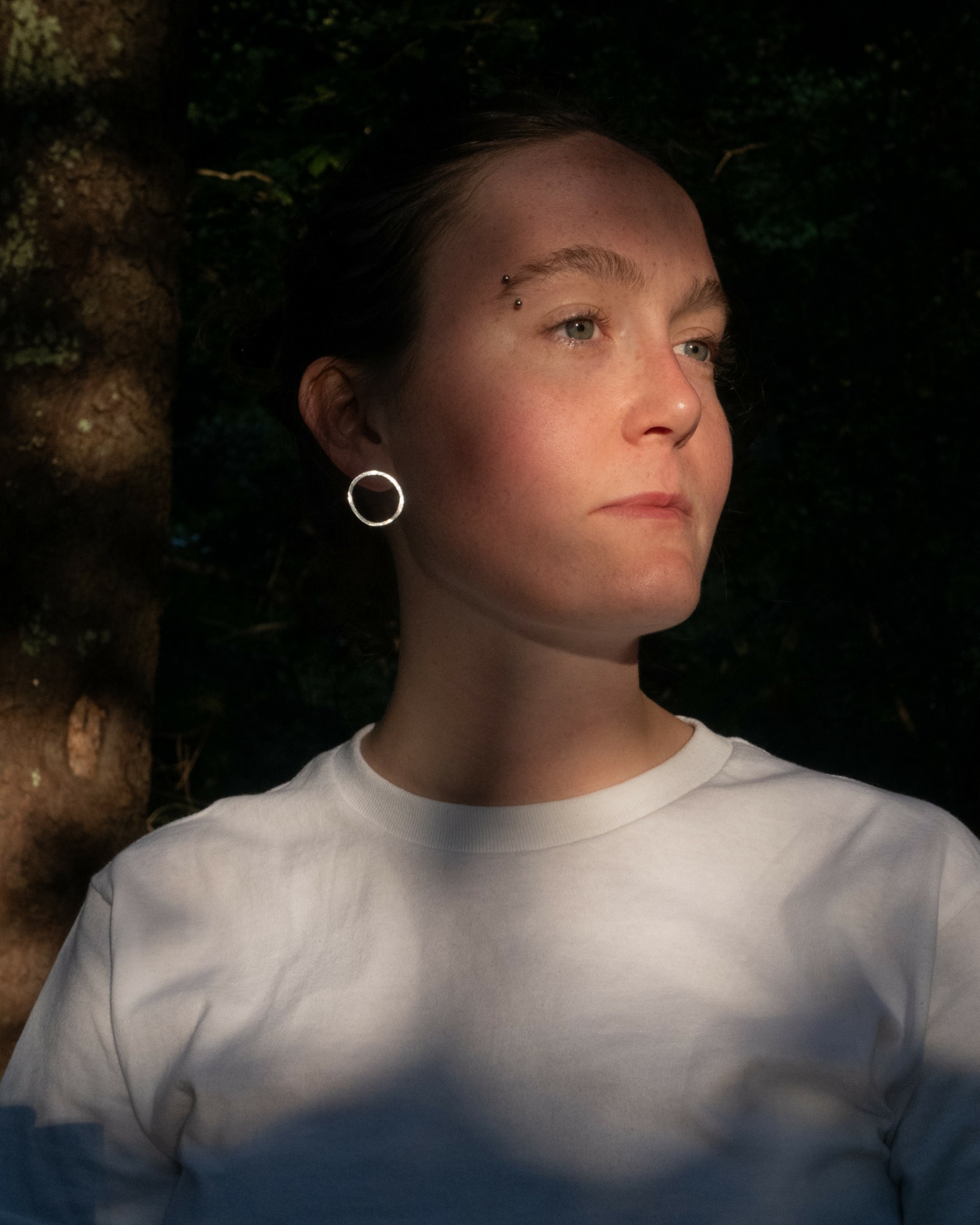
Image Credits
Oliver Mukherjee