

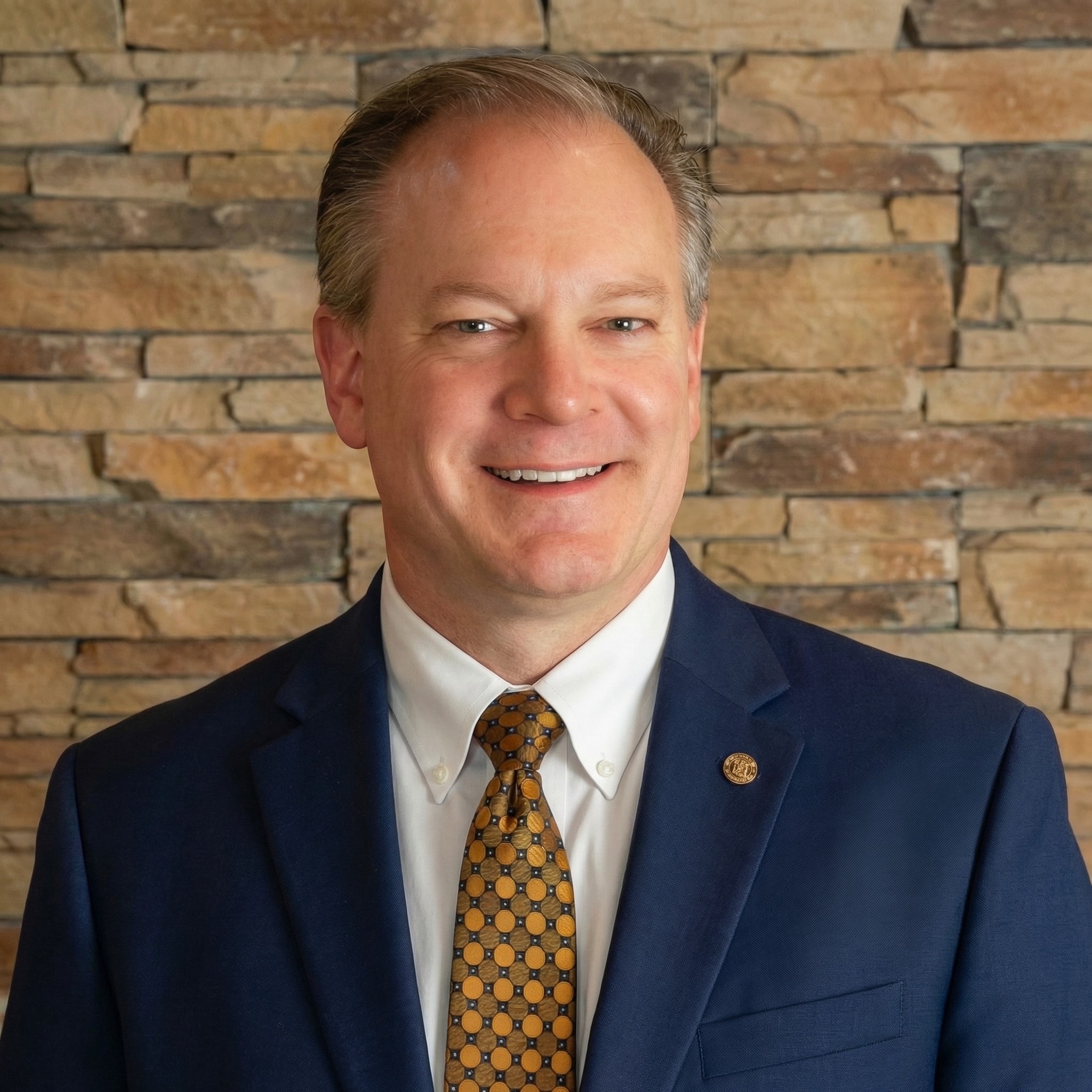

We’re excited to introduce you to the always interesting and insightful Michael Hawker. We hope you’ll enjoy our conversation with Michael below.
Alright, Michael thanks for taking the time to share your stories and insights with us today. Let’s go back in time to when you were an intern or apprentice – what’s an interesting story you can share from that stage of your career?
In 2003, I launched my firm, Zoetic Architecture & Design, shortly after earning my architect’s license. Soon after, I created Zoetic Arts to handle art glass and graphics commissions, and within another year formed a third company focused on construction management.
I likely would not have had the courage to launch these ventures without the mentors who guided me in earlier years.
While I would rank will and perseverance as essential ingredients for starting and sustaining a business, the third most important ingredient is mentorship. I have been fortunate to have several mentors who helped shape my journey. Without them, I likely would not be in a position to interview you today.
My mentors did not truly enter my life until after college. During school, one professor stood out: Kevin Hinders, with whom I studied in a design studio. I often felt I did my best work under his guidance. At the time, however, I never thought of professors as mentors. Most pass briefly through a student’s life, though architecture studios do create longer relationships because of the intensive hours students spend working together. Despite Kevin’s encouragement, my first true mentor would come after graduation.
In 1992, I wanted to transform my modest college portfolio into a more comprehensive and professional presentation. At the time I was working two jobs—one at a large architectural-engineering design-build firm and another evenings and weekends at a department store. A colleague there introduced me to his partner, O. Dan Smith, president of Meridian Integrated Media.
O. Dan—who preferred to be called that—was twenty years my senior and deeply experienced in project management, strategic marketing, team leadership, creative technologies, and both digital and analog media production. His firm handled a wide range of projects, including graphic design, sheet music publishing, video kiosk programming, and furniture catalogs. After reviewing my work, he helped conceptualize an entirely new portfolio.
O. Dan loved cooking, spoke with a southern Arkansas drawl, and had a playful sense of humor. We quickly became friends. In exchange for the portfolio work, I interned at Meridian, assisting on a variety of projects. The experience was immensely educational. We often worked late into the night—sometimes until four in the morning—especially on weekends. Our mentorship lasted several years, eventually tapering off when I left for graduate school.
Graduate school introduced my next mentor: David Dodge, a gifted architect and composer who lived and worked within the Taliesin Fellowship, the educational community founded by Frank Lloyd Wright. David served as a Senior Apprentice, teaching within the Frank Lloyd Wright School of Architecture.
Taliesin’s program was entirely hands-on—no grades, exams, or conventional classes. Students, called apprentices, worked on real architectural projects, construction tasks across the property, and community life within the Fellowship. Winters were spent in Scottsdale, Arizona, and summers at Taliesin in Spring Green, Wisconsin.
David was as remarkable as the program itself. Brilliant and theatrical, ideas flowed from him like notes from a symphony. What made him a great mentor was his generosity in sharing knowledge. He taught naturally, often illustrating ideas through stories about Frank Lloyd Wright, with whom he had worked since the 1950s.
David also designed his own home, Poppyfield, an extraordinary example of Organic architecture located behind Taliesin West. During my time there it was still under construction, making it a powerful teaching tool. David and his wife often hosted gatherings for apprentices at the house.
One highlight of my time with David was a private tour he organized for several apprentices at the Guggenheim Museum in New York. His insights into Wright’s design far exceeded anything a typical tour guide could provide. Our friendship continued long after I left Taliesin, lasting until his passing on December 30, 2021.
I completed my graduate studies in 1998 at Lawrence Technological University. Two additional architects then played an important role in my development: Gunnar Birkerts, in whose firm I worked in Birmingham, Michigan, and Douglas Cardinal, with whom I studied in a Master Class at Lawrence Tech. Following that course, I worked on a project in Cardinal’s Washington, D.C. office.
Both architects were internationally recognized—widely published, highly awarded, and influential in the profession. Along with my experience at Taliesin, they formed a powerful triad of creative influence. I often describe this as learning a philosophical “language” of architecture. Each mentor spoke a different dialect of that language, and together they strengthened my thinking as a designer.
Birkerts and Cardinal each emphasized creative process rather than simply focusing on results. From Birkerts I learned a European interpretation of Organic architecture influenced by architects such as Alvar Aalto and Eliel Saarinen. Cardinal, who is Métis and Blackfoot, approached architecture through a worldview deeply rooted in Native traditions, where design is spiritual and closely tied to nature. Both perspectives broadened my understanding of how creativity can emerge.
After graduating from Lawrence Tech, my work increasingly involved construction. One general contractor I worked with repeatedly became another mentor: Michael Sepe.
Sepe was larger than life—quick with humor, passionate about art and architecture, and deeply devoted to craftsmanship. A former art student, he treated construction as a creative act. He seemed to own every woodworking tool imaginable and had a solution for almost any building challenge. Unlike the adversarial relationships that sometimes exist between architects and contractors, Sepe valued collaboration and respected the architect’s vision.
With his long beard, red T-shirt, and white overalls, he was unforgettable. For a time I even worked for him as a laborer, occasionally coming home covered in soot from clearing out attics or performing demolition work. Those experiences, in addition to those project a bit cleaner—a custom cabinet or trim installation—deepened my understanding of construction and the craft behind architecture.
When I moved to Utah in 2010, distance gradually limited our contact. Sepe passed away in 2021, and there will likely never be another quite like him in my life.
What all of these mentors shared was their willingness to listen and offer honest perspective. They supported me not only as a professional but as a person. Mentors often appear when mistakes are made, helping you find your way forward. They also teach you how to ask the right questions, rather than simply any question.
Each of them helped build confidence within me—and confidence gives one the courage to experiment, to pursue the unknown. Without the guidance of these mentors, I doubt I would have had the preparation or courage to enter business and shape the path my career ultimately followed.
Awesome – so before we get into the rest of our questions, can you briefly introduce yourself to our readers.
I have often been asked how I became an architect, or whether I spent my childhood drawing houses. The short answer is no—I didn’t draw houses at all. In fact, I never felt I had much of a “drawing hand.” Even today, my skills fall short of those of true artists or illustrators. My abilities have always felt more pragmatic.
What I do remember from childhood was a fascination with three-dimensional cutaway drawings of castles and ocean liners. I loved seeing the rooms and levels exposed, understanding how all the spaces fit together in an organized way. In many respects, that is exactly what architects do. We organize a client’s program of spaces and present those relationships visually. Through construction drawings, we then translate those ideas into instructions contractors use to build.
When I graduated high school, my interests were divided between commercial art and technical drafting. I had a strong visual sensibility—I understood how to “see” design and had an instinct for beauty, proportion, and harmony. Conceptual development came naturally to me, as did understanding technical drawings such as plans, elevations, and sections.
Math, however, did not come easily. Calculus, in particular, took me three attempts before I finally earned a ‘B’ needed to graduate. As I visited prospective colleges, my limited aptitude for higher mathematics quickly ruled out engineering.
Meanwhile, my parents were less than enthusiastic about the idea of commercial art. The word “art” suggested a career that might not flourish financially. Architecture seemed to provide a middle ground—a field where creativity and technical practicality could coexist.
When it came time to choose a college, I selected the best school that accepted me: Washington University in St. Louis. Its architecture program was well regarded, and its liberal arts degree allowed flexibility to pursue a specialized graduate program later. The undergraduate architecture degree there was pre-professional.
Even by my third year in college, however, I was still drawn toward the arts. I took life drawing classes and continued exploring graphic expression. Ultimately, I remained in architecture, but my interest in graphic design and illustration always stayed in the background. Architectural renderings—like those detailed cutaway drawings I admired as a child—continued to fascinate me.
It was during my graduate studies at the Frank Lloyd Wright School of Architecture, within the Taliesin Fellowship, that my commitment to architecture truly solidified. Taliesin taught many lessons, one of which was that every aspect of life relates to architecture. Central to Wright’s philosophy was the idea of gesamtkunstwerk—the “total work of art.” This concept forms an essential principle of Organic Architecture.
Organic Architecture is guided by principles and ideas rather than rigid prescriptions or rules. Creativity within an organic process has few limits. My interests in graphic design, stained glass, furniture making, and even culinary creativity were all strengthened by the Taliesin experience. The years that followed, along with mentorship from architects such as Gunnar Birkerts and Douglas Cardinal, further shaped that spirit.
When I entered private practice, I did so with strong confidence and an enormous surge of creative energy. I soon found myself offering a variety of services: architecture, stained glass commissions, graphic design, and construction management. What I was doing professionally was what I had learned in school, which was to find the creative solution to ANY problem faced. When faced learning a new subject, I tend to dive deep and this understanding helps solve new challenges.
Being something of a polymath has allowed me to connect with a wide range of people. This cultural breadth becomes particularly valuable when working with clients. Connecting with a client is one of the most underrated aspects of architectural service. True connection transforms hearing into listening, listening into understanding, and understanding into meaningful solutions.
Architects—especially those trained as I was—are not merely problem solvers. We learn that limitations often become the source of inspired design. Frank Lloyd Wright demonstrated this beautifully at Fallingwater in Mill Run, Pennsylvania. An immovable boulder on the site became the hearth of the Kaufmann House, the centerpiece of the structure built over a waterfall. What first appears to be a problem can become an opportunity to create something extraordinary.
My training in Organic Design has given me the confidence not to fear experimentation or even failure. I often push beyond standard conventions, and this approach has influenced my stained glass work as well, resulting in designs that clients find uniquely meaningful.
In today’s mainstream architectural practice—particularly within large firms—too little time is often devoted to the earliest stages of design. Advanced computer technologies have become a kind of crutch. As project fees tighten and schedules compress, valuable “thinking time” is often sacrificed.
Many business-minded professionals might cringe to hear me say this, but quality will always take precedence over speed for me. I prefer to invest time at the beginning to ensure the design is right rather than correcting mistakes later.
When presenting concepts to clients, I often introduce two designs with deliberately conflicting elements. This strategy helps reveal the client’s true priorities, especially when they lack experience navigating complex design decisions. Through this dialogue, a hybrid solution usually emerges—one that balances programmatic needs, site conditions, and creative vision. At that moment, a building becomes architecture.
Designing for the masses has never appealed to me. Many clients arrive with a plan taken from a house catalog, asking only for minor adjustments. In doing so, they inadvertently miss the opportunity for something truly personal. Architecture should produce a home tailored specifically to its inhabitants—not a slightly altered version of something that already exists hundreds of times elsewhere.
Creating an individual solution does not necessarily increase cost. It simply means arranging the elements of a client’s needs in a thoughtful and unique way.
Clients who approach a project with the goal of creating a place of happiness and joy understand my process best. There is no precise dollar value that can be placed on the sense of peace that comes from living within spaces that truly resonate with you.
For those clients, an Organic Architect is the right person to call.
How about pivoting – can you share the story of a time you’ve had to pivot?
Many architects and professionals in the construction and real estate industries remember 2008–09 vividly. The recession struck those fields with a devastating blow. Long-standing engineering firms closed. Building departments shut down. Architects were laid off or forced into reduced schedules. I was not immune to those times.
In October 2008, while running my private practice, nearly 75 percent of my projects were canceled within a single month—even though many were already well underway. At the time, I had nearly five years of contracted work ahead of me, an extraordinary amount for a small and relatively young firm. Up to that point, the scale and number of projects were steadily growing, and I believed the practice was on a path toward national, even international, success. Then it all came tumbling down.
There was enough remaining work to sustain me for about another year, but the steady rhythm of new inquiries—once a weekly occurrence—fell silent. By 2010, I made the difficult decision to close the practice and move to Utah to pursue work in a completely different field.
I left architecture and began working at a pathology laboratory. It was about as dramatic a pivot as one could imagine.
At first I considered restarting my practice in Salt Lake City, but the local business climate proved challenging for someone without deep local roots. Instead, I returned to academic study. While working full time at the laboratory, I enrolled in full-time coursework in Energy Management, Graphic Communications, and Mass Communications. For four years I balanced a forty-hour workweek with 18–24 credit hours each semester, earning A’s and making the Dean’s List while maintaining strong performance at work. Simply put, I slept very little.
During this time my architectural practice entered what I considered a kind of hibernation. I made a simple promise to friends, family, former clients, and personal contacts: if they needed help, I would assist them. The arrangement was straightforward—I would work pro bono, at no cost, but on my own schedule. If I could devote time to a project, I would; if not, it would have to wait. A handful of projects came my way under this arrangement, and those clients were grateful for the help.
Of course, that approach is not a sustainable business model.
As two years turned into four, then eight, and eventually twelve, I began to feel a strong desire to return both to the Midwest—where my roots are—and to architectural practice. I missed the camaraderie of colleagues, the studio environment, and the satisfaction of helping people solve real problems. There is a deep sense of peace that comes from serving others through a personal working relationship.
After relocating to Michigan, I returned to working in architectural firms. In many ways it feels like beginning again. Reestablishing professional relevance after time away presents both personal and professional challenges. Fortunately, I had kept my architectural licenses active throughout my years in Utah, and my academic pursuits kept my creative thinking sharp.
One of my strengths has always been a commitment to learning. Returning to practice has meant rebuilding technological fluency—becoming proficient with the tools modern architects rely on today, including the growing use of artificial intelligence. The capabilities available now are remarkable compared with even a few years ago.
I believe this journey will ultimately give me the strength and confidence to rebuild the practice I once had—though likely in a very different form than before.
That uncertainty is part of life’s mystery. And within that mystery, there is always room for a little magic. If someone has a need and a dream, I am my website and a cell phone away. Let’s create that magic!
What do you think helped you build your reputation within your market?
I believe there are two answers with commonality between them.
Prior to 2008 when my business was thriving, it was my website and search engine optimization marketing through various lists that put my name in searches conducted by clients. I received a lot of calls from people unknown to me but who found me on the internet.
There is another method that worked well and something I learned in my internship years for a small design-build company…that “birds of a feather flock together.” The expression simply means that like-minded people, especially those in common social circles, tended to refer me. There were many projects that emanated from a common connection, or one hired me do work on their house after helping with their business, or vice versa.
Contractor networks were also a strong reputation builder for me in those years, particularly because I was managing construction sites in the field as much as designing them on the drawing board.
I am also a firm believer in volunteerism and I had served on the boards of directors for organizations that were aligned with my professional goals. If they helped with a professional reputation and earning clientele, I could not say specifically, but it certainly puts one’s name out in a public light.
Skipping over my years in Utah when my business was in virtual and intentional hibernation, 2022 now brings a new milieu for reputation building unlike before. I still believe that having a website is a powerful tool because it is searchable from every corner of the world. Information can be compiled in one location and provide as much (or as little) detail as possible. Word-of-mouth referrals are also still very valid in today’s world, and maybe more so in smaller communities, smaller cities than the large metropolitan areas of the nation. Who knows who and who needs what can lead to opportunities if connected. This also extends to volunteerism and serving in organizations that help others. One never knows who walks through a door you left open for them.
But now…in the mid 2020’s…the wave of social media and artificial intelligence steering it leads to another reputation builder that I never pursued before. Connections are made faster and more far-reaching than ever before. Clearly, we have a new economy and one powered by an ever-increasing speed for knowledge and information. On one hand, it levels the playing field with information gathering, but it also places more pressure on service and consisting industries to maintain expertise in their specialty.
I have largely stayed at arm’s length to social media posting, in part to taking interest in other activities, but also it requires careful and consistent attention. Perhaps this is where artificial intelligence agents can assist with topic generation and narrative writing and editing. So far, I am simply learning the tools and giving consideration to them for appropriate and proper use.
When it comes to reputation in the market, I maintain that principle of quality over quantity. My ties to the Organic Design philosophy places me in a unique position. Few have had the training in it. That niche might narrow the arena of potential clientele, but I believe that the right client always finds the right person to hire and for the right reason (project).
Building a reputation requires building trust with those who are watching, listening or paying attention. Trust is perhaps the first aspect to achieve–and keep–for building a successful client relationship.
Contact Info:
- Website: www.zoetic1.com
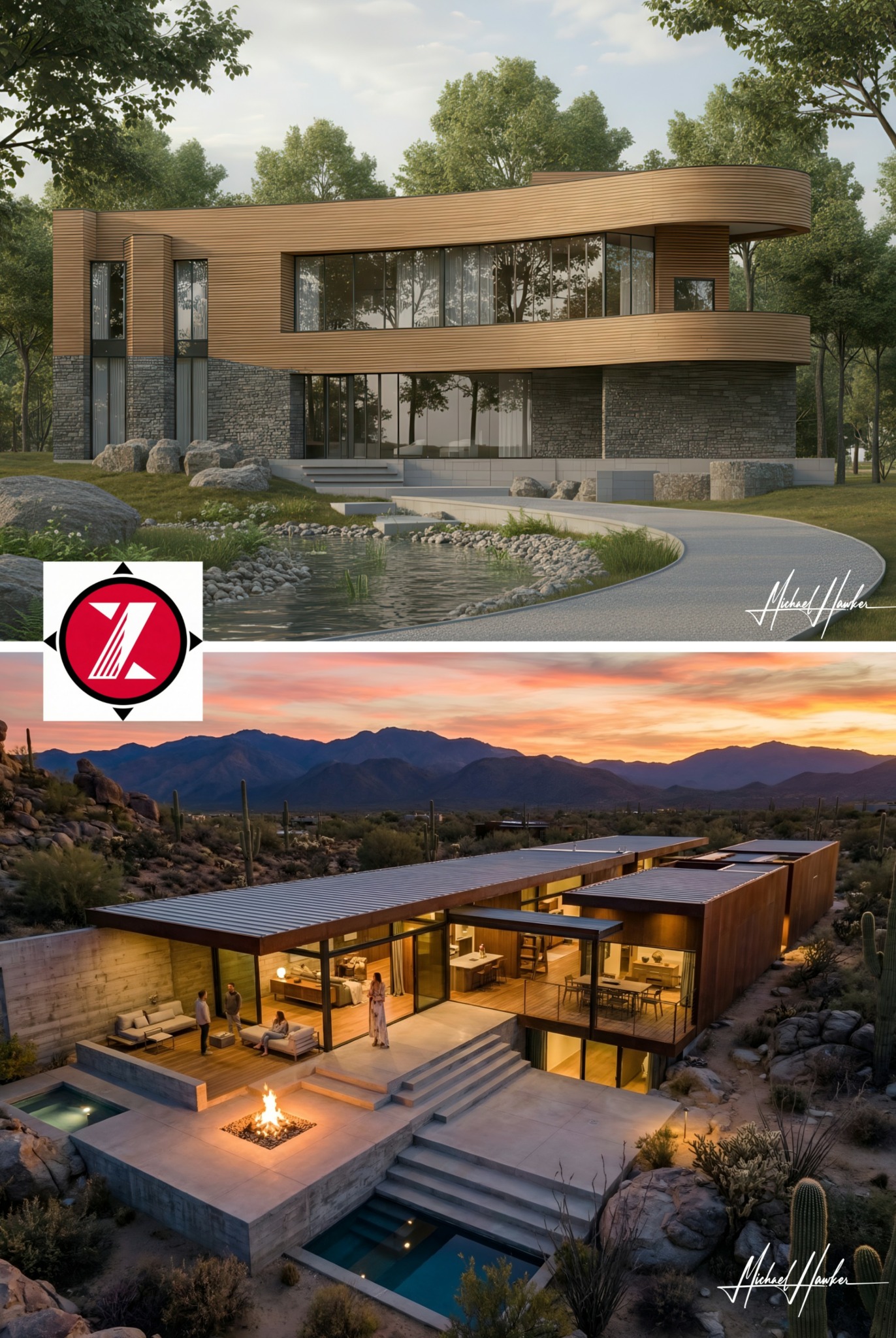
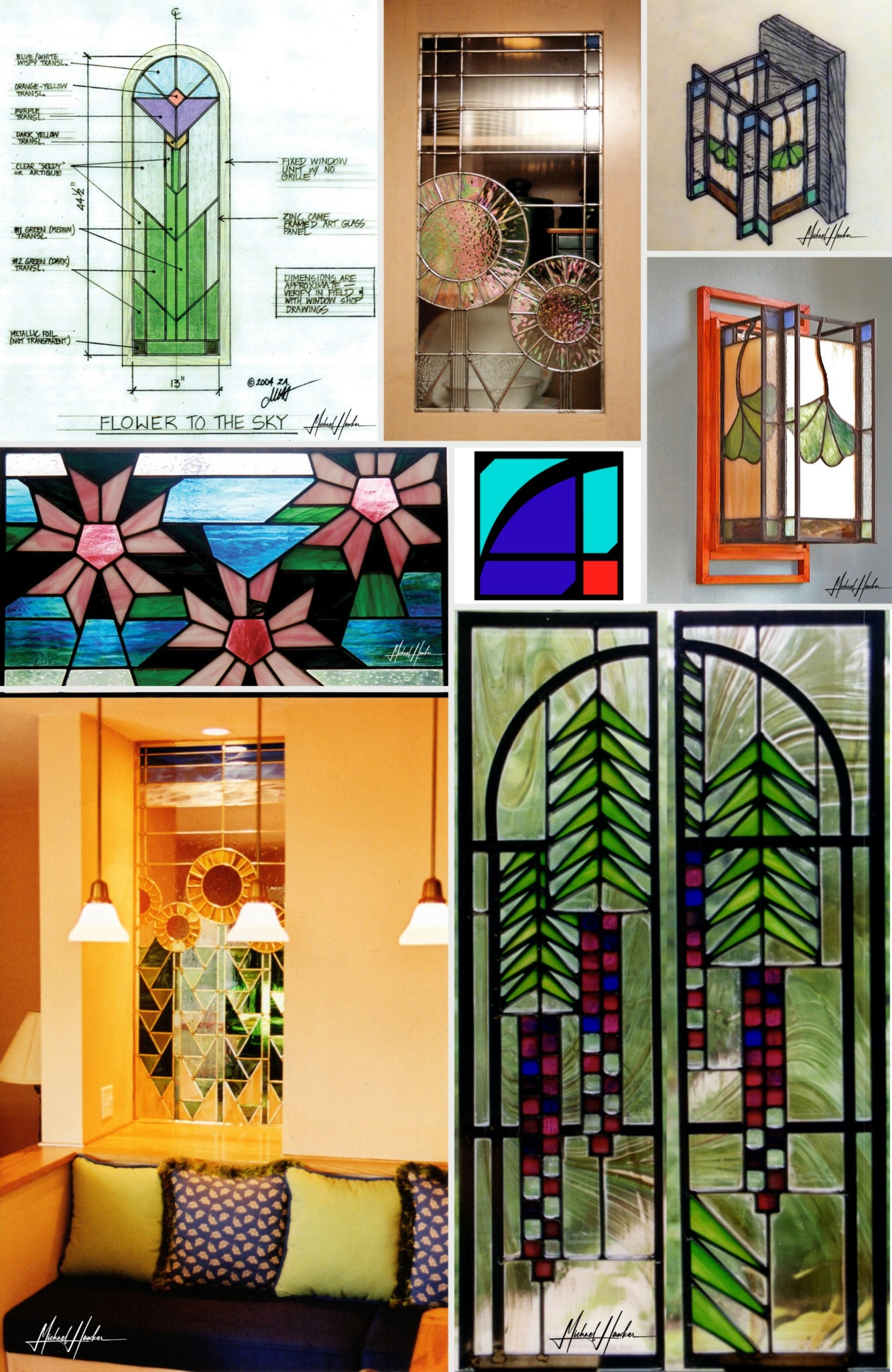
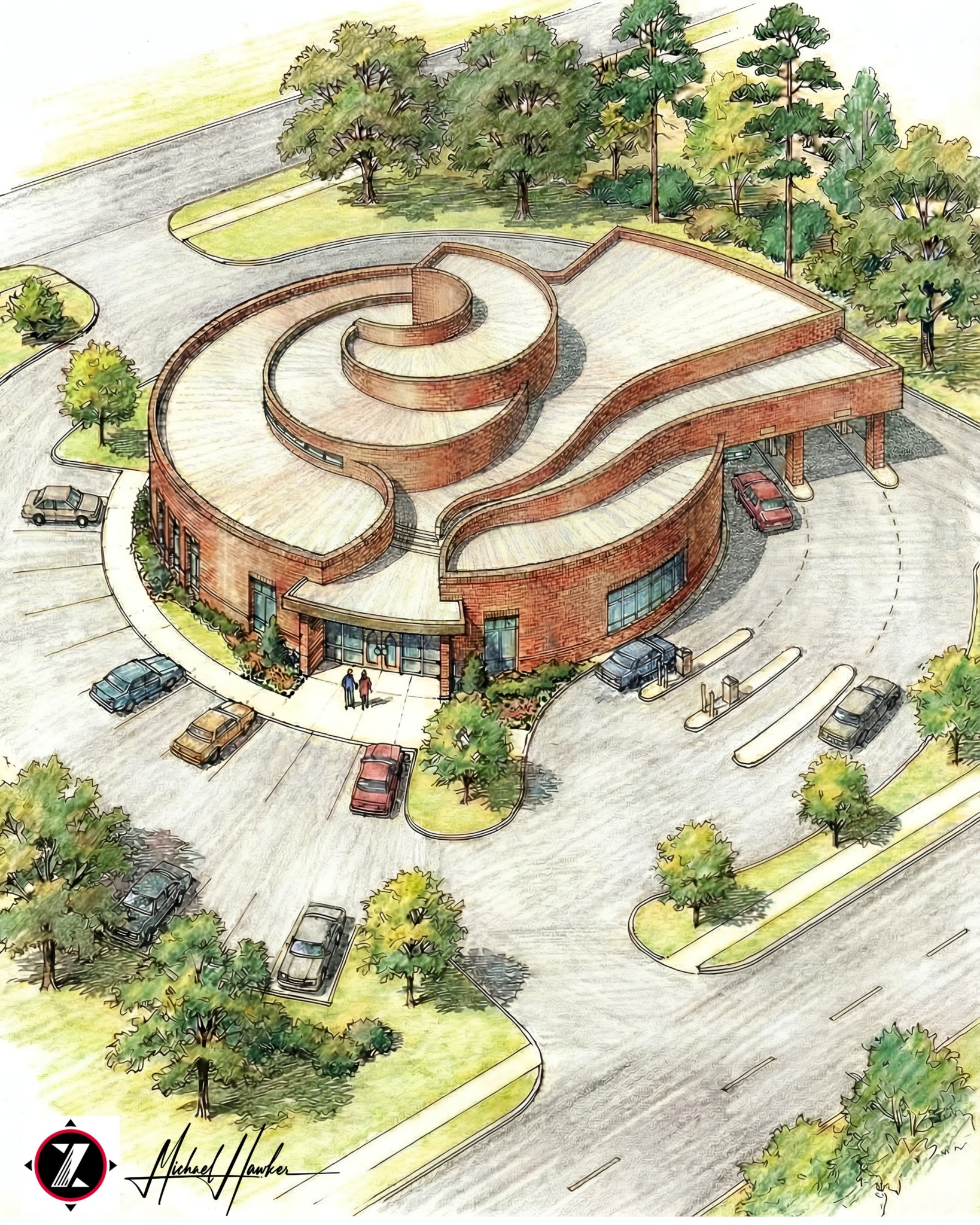

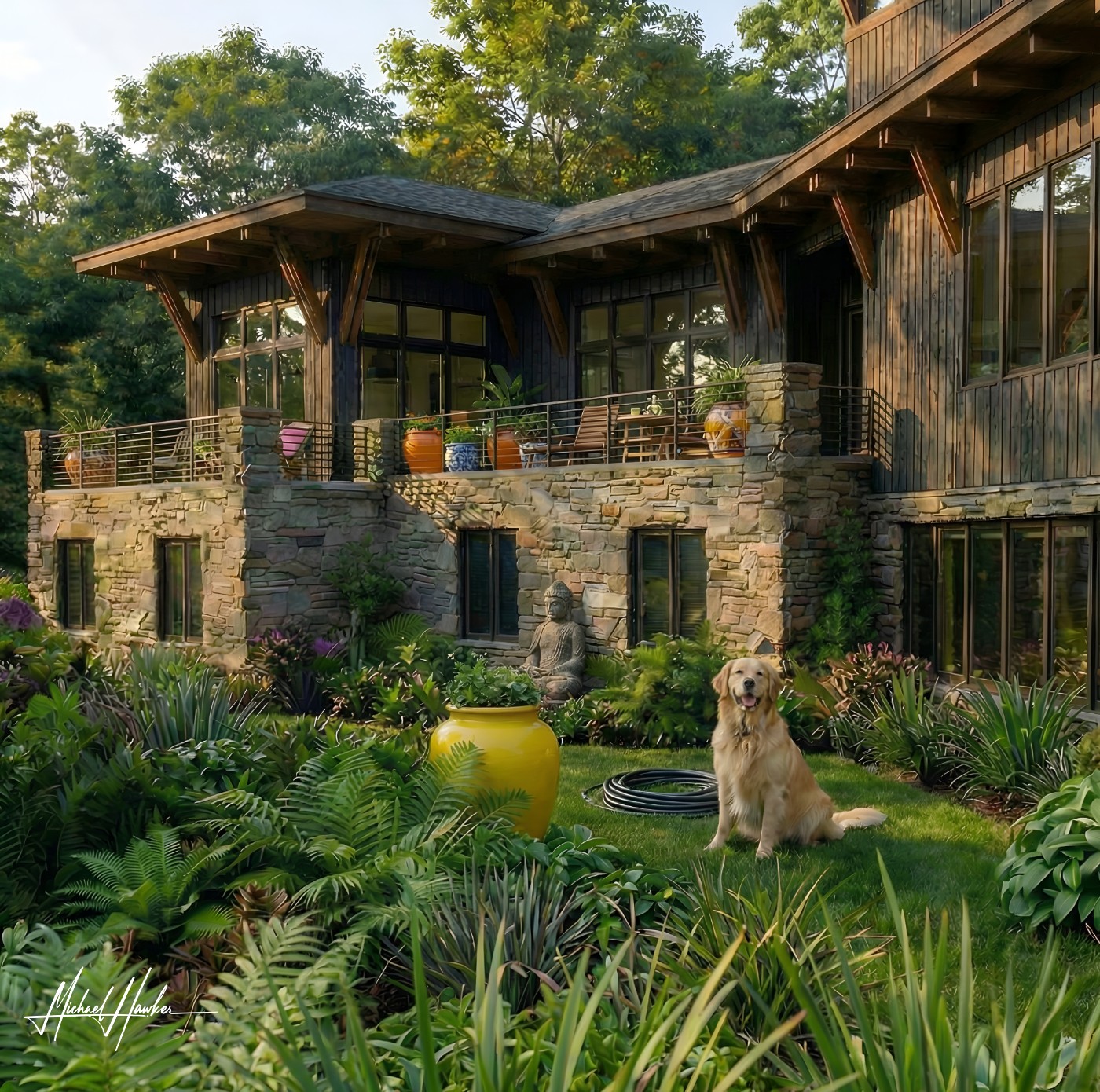
Image Credits
Michael Hawker