


Alright – so today we’ve got the honor of introducing you to Gulli Bjornsson. We think you’ll enjoy our conversation, we’ve shared it below.
Gulli, thanks for joining us, excited to have you contributing your stories and insights. What did your parents do right and how has that impacted you in your life and career?
As a kid, I had very little patience for music. My two older sisters both played instruments, but I was much more interested in running around and playing soccer. That didn’t really change until I was about nine, when I saw my cousin play the James Bond theme on classical guitar at my grandmother’s Christmas party. I remember thinking, wow, this is actually really cool. I want to do that and went on my path from there!
My parents were incredibly supportive, but in a very important way they never pressured me. They gave me the space to find my own motivation and to pursue music because I genuinely wanted to. That made a huge difference, because it allowed me to develop a real sense of ownership over what I was doing, rather than feeling pushed into it.
Thanks mom and dad!
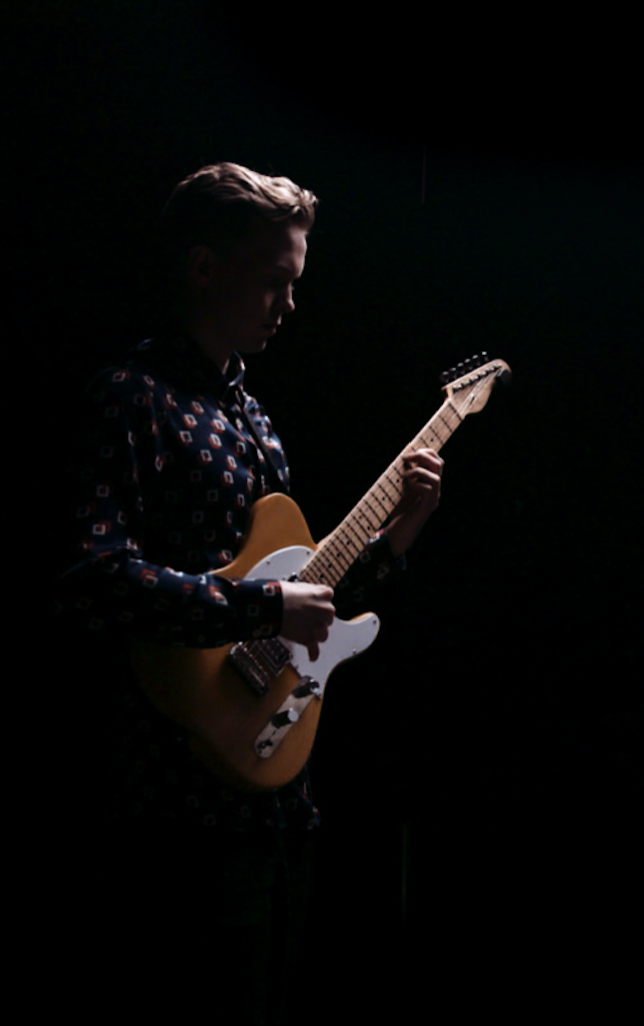
Gulli, love having you share your insights with us. Before we ask you more questions, maybe you can take a moment to introduce yourself to our readers who might have missed our earlier conversations?
I’m a guitarist, composer, and music technologist from Iceland, currently pursuing a PhD in composition at Princeton University. I’ve also worked as a professor of electronic composition at the University of Kansas, where I taught and mentored students working in composition, theory, guitar and music technology.
My work sits at the intersection of acoustic instruments, electronics, and visual media. I’m especially interested in how technology can expand the expressive possibilities of the guitar, often through custom software environments in Max. Many of my projects are immersive experiences inspired by my experiences in nature.
As a composer, I’ve written for ensembles such as New Jersey Symphony, Alarm Will Sound, Sō Percussion, and the Aizuri Quartet and my work has been presented at venues including Carnegie Hall and 92nd Street Y, among others.
One project that reflects my approach is an ongoing collaboration with Iarla Ó Lionáird, combining voice, guitar, electronics, and visuals into a larger narrative work.
The piece draws on imagined connections between Ireland and Iceland, blending historical references with an imaginary tale of an Irish Hermit sailing to uninhabited Iceland in the middle ages. It’s part of a larger project in progress.
Another example is my String Quartet No. 1, Bergmál (“echo,” literally “rock-speak”), performed by the Aizuri Quartet:
The piece is built from looping melodic structures that continuously shift against each other, creating a kind of evolving harmonic landscape. The quartet is processed live through a Max patch, with subtle reverb in the first movement grows into more complex textures in the second, with polyrhythmic delays and harmonizer effects inspired by echoes in underground caves. It’s also a deeply personal work, dedicated to the memory of my sister.
My Cello Concerto (second movement: Mjöll), performed by Alarm Will Sound and Stefan Freund, comes from a different angle:
The concerto was created using algorithmic systems I developed, with each movement inspired by a different type of snow described in Icelandic. Mjöll, meaning freshly fallen snow, explores a sense of stillness, melancholy, and suspended time.
I also create works I like to play myself, like Landslög, a series inspired by Icelandic landscapes for the masterclass platform Tonebase:
Overall, I feel most proud of the collaborative relationships behind many of these projects.
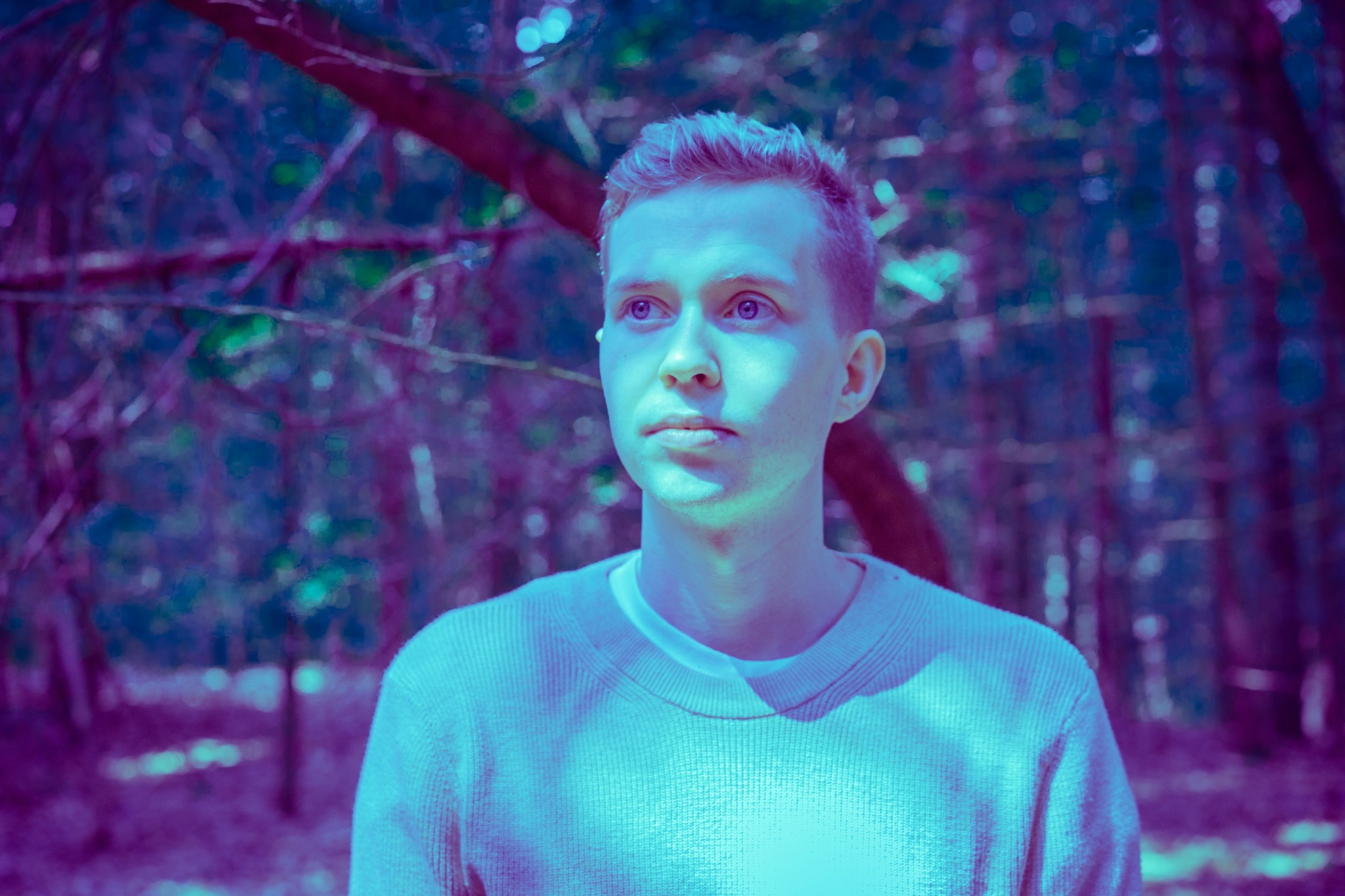
How can we best help foster a strong, supportive environment for artists and creatives?
I think the most meaningful way society can support artists is by strengthening community, not just focusing on individual success. A thriving creative ecosystem depends on artists showing up for each other, collaborating, and being genuinely engaged in one another’s work.
That can be as simple as attending a friend’s concert, supporting a colleague’s project, or creating opportunities to work together. Of course, institutional support and funding are important, but without a strong sense of community, it’s difficult for artists to take risks or grow.
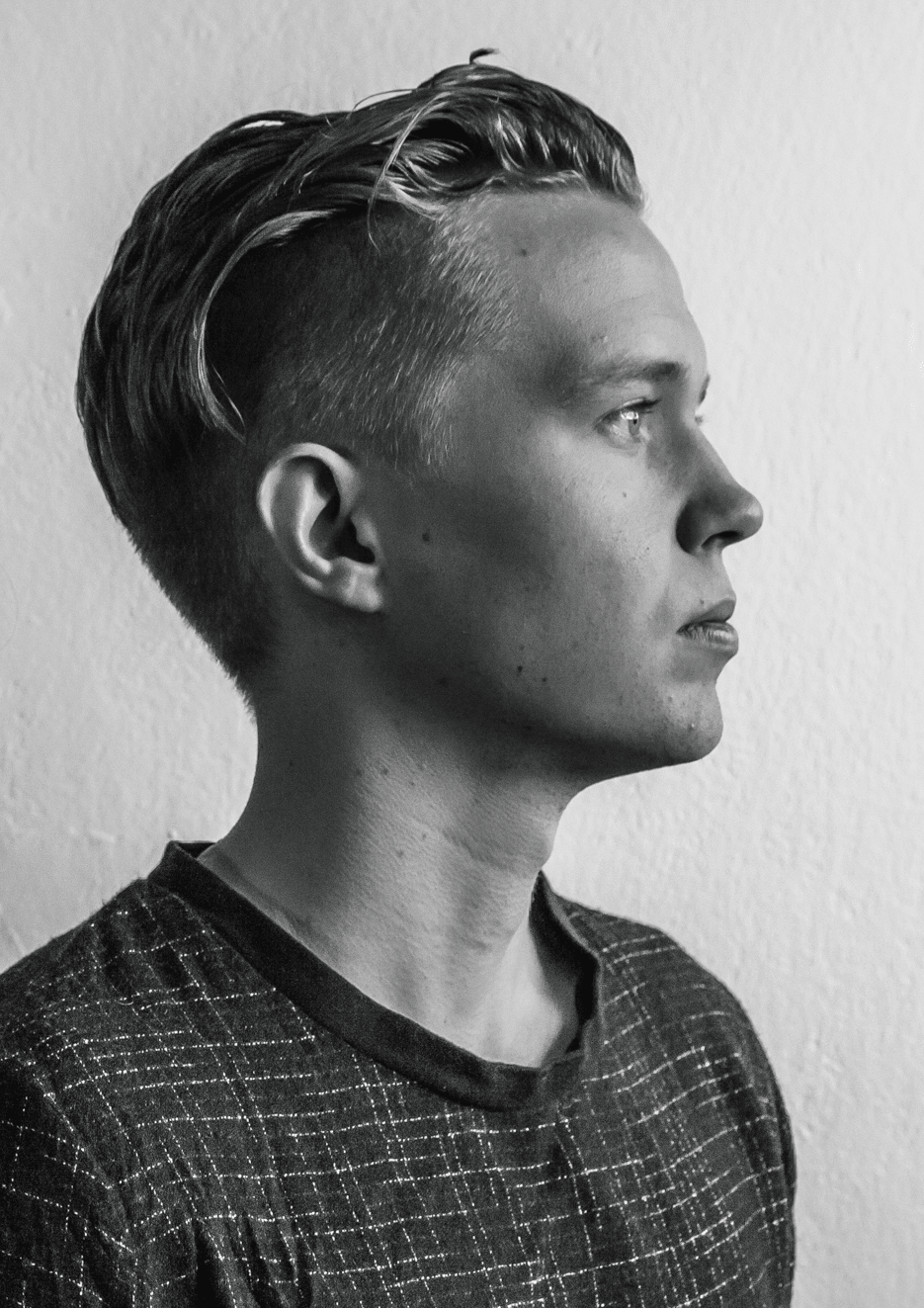
For you, what’s the most rewarding aspect of being a creative?
For me, the most rewarding aspect of being an artist is the chance to spend my life doing something I genuinely love. Waking up and engaging with my creative work almost every day is something I don’t take for granted.
I really believe everyone benefits from having some kind of creative practice in their life, whether that’s writing, photography, learning an instrument, or simply working on a piece of music. It gives people a way to focus deeply, and to connect with themselves.
Contact Info:
- Website: https://www.gullibjornsson.org
- Instagram: https://www.instagram.com/gulligitar/
- Facebook: https://www.facebook.com/gulli.bjornsson/
- Youtube: https://www.youtube.com/channel/UCEfetdOxkluz42UhIH0Mi_Q
- Soundcloud: https://soundcloud.com/gulligitar
- Other: https://substack.com/@gullibjornsson925192?
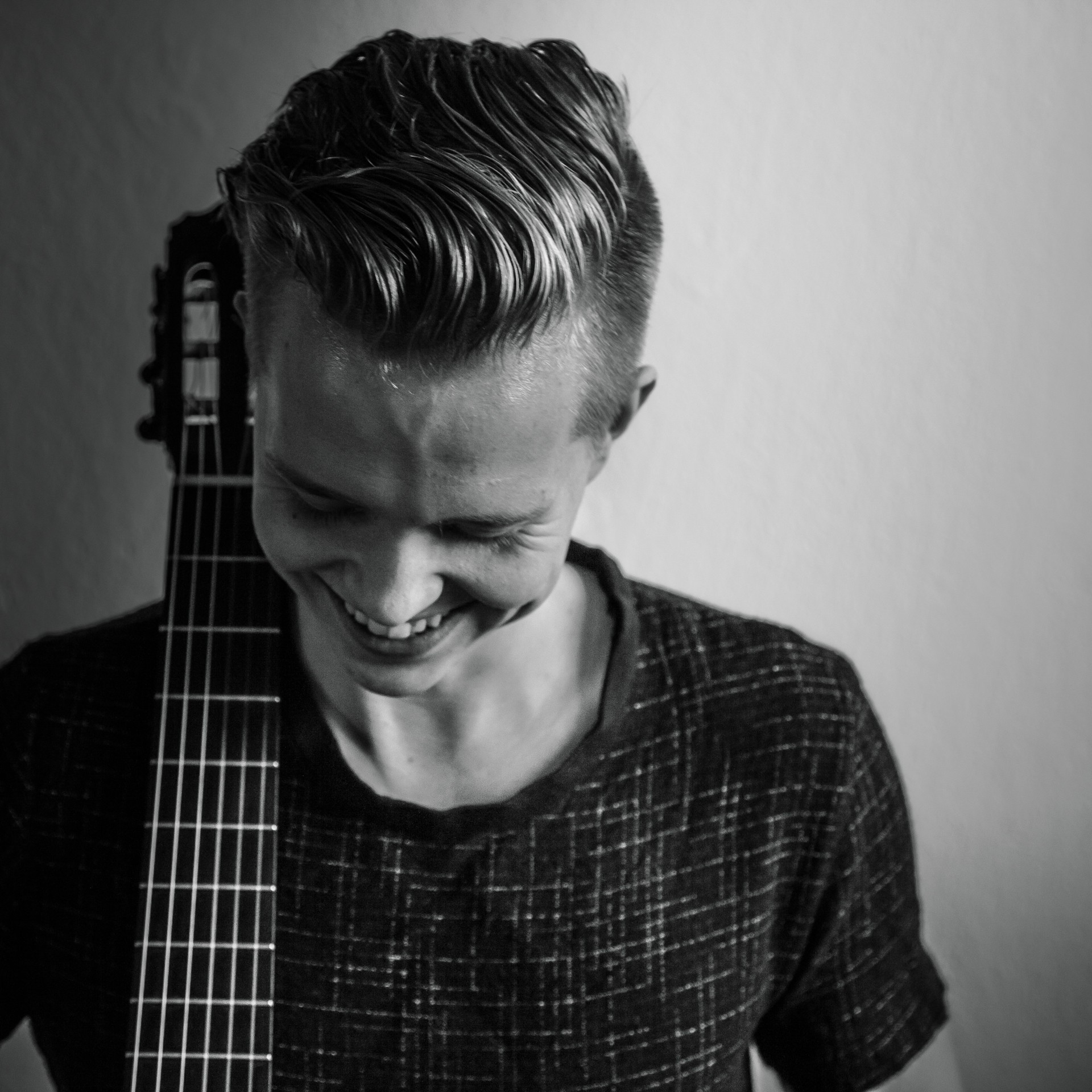
Image Credits
@four/ten-media
@JonaKarenWedholm