

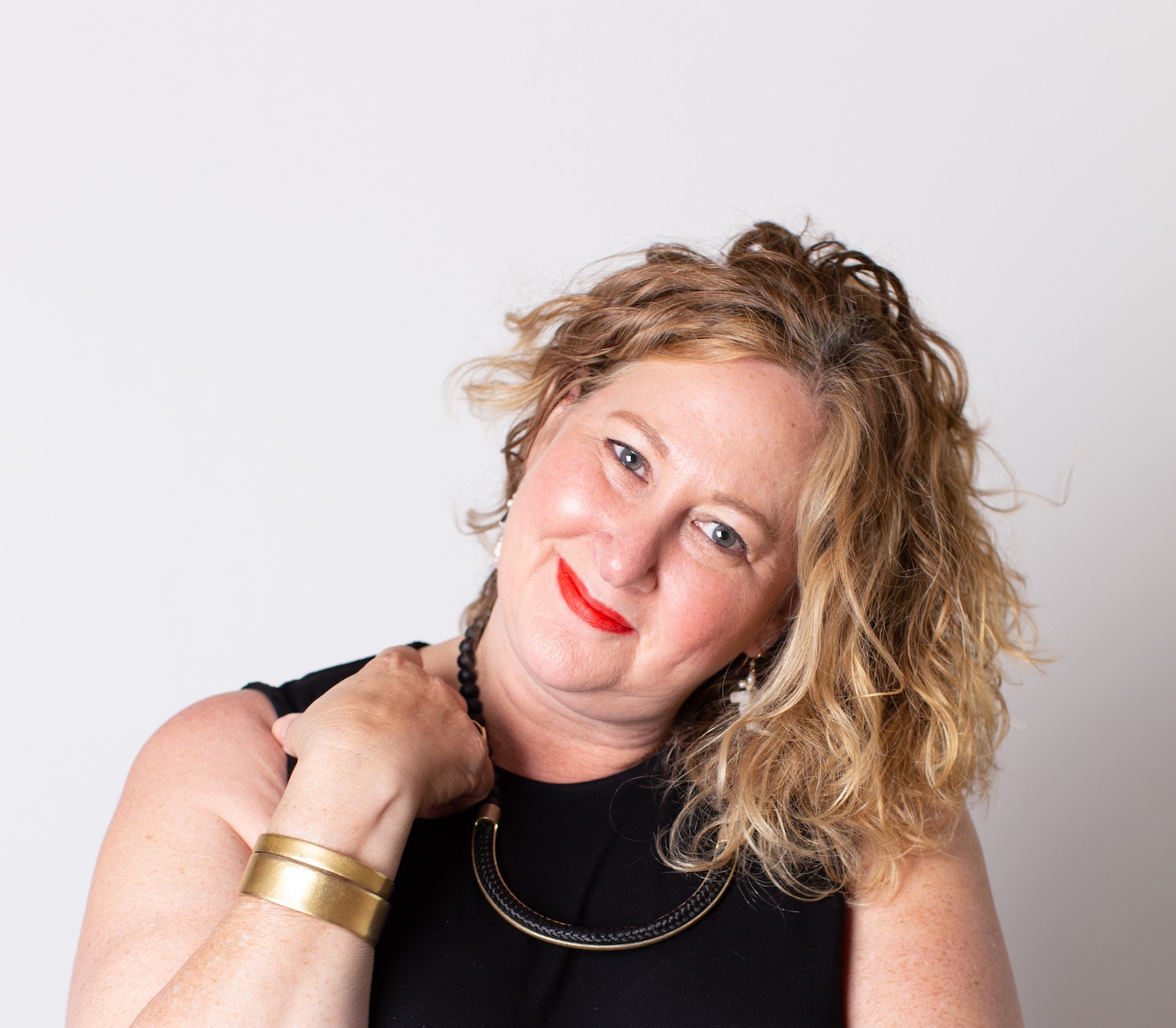

We caught up with the brilliant and insightful Annie Seaton a few weeks ago and have shared our conversation below.
Annie, thanks for joining us, excited to have you contributing your stories and insights. Can you talk to us about a project that’s meant a lot to you?
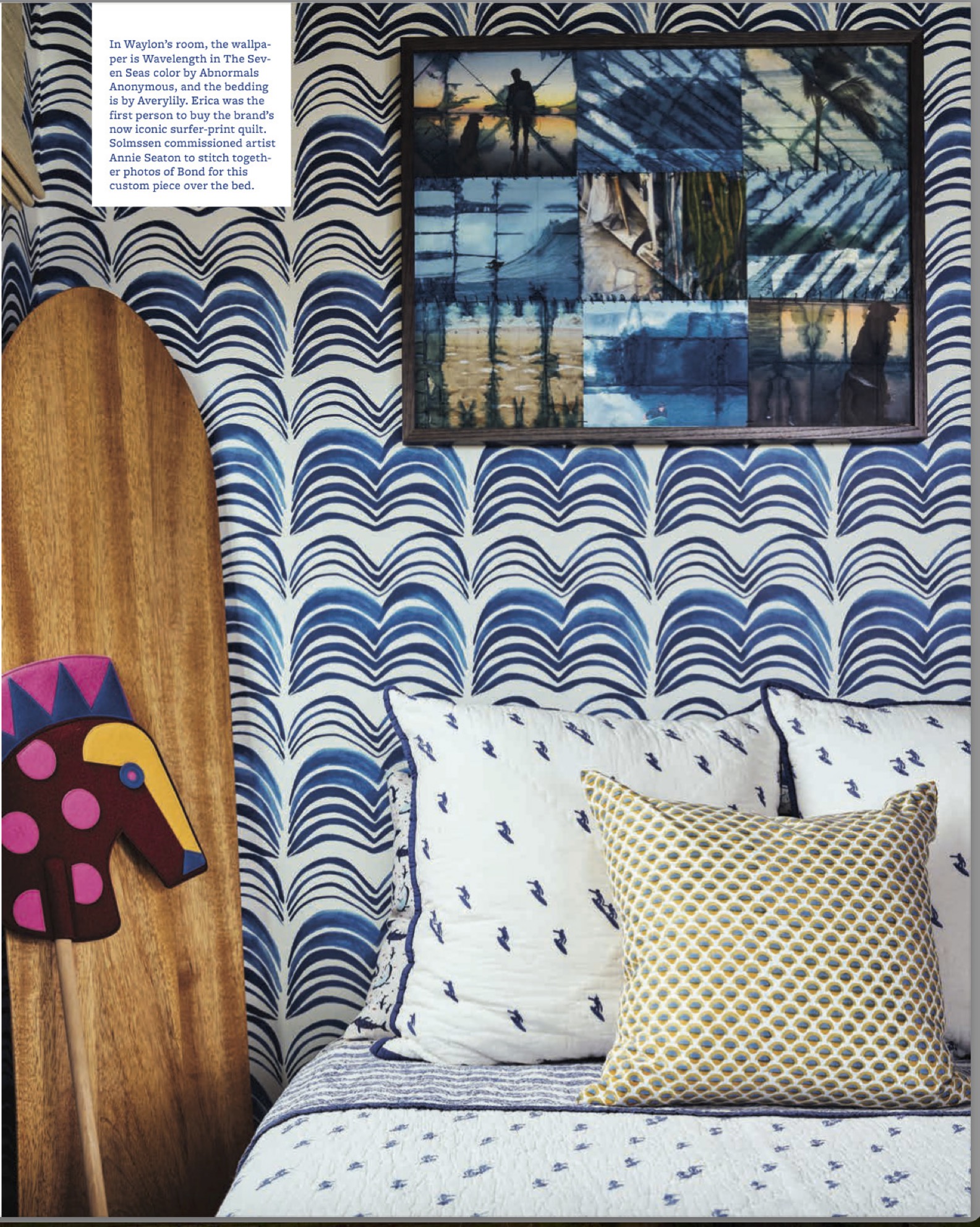
Two years ago, I was approached by a design firm in Hawaii to create a commissioned piece for a private residence. The client wanted to surprise her husband with an artwork of him surfing. It was especially meaningful because he had recently been in a skiing accident that left him paralyzed. He could no longer ski or surf, which had been two of his greatest passions.
They shared a handful of photographs of him, and I combined those with my own reference imagery to create something that captured not just the action, but the feeling of freedom and identity tied to it.
Some time after I delivered the piece to the design firm in Maui, I received a letter from the client. She told me she was in tears when she saw it. What stayed with me most was that the artwork would hang in their young son’s bedroom. His father is his hero, and the piece allowed him to see him doing what he loved.
That experience brought me back to another moment about a year earlier. I received a voicemail from a cancer patient in remission who had seen one of my works in her doctor’s office during a five year check up. It had just been placed there in the San Francisco Bay Area recently. She said she had been feeling anxious that day, but the artwork gave her a sense of calm and joy, and she felt compelled to reach out.
Those experiences are why I make art. I never fully know how a piece will land, but my goal is always the same. I want to create something that carries the emotion I feel while making it, especially when I am out photographing, and allow someone else to connect to that feeling in their own way.
What made the Hawaii project even more meaningful was what happened afterward. About six months later, the design firm told me the home had been featured in Sunset Magazine, and they had asked the editors to highlight my work. It was an incredible honor, especially because the piece already meant so much to that family.
That project stays with me because it shows what art can really do. It can restore something that feels lost, create connection, and carry meaning far beyond the image itself.
Great, appreciate you sharing that with us. Before we ask you to share more of your insights, can you take a moment to introduce yourself and how you got to where you are today to our readers.
Water has always been a constant in my life, and it naturally found its way into my work. I grew up in Toronto near Lake Ontario and spent my summers at camp in Central Ontario, where I was always swimming, canoeing, and waterskiing. Later, I moved to Southern California and have lived near the Pacific Ocean for most of my life. I am still a swimmer, and my twice a week swim class is one of the best parts of my routine. Being in the water feels like an essential part of who I am, and that connection shows up again and again in my work.
For many years, I became known for my surf inspired art, drawing from surf culture in places like Hawaii and along the California coast. To me, surfing represents a very specific kind of joy, the anticipation and freedom of waiting for the next swell. While my work has expanded beyond surfing as a primary subject, I still come back to it often, especially in commissions, because it is rooted in that feeling I am always trying to capture. I am also interested in building several longer term projects, one around surf cultures around the world, including unexpected places like Israel and the other of bodies of water also collected from around the world.
I originally started as a painter. Photography began as a reference tool for me, but over time the camera became my main medium. I have now been working this way for more than twenty years.
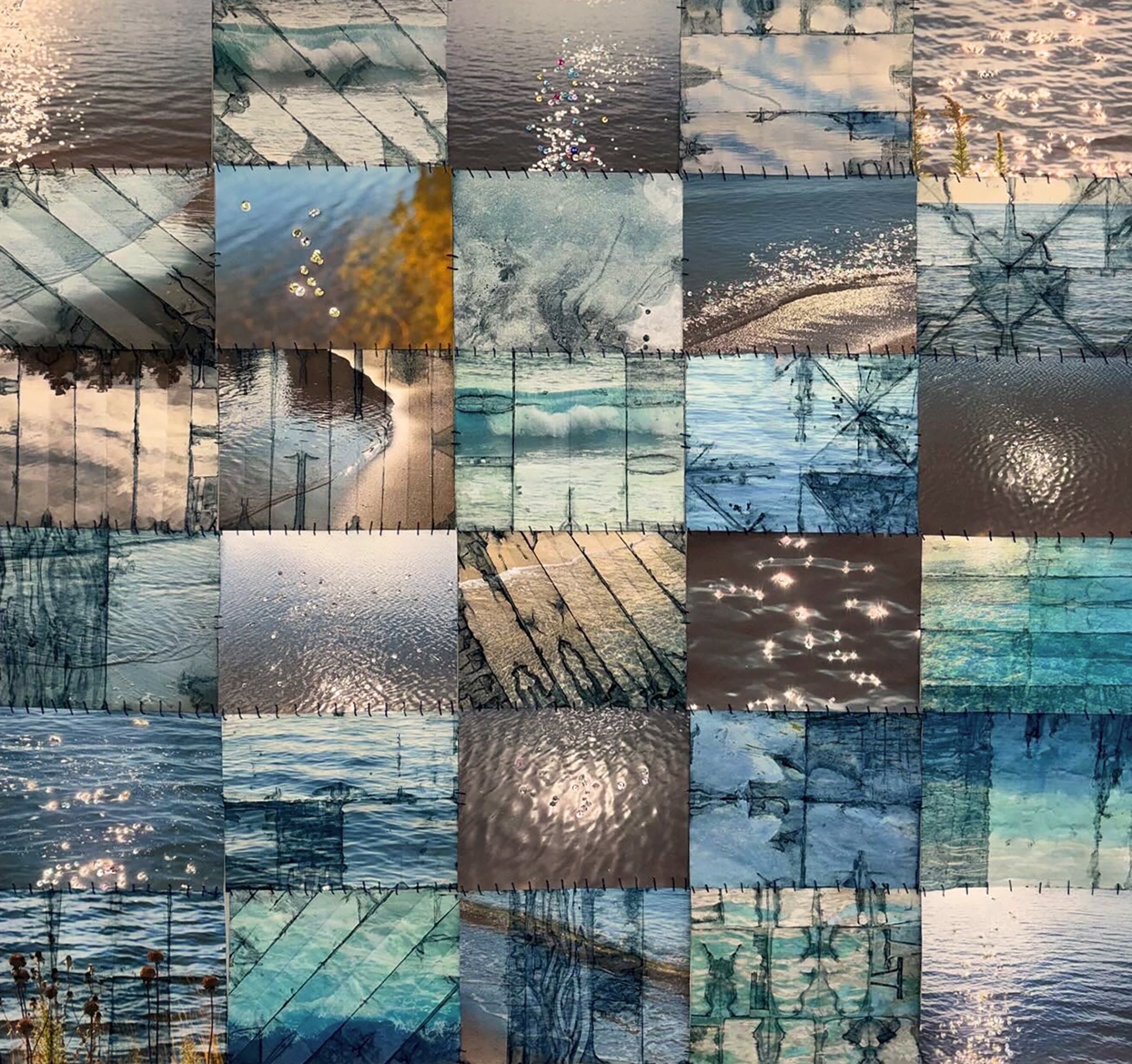
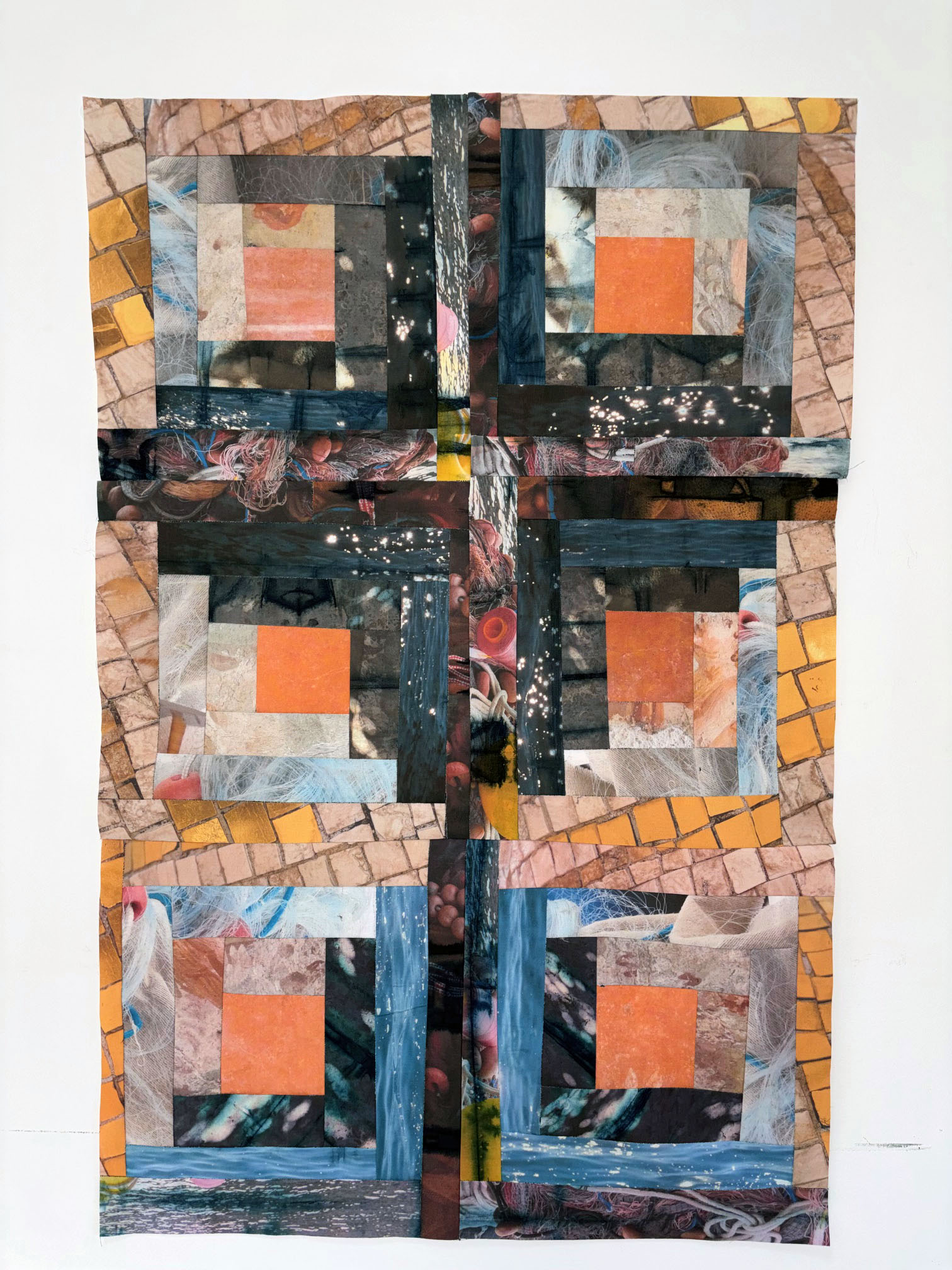
What keeps me engaged is the need to keep evolving. I am not fulfilled creatively unless I am learning something new and pushing into unfamiliar territory. Over the past decade, my process has shifted quite a bit. Since I was never ever interested in making traditional photographic prints I began incorporating hand sewing and embroidery into my work creating quilt like stories. More recently, I have gone deeper into exploring quilt making, printing my images on rice paper, dyeing them with natural indigo, and machine sewing traditional quilt squares such as “flying geese” and “log cabins.”
I am especially drawn to the history of quilting as a form of storytelling. These are objects passed down through generations, each carrying personal meaning. I have taken that idea and brought it into my own practice, combining it with photography to create work that feels both contemporary and personal.
At the end of the day, I am always evolving. Even when something is working, I feel the need to keep exploring, experimenting, and seeing where the work can go next.
What do you think is the goal or mission that drives your creative journey?
I am not sure I have one single defined mission, but at the core of my work is a desire to communicate a feeling of joy and share that with others. That emotional exchange is what drives me more than anything else.
Craft is also a big part of how I think about my work. It carries deep cultural and historical significance, and it has shaped the way I approach making. Over the years, I have worked across painting, photography, dyeing, sewing, and quilting, and I see all of these as connected. They are all ways of telling stories and communicating visually.
The process itself is ongoing. I am rarely completely satisfied, and I think that is probably true for most artists. There is always something to refine or explore, and that is part of what keeps the work alive.
There is also a very specific feeling that drives everything I do. When I capture a moment with my camera, whether it is in Maine or Hawaii, or Ontario, Canada, there is a definite emotional high that comes with it. It is a mix of excitement, presence, and connection.
When I return to the studio, my goal is to hold onto that feeling and carry it through the entire process. I want the final piece to contain something of that original moment, so that when someone else experiences it, they feel it too.
If I had to define it, my goal is to take those fleeting moments and turn them into something lasting that others can connect to in their own way.
What’s the most rewarding aspect of being a creative in your experience?
It is hard to point to just one rewarding aspect of being an artist. Like many people in creative fields, I still experience moments of self doubt, even as a full time professional. Because of that, validation does mean something. For example, having my work placed somewhere that feels personally significant, like the recent installation of two surf pieces at the Four Seasons Maui, is a meaningful milestone for me since I have dined there with my own family and have visited the property before.
But what stays with me most are the personal connections. Hearing directly from collectors about what the work means to them has the biggest impact.
I have had a collector pass away whose family chose one of my pieces for his memorial page because it was his favorite. A friend and gallery owner who lost her home in the Malibu fires told me last year that one of my paintings was the piece she valued most, which I had never realized. Early in my career, someone purchased a surf painting of mine to give to a friend who had lost her son in a surfing accident, hoping it might bring some comfort.
And then there are moments like the family in Maui, or the cancer patient who took the time to reach out during a difficult day.
Those are the moments that define it for me. Knowing that the work can create connection, and sometimes even offer a sense of healing, is incredibly meaningful. It reminds me that I am expressing what I set out to, and it is what keeps me moving forward.
Contact Info:
- Website: https://www.annieseatonart.com/
- Instagram: @annieseaton
- Facebook: https://www.facebook.com/aseatonart/
- Linkedin: https://www.linkedin.com/in/annie-seaton67/
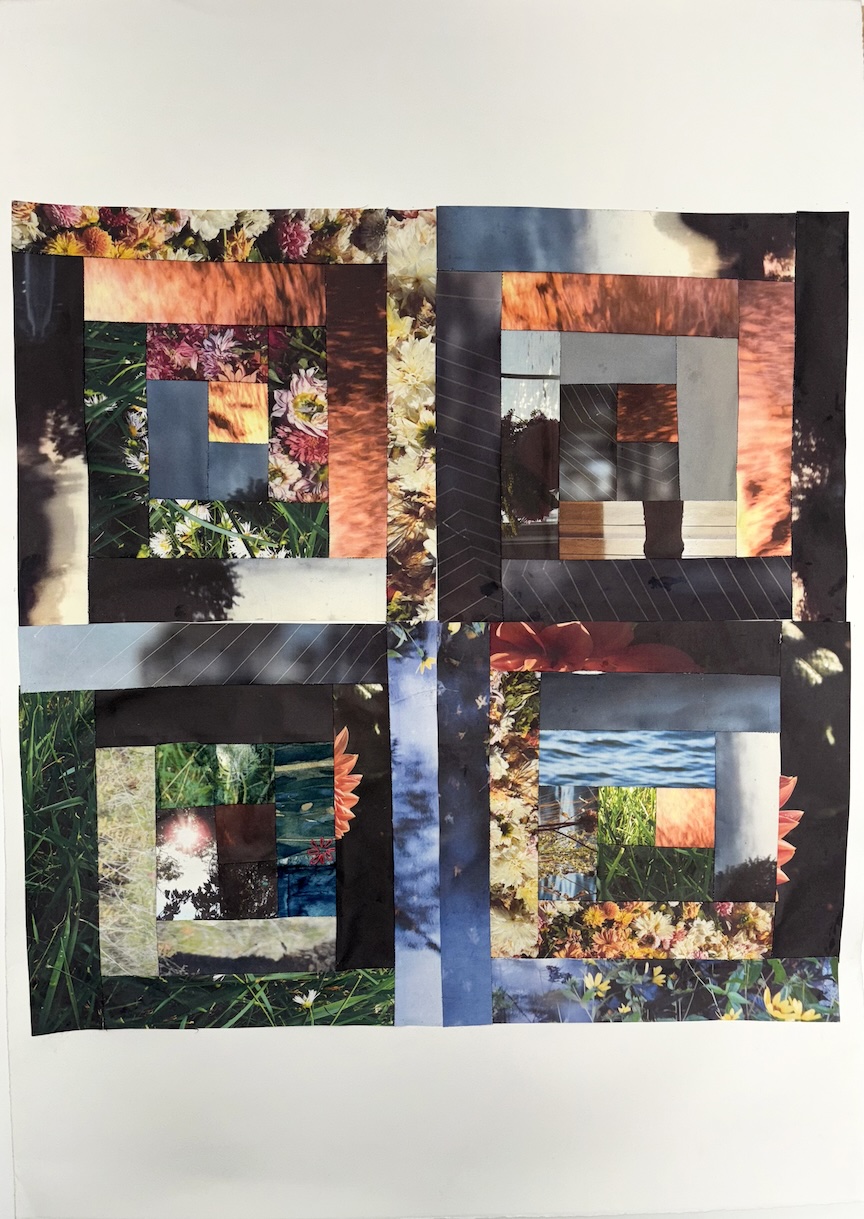
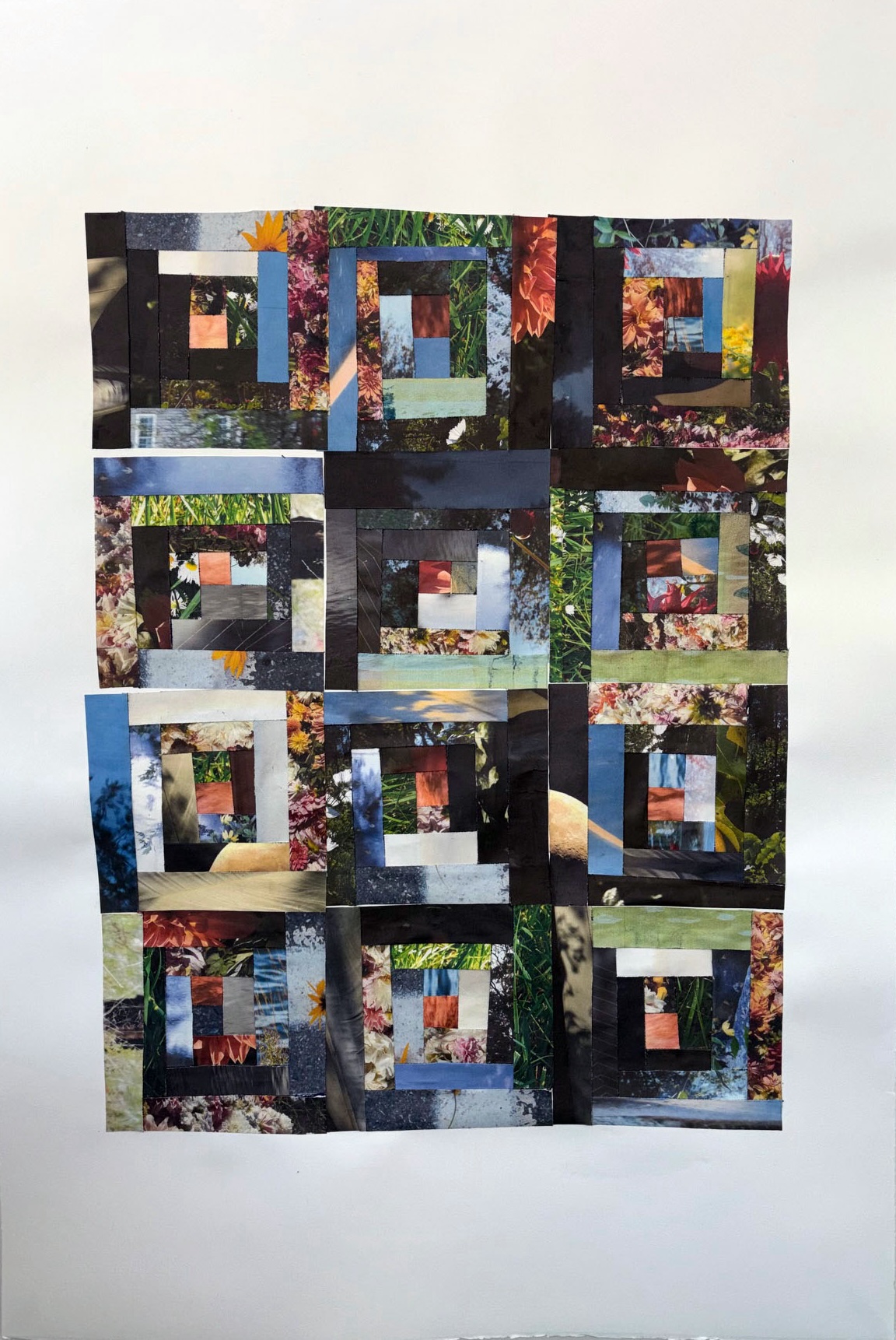
Image Credits
Photos by Michael Dee and the artist.