

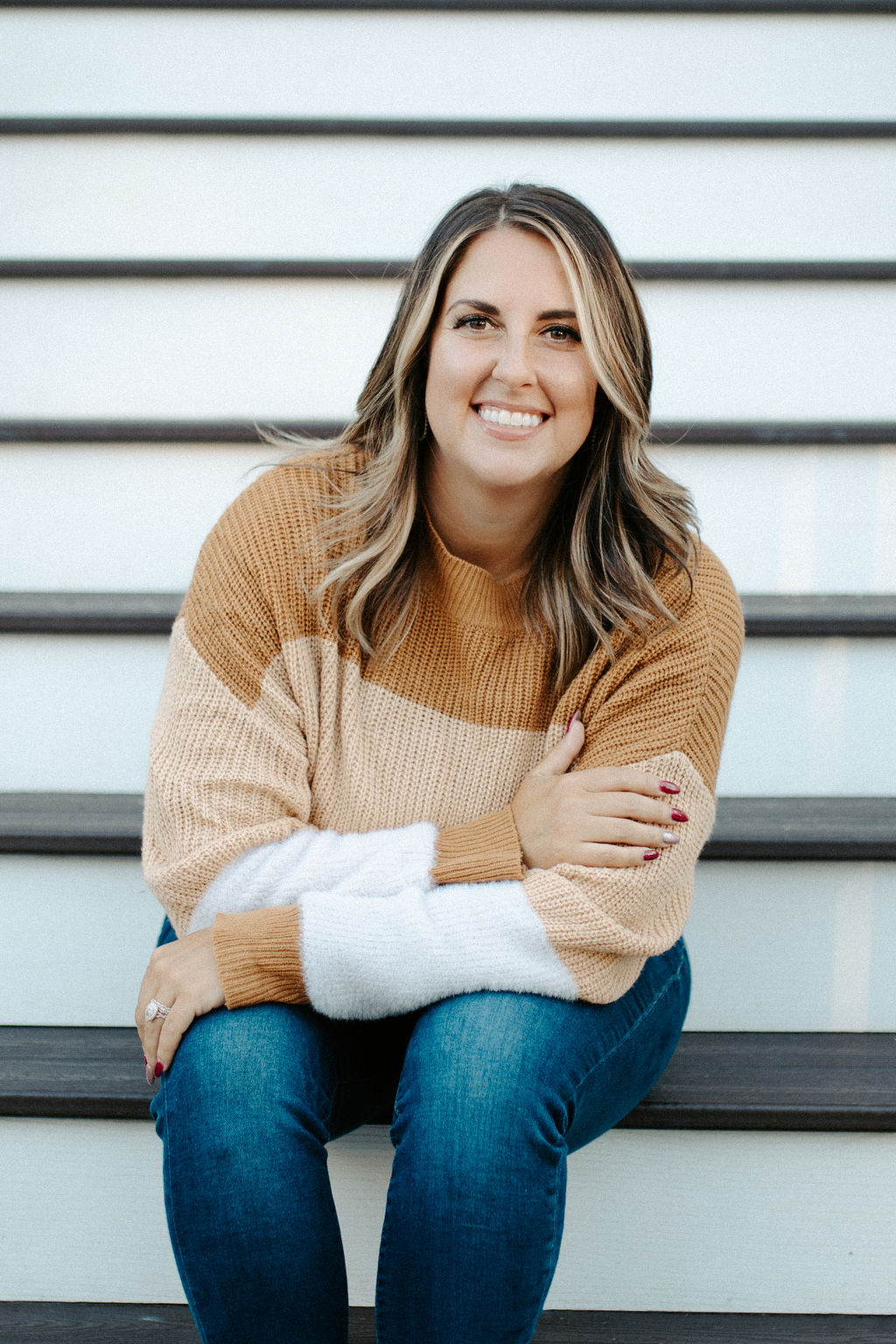

We were lucky to catch up with Brittany Bate recently and have shared our conversation below.
Brittany, thanks for joining us, excited to have you contributing your stories and insights. Was there a defining moment in your professional career? A moment that changed the trajectory of your career?
One of the most defining moments in my career was actually a moment where I got it wrong.
I was leading a therapy group for gender diverse teens, and at one point I casually referred to all members of the group as “you guys.” I was teaching a concept, and I asked “what do you guys think?” For me, that was a very ingrained, colloquial phrase. I grew up in Michigan, and that was our version of “y’all.” It felt neutral in my own experience.
During the group, one of the teens, a trans girl, shared that the phrase made her uncomfortable. She kindly said “Dr. B, I just want to share I didn’t love when you referred to all of us as you guys.” She went on to share that she knew I didn’t mean anything negative by it, but understood I likely used it habitually. But she also shared something that really stayed with me. She said that therapy was one of the only spaces where she consistently felt correctly gendered and truly seen, and hearing that language, even unintentionally, did not feel good.
That moment stopped me in my tracks.
It was such an important reminder that good intentions do not override impact. It reinforced for me that language really matters, especially in spaces that are meant to be affirming and safe. It also challenged me to look more closely at the assumptions we carry, even the subtle ones, and how those show up in our language and interactions.
It also expanded how I thought about care beyond the therapy room. I started thinking about the full client experience, including how administrative staff answer the phone, how people are greeted, and how often, especially in the South, we default to using “sir” or “ma’am” based on assumptions about someone’s voice or appearance. Those habits are often automatic, but they can be deeply misgendering and invalidating.
I realized I wanted to build a practice where we did not make those assumptions. Where we did not assign honorifics, pronouns, or gendered language before we actually know what someone uses for themselves.
That shift became central to how we operate at Be BOLD. It informs our administrative processes, our clinical work, our team training, and the culture we intentionally create. It also shaped the trainings and consultations I now provide, where I focus on the role of language, culture, and unconscious bias in creating spaces that are either truly celebratory or unintentionally harmful. I am proud to say I have offered well over 30 trainings on creating LGBTQIA+ celebratory spaces for clinicians, business owners, and wellness professionals, and it is one of my favorite things to do!
If there is a lesson in that moment, it is this. Growth does not come from getting everything right. It comes from being willing to listen, reflect, and change. Growth really is uncomfortable. That interaction made me a better clinician, and it continues to shape how I show up in my work every day.
Great, appreciate you sharing that with us. Before we ask you to share more of your insights, can you take a moment to introduce yourself and how you got to where you are today to our readers.
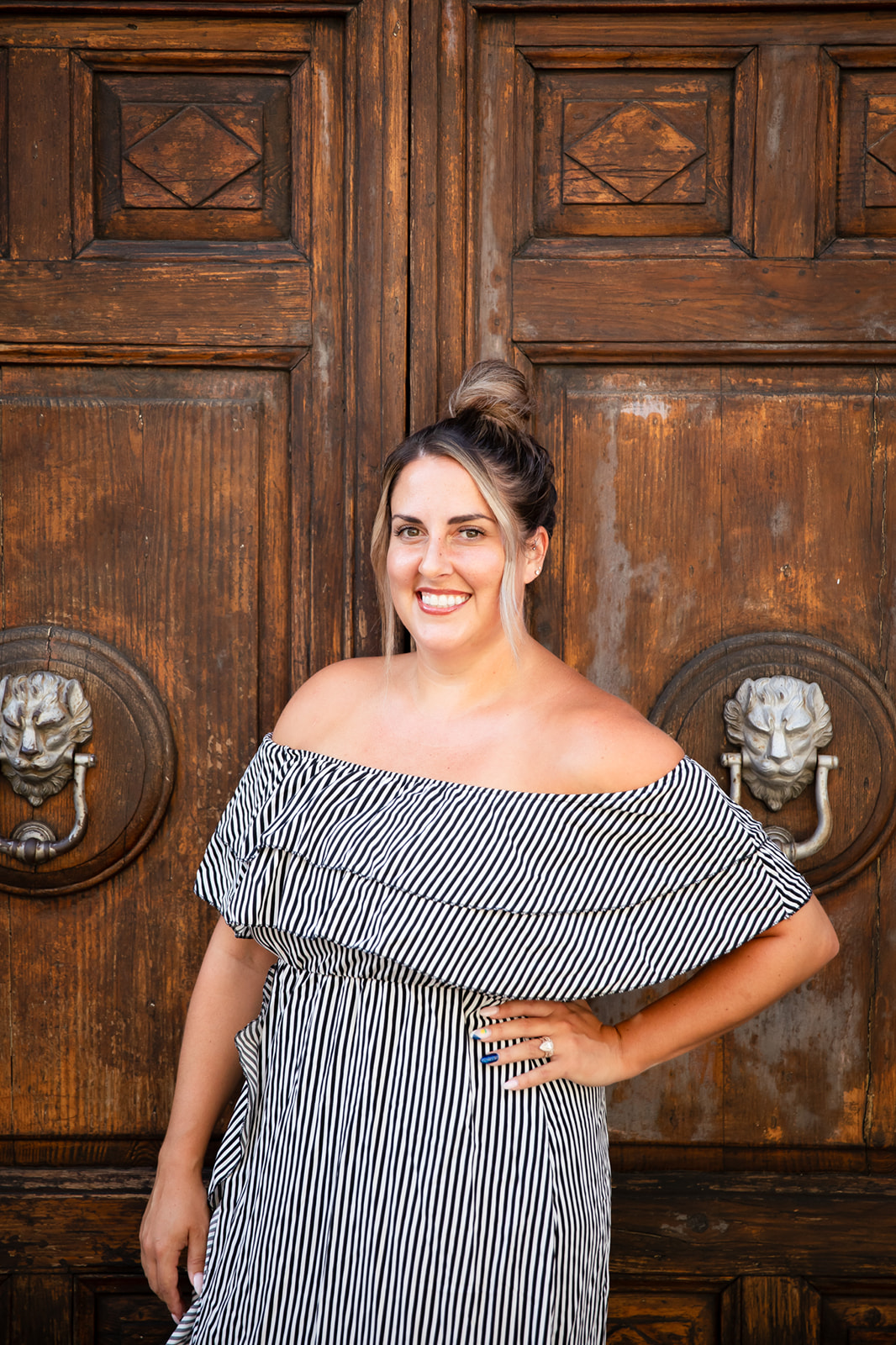
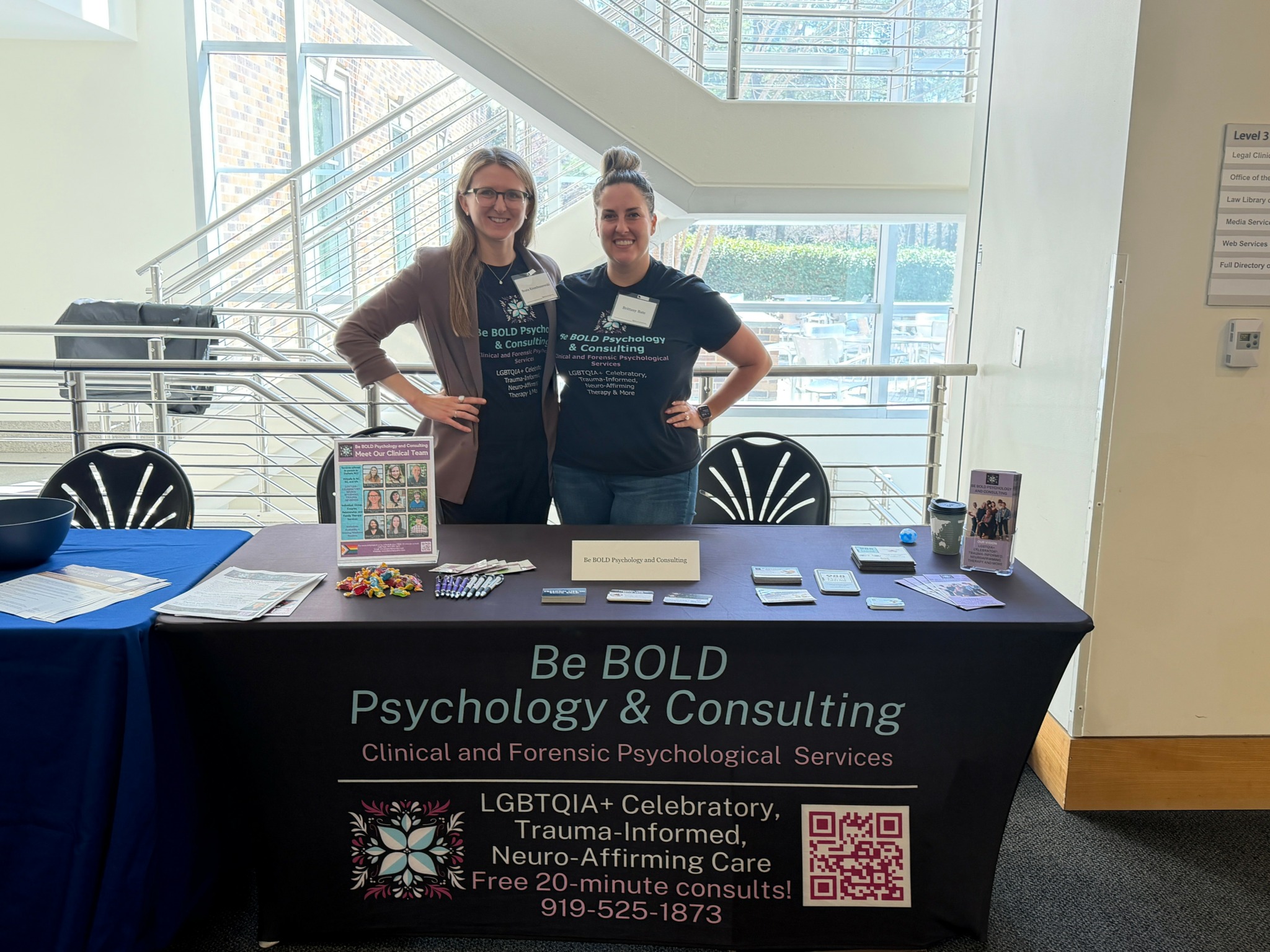
I’m Dr. Brittany Bate (she), a licensed psychologist and the owner of Be BOLD Psychology and Consulting, a group practice rooted in LGBTQIA+ celebratory, neuroaffirming, and trauma-informed care. We provide individual, couples, and family therapy, group therapy, therapy intensives, and psychological and forensic evaluations. In addition to our clinical work, I also offer consultation, trainings, and resources for clinicians who want to build sustainable, values-aligned practices of their own.
Starting my own practice was not, at all, perfectly mapped out and I continue to learn, shift, and grow every day. It was much more of a values-driven pivot, and those values continue to anchor everything we do at Be BOLD.
I officially started the practice in November 2020 after working in a group practice where I had the opportunity to work with a wide range of clients. However, I began to notice what felt most important for me as a clinician, and who I most loved supporting. As a queer person, I found that I most loved supporting the LGBTQIA+ community and felt deeply called to create a space of my own that centered a celebratory, affirming experience. I wanted every part of our practice to reflect that, from our website, to our intake forms, to our administrative interactions, and even our name. My goal was simple but meaningful. I wanted LGBTQIA+ clients to feel seen, safe, and genuinely celebrated from the very first interaction.
And honestly, the name itself started in a very real, very on-brand way for me. I wanted something with a B. I’ve always loved alliteration, being Brittany Bate and all, so that became my starting point. Not groundbreaking, but it was real, and that matters to me. From there, “Be BOLD” became more than a name. It became a philosophy.
I have always believed that change is hard and often scary. Because of that, I believe that anyone who shows up to therapy is already brave, even if they do not feel it yet. But I also believe there is something deeper than bravery. Boldness. Being BOLD means moving toward the life you want with intention, living authentically, and being willing to confront the hard things in order to build a life that actually fits who you are. And importantly, you do not have to do that alone. Likewise, being BOLD felt personal. Leaving a group practice and venturing in to the world of entrepreneurship in creating my own practice, in the middle of a global pandemic no less, felt incredibly bold.
That philosophy shows up in how we approach care. We do not believe in a one-size-fits-all model. We adapt to the client. That might look like offering therapy intensives for deeper, focused work, creating affirming group therapy spaces that foster connection and community, or providing care that supports neurodivergent clients without pathologizing identities. We also provide comprehensive psychological and forensic evaluations and specialized services, including work within the entertainment industry, which allows us to meet a wide range of client needs.
One of the things that sets Be BOLD apart is that we are intentional about the full experience of care, not just what happens in the therapy room. From first contact to ongoing treatment, we strive to create an environment where clients feel understood, respected, and supported in their identities. At the same time, we are equally committed to building a sustainable practice for clinicians, offering fair compensation, strong systems, and a culture that prioritizes both excellent care and clinician well-being. I am so grateful for the team we have, and am so beyond proud to share that all of our clinicians and administrative staff stay with us for at least two years, and some have been here since inception!
I am also deeply passionate about helping other therapists build practices that support their lives. Through consultation, trainings, and resources, I teach clinicians how to diversify their income, create group therapy programs, and step into business ownership in a way that feels aligned and sustainable.
What I am most proud of is the culture we have created. Not just the services we offer, but the space itself. This is a place where clients can show up fully as themselves and where clinicians can do meaningful, impactful work without burning out. We are living in truly terrifying times, and being a solid pillar of support and unconditional positive regard and safety for LGBTQIA+ clients, neurodivergent clients, immigrants, and BIPOC clients is central to who we are.
I also feel strongly about having strong relationships with values-aligned referral partners. Since before I opened Be BOLD, I was out there in the coffee shops and the pizza places meeting with other LGBTQIA+ celebratory therapists, psychiatrists, wellness professionals, attorneys, realtors, OBGYNs, financial advisors, and more. A big part of what queer people often experience is the everyday hate of reaching out for support from a professional, only to be turned away for our identities, or to be misgendered, or have assumptions made about us or our partners that ultimately turn the relationship sour. If I can help by fostering relationships with support people that I can confidently refer our clients to, I am so glad to do so.
The biggest thing I want people to know about me and my work is that being BOLD is not about being fearless. It is about moving forward even when things feel uncertain. Whether I am working with clients or supporting clinicians, my goal is the same, to help people build lives and careers that actually fit who they are. You do not have to shrink yourself to fit into spaces that were not designed for you. You can create something better. That is what we aim to do every day at Be BOLD.
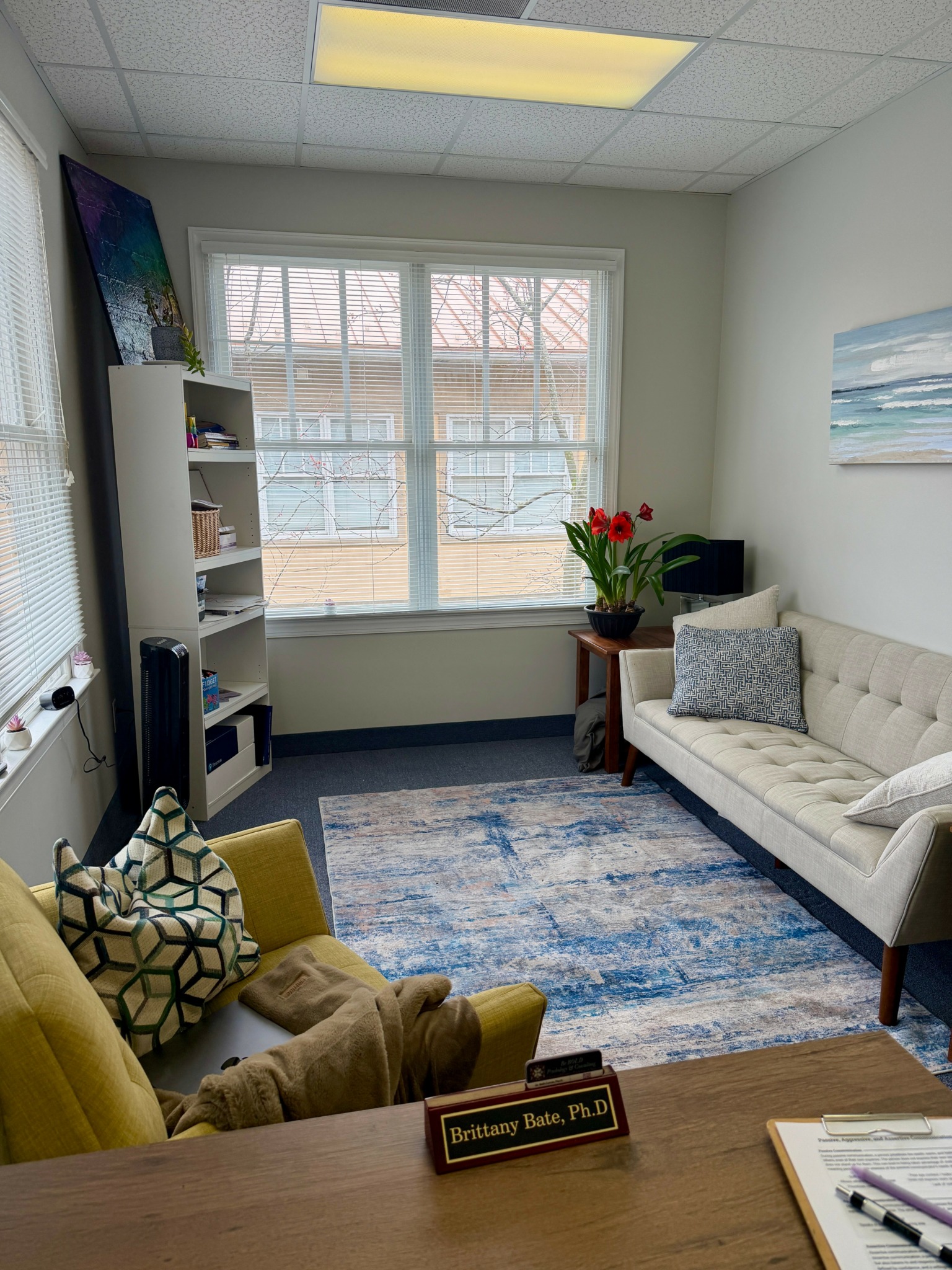
Any stories or insights that might help us understand how you’ve built such a strong reputation?
I really believe my reputation has been built on three things: consistency, being genuinely client-focused, and staying aligned with my values.
From the very beginning, I was intentional about how I showed up, even when no one was really watching yet. I started my practice in November 2020, which meant building relationships during a time when everything was virtual. I spent a lot of time doing virtual coffees with other clinicians, getting to know them, learning about their practices, what was going well, and what felt really challenging. Those conversations were not about immediate referrals or business growth. They were about connection and community. And I have built some of my best friendships doing exactly that!
At the same time, I was very active in therapist Facebook groups and listservs. I made a conscious effort to add value wherever I could, answering questions, sharing resources, and supporting other clinicians. If I was not the best fit for something, I would tag colleagues who were. That mindset of collaboration over competition has been a core part of how I operate.
At times, our field can fall into a scarcity mindset. While I understand it can be scary when client calls are low, it ultimately does more harm than good. It limits opportunities for collaboration, impacts relationships between clinicians, and most importantly, it can prevent clients from finding the best possible fit for their needs. I have always believed that when we support each other as clinicians, we are also better able to support the people we serve.
I think people notice when you consistently show up in a way that is helpful, authentic, and not transactional. I believe it build trust, and I want my colleagues to trust me.
Being client-focused has also been central. Everything we do at Be BOLD is built around the experience of the client, from the first point of contact through ongoing care. That includes creating LGBTQIA+ celebratory, neuroaffirming, and trauma-informed spaces where clients feel seen and respected. When clients feel that level of alignment and care, they share about it, and that naturally builds trust in the community. That also means advocating and speaking out when something is not right. Over the last several years, I helped co-author several statements through the North Carolina Psychological Association in response and rebuttal to several anti-transgender bills introduced in our state. Unfortunately, several of them eventually found their way through. But we will keep fighting.
And finally, I have stayed very grounded in my values. I have made decisions about services, growth, hiring, and even marketing based on what aligns with those values, not just what might be easiest or most profitable. I am outspoken and strong in my values, and I may not be for everyone, and everyone may not be for me. That is okay! I don’t want to be for everyone, because then who am I really? I do believe, though, that consistency builds credibility over time.
So, I do not think there is one single moment that built my reputation. It has been the result of showing up, over and over again, in a way that reflects who I am, what I believe in, and how I want to care for both clients and colleagues. And I genuinely believe myself and my team just straight up offer good, quality services, which helps!
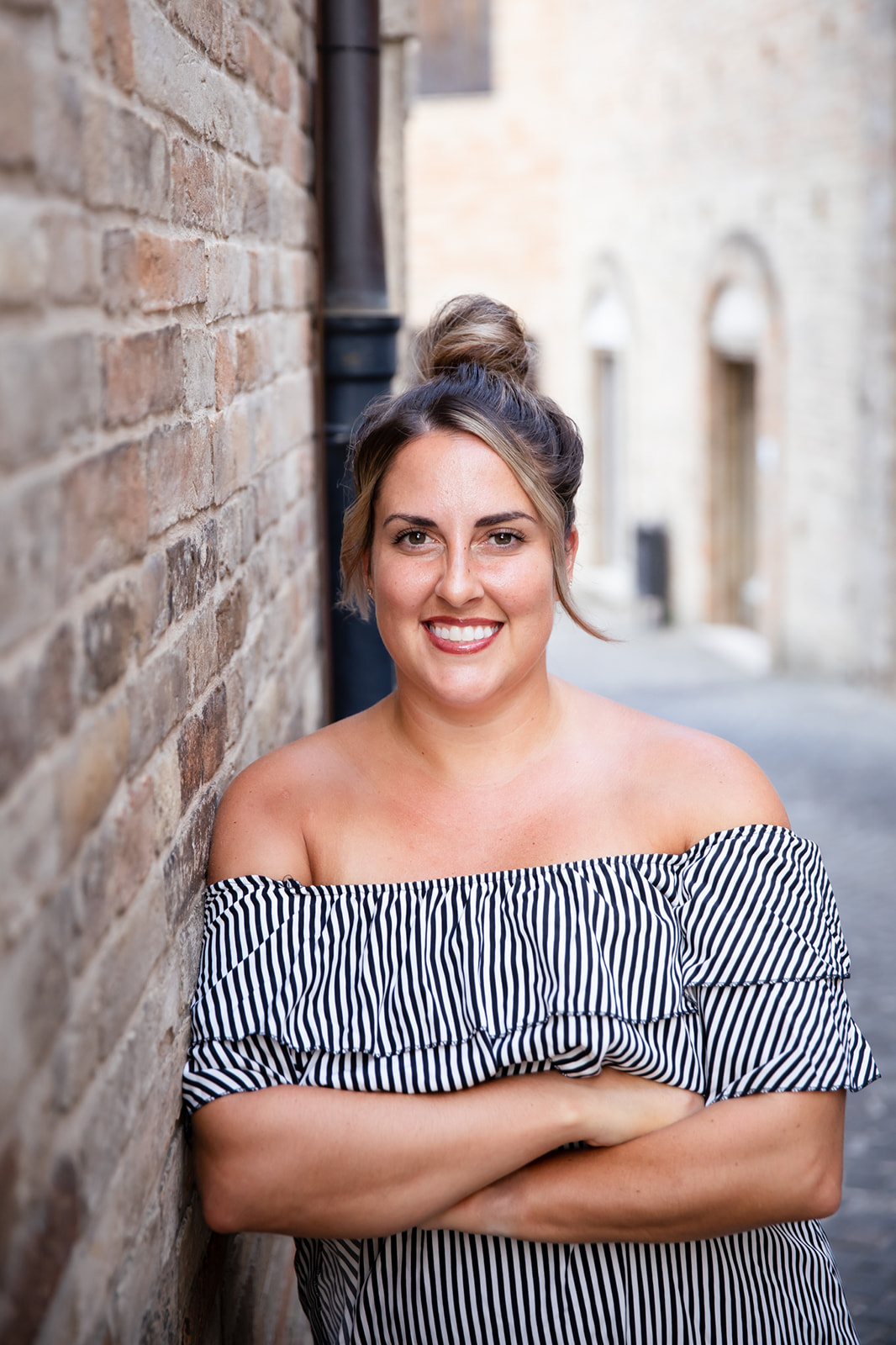
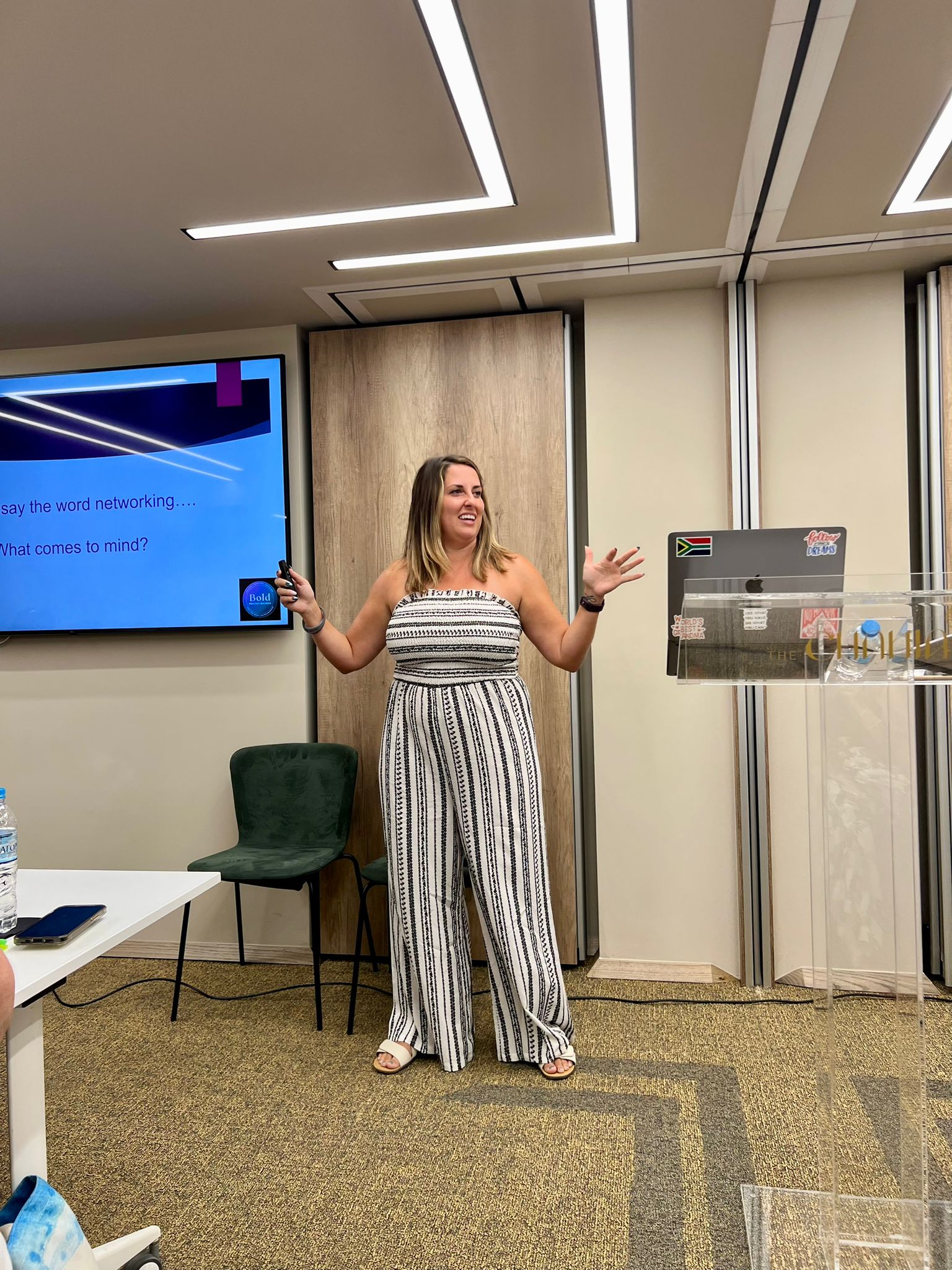
We often hear about learning lessons – but just as important is unlearning lessons. Have you ever had to unlearn a lesson?
One of the biggest lessons I’ve had to unlearn came from something that actually served me really well for most of my life.
I played competitive softball growing up, including at the Division I collegiate level, and one of the phrases that was ingrained in me was, “No is not an option.” Not figuring out how to throw this pitch was not an option. Not playing in college was not an option. It did not matter that I was short, it did not matter that I hit 57 MPH on a good day – I loved softball, and I was going to do it for as long as I could at the highest level of competition that was available to me. So, no was not an option. To me, that meant resilience and determination. If plan A didn’t work, you went to plan B. If that didn’t work, you found plan C, D, or E. You kept going.
That mindset carried me far, and I still value the persistence behind it. But as I stepped into business ownership, I realized that “no” actually does need to be an option. Not as a failure, but as information.
Running a business requires constant pivoting. Not every idea is a good one, not every opportunity is aligned, and not everything is meant to work out. If we keep trying to force a square peg into a round hole, we end up pouring time and energy into something that may not be right for us, while missing what actually is.
I’ve experienced this in very real ways. I’ve applied to speak at conferences and been turned down. I’ve reached out for collaborations that were not a fit. I’ve launched therapy groups that didn’t fill or didn’t take off the way I expected. Earlier in my career, I would have immediately moved into “Okay, what’s plan B, C, or D?” and pushed harder.
What I’ve learned instead is to pause and ask a different question. Is this a signal to adjust, or is this a signal to redirect?
Sometimes it is worth going to plan B or C. But other times, “no” is data. It is feedback that something may not be values-aligned, not the right timing, or not a good use of my capacity in that moment.
That shift has been incredibly freeing. It has allowed me to be more intentional with where I put my energy and more open to opportunities that are actually aligned, rather than just proving that I can make something work.
Resilience still matters. But now, for me, it looks less like forcing and more like discerning.
Contact Info:
- Website: https://beboldpsychnc.com
- Instagram: https://www.instagram.com/be_bold_psychnc/
- Facebook: https://www.facebook.com/beboldpsychnc
- Linkedin: https://www.linkedin.com/in/brittanybate/
- Other: Etsy Shop: https://boldtherapyproducts.etsy.com/
Coaching website: https://www.boldpracticebuilders.com
Trainings: https://collections.humanitix.com/live-trainings-and-masterminds-for-clinicians
Book with me: https://tidycal.com/drbate
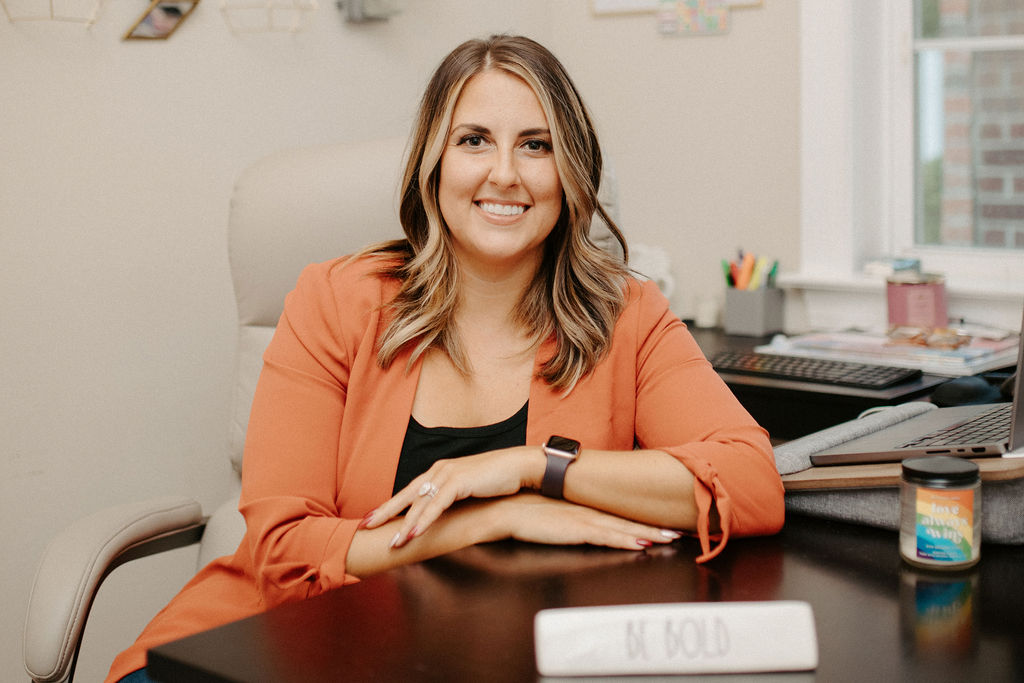
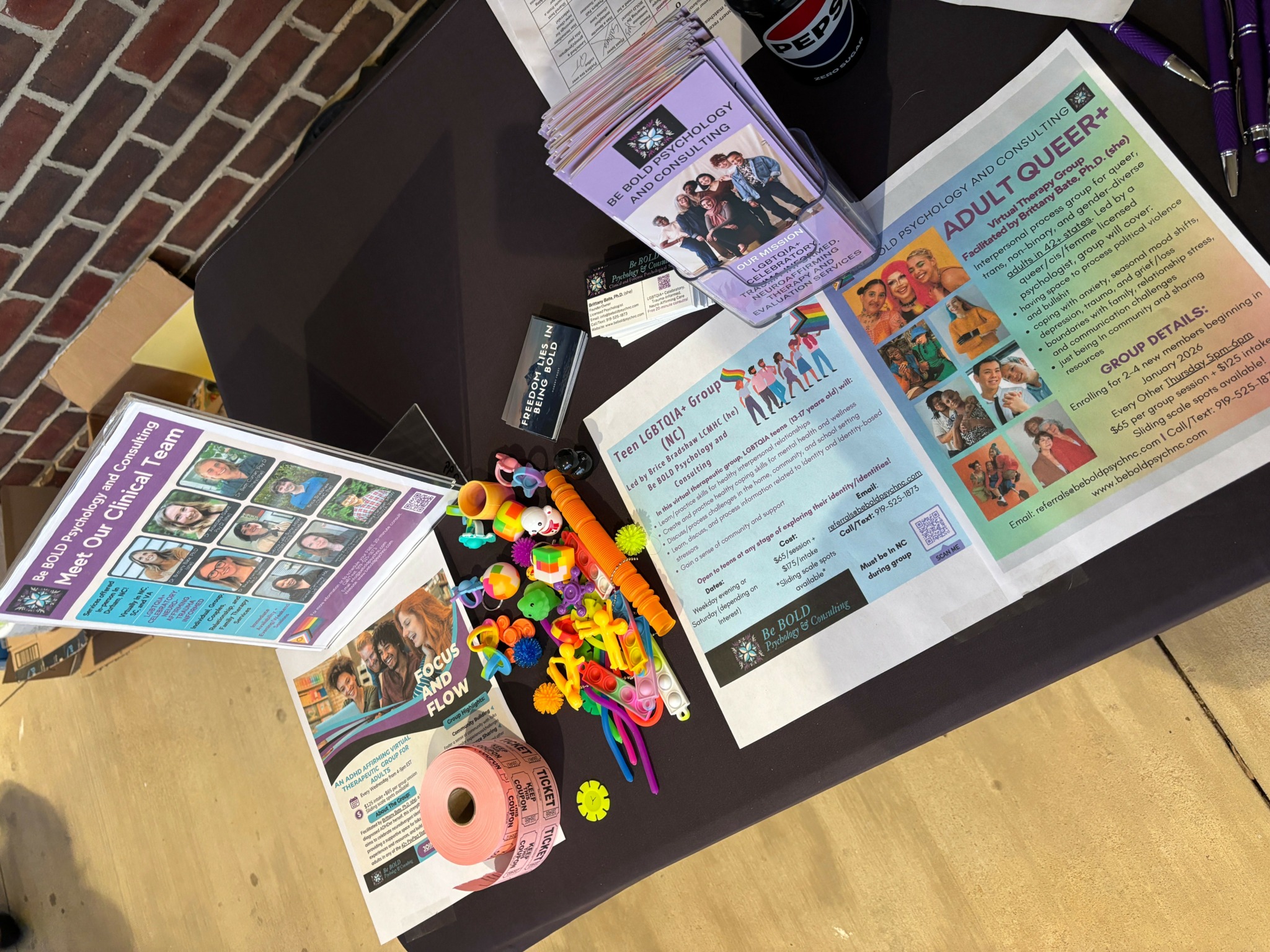
Image Credits
Payton Miller Photography
Ariel Schumaker Photography