


Alright – so today we’ve got the honor of introducing you to Jamie Alimorad. We think you’ll enjoy our conversation, we’ve shared it below.
Alright, Jamie thanks for taking the time to share your stories and insights with us today. Can you talk to us about how you learned to do what you do?
I have always loved music. From the first note I heard I was bopping along and eventually singing. My dad was a singer, so I had the best role model at home. In elementary school I started taking piano lessons, and joined the band in fourth grade. Each year I grew a little bit more as more opportunity presented itself. I wasn’t the greatest practicer until I started my first garage band in 7th grade. That’s when I started to understand how important practicing was. Our drummer wasn’t the best at keeping time, so I would sit behind the kit during our lunch break and teach myself the coordination, and eventually could play. In high school I started doing musical theater and that also brought upon a greater understanding of the work that needs to be put in behind the scenes. I took it as a great compliment when people would say I make it look so easy. They had no idea the amount of hours I put into it daily.
I wouldn’t change anything from my approach. I developed clear goals from the outset of these various projects and I stuck to it. My first piano teacher would always say, “Isolate the hard parts.” Whatever part of the song gave me the hardest time, that’s where I would put my focus, and if it was instrumental, I often worked backwards, practing the last measure of the section first, then adding the previous measure, and so on until it was done. The only obstacle that stood in my way was my own potential procrastination, which would happen if my plate was full of other things.
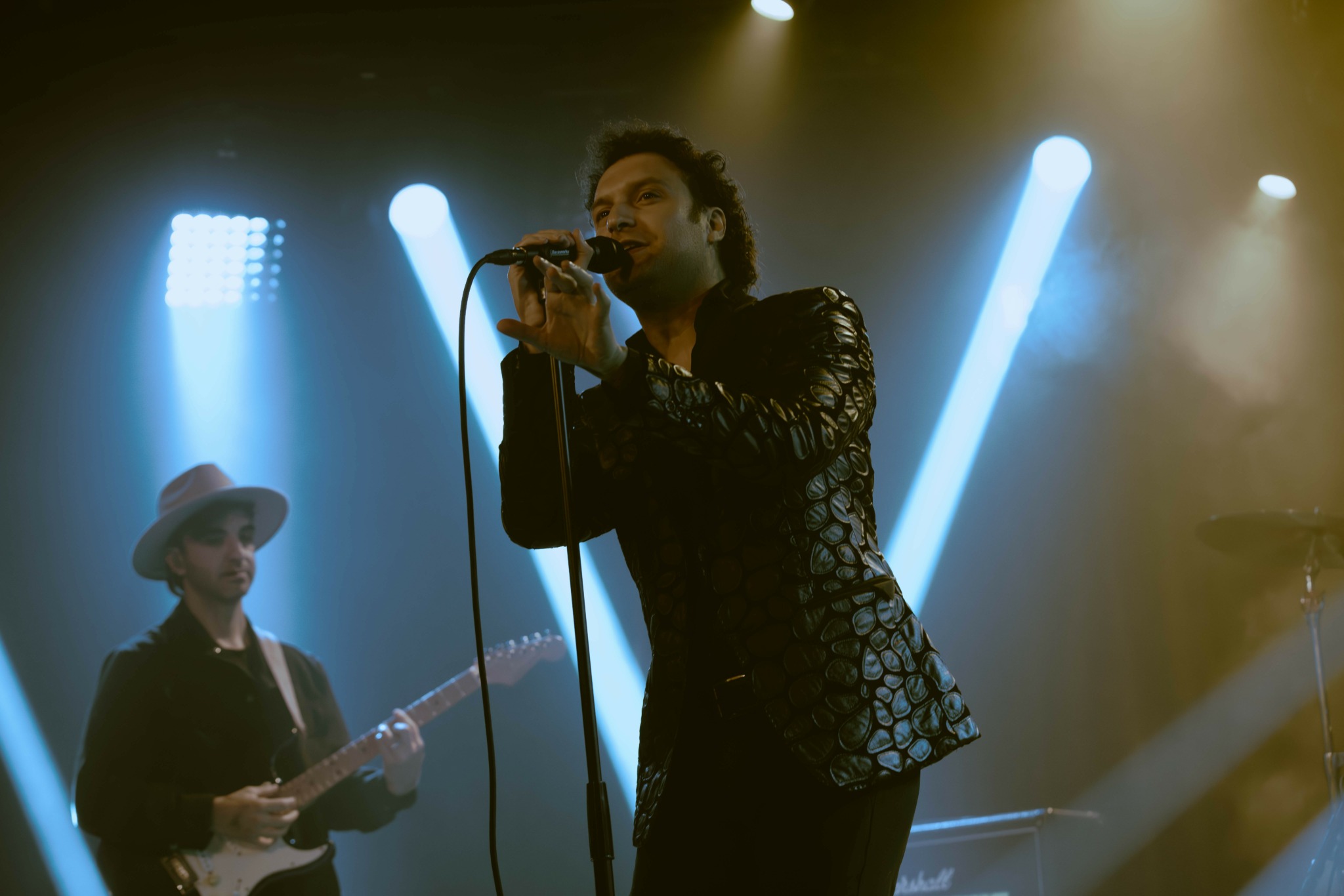
Awesome – so before we get into the rest of our questions, can you briefly introduce yourself to our readers.
Just before I formed my first band, I was watching The Beatles movie Help!. It was incredible for me! I was magnetized by these four Liverpudlians. That’s when I knew I didn’t want to do anything else. I studied and got my degree in Music Technology from Northeastern University, and it was during those four years that I really cut my teeth. It was the first time I started playing club and bar gigs, and dealing with a not-so-friendly audience. That’s where you build strength and resolve.
I think that’s the biggest thing that separates me from a lot of other newer artists – the ability to command an audience and perform live. I’m still from more of an old school place where I performed live A LOT before I ever set foot into the studio. Now people are recording in their bedrooms, on their devices, and while that’s great, it doesn’t give you that real time feedback an audience does. All my early songs were performed dozens of times on stage and I knew what the audience liked and didn’t like before I ever recorded a note. Plus the live experimentation allowed for a greater understanding of the tunes before recording them, which ironically also allows for new experimentation when the red light is on.
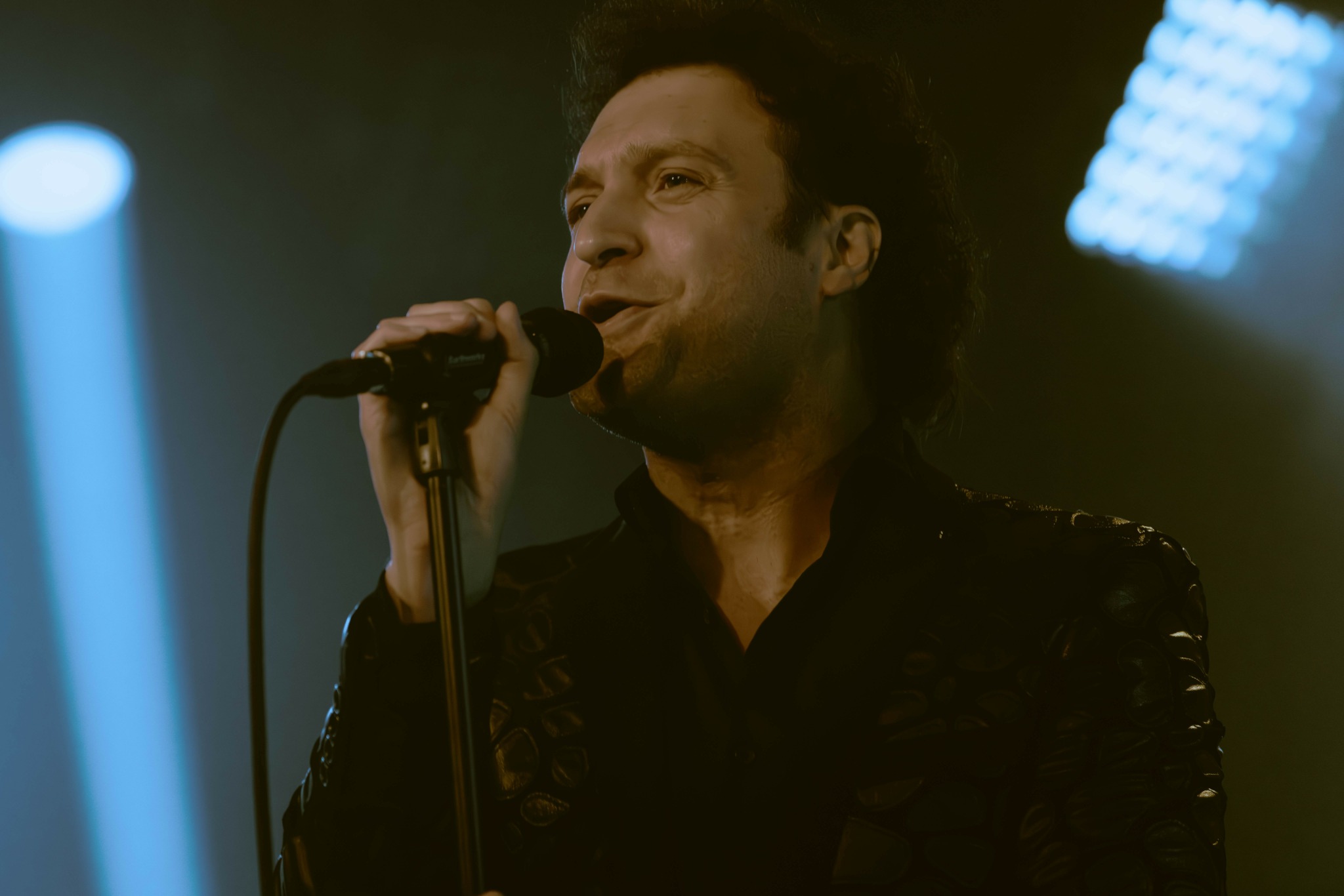
Let’s talk about resilience next – do you have a story you can share with us?
I started as a college act in Boston, and then started touring the Northeast Corridor (Boston to D.C.). A radio station in LA started playing some of my songs, and interest began to percolate out West for me to perform. Someone at the Whiskey A Go-Go heard my stuff and booked me, and the calendar slowly filled out for a three week tour of the Southwest and West Coast.
After the first few gigs in Phoenix and Vegas, we made our way to LA. The night before the gig at the Whiskey, one of my guitar players staged a mutiny and tried to get the entire band to walk out because he was unhappy with the sound from the Vegas gig, which is an incredibly stupid reason to quit a band. For the record, his perceived unhappiness with the sound was because his monitor blew out, and he thought the sound guy turned it off. He doesn’t show up to rehearsal and asks to have a meeting at the hotel where he gives an ultimatum. Not gonna fly with me. So he quit. The others did not. I was so bold as to say I could find a guitarist in a day, teach him the set, and play the show. I did just that. He showed up to the gig, walked straight up to me before the set, and told me, “I came to watch you fail.” Nothing could’ve gotten me more excited to play the show. The place was packed, we absolutely crushed it, and I did find a guitarist who learned the set in an hour, and played the show with us! After that I knew I could handle anything.
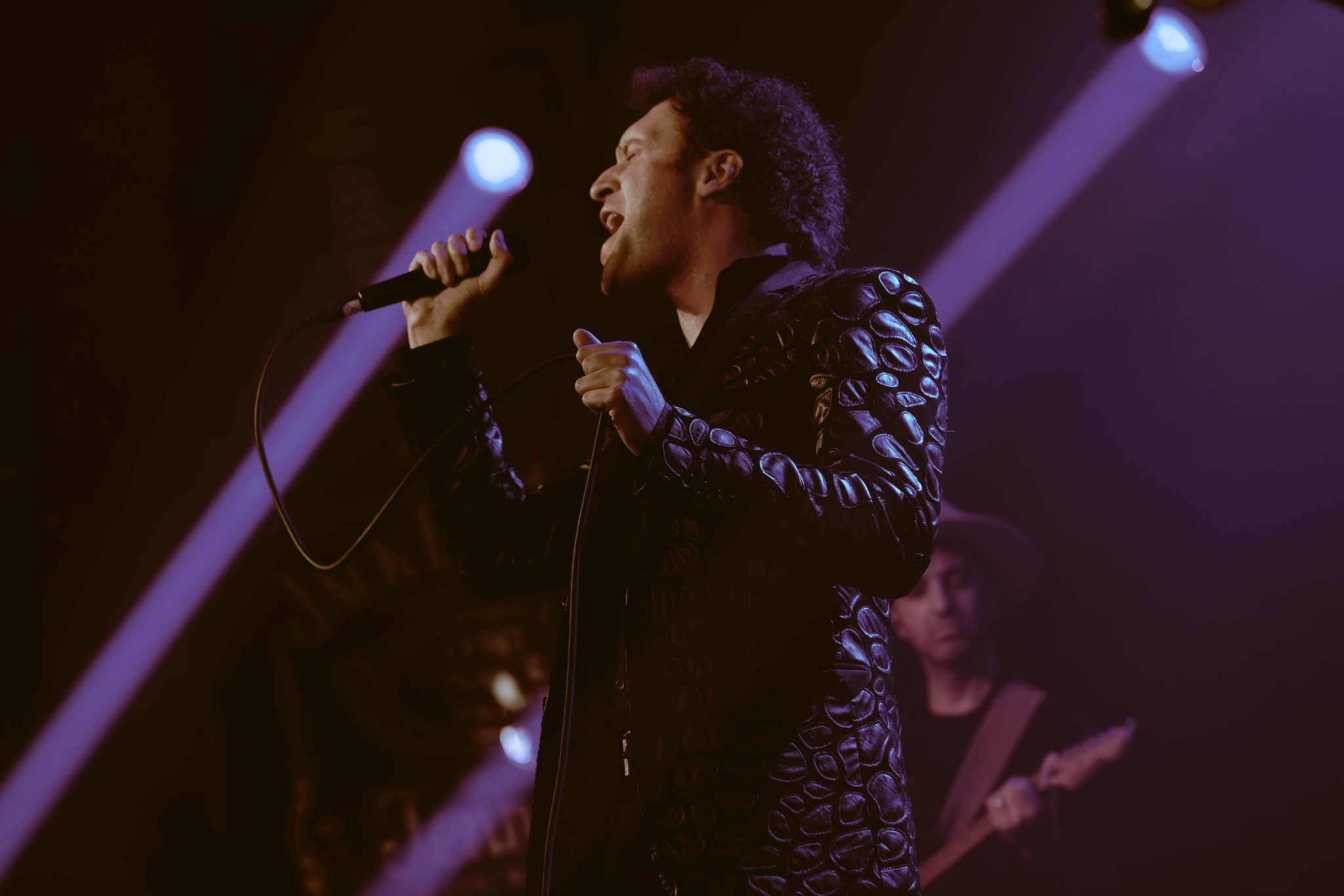
For you, what’s the most rewarding aspect of being a creative?
To me, it’s like a self-renewing cycle. I write songs because I want to express something. I record songs and watch this idea become something real. I perform songs to connect with the audience and now these various individual experiences from the songwriter and artist (me), the band, and the crowd collectively have something that is shared. That’s incredible! I can’t pick which is the most rewarding because in the moment, each step feels the most rewarding. After I write the song, I can’t wait to record it. After I record the song, I can’t wait to perform it. After I perform it, I can’t wait to write a new one!
Contact Info:
- Website: https://jamiealimorad.com
- Instagram: https://instagram.com/jamiealimorad
- Facebook: https://facebook.com/jamiealimorad
- Twitter: https://x.com/JamieAlimorad
- Youtube: https://youtube.com/jamiealimorad
- Other: https://open.spotify.com/artist/59UqIZrZFo3Um9jqgdavic?si=GIFA-3ZFSCa_oprN1EBY2w
https://music.apple.com/us/artist/jamie-alimorad/392888816
https://jamiealimorad.bandcamp.com
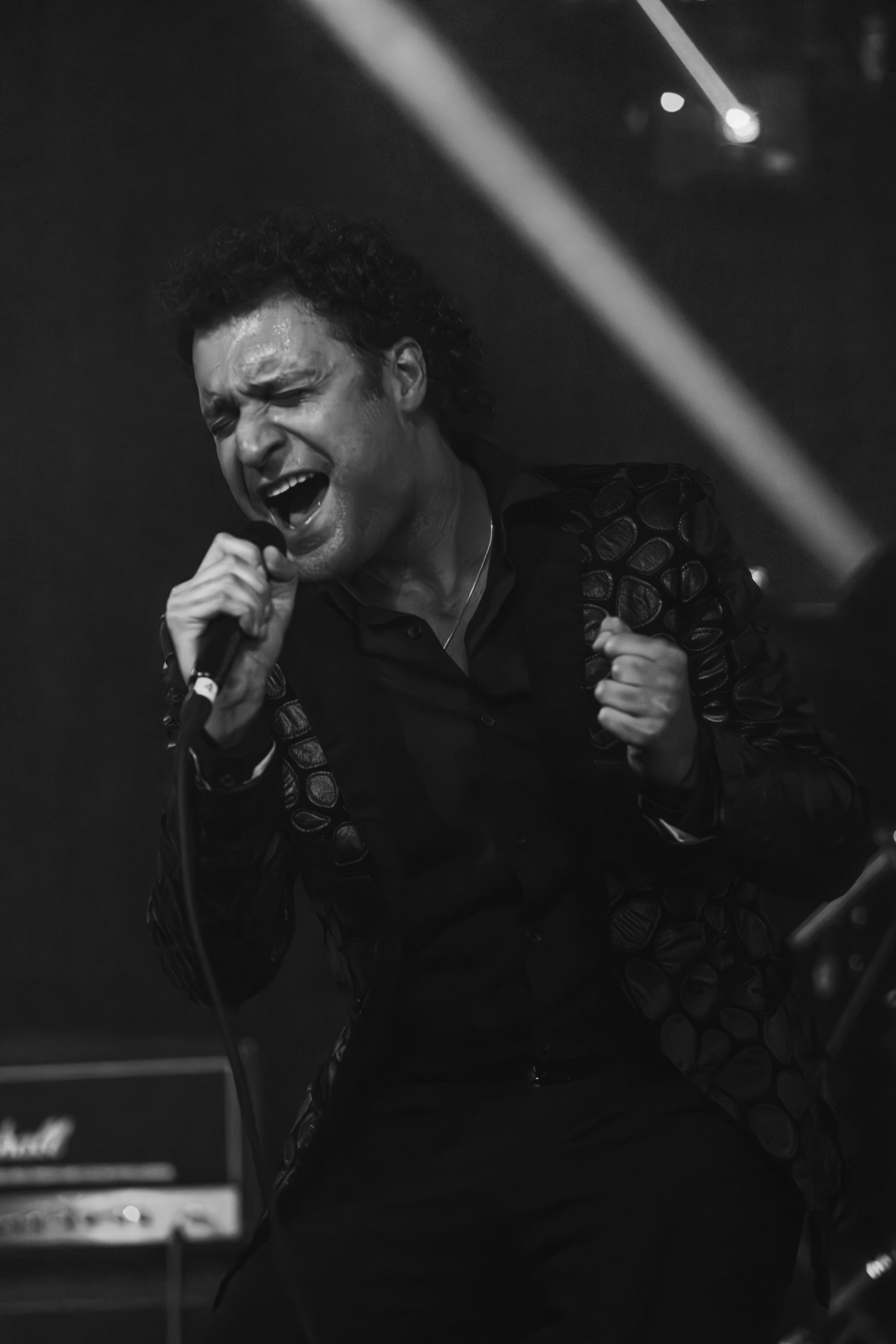
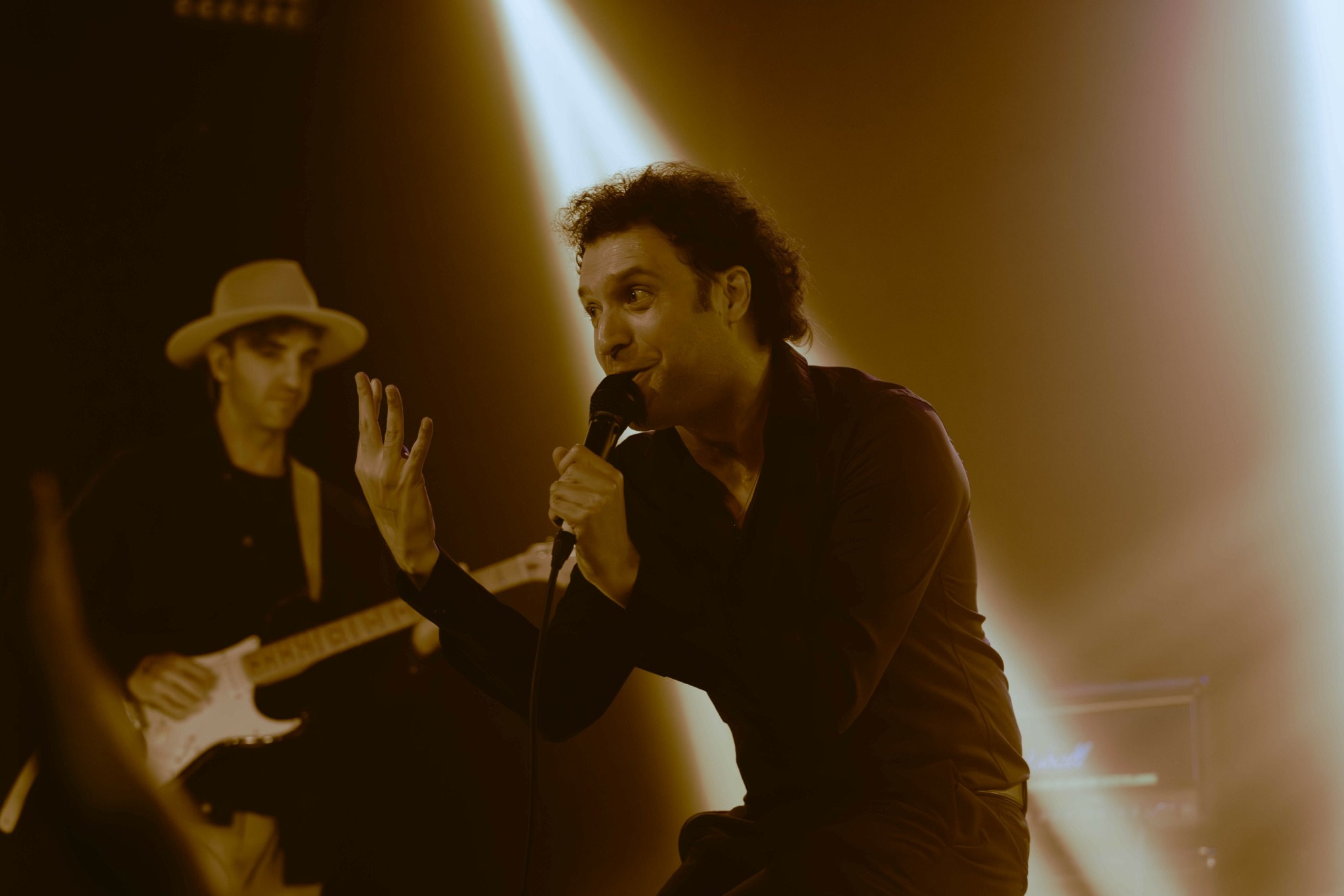
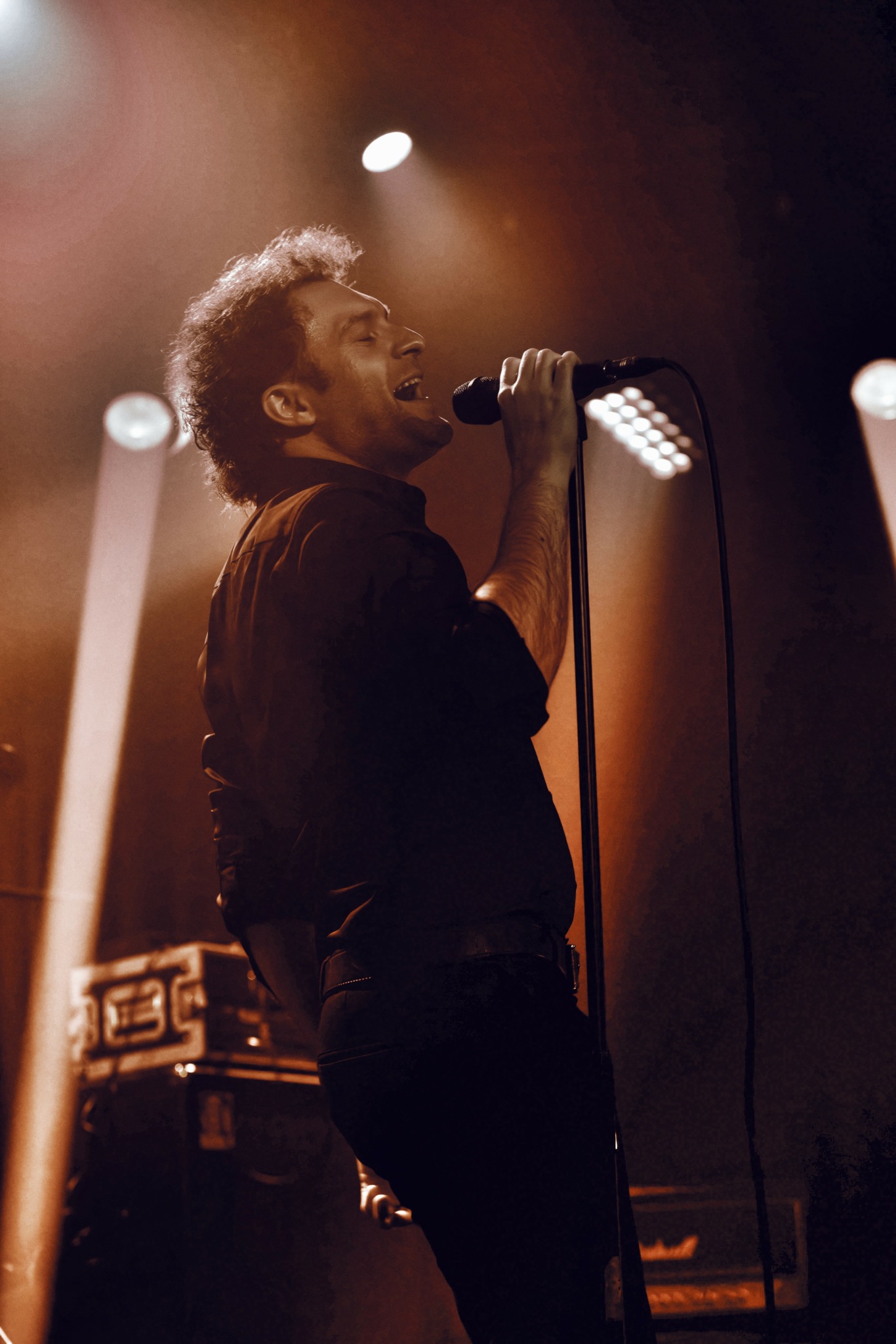
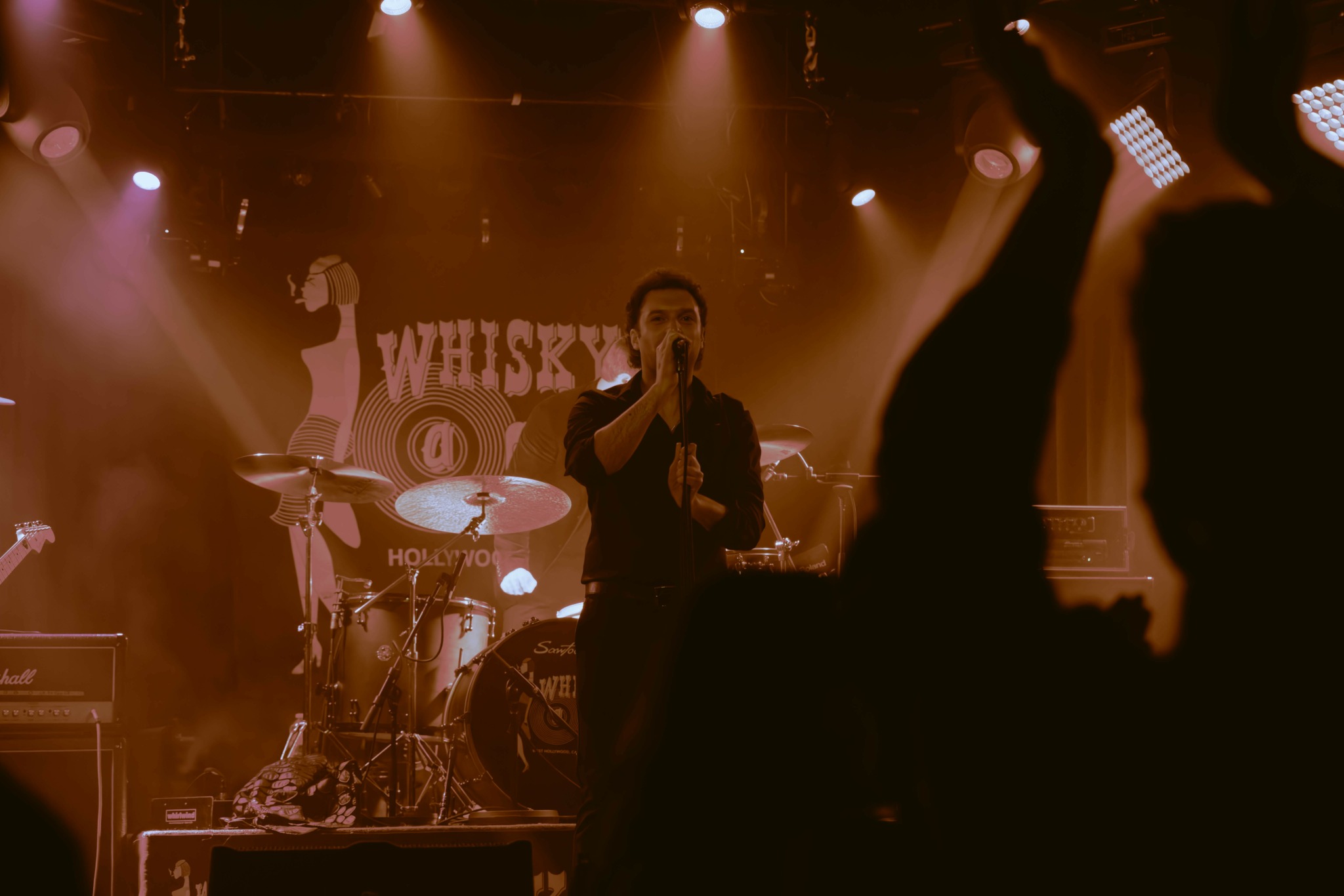
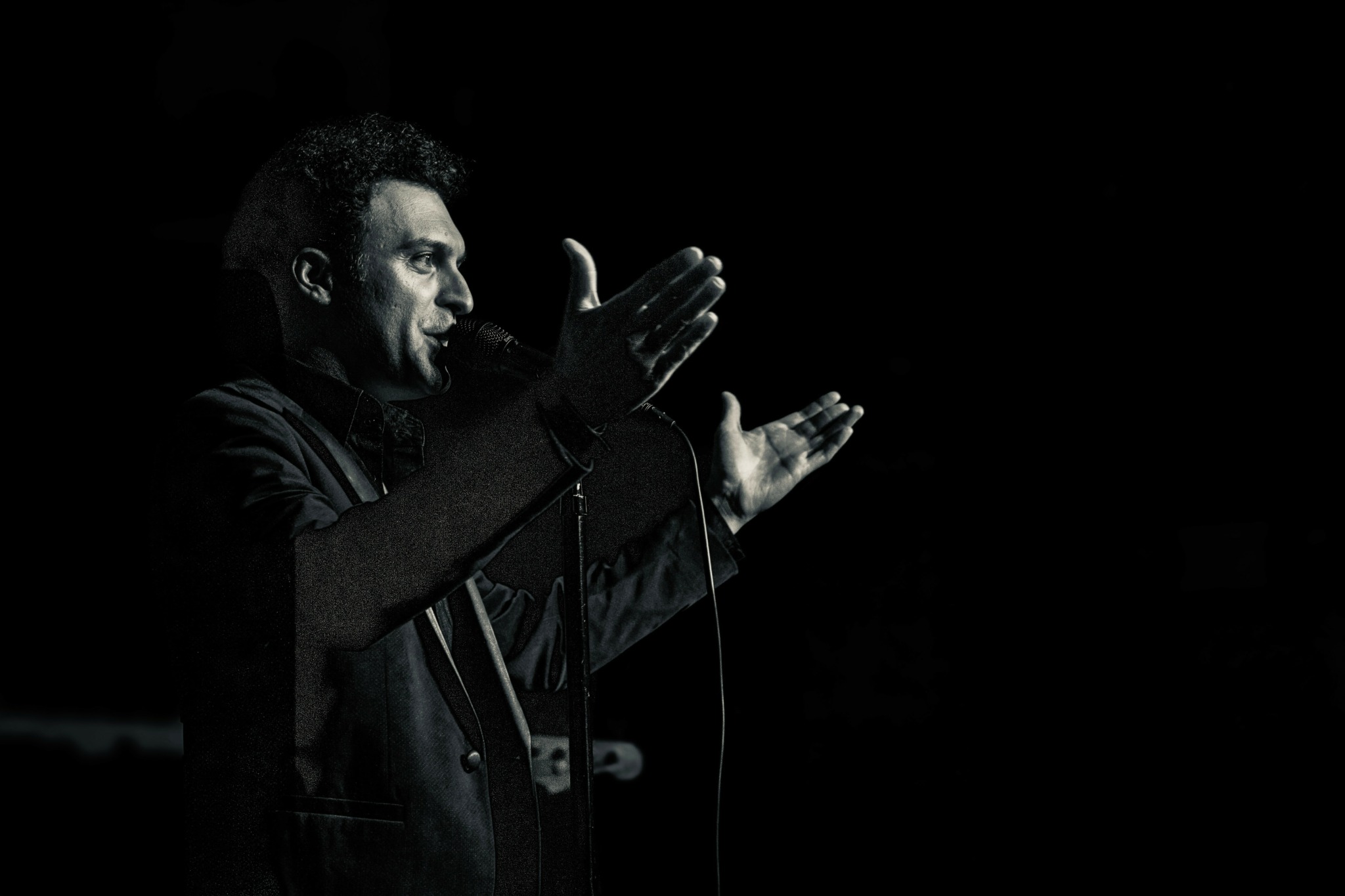
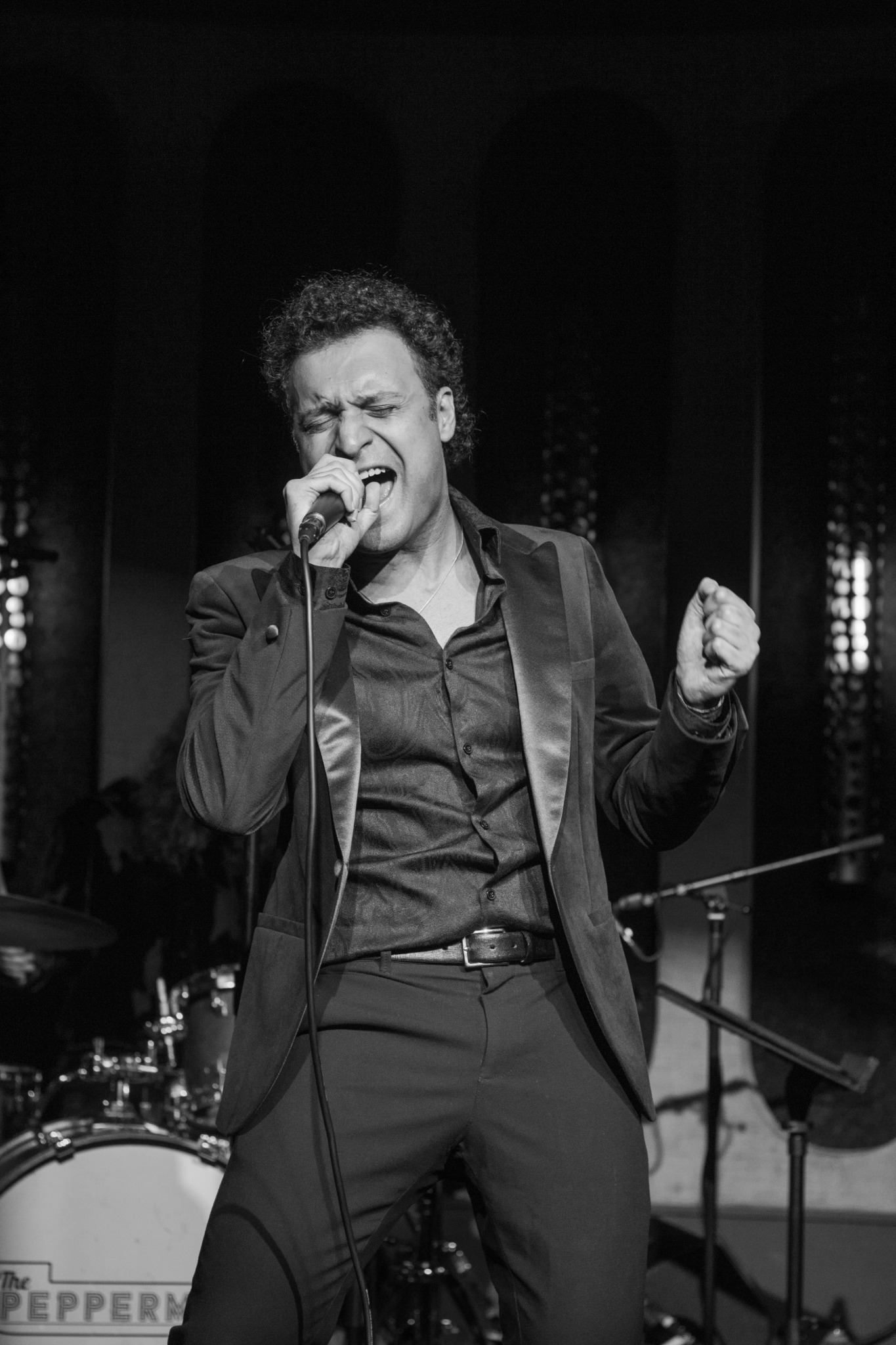
Image Credits
Brandee Allen (color photos), Paige Erlandson (black and white photos)