
We caught up with the brilliant and insightful Timothy Wright a few weeks ago and have shared our conversation below.
Timothy, appreciate you joining us today. Being a business owner can be really hard sometimes. It’s rewarding, but most business owners we’ve spoken sometimes think about what it would have been like to have had a regular job instead. Have you ever wondered that yourself? Maybe you can talk to us about a time when you felt this way?
After nine years of business ownership, I am still happier as a business owner. I am not so far removed from having a regular job that I have forgotten about the experience. At times, I see more stability and access to resources in having a regular job. However, in other times, I witness people in regular jobs suffer from instability and loss of access to resources based on factors outside of their own performance. The rigidity of working in a hierarchical workplace with roles tied to one job description was at one time a welcome structured environment. But as I grew impatient with professional and personal growth, the lure of business ownership became more and more attractive, even with the challenges. The current environment in my industry leads me to cling to business ownership even more, although we are in turmoil. I believe being in a position to make change and adapt quickly outweighs the perceived stability of working a regular job in the same volatile industry.
Great, appreciate you sharing that with us. Before we ask you to share more of your insights, can you take a moment to introduce yourself and how you got to where you are today to our readers.
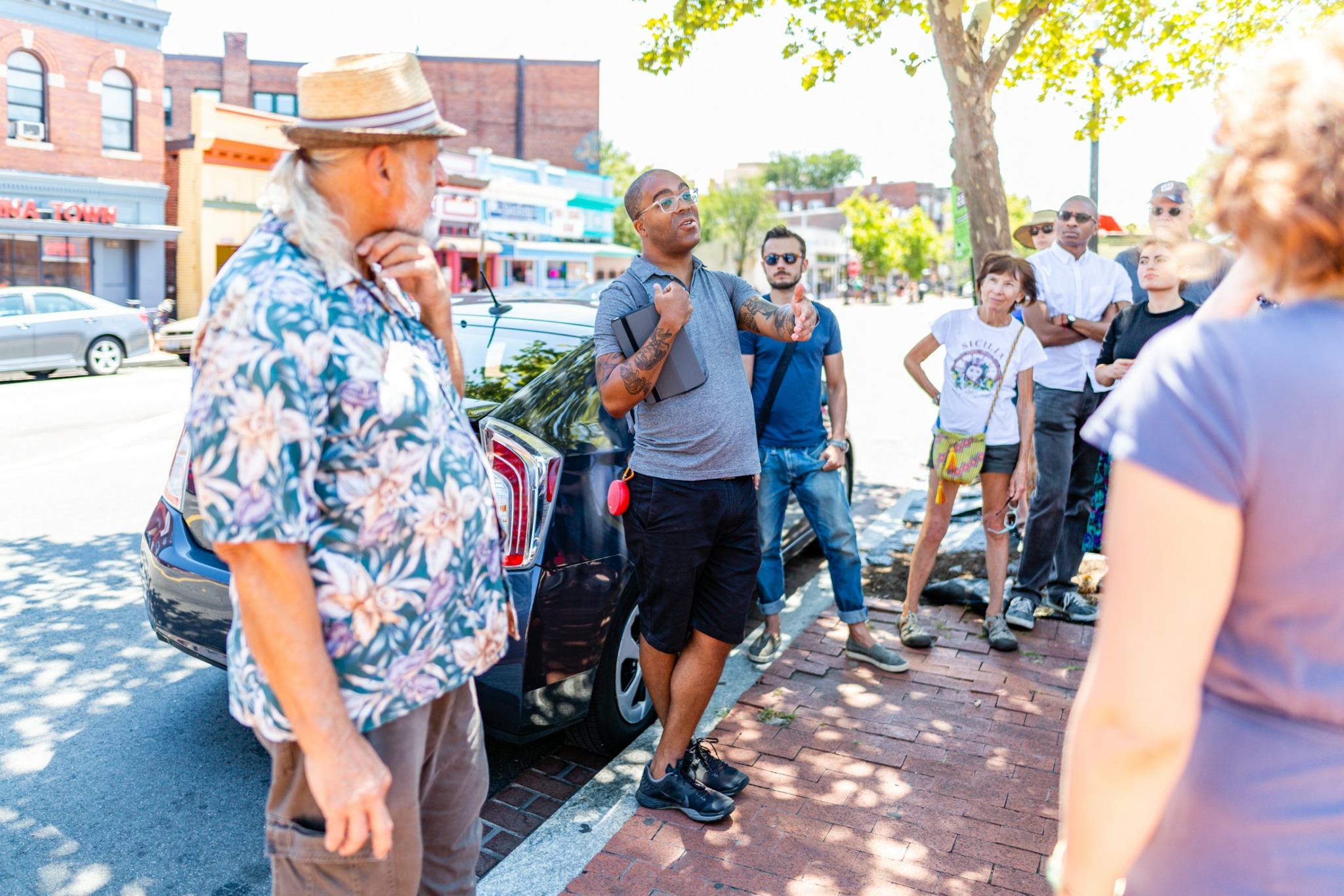
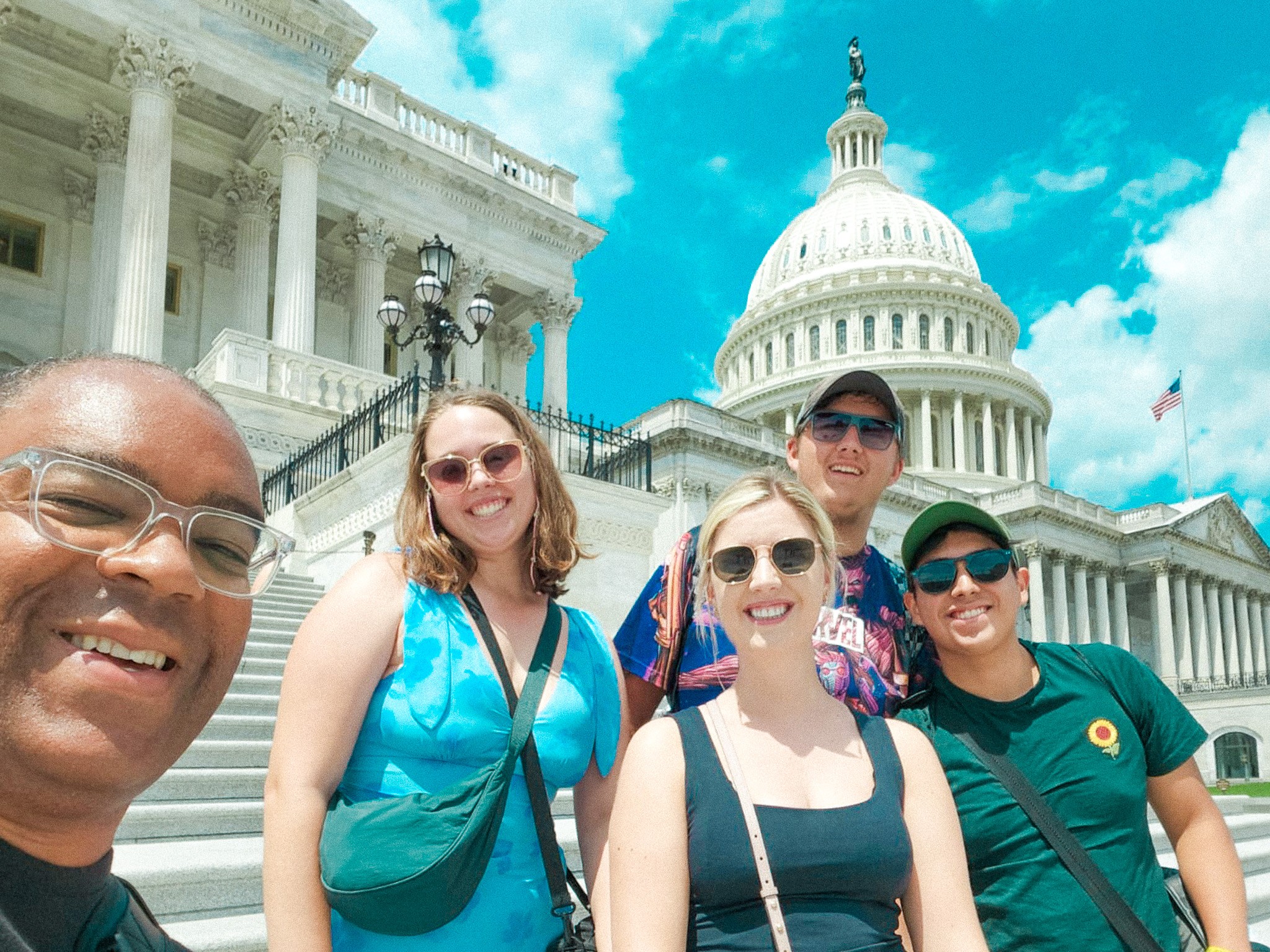
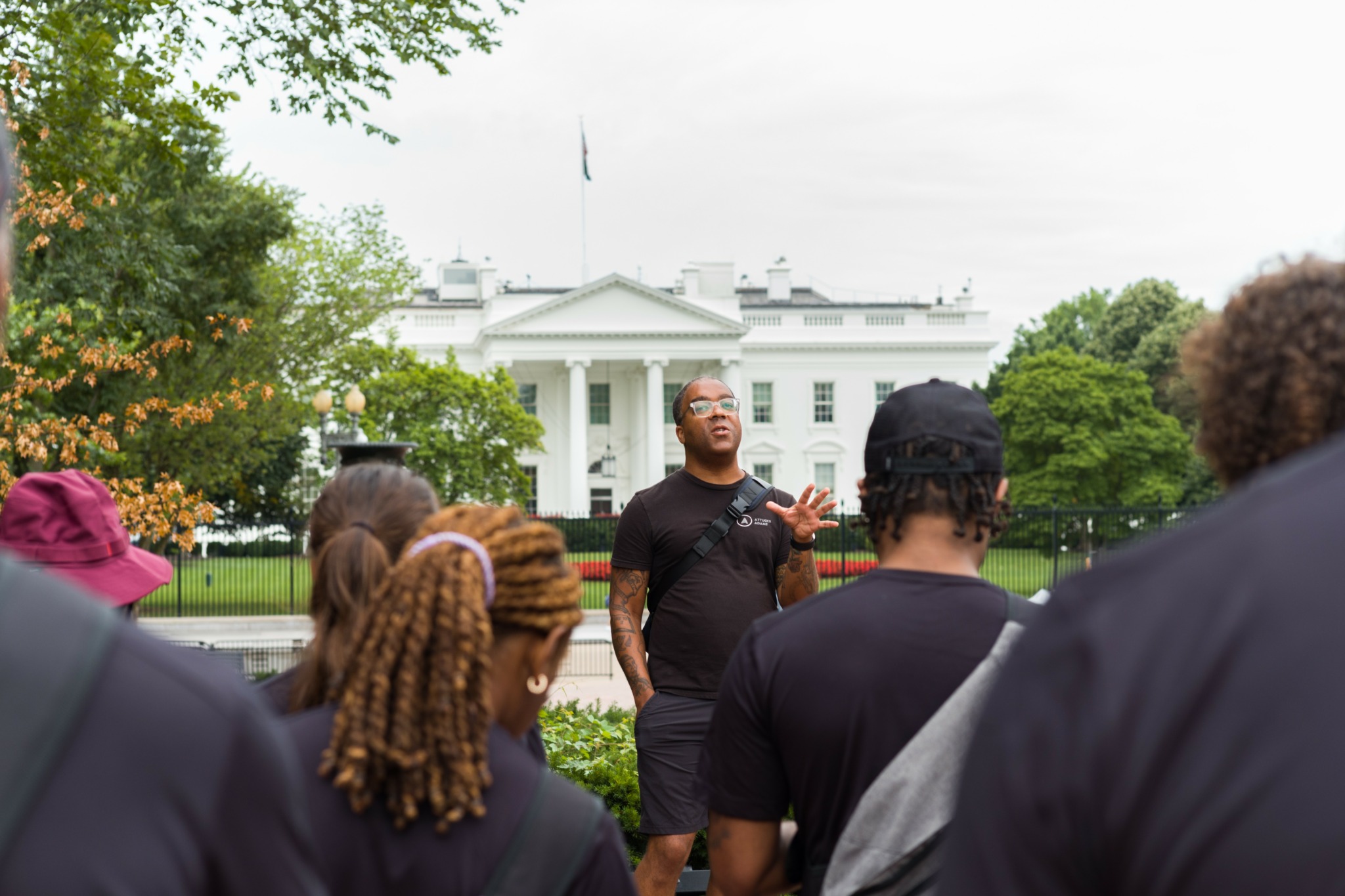
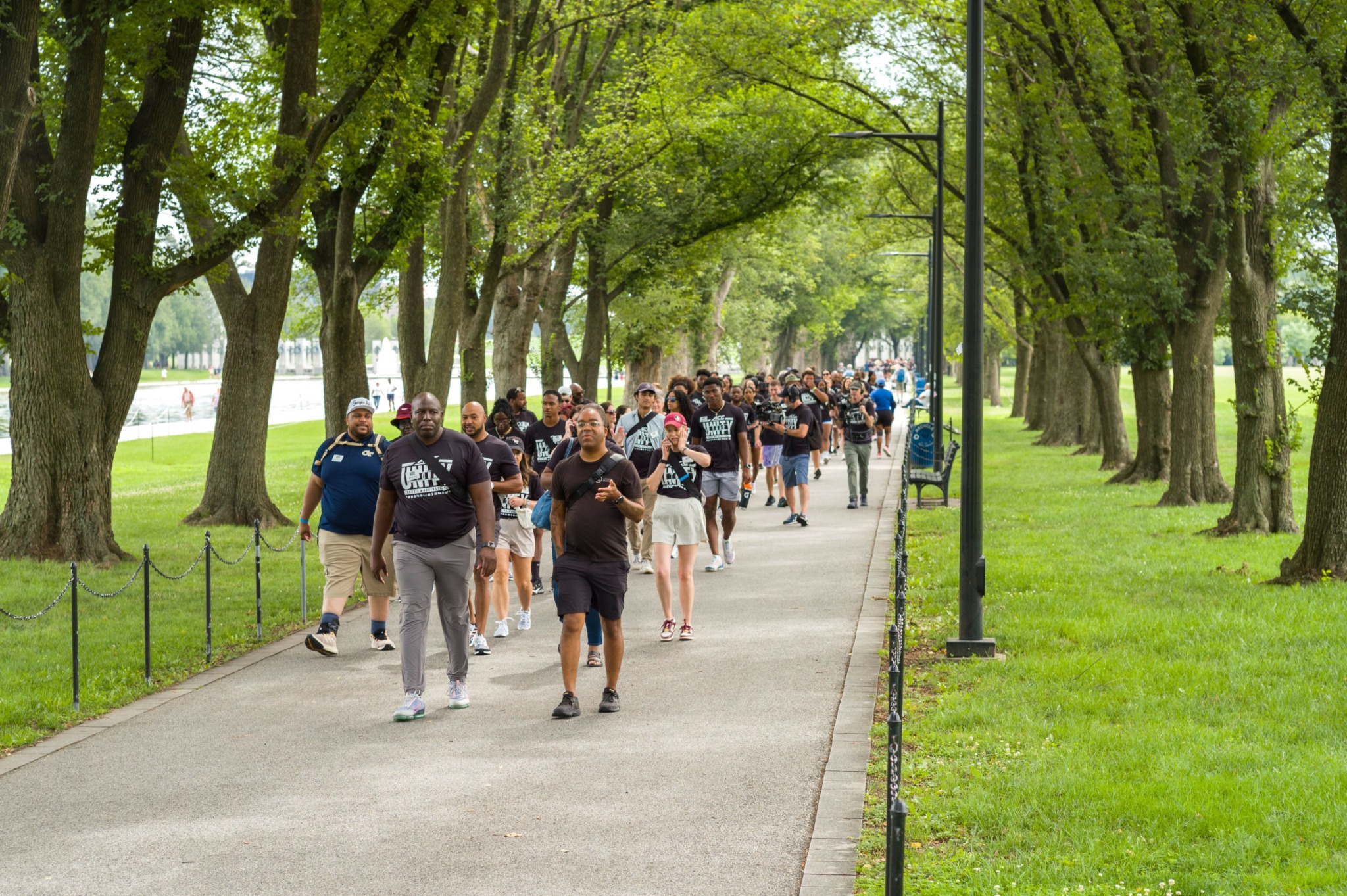
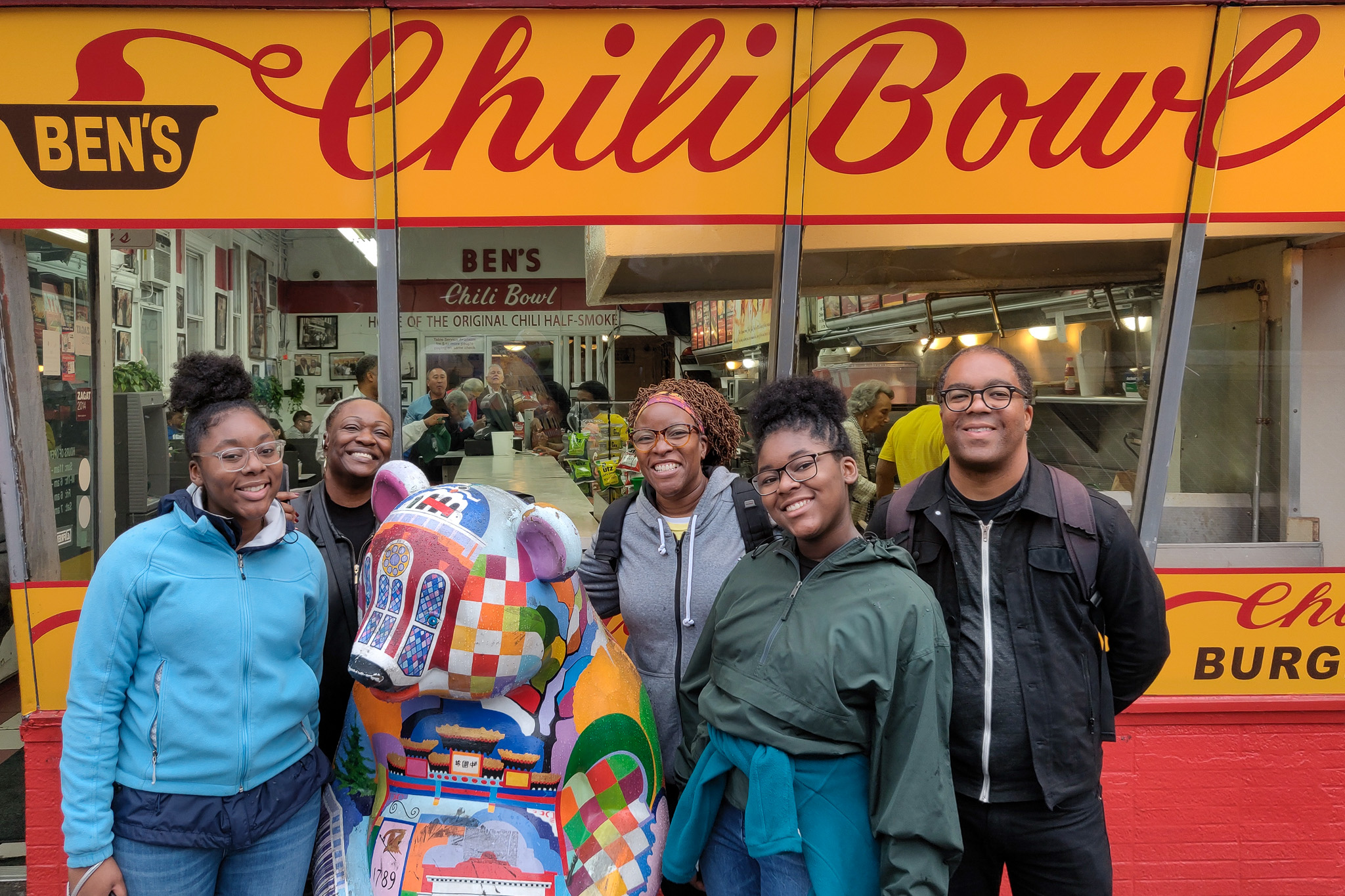
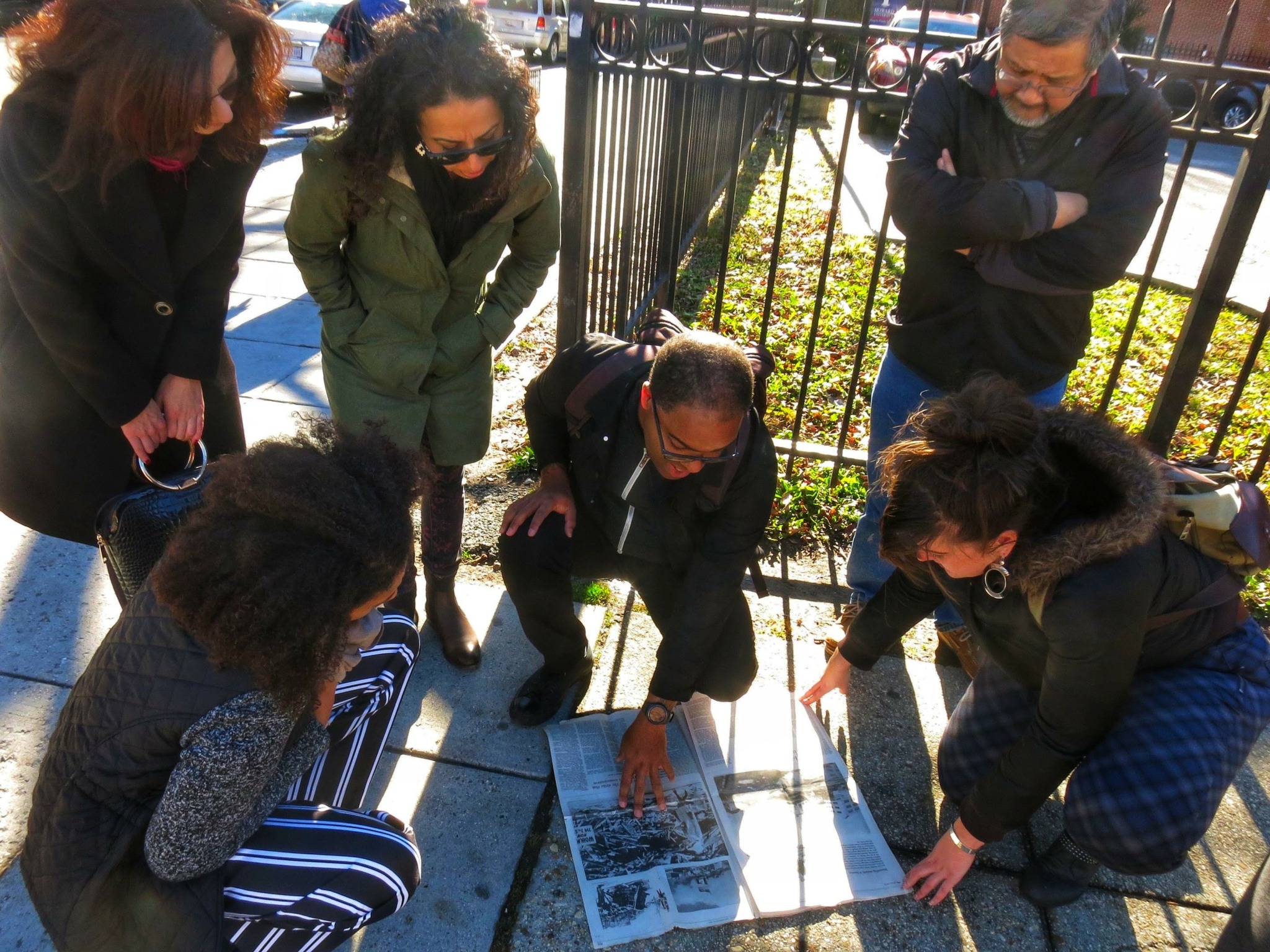
I am in the tourism industry. I own a small walking tour company in Washington, DC. My focus includes touring commemorative art in the form of monuments and memorials, teaching about how the government works touring Capitol Hill, and examining local history through DC neighborhood tours.
I entered the tourism industry after decades working for non-profits in museum education and civics education. Those years in out-of-school and experiential educational environments, my desire to teach American government and civics, and my background as an historian led me to build out a few test tours. I enjoyed writing and delivering my own programs and working outside. After some success with the part time tours, I briefly worked with a career coach to explore adjusting my mindset toward self-employment. Then I made the decision to start the company nine years ago.
I primarily offer walking tours to small groups, but also provide other services like tour and itinerary building, trip planning, online programming; and with certain partners, fact checking, research, and editing services. I am most proud of building strong relationships with third party providers in the tourism and educational spaces that provide opportunities for professional growth while acting as a good business stream to supplement traditional tours.
There are plenty of tour guides and companies in Washington. I have tried to build quality programs that incorporate history, sociology, art, and the built environment to tell more complete stories to visitors that reach me. I also give the visitors a chance to reflect on the commemorations we encounter and think about the purpose of commemorative art in Washington. I strive to incorporate an inquiry based approach to exploring Washington; as much as my guests will allow.
How’d you think through whether to sell directly on your own site or through a platform like Amazon, Etsy, Cratejoy, etc.
The vast majority of tours are booked and paid for online in advance. Selecting a booking software was a moment of change for the business. I started off with a more complicated system of contact – confirmation – booking. With automated, instant booking, I freed up time and effort, streaming the process for guests as well. When I work with third party booking sites, managing the overlapping calendars has been more of a challenge than anything else. The pros are each platform cultivates customers in its own way and passes them along to me, making for a more diverse client base. The downside is the third party tour booking sites have increased their “cut” or booking commission over time, while at the same time reducing support for vendors across the industry. I would happily keep all bookings in house, but my reach as a small one person company with a small marketing budget is limited. Working with third party bookers is essential, but there are tradeoffs to consider.
Where do you think you get most of your clients from?
Finding and creating relationships with new clients is perhaps the most rewarding part of the business. Most tours I operate are private, small group tours. However, I do operate public tours on a per ticket basis on a popular experience platform. The price point is lower and the tours produce lower revenue than more lucrative private tours. However, I have met several clients on public tours that have returned to book larger, more comprehensive programs after getting to know the business. For example, a theatre operator took one of my public neighborhood tours. Later in the year, he oversaw a production of a play that was tangential to neighborhood history. We formed a partnership whereby I produced multiple group tours for patrons of the theatre production over several weeks. We worked together on two additional productions over the years, incorporating tours into extended theatre programming for VIPs. I will continue to run lower revenue public tours in order to create opportunities for individuals to experience the tours content as well as
Word-of-mouth is also a source of leads for many extended partnerships over the years. I have a number of long term, repeat clients in the education sector (high school and college level). Each was established via word-of-mouth recommendations in the education world.
Contact Info:
- Website: https://www.attucksadams.com/
- Instagram: https://www.instagram.com/attucksadams/
- Linkedin: https://www.linkedin.com/in/attucksadams/