
We were lucky to catch up with Kate Minju Kim recently and have shared our conversation below.
Kate Minju, thanks for joining us, excited to have you contributing your stories and insights. We’d love to hear about a project that you’ve worked on that’s meant a lot to you.
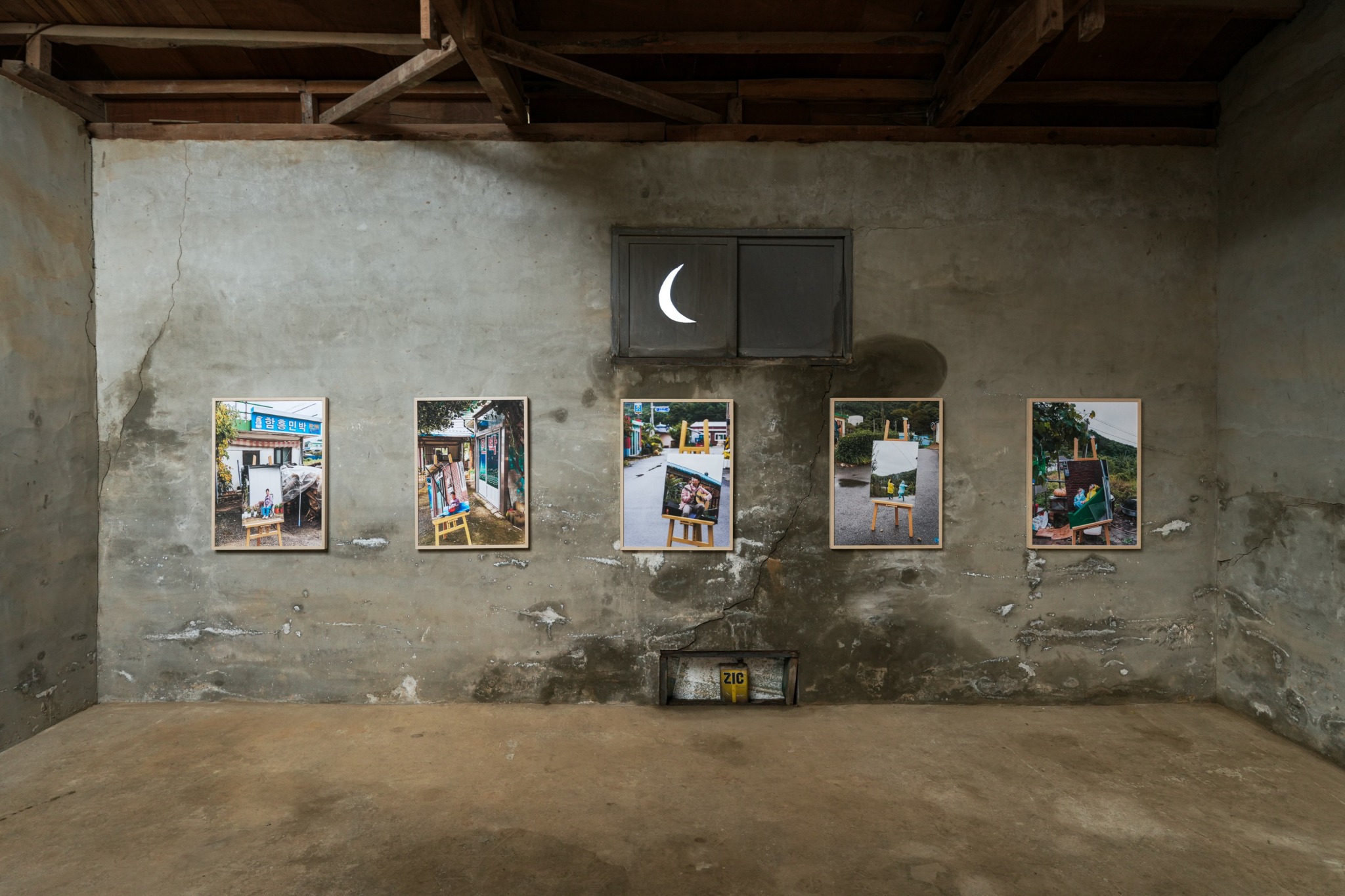
The most meaningful project I’ve worked on is my first photography exhibition, which came out of an artist residency in 2025. Even though I’ve wanted to be a filmmaker since high school, it took me a long time to fully see myself as an artist, even while I was actively making films and writing scripts. I think I was so caught up in the pressure of having to prove myself, of getting to that first feature, that I had unknowingly chained myself to my desk. I was chasing story rather than living inside it.
In 2025, I did an artist residency in Myeongpa, a village in the northernmost part of South Korea’s Gangwon province. Right below the DMZ and only opened to civilians in 1995, the village is a place with its own quiet, isolated history. I spent over a month there with artists from completely different fields and backgrounds, and at the end was a two-day festival where we each showed the work we’d made during our stay.
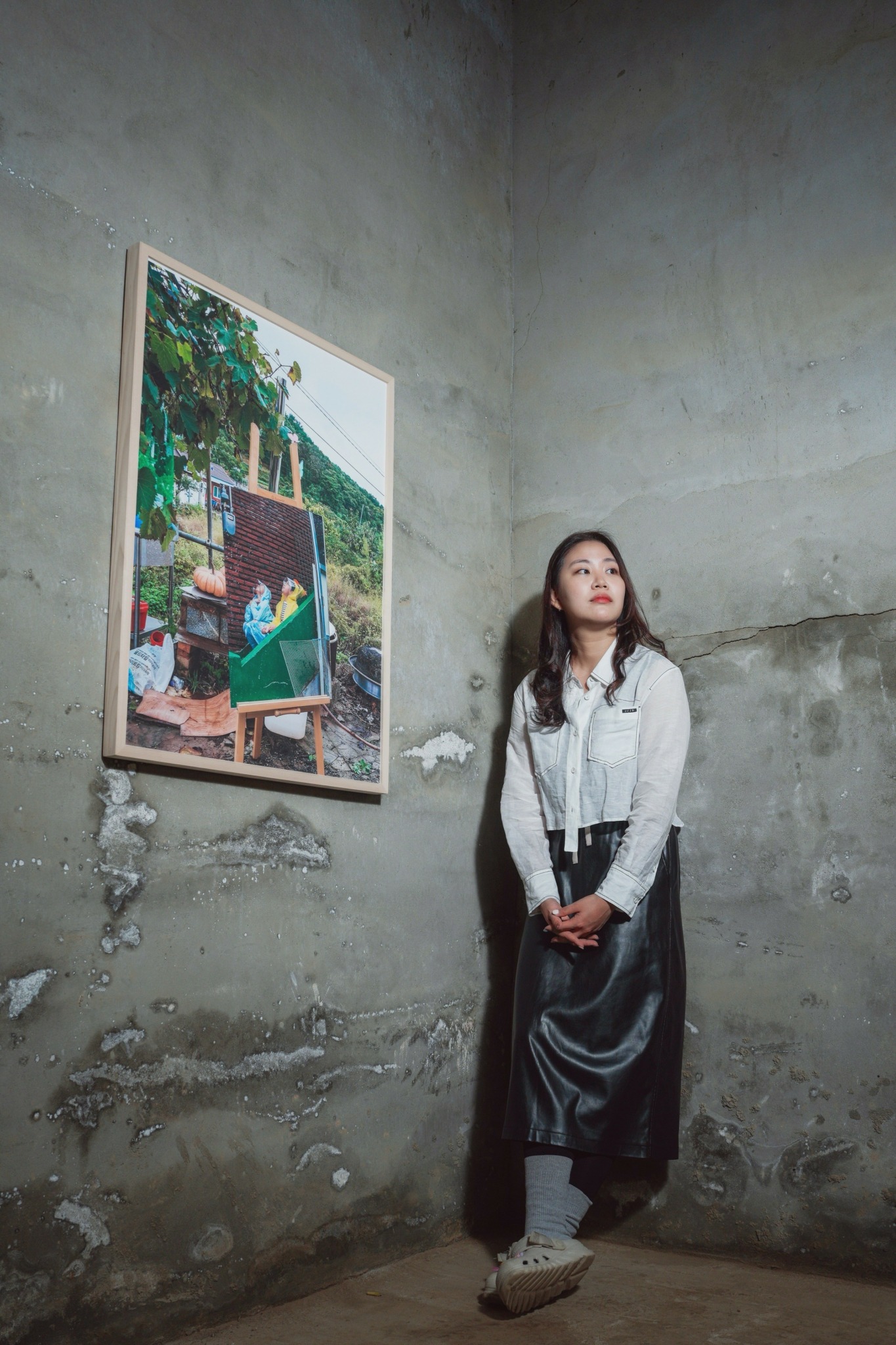
What shifted for me there was that I let go. I put down the instinct to find a story even though the village was full of them, full of material that could’ve easily become fiction. Instead, I just started talking to the villagers. And the stories came to me. I realized the real stories were in the people, in the world, in nature. Not at a computer. So I picked up a camera. I set up a large mirror on an easel and photographed the villagers reflected in it, like portraits, with their most familiar surroundings as the backdrop. My first photography exhibition.
It had nothing to do with my career trajectory. But it gave me something more important: a sense of direction as an artist, and a kind of pure satisfaction I hadn’t felt in a while. Myeongpa freed me. And I think it’s a place and a feeling I’ll keep coming back to.
Kate Minju, before we move on to more of these sorts of questions, can you take some time to bring our readers up to speed on you and what you do?
I’m a filmmaker and screenwriter who writes and directs genre films. My stories tend to live in the space where the ordinary cracks open- a little dangerous, a little playful, and always looking for the extraordinary hiding inside the ordinary. I’m drawn to characters with double lives, hidden codes, and buried instincts, and to genres that let those instincts run.
I trained at three film schools across three continents: Korea National University of Arts (K-Arts) in Seoul, Columbia University in New York, and FAMU in Prague. And that journey wasn’t just academic. It fundamentally shaped how I think about cinema. I learned that genre is a language, and like any language, it sounds different depending on where you are and who’s speaking it. That cross-cultural fluency is something I actively bring into my work- stories with local specificity that travel. I work across horror, thriller, black comedy, and noir, and across features, series, and short films. The story always comes first, and the story decides the genre.
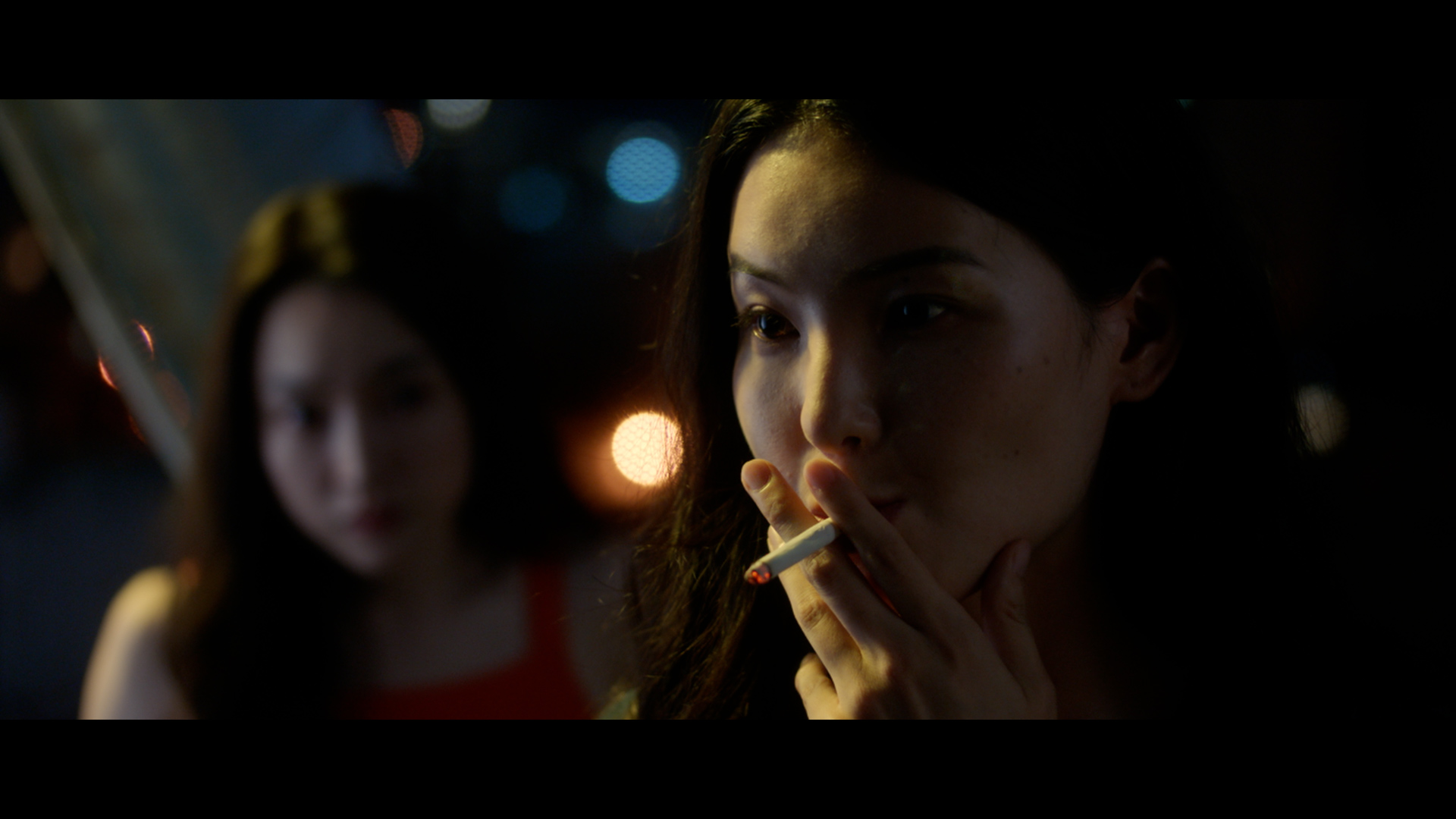
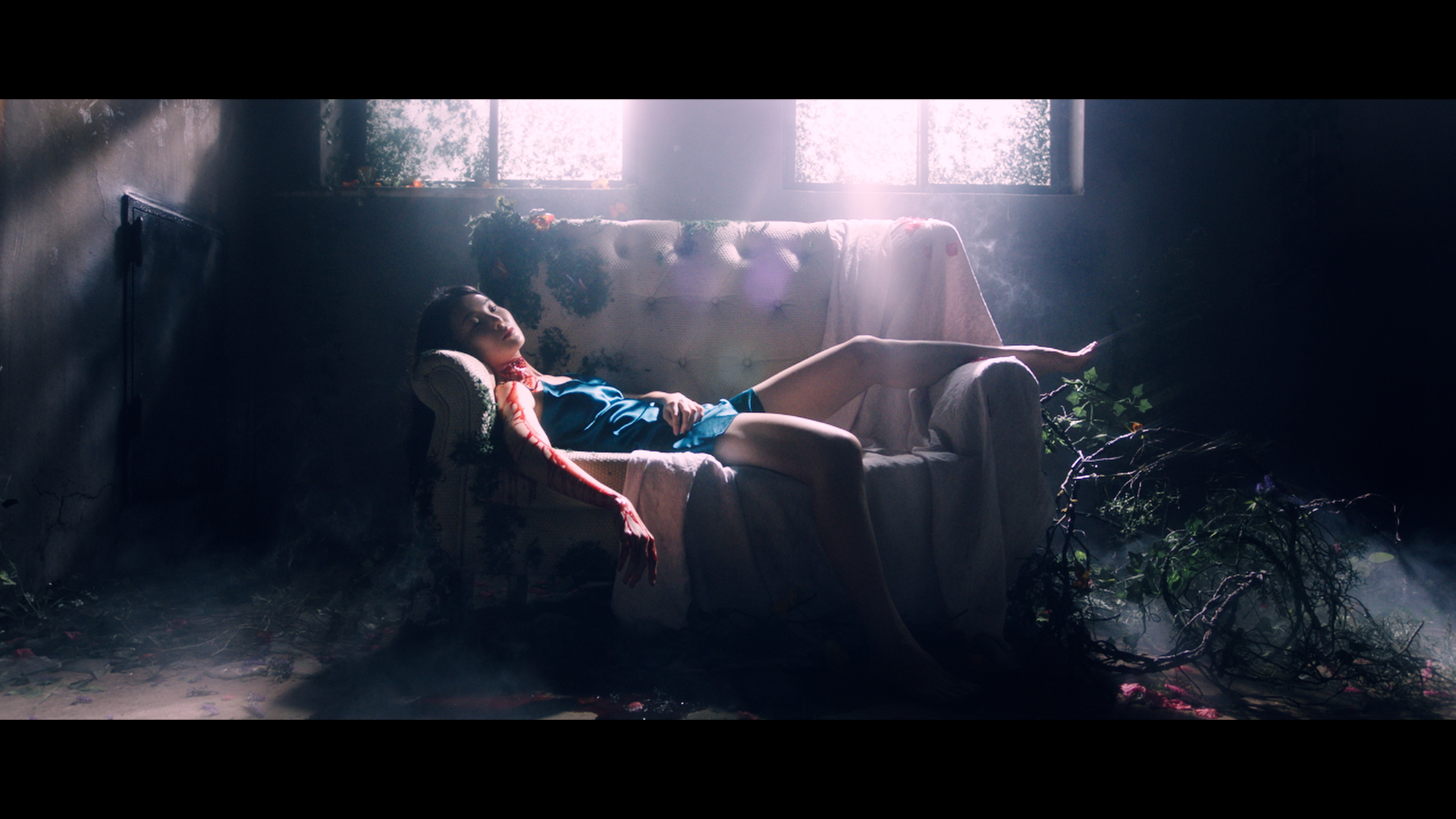
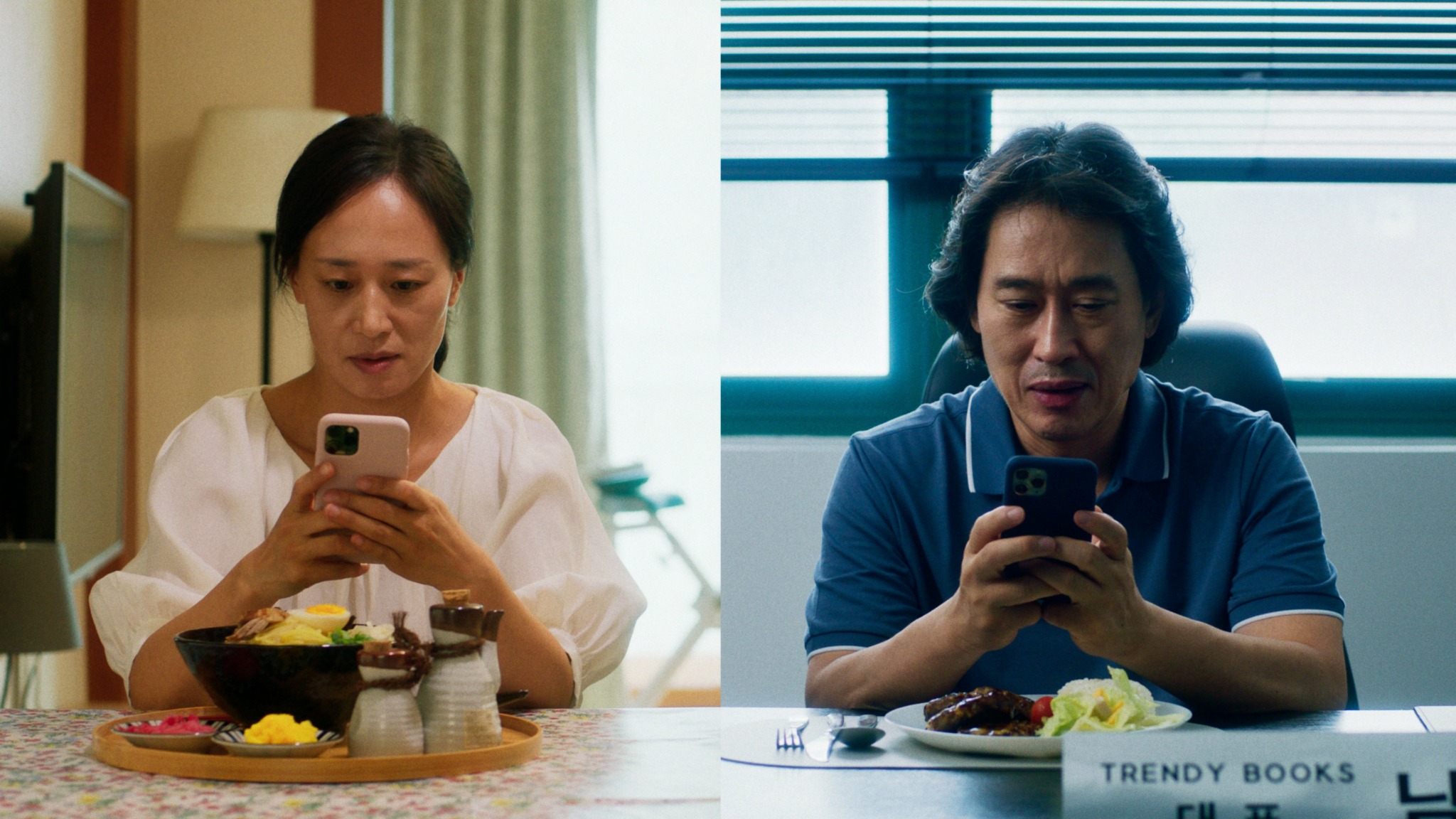
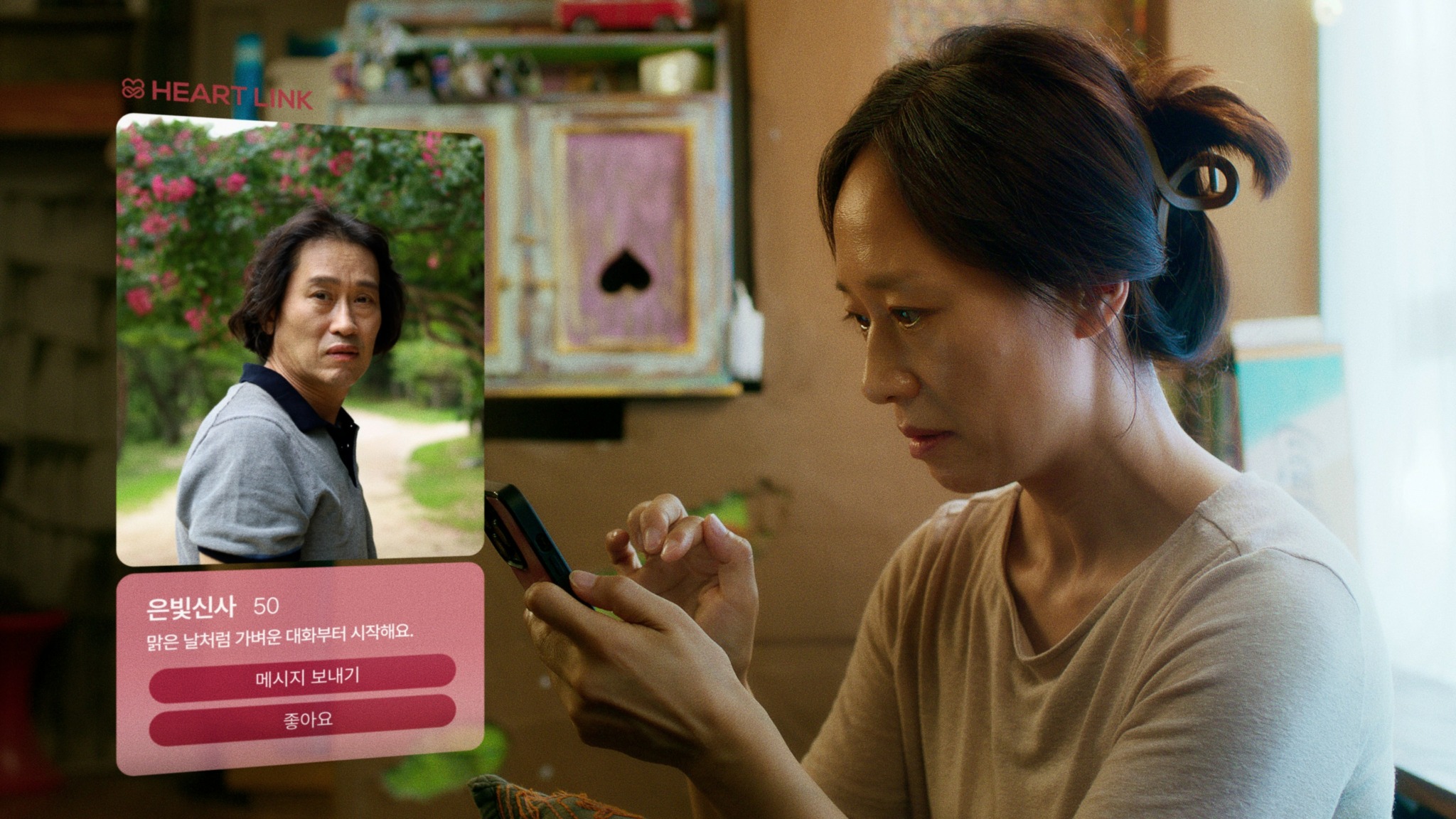
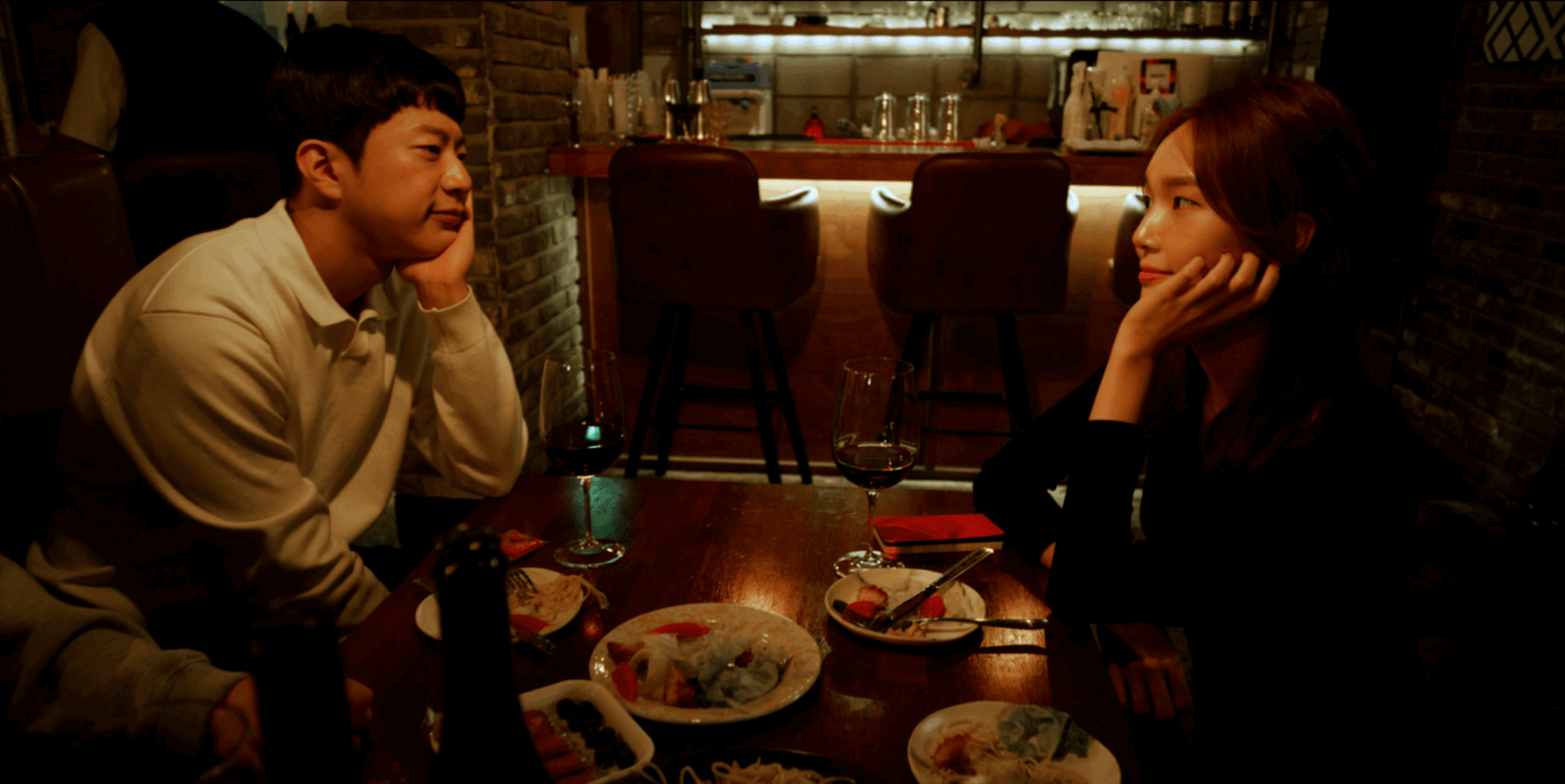
The through-line in my work is connection: the longing for it, and all the misunderstandings, insecurities, and mistrust that get in the way. My two recent short films explore this from different angles. Wanna Go Get Hangover Soup? (2024) follows a man and woman who can’t remember a drunk conversation and spiral into misreading each other; Rewind to Tomorrow (2025) centers on a middle-aged woman who discovers her husband’s dating app profile- both told with warmth and a light comic touch. They screened theatrically through festivals, and nothing has confirmed why I do this more than hearing an audience laugh, gasp, or go suddenly quiet in a dark room.
I’m currently developing two features: Till Theft Do Us Part, a heist thriller about a married couple of elite thieves where love and deception become indistinguishable, and Rhythm for the Dead, an occult horror film about a young musician pulled into a shamanic ritual where sound itself becomes a weapon. And the Rewind to Tomorrow universe is expanding into a fantasy series, exploring unrequited love, unspoken feelings, and missed connections through reincarnations across the modern history of Korea. The same questions I’ve always been asking, now in a much bigger world.
How about pivoting – can you share the story of a time you’ve had to pivot?
Leaving a stable job to pursue a creative path full-time is one of those decisions that sounds romantic in retrospect and terrifying in the moment. I had spent years at CJ Entertainment handling international distribution, and when I left, I genuinely believed a production opportunity was waiting on the other side. It fell through. And suddenly I was teaching English at a language institute to pay rent, wondering what I was doing and whether I’d made a catastrophic mistake.
What got me through wasn’t a breakthrough moment or a sudden surge of confidence. It was a blog post- written by someone who had left their career to open an independent bookshop. They described the exact feeling I was living in: the loss of daily structure, the quiet panic of Is this right?, the strange grief of giving up a stable identity. But they framed it not as failure. They called it a transition. A necessary, uncomfortable, completely normal passage between one version of yourself and the next.
That reframe was everything. I stopped treating my situation as a personal crisis and started seeing it as a case study, one that countless people before me had lived through. The English academy job wasn’t a sign I’d failed. It was just part of the process. I’m still in that process. But I’ve learned that resilience isn’t about not feeling the fear. It’s about finding the one sentence, the one story, the one person’s experience that reminds you that what you’re going through has a name. And that it ends.
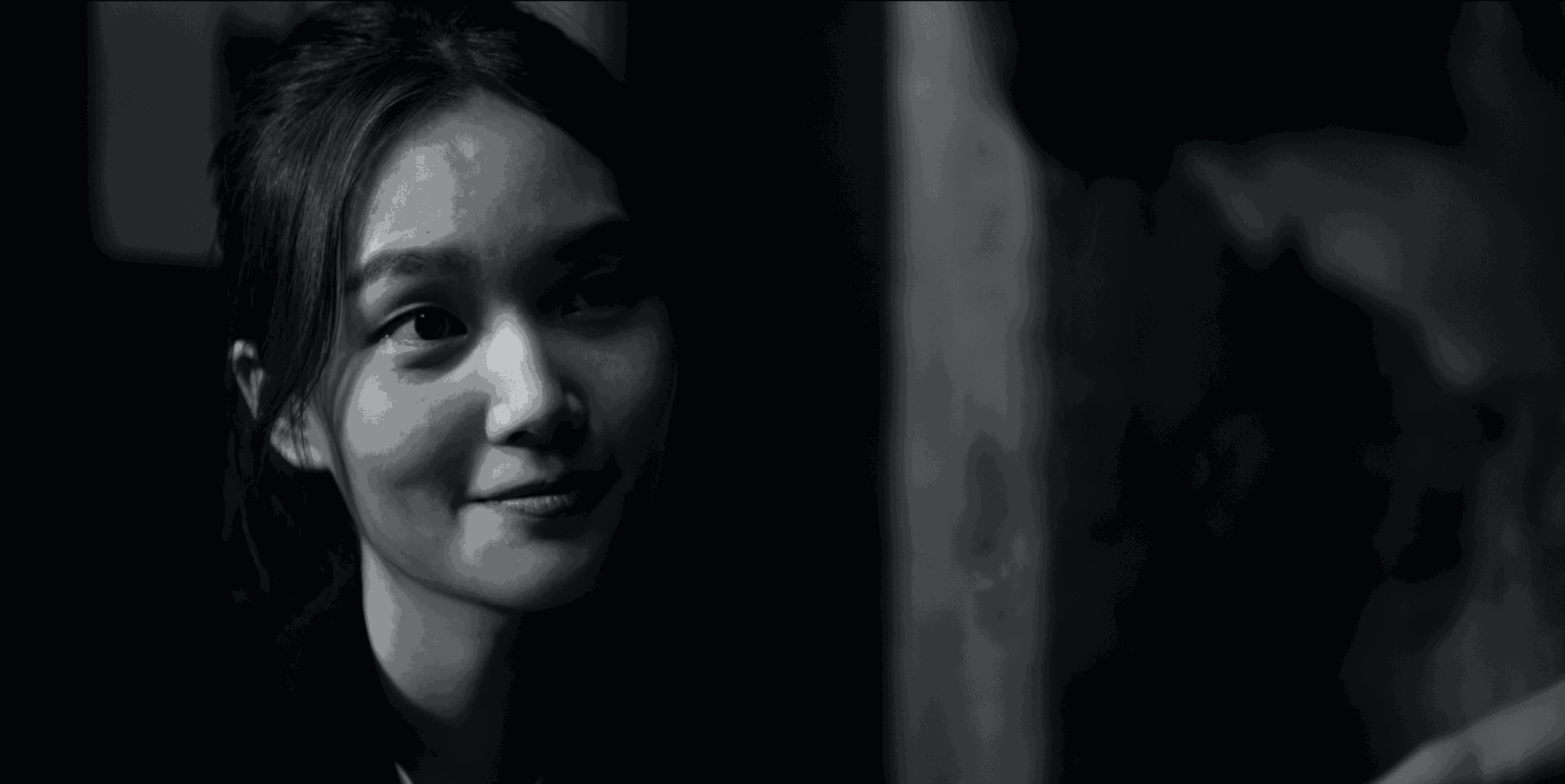
We often hear about learning lessons – but just as important is unlearning lessons. Have you ever had to unlearn a lesson?
There was a time when I believed that making something deeply personal was enough. If it came from a real place inside me, the audience would feel it. That was the assumption I didn’t even know I was making.
I had made a short film- personal but genre-inflected, exactly the way I wanted it. When I brought it to a peer feedback session, the responses were all over the place. People didn’t follow it. Someone compared it to video art. The criticism stung, partly because I was proud of that film. I still am. But sitting with the discomfort, I realized I had made something entirely for myself and then hoped the audience would meet me there anyway. I wanted both, without committing to either.
That was the lesson I had to unlearn. That you can make something purely for yourself and still expect it to land. That the two don’t require a choice.
They do. And once I accepted that, everything changed. The real work, the harder work is figuring out how to take the story only you can tell and find the genre, the form, the character that lets a stranger feel it too. Now when I write, I’m constantly asking questions. What’s the vehicle? What’s the shape this story needs to travel from me to someone sitting in the dark who knows nothing about me? That’s what genre is for, at its best. Not to package a story but to carry it.
Contact Info:
- Instagram: https://www.instagram.com/blurrredrum/
- Linkedin: https://www.linkedin.com/in/kate-minju-kim-a65980b9/