

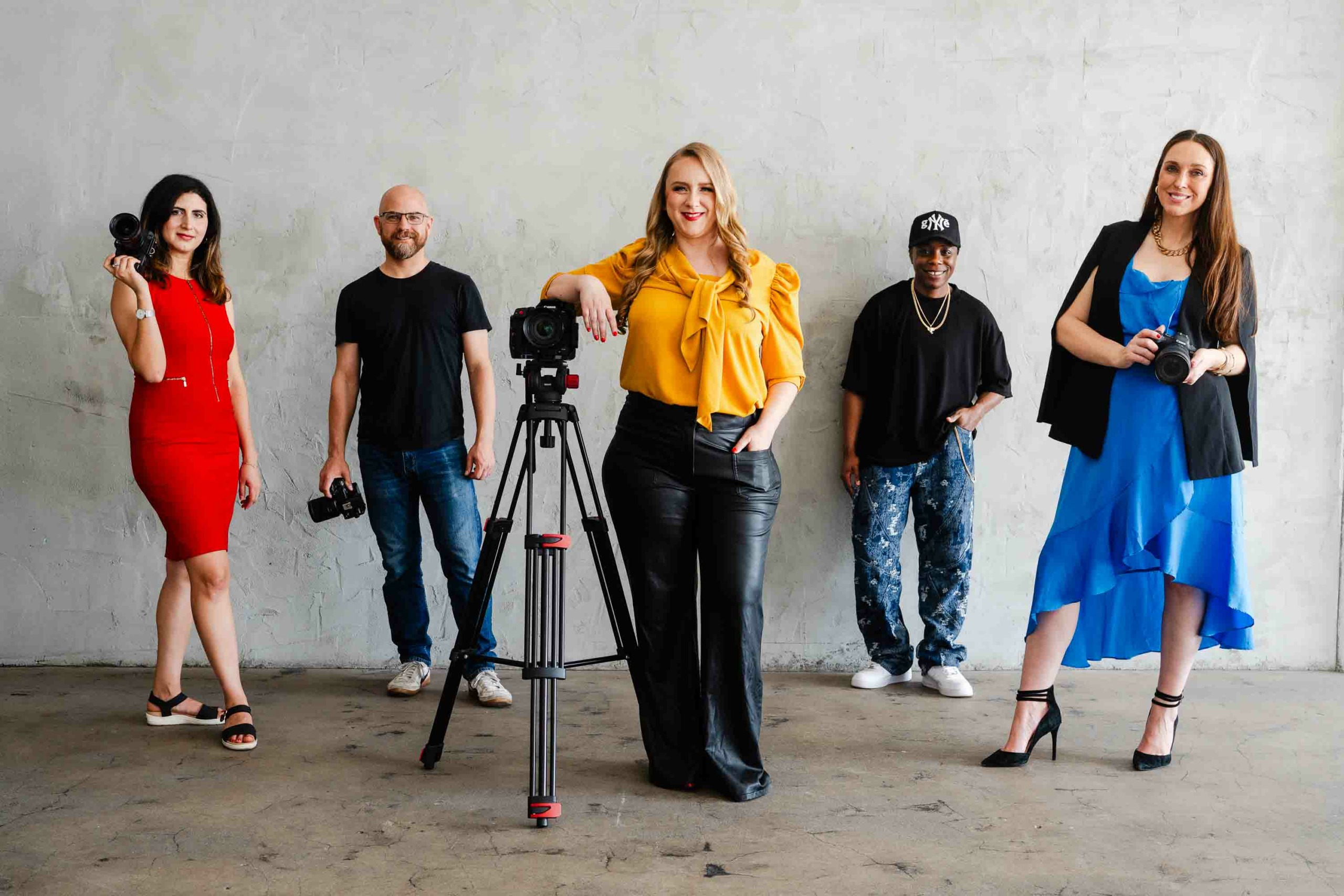

We were lucky to catch up with Bernadette Marciniak recently and have shared our conversation below.
Bernadette, thanks for joining us, excited to have you contributing your stories and insights. Folks often look at a successful business and imagine it was an overnight success, but from what we’ve seen this is often far from the truth. We’d love to hear your scaling up story – walk us through how you grew over time – what were some of the big things you had to do to grow and what was that scaling up journey like?
I’ve always been someone who’s hungry for growth and sees it as a natural progression. That said, scaling never felt like a big, intentional milestone. It felt more like survival and figuring out the next right step.
Before expanding into event photography and videography, I was primarily working as a brand photographer when I first started my business. I was primarily working with entrepreneurs who were also early in their business journey. I loved that work, but I eventually felt like I had hit a ceiling creatively and strategically.
So I began incorporating video into my services. Having worked as a video journalist in a former life, it felt like a natural evolution, combining what I was already doing with a skillset I already had.
That shift changed everything.
Projects stopped feeling like one-off sessions and started becoming true partnerships. As my clients grew, they began hosting larger events, and because they already trusted me, they brought me in to document them. That’s when things expanded beyond brand photos into full-scale visual storytelling.
I realized clients didn’t just need documentation. They needed content they could actually use.
From there, everything became more intentional. I started thinking less like a photographer and more like a strategist.
Shot lists became more purposeful. Framing and composition became more deliberate. I began thinking far beyond day-of deliverables. I moved from delivering galleries to delivering assets with purpose, content that could support marketing, storytelling, and visibility long after the event ended.
As demand grew, I also had to shift how I operated. I moved away from a one-woman-do-it-all model and built a team to support larger productions. My role evolved into more of a directorial one, where I guide the creative vision and ensure consistency across photo and video.
That shift didn’t come without challenges. For a long time, I was overextending myself, saying yes to the wrong projects, underpricing my work, and sacrificing sustainability for growth. Work became transactional instead of strategic, and I burned out quickly.
Scaling required me to be more selective, more intentional, and more aligned with the kind of work I actually wanted to be known for.
That’s what ultimately led me to focus on working with nonprofits and organizations, supporting their larger-scale events and initiatives, particularly conferences, summits, and nonprofit events. Even the language shifted.
What we do goes far beyond coverage. It is about creating a visual ecosystem that reflects the depth and impact of the work being done.
Today, as a Los Angeles event photographer and videographer, my role isn’t just to capture what happened. It is to help organizations turn a single event into a library of content they can use for months or even years.
Scaling, for me, was never about getting bigger. It was about getting more intentional. It meant redefining my role, refining my offers, and being clear about who I wanted to work with and the kind of impact I wanted my work to have.

Bernadette, before we move on to more of these sorts of questions, can you take some time to bring our readers up to speed on you and what you do?
I am the Founder, Creative Director, and Principal Photographer and Videographer of Solhaus Media, a Los Angeles-based visual storytelling agency. We specialize in event photography and videography for socially conscious brands, organizations, and nonprofits, helping them turn their events, campaigns, and initiatives into robust media libraries they can use long after the moment has passed.
At a surface level, we capture events and create content. But at a deeper level, we are helping our clients communicate the impact of their work in a way that people can actually see, feel, and understand.
My background is in journalism. I was a reporter, photojournalist, and video journalist at the largest news outlet in New Jersey (for any Sopranos fans, it is the same newspaper Tony Soprano picks up at the end of his driveway every morning!)
Working in local journalism meant being embedded in communities and documenting what was happening in real time. I was meeting people where they lived and worked, capturing stories that mattered to them and to the organizations serving them. That experience shaped how I see my work today.
When I transitioned into running my own business, I carried that same lens with me. I was less interested in creating content that simply looked good, and more focused on creating work that actually meant something and could be used with intention.
That is where Solhaus Media really stands apart.
As a Los Angeles event photographer and videographer, I do not approach events as one-day projects or simple coverage. I approach them as opportunities to create a full ecosystem of content. From keynote moments to audience reactions to behind-the-scenes details, everything is captured with a purpose. The goal is to give clients a library of visual assets they can use for marketing, fundraising, brand storytelling, and long-term visibility.
Many organizations invest significant time, energy, and budget into producing incredible events, but walk away with content that is either underutilized or not strategically captured in the first place. That is the gap we solve. We help ensure that what is created during an event continues to work for them long after it ends.
What I am most proud of is the level of intention behind the work. Every decision, from how something is framed to what moments are prioritized, is rooted in storytelling and impact. It is not just about capturing what happened. It is about helping people connect to why it mattered.
At the end of the day, Solhaus Media exists to help organizations translate the impact they are creating into visual stories that resonate, build trust, and move people to care.
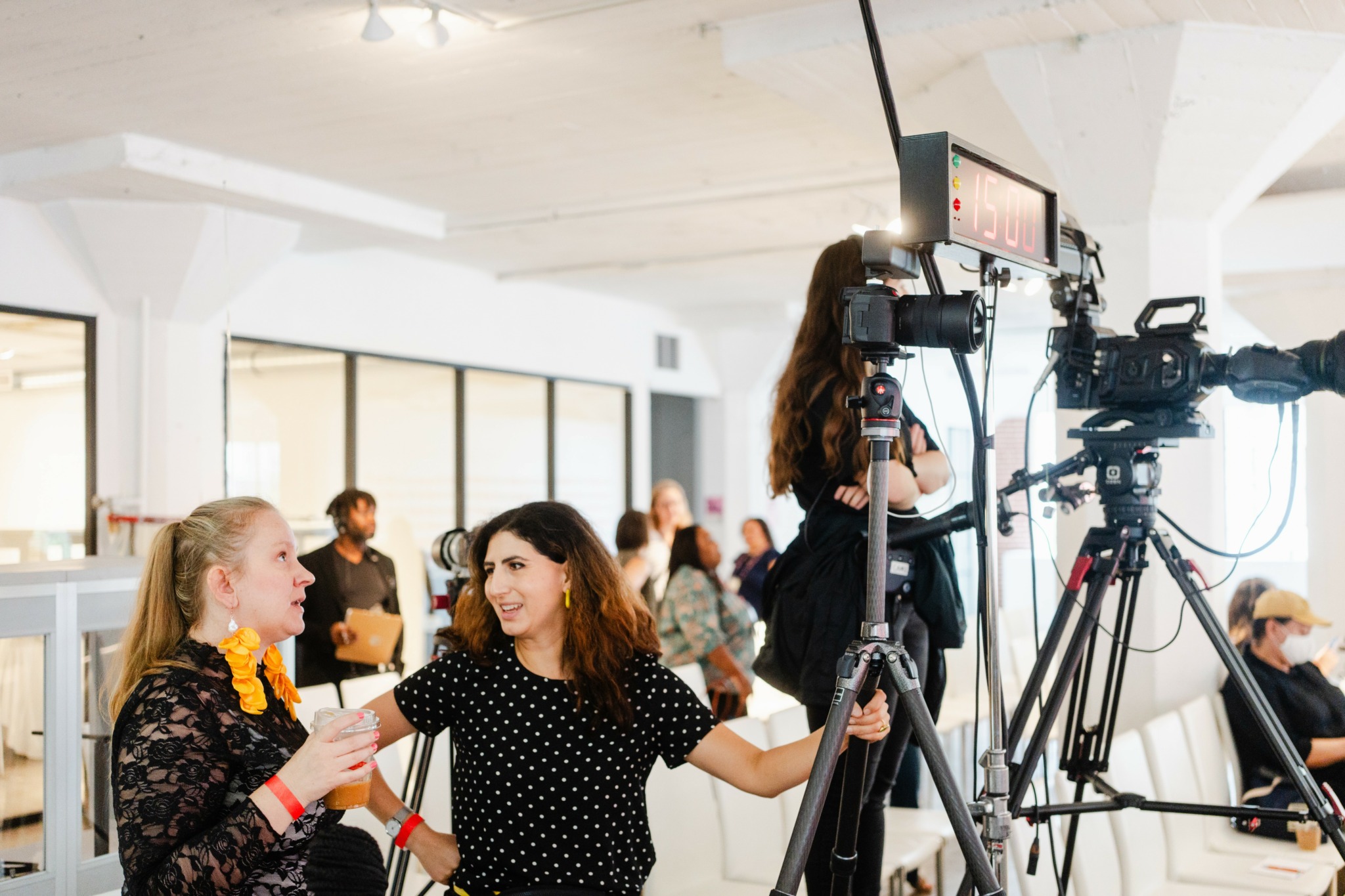
What do you think helped you build your reputation within your market?
This is a great question because I believe our reputation has been built on two core things: the gap we close for our clients, and how we approach the relationship itself.
And it really starts with the relationship.
When I first introduced video into my business, I was one of very few women offering video services in my space. At the time, my client base was almost entirely made up of women business owners. Our client base is also diverse, and we also work with a lot of folks in the LGBTQ+ space.
Between having a feminine presence behind the camera and clearly communicating our values across our website, proposals, and messaging, there was often an immediate sense of relief when clients stepped in front of the lens. They felt understood, comfortable, and taken care of.
We are intentional about the environment we create on set. The language we use is respectful and inclusive, and we are mindful of privacy, boundaries, and the communities our clients serve. That level of care is not an afterthought, it is built into how we work.
That sense of safety became a defining part of our work. People were not just hiring us for the final product, they were hiring us for how it felt to be seen and supported throughout the process. That experience is something clients remember, and it is a big part of why they come back and refer others.
The second piece is the strategy.
There is no shortage of talented photographers and videographers, especially in Los Angeles. But very few approach the work through both a journalistic and marketing lens. My background in journalism taught me how to capture moments that matter. My experience in business taught me how to make those moments useful.
As a Los Angeles event photographer and videographer, I do not approach events as one-day deliverables. I approach them as opportunities to create a full ecosystem of content. Every shot is captured with intention, whether it is for future marketing, storytelling, fundraising, or brand visibility.
Most people focus on creating beautiful imagery. At Solhaus Media, we focus on creating imagery that actually works. It is not just about how something looks, it is about what it does for the client after the event is over.
That combination of trust and strategy is what our reputation has been built on. Clients know they will feel supported in the moment, and they know they will walk away with content that continues to serve them long after the event ends.
Can you open up about a time when you had a really close call with the business?
Oh man, this question should come with a trigger warning. I still shudder when I think about the hardest periods of my business.
In both 2022 and 2023, I experienced extended dry spells. My inquiries almost completely disappeared, and the ones that did come in were incredibly misaligned. At the time, I looked to external factors to explain it—rising cost of living, recession chatter, the tail end of COVID-era funding no longer fueling business growth.
But the truth is, no matter what’s happening in the world, people are still spending money. And as discouraged as I felt, I could see that my peers were still booking work. That was a hard but important realization: it wasn’t just external. Something in my business wasn’t working.
That forced me to confront how fragile my business model really was at the time. Work that I had come to rely on wasn’t coming in the way it used to, and for the first time, I had to sit with the reality that talent and experience alone don’t guarantee stability.
Those seasons were uncomfortable in every sense of the word. There was a lot of uncertainty, a lot of second-guessing, and moments where I questioned whether I had just gotten lucky or if I was actually building something sustainable. The longer it dragged on for, the bigger my imposter syndrome got.
In hindsight, those periods were the most important turning points in my career.
They pushed me to think more like a business owner, not just a creative. I started looking more critically at who I was serving, how I was positioning my work, and whether my services were truly aligned with the kind of clients and projects I wanted long-term.
That’s what led me to shift my focus toward working with organizations, nonprofits, and mission-driven brands in a more strategic capacity. Instead of approaching projects as one-off shoots, I began thinking in terms of long-term partnerships and content ecosystems—how the work we create can continue to serve a client long after the event or campaign is over.
It also changed how I think about visibility and growth. I no longer rely solely on inbound inquiries or word of mouth. I’m much more intentional about building relationships, pitching my work, and putting myself in rooms where my ideal clients are already having conversations.
Most importantly, those experiences taught me resilience in a way that no amount of early success ever could. They showed me that I can navigate uncertainty, adapt when things aren’t working, and rebuild in a more aligned way.
Because of that, the business I’m building now feels far more stable, intentional, and rooted in strategy, not just momentum.
Contact Info:
- Website: https://www.solhausmedia.com/los-angeles-event-photography-videography
- Instagram: @bernadettemarciniak and @solhausmedia
- Linkedin: https://www.linkedin.com/in/bernadettemarciniak
- Youtube: https://www.youtube.com/@solhausmedia
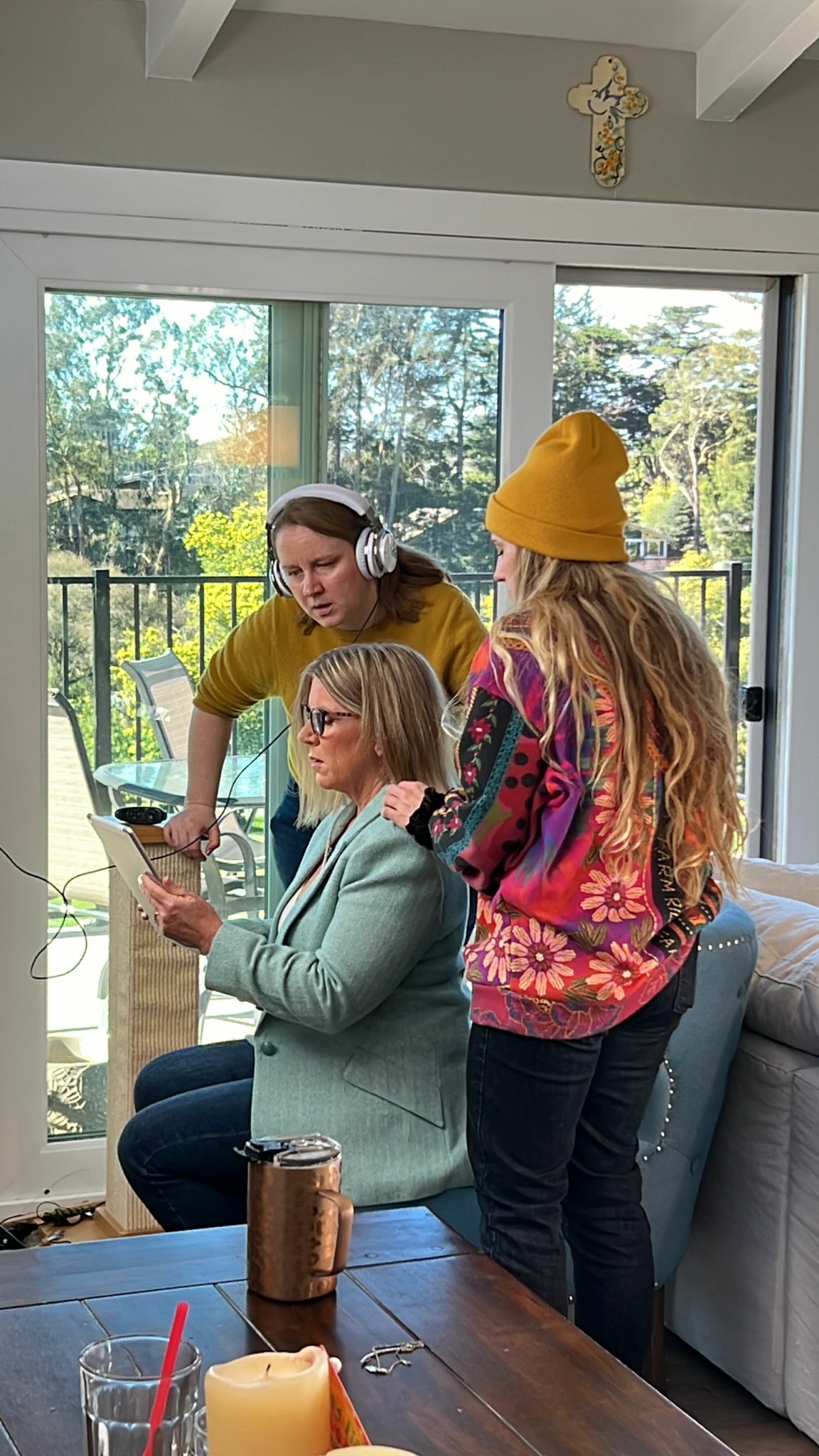
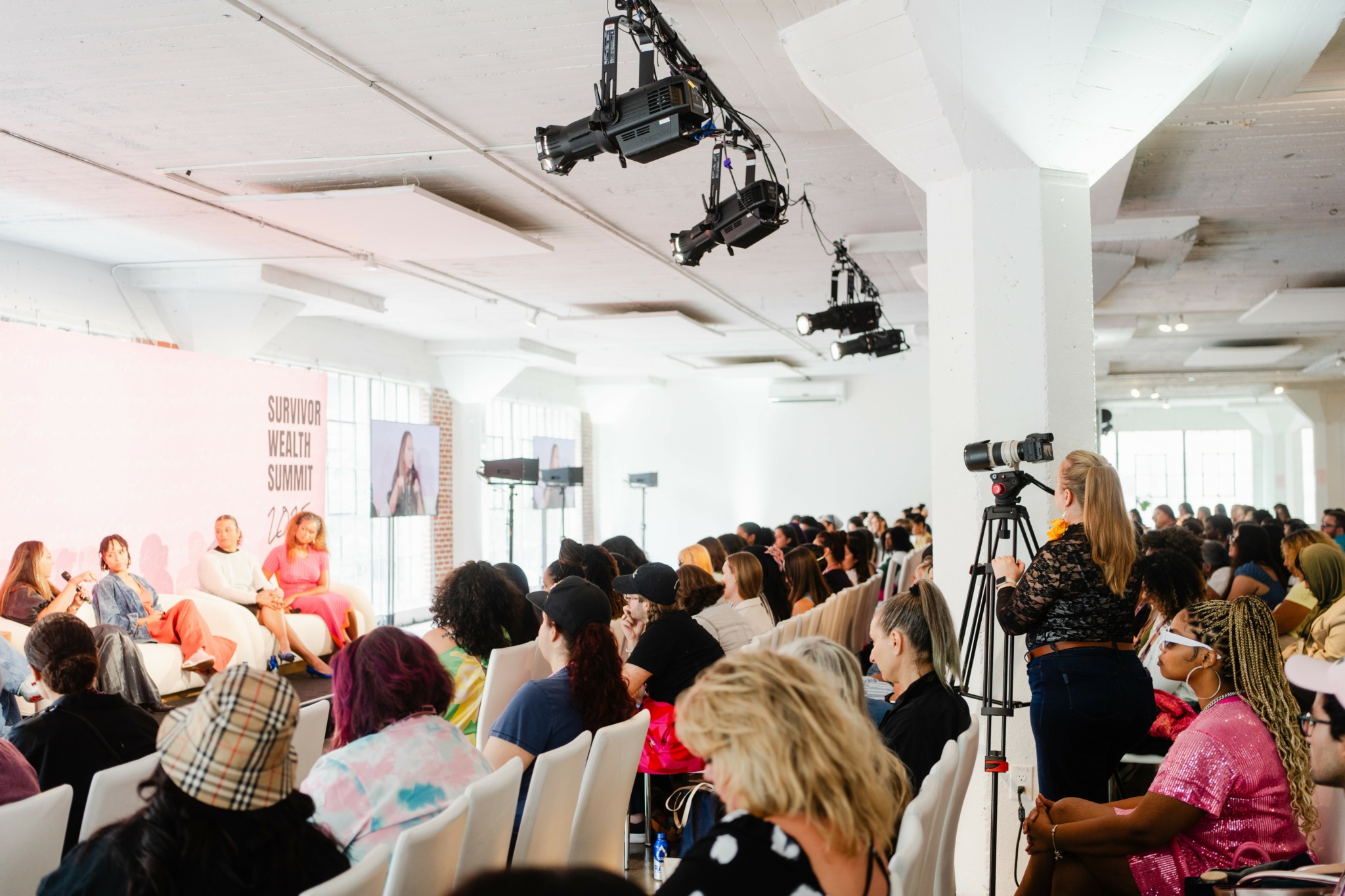
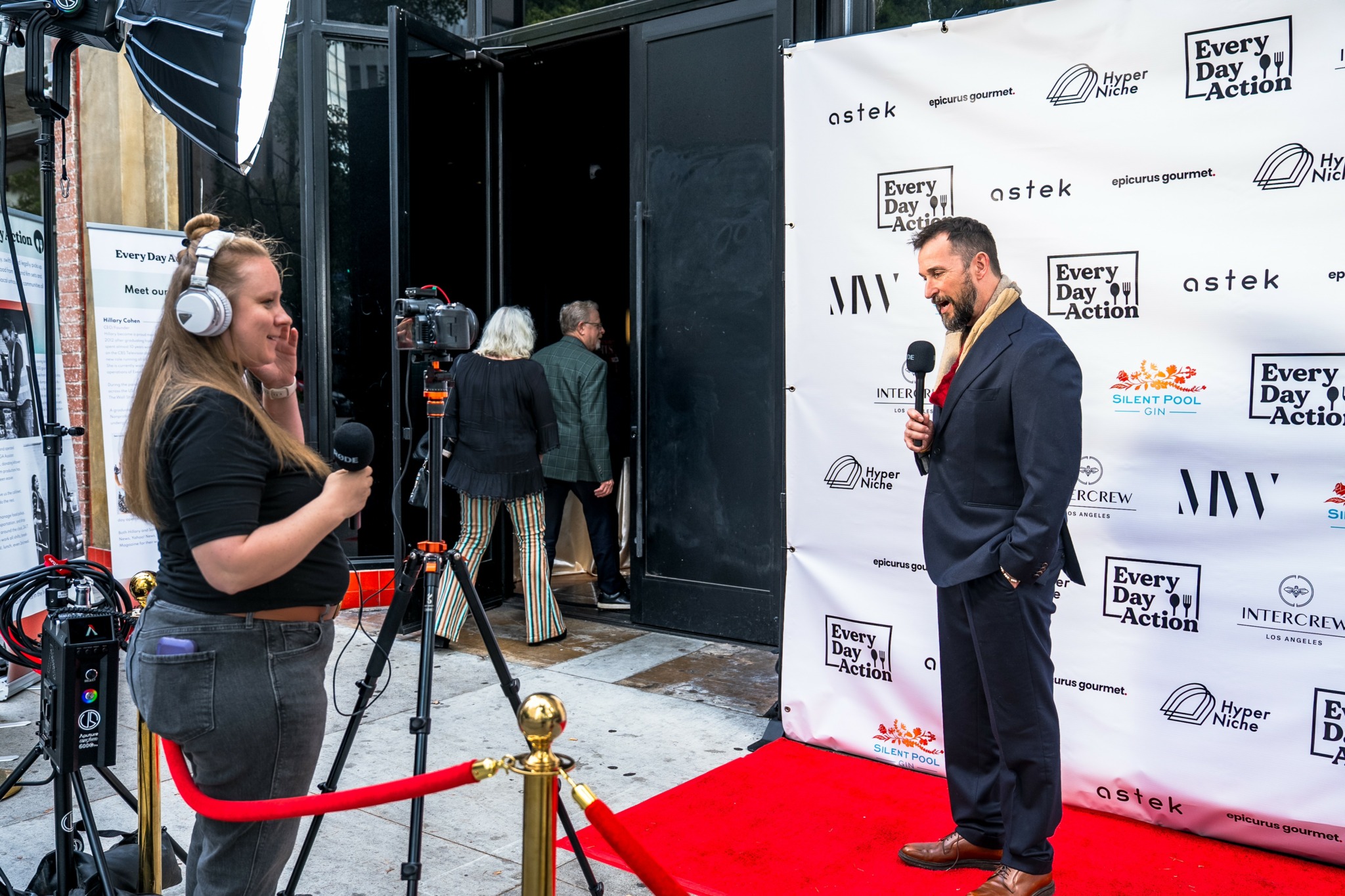
Image Credits
Lisa Whalen Photography, Jen Vazquez Media, Zharmaine Boatman