

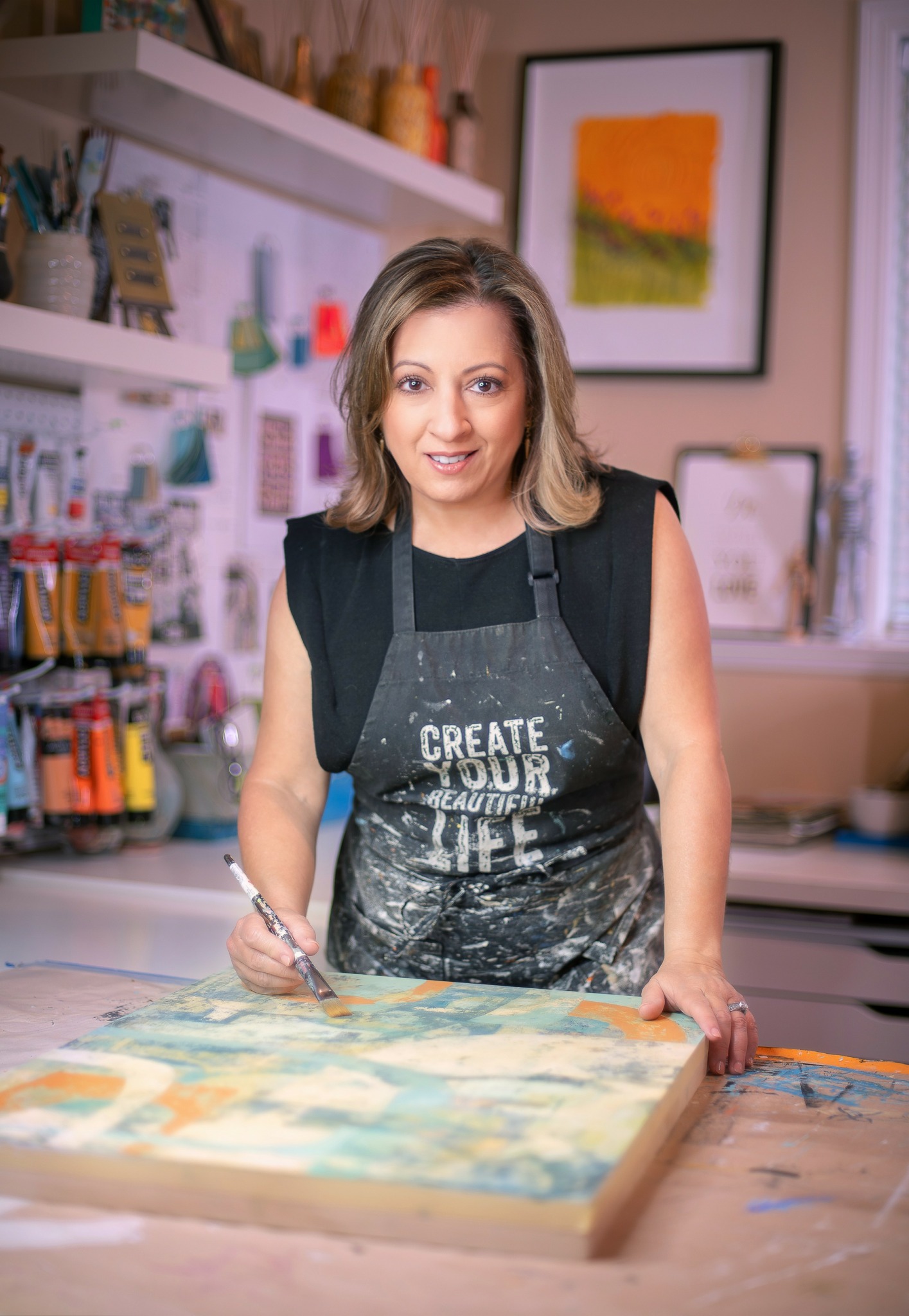

We caught up with the brilliant and insightful Carla Cohen a few weeks ago and have shared our conversation below.
Carla, thanks for taking the time to share your stories with us today Can you recount a story of an unexpected problem you’ve faced along the way?
One of the most unexpected challenges I’ve faced is something I only discovered recently — I have aphantasia. Aphantasia is the inability to create and visualize images in the mind. And I had absolutely no idea this wasn’t how everyone experiences the world.
The moment I found out was after my husband had just come back from a ten-day silent meditation retreat — ten hours of sitting and meditating a day. We were talking about what that’s like, the mental landscape of that kind of silence. And he started describing the images that would appear in his mind during those long sessions. I stopped him. Wait — you can actually see images? Visually? In your head?
Of course, I naturally went to my computer and scoured the internet to find out that this is a real, documented thing. Aphantasia. The shock wasn’t just that it existed — it was that I’d been making visual art my whole life without it, never questioning how I did it. It never once occurred to me that when people said they could see something in their mind, they meant it literally. I thought we all meant the same thing — a kind of mental knowing, not an actual picture.
What I’ve come to understand about my practice is this: I’m making something I can see out of something I can’t. There’s no image waiting in my mind that I’m trying to transfer onto a surface. Instead, I work intuitively, constantly responding to what is in front of me in real time. The work reveals itself through the making. I genuinely can’t picture what something is going to look like before I make it — so the only way I know what to do next is to do something and look at it. It’s a lot of trial and error. A lot of covering things up and starting again. I think that’s why my pieces end up so layered — you’re actually seeing the whole journey, not just the finished final layer of the piece. I’m still navigating what aphantasia means for me. But I’m starting to think it might be less of a limitation and more of an explanation for my process and how I create.
As always, we appreciate you sharing your insights and we’ve got a few more questions for you, but before we get to all of that can you take a minute to introduce yourself and give our readers some of your background and context?
My path to painting wasn’t linear. After college I spent years in the consumer-packaged goods industry, and from there I became an entrepreneur, moving through many different creative ventures: a paper crafting company, jewelry design, cooking classes, a food blog, etc. On the surface those might seem unrelated but looking back, they were all fueling the same desire to use my hands, to not only express myself but to connect to myself. I believe that using our hands is the gateway to self-discovery.
Art was always present in some form throughout my life, but about five years ago I committed to it seriously when I completed an intensive 12-week art workshop. That decision changed everything.
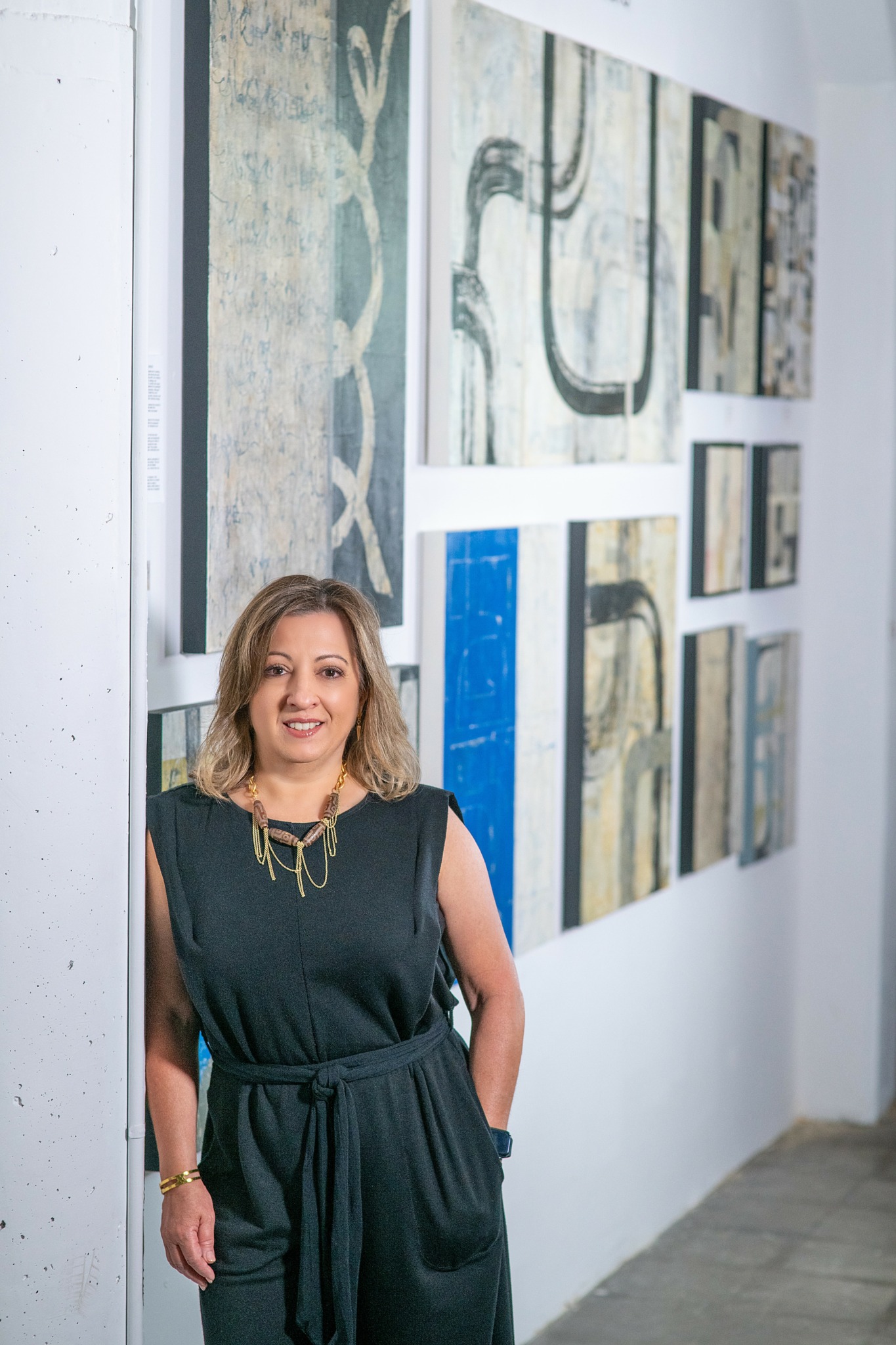
Today I’m an abstract painter working in mixed media. My work is intuitive and process-driven — I don’t plan what a painting will look like before I make it. I work by constantly responding to what’s in front of me in real time, building up layers of material, mark making, and history on the surface. That layered quality is something I think of as central to the work — you can see time in it, decisions made and revised, things buried and things revealed. I want people to get close to my paintings, to lean in and discover what’s there. To me that’s not just a surface quality, it’s a metaphor. The act of looking closely at a painting, of discovering what lies beneath, mirrors something about the way we look inward at ourselves. I want people to get close to the work and have that experience — to find something they weren’t expecting.
What I’m most proud of is simply how far I’ve come in five years. I didn’t take a traditional route to this. I came through a long, winding road of creative lives before arriving here. And somehow it all feels right.
What’s a lesson you had to unlearn and what’s the backstory?
The lesson I’m in the process of unlearning is the idea of perfectionism.
It has been with me my entire life. In my career, in my relationships, in the way I move through the world. That constant voice that measures and asks “is this good enough” before something has even had a chance to become what it’s meant to be.
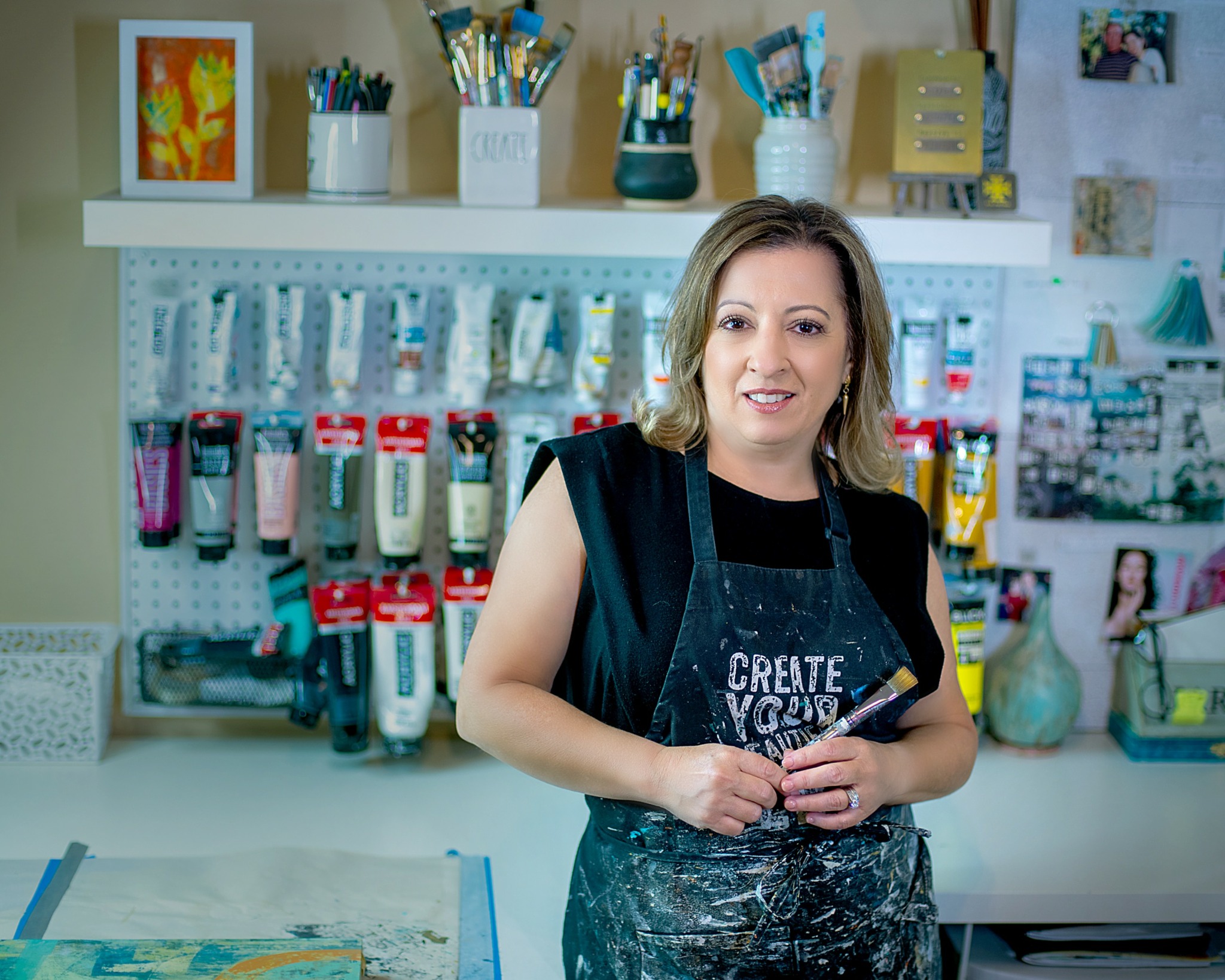
In the studio it looks like not being able to just be in it. There’s always this voice running underneath — is this working, is this good, where is this going — even when the painting is barely begun. It pulls me away from being present with the work which is the only place to truly create from.
Art has been a great teacher for loosening that grip. Because the process demands that you let go. You can’t layer, you can’t bury, you can’t discover what a painting wants to be if you’re clutching too tightly to what you think it should be. The process and the work itself demand trust.
The question I’ve learned to come back to — when the perfectionism gets loud — is: why do I create? Not is this good enough. Not what will people think. But why am I here, in this studio, making this thing. That question cuts through the noise and brings me back to what matters.
I haven’t unlearned it. But I’m learning to recognize it faster. And I feel the work gets stronger with the struggle.
For you, what’s the most rewarding aspect of being a creative?
The most rewarding aspect of being an artist, is the freedom. The feeling I get from the act of creating itself.
When I’m in the studio and allowing myself to be fully in it — not judging, not evaluating, just responding — it becomes something that I call meditation in motion. There’s a quality of just being that I don’t find anywhere else. The outside world falls away. It’s just me and the materials and whatever wants to emerge.
That feeling is what I came back to art for. And it’s what keeps me coming back every day.
Beyond the personal benefit, there’s something rewarding about what happens when I get to share the work with others. When someone stands in front of a painting and feels something or gets close and starts discovering the layers and what’s beneath the layers it evokes a sense of mystery that I’m after. It’s my way of transferring that connection I make to myself that helps me connect with others.
And then there’s the long-term reward — watching my work build over time, feeling myself grow as an artist, knowing that this creative journey is entirely my own.
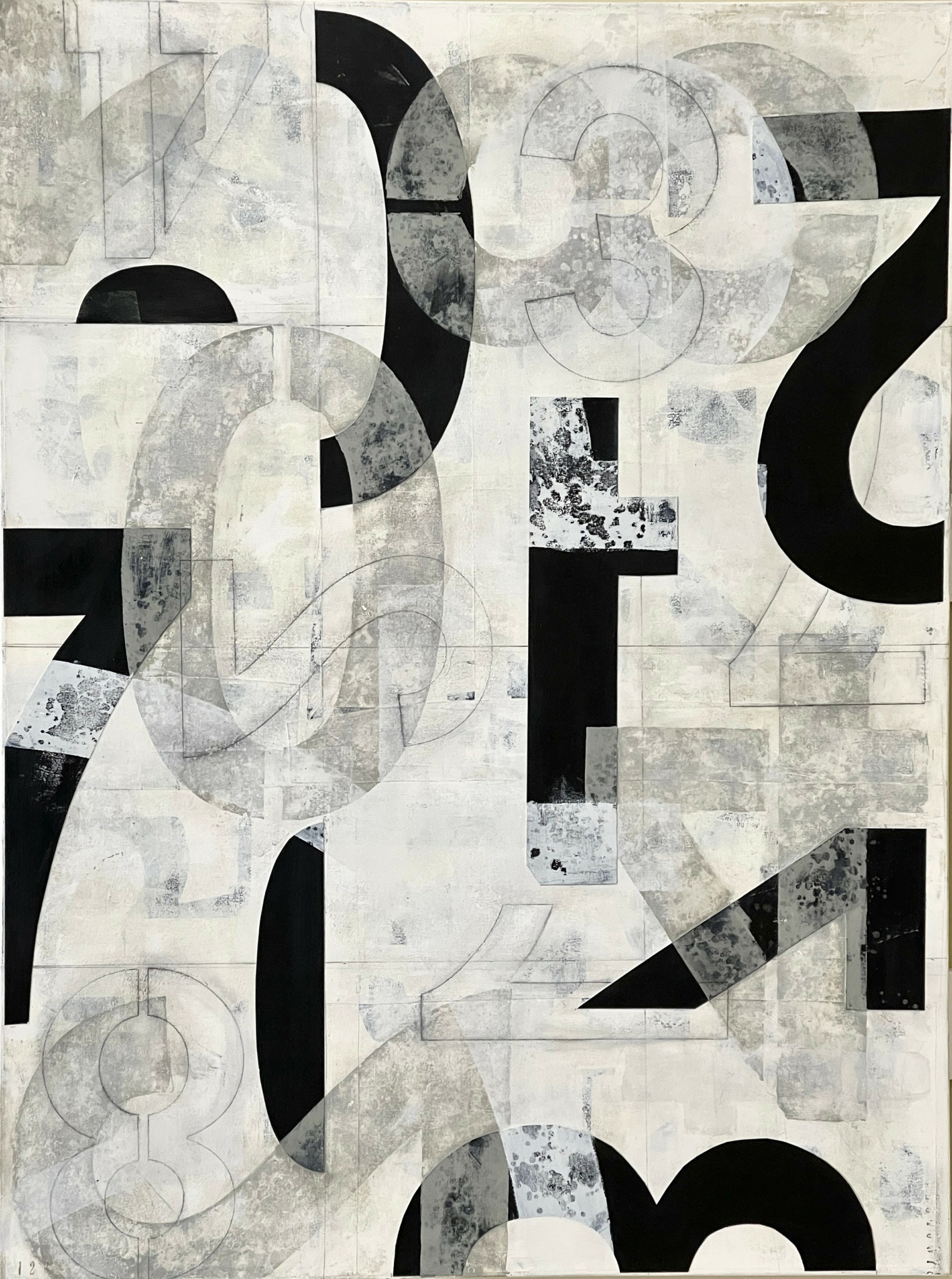
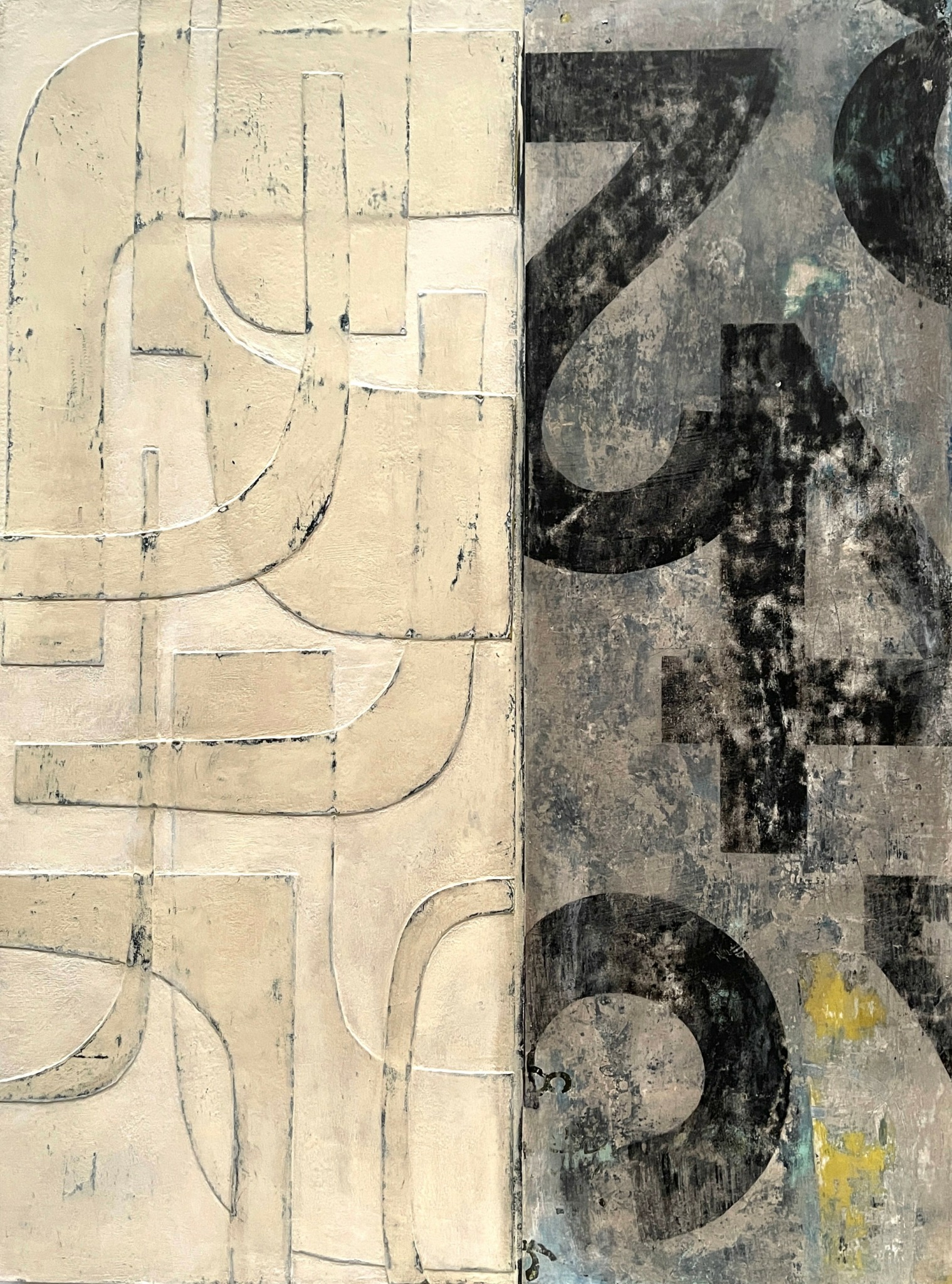
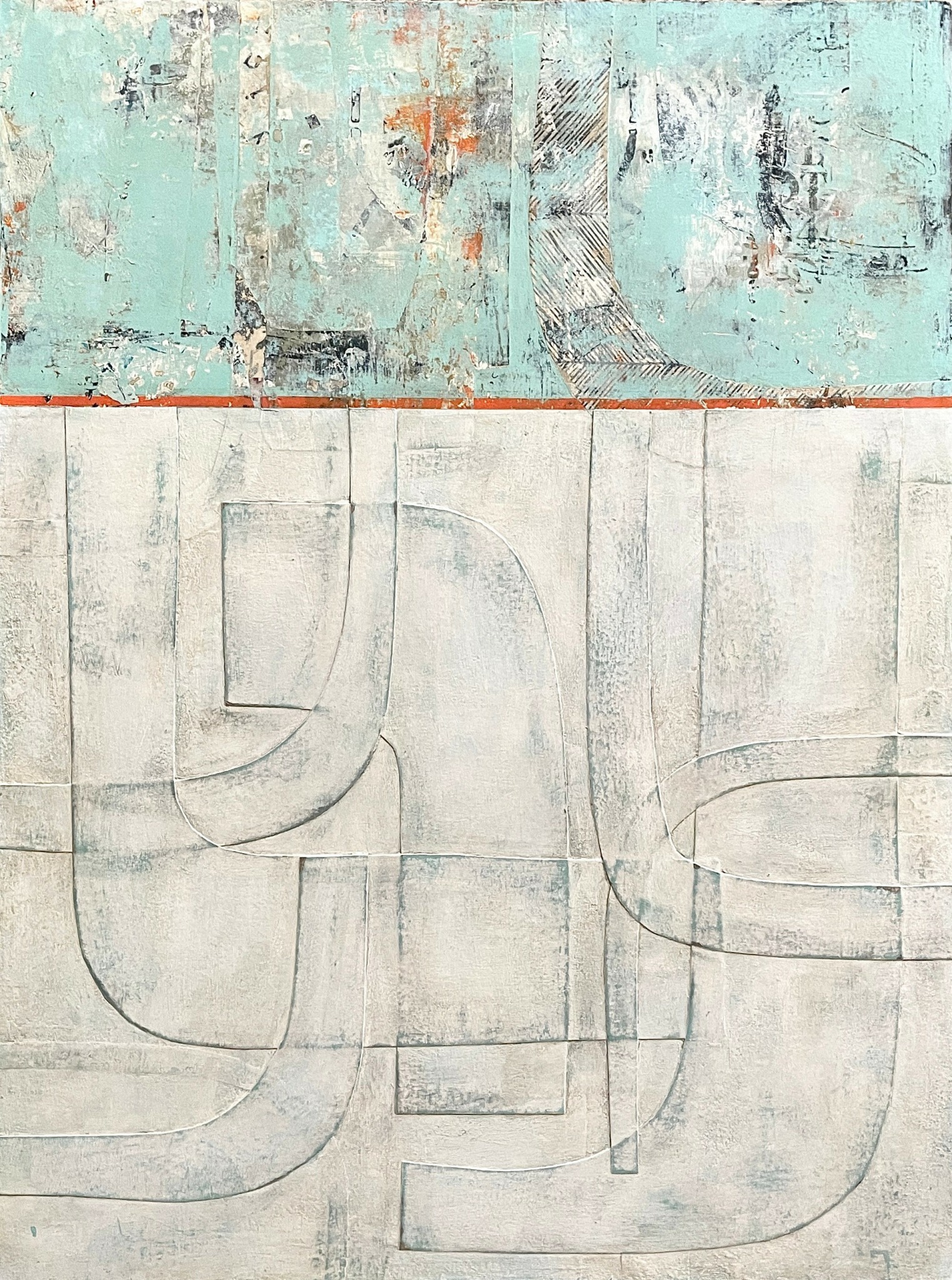
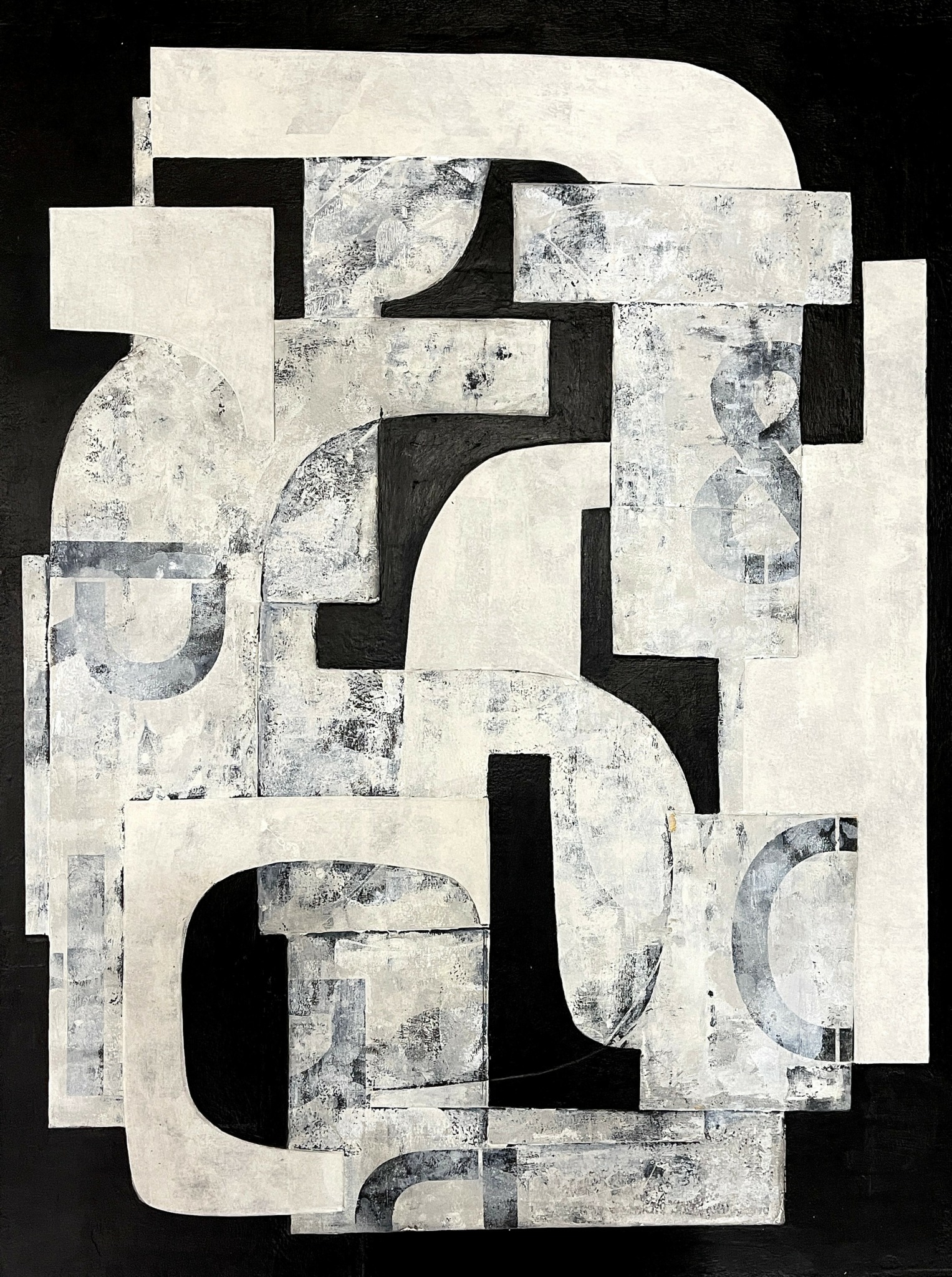
Image Credits
Rod Oman -selected photos