

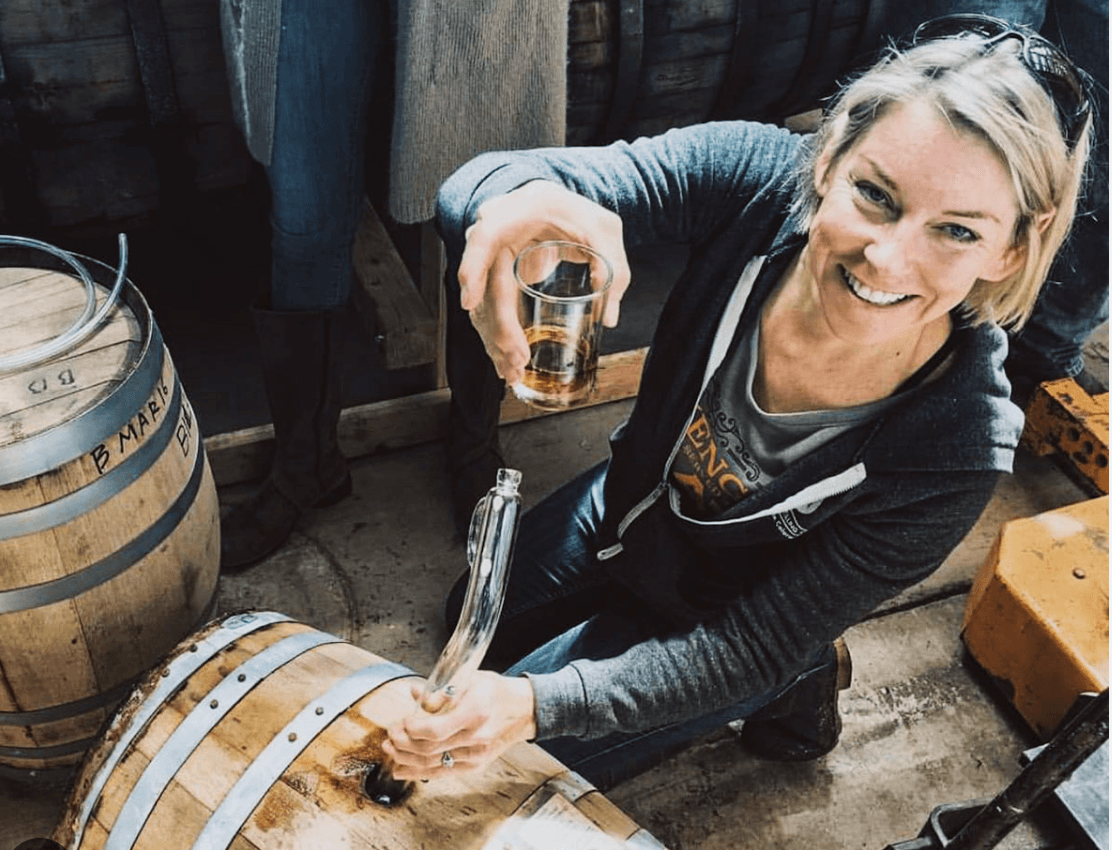

We were lucky to catch up with Connie Baker recently and have shared our conversation below.
Hi Connie, thanks for joining us today. Alright, so you had your idea and then what happened? Can you walk us through the story of how you went from just an idea to executing on the idea
People love to hear the “we had an idea and then suddenly we opened” version. That’s not Marble’s reality. This was a five-year slow burn.
It started with me going to distilling school, thinking I was learning a craft – maybe taking up a hobby. I’ve always been a nerd about spirits – it started with Vodka – do you know you can make vodka out of any type of starch that you can convert to a sugar – even newspaper. What I didn’t realize was I had just signed up to build an entire business from scratch.
The day after graduation wasn’t exciting—it was me staring at a blank page thinking, okay… now how do I actually do this?
The first stretch was a lot of trial and error. I was developing recipes, distilling constantly, tweaking everything. At the same time, I was writing a business plan that had to make sense to a bank, not just to me. That alone is its own full-time job.
Then came funding—which is really just a long series of conversations where you try to convince people this isn’t a terrible idea.
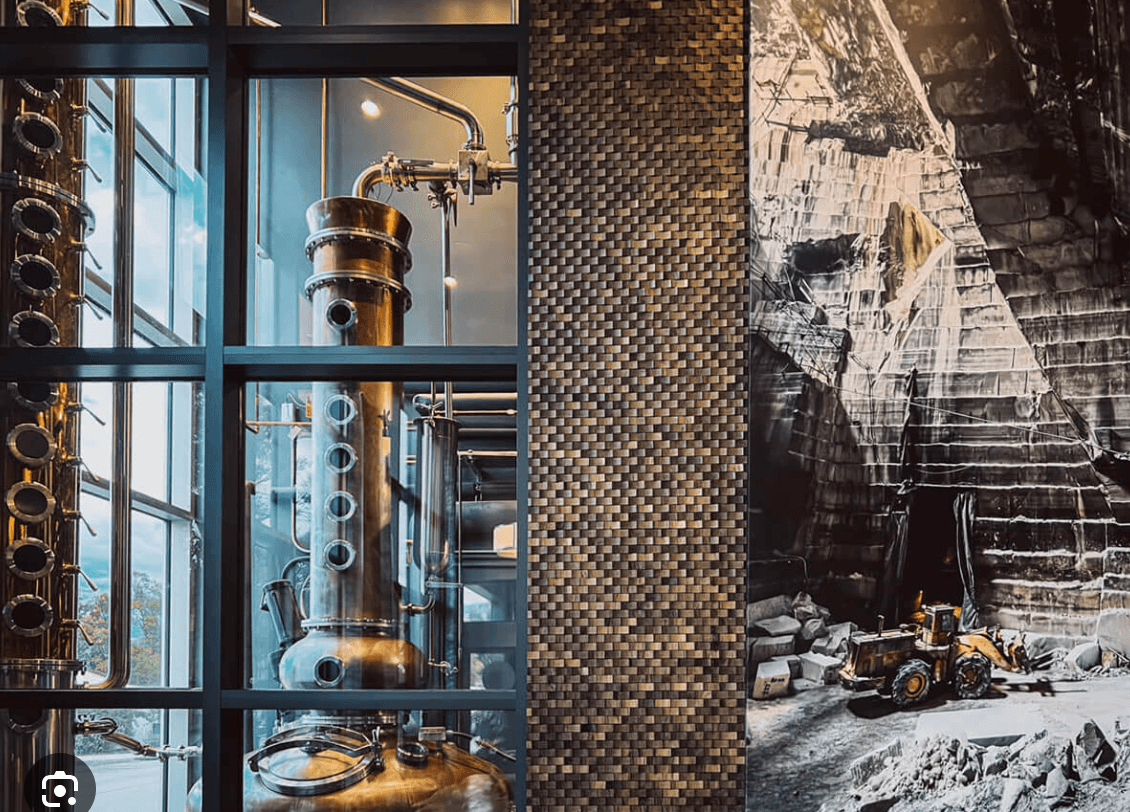
Once that came together, things got very real, very fast. Hire an architect, and figure out how to build something that didn’t really exist yet—a sustainable distillery, tasting room, and boutique hotel all in one space.
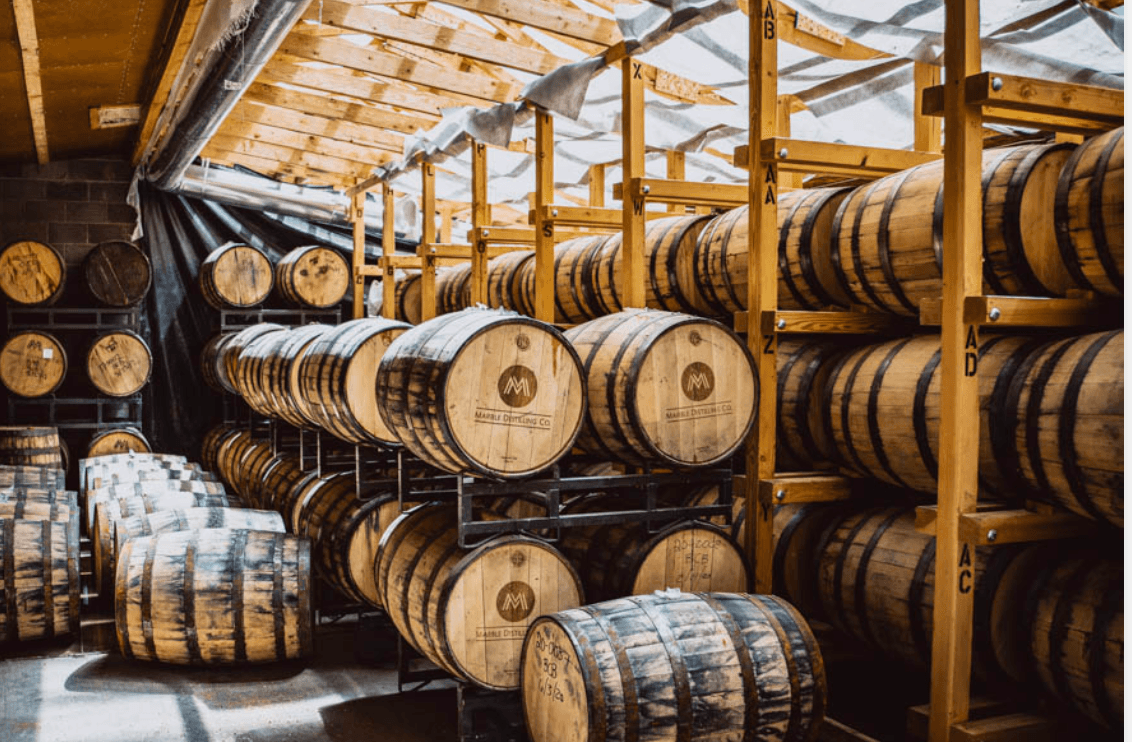
The middle years were construction, decisions, and more decisions. Equipment sourcing, layout, utilities, permits—things you don’t think about until you’re deep in it. At the same time, I was still focused on the product, because no matter how beautiful the space is, if the spirits aren’t great, none of it works.
The behind-the-scenes work people don’t see—licensing, compliance, staffing, branding. It’s not one big leap from idea to launch. It’s a thousand small steps, most of them not glamorous.
Five years later, we opened.
Looking back, it sounds like a long time. Living it felt like both a marathon and a sprint at the same time. But that time is exactly what allowed us to build something intentional—not just a distillery, but an experience.
Connie, love having you share your insights with us. Before we ask you more questions, maybe you can take a moment to introduce yourself to our readers who might have missed our earlier conversations?
I like to joke that I switched from drugs to booze.
Before Marble, I was in pharmaceutical communications—so still very much in the world of science, formulation, and regulation… just with a different end result. At some point, I realized I wanted to build something tangible, something people could actually experience and enjoy, not just read about in a clinical study.
That led me to distilling.
What started as a curiosity quickly turned into an obsession. I went to distilling school, and from there it wasn’t just about making spirits—it was about building something from the ground up that reflected how I think things should be done.
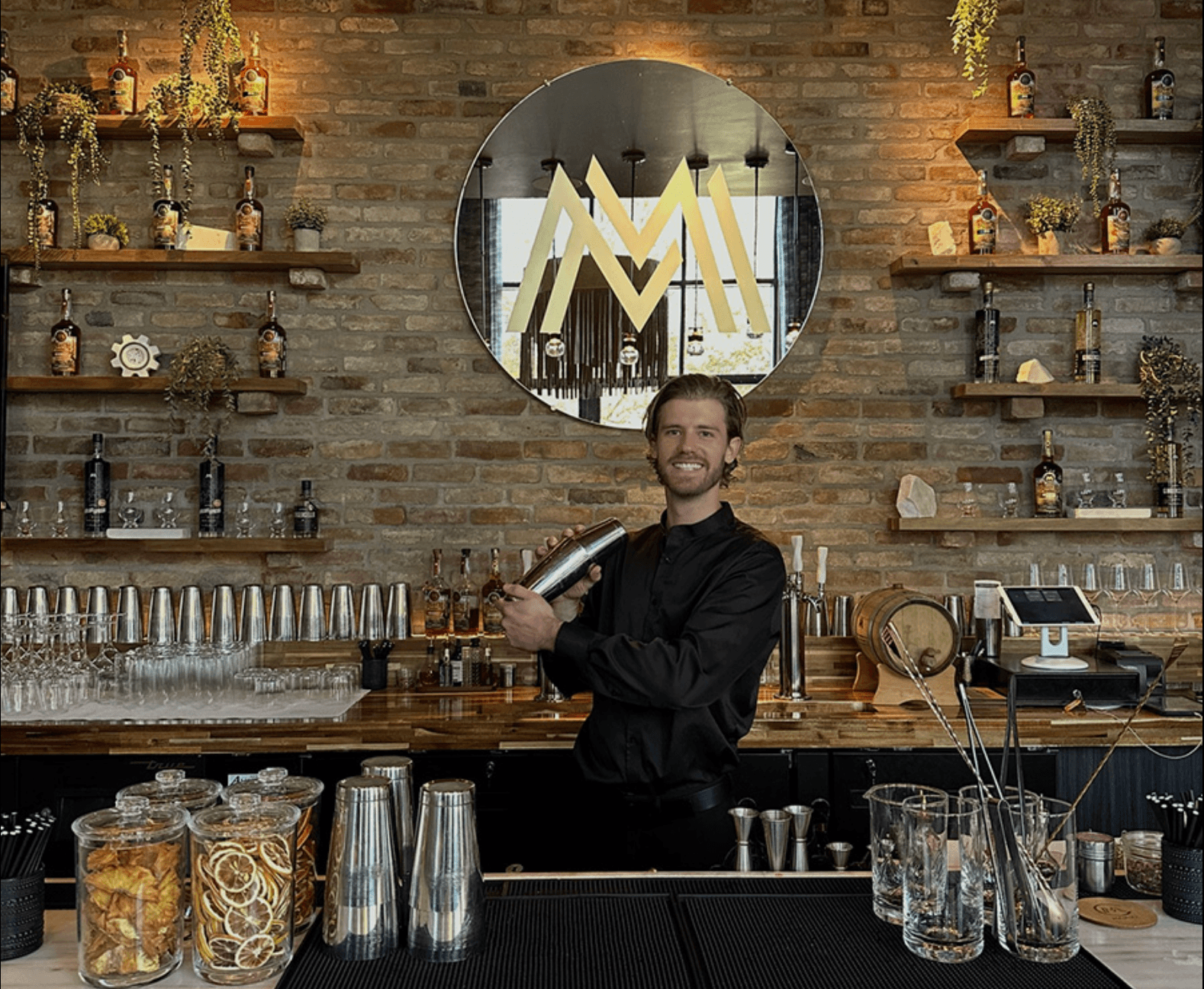
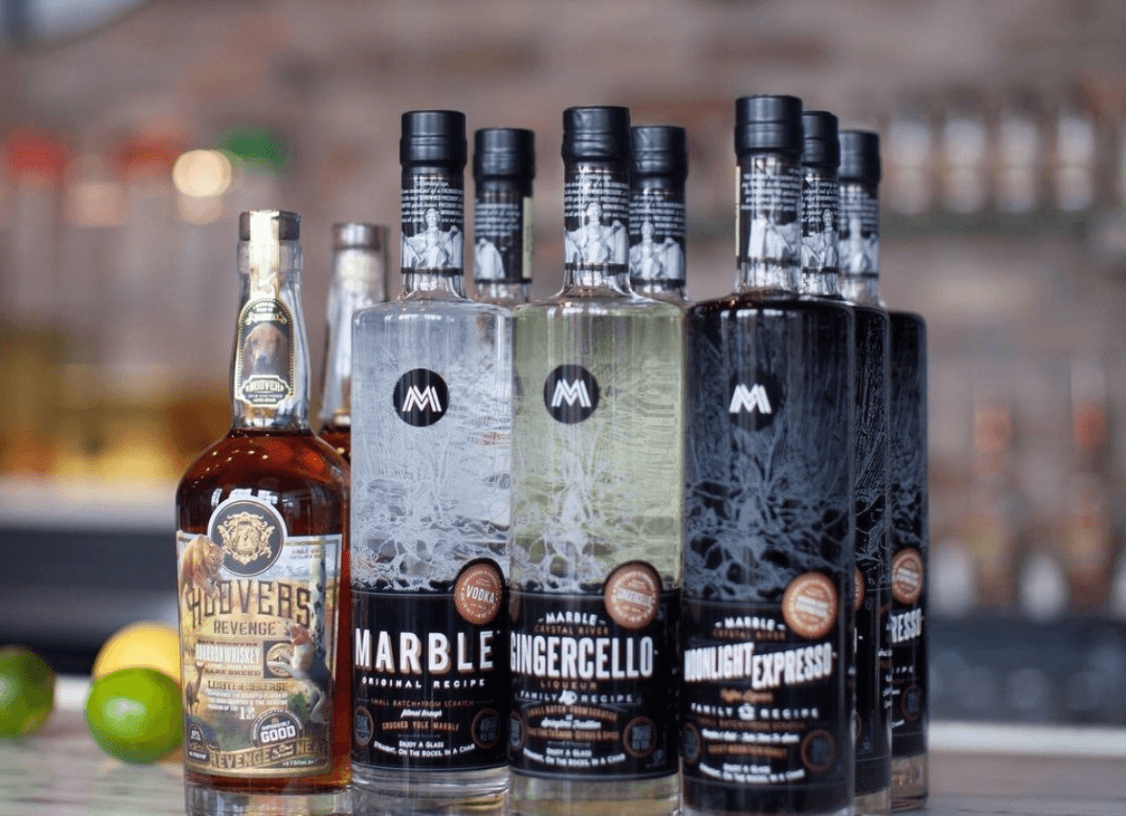
Today, Marble Distilling is more than just a distillery. We produce a full line of craft spirits and a range of American whiskeys and non-alcoholic shrubs—but we’ve also built a tasting room, a boutique inn, and now a social club. It’s all designed to create an experience around the product, not just put a bottle on a shelf.
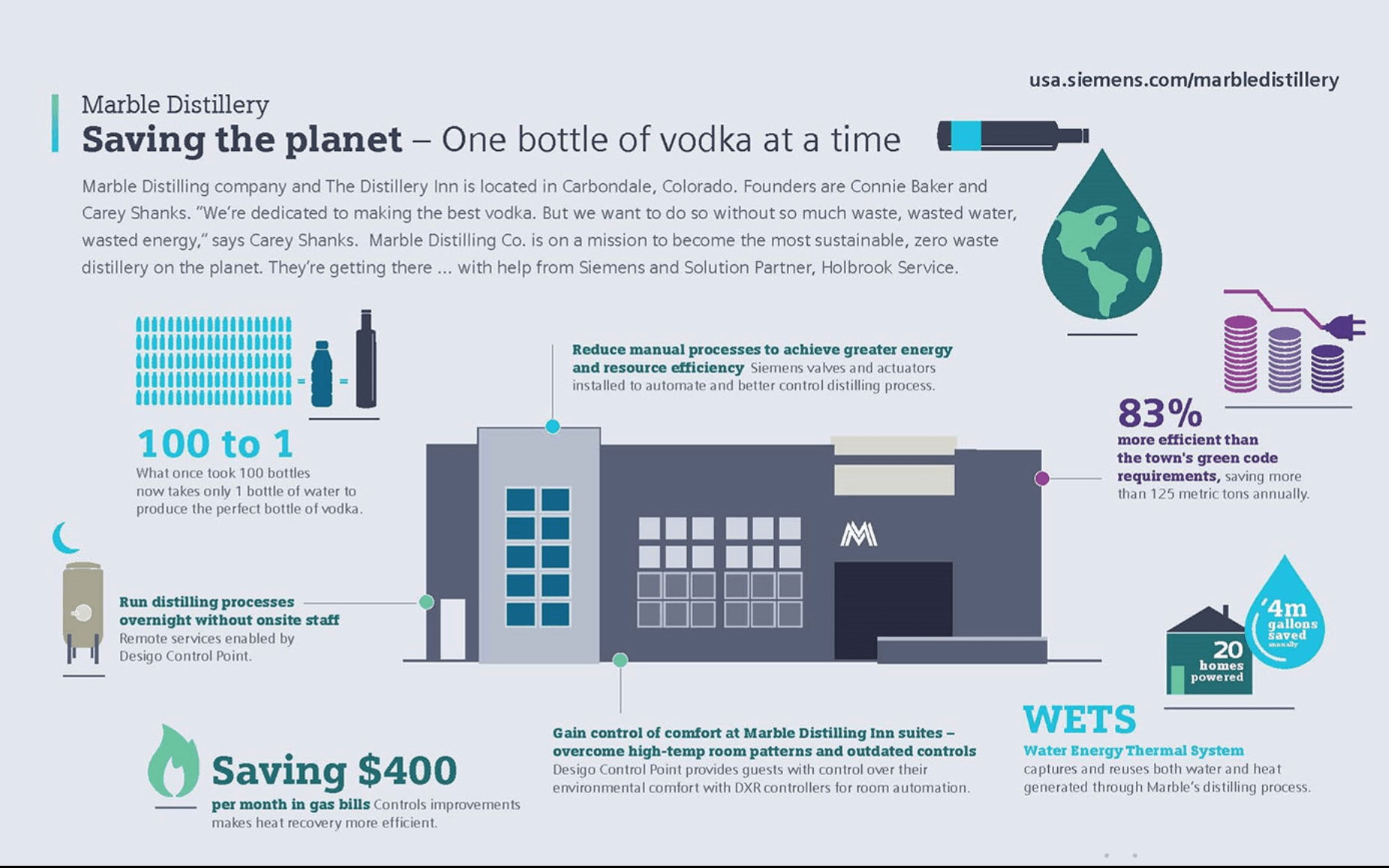
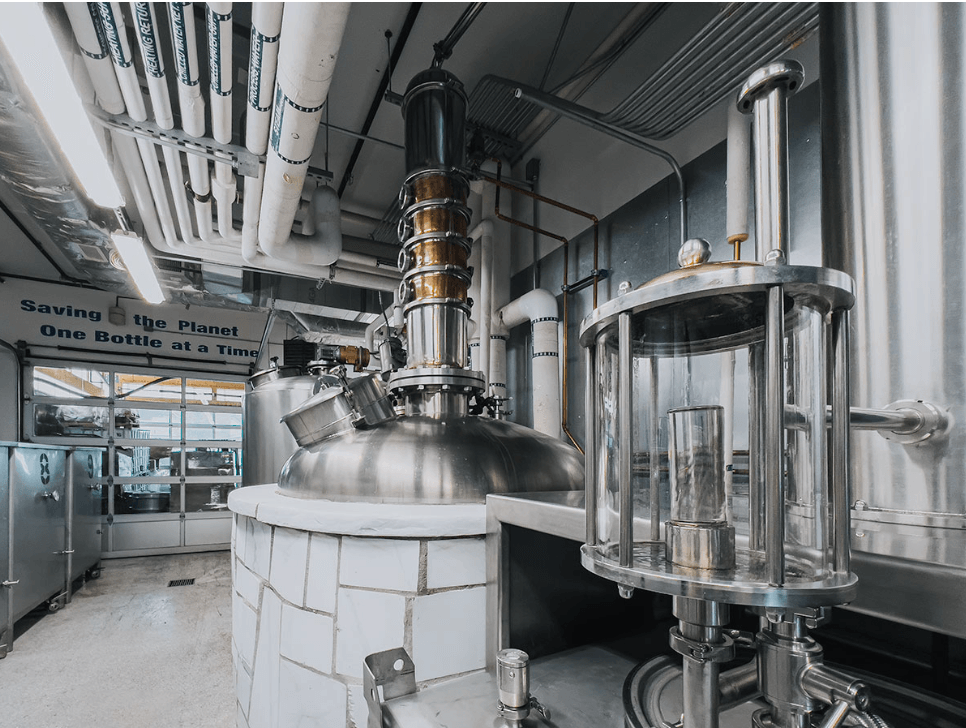
At the core of everything we do is sustainability—but not in a “nice marketing idea” or green washing kind of way. It’s built into how we operate every single day. Our distillery runs on a first of its kind closed-loop Water Energy Thermal System (WETS) that captures and reuses water and energy, saving millions of gallons of water annually and harvesting billions of BTUs of energy that would otherwise be lost. We work with local farmers for our grains, local roasters for our coffee and recycle our spent mash to local ranchers for cattle feed, and we’re constantly asking how to do things better, not just easier.
What I’m most proud of is that we’ve proven you don’t have to compromise. You can make great tasting, award-winning spirits, build a luxury experience, and still operate with a deep commitment to the environment and community. Those things don’t have to be mutually exclusive. I’m also incredibly proud of our sense of place. Being in Carbondale matters and that shows up in everything from who we partner with, our support of non-profits and to how people feel when they walk through the door.
If there’s one thing I’d want people to know, it’s that nothing here is accidental. Every detail—from the spirits themselves to the experience around them—has been thought through (sometimes screwed up!) and refined over time.
We didn’t build this quickly – we built it intentionally.
Can you tell us about a time you’ve had to pivot?
As much as I’d love to forget it, the biggest pivot for us was the pandemic.
We like to joke internally that we use the “F word” a lot—flexible—because we had no choice.
Almost overnight, everything we had built shut down. The tasting room, the inn, events—gone. And we had this incredible team—distillers, bartenders, servers—suddenly with nowhere to apply their skills.
So we asked one simple question: what can we do? The answer was hand sanitizer.
Within days, we turned our entire operation into a sanitizer production facility. Distillers became production leads, bartenders and servers were blending, filling bottles, labeling, organizing distribution. No one blinked—they just showed up and got to work.
And then the community showed up too.
We started by giving it away. At the time, no one could find sanitizer anywhere, and there was a lot of fear and uncertainty. We had lines wrapped around the block—people standing six feet apart, masked, holding whatever containers they could find… Tupperware, old bottles, anything. We were literally handing sanitizer out through a cracked window because no one knew what was safe yet.
It was surreal. And also one of the most powerful things I’ve ever experienced.
We ended up producing hundreds of thousands of gallons. We supplied fire departments, police, hospitals, schools—anyone who needed it. And when people would come through and ask how they could help, we’d just say, “If you want, buy a bottle of spirits to take home. – that would really help us.” And they did.
That support is what kept us going. It allowed us to keep paying our team, to keep the lights on, and to keep moving forward when everything felt uncertain.
What I’m most proud of in that moment wasn’t just that we pivoted—it’s how we did it. Our team didn’t hesitate. Our community didn’t hesitate. Everyone just stepped up. It was chaotic, exhausting, and honestly a little bit crazy.
I kind of want to forget it all but it was also a reminder that resilience isn’t just about surviving—it’s about showing up for each other when it matters most.
Can you share a story from your journey that illustrates your resilience?
Before the distillery, I had built and run a successful communications company—so I understood business. What I didn’t have was experience in distilling, or building something quite this… unconventional.
When it came time to finance the building, I thought, okay, I’ve got this. I owned the land in Carbondale, had a solid plan, and real business experience behind me. Eight banks said no. I like to say every roadblock just became another hurdle—but at the time, it felt exhausting more than inspirational.
The moment that really tested me was the day I was supposed to close on our building loan. I walked into the bank, super psyched and the two bankers I’d been working with looked…Pale. I knew something wasn’t right. They told me there had been a committee meeting the day before. Someone—an older male banker—had said, “What does this woman know? No one has ever done this kind of business before—a distillery, tasting room, and hotel all in one.” And just like that, the loan was pulled.
At that point, we had already broken ground and invested about $300,000 of our own money. So this wasn’t theoretical anymore—this was very real. I called a friend of mine—a woman in banking—and asked for help (not something I’m used to doing – asking for help.) She understood what I was trying to build and, more importantly, she was willing to advocate for me. At the same time, Alpine Bank stepped in and believed in the vision early on—something I don’t take lightly. Between advocacy and a lender willing to take a chance, we got the project back on track. Without that moment—and those people—Marble might not exist.
That experience shaped how I think about resilience. It’s not just about pushing through—it’s about staying open, finding another path, and surrounding yourself with people who see what’s possible, not just what’s been done before.
Marble has grown into more than a distillery—we’ve built a full experience: award-winning spirits, a tasting room, a boutique inn, and now a private club. We’ve also pushed innovation in ways that didn’t exist when we started—like our closed-loop sustainability system that saves millions of gallons of water, or constantly experimenting with new products, partnerships, and ways to connect with our community.
None of that happens if we had listened to the early “no’s.”
So for me, that moment wasn’t just about getting a loan—it was about proving that being open to new ideas, even when they don’t fit a traditional mold, is exactly what drives innovation forward. You have to BELIEVE!
Contact Info:
- Website: https://marbledistilling.com
- Instagram: https://www.instagram.com/marbledistillingco/
- Facebook: marbledistillingco
- Linkedin: https://www.linkedin.com/in/connie-baker-62a520a5/
- Twitter: @marblebaker
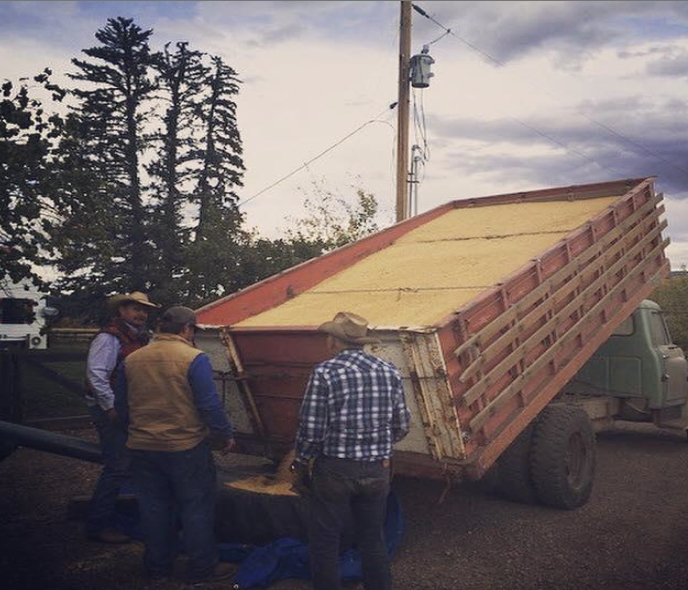
Image Credits
Marble Distilling