
Alright – so today we’ve got the honor of introducing you to Katherine Tolve. We think you’ll enjoy our conversation, we’ve shared it below.
Katherine , appreciate you joining us today. Are you able to earn a full-time living from your creative work? If so, can you walk us through your journey and how you made it happen?
Yes—I’ve been able to build a full-time living from my creative work, but it definitely didn’t happen overnight, and it didn’t look the way I expected.
I didn’t start with a business plan or the intention of opening a studio. I started by teaching at a local art school about ten years ago, simply because I loved working with kids and sharing the creative process. Over time, I realized that what I was building wasn’t just about art—it was about connection, confidence, and creating a space where people felt seen.
Opening my own studio, The Art Room, happened organically. It grew out of demand, community, and a willingness to say yes before everything felt “ready.” That was a major turning point—shifting from being just an artist to becoming an artist, educator, and business owner all at once.
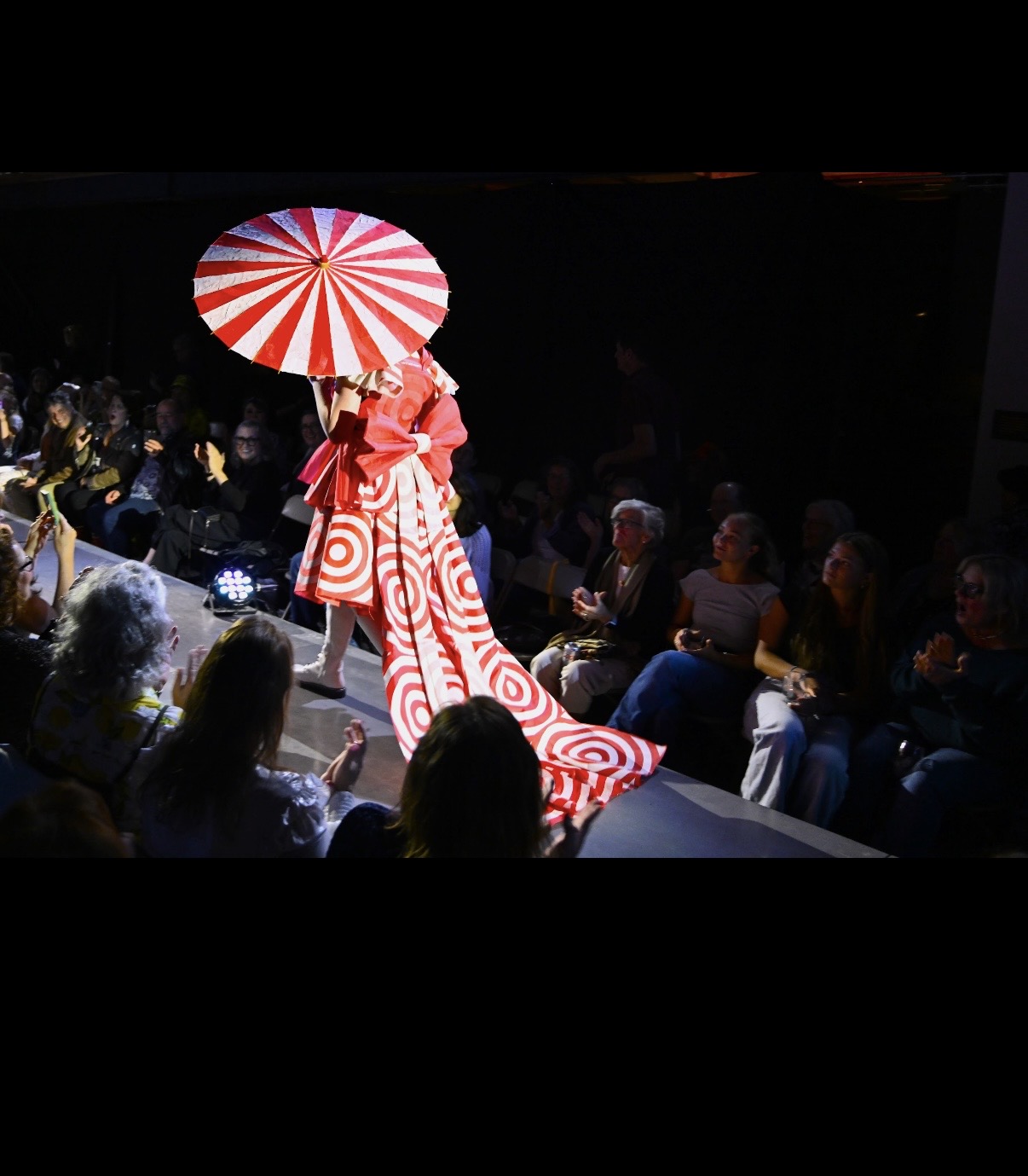
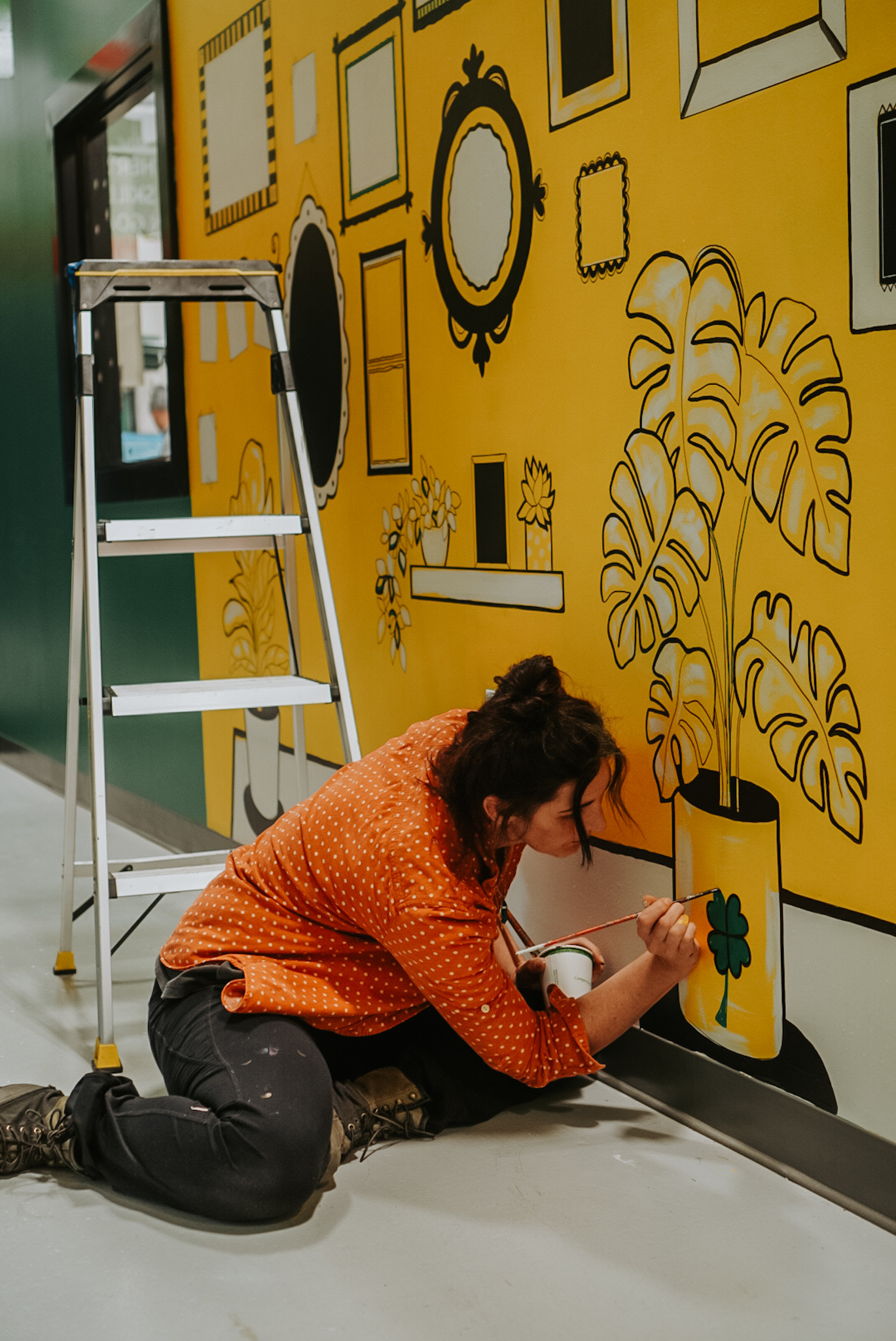
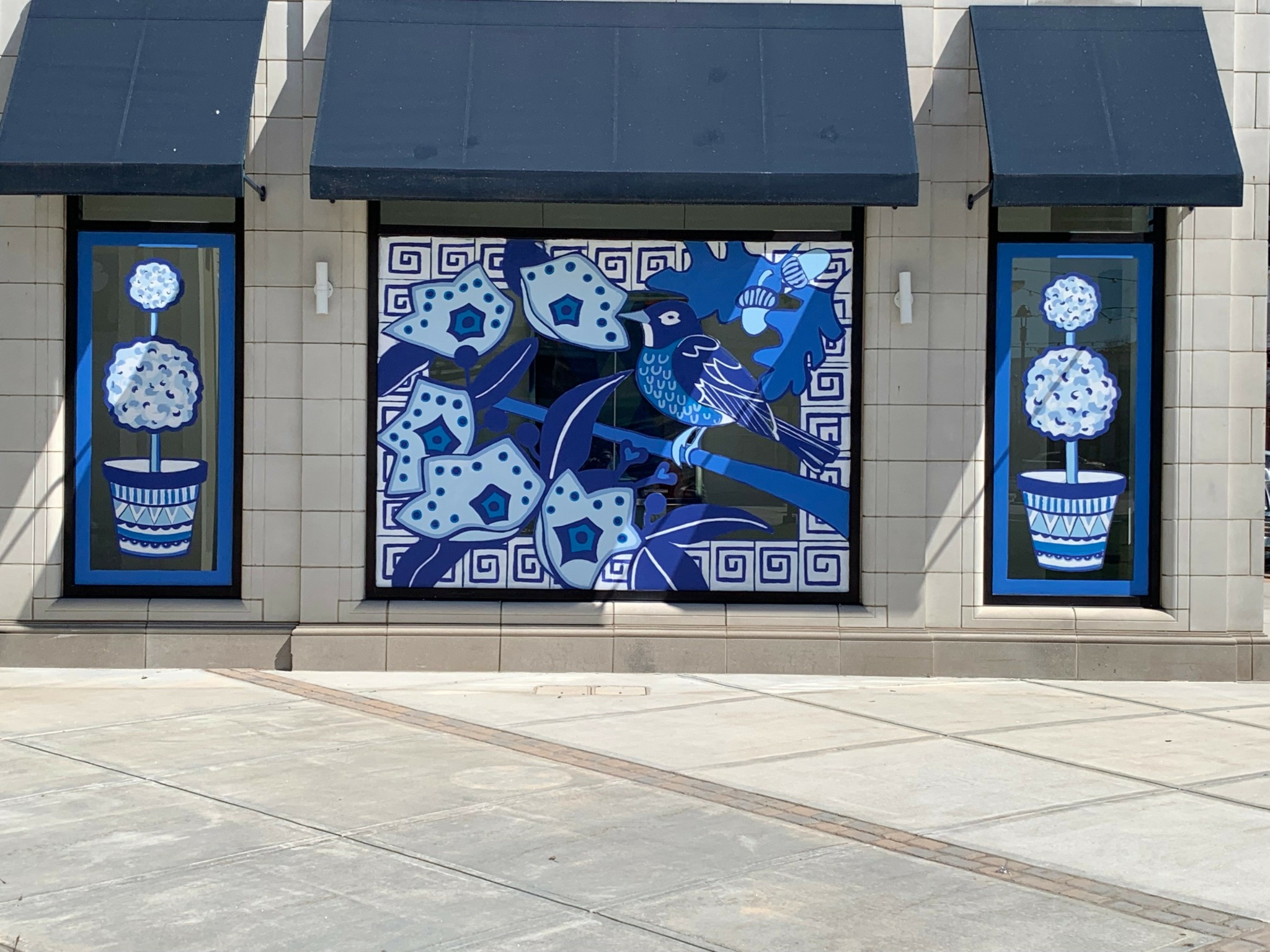
Another big milestone was expanding beyond traditional artwork. Murals, community partnerships, teaching programs, and even unexpected projects like wearable art for runway events all became part of my income stream. Diversifying was key. I realized early on that relying on one form of creative income can be limiting, but layering multiple creative outlets creates both stability and freedom.
It was definitely not like this from day one. There were a lot of moments of uncertainty—figuring out pricing, balancing family life, navigating being self-employed. But each step built on the last, and the community I’ve developed has been a huge part of sustaining it.
If I could speed up the process knowing what I know now, I would trust myself sooner and worry less about fitting into a traditional model of what an artist’s career “should” look like. The biggest growth came when I leaned into what made my path different—blending art, education, and community—instead of trying to separate them.
Building a full-time creative life, for me, has been less about one big break and more about consistently showing up, staying flexible, and allowing the work to evolve.
As always, we appreciate you sharing your insights and we’ve got a few more questions for you, but before we get to all of that can you take a minute to introduce yourself and give our readers some of your background and context?
I’m a mixed media artist, muralist, and educator based in Connecticut, and the owner of The Art Room—a creative studio centered around community, accessibility, and meaningful creative experiences.
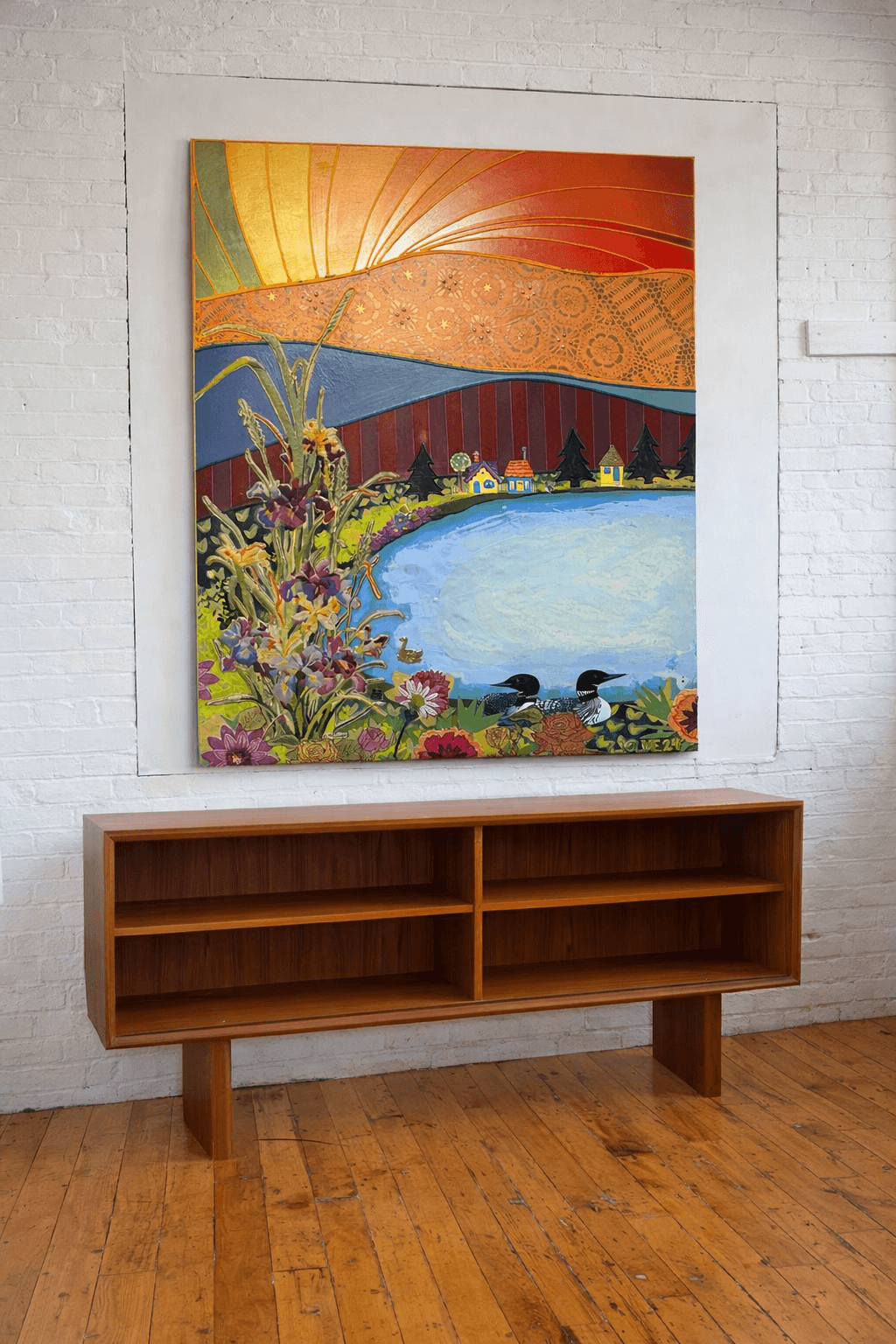
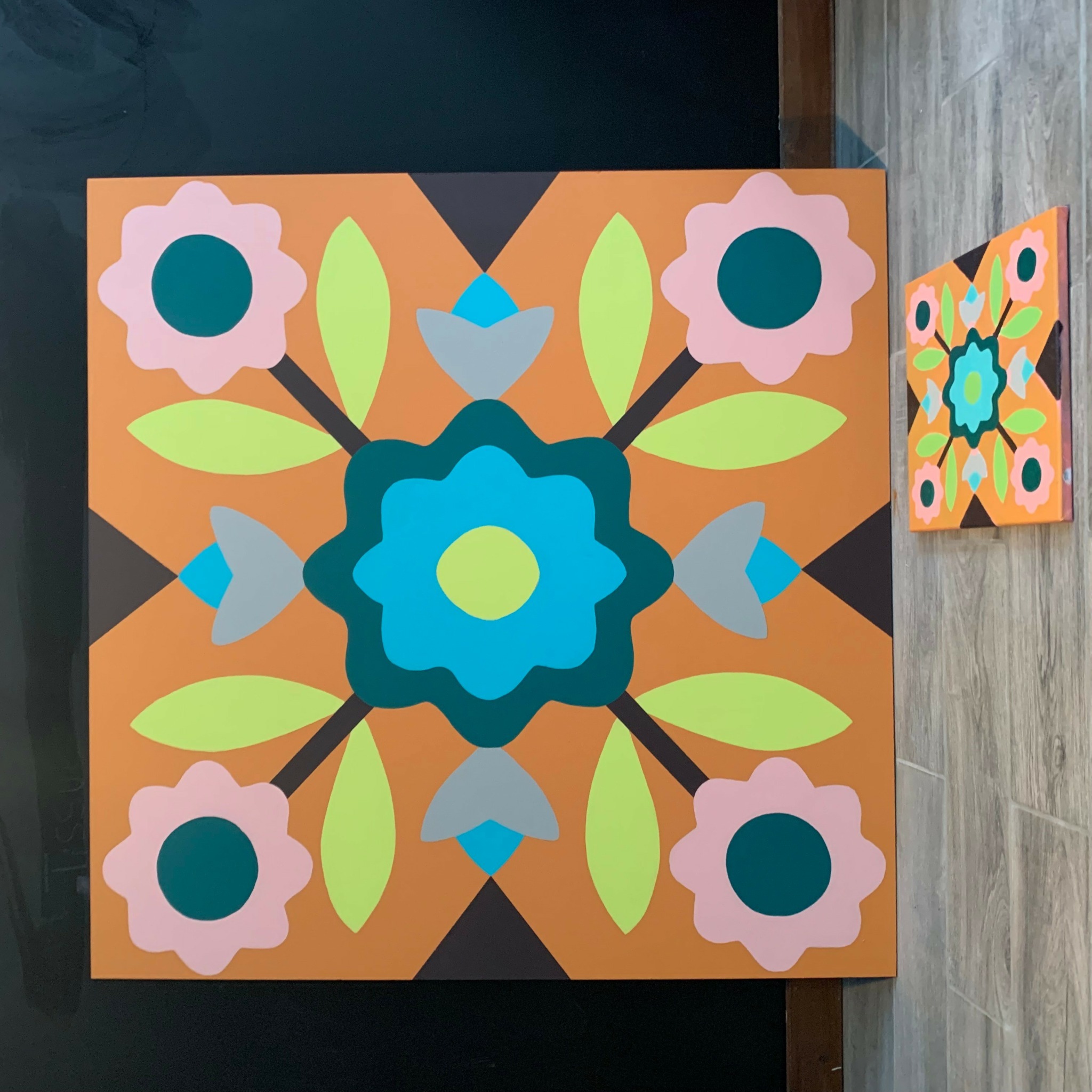
My work spans large-scale murals, original mixed media artwork, and immersive creative environments, as well as teaching programs for children, teens, and adults. I also collaborate with schools, libraries, and nonprofits to bring art into spaces where it can have a lasting impact.
In addition to my studio practice, I’ve spent several years working as a curator, organizing exhibitions and supporting other artists. That experience has shaped how I think about artwork—not just as individual pieces, but as part of a larger conversation about space, audience, and storytelling.
My original vision coming out of art school was to be a full-time studio artist, focused solely on creating and selling my work. While that time was important, I quickly realized that the isolation of working alone wasn’t sustainable for me. I’m someone who thrives on interaction and connection, and that realization became a turning point in shaping the path I’ve built.
At the same time, having a family has deeply influenced the opportunities I say yes to—and the ones I’ve had to turn down. Becoming self-employed and building my own business has allowed me to create a lifestyle that supports both my work and my family, giving me the flexibility to be present while still growing a meaningful creative career.
At the core of everything I do is transformation. I’m drawn to working with layered materials and unexpected combinations—often incorporating elements like fabric, embroidery, buttons, and even glitter—but always in a way that bridges craft and fine art. The work isn’t abstract, but it invites curiosity. I want people to feel a sense of possibility when they look at it, as if familiar materials can become something elevated and unexpected.
That same idea carries into how I work with people. Many individuals don’t see themselves as creative or feel intimidated by the idea of making art. My work creates an entry point—whether through a class, a public installation, or a shared experience—that makes creativity feel accessible and empowering.
What sets me apart is the way I blend roles. I’m not just creating artwork or teaching classes—I’m building environments where creativity becomes part of everyday life. The Art Room functions as both a studio and a community hub, where relationships are formed and people of all ages feel supported in exploring their creative voice.
I’m especially proud of the community that has grown around this work. Watching students gain confidence, seeing families return year after year, and being able to contribute to spaces that bring people together has been incredibly meaningful.
More than anything, I want people to understand that my work isn’t just about the final product—it’s about creating experiences that foster connection, confidence, and a sense of belonging through art.
Learning and unlearning are both critical parts of growth – can you share a story of a time when you had to unlearn a lesson?
One of the biggest lessons I’ve had to unlearn is the idea that I need to separate my roles in order to be successful.
When I was in art school, I had a professor I deeply admired. She had three children, ran a full-time studio practice, and was a professor. I remember asking her how she managed it all because I always knew I wanted both a family and a serious career as an artist. She told me that she would “take one hat off and put another on”—that when she was in “mom mode,” she was fully a mom, and when she was working, she was fully in that role. She didn’t mix the two.
For a long time, I believed that was the way it had to be.
But when I became a mother and later opened my own studio, I realized that approach didn’t feel natural to me at all. Trying to compartmentalize my life actually created more pressure and disconnection. What felt more aligned—and honestly more sustainable—was integration.
That shift didn’t just change how I lived—it changed how I made art.
I began working in mixed media out of necessity. I needed a process that allowed me to step in and out of the studio in small windows of time—during naps or moments of independence—without the pressure of setting up and breaking down traditional materials like oil paint or still lifes that could easily be disrupted. I started creating work that was flexible, layered, and forgiving. If a child added a mark or something unexpected happened, I could adapt, cover, and build on it rather than start over.
Over time, that way of working became my voice.
My children have grown up inside my work. As a homeschooling parent, they’ve been present in my studio, part of the environment, and woven into my day-to-day life. Instead of separating my roles, I’ve embraced the overlap between being an artist, an educator, a business owner, and a mother.
I know that’s not the traditional model, and it doesn’t work for everyone, but fully leaning into that integration has been one of the most freeing shifts in my life. It’s allowed me to build a career—and a creative practice—that reflects who I actually am, rather than trying to fit into a structure that never quite felt right.
Unlearning that “separate the hats” mindset gave me permission to create a life and work that feel both whole and sustainable.
What can society do to ensure an environment that’s helpful to artists and creatives?
I think one of the biggest things society can do to support artists and creatives is to recognize that creativity isn’t a luxury—it’s essential. It shapes how we think, how we connect, and how we problem-solve, yet it’s often one of the first things to be undervalued or cut.
Support looks like more than just appreciation—it looks like infrastructure.
That means accessible spaces for artists to work and gather, funding and grants that are actually attainable, and more opportunities for creatives to be integrated into everyday environments—schools, hospitals, public spaces, and local businesses. I’ve seen firsthand how powerful that can be, both for the artist and the community experiencing the work.
I also think we need to normalize paying artists fairly. There’s still a mindset that creative work should be done for exposure or passion alone, and while passion is a huge part of it, sustainability matters. When artists are supported financially, they’re able to continue creating, teaching, and contributing to the larger ecosystem.
On a community level, I believe in making art feel accessible and participatory. Through my studio, I’ve focused on creating spaces where people don’t just consume art—they engage with it, learn from it, and see themselves as part of the creative process. That kind of connection builds long-term support for the arts in a really meaningful way.
Ultimately, a thriving creative ecosystem happens when artists are supported not just as makers, but as contributors to culture, education, and community life
Contact Info:
- Website: Www.Katherinetolveart.com Www.theartroom483.com
- Instagram: @katherinetolveart @theartroom483
- Facebook: @theartroom483