

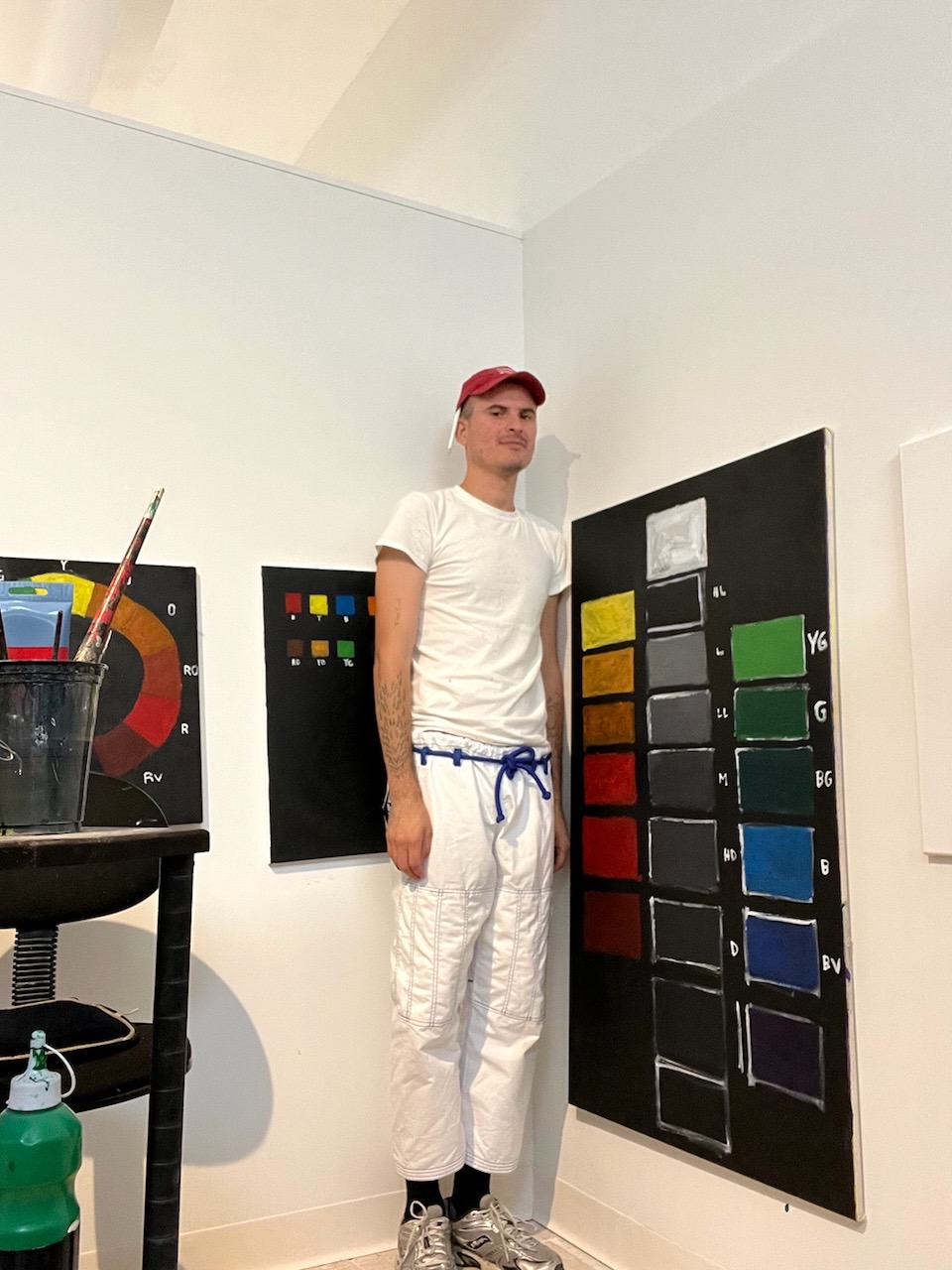

We caught up with the brilliant and insightful Juan Sebastian “zeb” Restrepo a few weeks ago and have shared our conversation below.
Hi Juan Sebastian “zeb”, thanks for joining us today. Can you talk to us about a project that’s meant a lot to you?
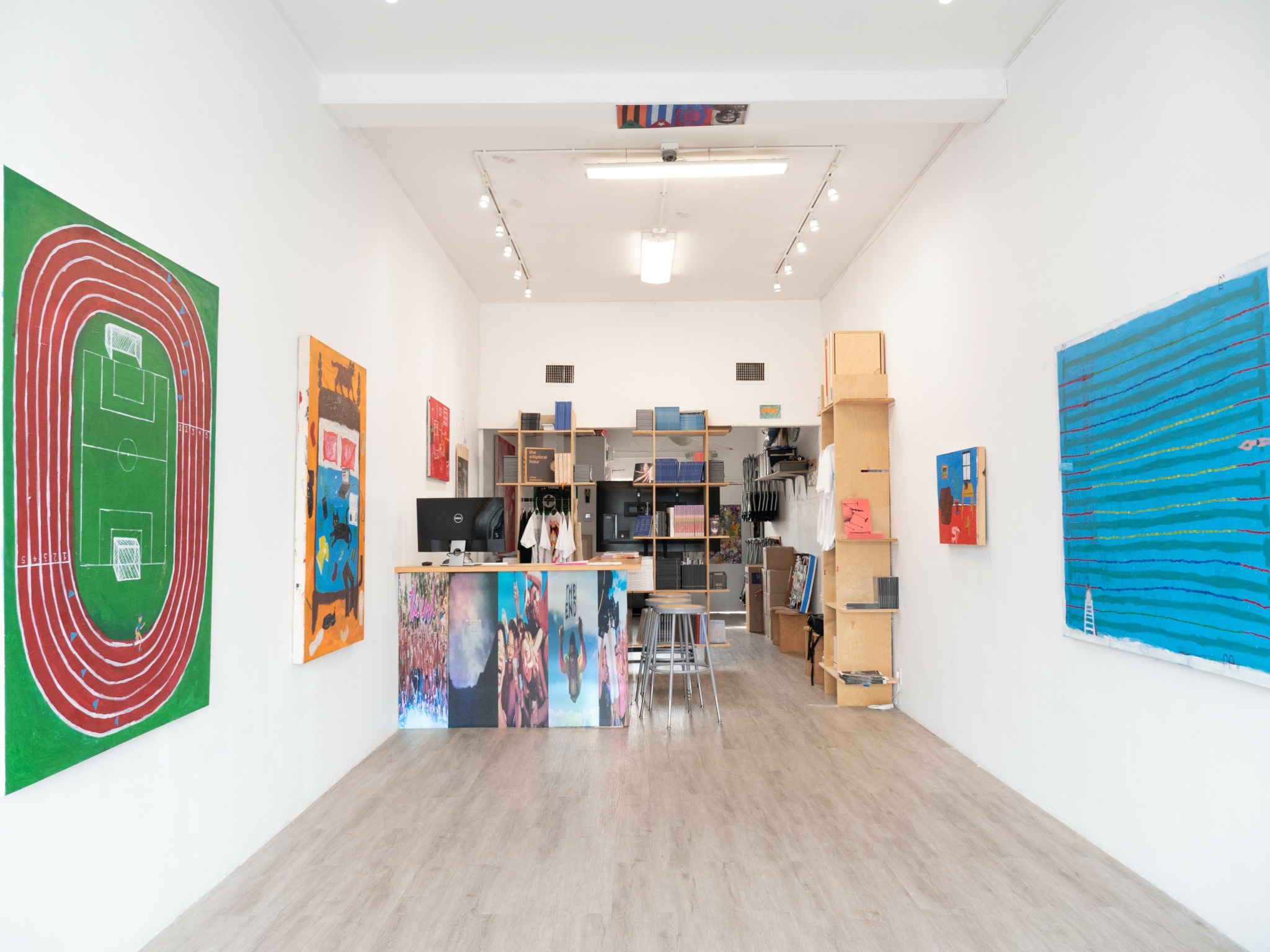
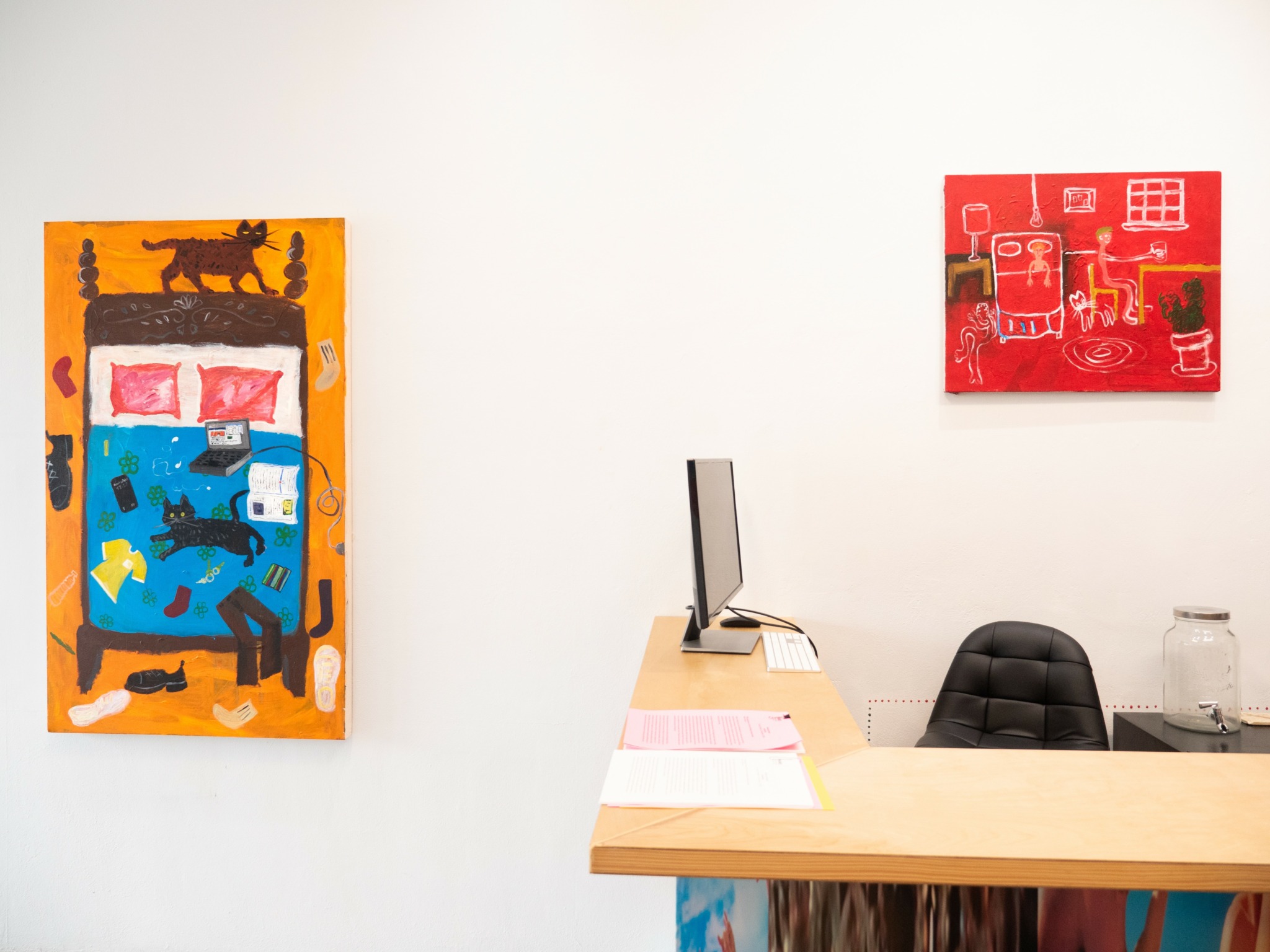
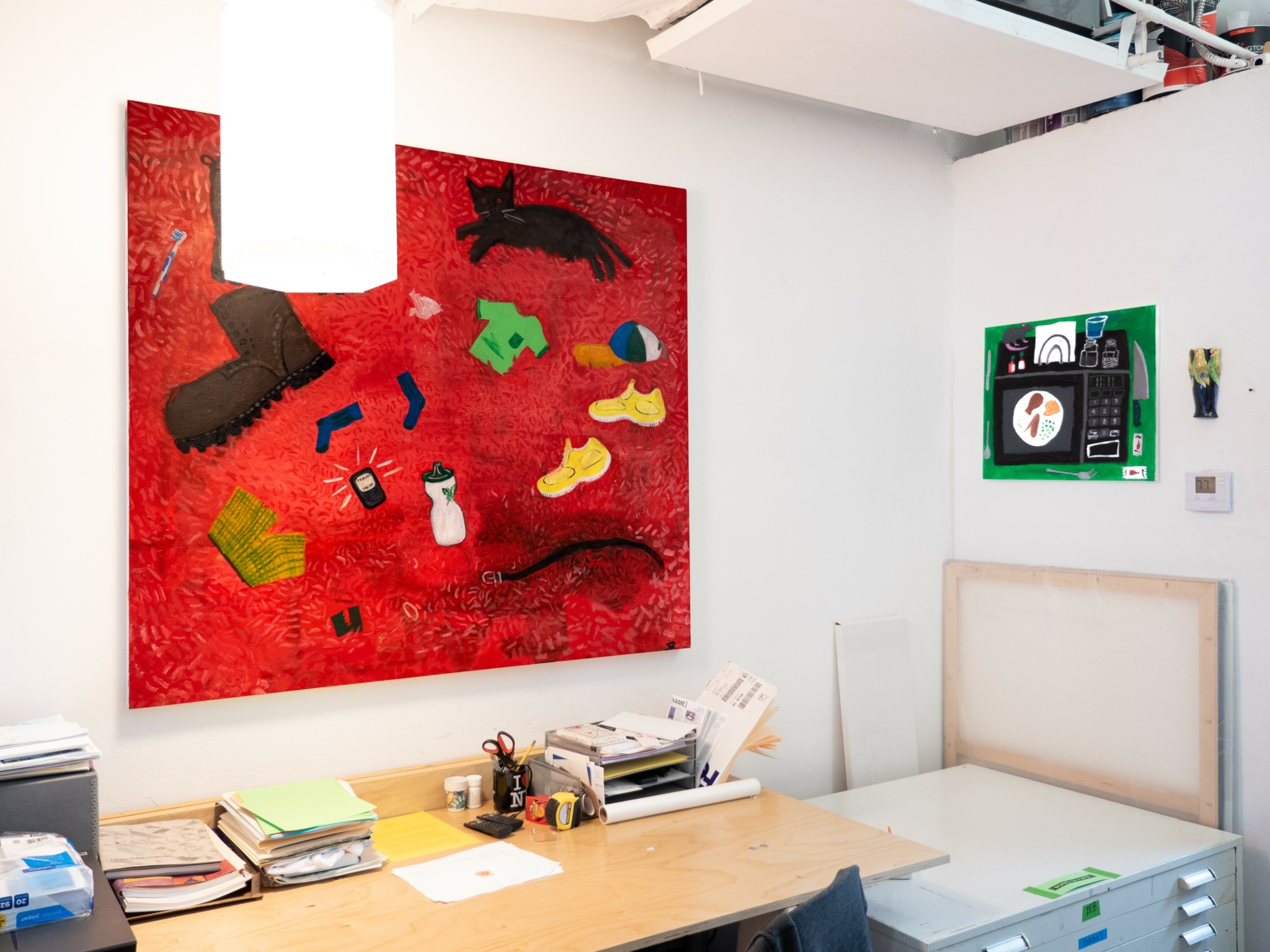
One of the most meaningful projects I’ve worked on is my ongoing body of work that combines painting, drawing, and video as a kind of visual diary. This project emerged from a need to process my own experiences and make sense of a world that often feels fast, fragmented, and, at times, disconnected from empathy and care. Rather than creating work for a specific outcome or audience, I began focusing on deeply personal imagery—moments, thoughts, and observations that might otherwise feel mundane or overlooked.
What makes this project meaningful is that it allows me to reclaim a sense of agency. By placing my own experiences at the center, I’m able to transform everyday life into something worth reflecting on. The work often mimics the way we consume information today—like scrolling through a phone or watching shifting scenes on a screen—which feels honest to how I experience reality.
Over time, this project has also shaped how I connect with others. Even though the work is personal, people often find their own experiences within it, which creates a quiet but powerful sense of shared understanding. That balance between introspection and connection is what continues to make this work important to me.
Juan Sebastian “zeb”, love having you share your insights with us. Before we ask you more questions, maybe you can take a moment to introduce yourself to our readers who might have missed our earlier conversations?
I’m a multidisciplinary visual artist currently based in Florida, working across painting, drawing, and video. I received my BFA in Painting from Pratt Institute and my MFA in Painting from Southern Illinois University Edwardsville, and over time my practice has developed into a kind of visual diary rooted in personal experience. My work sits at the intersection of diaristic painting, post-internet visual culture, and a critique of mass media imagery. I’m interested in how perception, memory, and attention function today, so my compositions often feel fragmented—similar to scrolling through a phone or watching shifting screens—while blending abstraction and figuration to explore themes like anxiety, labor, identity, and everyday life.
Alongside my studio practice, I also lead workshops and community-based programs focused on color theory and the principles of design. These are designed to make art more accessible and to help people understand how visual language works, whether they have a background in art or not. In that sense, my work operates both as a personal practice and as a way to connect with others through shared creative experiences.
I’ve had the opportunity to present solo exhibitions in Miami and participate in group exhibitions nationally and internationally, including recent projects in London and across the United States. My work has also been featured in museums, galleries, and artist-run spaces, and published in a range of literary and visual art journals. These experiences have helped me expand how I think about audience, context, and the role of art within larger systems.
What sets my work apart is my commitment to maintaining a deeply personal and honest approach while still engaging with broader cultural conditions. I intentionally resist making work that feels overly polished or commodified, and instead focus on immediacy, vulnerability, and clarity. Across all mediums, I use material as a vehicle for ideas—creating space for reflection while questioning how contemporary life is shaped by mass media, institutions, and corporate influence.
I’m most proud of building a practice that stays true to my perspective. Whether it’s a painting, a drawing, a video, or a workshop, my goal is to create work that encourages people to slow down, question what they’re seeing, and recognize the value in everyday experiences. Ultimately, I want people to understand that my work is about reclaiming agency—using art as a way to process the world, define meaning on your own terms, and create space for empathy, reflection, and awareness.
Is there a particular goal or mission driving your creative journey?
A core goal driving my creative journey is to reclaim a sense of agency through image-making—both for myself and for others. My work is rooted in personal experience, but it’s also about questioning how we see and understand the world, especially within a culture shaped by mass media, screens, and constant information flow. I’m interested in slowing that down and creating space for reflection, where everyday moments and emotions are treated as meaningful rather than overlooked.
At the same time, I want to challenge the idea that art has to feel distant, polished, or inaccessible. Through my paintings, drawings, videos, and workshops, I aim to make visual language feel more immediate and human—something that people can connect to directly and intuitively.
Ultimately, my mission is to create work that encourages awareness: awareness of how images function, how experiences are processed, and how we can define meaning on our own terms. If my work can help someone pause, reflect, or see something familiar in a new way, then it’s doing what I hope it can do.
What’s the most rewarding aspect of being a creative in your experience?
The most rewarding aspect of being an artist for me is the ability to make sense of my experiences and create meaning on my own terms. Art gives me a space to process things that might otherwise feel overwhelming or unclear, and to transform everyday moments into something worth reflecting on. That act of turning something personal into a visual form is incredibly grounding.
At the same time, it’s rewarding when that personal work connects with others. Even though my practice is rooted in my own experiences, people often see parts of themselves in it, and that creates a quiet but meaningful sense of connection. It reminds me that even very individual perspectives can resonate more broadly.
I also find it fulfilling to challenge how people think about art—making it feel more immediate, accessible, and connected to daily life rather than something distant or exclusive. Ultimately, the most rewarding part is creating space—for myself and for others—to slow down, reflect, and see things a little differently.
Contact Info:
- Website: https://soundsignals.wordpress.com/
- Instagram: https://www.instagram.com/liloddboyzeb/
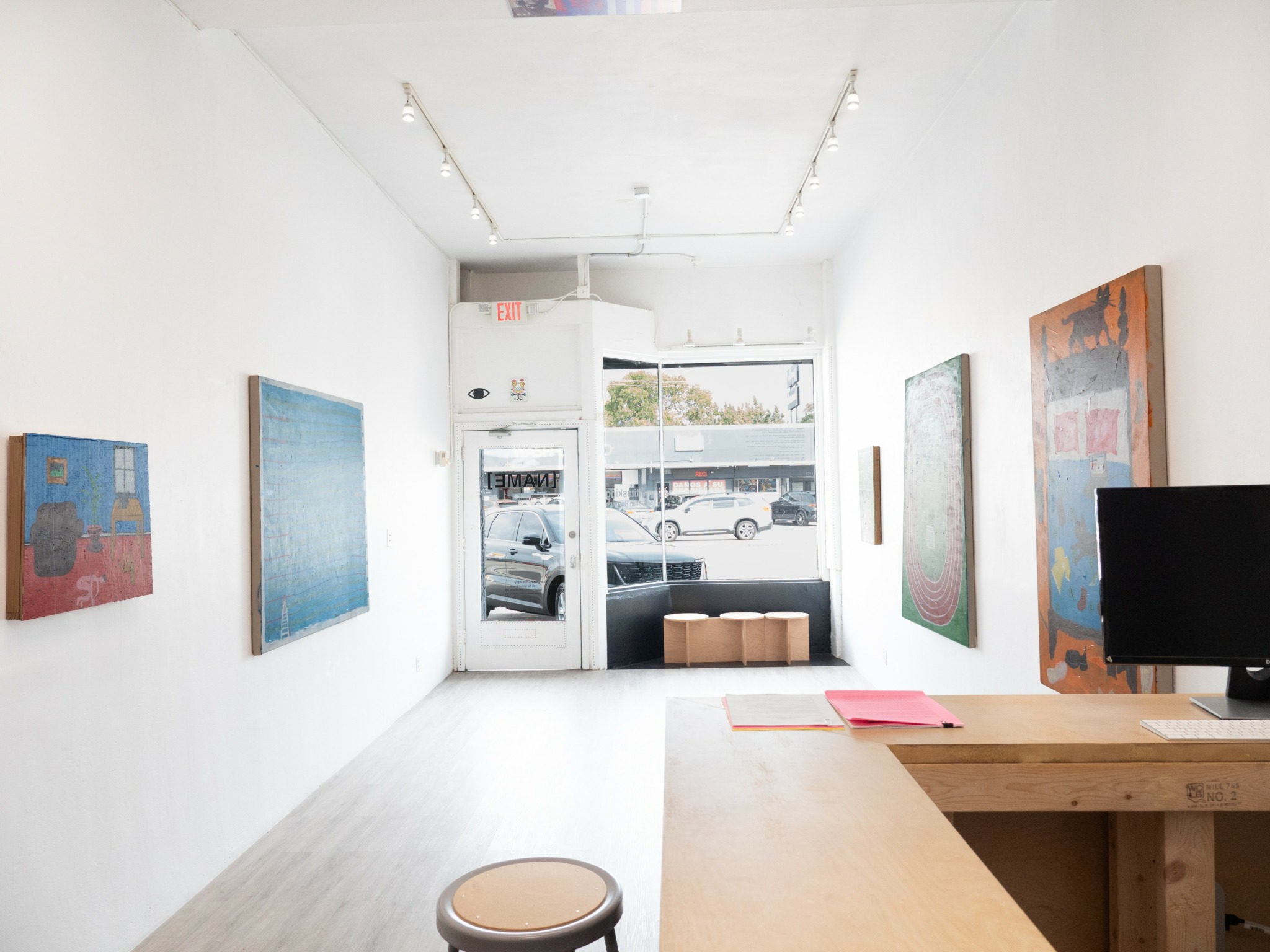
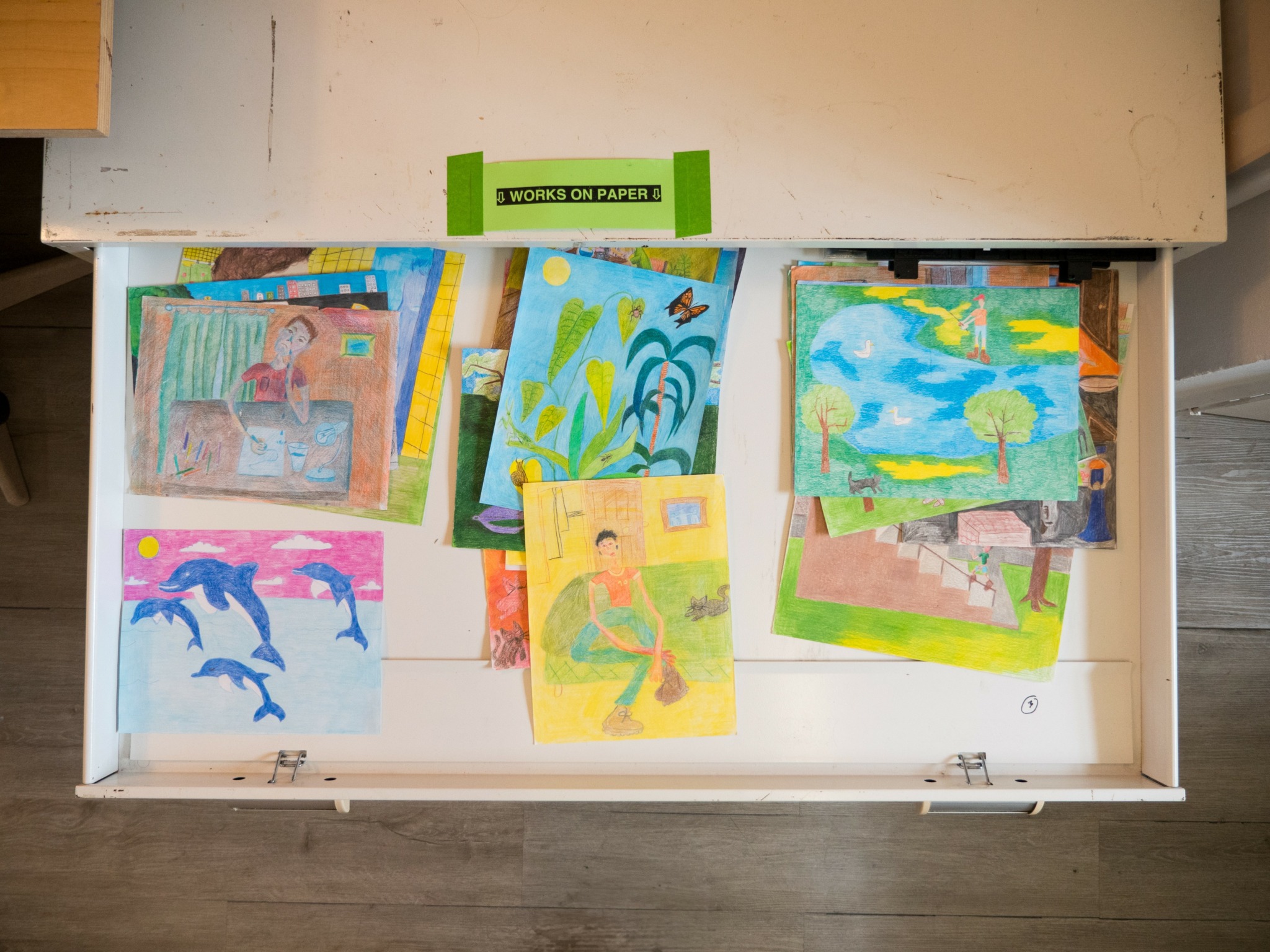
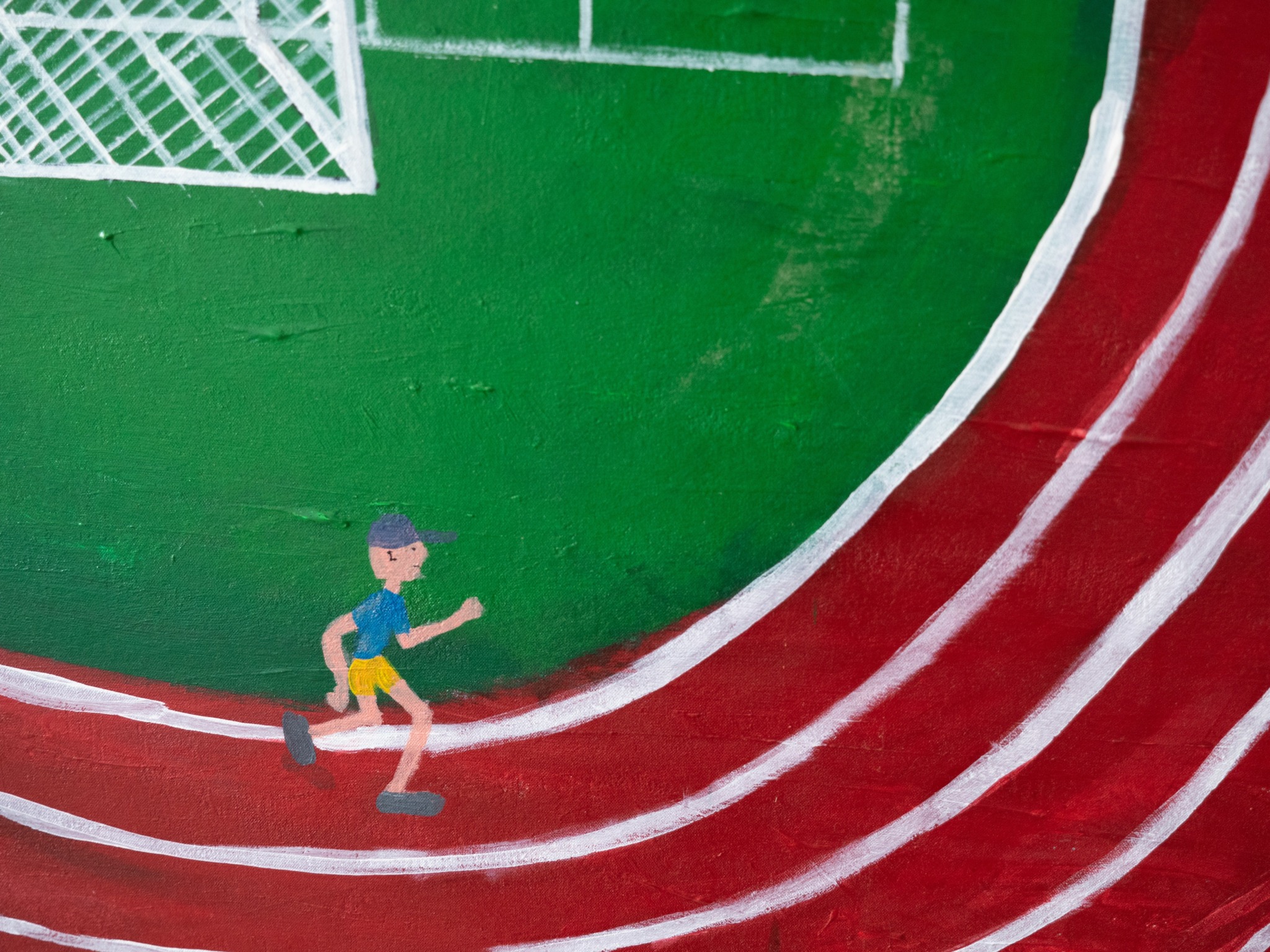
Image Credits
Photos by Alexis León for {NAME} Publications, Miami, 2024. Sebastian “zeb’ Restrepo,, ‘multitasking’ solo presentation.