

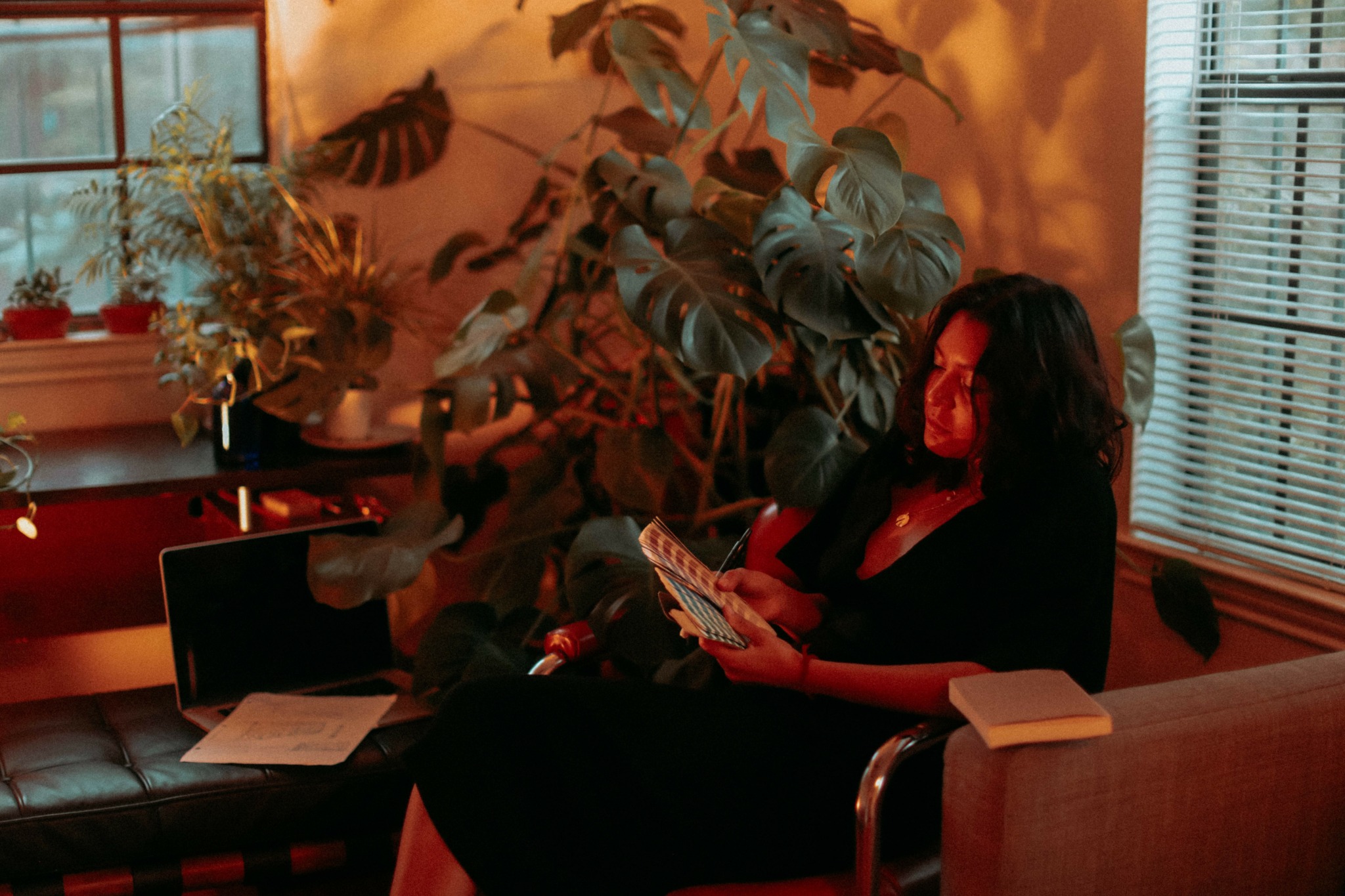

We recently connected with Sara Palma and have shared our conversation below.
Sara, thanks for joining us, excited to have you contributing your stories and insights. It’s always helpful to hear about times when someone’s had to take a risk – how did they think through the decision, why did they take the risk, and what ended up happening. We’d love to hear about a risk you’ve taken.
One of the biggest risks I’ve ever taken was moving to the United States on my own at 24.
At the time, I was navigating personal loss and a deep sense that my life needed to change. I didn’t have a clear plan—I just knew I couldn’t stay where I was. Leaving Mexico City meant leaving behind everything I had known—my family, my culture, my sense of belonging—and there was a quiet grief in that transition that stayed with me for a long time. Still, I chose to trust something I couldn’t fully explain yet.
Starting over was humbling. I worked as a barista, babysitter, and house cleaner while trying to understand where I fit in a new country. There were moments where my creative path felt far away, but those experiences grounded me in ways I didn’t expect. They taught me discipline, resilience, and how to keep showing up even when things felt uncertain.
What made that period transformative wasn’t just the external challenges, but the internal shift. Through meditation and reflection, I began to reconnect with my creativity—not just as a career, but as a way of processing life. Creating became a form of stability and healing, especially as I moved through grief.
From there, things didn’t change overnight, but they began to align. I slowly stepped back into creative work, collaborated with cultural spaces, and started building a practice rooted in storytelling and intention.
Today, that risk has evolved into a body of work that feels fully aligned with who I am. My practice now spans photography, art direction, and immersive storytelling, and has recently expanded into exhibitions, including a show with MONAD New York for SXSW. Moments like that feel less like sudden success and more like the result of many quiet decisions to keep going.
Looking back, the risk wasn’t just about moving—it was about trusting myself before I had proof. It taught me that growth doesn’t always look like certainty; sometimes it looks like continuing forward without it.
Great, appreciate you sharing that with us. Before we ask you to share more of your insights, can you take a moment to introduce yourself and how you got to where you are today to our readers.
I’m a visual artist, photographer, and creative director focused on storytelling and mindful creation. At the core of my work is the intention to create images and experiences that feel honest, immersive, and emotionally grounded.
My path hasn’t been linear. I started through internships at cultural institutions in Mexico City, including Museo Tamayo and Museo de Arte Popular, where I was first exposed to the intersection of design, art, and public space. Being in those environments early on shaped how I see storytelling—not just as something visual, but as something you experience and feel, deeply connected to culture and identity.
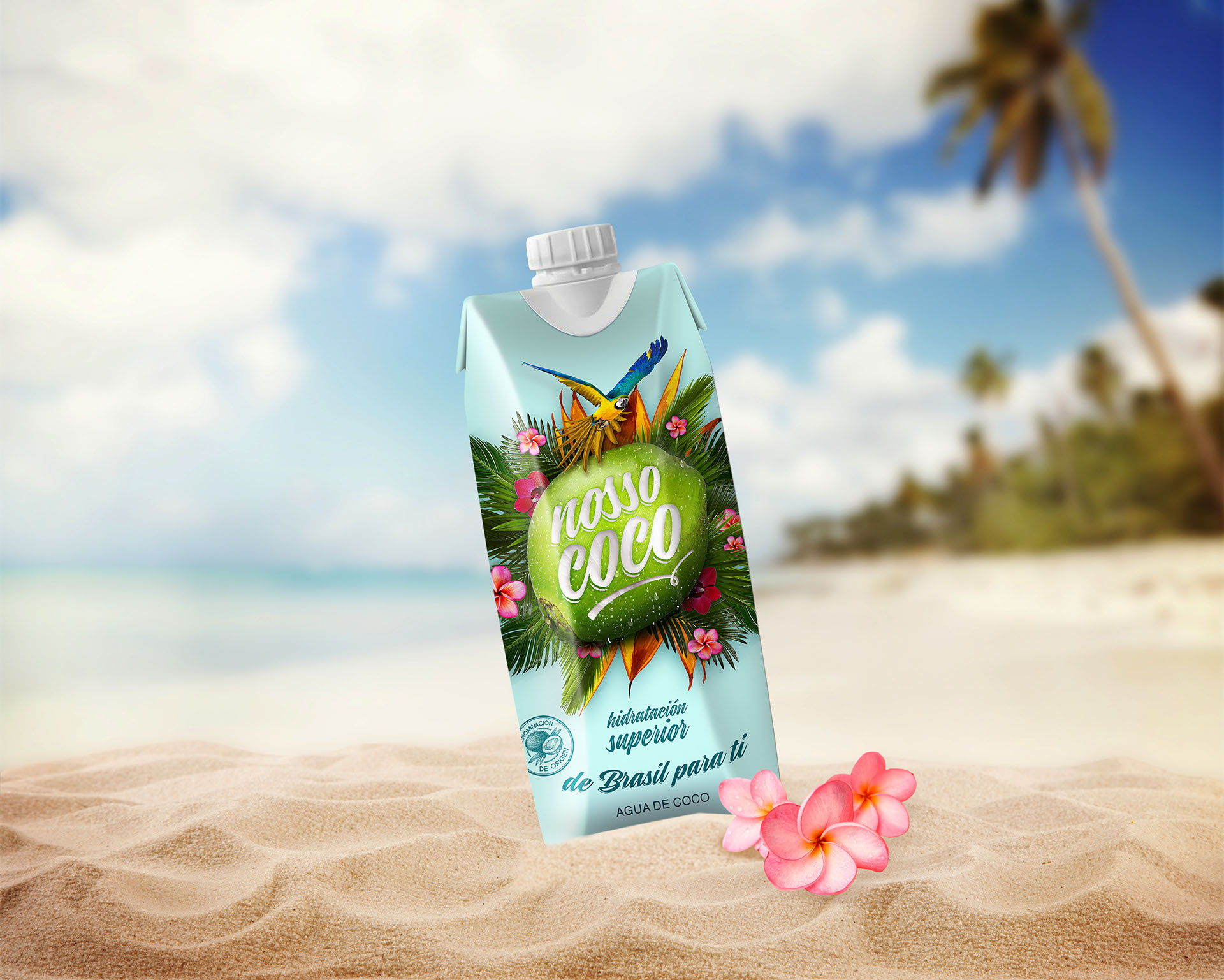
From there, I moved into branding and design, working with international brands like Coca-Cola, Nestlé, Saba, and Quebec Cine, and collaborating with agencies such as MBLM and BAMF. That phase gave me a strong foundation in strategy—learning how to translate ideas into visual systems that communicate clearly while still carrying meaning.
After moving to Austin, I started freelancing, and later found a position at Mexic-Arte Museum. That experience became pivotal for me—it grounded me in community and strengthened my connection to cultural identity, something that continues to influence my work in a very real way.
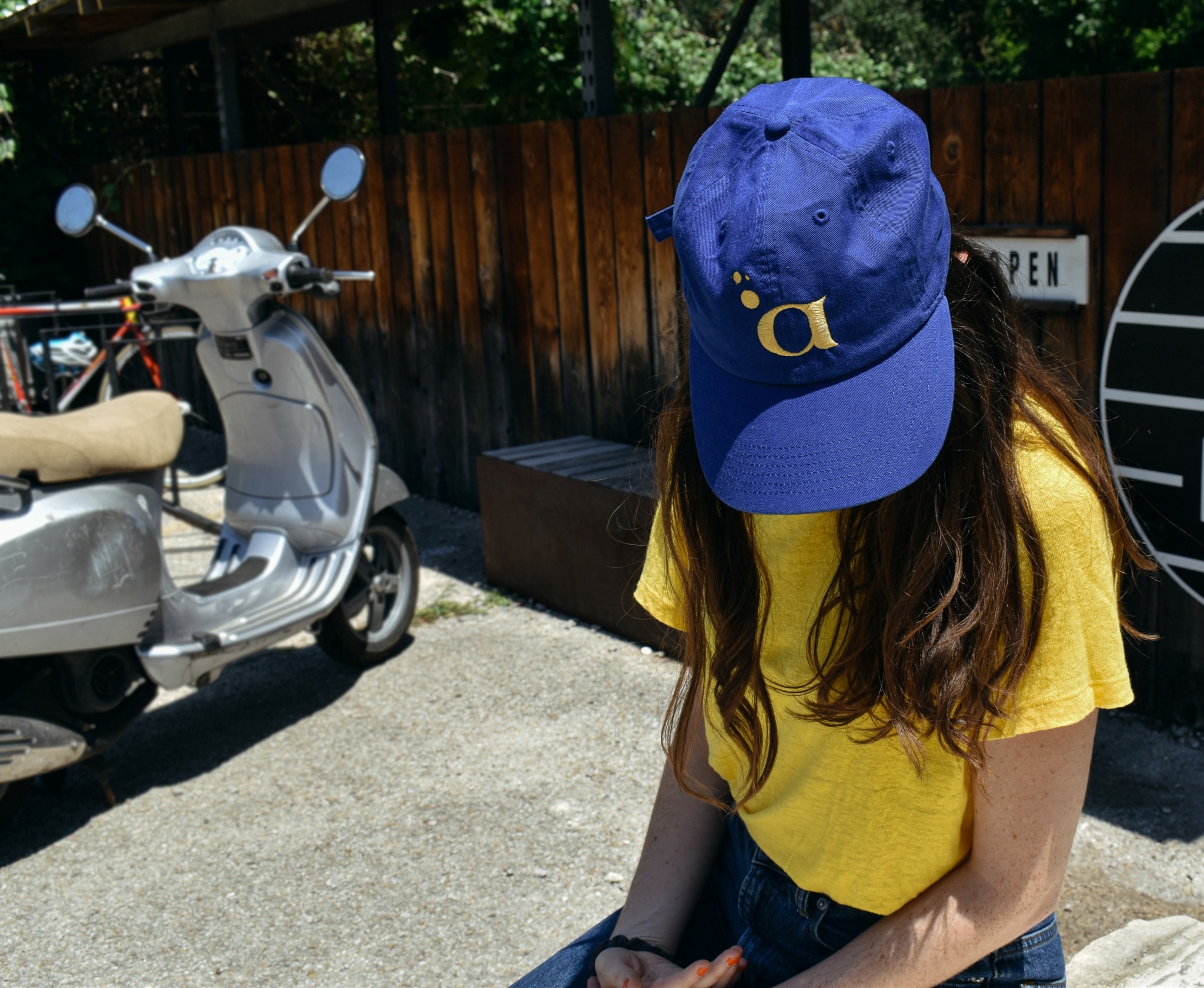
One project that stands out is a food truck concept I developed in Austin, where I led the branding and created packaging for a salsa macha line. It was a great project, but more than that, it showed me how powerful it is to build something rooted in culture and lived experience—not just aesthetics.
Academically, my background also shaped me. My undergraduate thesis, developed with Museo Franz Mayer, was recognized as one of the strongest in my class. Later, during my master’s at LABASAD Barcelona, we created with my team work the branding and strategy project that was selected as a finalist for the ADG Laus Awards in the packaging category—prestigious design awards in Spain that recognize excellence in graphic design. That experience helped me see my work in a broader, more international context.
Over time, I felt a shift. I wanted to move beyond structure into something more intuitive and expressive. That’s what led me into photography and creative direction as a more personal form of storytelling.
Today, my work spans photography, art direction, and creative production. I collaborate with individuals, brands, and cultural spaces, but what I really offer goes beyond a final image—it’s a process. I create space for people to feel seen and translated visually in a way that feels true to them.
What sets my work apart is that I don’t separate creativity from presence. It’s rooted in emotion, intuition, and awareness. I care as much about how something feels as how it looks—and that completely shapes the outcome.
One of the things I’m most proud of is building a creative practice that feels aligned with who I am, especially after starting over in a new country. Recently, expanding into exhibitions—including showing work with MONAD New York during SXSW—has been a meaningful step, allowing my work to exist in a more conceptual and artistic space.
At the end of the day, my work is intentional. It’s not about following trends—it’s about creating something that resonates. I’m drawn to collaborating with people and brands who are open to depth, honesty, and work that truly feels.

What do you think is the goal or mission that drives your creative journey?
Yes, there is a clear intention driving my creative journey, even if it has evolved over time.
At its core, my work is about creating connection—between people, between inner and outer worlds, and between emotion and visual expression. I’m interested in using creativity as a way to translate what we feel but don’t always have the language for.
My goal is to create work that goes beyond aesthetics. I want it to hold meaning, to reflect identity, and to resonate on a deeper, more human level. Whether I’m working on a brand, a photograph, or an artistic project, I approach it as an opportunity to create something honest—something that people can feel, not just see.
A big part of that mission also comes from my own journey. Moving to a new country, navigating change, and reconnecting with my creativity in a different environment shifted how I see my work. It became less about producing and more about expressing, processing, and creating with intention.
I’m especially drawn to themes of memory, identity, culture, and presence. I want my work to create space—for reflection, for emotion, and for people to see parts of themselves in it.
At the same time, I care deeply about the experience of the people I collaborate with. My process is not just about delivering a final result, but about helping clients feel seen, understood, and translated into something authentic. That, to me, is where meaningful work happens.
Ultimately, my mission is to bridge the gap between strategy and emotion—to create work that is both thoughtful and felt. Work that doesn’t just exist visually, but stays with you.
Have you ever had to pivot?
One of the biggest pivots in my life and career happened when I moved from Mexico City to Austin.
Before that, my path felt very structured—I was working in agencies, collaborating with cultural institutions, and building a solid foundation in branding and strategy. I understood the industry, the expectations, and where I fit within it. But moving to a new country shifted everything. I had to rebuild not just my professional network, but also my sense of identity as a creative.
There was a period of uncertainty where things didn’t look as clear or defined as before. I wasn’t following the same trajectory, and that forced me to question what I actually wanted from my work beyond stability or recognition.
Around that time, I worked on a food truck project in Austin, which became one of the most unexpected yet defining experiences for me. It was very different from the agency or museum work I had done before—more hands-on, immediate, and connected to real people and everyday interactions. It reminded me that creativity doesn’t only live in structured or traditional spaces; it can exist anywhere, as long as there’s intention behind it.
That shift helped me reconnect with a more intuitive and personal approach to my work. I started allowing myself to explore beyond rigid definitions of design or success, and to embrace projects that felt aligned, even if they didn’t follow a conventional path.
Since then, my work has become more fluid—moving between strategy, art direction, and more personal creative exploration. That pivot taught me to trust change, to adapt, and to see uncertainty not as a setback, but as a space for reinvention.
Looking back, it was less about starting over and more about redefining what my creative path could look like on my own terms.
Contact Info:
- Instagram: https://www.instagram.com/sarapalms/
- Facebook: https://www.facebook.com/sara.palms/
- Linkedin: https://www.linkedin.com/in/sarapalm9/details/experience/
- Twitter: https://x.com/palmstrawberry
- Youtube: https://www.youtube.com/@sanctuarystudioo
- Other: https://www.behance.net/palms
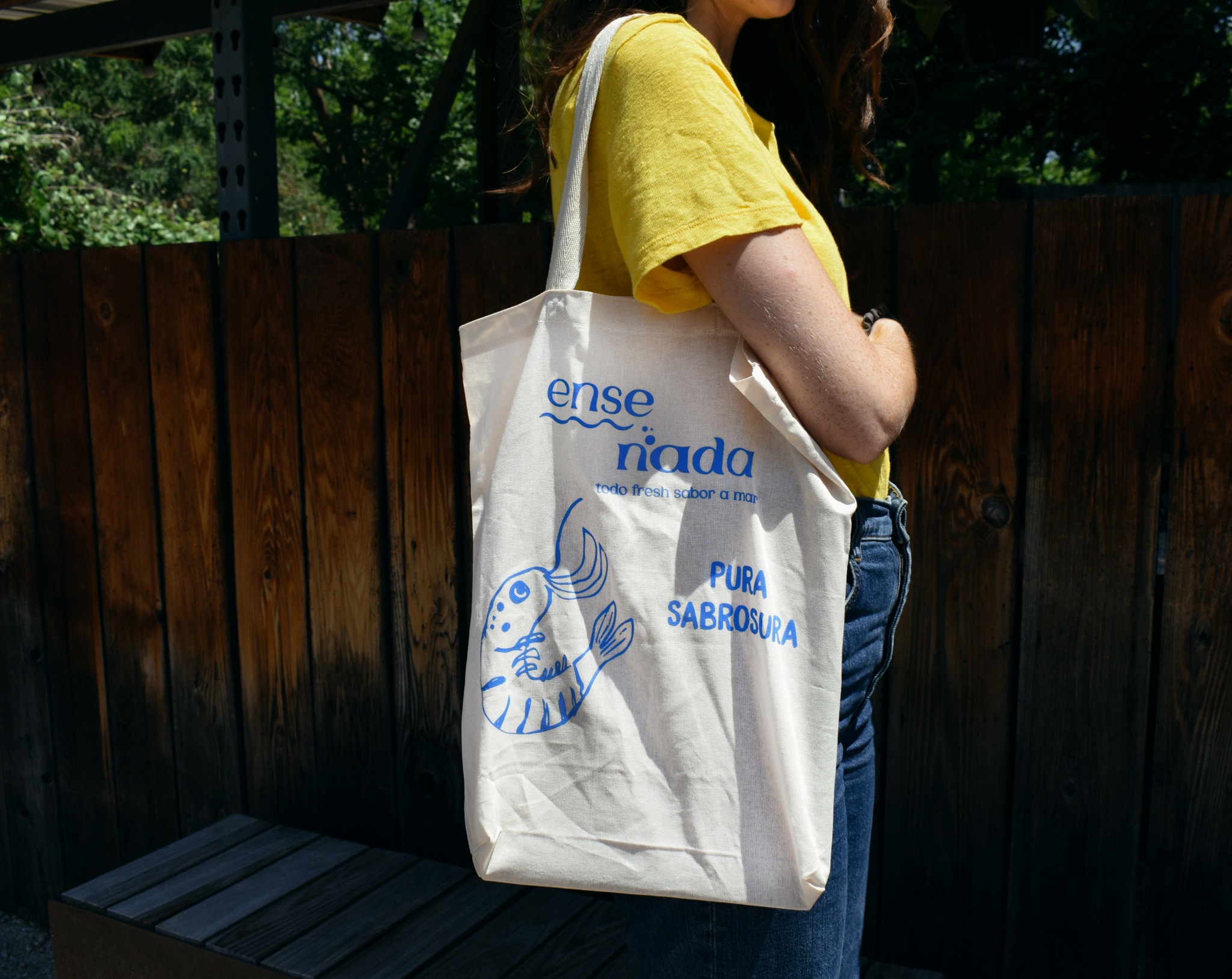
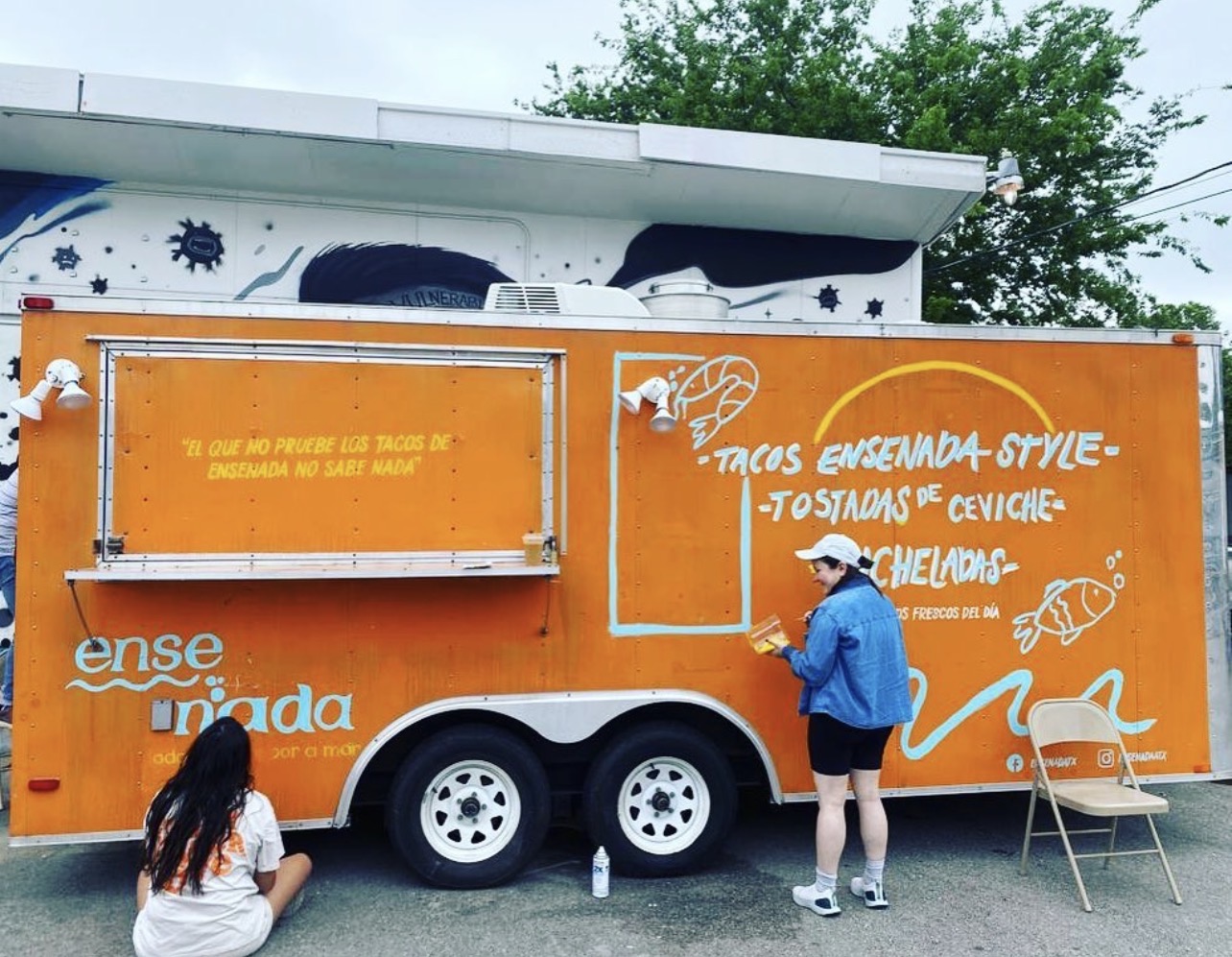
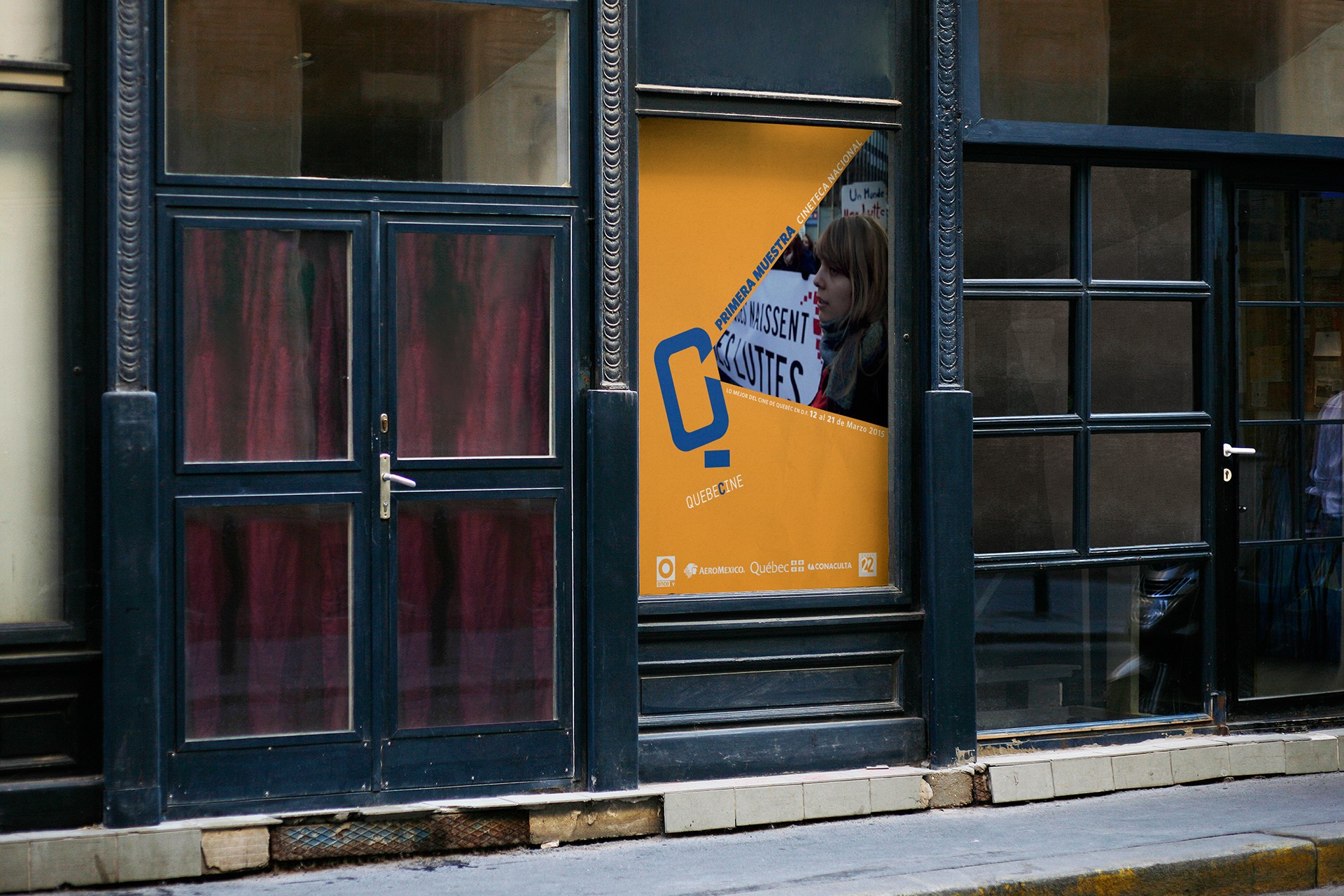
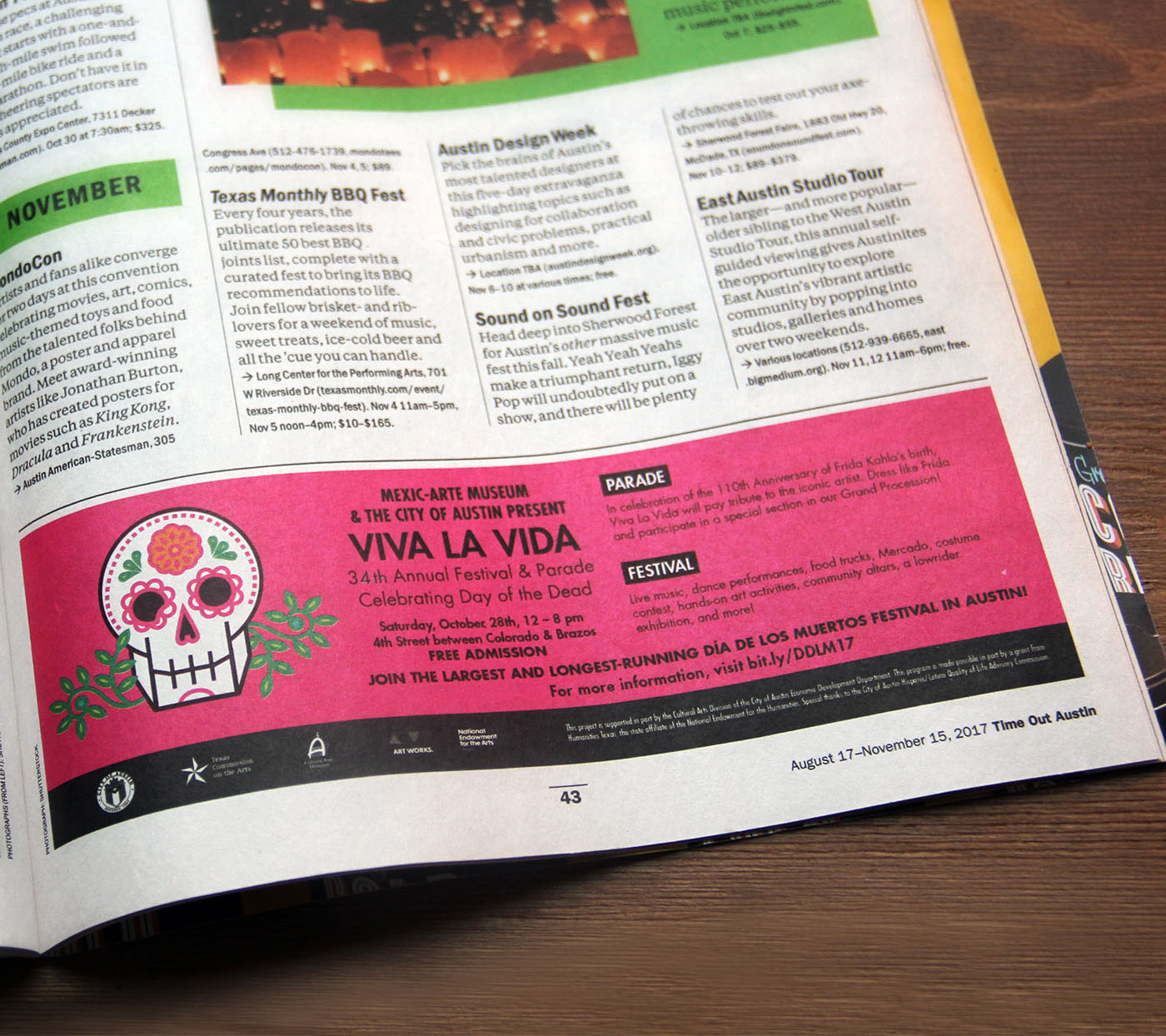
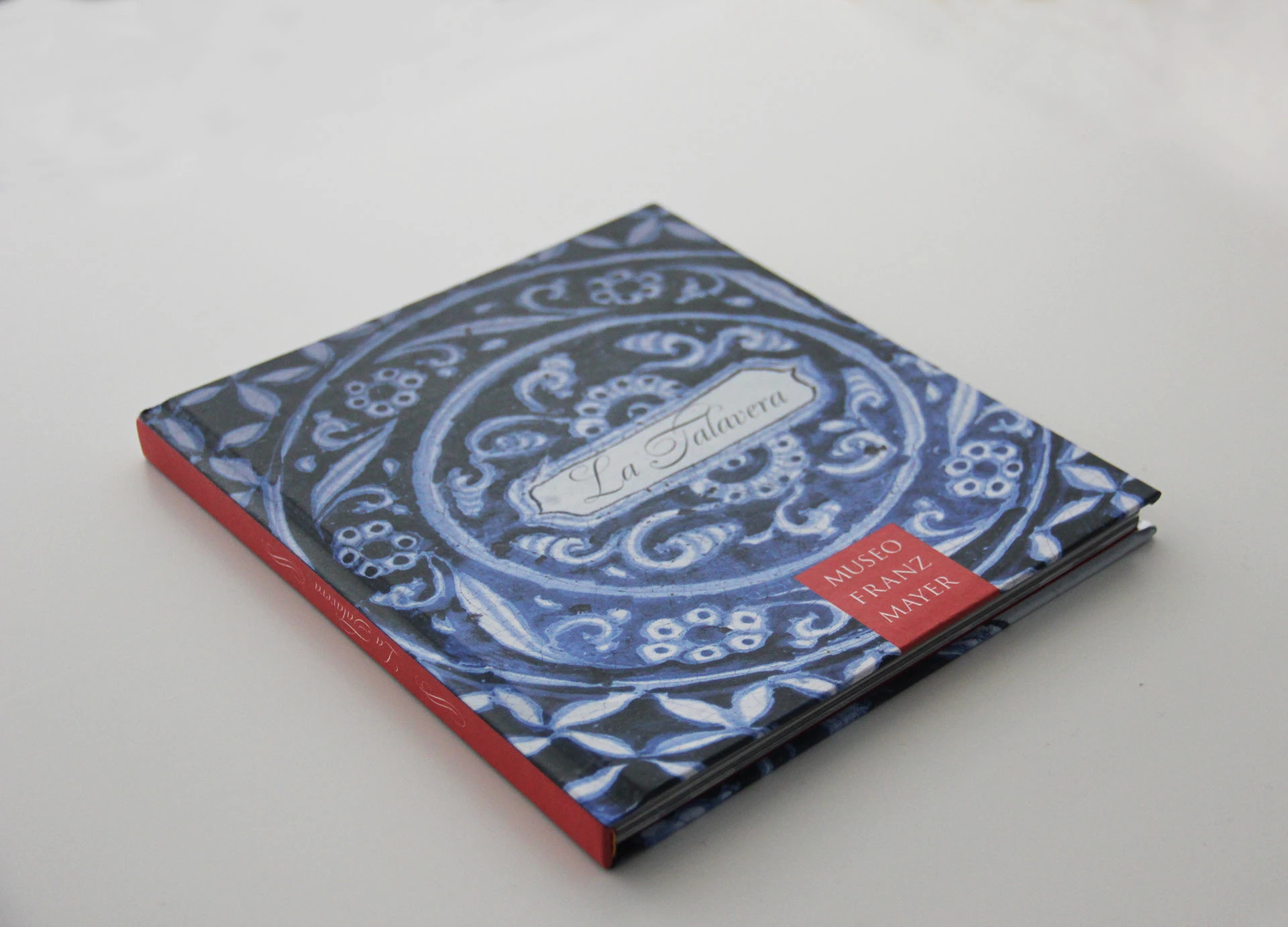
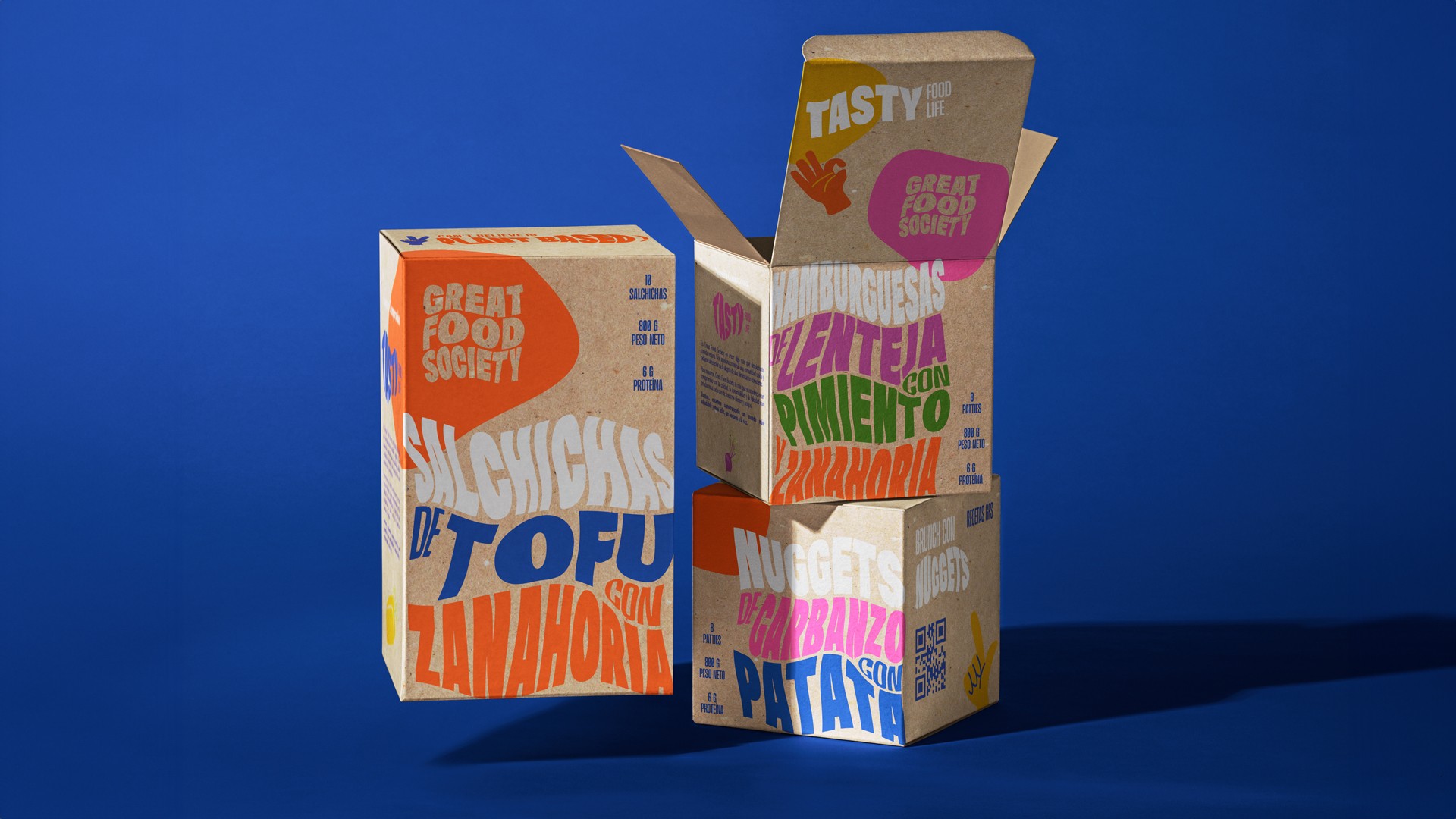
Image Credits
Alex Kacha – Portrait Photography
Ensenada Food Truck Photo Project- Ensenada owner