

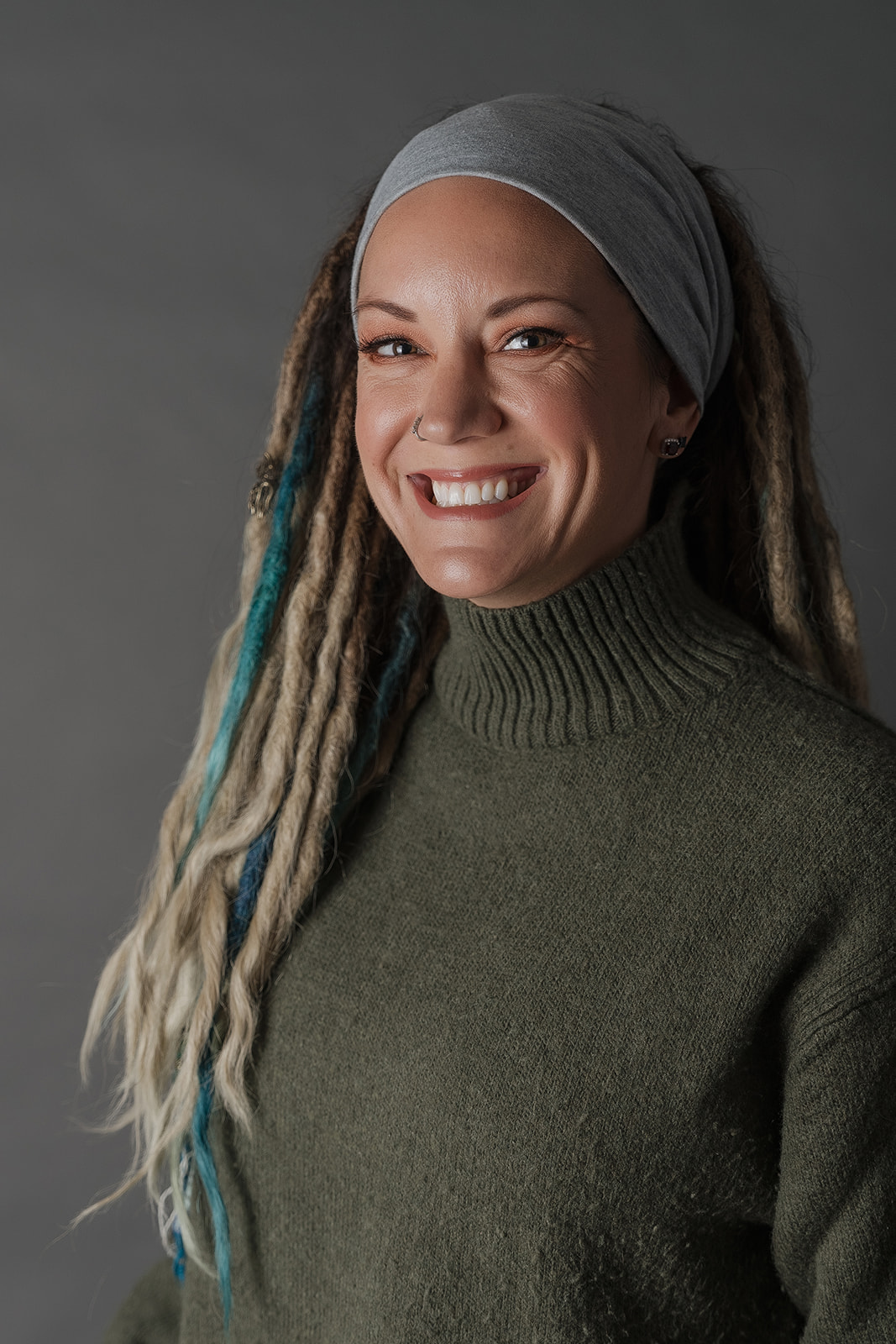

We recently connected with Caitlyn Witek and have shared our conversation below.
Caitlyn, thanks for joining us, excited to have you contributing your stories and insights. We’re complete cheeseballs and so we love asking folks to share the most heartwarming moment from their career – do you have a touching moment you can share with us?
One story that has really stayed with me involves a combat veteran I worked with who had served multiple tours in war zones over the course of a long military career. By the time they came to see me, they had been living with severe complex trauma symptoms for many years. They had worked with several therapists in the past, but because of frequent relocations during their military career they were never able to stay in treatment very long. Over time they had started to believe that nothing was really going to help and that they were probably “broken forever.”
When we began working together, we started with a lot of education about what trauma actually does to the brain and nervous system. For the first time, they began to understand that their reactions weren’t personal failures—they were biological survival responses that had been shaped by years of high-threat environments. That shift alone was powerful, because it replaced a lot of shame with understanding.
As we moved into trauma-focused treatment, something really meaningful happened. They were initially skeptical because they had tried therapy before without much relief. But over time they began noticing real changes: fewer intrusive memories, less hypervigilance, and a greater ability to feel present in their daily life. I still remember the moment when they told me they were shocked that the techniques were actually working.
Seeing someone who had spent years believing they were permanently damaged start to experience real healing was incredibly moving. It reinforced something I believe deeply as a trauma therapist: many people who feel hopeless about their symptoms simply haven’t had access to the right kind of trauma treatment yet. When therapy addresses trauma at the level of the brain and nervous system, meaningful change is absolutely possible—even after many years.
Great, appreciate you sharing that with us. Before we ask you to share more of your insights, can you take a moment to introduce yourself and how you got to where you are today to our readers.
I’m a licensed master social worker (LMSW) and Certified Clinical Trauma Professional (CCTP), and I specialize in trauma and couples therapy. In 2020, I founded my own holistic group practice, Luna Integrative Health & Wellness, with the goal of creating a space where mental health care could be approached from a truly integrative perspective. In addition to traditional psychotherapy, our practice incorporates services like massage therapy, yoga, sound therapy, reiki, and other spiritual supports because I believe healing often happens most effectively when we address the mind, body and spirit of each individual. My clinical work is heavily informed by neuroscience and a neuropsychological understanding of trauma. I’m passionate about helping clients understand what is actually happening in their brain and nervous system, because when people have the right information along with the tools and skills to regulate and process their experiences, real healing becomes possible. I especially enjoy working with military members and veterans, and I find it incredibly meaningful to support individuals who have spent so much of their lives serving others. At the core of my work is a deep belief in the brain’s ability to change and adapt—through neuroplasticity, people are capable of healing and growth in ways they often never thought were possible.
Any advice for managing a team?
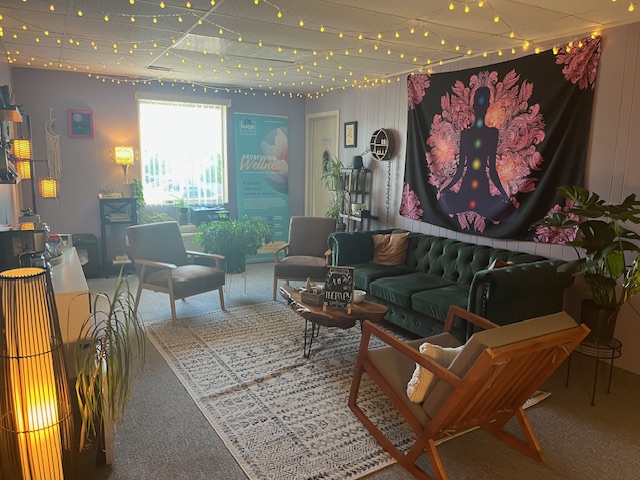
Managing a team is one of my favorite parts of running a practice. I prioritize creating a supportive and collaborative environment where everyone feels respected and valued. I make sure my team is compensated at the top end of the market and, unlike most practices, I pay weekly rather than biweekly or monthly, which they really appreciate. I try to make their jobs as easy as possible by having well-trained administrative staff and billers, so therapists can focus on what they do best—providing care. I never require anyone to take on extra patients or work longer hours; instead, I encourage each team member to find the schedule and caseload that works best for them. I also emphasize regular time off and self-care so they can maintain balance, figure out the ideal number of patients per day, and the right number of days to work each week. To keep our relationships strong and connected, I regularly take the team out for dinners and gatherings outside the office, which helps everyone feel cared for and supported. They know I have their back. I also focus on keeping our office calm, peaceful, and cozy—it’s important that it feels like a space where both staff and clients can feel safe and comfortable. Most importantly, I listen to my team’s opinions and treat them as equals, knowing that their insight and engagement are essential to creating a thriving, positive workplace.
What do you think helped you build your reputation within your market?
I think what’s helped build my reputation in the community is a combination of commitment, expertise, and a person-centered approach. From the very beginning, I’ve made it a top priority to treat every patient with respect and provide the best possible care—not just focusing on making more money, but on helping people truly heal. Most of our referrals actually come from existing or past patients, which is incredibly meaningful because it reflects the trust and results we’ve built over time. Equally important is that both myself and my team are highly trained and experienced professionals, which allows us to offer top-tier services. I also focus on creating a well-rounded team with a variety of specialties—because no one can be an expert in everything, but when you bring together a team of experts with complementary skills, you can cover a broad range of needs and provide the highest quality care. Being able to combine skill, empathy, and a genuine dedication to each person’s journey has really made a difference in how our practice is perceived and trusted in the community.
Contact Info: