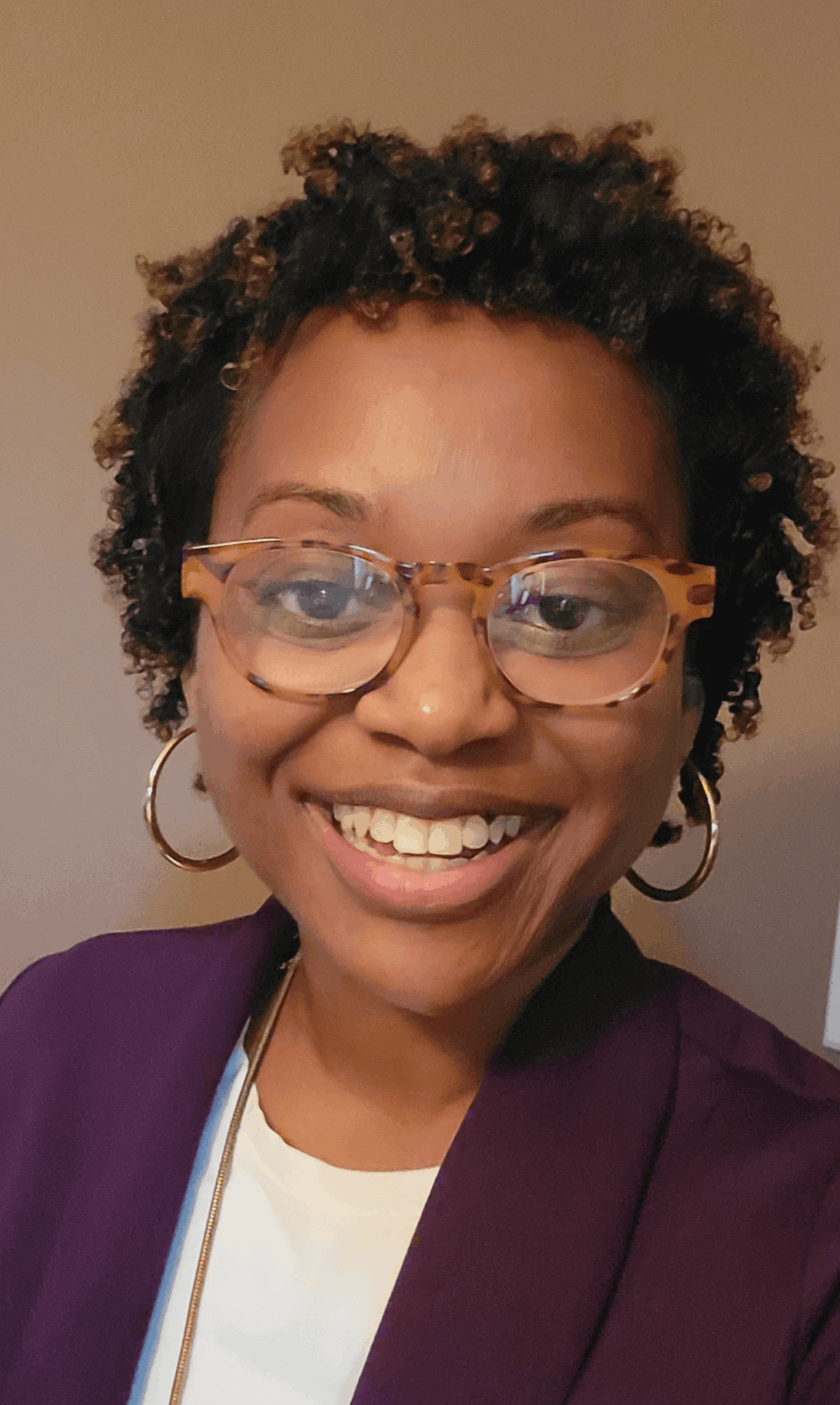

We’re excited to introduce you to the always interesting and insightful Stacey D Mitchell. We hope you’ll enjoy our conversation with Stacey D below.
Stacey D, appreciate you joining us today. Have you ever had an amazing boss? What did you learn from them? Maybe you can share a story that illustrates the kind of boss they were or maybe you can share your thoughts on what you think made them an awesome person to work for?
The best boss I have ever had (…and I’ve had some truly great ones, like Josh Griggs, Strategy & Management Consultant at Griggs, LLC; Tiffany Taylor, President at ASU+GSV; and the late Kisha Hudson, Chief People Officer at Teach For America) is, Aimée Eubanks Davis, CEO of Braven. There are very many characteristics I could point to that made Aimée the best boss I’ve ever had. But I’ll focus on the rare characteristics that she possesses that I think are rare finds in managers. These characteristics are the ones that, in my humble opinion, separate good, even really good managers, from the great ones.
First and foremost, I think Aimée possesses the rare ability to identify and cultivate hidden talent. She did this with me, for sure, but I have also witnessed her do this with other folks. For example, I was aware of some of my strengths. I very much saw myself as an individual contributor, a hustler who got stuff done. But I wasn’t aware that I had the potential to be an executive leader until Aimée brought me into executive spaces with her. She gave me stretch opportunities that required me to think about and derive very complex solutions. She nominated me to participate in committees and councils, etc. that gave me exposure to a broader scope of leadership responsibilities. I didn’t see that in myself. But she did. And despite my occasional resistance and self-doubt, she encouraged me to step more fully into my potential.
On that note, Aimée also invested meaningful time and resources into cultivating my growth. To this day, I honestly don’t think I have met a busier person than Aimée Eubanks Davis. This said, she made the time we did have together extremely high impact. She gave me concrete feedback on my work product. She gave me positive and constructive feedback on my performance. She would invite my perspective on complicated questions, some of which she did not know the answer to, in order to genuinely get my point of view. And she put concrete resources behind me, such as supplying me with a coach, to help strengthen my written communication and executive storytelling skills. Further, she actually did the things that she expected of me…things that I aspired to: She worked hard; She was humble; She was patient; She listened really well; She was a critical thinker; She was extremely resourceful; She was deeply empathetic; She was honest and upright. And though I will likely never know the full extent of it, I know she took risks to develop me as a leader, and she bet on me when others would not have and when it might have been unpopular or costly to her or her brand.
Finally, Aimée saw me as a complete human being and understood that if I wasn’t good in life, it would be really hard for me to be good at work. She was my manager when my third child came into my life. She was interested in how I was managing expanding my role as a mommy. She created space for storytelling in our work, allowing me to explain how wisdom from my dearly beloved grandmother informed a strategy I was considering (not the linear communication style that is common in the workplace). She wanted to know how I felt representing our organization on an external panel for the first time. She got up from her hotel room late at night to use the company card to allow me to check in to a hotel for our organization’s conference when she could’ve ignored my calls at that hour. (It was one of the first times in my life I had checked into a hotel and didn’t know a credit card was required, nor did I have excess funds to be held for days!) She made it OK for me to tell her when I wasn’t sure about something or, in rare instances, when I goofed. And she didn’t make me feel like a failure. She made sure I understood the learning and the gravity, and she moved on, sincerely. This allowed me, a person who is really, really hard on herself, to do the same.
So, Aimée definitely did all of the obvious things that great bosses do, like setting clear expectations; coaching and developing; holding you accountable; removing obstacles; giving you the tools you need to do your job, etc. But she also came in hot with the transformative, unicorn-like characteristics. And for that, I am truly grateful. My mentees and all of my direct reports have benefited from the outstanding managers I have, with Aimée being chief among them.
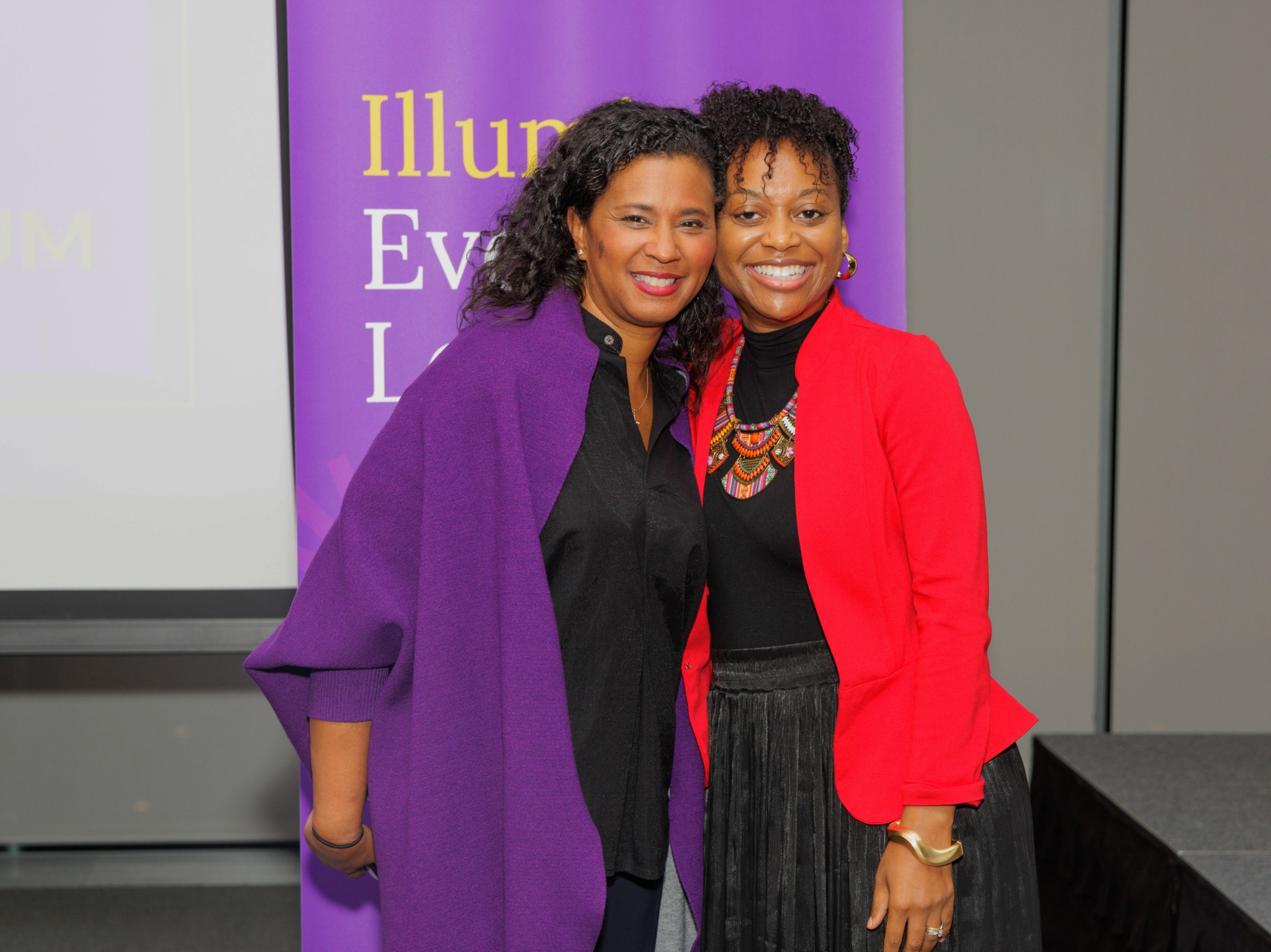
As always, we appreciate you sharing your insights and we’ve got a few more questions for you, but before we get to all of that can you take a minute to introduce yourself and give our readers some of your back background and context?
I am a servant leader with over 20 years of experience designing and executing strategies to help organizations develop and individuals grow in ways that promote positive impact and that dismantle systems of inequity.
I am a cisgender Black woman, wife, mother, sister, friend and learner from a low-income background on the South Side of Chicago. Given my identity and life experience as a part of historically marginalized communities, I have seen (and been one of the) individuals counted out, overlooked and underestimated for a variety of reasons, including dimensions of their identities. I have seen dismissed individuals reach unimaginable heights when they have a network of support coupled with tangible skills and resources. This is what drives my work.
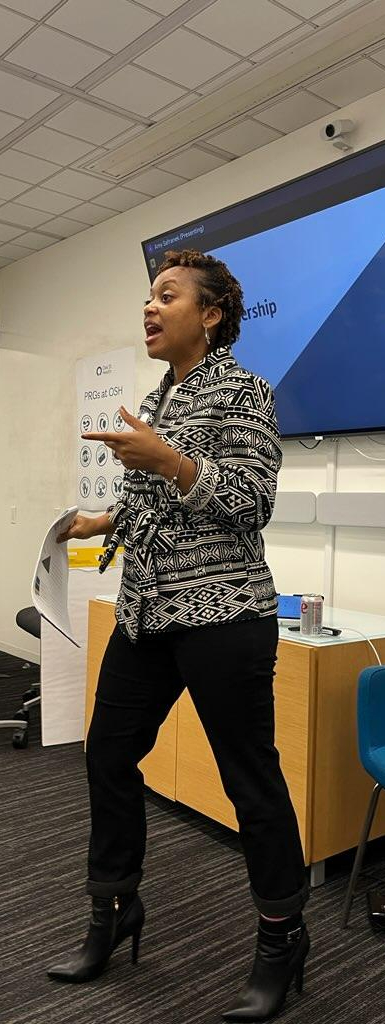
I work with CEOs and executive leaders to help individuals and organizations reach their highest potential to make a positive social impact. This includes but is not limited to setting vision and strategic planning for organizations; developing talent plans to attract, develop and retain exceptional leaders; designing core values and organizational philosophies with aligned implementation plans; providing 1:1 coaching; delivering small group, differentiated skills trainings, such as Identifying and Confronting Microaggressions, Active Listening and Other Restorative Tools, Prioritization and Delegation, Multicultural Competence in Hiring; Planning and Conducting Effective Meetings, etc.
I am based in the Chicagoland area with my husband and our three children. I enjoy connecting with people, learning, skating, reading, dancing, and watching political dramas!
What’s a lesson you had to unlearn and what’s the backstory?
I have recently had to unlearn disengaging when folks express concerning views.
I come from a family that is…dare I say it…dismissive. They will listen to you for about 30 seconds, if that. In that time, if they decide that you are “talking nonsense,” “talking out the side of your neck,” or even saying something that they starkly disagree with, they are done. They disengage. You are, in effect, dismissed.
I, on the other hand, was different. During high school, some of the most formative years of my life, I went to a school that was diverse in every way–in abilities, racially, economically, geographically, ethnically, religiously, etc. I was endlessly fascinated with the myriad of ways that different people could think about the exact same things I did. I wanted to learn about Sofia’s henna. I wanted to make origami with Danielle. I wanted to dance the Nayarit with Emily. I wanted to speak Ibo with Yemisi. Each day would bring new ideas, varied perspectives and different ways of thinking. I welcomed them enthusiastically and carried this appreciation for diverse perspectives with me when I went to teach in the South and throughout my career.
In recent times, though, I got away from that. US politics have been painfully polarized and polarizing. I had turned away from hearing diverse perspectives because they were oftentimes so agitating. I began administering the 30 second dismissal window. And while it was important that I do this for my peace, I realized that it was not sustainable. I could not achieve the vision I set for SAGEli Consulting in this bubble I was creating. SAGEli Consulting works with individuals as well as small and mid-sized businesses to help them make the highest positive social impact possible through organizational development, people management and coaching. Further, I am actually interested in knowing what people are thinking and feeling, even if it is different or in direct contrast to what I think and feel.
Most importantly, though, I believe that one of the most basic human needs, that is also one of the most neglected, is to be heard. In my work, I have seen that the pathway to transformation starts when individuals feel heard. Feeling heard leads to openness to hearing new ideas. Exchanging new ideas in a safe and open way leads to trust. Trust leads to comfort with taking risks/trying new things. Taking risks leads to changes in mindset, acquisition of new knowledge and gaining or strengthening skills. All of the work I do at SAGEli Consulting starts with really listening to people, which enables us to work with ALL kinds of people.
So, I have had to get back to myself and unlearn shutting out opposing or frustrating views in order to actually engage, human to human…in order to work with others to create a more safe, just and humane world.
What do you think helped you build your reputation within your market?
I think three things helped build my reputation within my market.
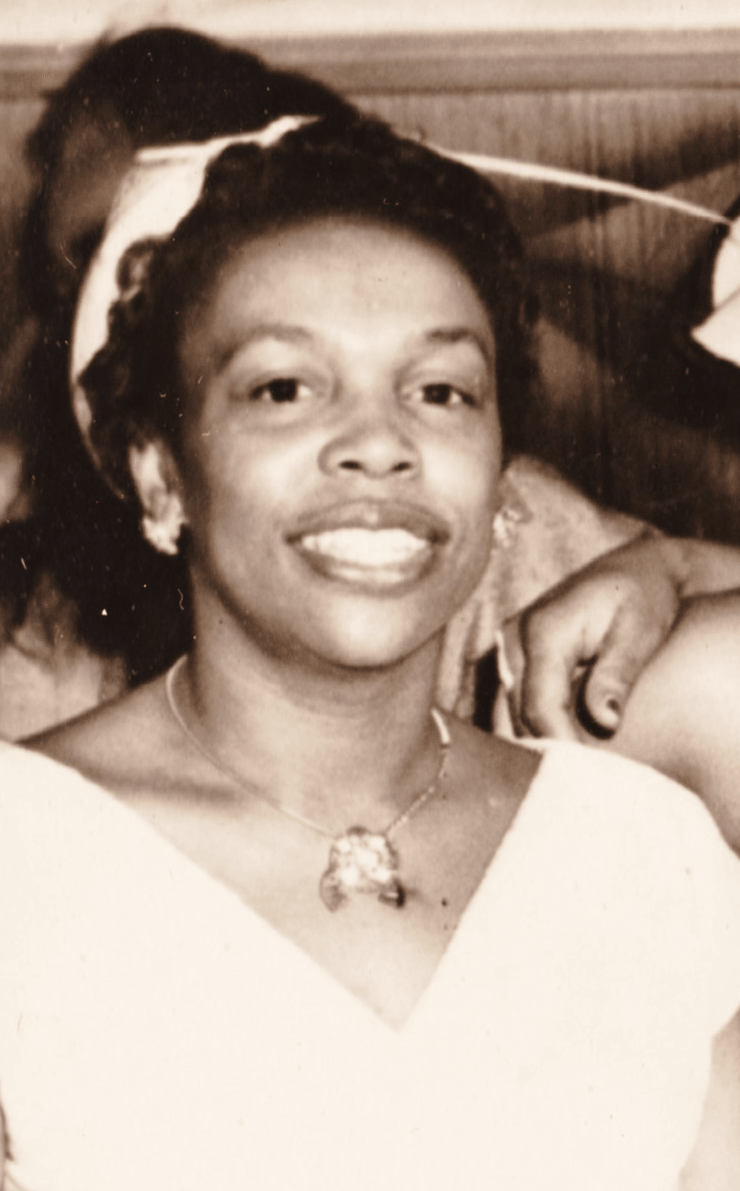
First and foremost, I seek to maintain a commitment to excellence, a deep value that I learned from my grandmother, Theresa Potts. She would say, “You don’t have to be the smartest person in the room. But do whatever you do right!” And what I do is help people and organizations realize their potential. I strive to do all of my work with wisdom, care and accuracy, bringing practical solutions to complex problems.
Secondly, I think people know when they work with me, they are getting the same person on Monday as they got last Wednesday. I am even, consistent and steady. I am reliable and trustworthy. I seek to operate with high integrity, and my clients seem to appreciate that.
Lastly, I aim to center the human experience. I want to learn about individuals, their contexts and organizations, and what led us to come together. In all the strategic work and complex solutions I engage with my clients on, I aspire for them to feel seen and heard and understood. I want them to have fun working with me. I want them to feel the success of achieving their goals. I like to think that my clients find a cheerful confidante, a flexible collaborator, a critical problem-solver and relentless solutions executor in me.
Contact Info:
- Website: https://www.sageliconsulting.com
- Linkedin: https://linkedin.com/in/staceydmitchell