
We recently connected with Scott Campbell and have shared our conversation below.
Scott, thanks for taking the time to share your stories with us today Risk taking is something we’re really interested in and we’d love to hear the story of a risk you’ve taken.
I’ve been accused of being an adrenaline junkie. When I was young and more or less indestructible, two of my favorite activities were skiing and mountain climbing. My best days on the slopes were the ones where I felt right on the edge of catastrophe–dropping into something crazy steep or navigating massive mogul fields. The pinnacle of my climbing experience was a solo ascent of Mount Rainier. Eventually, though, I realized that catastrophe wasn’t just possible, it was inevitable, and the consequences weren’t ones I was willing to accept. So I stepped back from both of those pursuits.
I didn’t pursue business to fill that void, but it turned out that entrepreneurship carries its own version of risk and adrenaline. My early business experience was in home building, an environment full of opportunities for both physical and financial disaster. I fell into a habit of managing projects based on what would give me the biggest adrenaline rush. That approach eventually caught up with me. I still remember reading a comment in an online forum: “Adrenaline is not your friend in project management.” I learned that lesson too late, and the business failed.
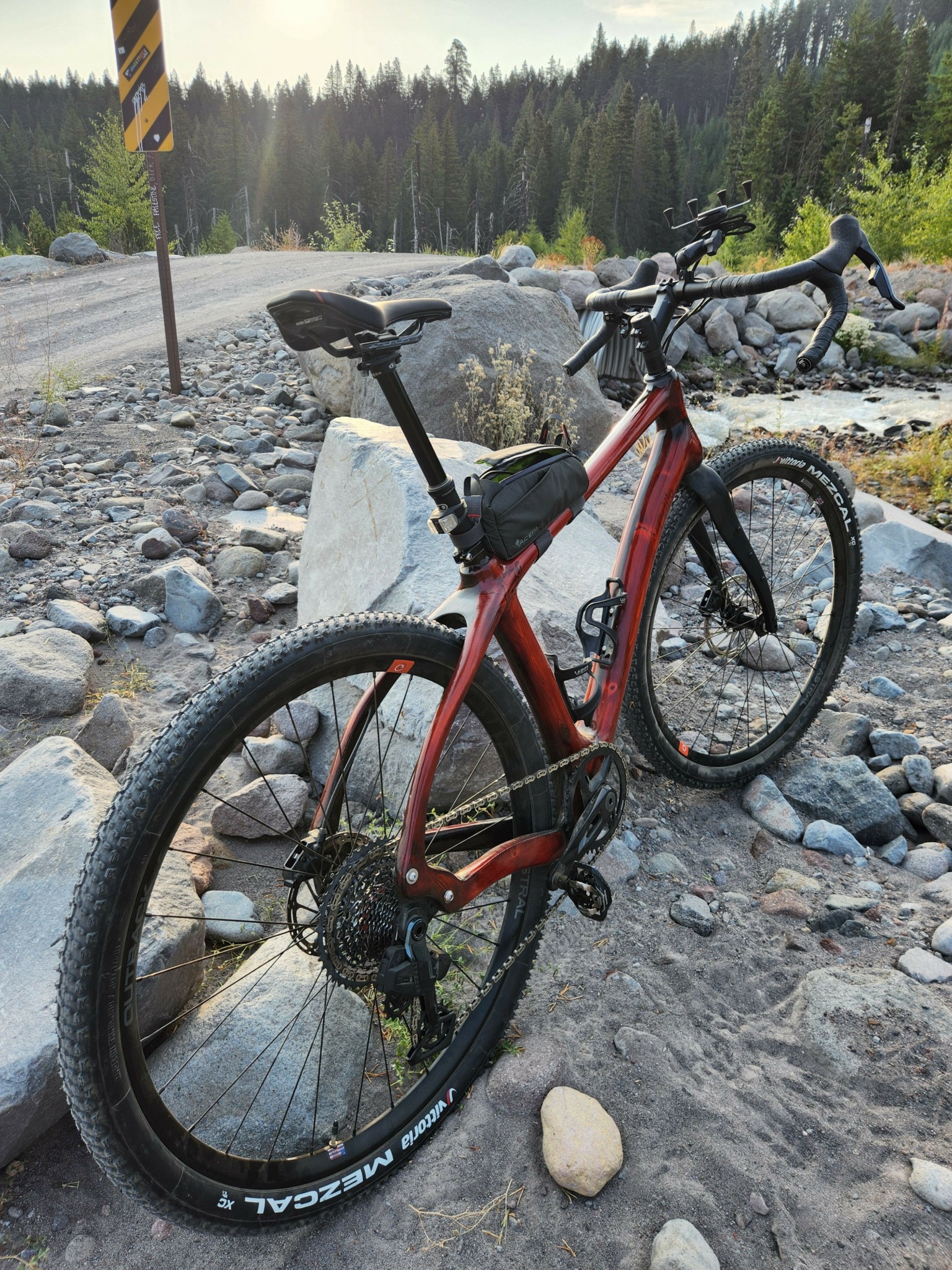
Since then, I’ve tried to build a new approach to life and work—one that doesn’t rely on adrenaline to push me forward. The itch is still there, though. I scratch it now through Celilo Cycles, where I serve as chief engineer, designer, CNC operator, and floor sweeper. The work gives me plenty of opportunities to take calculated design risks.
Late last year, I decided it was time to start building my own forks to complement my wooden frames. I could never find a commercially available fork that matched my design aesthetic or offered the wheel and fender clearance I wanted. So I took on the challenge myself. Forks come with real risks: structural failure isn’t an option, and development delays can sink a small shop like mine. The end product couldn’t just be “good enough”–it had to be absolutely reliable. And of course, the process took much longer than I expected.
Other risks I’ve taken in the shop have lower consequences but still deliver a satisfying boost when they work out: switching to internal cable routing through the headset, designing my own adjustable dropout, and experimenting with new construction methods.
I’m still prone to chasing the interesting risks instead of focusing on production. But I’m trying to balance them better. The truth is, risk is part of what keeps me moving—but now I try to engage with it deliberately instead of letting adrenaline make the decisions. And I’m pretty happy with the results so far.
Great, appreciate you sharing that with us. Before we ask you to share more of your insights, can you take a moment to introduce yourself and how you got to where you are today to our readers.
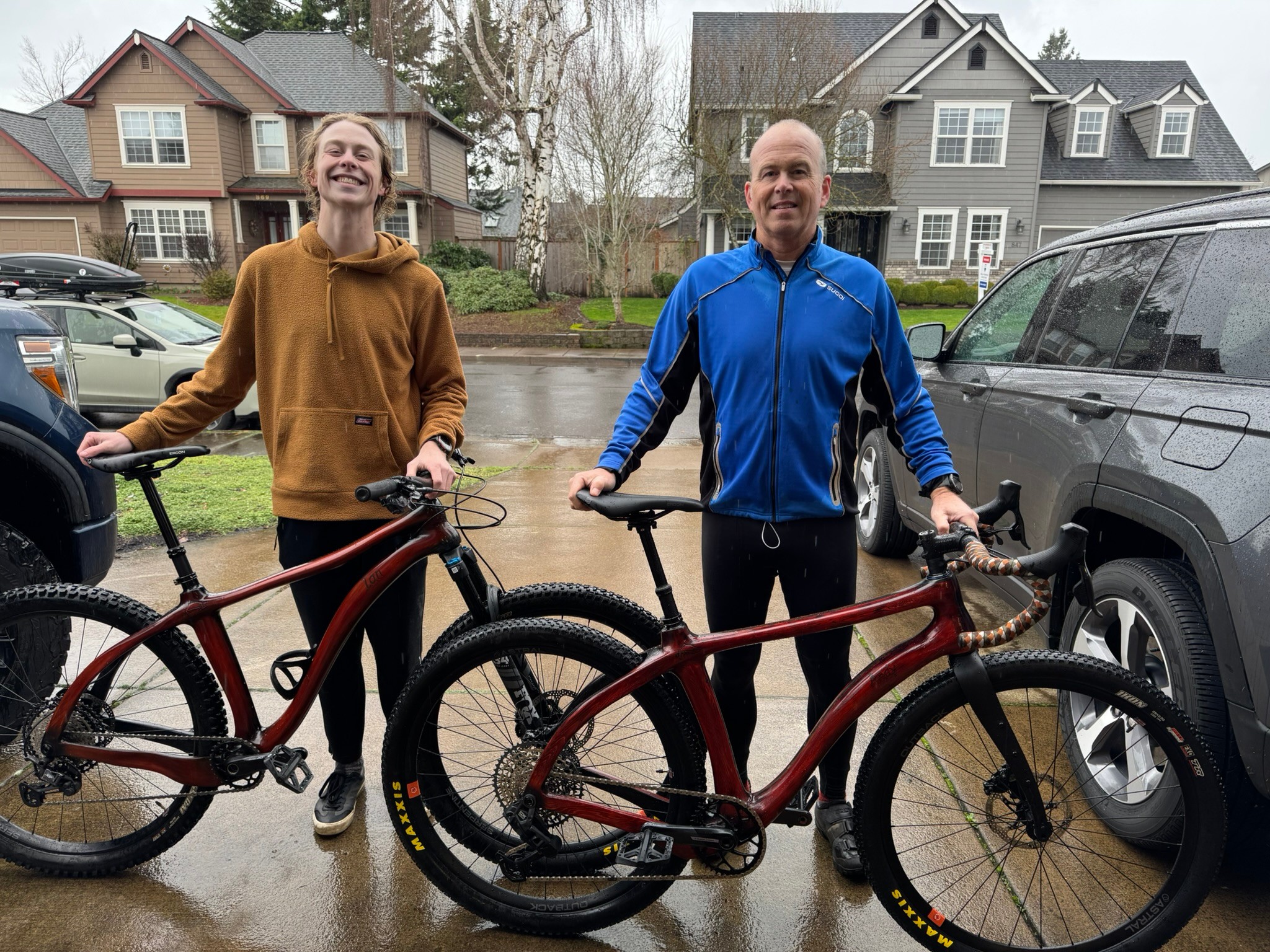
I’ve been building things most of my life, and somewhere along the way bicycles became the perfect place for all my interests to collide—engineering, craft, and the simple joy of moving through the world under your own power. Celilo Cycles really started because I wanted to make bikes that feel good to ride and also look like something you’d want to hang on your wall. Bikes that prioritize elegance and experience, not just chasing watts or hitting the lightest weight on a scale.
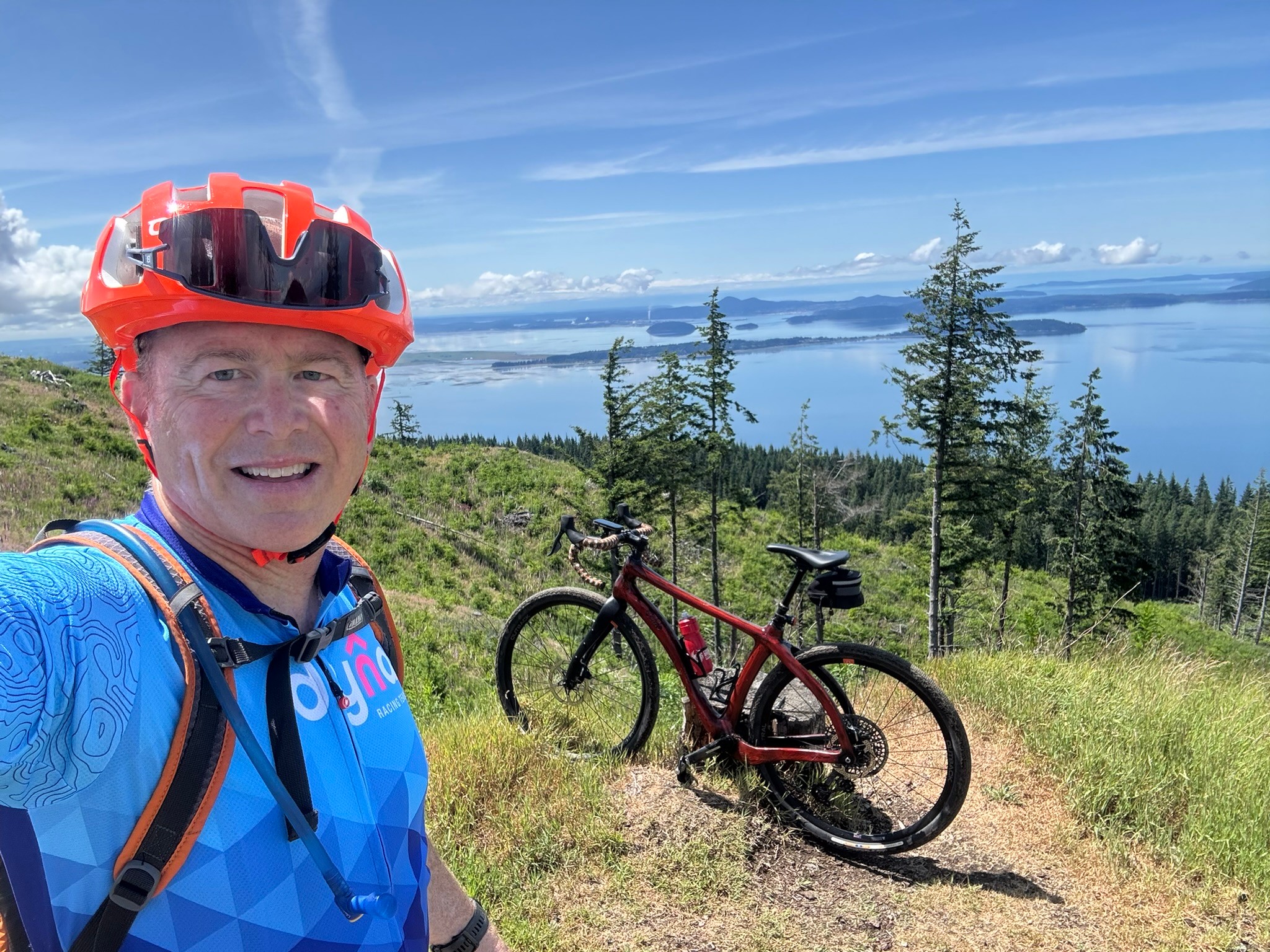
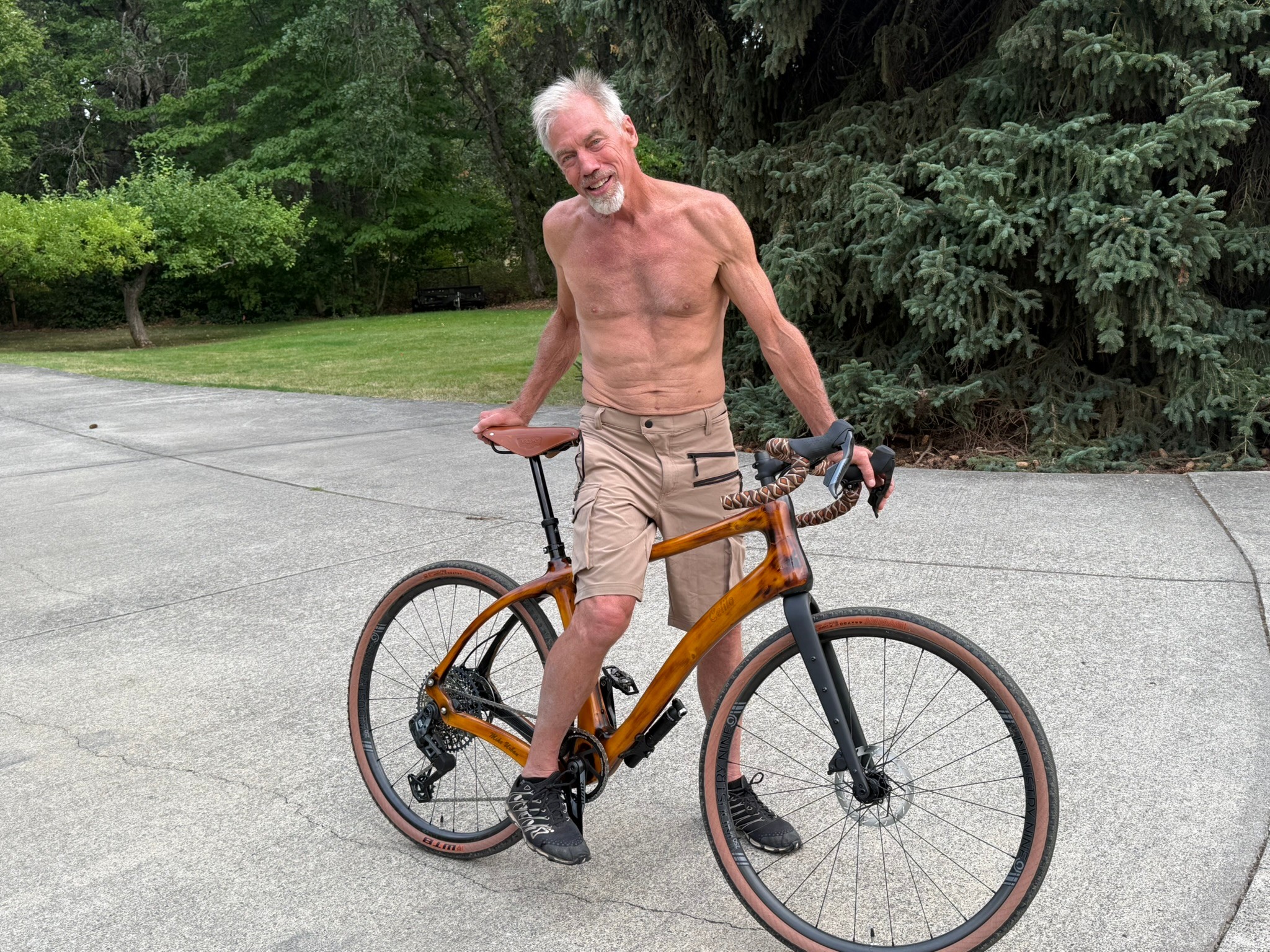
A lot of the bike industry is focused on competition and KOMs. That’s fine—those bikes have their place. But at Celilo Cycles, we lean into a different idea of performance. You absolutely could race one of our bikes, but you’d be just as comfortable doing a 300‑mile bikepacking trip or heading out from Corvallis to the Coast on singletrack and logging roads. And honestly, they make a great ride for your local Naked Bike Ride too. Versatility is part of the fun.
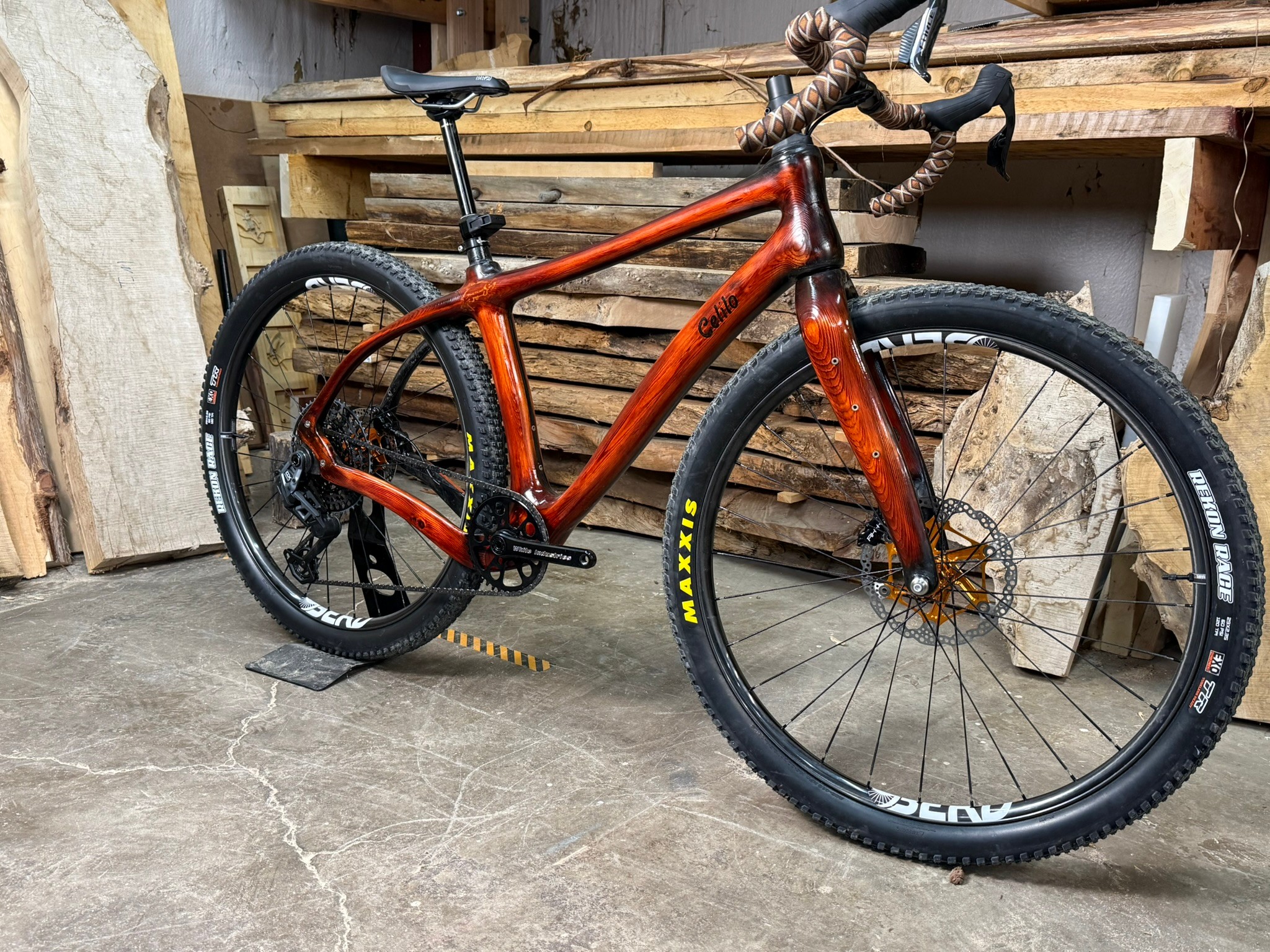
We put just as much engineering effort into our frames as the big race-oriented brands do—we just aim it somewhere else. Instead of obsessing over marketing specs, we obsess over function. That’s why we design our own forks to match our frames and why I created an adjustable dropout system that lets riders tweak wheel clearance or handling. These details matter in real-world riding.
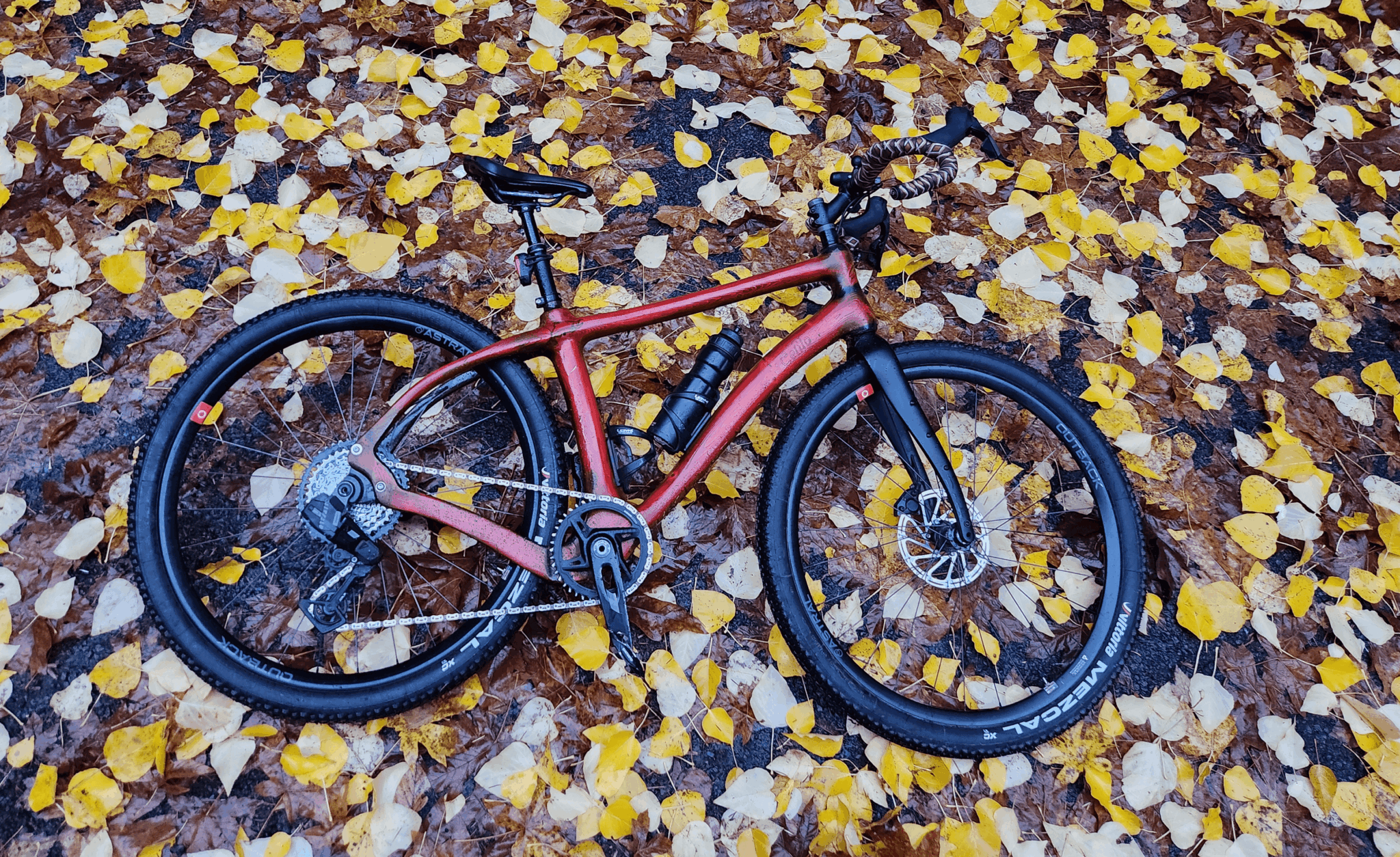
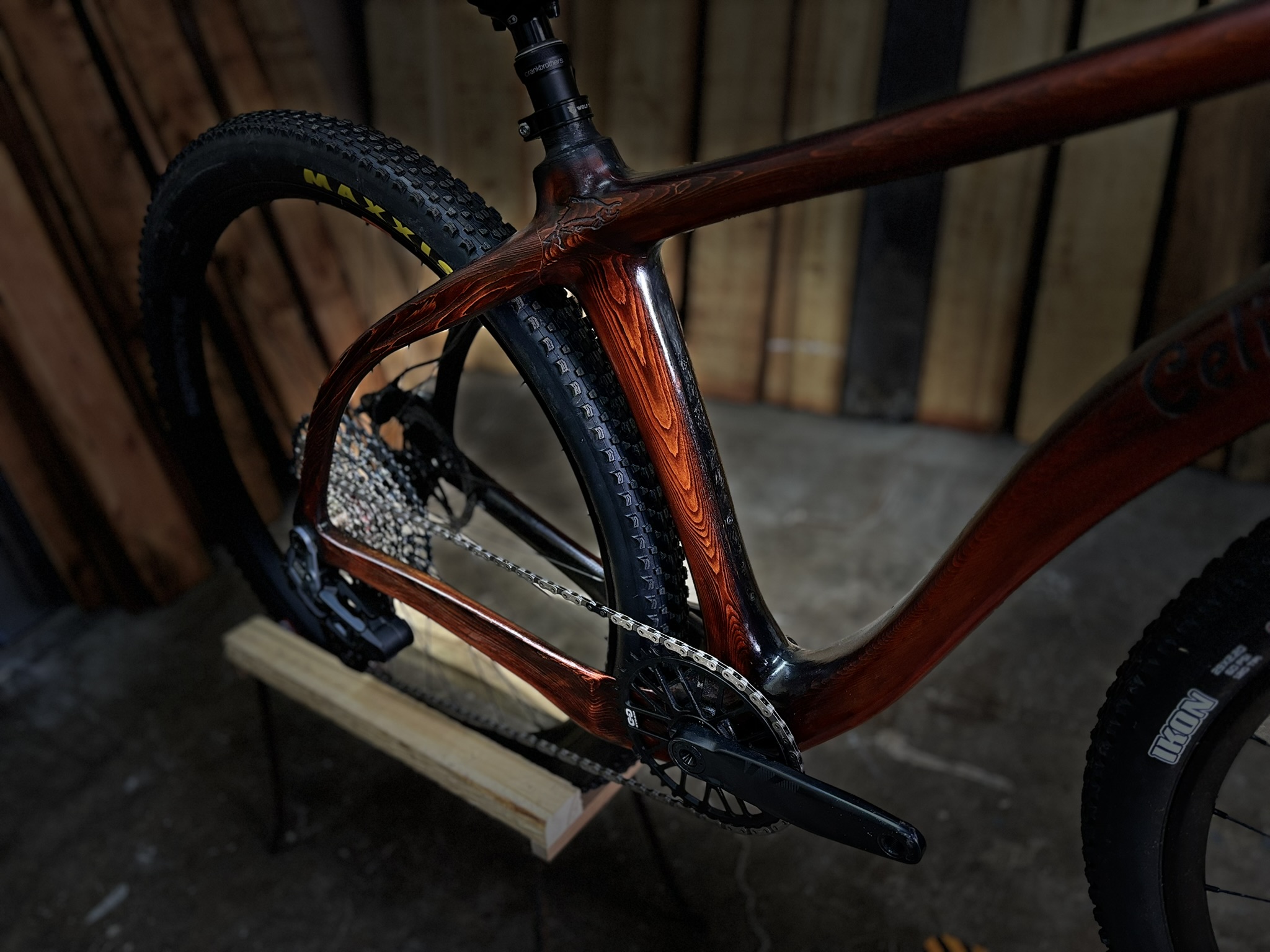
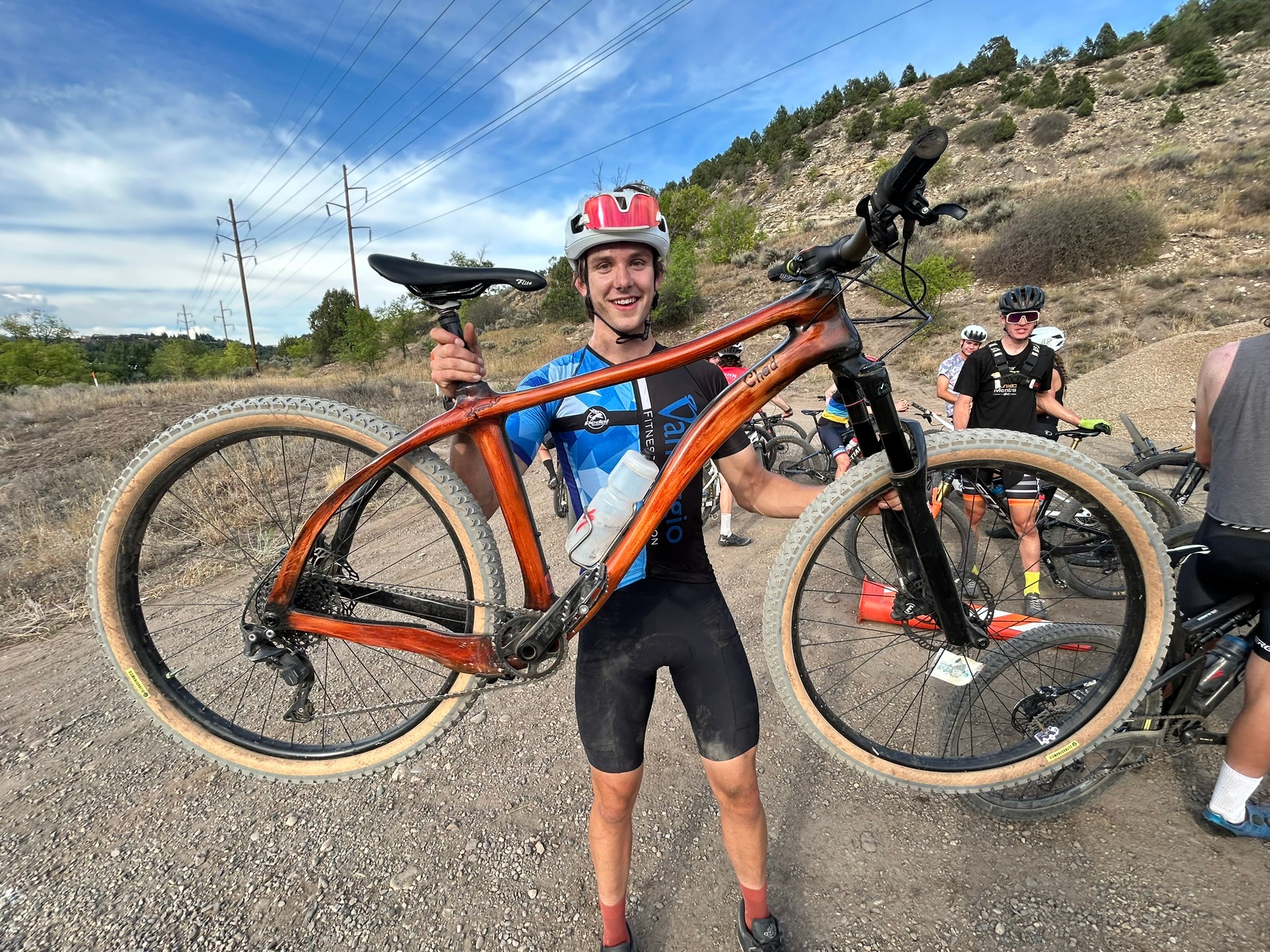
People often ask why we build in wood, and the short answer is: because it’s simply the best at what it does. Wood has incredible natural vibration damping, it looks beautiful, and it’s renewable. When we reinforce it internally with composite structures, it becomes a very capable frame material with a smooth, lively ride quality you don’t get anywhere else.
We’re also committed to building everything here in the U.S., so we’ve had to invent some of our own processes along the way—things like making latex bladders for internal reinforcement or using silicone molds to cast forged‑carbon dropouts. It’s a lot of work, but it lets us keep control over quality and keep the craft close to home.
What I’m most proud of is that every Celilo Cycles frame is both a carefully engineered product and a piece of functional art. People come to us because they want a bike that feels personal—something built with intention, not mass‑produced. If someone walks away from a ride thinking, “Wow, that felt different,” then I know we did our job.
Can you talk to us about manufacturing? How’d you figure it all out? We’d love to hear the story.
I’ve always thought of wooden bicycle frames as a manufacturing challenge first and a design challenge second. From the moment the idea struck, it was clear that if this was ever going to be more than a hobby project, the process had to be efficient, repeatable, and scalable. And honestly, there aren’t many people out there with experience in the kind of manufacturing needed for something like this..
Sure, you can build a bike frame without sophisticated tools—people lash bamboo tubes together with twine and epoxy, or cut plywood into segments and glue it up. But manufacturing is a different game. If you want consistent quality, you need systems, controls, and the discipline to make every step repeatable. And in 21st‑century manufacturing, that also means automating everything you can, and then figuring out how to automate the things nobody has automated yet.
I’m not the only person using CNC machining to create two halves of a bicycle frame. A few builders machine the halves from billet aluminum, and machining metal molds for carbon frames has been standard in the bike industry for years. But using those same technologies and methods to manufacture wood frames? There are very few of us doing that. It’s a strange hybrid of traditional material and modern manufacturing. And I like that combination..
I do buy some components from specialty manufacturers when it makes sense, but I don’t like being boxed in by someone else’s design. So over the years, I’ve had to invent my own ways of making almost all the interface parts: dropouts, derailleur hangers, seatpost inserts, bottom bracket shells, headset bearing seats, and most recently, forks that match both my design philosophy and the ride characteristics I’m after. That part has been incredibly fun—and also incredibly challenging—especially when you’re trying to do it even at a modest production scale..
The good news is that modern manufacturing keeps evolving, and a lot of the technology that used to be reserved for big factories eventually becomes accessible on a small scale. That’s what makes Celilo Cycles possible: a mix of engineering stubbornness, evolving tools, and the willingness to build the systems we need when they don’t already exist.
What else should we know about how you took your side hustle and scaled it up into what it is today?
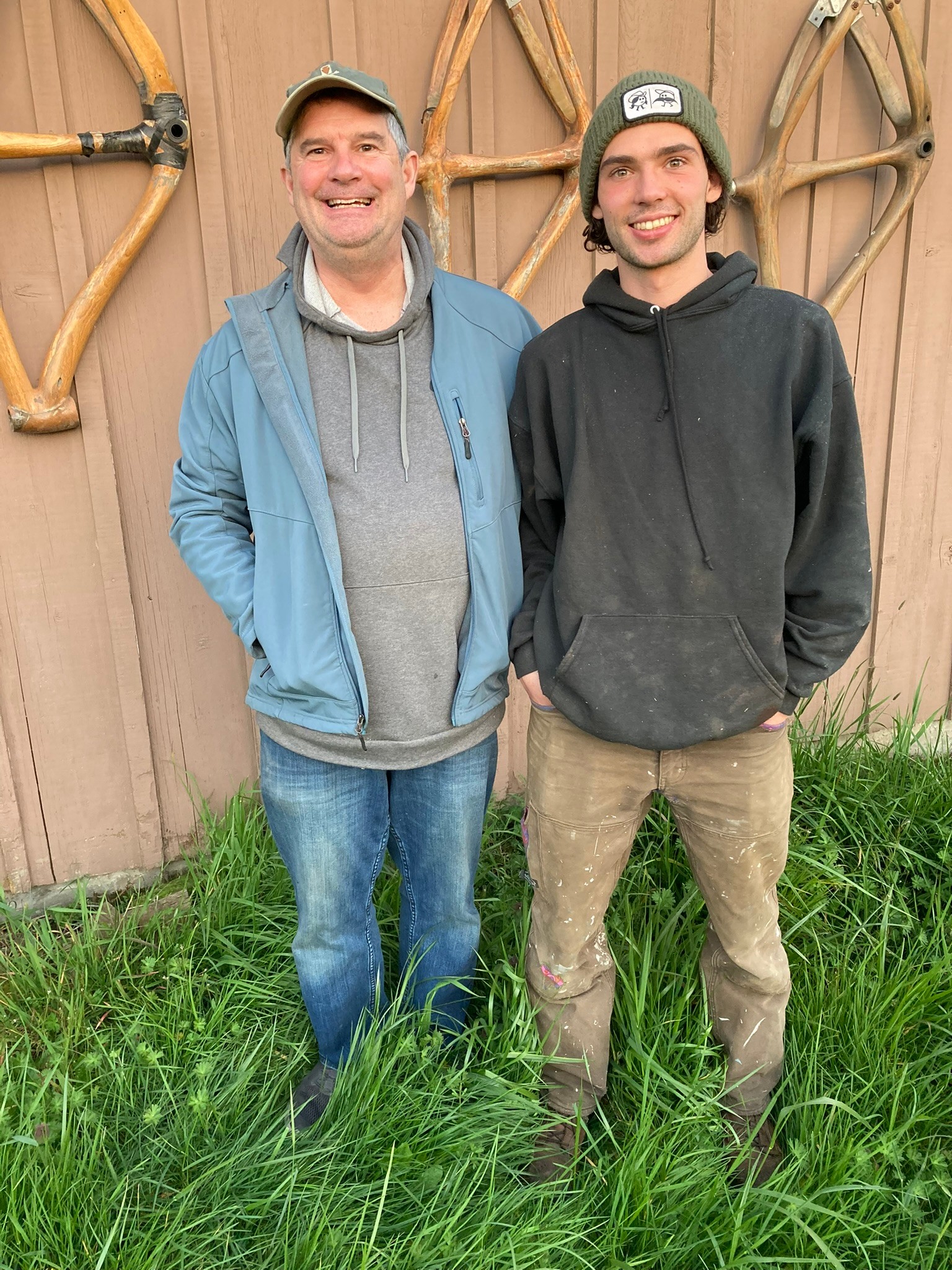
Celilo Cycles is still technically my “side hustle,” because my day job is teaching in the College of Engineering at Oregon State University. I teach classes like CAD/CAM, where students learn the basics of using CNC machines, and Production Engineering, where we dive into fixture design, geometric dimensioning and tolerancing (GD&T), and machining theory.
What’s interesting is that I couldn’t do one job without the other—they’ve become completely interconnected. Most of what I know about CAD/CAM, fixture design, and practical GD&T comes from solving real manufacturing problems in my own shop. And having to explain these same topics to students forces me to understand them deeply enough that my bicycle work gets better. Teaching sharpens the engineering, and the engineering enriches the teaching.
As for how Celilo Cycles started, the honest version is this: I was looking for a product I could make with CNC machines that could either subsidize a day job or eventually become the day job. The idea grew out of my master’s project, where I first explored building wooden bicycle frames. Around the same time, I saw what Renovo was doing in the wooden‑bike world and thought, “I think I can do this differently—and maybe better.” That combination of curiosity, engineering stubbornness, and a very practical desire to build a viable CNC‑friendly product is what set the whole thing in motion.
Since then, every improvement—refining machining strategies, developing my own interface components, figuring out forks, dialing in molds and internal reinforcement—has been another step in turning a grad‑school experiment into an actual small business.
So yes, the side hustle has grown, but not in the dramatic “quit-your-job-and-go-all-in” way. It’s growing right alongside my teaching career, each one feeding the other. I’m letting the quality of the work determine the pace. If it eventually becomes my full‑time job, great. If it stays a craft-driven venture that keeps me excited about engineering and problem‑solving, that’s great too.
Contact Info:
- Website: https://CeliloCycles.com
- Instagram: @celilocycles