

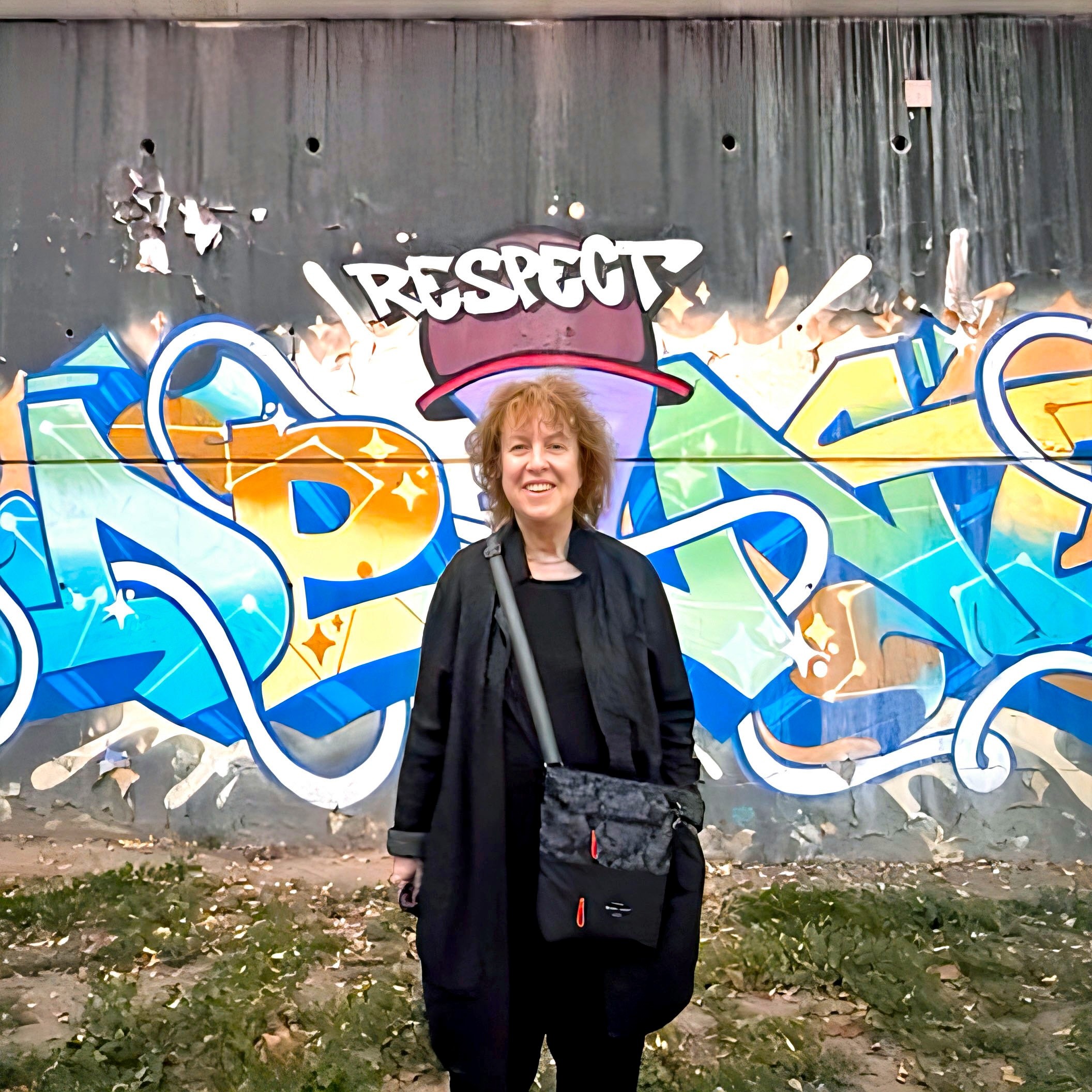

We’re excited to introduce you to the always interesting and insightful Lois Stavsky. We hope you’ll enjoy our conversation with Lois below.
Lois, thanks for joining us, excited to have you contributing your stories and insights. Everyone has crazy stuff happen to them, but often small business owners and creatives, artists and others who are doing something off the beaten path are often hit with things (positive or negative) that are so out there, so unpredictable and unexpected. Can you share a crazy story from your journey?
My passion for graffiti and street art has taken me to dozens of cities across the globe. Yet the one that stands out most is São Paulo, Brazil’s most populous city. What captivated me there were not the beautifully crafted graffiti pieces and murals, but the pixação—a distinctive form of bold tagging characterized by stark, monochromatic, angular lettering.
Its raw, visceral energy—and the sheer proliferation of it and its practitioners, known as pixadores—captured my imagination. Living on the margins of a society marked by stark economic inequality, pixadores appropriate public space throughout the city as acts of protest and resistance, often at great personal risk. Curious to learn more about this outlaw subculture, I began attending their meetings, where they tagged one another’s black books and exchanged stories.
Eventually, I was invited into one of São Paulo’s favelas, where I met the city’s most prolific and notorious pixador—known for his disruptions at the São Paulo Biennale. One night, just after midnight, as he began demonstrating his craft to us, a police car pulled up and he was immediately arrested. I was shoved against a wall and threatened with deportation.
Fortunately, I had my New York University staff ID with me and explained that I was researching this distinctive writing style. The police officers were unimpressed with my explanation and insisted that this was nothing worth researching. Ironically, several years after this incident, the same notorious pixador began exhibiting his work in galleries worldwide and participating in lectures and panel discussions at Ivy League universities.
Lois, love having you share your insights with us. Before we ask you more questions, maybe you can take a moment to introduce yourself to our readers who might have missed our earlier conversations?
Although I have written on a wide range of topics—from homelessness to the Israeli-Palestinian conflict—my focus for the past 15 years has been urban art.
As a NYC high school teacher, I noticed many of my students constantly writing graffiti on a range of surfaces—from their notebooks and desks to the hallway walls. I was fascinated by how focused they were while doing this, and it sparked my interest in graffiti culture. Then, in the early 2000s, my two children introduced me to the graffiti and street art that was increasingly appearing on the streets of our cities—and I was hooked.
This growing interest led to invitations to contribute to lectures, panel discussions, blogs, and books. In 2021, I curated an exhibition of artworks by NJ-based urban artists at the Morris Museum in Morristown, NJ. Through my own blog, StreetArtNYC.org, I try to highlight stories that are often overlooked by other bloggers. In recent years, my focus has been on unsanctioned art. I’m also proud to have attracted dozens of interns—many of whom now share my passion for urban art.
Is there a particular goal or mission driving your creative journey?
My primary goal is to offer exposure to the many creatives who deserve it but don’t often receive it. I’m also interested in educating people about a culture that was born in New York City and has since traveled far beyond it, impacting communities around the world. At the same time, I hope to introduce readers to the intrigue and delight that urban art can inspire.
What do you find most rewarding about being a creative?
The most rewarding aspect of what I do is that there is nothing else I’d rather be doing! I love being outdoors in the public sphere, hunting for new art—whether legal, commissioned street art or unsanctioned graffiti—and sharing my discoveries with the public.
When writing about graffiti and street art, I especially enjoy learning about the backgrounds of the artists. I’m particularly drawn to self-taught artists whose talents rival those of anyone with a formal degree in the arts.
Contact Info:
- Website: https://streetartnyc.org/
- Instagram: https://www.instagram.com/streetartnyc/
- Facebook: https://www.facebook.com/loisinwonderland
- Linkedin: https://www.linkedin.com/in/lois-stavsky-4b8a385/
- Twitter: https://x.com/StreetArt_NYC
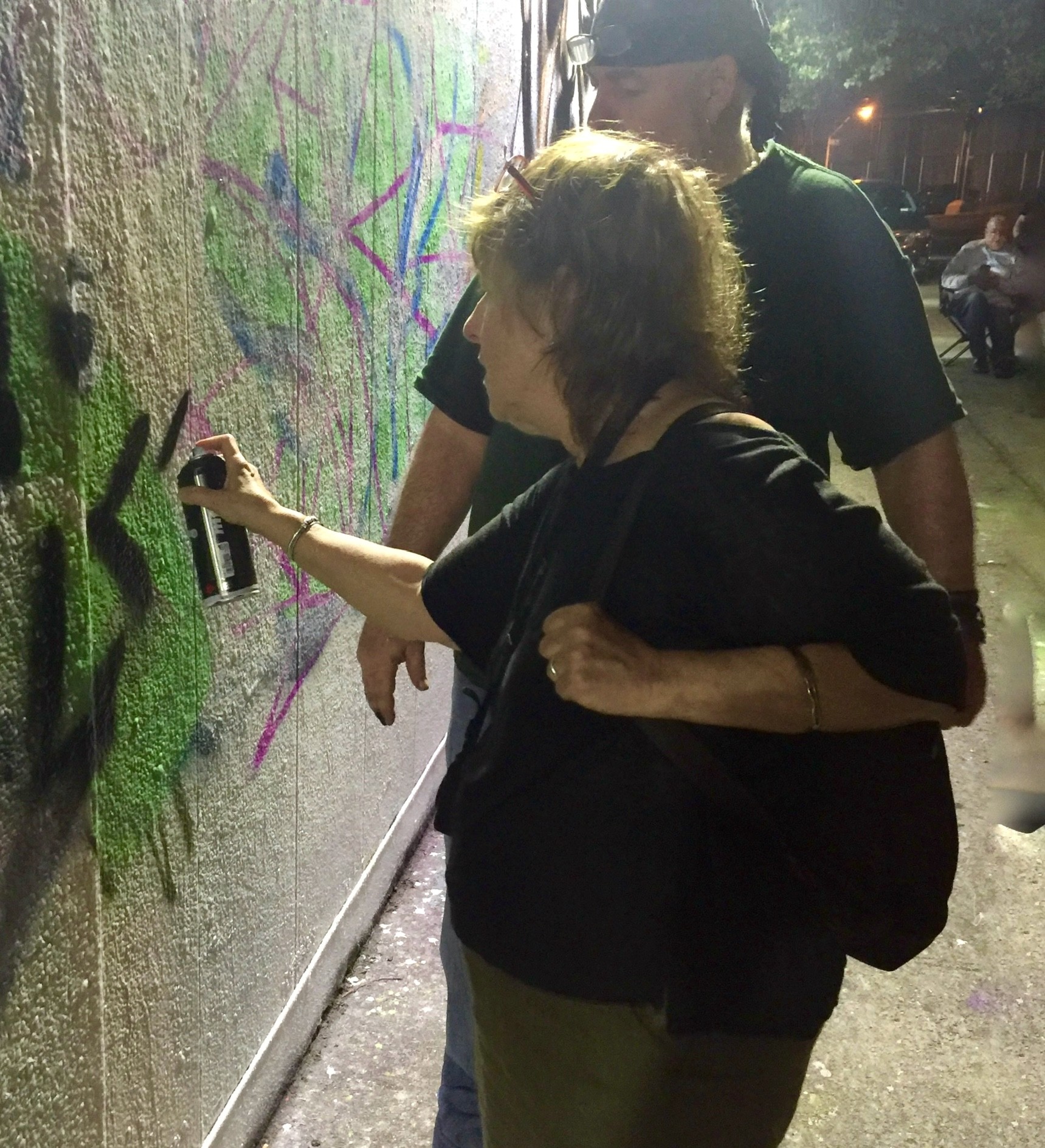
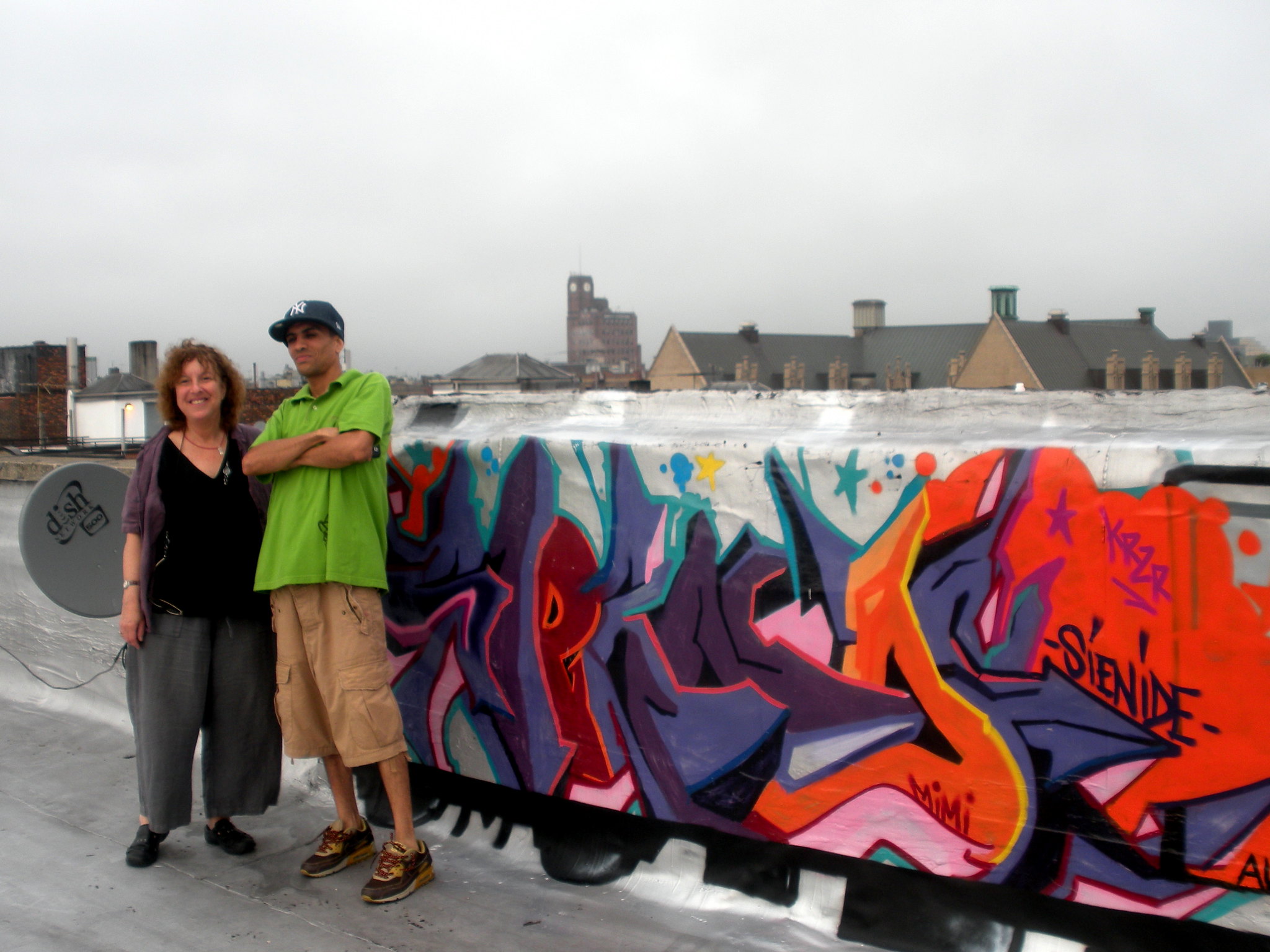
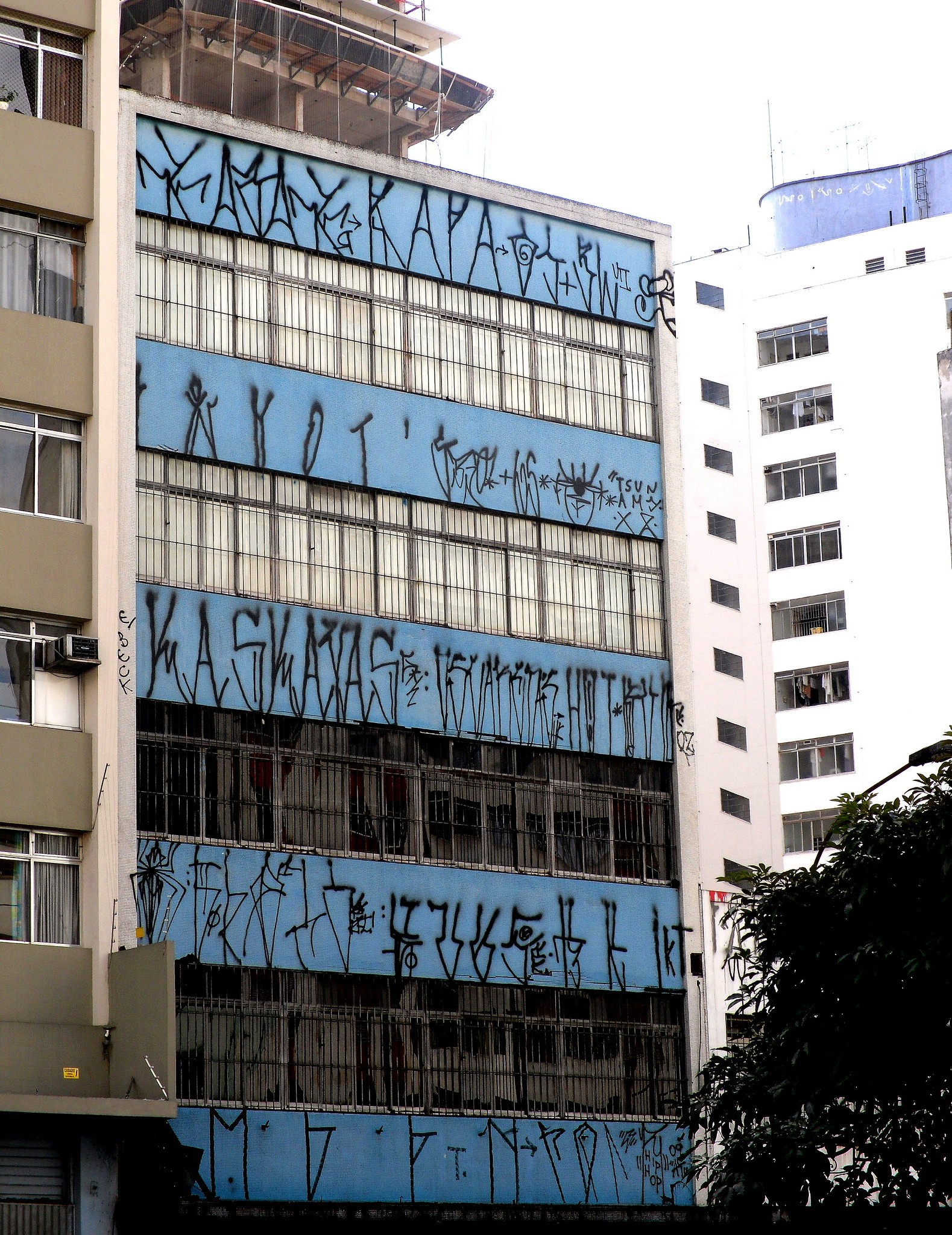
Image Credits
Personal photo: Lois Stavsky in Madrid; photo credit: Sara C. Mozeson
1.. Pixação in Sao Paulo, Brazil; photo credit: Lois Stavsky
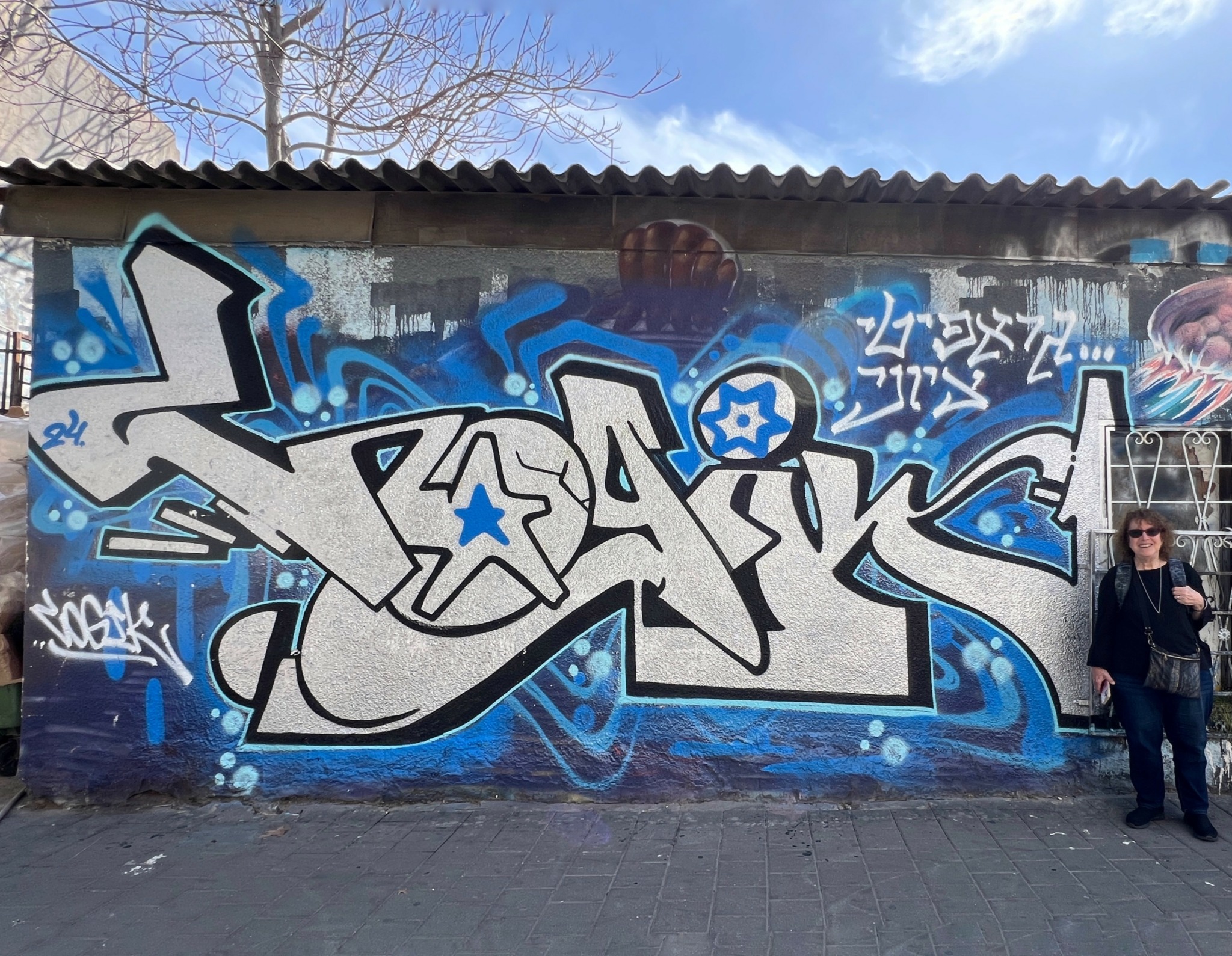
2. Lois Stavsky in Tel Aviv; photo credit: Sara C. Mozeson
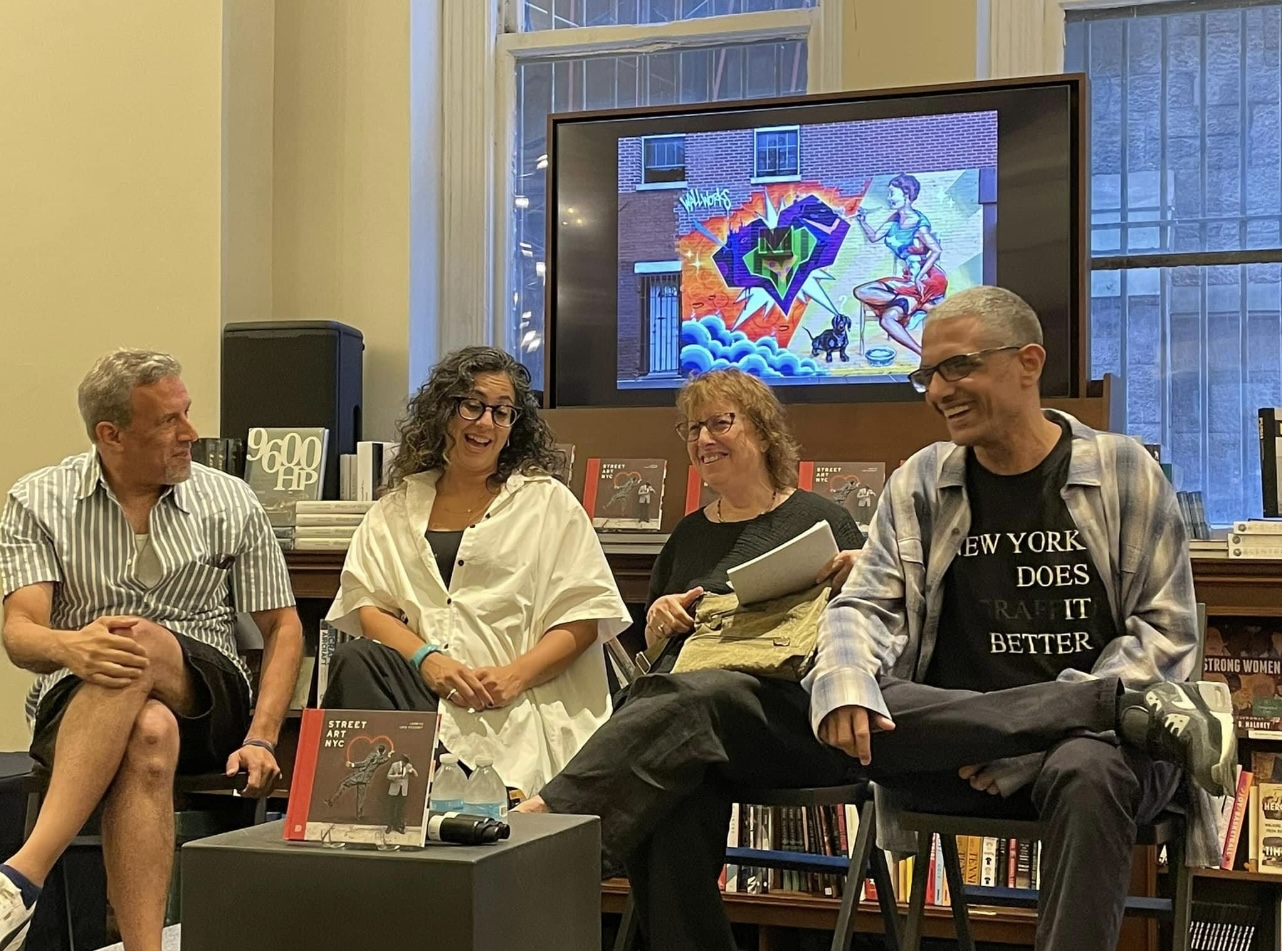
3..John “Crash” Matos, Alice Mizrachi, Lois Stavsky and Meres One at Street Art NYC book launch at Rizzoli Bookstore in Manhattan; photo credit: Sara C. Mozeson
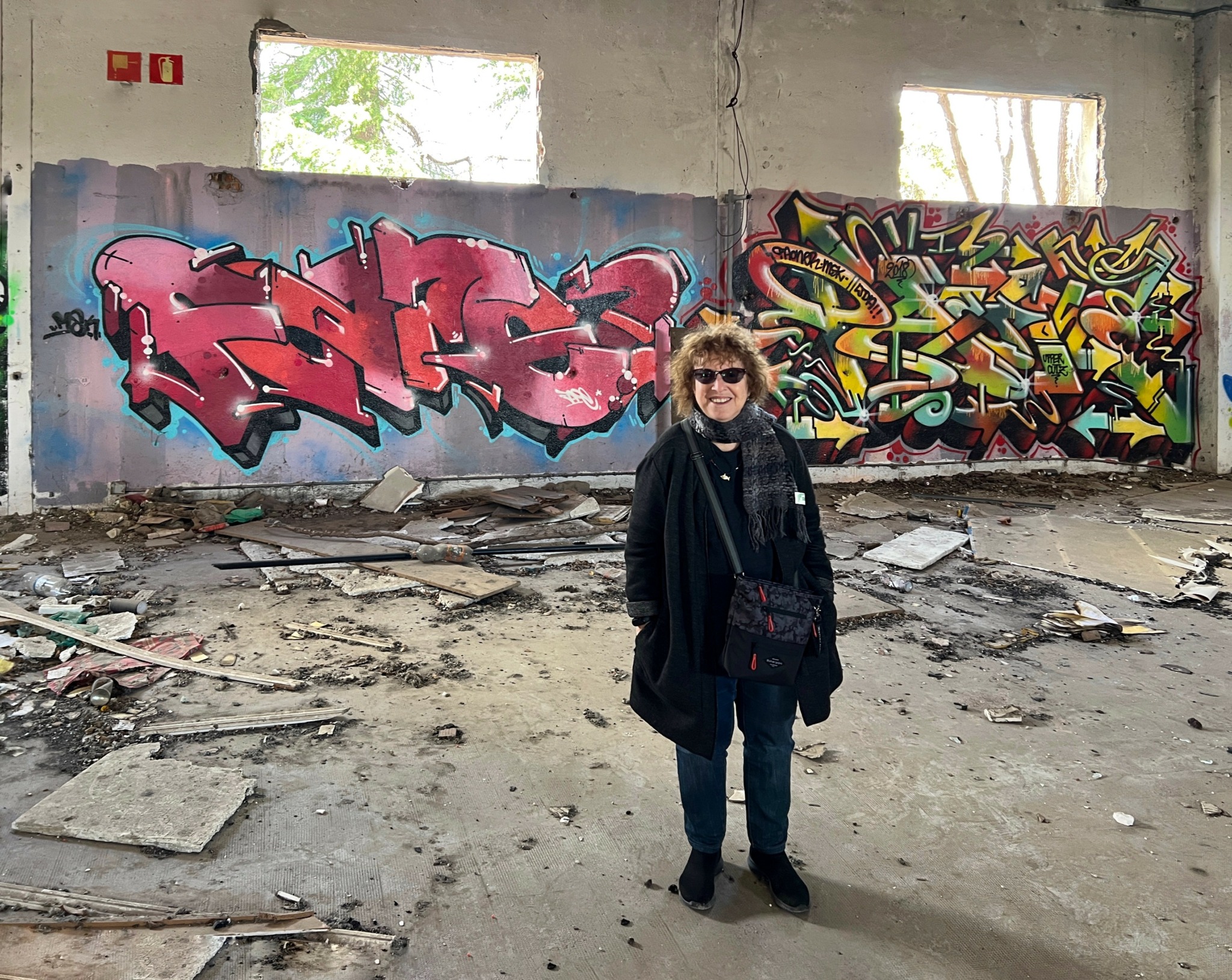
4. Lois Stavsky in abandoned property in Spain; photo credit: Sara C Mozeson
5. Lois Stavsky gets a lesson in writing graffiti from the Wild Style master himself — the late Tracy 168; photo credit: Tara Murray
6. Lois Stavsky on Bronx rooftop with Sienide; photo credit: Tara Murray