


Alright – so today we’ve got the honor of introducing you to Ryan Lilienthal. We think you’ll enjoy our conversation, we’ve shared it below.
Ryan, appreciate you joining us today. Can you talk to us about a project that’s meant a lot to you?
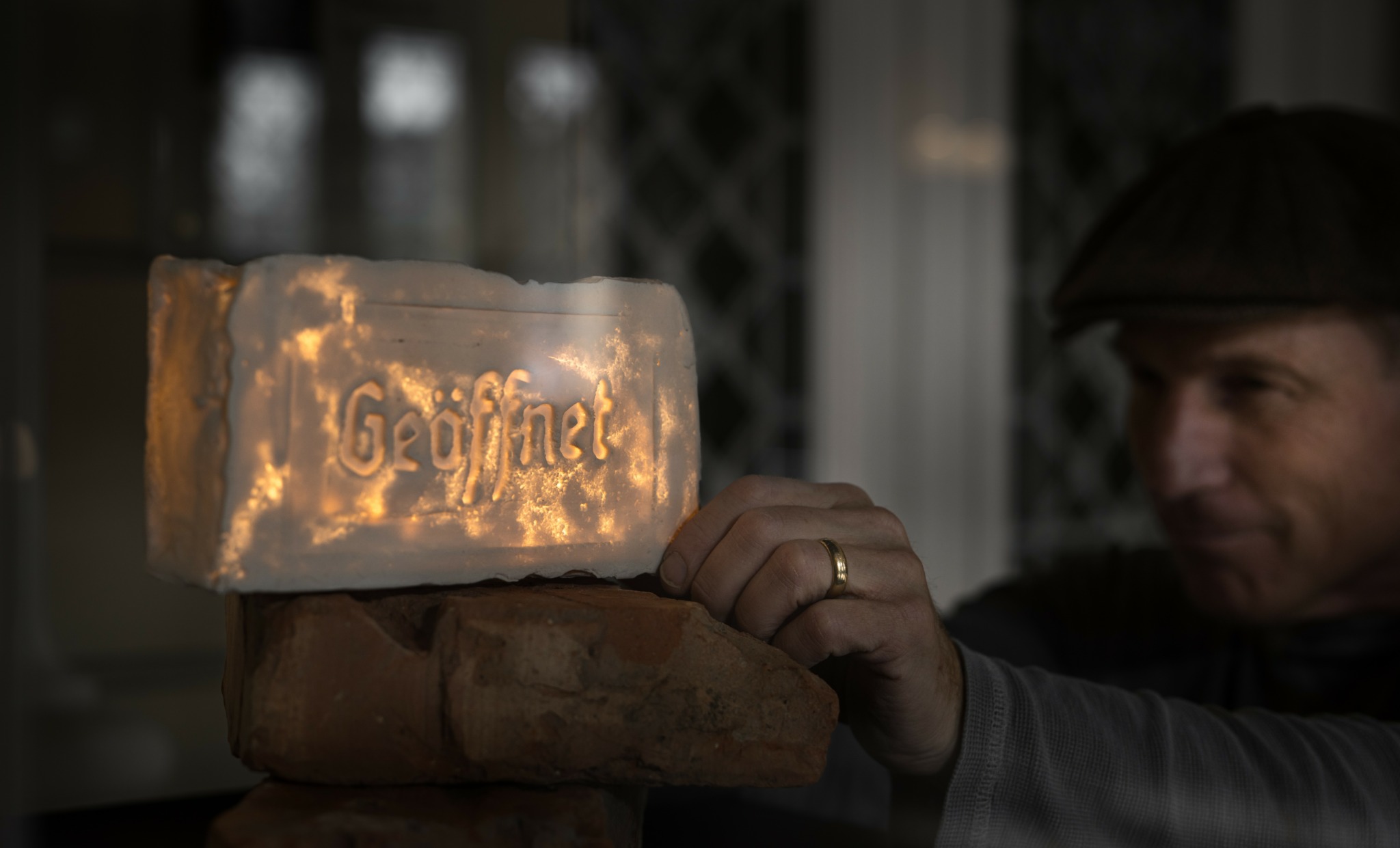
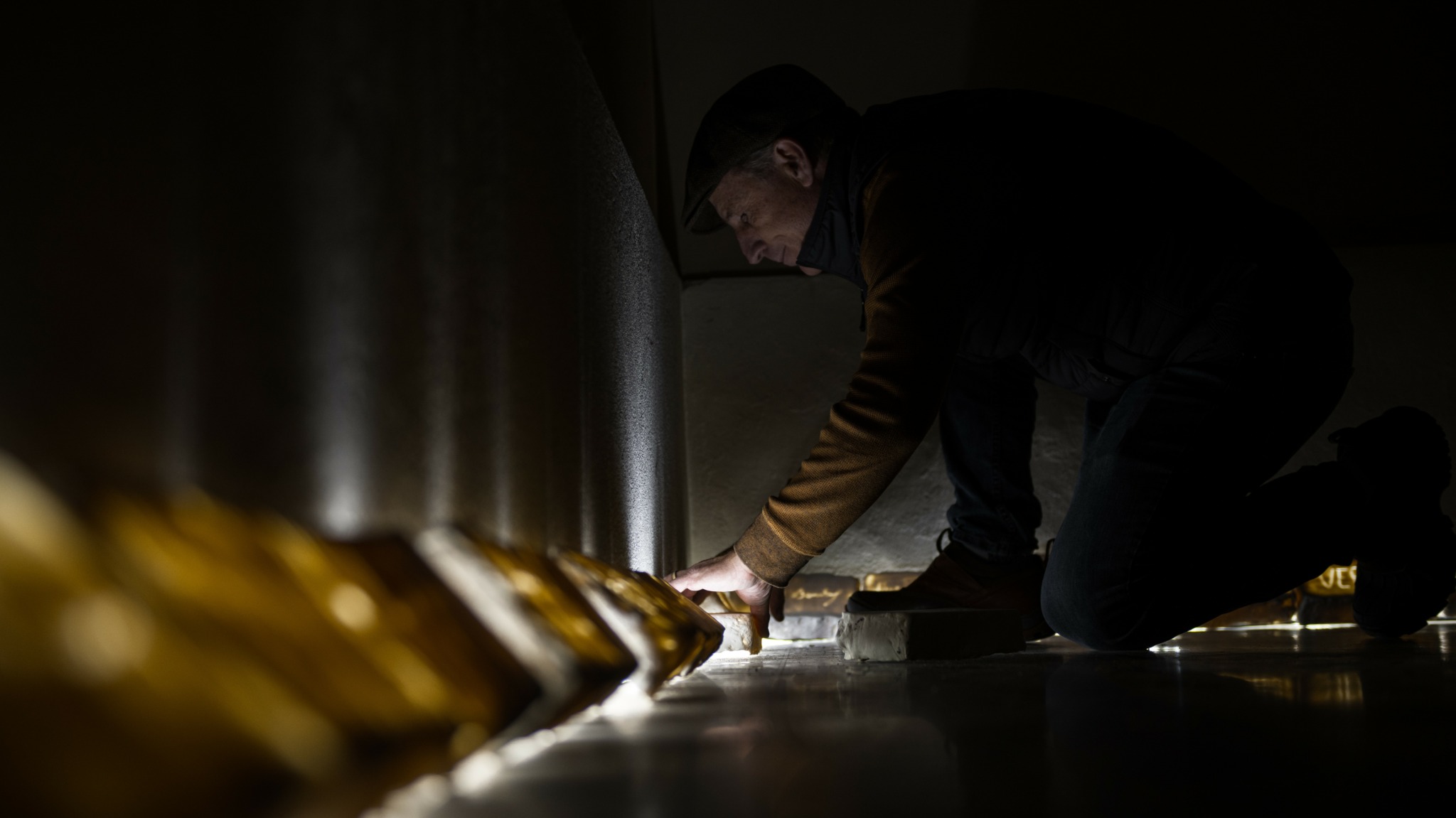
I just returned from a two-month collaborative art installation in Germany created with German elementary and secondary school students. The installation brought together an initiative to illuminate the experience of forced laborers at a German clay factory under National Socialism through participatory memory practices. In the spirit of illumination, students inscribed translucent porcelain bricks with words they associate with a sense of belonging. They formed the bricks using molds of the original clay factory bricks. Once lit up with LED lights, the students’s bricks and words of belonging reminded visitors of a time dominated by exclusion, alienation, isolation, persecution and mass murder; and expressed a hope for a brighter future framed by inclusion and connectedness.
As the Jewish grandson of four refugees who fled Nazi persecution and Germany and Austria, engaging with educators and young people in Germany has layered my family’s traumatic past with hopeful meaning and healing. Particularly poignant are the reflections shared by refugee youth who find relevance in my family’s story as they grapple with their own experience fleeing persecution from other parts of the world.
Awesome – so before we get into the rest of our questions, can you briefly introduce yourself to our readers.
I am a Design Histories Lecturer at Rutgers University, an interdisciplinary artist, designer, and educator, who seeks to harness analog and digital media to explore social justice themes. I draw on on my career as an immigration attorney for the visual vocabulary in my work. Since the early 1990’s, documents—legal and legislative—frame my professional life. Significantly, my grandparents’ flight from Nazi persecution and the Holocaust’s trans-generational impact percolates through my installations and surfaces in my drawings and paintings. Through my compositions and installations, I repurpose documents to artistically animate struggles with trauma, dislocation, and alienation that characterize much of contemporary life. Primary source material—including government, institutional, printed ephemera, and family documents—shape my two- and three-dimensional, digital, and time-based pieces. I am particularly interested in participatory memory practices, which bring into conversation his creative endeavors with his role as an educator. I recently received a grant from the German-American Fulbright Commission to engage German elementary and secondary students in memory sculpture and memorial design projects.
I graduated with an MFA in Design at Mason Gross School of the Arts, Rutgers University, where I received the Laurie Spitz Prize for my Design Thesis. I studied drawing, painting, and sculpture at the Boston Museum School in Massachusetts while attending Tufts University, where I earned a bachelor’s degree in religion in 1991. During that period, I apprenticed with Siri Berg in SoHo, New York, whose paintings are part of the permanent collection at the Guggenheim and other museums. Throughout my adult life, I further developed my painting skills at various art institutions and with painting mentors.
In 1997, I graduated with a juris doctor degree from Brooklyn Law School. My legal career has focused primarily on representing immigrants and advancing social justice causes. Leading up to the formation of my law practice over twenty years ago, I received fellowships to work on constitutional test cases at the Immigrants’ Rights Project of the American Civil Liberties Union and asylum cases at the New York Association of New Americans. As a Brooklyn Law Review editor, I published my law review note, “Old Hurdles Hamper New Options for Battered Immigrant Women.”
What’s the most rewarding aspect of being a creative in your experience?
For me, it’s the doing of art I find most rewarding. Of course, I take great pleasure in creating something meaningful and beautiful. Regardless of creative results, though, doing and making brings the focus of my attention to the present. Like a yoga or meditation practice, art making charges my sense of mindfulness. But more than just creating art myself, engaging in communal art opens opportunity for interconnectedness and belonging.
Can you tell us about a time you’ve had to pivot?
As an attorney practicing law for over twenty-five years, mostly in immigration law, I’ve greatly valued the chance to help individuals in concrete ways to build lives for themselves often far away from places they once considered home. Connecting with the experience of others in this way has always helped me connect with my own family’s refugee past. While valuing my work, lawyering was never my natural niche. For as long as I can remember, thinking and living creatively always brought me most joy and energy. At 50, and with the support of my wife, I made the move to foreground from hobby activity to career path a creative life. I returned to school to study the intersection of creative design processes, technology, and research into remembrance practices and received an MFA in Design from Rutgers University Mason Gross School of the Arts. Thanks to this pivot, I now teach Design Histories at Rutgers and have cultivated institution-supported opportunities to implement participatory memory projects. Instead of my creative energy being consumed by anticipating the many ways a legal case needs to be defended, I fill my life and time with exploring and realizing creative possibilities.
Contact Info:
- Website: https://ryanlilienthal.com
- Instagram: ryan_stark_lilienthal
- Linkedin: https://www.linkedin.com/in/ryan-stark-lilienthal-7232288
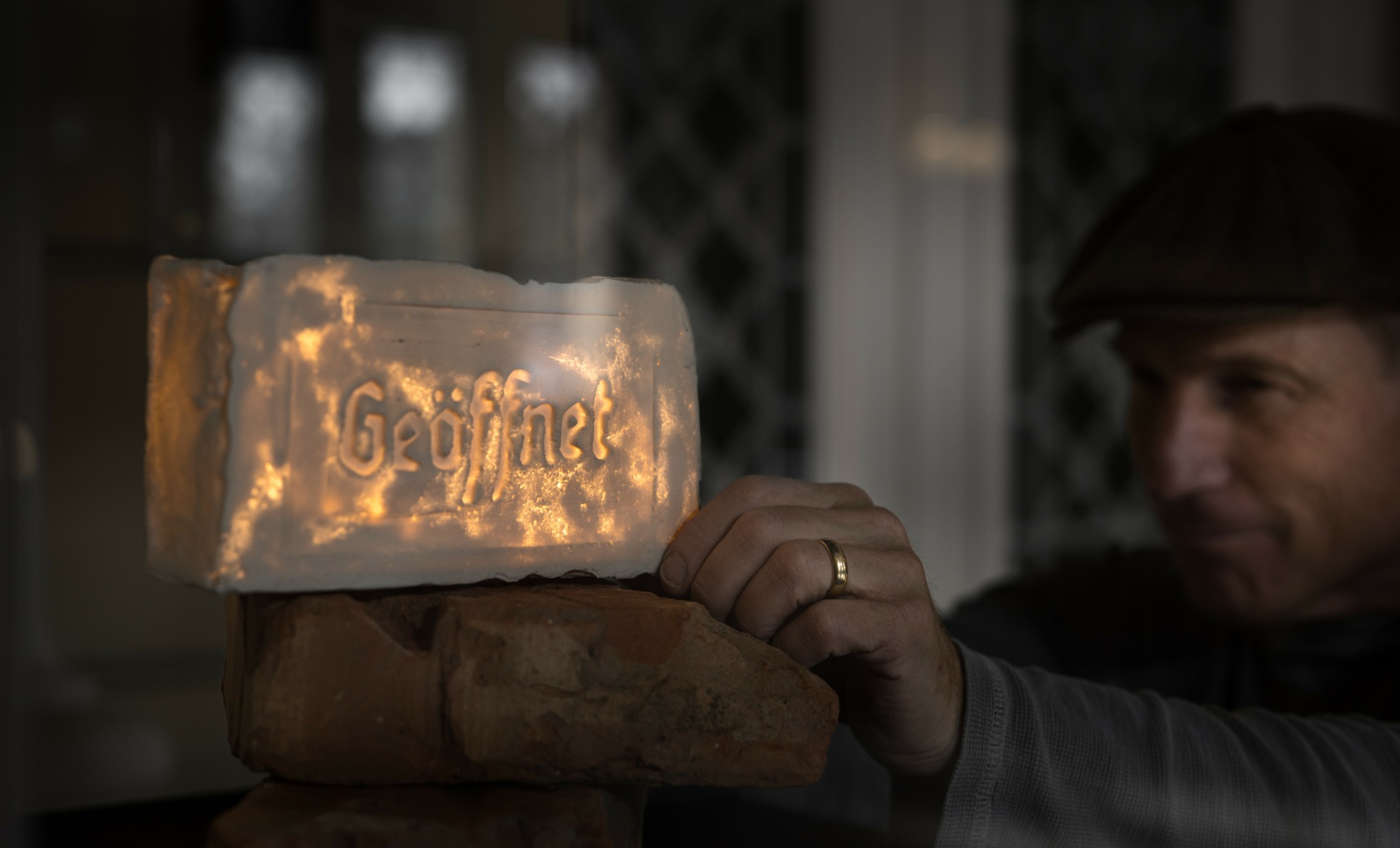

Image Credits
Photograph by Konstantin Weber, Copyright: HLA. Hessisches Staatsarchiv Darmstadt