

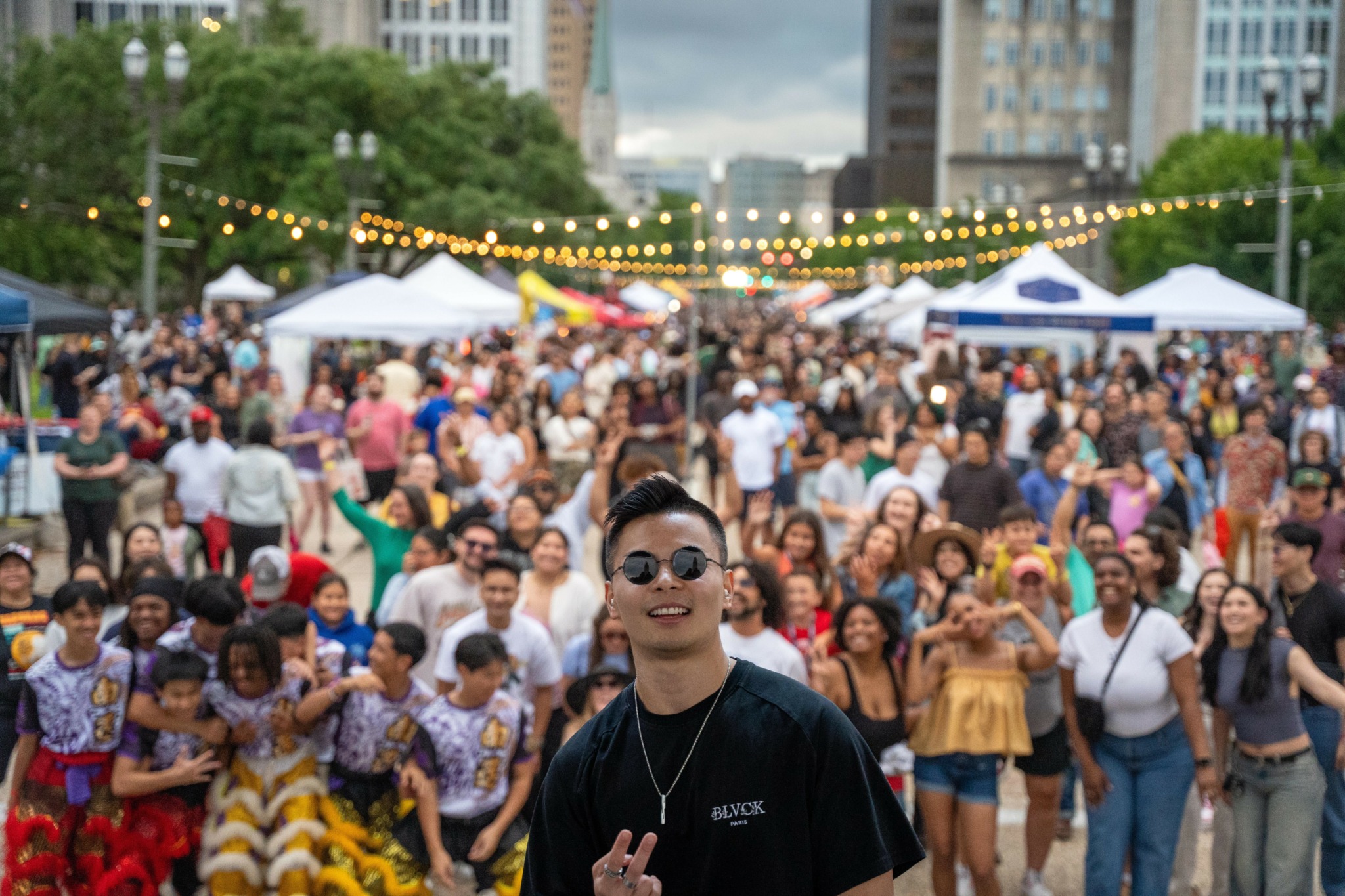

We’re excited to introduce you to the always interesting and insightful Andy Pham (FAM). We hope you’ll enjoy our conversation with Andy below.
Andy, appreciate you joining us today. What were some of the most unexpected problems you’ve faced in your career and how did you resolve those issues?
One of the most unexpected challenges in my creative journey has been learning how to keep going in an industry where the competition is overwhelming. As a producer, you’re creating music in a world where thousands of tracks are released every single day. Standing out in that sea of sound can feel nearly impossible. You spend countless nights tweaking melodies, adjusting drums, chasing that perfect drop—only to release the song and see a few hundred listens trickle in. When you add in the rejection from record labels, it can start to feel defeating. The numbers are right there in front of you, telling you exactly how many people are listening, and at one point I caught myself wondering if all the effort was really worth it.
Then something unexpected happened that completely changed my perspective.
Not too long ago, I was hanging backstage with HOANG before one of his shows. We were just sitting around waiting for the night to start, and I decided to show him a remix I had made of All My Friends by Madeon. I hadn’t released it officially, and like many of my tracks, it hadn’t gained much traction online. But when he heard it, he immediately lit up. Out of nowhere he asked, “Do you want to play it tonight?”
I remember feeling this mix of excitement and nerves all at once. Playing your own music live—especially unexpectedly—is a completely different feeling. But I said yes.
Later that night, he called me on stage. My heart was racing as I stepped up to the decks and pressed play. When the drop hit, I looked out at the crowd and saw people jumping, dancing, and vibing to something I had created in my own room late at night. In that moment, none of the streaming numbers mattered. Seeing a room full of people connect with the music in real time was something I’ll never forget.
That experience reminded me why I started making music in the first place. Sometimes the impact of a song isn’t measured in numbers on a screen—it’s in those moments when the music actually comes alive with people.
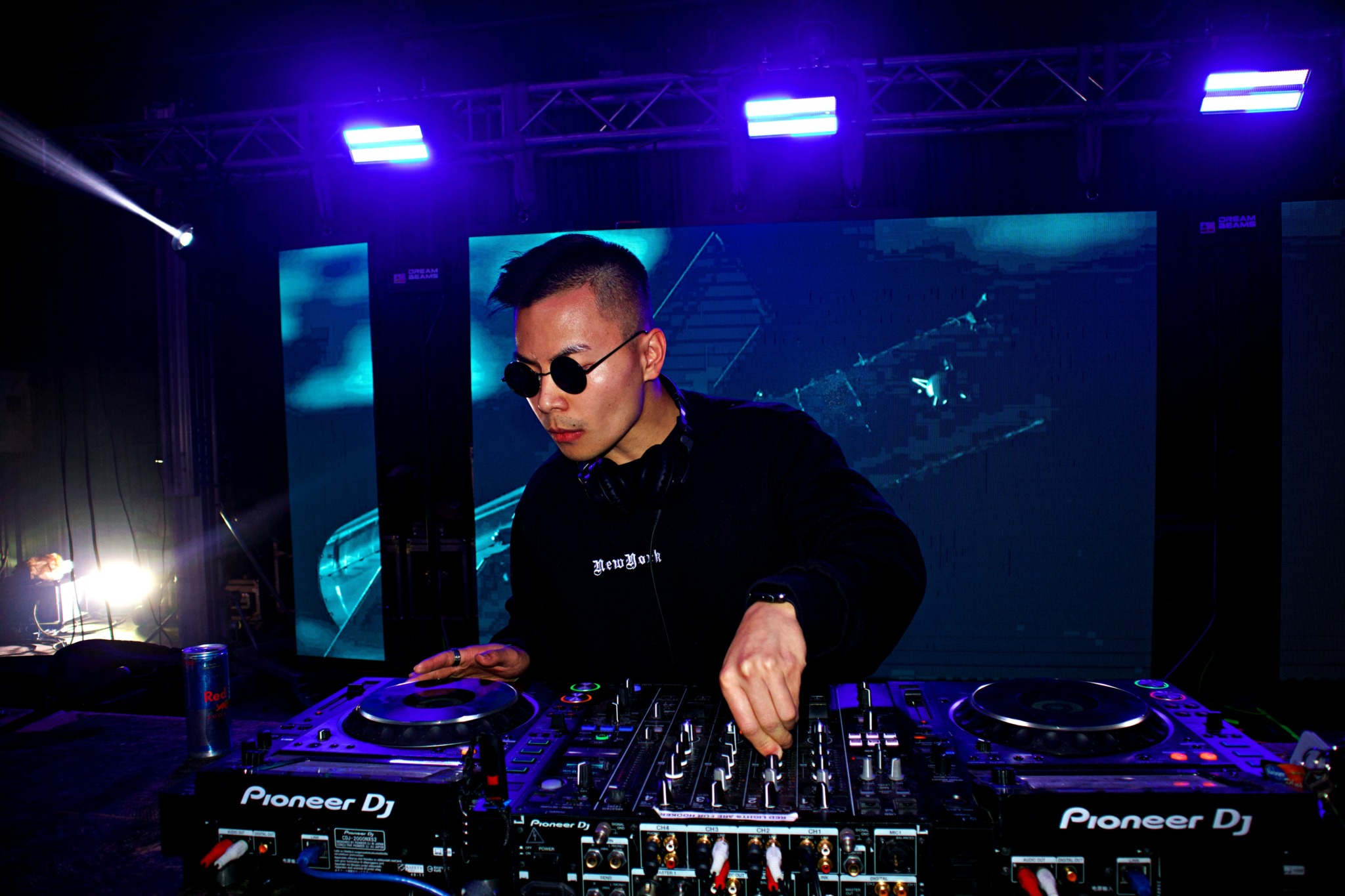
Andy, love having you share your insights with us. Before we ask you more questions, maybe you can take a moment to introduce yourself to our readers who might have missed our earlier conversations?
For a long time, I felt like I was living a very structured life. I was working a typical corporate 9–5, and while things were stable, I always felt like something was missing. I didn’t really have a creative outlet. Around that time, my friends and I were going to a lot of music festivals and shows. There was something awe-inspiring about watching a headliner take the stage and instantly create this wave of positive energy where thousands of people were all vibing together in the same moment. I didn’t think too much of it at first, but that feeling stayed in the back of my mind.
When the pandemic hit during COVID lockdown, everything slowed down and I suddenly had time to explore something new. I decided to try DJing in my room just to see where it would go. What started as a small creative outlet slowly grew over time—from practicing in my bedroom, to playing house parties, then eventually opening for artists like ARMNHMR, Disco Lines, Major Lazer, TELYKast, Sabai, and HOANG. Eventually I was able to play at festivals like Foam Wonderland and Breakaway Music Festival. Looking back over the last six years, it’s surreal. The younger version of me—who grew up in a very structured environment—would never have imagined this path.
What really defines my work as a DJ is the energy and the community behind it. My sets often blend throwbacks, unexpected edits, anime and K-pop influences, and songs that people didn’t expect to hear together. I love creating moments where the crowd suddenly recognizes something nostalgic or surprising and everyone lights up at the same time.
At the end of the day, though, what I’m most proud of isn’t just the stages or the shows—it’s the people who have been part of the journey. Some of my favorite moments have been playing for my friends at their weddings, including my own. Those moments remind me that music is really about connection. The stages may get bigger, but the feeling I’m chasing is still the same: bringing people together and creating memories through music.
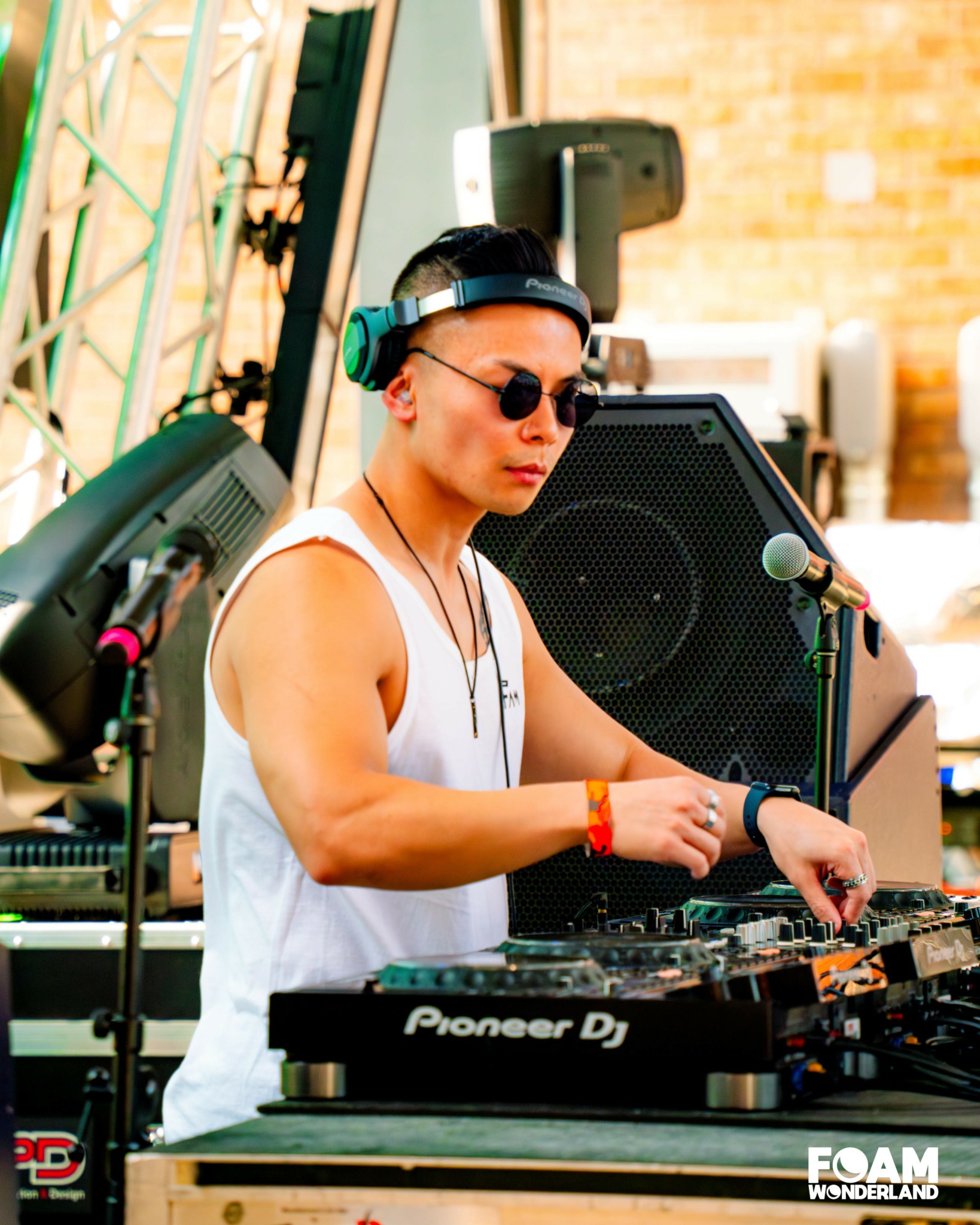
In your view, what can society to do to best support artists, creatives and a thriving creative ecosystem?
One thing I strongly believe in is directly supporting the artists around you whenever you can. I’ve had friends who were playing shows—sometimes even headlining—and they were kind enough to offer to put me on the guest list. Even then, I would still buy a ticket. To me, it’s a small but meaningful way to support their work.
I understand that not everyone can do that all the time, and that’s completely okay. But when you do have the opportunity, those gestures really matter to artists. Buying a ticket, sharing their show flyer, posting about their music, or just showing up and bringing positive energy to the crowd can make a huge difference.
At the end of the day, a thriving creative ecosystem comes from people genuinely supporting one another. If you truly believe in someone’s work, the best thing you can do is show up for them when you can—whether that’s buying a ticket, spreading the word, or simply being there in the crowd. Those moments of support mean more to artists than most people realize.
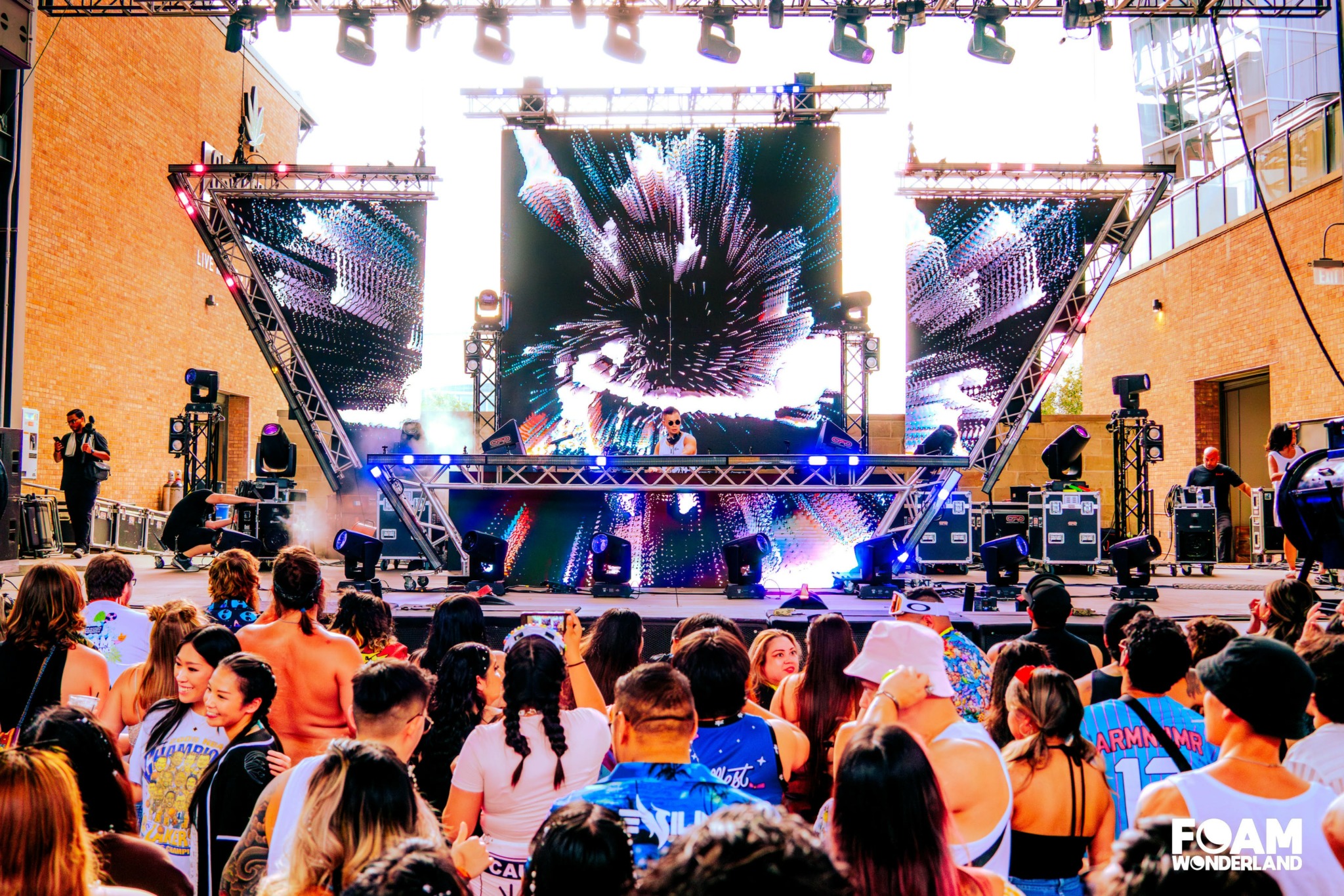
We often hear about learning lessons – but just as important is unlearning lessons. Have you ever had to unlearn a lesson?
One lesson I had to unlearn was the idea that everything has to be perfect.
Growing up in a household where getting straight A’s was the expectation, I was used to feeling like I always had to perform at the highest level. That mindset followed me into my corporate career as well, where you’re constantly expected to be on your game—especially when presenting to managers or executives. For a long time, I carried that same pressure into my creative work.
But over time I realized that creativity doesn’t really thrive under perfection. The cracks and imperfections are often what make something feel human—especially now in a world where so much content can feel polished or even generated by AI.
DJing helped me unlearn that mindset. Not every set is going to be flawless. I might miss a transition or something might not land exactly how I imagined. But I’ve learned that those moments are part of the experience and part of growing as an artist. What matters most is the energy, the connection with the crowd, and the joy of the moment.
Once I let go of the pressure to be perfect, the whole experience became more fun—and honestly, more authentic too.
Contact Info:
- Instagram: andy_dfam
- Soundcloud: https://on.soundcloud.com/mzc0Glh6LrvarmAABb
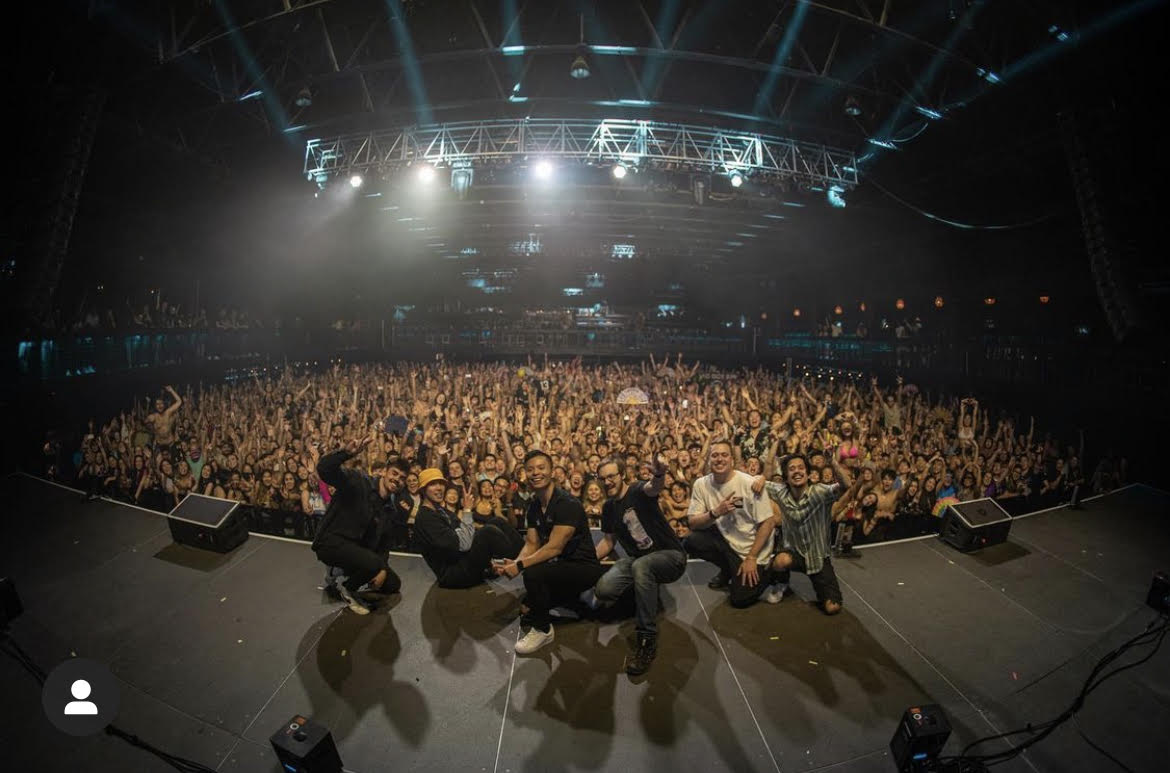
Image Credits
Molly Polus