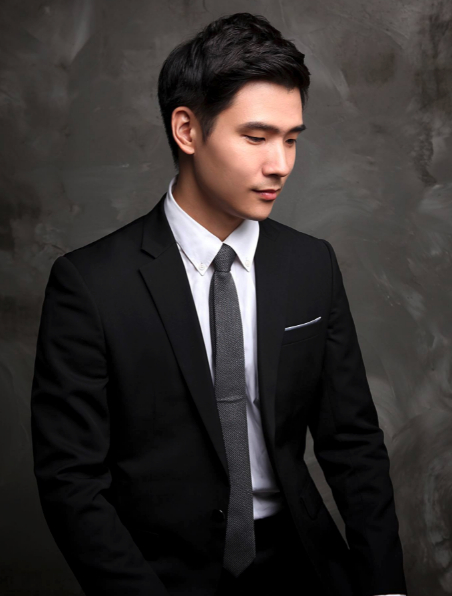

We caught up with the brilliant and insightful Yeakun Yoo a few weeks ago and have shared our conversation below.
Yeakun, thanks for joining us, excited to have you contributing your stories and insights. What was it like going from idea to execution? Can you share some of the backstory and some of the major steps or milestones?
I tend to spend a lot of time thinking about ideas in my daily life, and over time I’ve become fairly comfortable turning those ideas into something real.
One realization I had recently was about the nature of being a composer. In many cases, composers are in a position where we have to be chosen by someone else. Sometimes we end up working on projects we’re not fully excited about simply because opportunities are limited. That made me start wondering if there was a way to shift that dynamic—so that instead of always being in the position of waiting to be selected, I could have more agency in choosing the projects I truly wanted to work on.
Around that time, I had been studying economics and spending quite a bit of time learning about stock and cryptocurrency investing. As I gradually built up some personal assets, an idea occurred to me: what if I could use some of those resources to invest in projects that I genuinely believe in, and in return secure the opportunity to take full creative responsibility for the music?
After thinking about this approach, I began reaching out to several game development studios and film production companies to explore whether such a model could work. Eventually, I connected with a few film production companies, and we were able to structure agreements where I invested a small amount in the project while also securing the rights and responsibility to compose the music.
The investment itself wasn’t huge, but the dynamic was very different from the typical situation composers often find themselves in. Instead of simply being hired, I was able to participate in the project from a more equal position and have a clearer creative voice in the process. Of course, I always respect the roles of the director and producers, but this experience showed me that there are ways to be more proactive about choosing and shaping the projects I work on.
Realizing that I could take an idea like this, put it into practice, and actually see it lead to tangible results was a very rewarding experience for me.
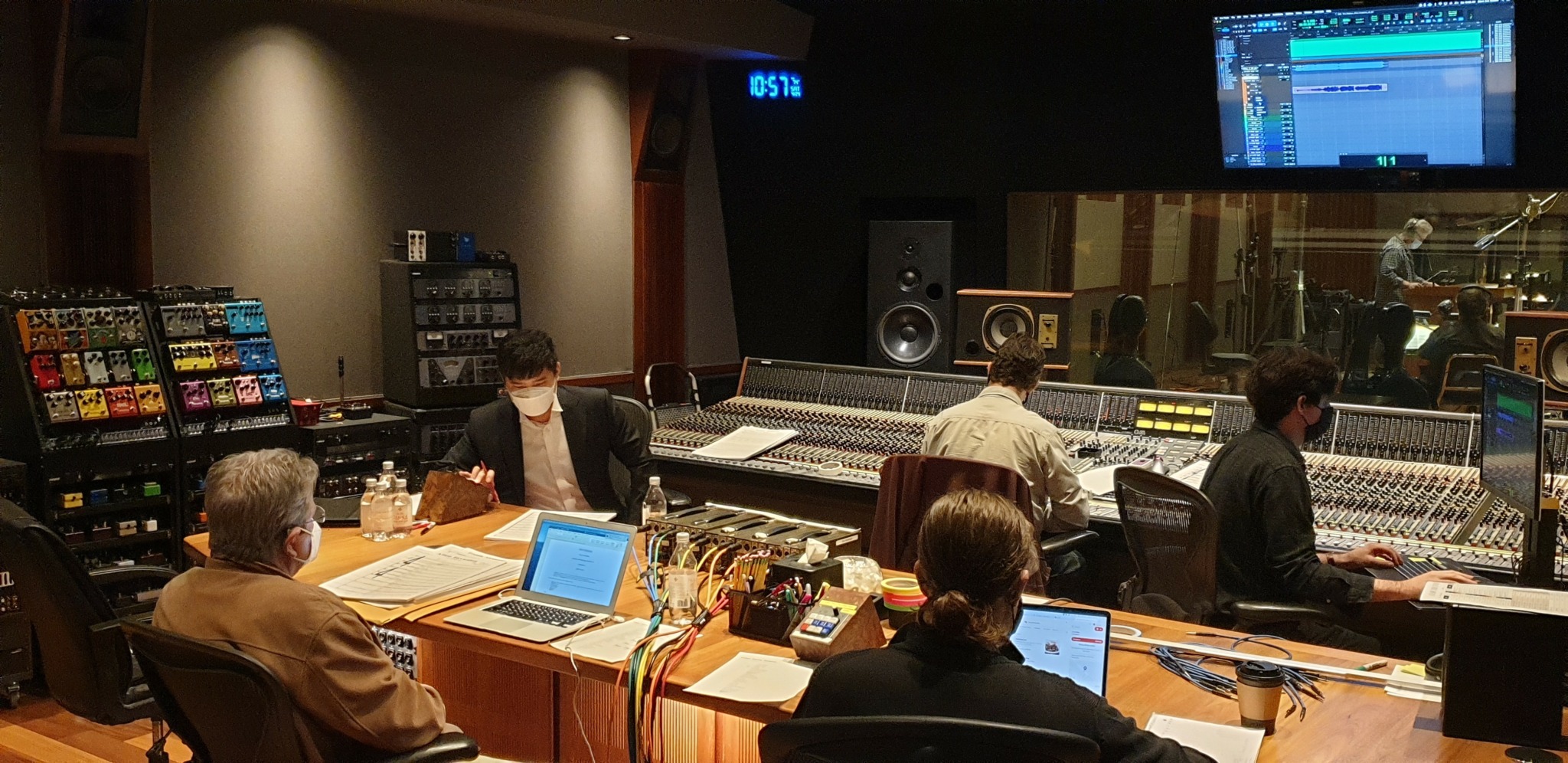
As always, we appreciate you sharing your insights and we’ve got a few more questions for you, but before we get to all of that can you take a minute to introduce yourself and give our readers some of your back background and context?
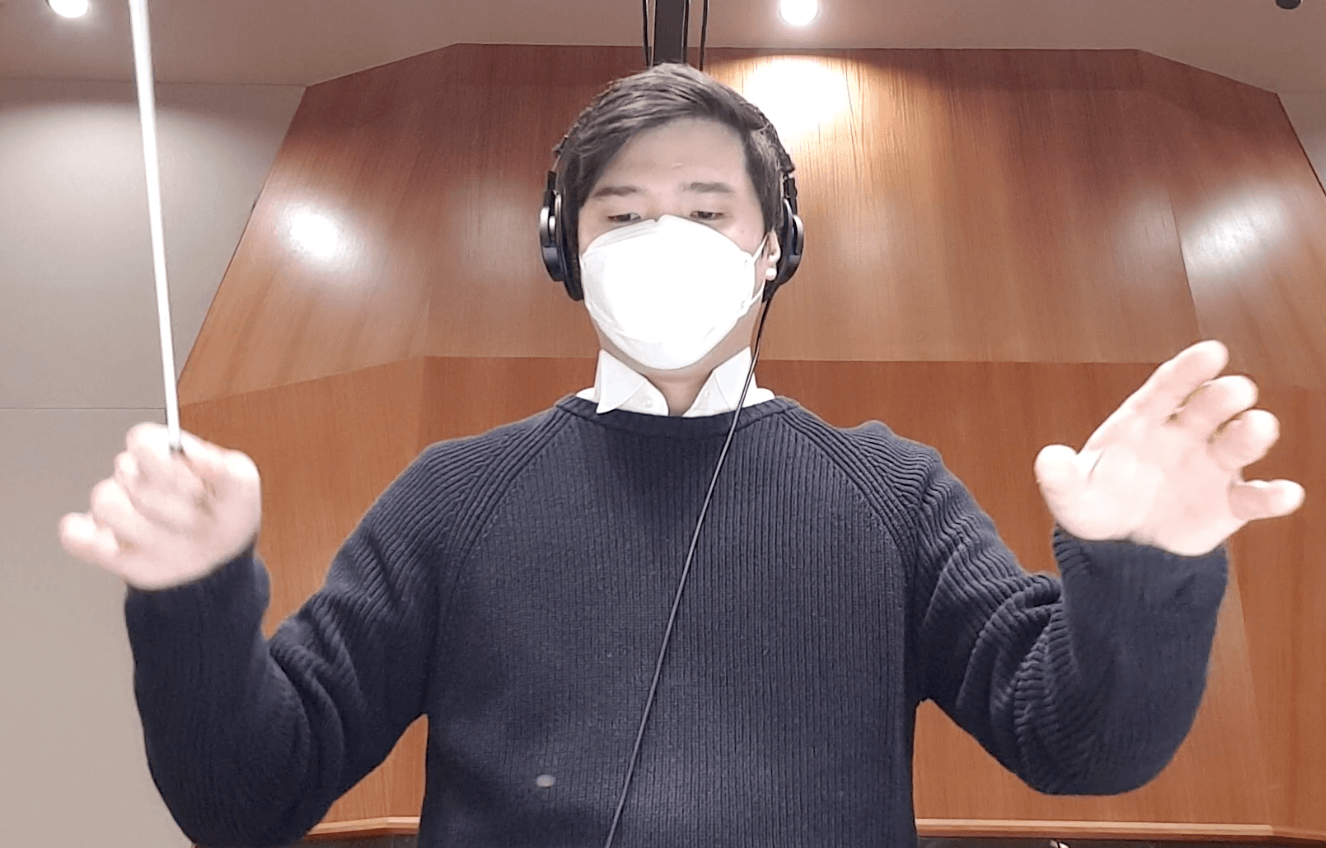
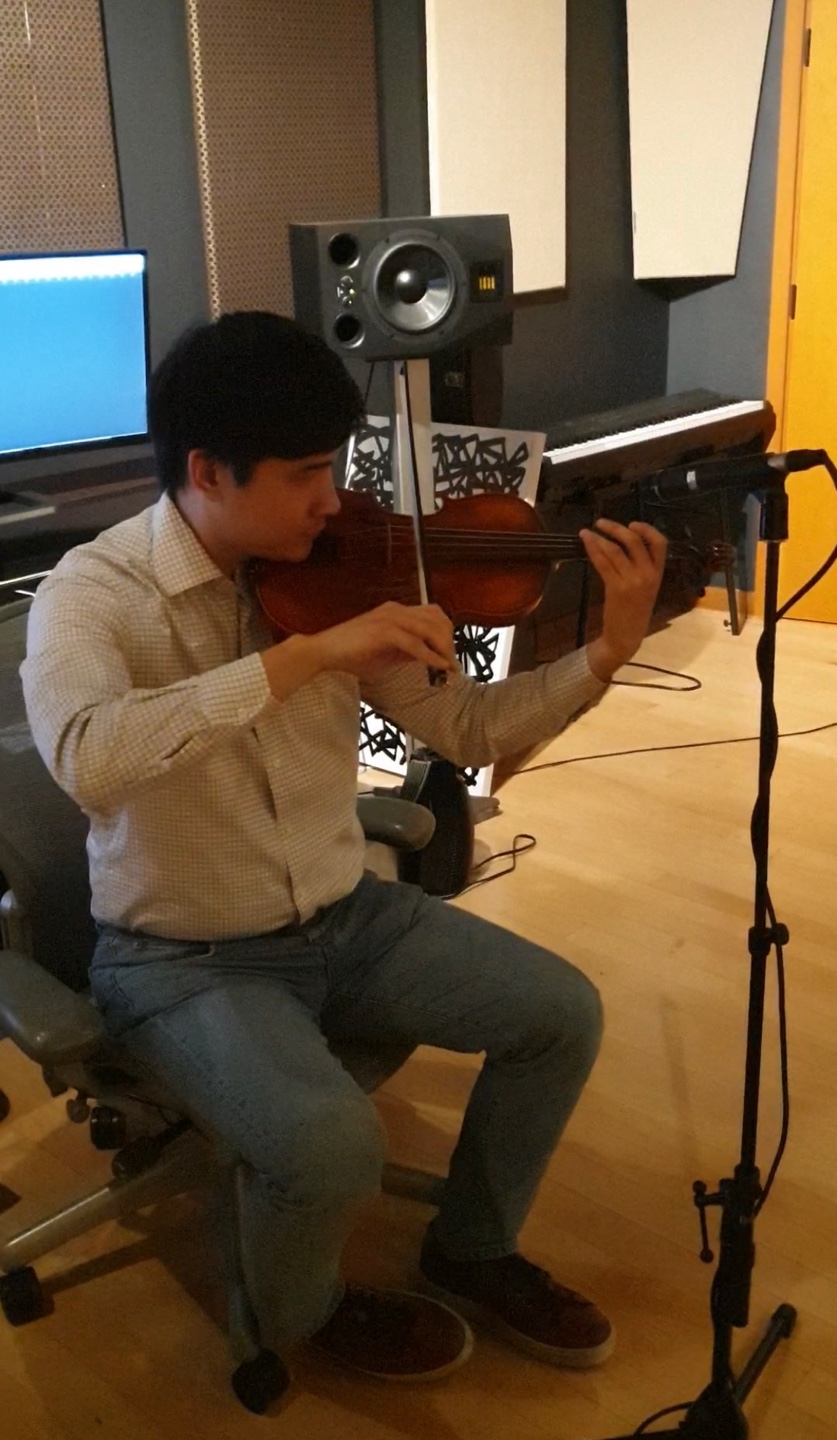
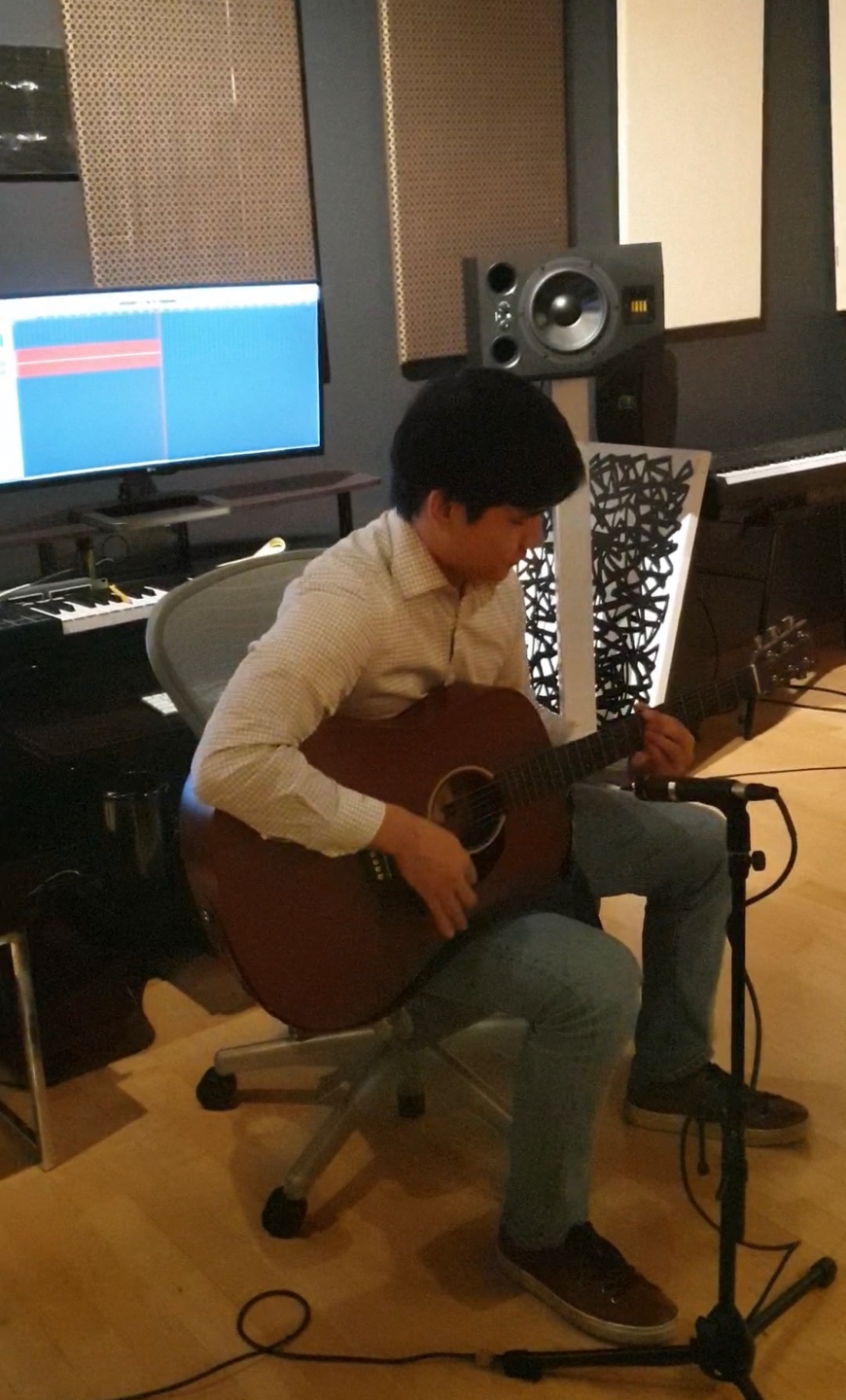
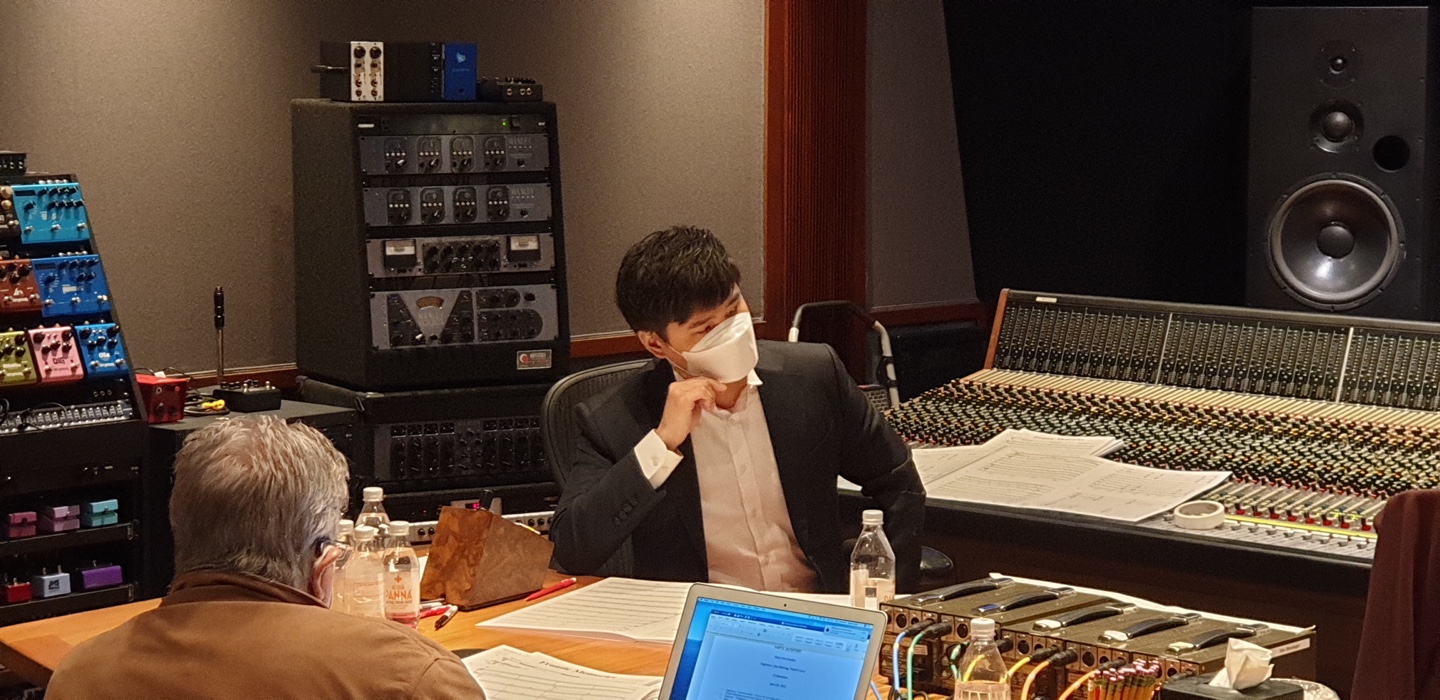
My name is Yeakun Yoo, and I’m a composer working in film, television, and video games. I’m the founder of YK Music Productions, a music production studio that focuses on creating cinematic and emotionally driven music for visual media. My work ranges from large-scale orchestral scores for games and films to more experimental sound design and hybrid music that blends traditional orchestration with modern production techniques.
I originally began my musical journey in Korea, where I studied composition at Seoul National University. Early on, I was trained in classical composition and orchestration, which gave me a strong technical foundation. However, I eventually became fascinated by the power of music in storytelling—how music can shape emotion, atmosphere, and narrative in film and games. That curiosity led me to move to the United States, where I studied film scoring at the USC Thornton School of Music. During that time, I was exposed to a completely different creative culture that encouraged originality, experimentation, and finding a unique artistic voice.
Today my work focuses on composing music for games, films, and television projects around the world. One of the projects I’m currently involved in is composing the music for the game The Relic: The First Guardian, among other international collaborations. Through YK Music Productions, I also lead a team of composers, engineers, and collaborators who work together to deliver high-quality music production for various media projects.
What I try to bring to every project is a balance between strong musical storytelling and a unique sonic identity. I’m particularly interested in creating music that is emotionally powerful and distinctive rather than simply functional background music. Sometimes that means incorporating unconventional sounds, recorded textures, or experimental techniques to give the score a personality that feels closely tied to the world of the story.
One thing that sets my approach apart is that I try to engage with projects not only as a composer but also as a creative partner. Instead of simply delivering music at the end of the process, I often collaborate closely with directors, producers, and developers from early stages of production to help shape the emotional direction of the project. In some cases, I’ve even invested in projects that I believe in so that I can participate more actively in the creative process and contribute to the project from a more collaborative position.
What I’m most proud of is building a career that connects different cultures and creative industries. Having worked both in Korea and the United States, I’ve been able to collaborate with filmmakers and game developers from different parts of the world, and that global perspective has influenced how I approach music and storytelling.
Ultimately, my goal is to create music that stays with people emotionally. Whether it’s through a powerful orchestral theme, an experimental sound texture, or a quiet musical moment that supports a story, I want the music to deepen the audience’s experience and make the world of the film or game feel more alive.
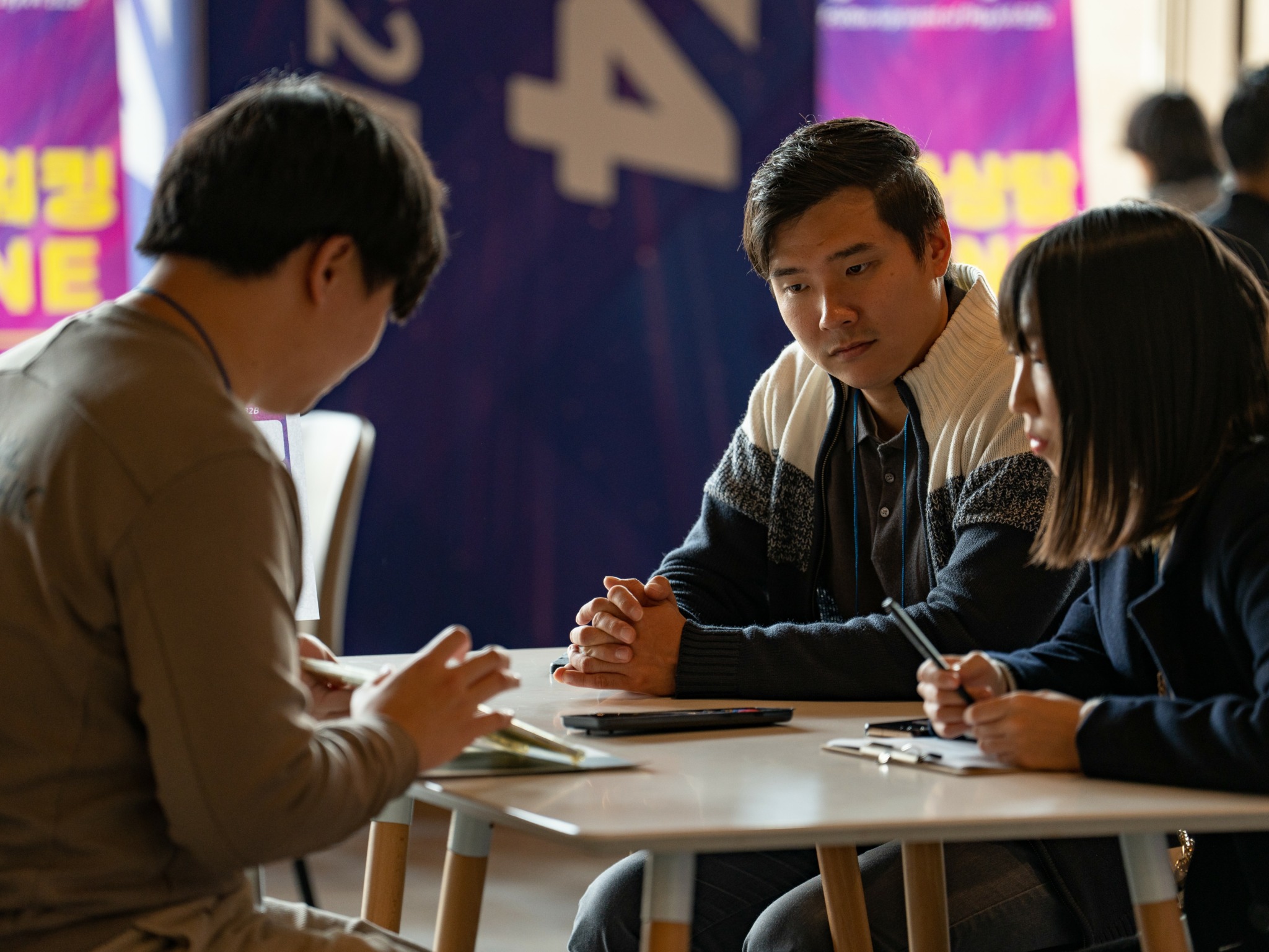
We’d love to hear a story of resilience from your journey.
One experience that really shaped my resilience happened when I was at a turning point in my career as a composer.
After graduating from Seoul National University, I initially planned to continue pursuing a traditional path in classical composition. I applied to graduate programs, but I wasn’t accepted. At the time, it felt like a major setback because I had spent many years preparing for that path, and suddenly it seemed like the direction I had been aiming for was no longer available.
Instead of giving up, I took that moment as an opportunity to rethink what I really wanted to do with music. I realized that what excited me the most was storytelling through music—especially in film and games. That realization led me to take a completely different path and move to the United States to study film scoring at USC.
Starting over in a new country, new language, and new industry was not easy, but it forced me to grow quickly. I had to adapt to a different creative culture, build a new network from scratch, and constantly challenge myself to improve. Looking back, that difficult period ended up becoming one of the most important turning points in my career.
That experience taught me that setbacks are often not the end of the path, but simply a signal that you may need to find a different direction. In many ways, the career I have today—working on film and game music internationally—came directly from that moment when things didn’t go according to my original plan.
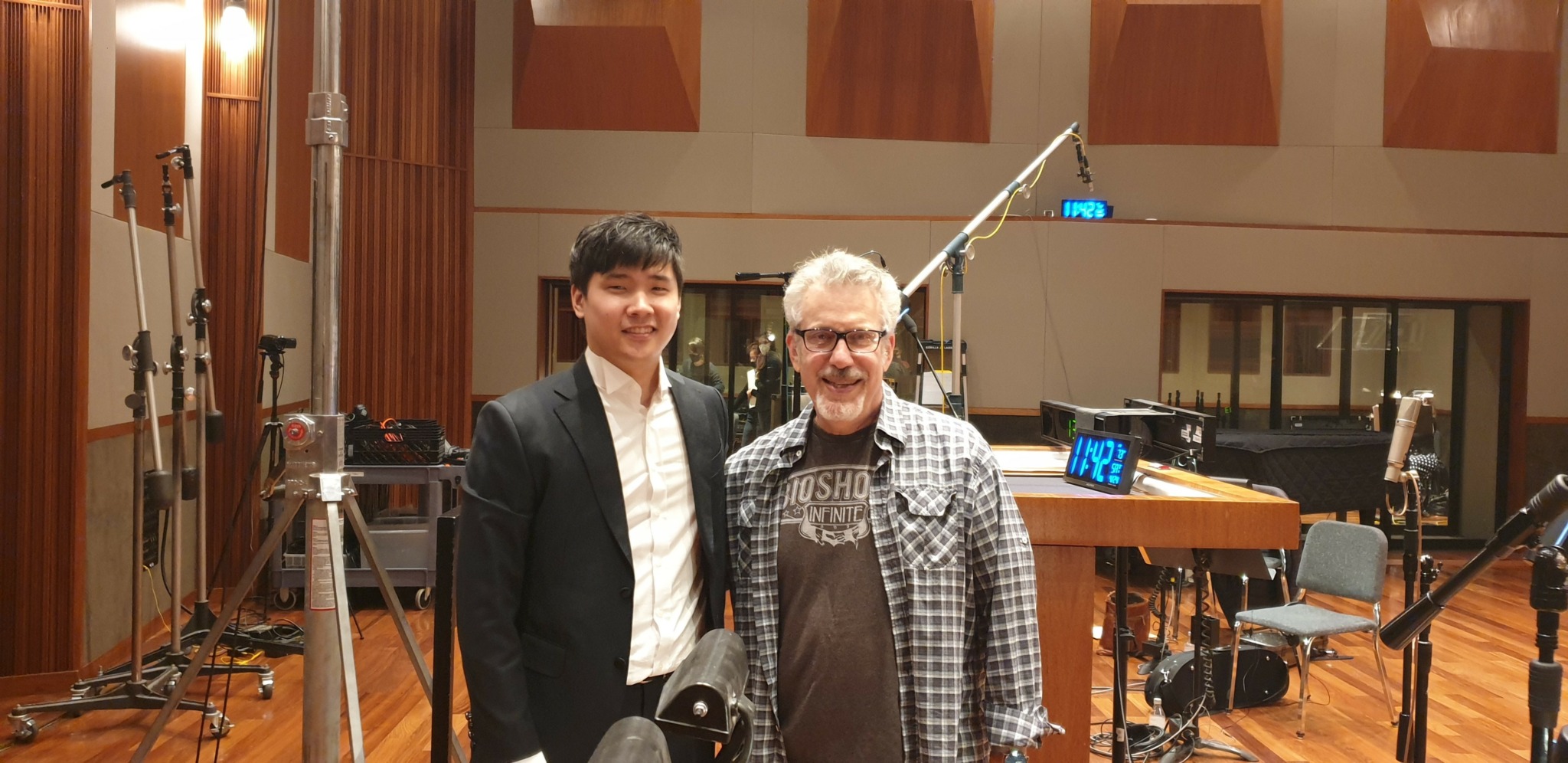
We often hear about learning lessons – but just as important is unlearning lessons. Have you ever had to unlearn a lesson?
One lesson I had to unlearn was the idea that the safest and most stable path is always the best choice.
Growing up in Korea, I was surrounded by a culture that often emphasizes stability and avoiding risk. For a long time, I believed that success meant following a carefully planned and predictable path—studying hard, choosing safe opportunities, and avoiding decisions that might lead to failure.
That mindset started to change when I moved to the United States to study film scoring at USC. I met many artists and creators who approached their careers very differently. Instead of trying to avoid failure, they actively pursued ambitious ideas, even if the outcome was uncertain. I realized that many of the most interesting projects and creative breakthroughs came from people who were willing to take risks and experiment.
Over time, I began to unlearn the idea that failure should always be avoided. Instead, I started to see failure as part of the process of building something meaningful. That shift in perspective changed the way I approach both my career and my creative work. I became more willing to pursue unconventional opportunities, start my own projects, and take initiative rather than waiting for the “perfect” or safest option.
Looking back, unlearning that fear of risk was one of the most important lessons in my journey. It allowed me to build a career that is much more creative, proactive, and aligned with what I truly want to do as an artist.
Contact Info:
- Website: https://www.ykmusicproductions.com
- Instagram: @yeakunyoo
- Facebook: https://www.facebook.com/yeakunyoo
- Linkedin: https://www.linkedin.com/in/yeakun-yoo-2b471b135/
- Youtube: https://www.youtube.com/@yeakunyoo9989
- Soundcloud: https://soundcloud.com/yeakunyoo