

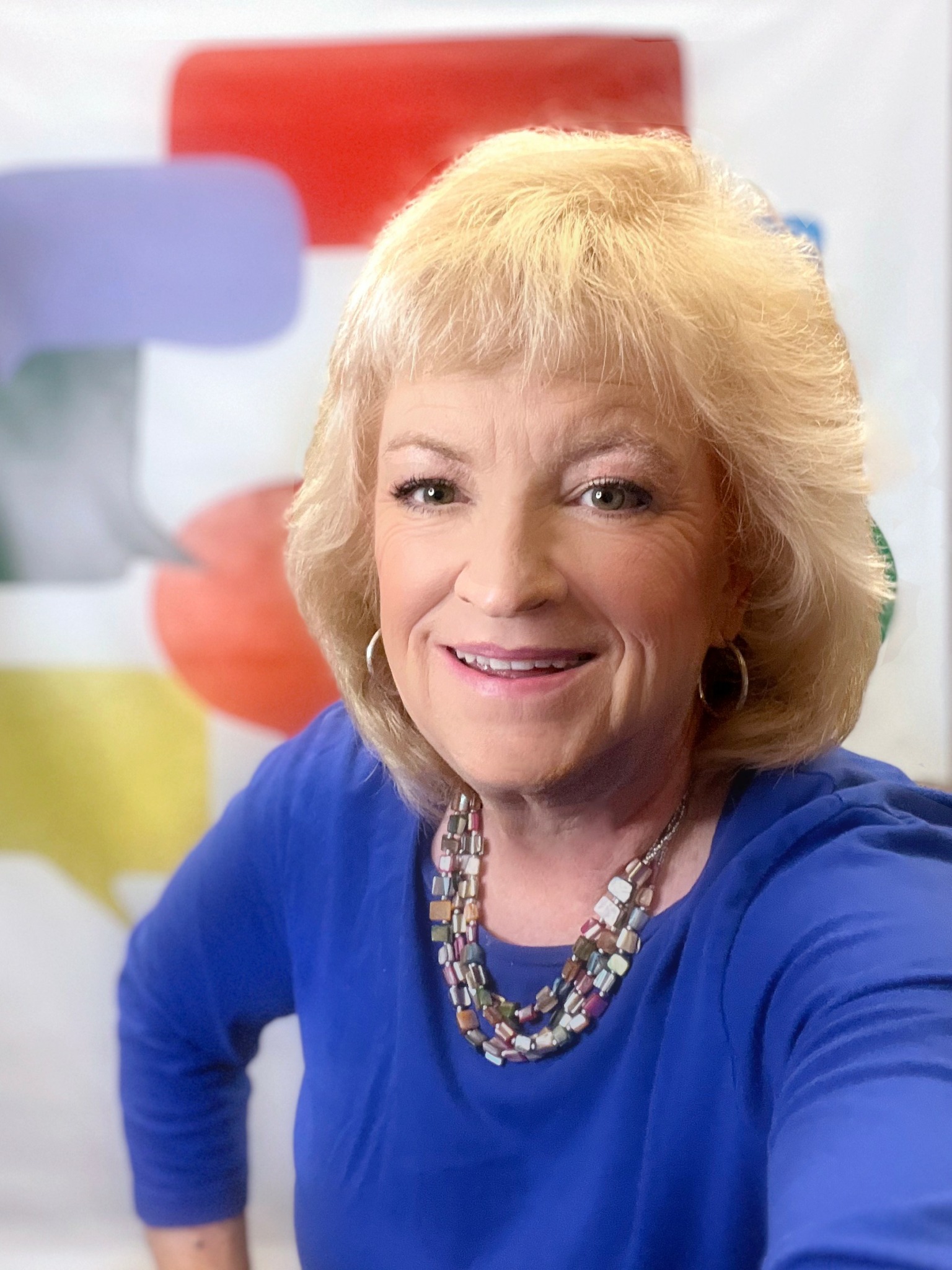

We recently connected with Jennifer Fink and have shared our conversation below.
Alright, Jennifer thanks for taking the time to share your stories and insights with us today. We’re complete cheeseballs and so we love asking folks to share the most heartwarming moment from their career – do you have a touching moment you can share with us?
For years, my career was defined by the search for the perfect “natural” expression. As a portrait photographer, I knew exactly how to wait for that split-second when the mask drops and the real person shines through. But as Alzheimer’s began to settle into our lives, that search became personal, and infinitely harder.
My Dad was always wonderful about having me create our annual family portraits. He valued those markers of time, but as Mom started slipping away, the sessions felt different. I found myself behind the lens, frustrated and heartbroken, trying to “direct” her back to the woman I remembered. I wanted the spark, the quick wit, the mother who knew exactly how to pose for her daughter. Instead, I was met with a distant gaze that I couldn’t seem to reach.
One afternoon, the tension in the room was heavy. I was fiddling with the lights, my Dad was trying to coax a smile out of her, and Mom just looked lost. I realized in that moment that I was treating her like a technical problem to be solved rather than the woman sitting in front of me.
I finally put my camera down. I stopped being the “photographer” and just became Jen.
I sat on the floor near her feet and stopped asking her to look at me. I started talking about the light hitting the trees outside, or maybe just the weight of the tea mug in her hand. I stopped looking for the “old” Mom and started honoring the woman who was right there.
That’s when it happened. She didn’t give me a practiced, “portrait” smile. Instead, her face softened into a look of absolute, quiet dignity. Her eyes cleared—not with a memory of the past, but with a peaceful recognition of the present moment. I picked up the camera and clicked the shutter.
That image wasn’t the one we had planned, but it was the most honest portrait I ever took of her. It was the day I stopped being a photographer of faces and started becoming a student of the soul. It was the beginning of my true career: learning to decode the person beyond the disease and realizing that while the memory may fade, the essence never does.
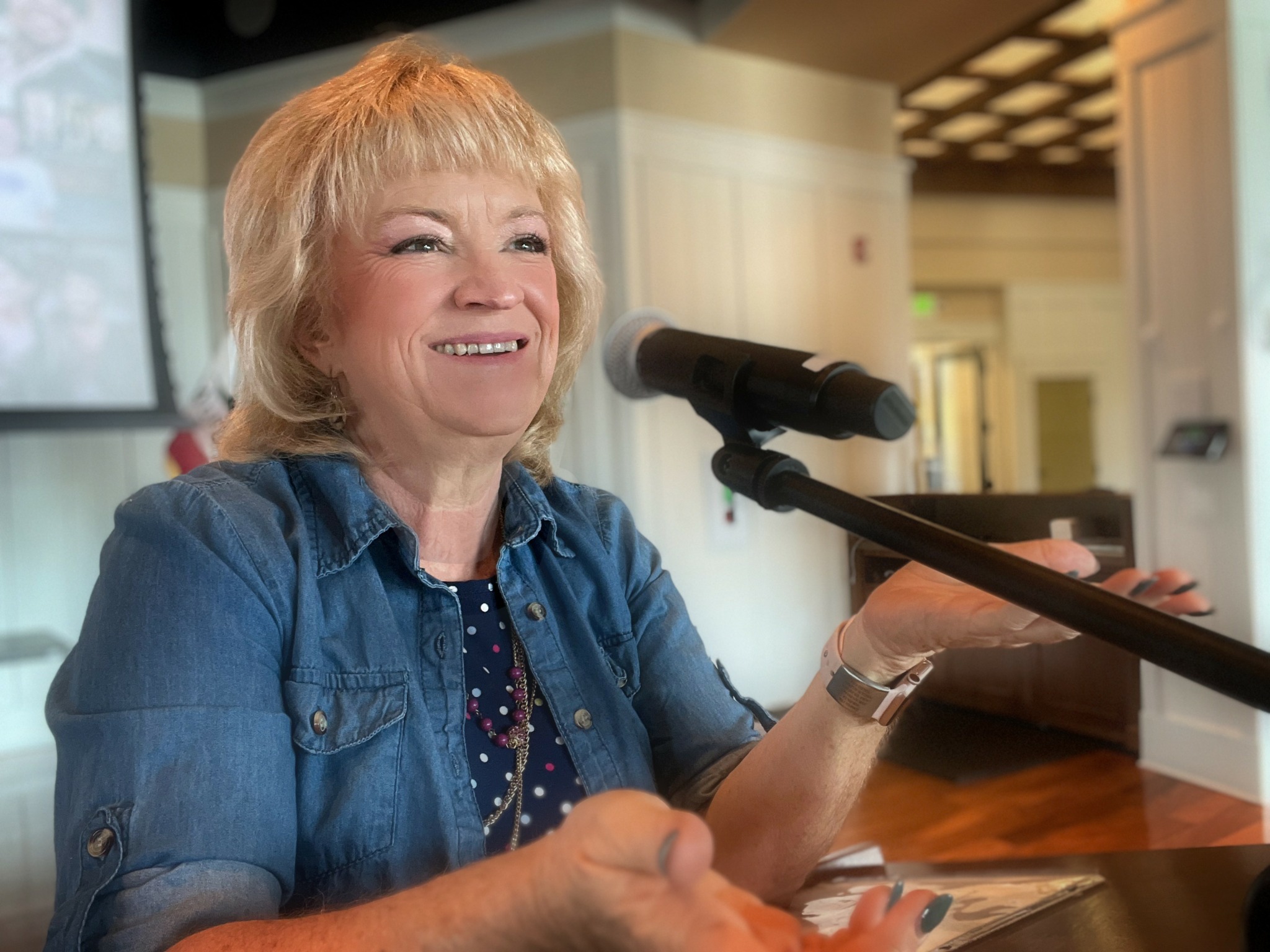
As always, we appreciate you sharing your insights and we’ve got a few more questions for you, but before we get to all of that can you take a minute to introduce yourself and give our readers some of your back background and context?
Jennifer Fink is a caregiving strategist and veteran advocate who spent over two decades navigating the complexities of Alzheimer’s and dementia. After managing the simultaneous, overlapping care of both her mother and grandmother, Jennifer realized that the biggest gap for families wasn’t a lack of love—it was a lack of strategy.
Leveraging her 20 years in the trenches and eight years as the host of the Fading Memories podcast (changing to Dementia Decoded 5/2026), Jennifer has curated a world-class “Rolodex” of medical, legal, and lifestyle experts. She moves caregivers beyond “just surviving” by providing battle-tested wisdom and the tactical roadmap necessary to manage the disease without losing their own sanity. Known for her sharp wit and refusal to sugarcoat the journey, Jennifer provides the expert guidance and humor families need to lead through the chaos of cognitive decline.
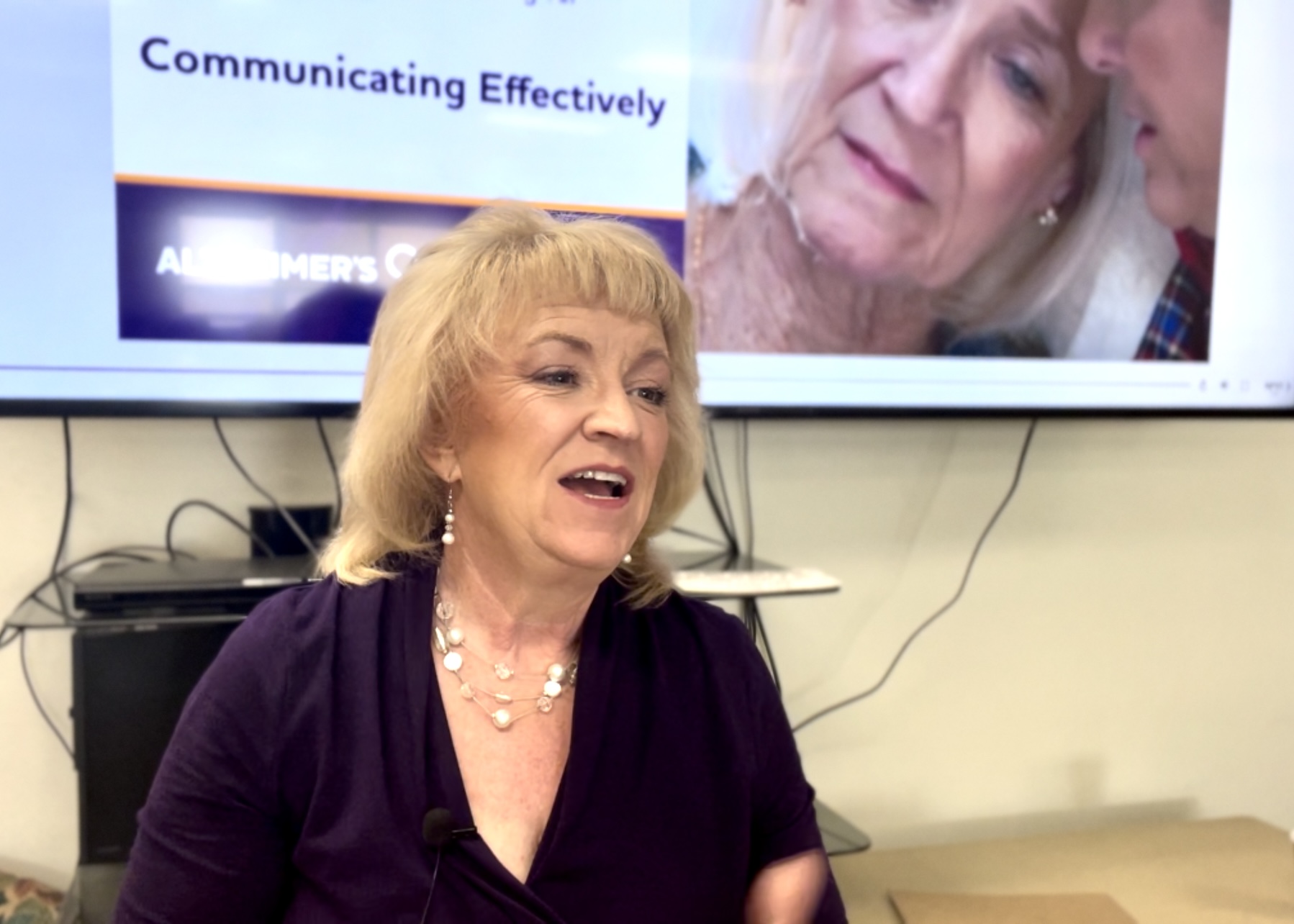
Let’s talk about resilience next – do you have a story you can share with us?
The Learning Curve of a Lifetime
When I first decided to start a podcast, I thought my background as a portrait photographer would give me a head start. After all, I spent my career capturing stories; I just had to switch from a lens to a microphone, right?
I couldn’t have been more wrong.
The learning curve was a mountain I hadn’t prepared to climb. Suddenly, I wasn’t just “Jen the Photographer”; I had to become an audio engineer, a digital marketer, a researcher, and a host. I remember sitting in front of my computer, staring at waveform patterns that looked like a foreign language. There were days when the software crashed, the audio hissed, or I spent hours editing a thirty-minute conversation only to realize I’d accidentally deleted the best part.
It would have been so easy to say, “I’m a visual person, not a tech person,” and walk away. But I knew this mission was too important.
I had to treat my own brain like the subjects I advocate for: I had to keep it challenged. Learning to “see” with my ears required a level of neuroplasticity I hadn’t tapped into in decades. I had to embrace being a “beginner” again at a stage in life where most people are looking to coast. I spent late nights watching tutorials, joined podcasting communities, and practiced until my voice felt as natural as my camera once did in my hands.
The resilience wasn’t just in hitting “record” every week; it was in the thousand tiny frustrations behind the scenes. It was in the commitment to show up for my listeners—and for my Mom’s legacy—even when I felt technologically outmatched.
Today, as I prepare to launch the paid version of my Substack and celebrate the 8th anniversary of the show under its new name, Dementia Decoded, I look back at those early, messy files with a sense of pride. That struggle wasn’t just about making a podcast; it was a masterclass in brain health. I didn’t just build a show; I built a stronger version of myself.
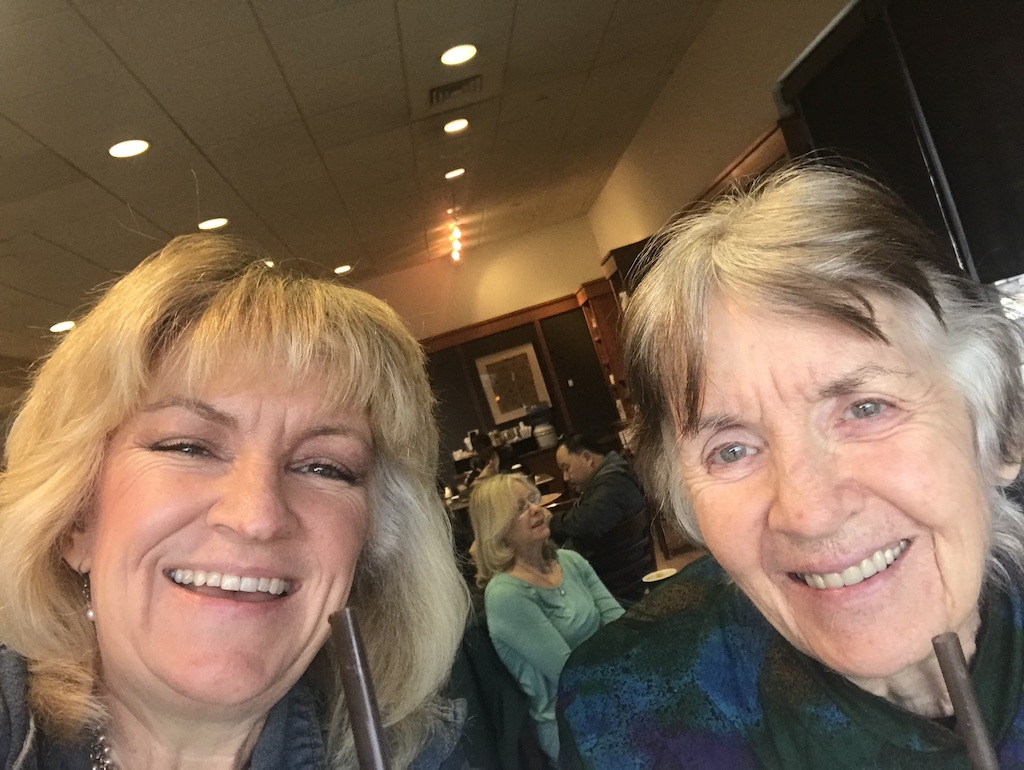
Learning and unlearning are both critical parts of growth – can you share a story of a time when you had to unlearn a lesson?
The Lesson I Had to Unlearn: Information is Not Connection
When I started my journey into advocacy and podcasting, I carried a very specific (and very wrong) assumption: If I just put the information out there, it will be enough.
Coming from a photography background, I was used to the “truth” being right there in the frame. I thought my job as a podcaster was simply to hit record, let a guest talk, and hit upload. I figured the facts would speak for themselves.
I had to unlearn that “passive” style of storytelling. It was a steep, sometimes humbling backstory.
1. From Passenger to Pilot
In the beginning, I’d let guests wander. I thought I was being respectful by not interrupting, but I soon realized that without “managing” the story, the most valuable lessons were getting lost in the weeds. I had to learn the art of the gentle pivot—how to listen with one ear to the guest’s heart and the other to the listener’s needs. I realized that a great host isn’t just a microphone stand; they are a navigator.
2. Respecting the Invisible Math (The Algorithm)
I also had to unlearn my resistance to the “algorithm.” Coming from the world of portraiture, I believed that if the work was beautiful and the message was true, people would naturally find it. I used to think that worrying about keywords, titles, or “engagement” was somewhat secondary to the subject matter. After all, how do you reduce a journey like Alzheimer’s to a “hook”? I didn’t want to be seen as a click-bait account.
I quickly learned that the algorithm isn’t just a hurdle; it’s the modern-day bridge. If I don’t “manage” how the story is packaged for the digital world, the message never reaches the person who needs it most—the caregiver crying in their car at 2:00 AM looking for hope. I had to learn that “playing the game” with technology and platforms isn’t selling out; it’s making sure the lifeline I’m throwing actually reaches the person in the water. Respecting the “math” is, ultimately, a form of respecting the listener.
3. The “Expert” vs. The “Best Friend”
Perhaps the biggest shift was unlearning the “Expert” persona. Early on, I felt I had to sound like a clinical authority to be taken seriously. But as a community educator and a daughter who walked this path with my Mom, I found that people didn’t need another textbook—they needed a “Caregiver Best Friend” who also happened to know the science.
I had to find the balance: presenting myself with the authority of someone who has “decoded” the complexities of dementia, but with the warmth of someone who knows exactly what it feels like to sit on the floor at your mother’s feet, just trying to find a glimmer of her soul.
Why Unlearning Matters
Unlearning these habits was a brain-health journey of its own. It forced me to be uncomfortable, to stay curious, and to constantly refine my “lens.” Today, I don’t just “put info out there.” I craft a conversation. I manage a story. And I show up as exactly who I am: a guide who’s been where you are and has found a way through the fog.
Contact Info:
- Website: https://www.fadingmemoriespodcast.com
- Instagram: https://www.instagram.com/alzheimerspodcast
- Facebook: https://www.facebook.com/AlzheimersPodcast/
- Linkedin: https://www.linkedin.com/in/jen-fink/
- Twitter: https://twitter.com/Jennifer_Fink
- Youtube: https://www.youtube.com/channel/UCO3X7ufUPUrq5j1aNcW_ELg
- Other: Apple: https://itunes.apple.com/us/podcast/fading-memories/id1372194620
Spotify: https://open.spotify.com/show/3deSSZyYhuvND3XQtbBE0W
Podplayers https://pod.link/1372194620
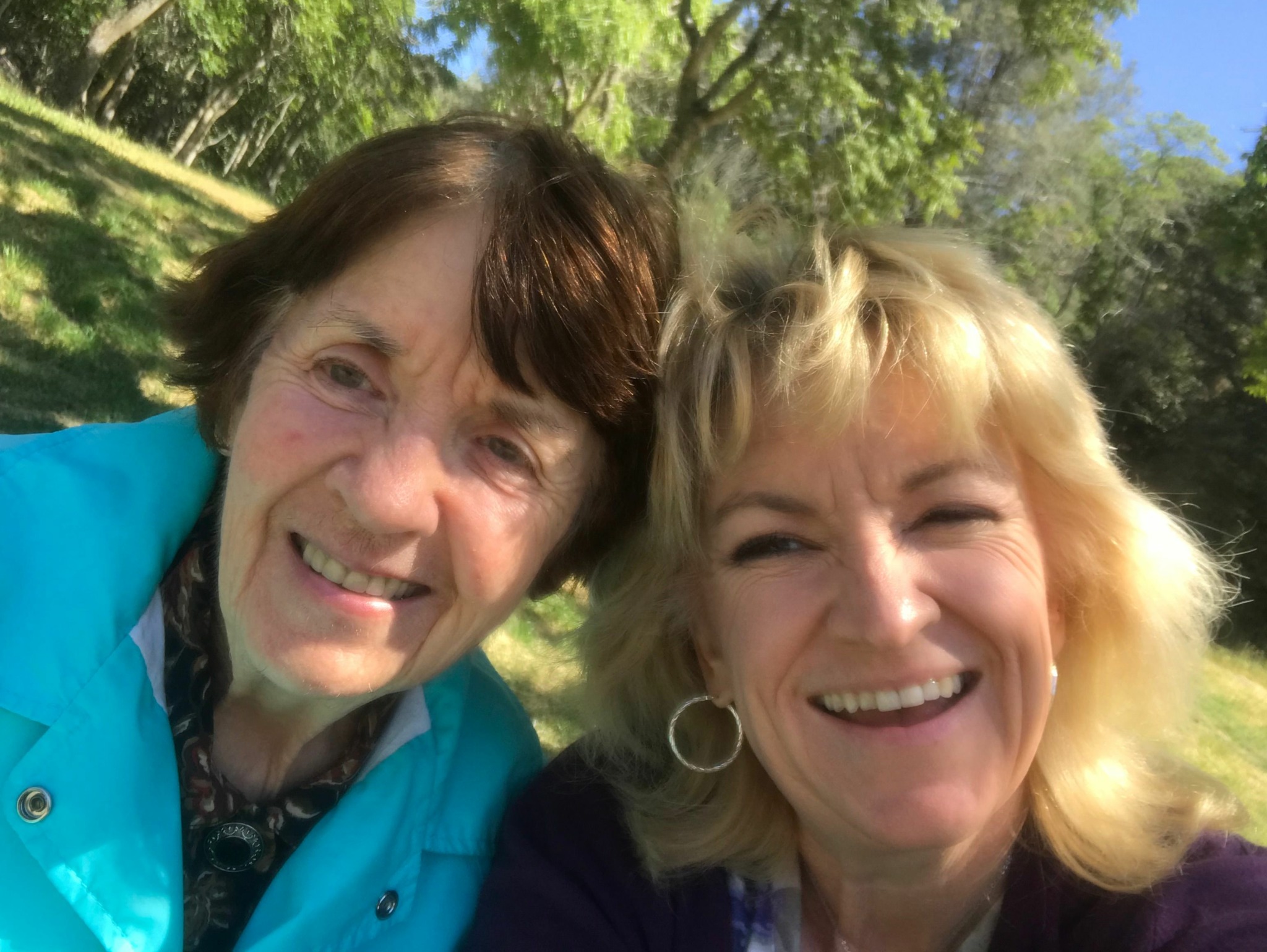
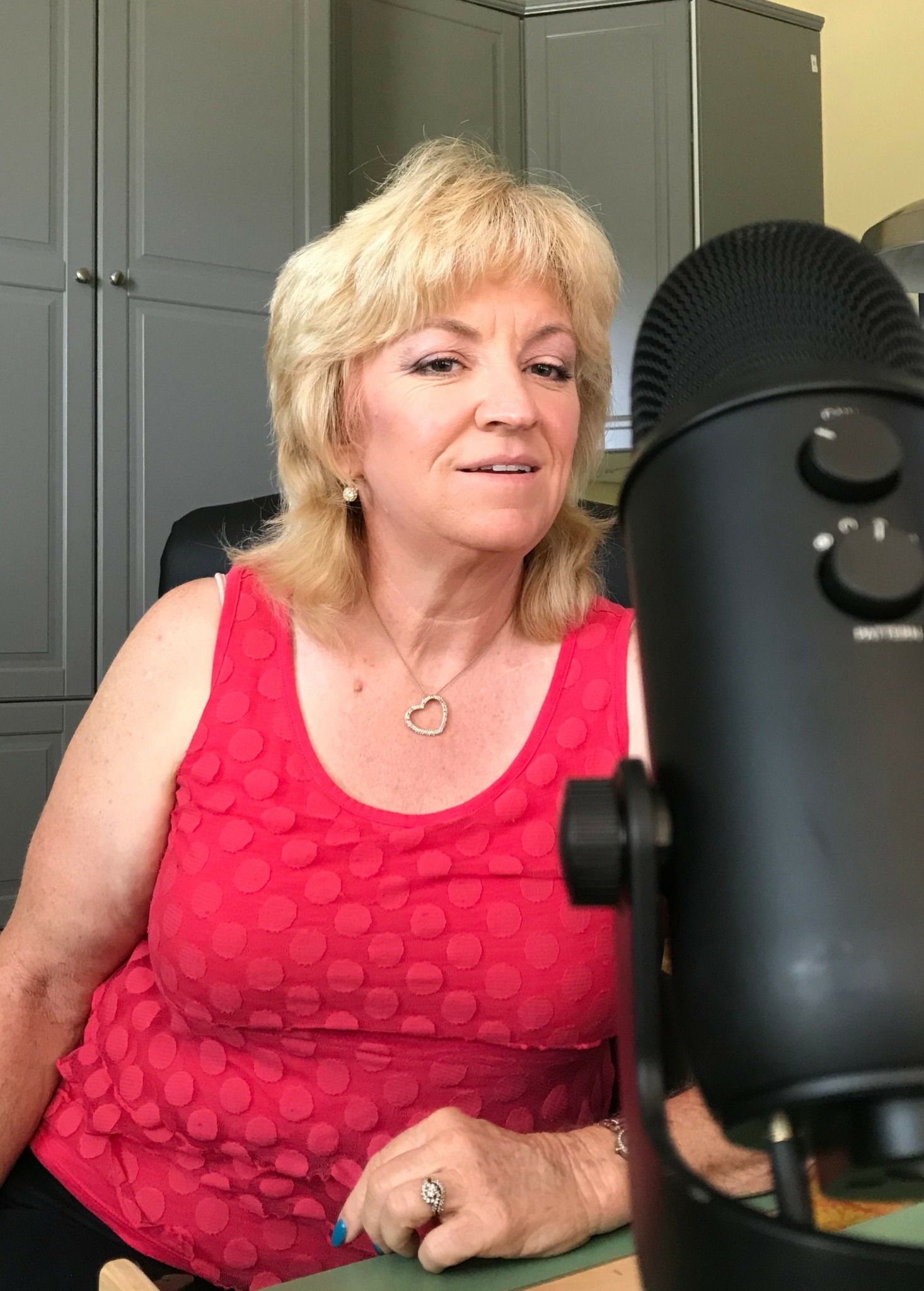
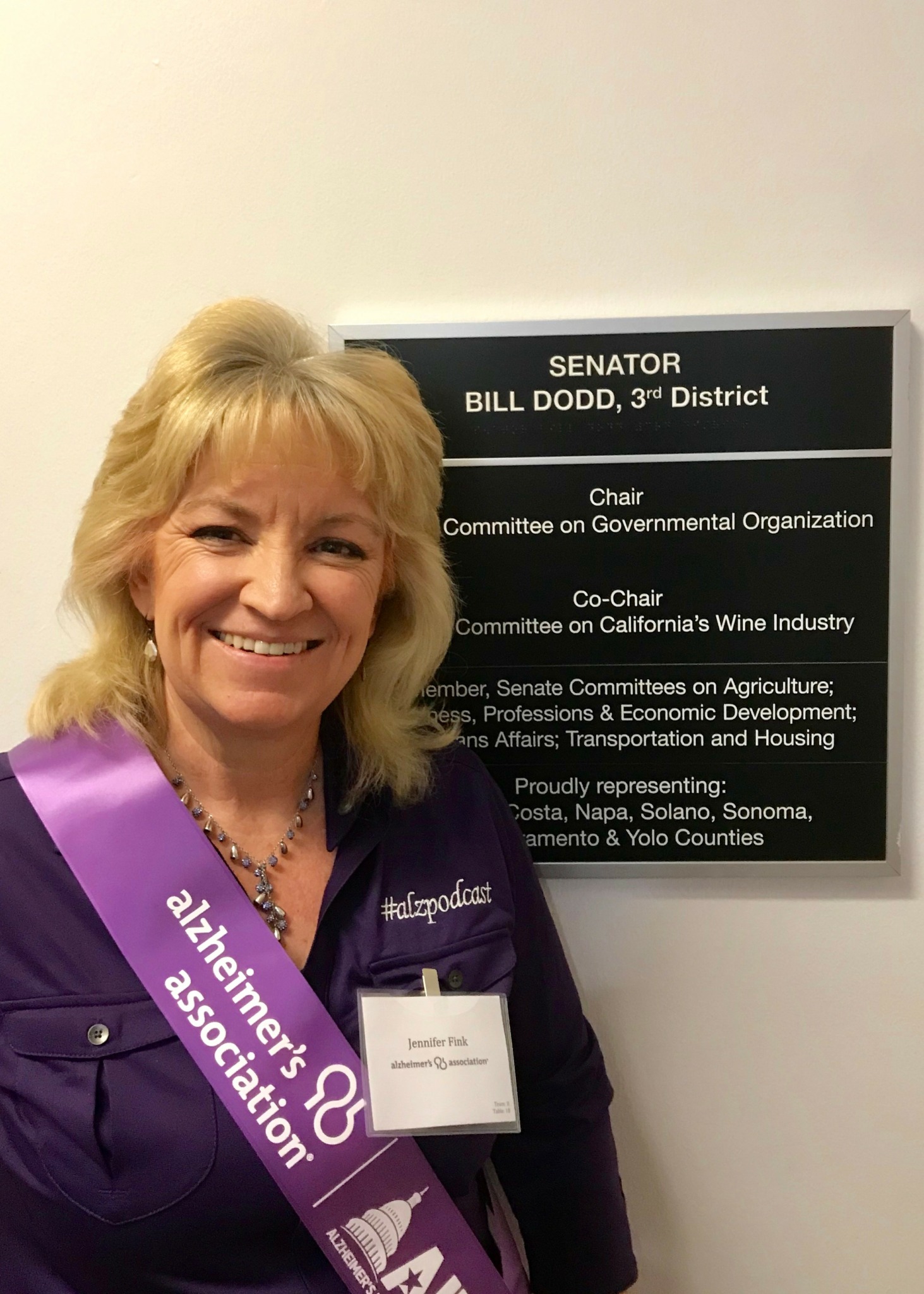
Image Credits
All taken by Jen Fink