



Alright – so today we’ve got the honor of introducing you to Edward Hamel. We think you’ll enjoy our conversation, we’ve shared it below.
Edward, looking forward to hearing all of your stories today. We’d love to hear about when you first realized that you wanted to pursue a creative path professionally.
I am fortunate to have found my creative and professional path at a young age. I started learning guitar at age 9 and playing shows with bands around 13 years old. My musical interests did not initially translate academically – I tried going to college right after high school for music but I didn’t really feel like I belonged there (for many reasons.) I moved to Chicago when I was 18 and continued playing in various bands trying to forge some type of career. Overtime, I found I had more ideas outside of being a songwriter/performer, and I developed an interest in music composition. I started undergrad when I was 20 studying music composition and continued down that path attaining a master’s degree in the field. Throughout all those years as a songwriter/performer and composer, I had worked with audio engineering a little bit, but I did not really become immersed in it until I moved to Los Angeles in 2013. I spent years freelancing as a recording and mixing engineer and found a great passion in the field. In 2020, I decided to switch to mastering full-time and I love it! I still perform as a drummer in a few bands (Shrineburner and END IT ALL) as well as a guitarist in an ambient/shoegaze project (Estesombelo) and write songs in a solo project (ONLY), and am an active composer, but I also work continuously as a mastering engineer with my studio Identity Mastering. Furthermore, I am a music educator and am the department chair at Harper College where I have been since 2020. I am lucky to have music occupy various facets of my creative, professional, and personal life.
Edward, love having you share your insights with us. Before we ask you more questions, maybe you can take a moment to introduce yourself to our readers who might have missed our earlier conversations?
My work as a mastering engineer started through a record label I co-owned called SCRIPTS Records. To help artists on the label, and keep costs low, I began mastering many of these releases myself. It was a fantastic learning experience; so much of what I learned about the mastering process, the manufacturing process, and working with artists/clients came through the SCRIPTS project. In 2020, I had to step away from the label to focus more of my time on my own studio Identity Mastering, but I cherish those formative years, and learning experiences.
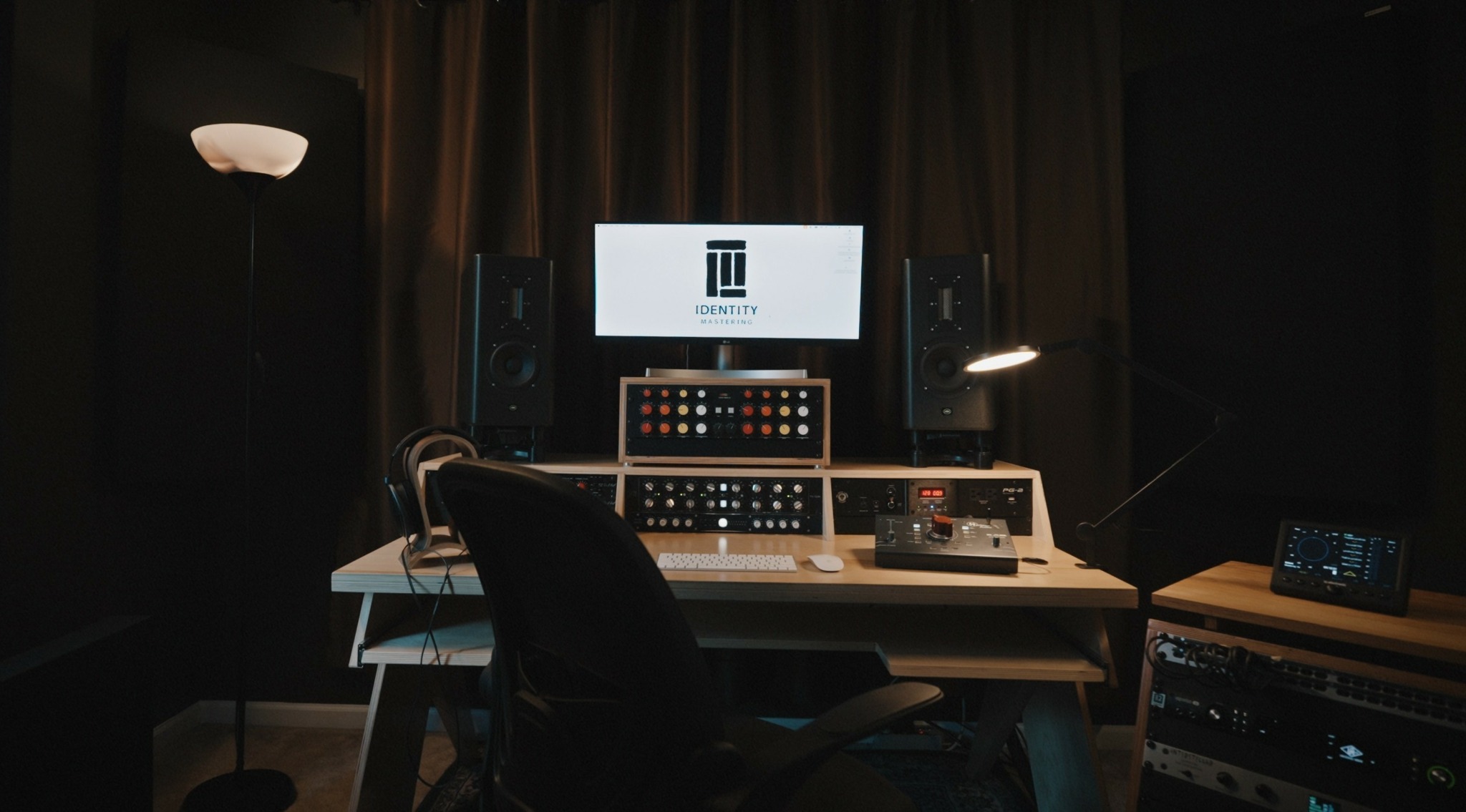
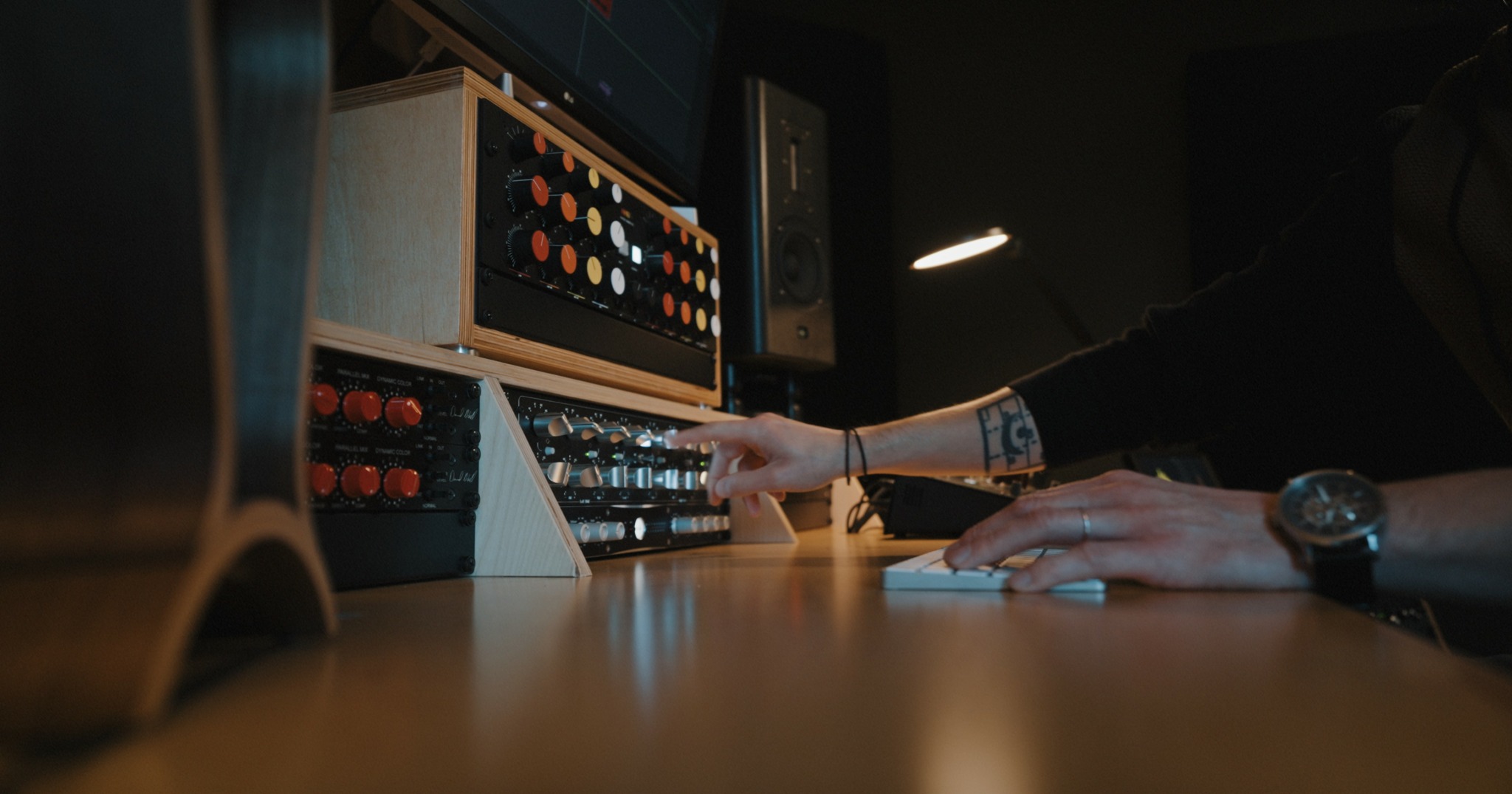
As a mastering engineer, I provide artists and labels the best quality work within their project’s budget. What makes me unique as a mastering engineer is my background as a musician and composer, educator and a record label owner. I have worked in so many facets of the music industry, I have a lot of insight to offer on a project, whether that is with the mastering process, budgets, marketing, etc. I work with various genres of music, but I seem to work mostly with more Experimental, Electronic, Contemporary Classical-type music, but also work with everything from Metal to Bluegrass to restoration projects. I approach each project with great empathy and respect. Frequently, I am one of the first people outside of the band/project to hear the album, and there can be some reservations about that, some anxiety. I do my best to bring out all of the potential from the music and from the mix, and get these musician’s work to sound as refined as possible. I settled on the name Identity Mastering because an artist’s work is part of their identity, they are sharing a facet of themselves with the world, possibly the largest facet of themselves. I want to make sure they feel appreciated and seen during the mastering process, and their work is the best it can be, always within their budget.
How can we best help foster a strong, supportive environment for artists and creatives?
I think giving some “value” to art is a huge benefit to a creative community. I don’t mean large amounts of money, but some exchange of “value” for a painting, album, live show, t-shirt, anything. Understandably, this can be difficult for certain artists and communities, and I know early in my career I had very little to no money, but everything has “value” in some fashion. Trading can potentially be more beneficial than working pro bono. As an example, I once recorded a musician that was/is an extraordinary drummer. On one hand, recording his project was a benefit to me: it helped me get my name out there, promote my work as a recording engineer, meet new musicians during the session, so on…After the session, I was willing to do a bit more work on the project if the client was willing to give me some drum lessons, and quite honestly they were some of the best lessons I’ve had! That was valuable, his time and guidance was valuable to me, as was mine to him.
Also, I usually try to work with Chicago-based artists and audio engineers. If I send my work out to get mixed by someone in Los Angles lets say, thats fine and there’s nothing wrong with that, but I would rather work with someone within my community, within the places I occupy. That way, the money I pay that engineer could go back into the Chicago community: paying the door fee at a show, buying a record from a local band, putting it back into their own studio, investing it into their own band, even paying their rent is a benefit to the community. $20 at a show can really help a band record their next album or print more merch; it all adds up, and it can be good to keep that financial exchange local to your community.
Are there any books, videos or other content that you feel have meaningfully impacted your thinking?
Some books a resources that helped me build Identity Mastering from the position of a business owner and audio engineer:
For business/entrepreneurial ideas:
– The E-Myth Revisited: Why Most Small Businesses Don’t Work and What to Do About It by Michael E. Gerber
– Charlie and the Chocolate Factory – Roald Dahl
– Working Class Audio Podcast
– The 4-Hour Workweek by Timothy Ferriss
For audio engineering ideas:
– Modern Recording Techniques by David Miles Huber
– Mastering Audio: The Art and The Science by Bob Katz
– Audio Mastering – Essential Practices by Jonathan Wyner
Contact Info:
- Website: https://www.identitymastering.com/
- Instagram: @identitymastering
Image Credits
Profile Photo – Tracy Conoboy
Studio Photos – James Kozar