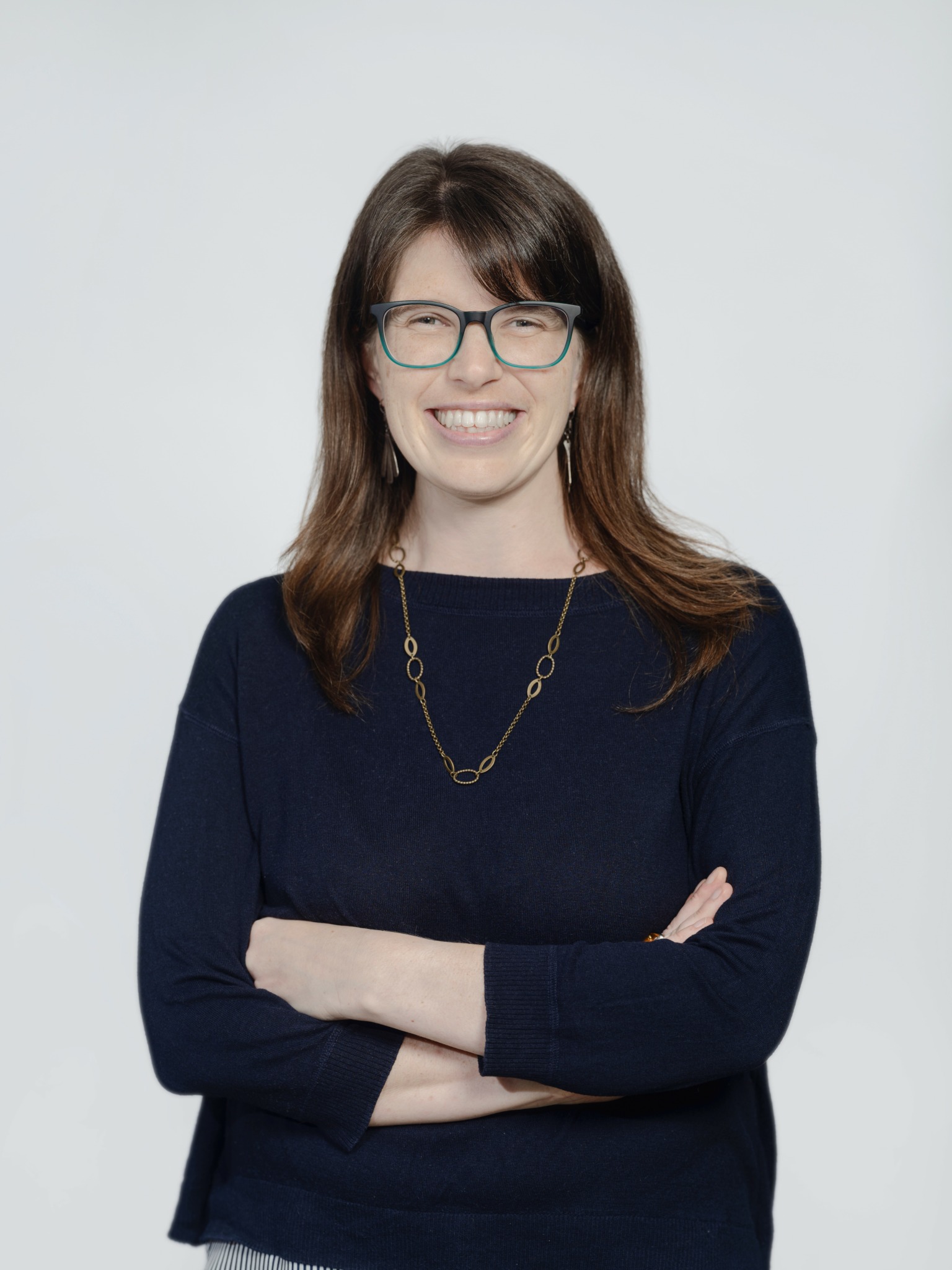

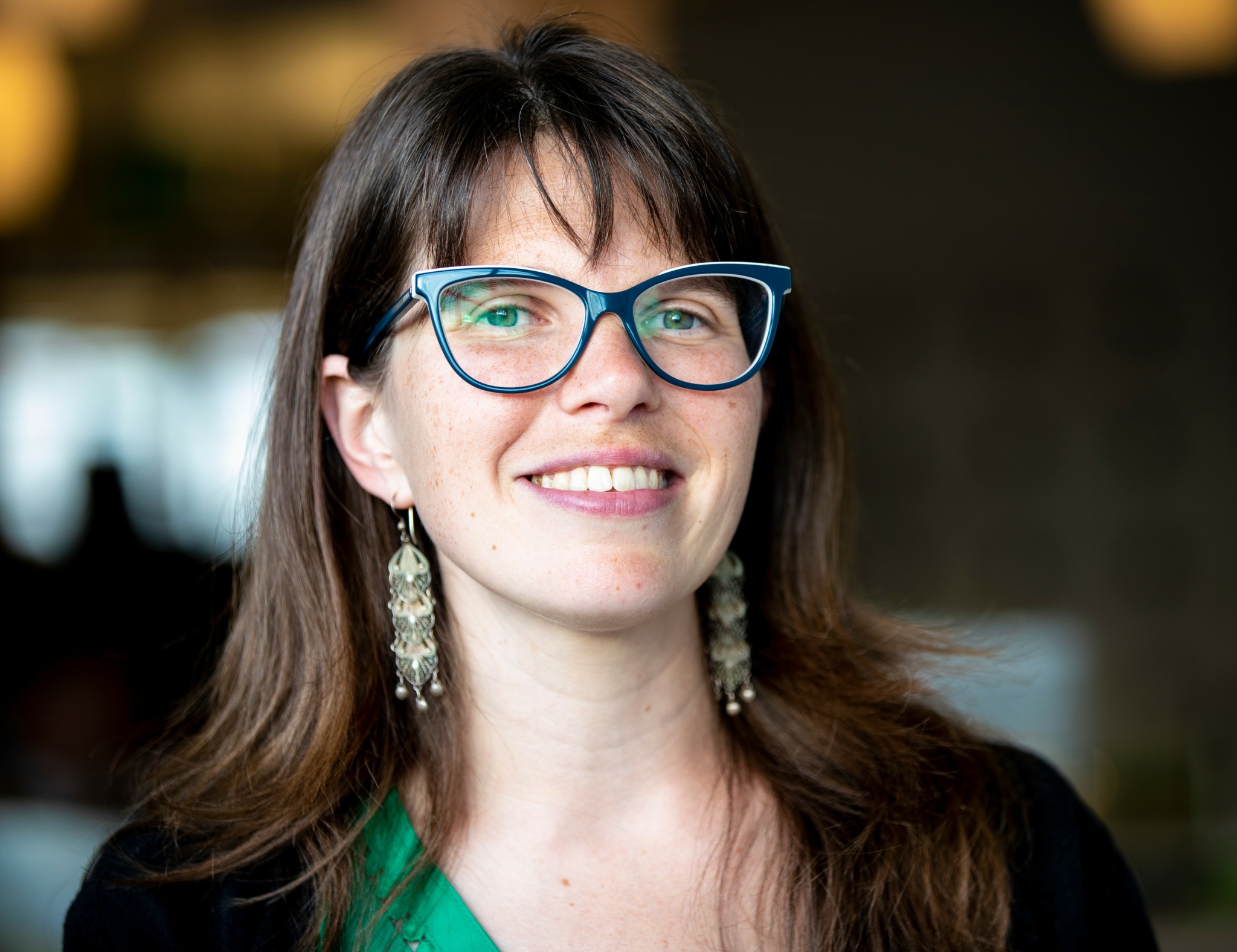
We caught up with the brilliant and insightful Alexis Haselberger a few weeks ago and have shared our conversation below.
Alright, Alexis thanks for taking the time to share your stories and insights with us today. How did you come up with the idea for your business?
Absolutely. Here’s a revised version based on your actual story, in your voice:
I never imagined I would be a business owner. For a long time, I worked in startups, and honestly, entrepreneurship felt too risky to me. I liked building things, I liked fast-paced environments, and I liked doing meaningful work, but I assumed starting my own business was for other people. Not me.
What I did know was that, over time, I had become very good at something that did not seem to come naturally to most people around me: valuing my own time, and excelling in my career, without constantly sacrificing nights and weekends.
In startup environments, especially, that was not the norm. There is often an unspoken expectation that work expands to fill every available corner of your life. But through a lot of trial and error, I had figured out how to be highly effective during a regular 40-hour workweek, how to stay organized, how to get important things done, and how to keep work from bleeding into all the time that was supposed to belong to the rest of my life.
People noticed.
Over time, colleagues started coming to me for help. They wanted to know how I stayed organized, how I kept track of everything, how I got things done without always working late, and how I seemed to have systems that made work feel more manageable. It was not formal at first. I was just the person people asked.
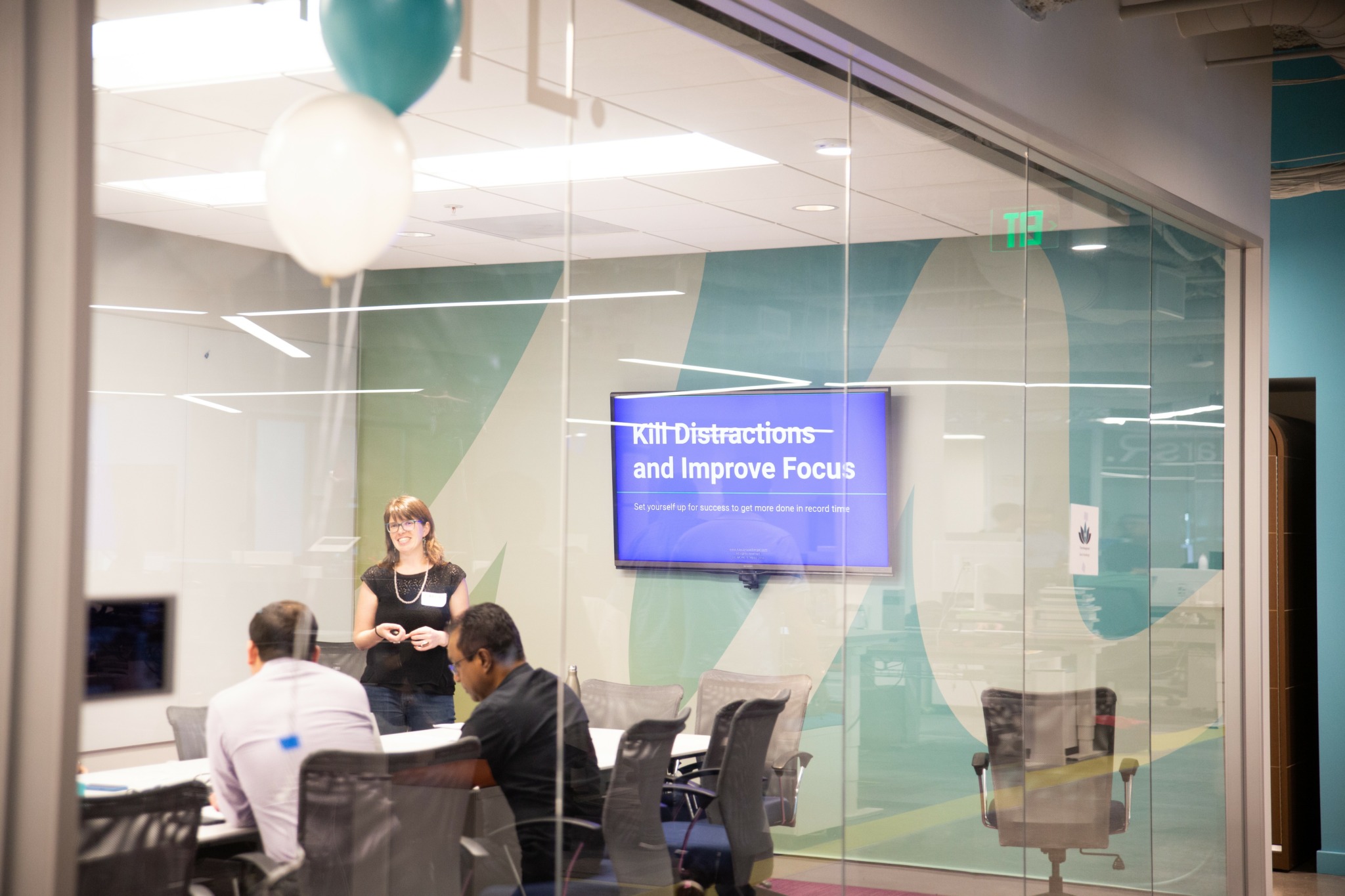
Then one of the CEOs I worked for asked if I could do a productivity workshop for the team. His framing was basically: just teach people all the stuff you already do.
And I remember thinking: “that sounds like the most fun thing anyone has ever asked me to do.”
I was genuinely excited. I put the workshop together, delivered it, and it went great. People loved it. That was the moment the spark really lit up for me. It made me realize that this was not just something I was personally interested in or happened to have become good at. It was something other people truly needed and valued.
Later, when the last startup I worked at went out of business, I had this moment of clarity. I realized that productivity, time management, and stress reduction were already the things people came to me for. They were also the things I was most interested in and most energized by. And because I had figured so much of it out through experimentation, mistakes, and real-life experience, I felt like I had something useful to offer.
Part of what made this feel so worthwhile was how obvious the gap was. Nobody really teaches this stuff. Not in school, and often not at work either. People are handed more responsibility, more demands, and more complexity, and then expected to just somehow figure it out. It is very “sink or swim”.
I knew from my own experience how hard that could be. I also knew it was learnable.
That is what made the business make sense to me. I was not trying to invent a market or force an idea. I was paying attention to a real need that I had lived myself and that other people were already asking me to help with. The demand was there. The interest was there. And the work itself was exciting to me in a way that felt very clear.
What excited me most was the chance to help people succeed, at work and at home, by whatever definition of success was specific to them. Not just to be more productive for the sake of doing more work, but to help people do excellent work and still have a life. That felt meaningful to me then, and it still does now. It’s why I keep doing what I do
As always, we appreciate you sharing your insights and we’ve got a few more questions for you, but before we get to all of that can you take a minute to introduce yourself and give our readers some of your back background and context?
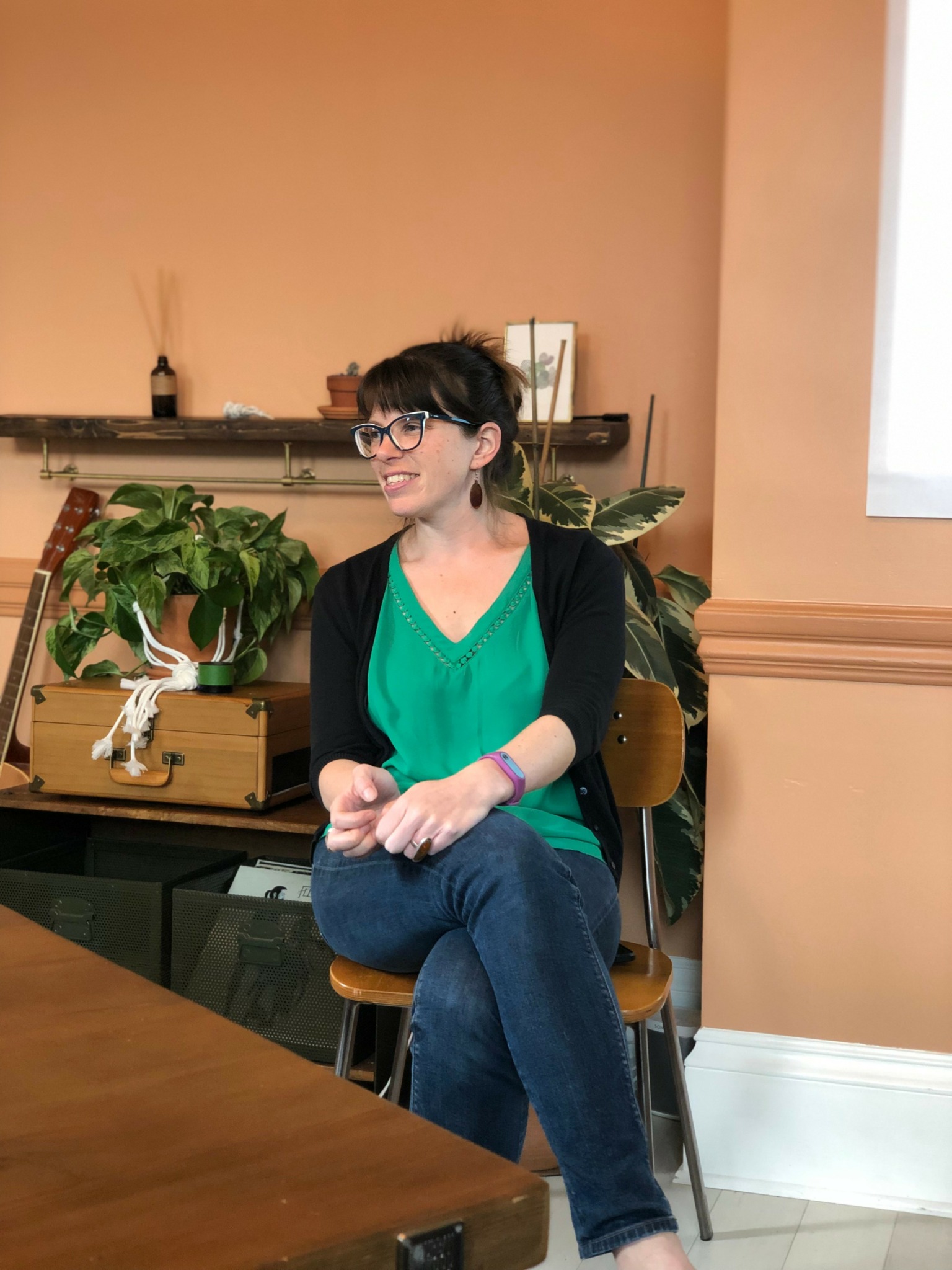
I’m a time management, productivity and stress reduction coach, and I help people do more and stress less without becoming robots, waking up at 4 a.m., or turning their entire lives into one long optimization project.
I got into this work because I had to figure it out for myself first. Through a lot of trial and error, I learned how to manage my time in a way that allowed me to excel professionally while still having a very full life outside of work. Then, over time, I started helping other people do the same. What began informally, with colleagues coming to me for advice and support, eventually turned into workshops, coaching, and a business built around helping people create more sustainable, realistic ways of working and living.
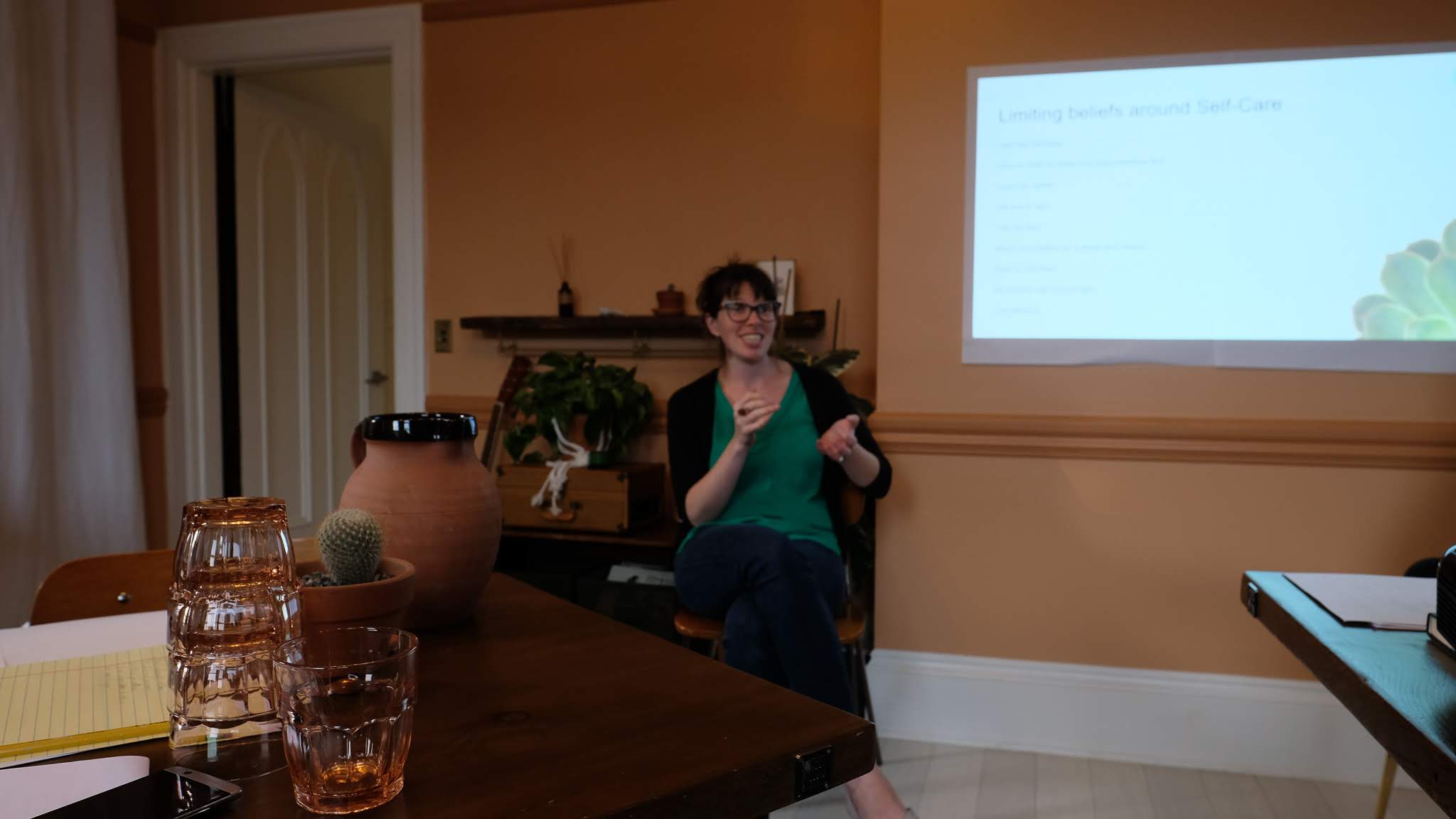
Today, I work with individuals and organizations through 1:1 coaching, team coaching, workshops, speaking, and online courses. At the core of all of it is the same goal: helping people feel less overwhelmed, less scattered, and less like they are constantly failing some impossible test of adulthood or professionalism. I help people build systems for planning, prioritization, task management, follow-through, and boundaries, but I also help them rethink their expectations around time, capacity, and what it actually means to use time well.
What really sets me apart is my philosophy around productivity itself.
I am not interested in productivity for productivity’s sake. I care about efficiency and effectiveness because they create space for a fuller life. The point is not to cram more work into every hour. The point is to help people do what matters, reduce unnecessary stress, and protect time for the things that make life worth living. And those things may be different for everyone. No judgment here.
That means I do not take a one-size-fits-all approach. I am not here to hand people a rigid routine and tell them to just be more disciplined, wake up earlier, or push harder. That advice works for a tiny minority of people, but for most people it doesn’tt. And even when it does “work,” it often comes at a significant cost and isn’t sustainable.
I believe the best systems are the ones that work with who you are, not against you. They need to take into account your natural tendencies, your workload, your season of life, your energy, your responsibilities, and the way your brain actually functions. I have ADHD myself, so this work has always been personal for me. A lot of standard productivity advice did not work for me, and figuring out why was a big part of what shaped my approach. It taught me that not everything works for every person, every brain, or every circumstance, and not everything works forever. Good systems often need to be adjusted, rethought, and rebuilt over time.
That perspective is a huge part of my work.
Another thing that is central to my brand and my practice is compassion, especially self-compassion. I hate shame-based language. I hate the word lazy. I think a lot of people have absorbed the idea that if they are overwhelmed, behind, inconsistent, or struggling to follow through, the problem is some kind of personal failing. I don’t believe that. I think many people are trying to operate under unrealistic expectations, in demanding systems, with insufficient support. They don’t need more judgment. They need better tools, more realistic plans, and more kindness toward themselves as they figure out what works.
I care deeply about helping rid the world, at least in my corner of it, of shame around time, productivity, and capacity.
I also think we live in a culture that overvalues the end goal and undervalues the day-to-day experience of being alive. We are often taught to chase achievement at any cost, as if the only thing that matters is the result. I don’t see it that way. Yes, I want my clients to get done what they need to get done. Yes, I want them to be effective. But I also want them to enjoy their lives. I want them to have time that is protected for what matters outside of work. I want them to feel more present, more intentional, and less like they are always sprinting to catch up.
That is the work I am most proud of.
I am proud that I have built a business around a different message. One that says you can be ambitious and humane. You can be effective without burning yourself out. You can care about productivity without worshipping productivity. You can learn skills, build systems, and get better at managing your time without making your life smaller or harsher in the process.
What I most want people to know is that my work is not about becoming some idealized version of a “perfectly productive person.” It is about building a way of working and living that is realistic, personalized, and sustainable. It is about helping you do what matters most with less stress and more intention. And it is about doing that in a way that leaves room for your actual life.
We’d love to hear a story of resilience from your journey.
One thing that really reflects resilience in my journey is that I have built and continued to run my business through some very hard seasons of life.
A few year ago, I was diagnosed with breast cancer. That forced me to rethink a lot very quickly. I needed to make space to take care of myself, to heal, and to move through treatment, while also deciding what I wanted my business to look like during that time. I did step back some. I took some time off. I adjusted my capacity. But I also continued supporting my clients through most of that period, because the work mattered to me and because I had built a business that could flex with my life rather than steamroll over it.
I have also weathered the death of my father, who I was very close to, while raising two teenagers and navigating the ongoing effects of cancer treatment, including chemically induced menopause. There has been a lot to hold.
What I am proud of is not that I pushed through at all costs. It is that I didn’t. I made adjustments. I let my business support me instead of demanding that I override my own needs. Part of that has meant intentionally building a four-day workweek so I have time for my life, my family, my health, and the appointments and realities that come with all of that.
So for me, resilience has not looked like pretending nothing was hard. It has looked like building a business and a way of working that can bend with life, and continuing forward without abandoning myself in the process.
What’s worked well for you in terms of a source for new clients?
The best sources of new clients for me have really been two things: organic discovery and referrals.
The first is people finding me when they are searching for help, whether that is through Google or, increasingly, through AI tools like ChatGPT and Claude. I think that is the result of years of consistently putting valuable work into the world. I have written a weekly blog for the past eight years, published over a hundred podcast episodes, been interviewed on many other podcasts, and been quoted in a wide range of publications. All of that has helped make my work visible and has made it easier for people to find me when they are actively looking for support with time management, productivity, or stress reduction.
The second, and in many ways the one I am most proud of, is referrals.
Referrals mean someone had a genuinely meaningful experience working with me and felt confident enough in the results to recommend me to someone else. That feels incredibly significant. One of my favorite things is when I get a referral from someone I haven’t worked with in years, because it tells me that the systems and strategies we put in place didn’t just help in the moment. They lasted. They continued to serve that person well enough over time that, years later, they still thought of me when someone else needed help.
So while visibility brings people in, referrals are probably the clearest sign to me that the work itself is doing what I want it to do.
Contact Info:
- Website: https://www.alexishaselberger.com
- Instagram: https://www.instagram.com/do.more.stress.less/
- Facebook: https://www.facebook.com/domorestressless
- Linkedin: https://www.linkedin.com/in/alexis-haselberger/
- Youtube: https://www.youtube.com/c/DoMoreStressLess
- Yelp: https://www.yelp.com/biz/alexis-haselberger-time-management-and-productivity-coaching-san-francisco
- Other: https://www.tiktok.com/@do.more.stress.less