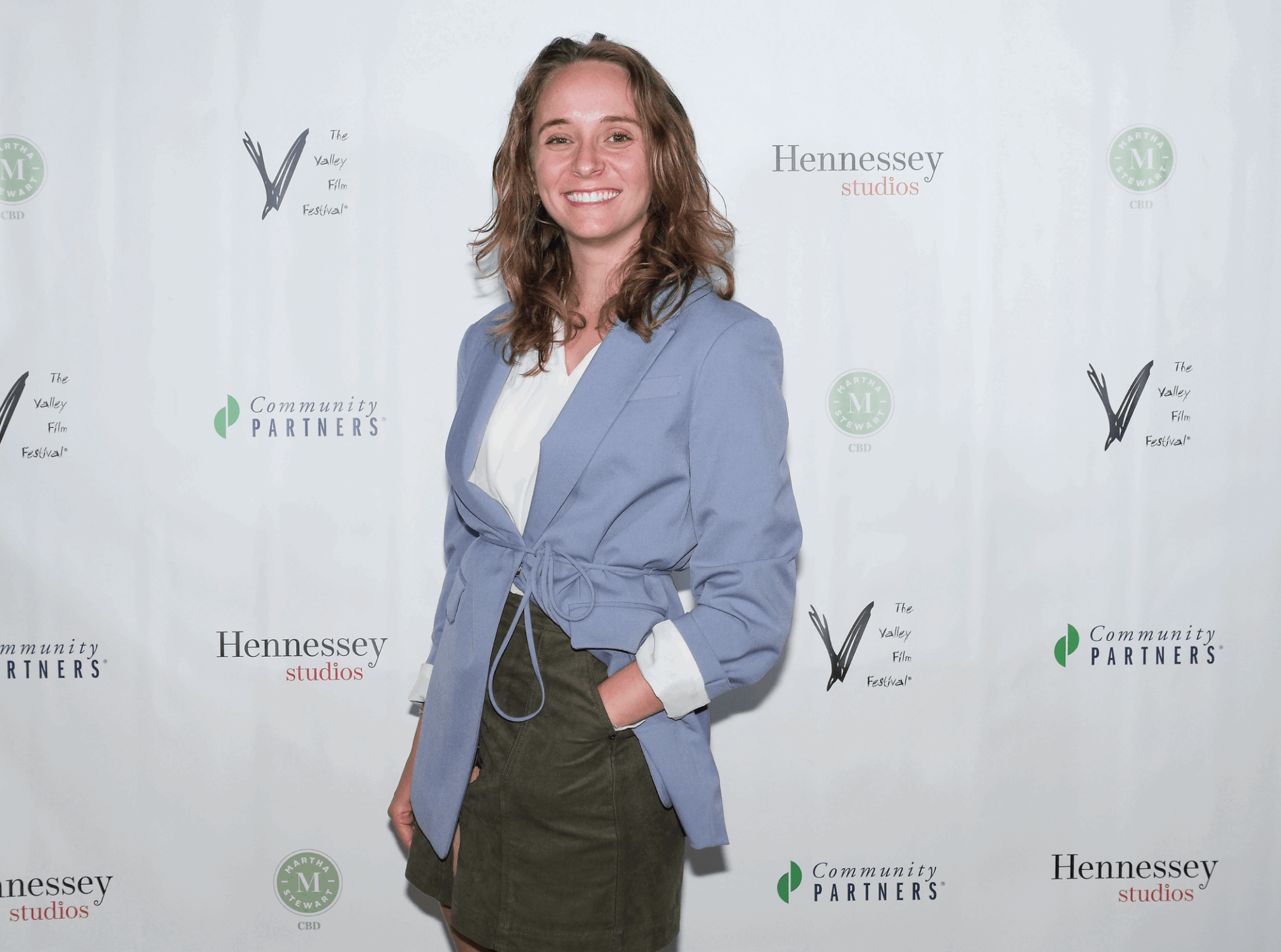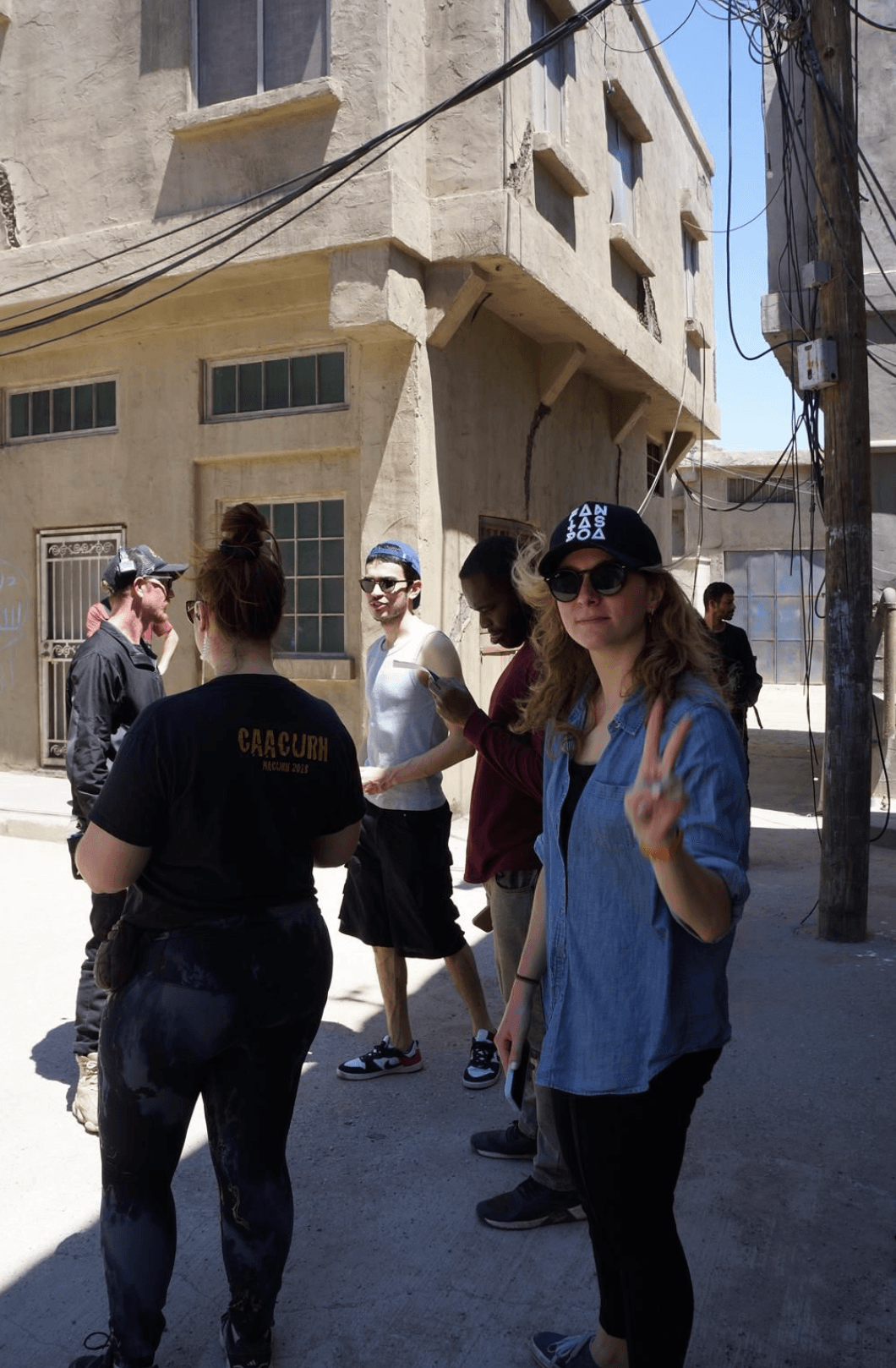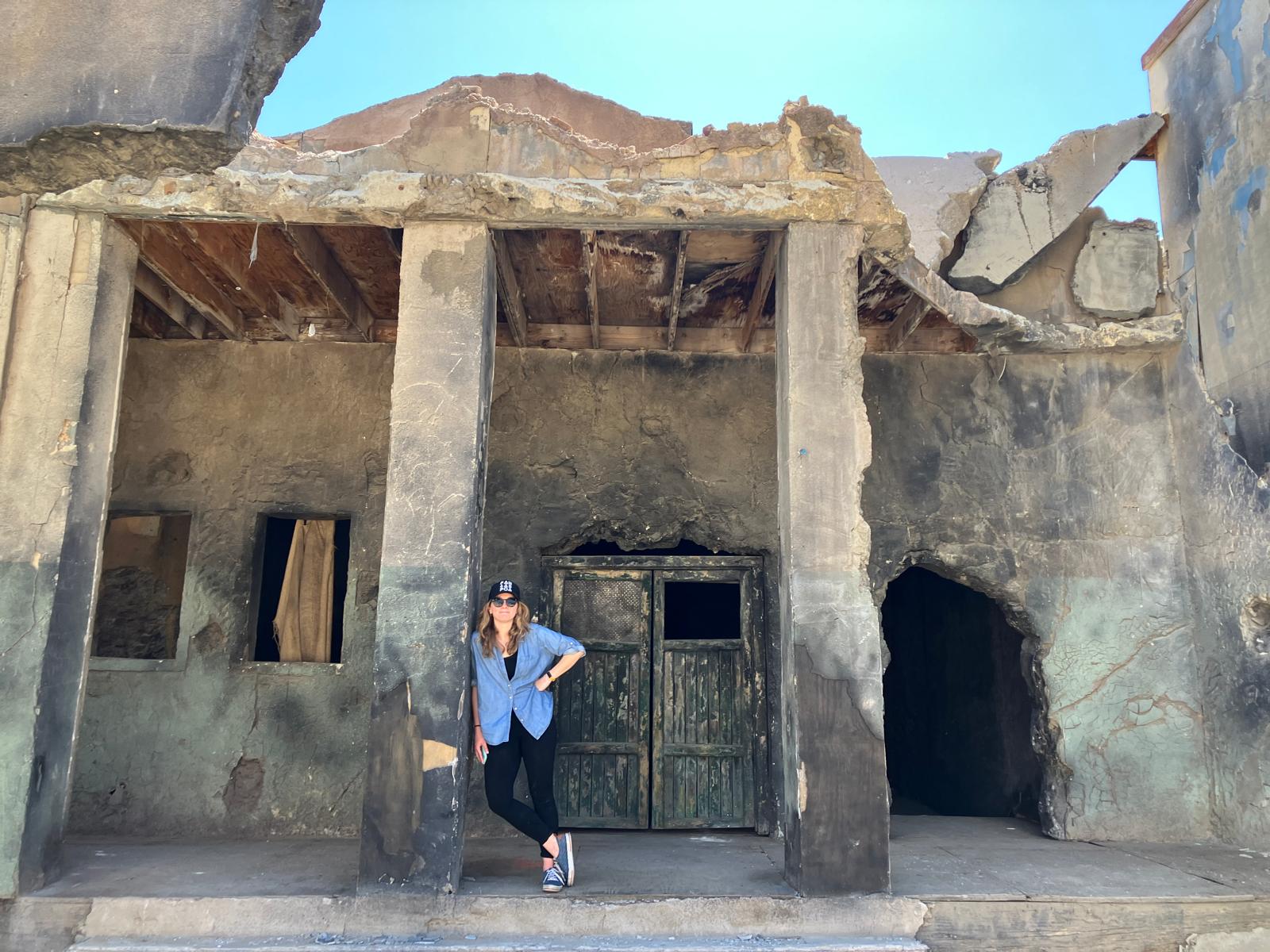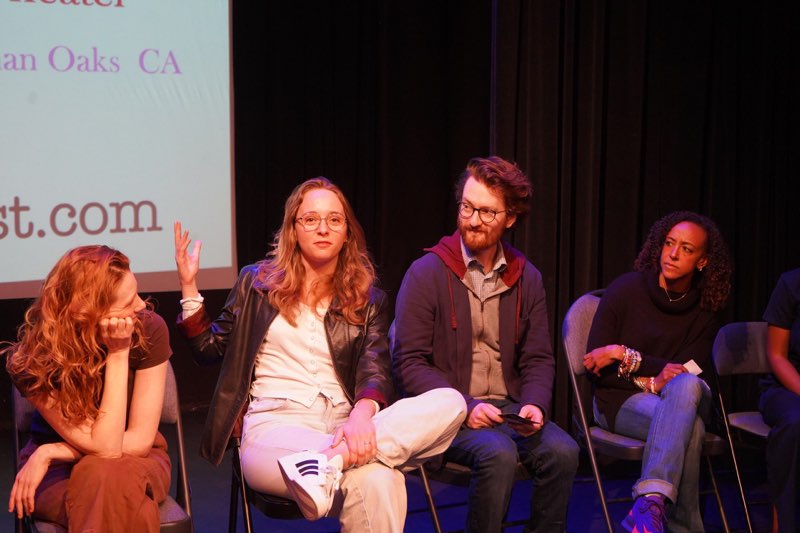

We’re excited to introduce you to the always interesting and insightful Laura Medeiros. We hope you’ll enjoy our conversation with Laura below.
Laura, thanks for taking the time to share your stories with us today Can you open up about a risk you’ve taken – what it was like taking that risk, why you took the risk and how it turned out?
I think taking risks is a constant in the entertainment industry – whether you’re a producer like myself, an actor, director, or writer. When I made my first short film, Good Times/Bad Times, where I served as producer, director, and writer, I was incredibly nervous about putting it out into the world.
No matter how much I tried to polish it, I couldn’t stop noticing the small issues here and there – cinematography, production design, editing. Even though people close to me kept telling me the film was great, I kept revisiting it and working on it endlessly.
At a certain point, I realized it was time to stop.
I set a deadline, locked the film, and began submitting it to festivals.
The result? The film was selected for 10 respected festivals around the world and even received several award nominations.
The takeaway is simple: you will always be your own harshest critic. But if you want to succeed in the film industry, you have to take a chance on yourself and allow yourself to be vulnerable – even when you’re not completely sure about your work.
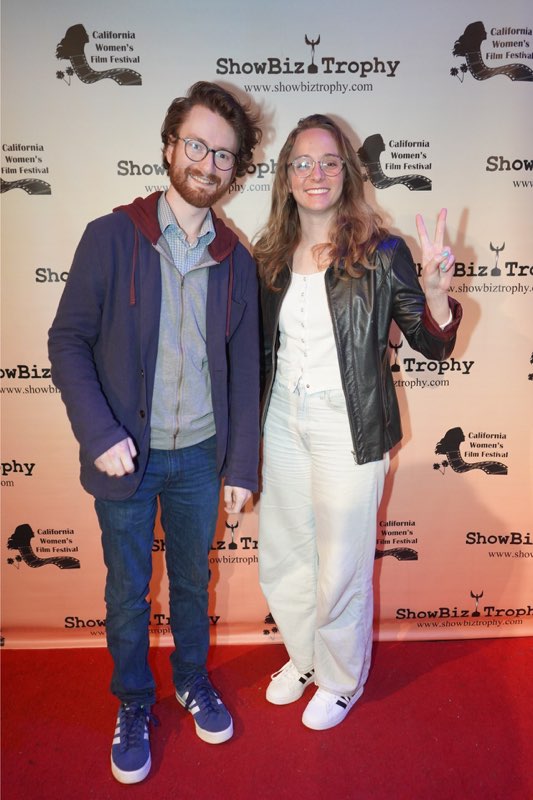
As always, we appreciate you sharing your insights and we’ve got a few more questions for you, but before we get to all of that can you take a minute to introduce yourself and give our readers some of your back background and context?
I am a Los Angeles–based film producer who received my first opportunities in the industry shortly after completing my MFA in Film Producing. I feel incredibly fortunate to have started working right after finishing school, and I attribute that to making the most of my time there – whether through extensive networking or by fully committing to the internships and projects I was part of.
As a producer (and a passionate writer as well), I enjoy being deeply involved in the creative process while remaining highly budget-conscious. I often take on both creative and line producing roles on projects of various sizes – providing script notes, location scouting, creating strip boards, and putting out the many metaphorical fires that arise on set. I pride myself on a proactive and collaborative approach, balancing the artistic vision of a project with the practical realities of a business-driven industry.
Although I’ve worked on features, shows, interactive media, and web series, some of the projects I’m most proud of are my micro short films Good Times/Bad Times (2023) and Hit-Woman (2026). Both films were made on shoestring budgets with crews of no more than seven people. Despite these limitations, they were selected by respected film festivals across the U.S. and internationally. To me, this reinforces an important truth: no matter the size of a project or its production value, there is always an audience out there for a compelling story.
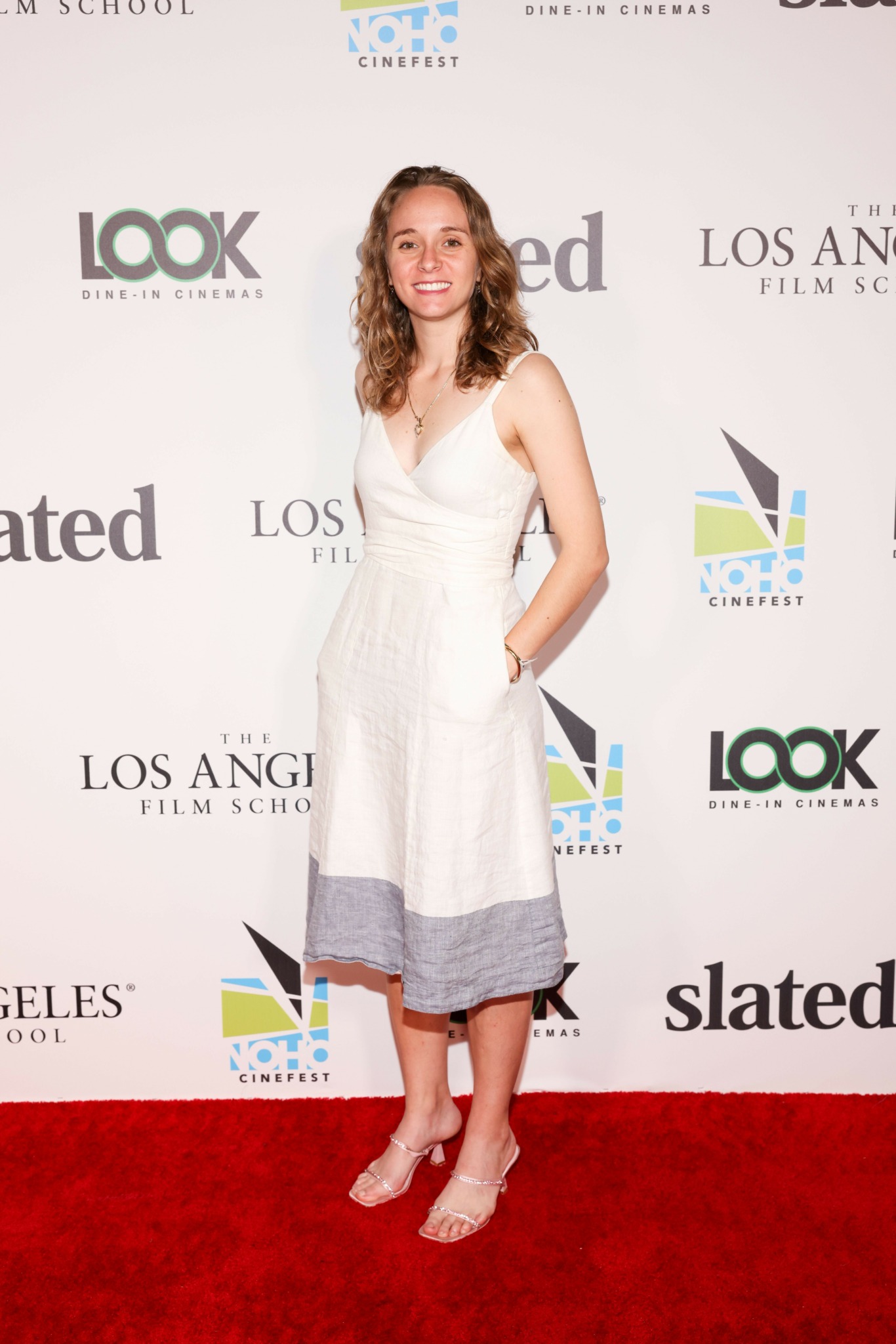
Any resources you can share with us that might be helpful to other creatives?
Although it’s nothing new, I think it’s always worth emphasizing the importance of networking. The word itself can feel intimidating – often associated with pressure or the anxiety of meeting new people – but building genuine connections with your peers is incredibly valuable.
The key is that those connections need to be authentic. Don’t just exchange Instagram or LinkedIn profiles and call it a day. Take the time to talk, listen, and engage with what people are doing. Not because you’re looking for someone who can attach you to a project or because you want a collaborator right away, but because you’re genuinely interested in meeting them.
Networking shouldn’t be about getting something out of someone. Focus first on getting to know the person behind the work – who they are, what they care about, and what inspires them. From there, you can naturally decide whether working together makes sense. Finding common ground – whether that’s films, hobbies, or shared interests -is a great way to start a conversation. Don’t feel pressured to talk about work or projects immediately.
If you approach connections with a more friendship-focused mindset from the start, those relationships tend to last much longer.
Personally, I enjoy using resources that help me find people with similar interests. Two of my favorites are using the Meetup app and attending events hosted by film organizations I follow. One group I really enjoy is Brazil Screens, which hosts happy hours for Brazilian filmmakers to connect.
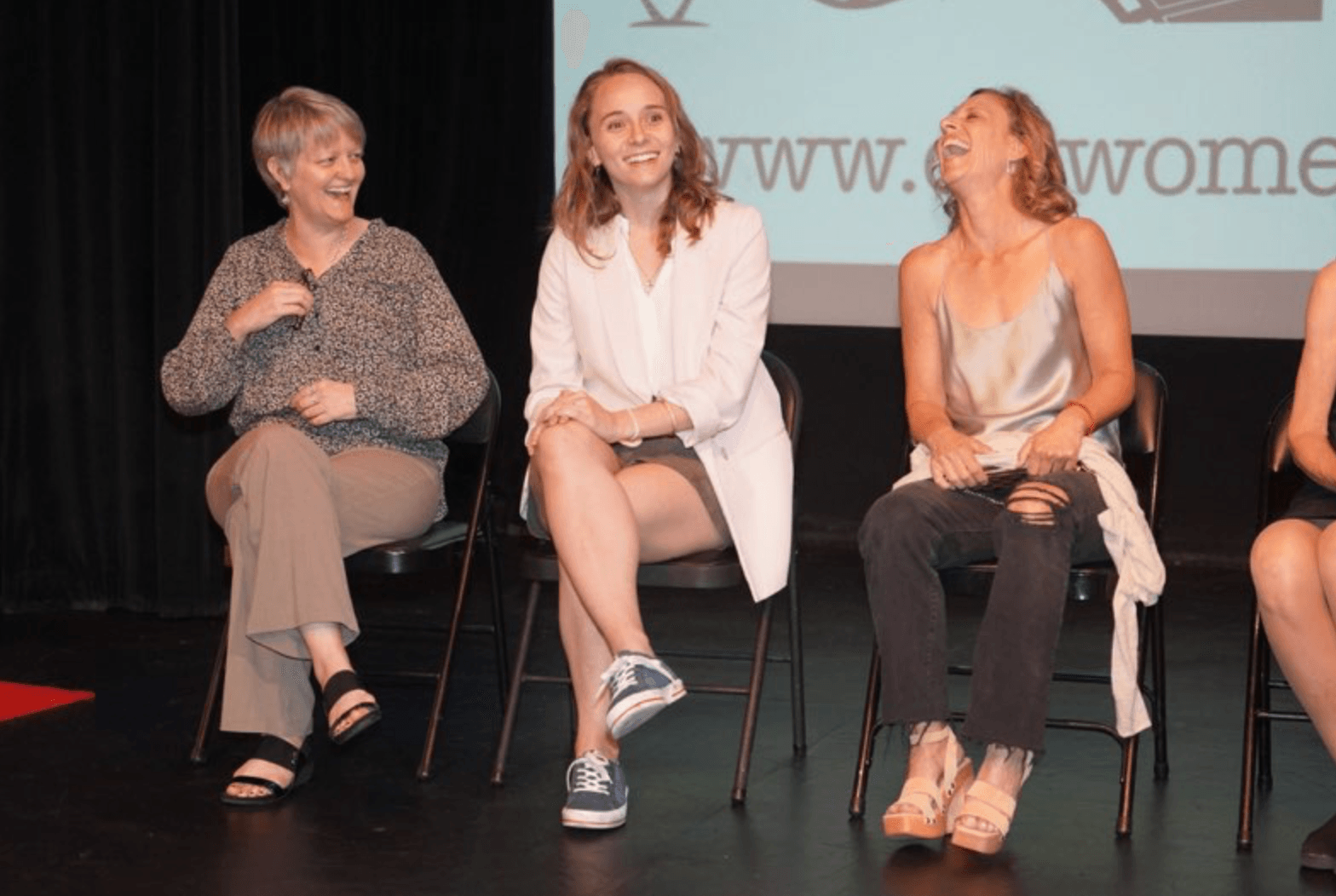
For you, what’s the most rewarding aspect of being a creative?
Seeing an audience react positively to your film during a screening is one of the most rewarding experiences as a filmmaker. Whether they laugh at the right moments, feel terrified during a suspenseful scene, or gasp when something unexpected happens, those reactions are a powerful reminder that the story is connecting with them.
Hearing and feeling those responses in real time is a testament to the immense amount of work and meticulous craft that went into the project – from the earliest stages of development through production and beyond. It’s the moment when all that effort truly pays off, and you know the film has found its mark.
Contact Info:
- Website: https://demedeiroslaura98.wixsite.com/laura-medeiros-produ
- Instagram: https://www.instagram.com/producedby_medeiros/
- Linkedin: https://www.linkedin.com/in/laura-medeiros98/
- Other: IMDB Page: https://www.imdb.com/name/nm13322874/