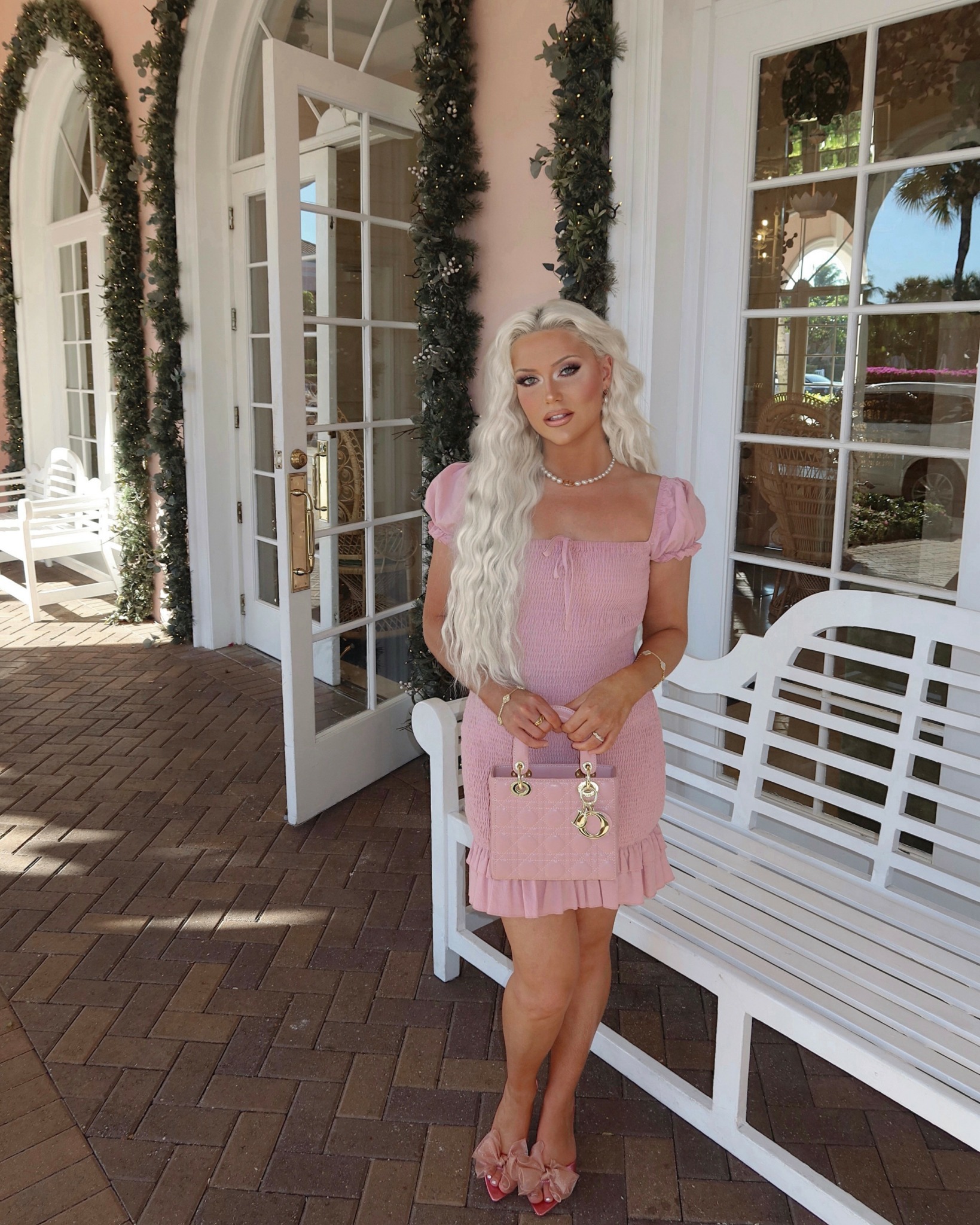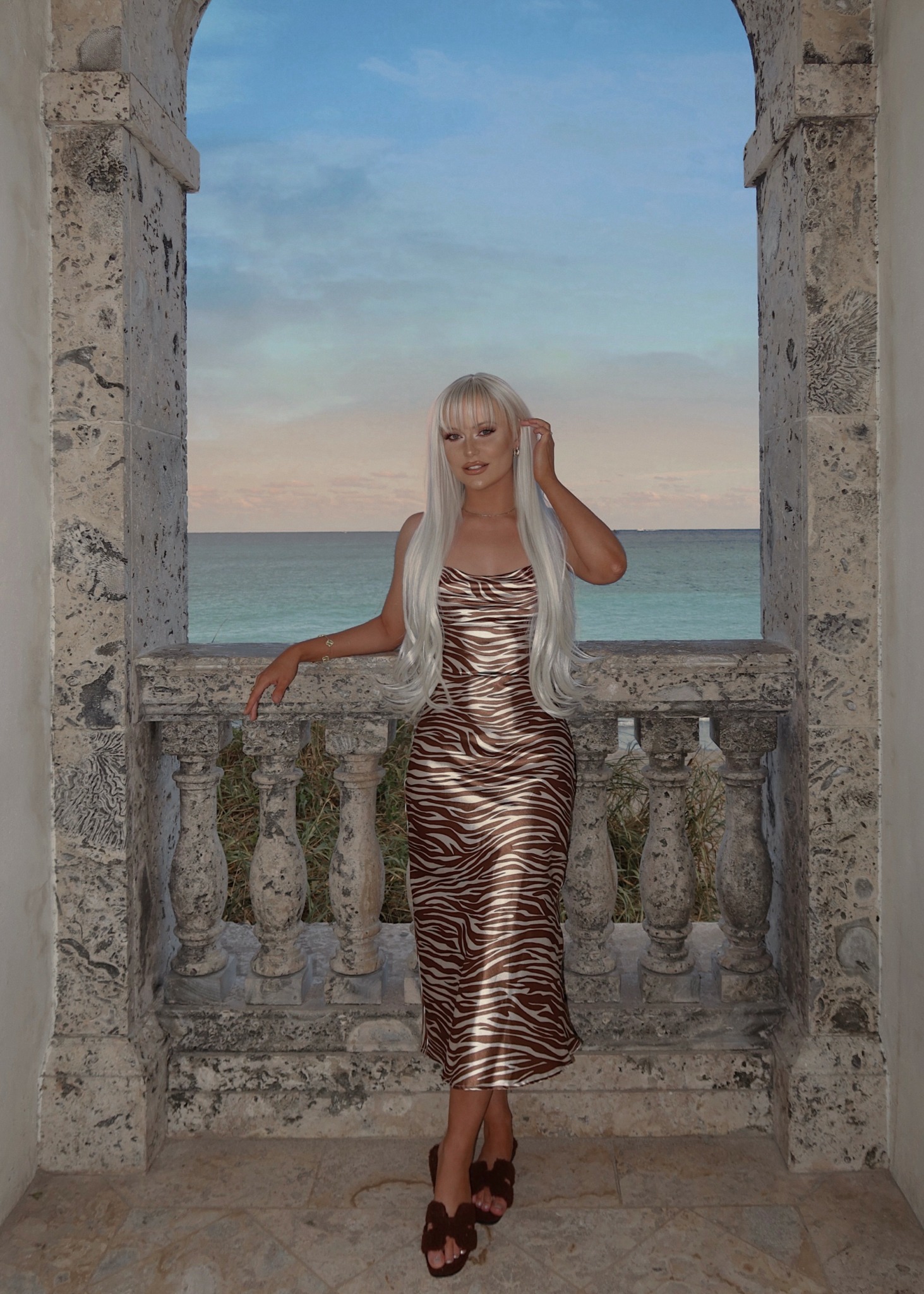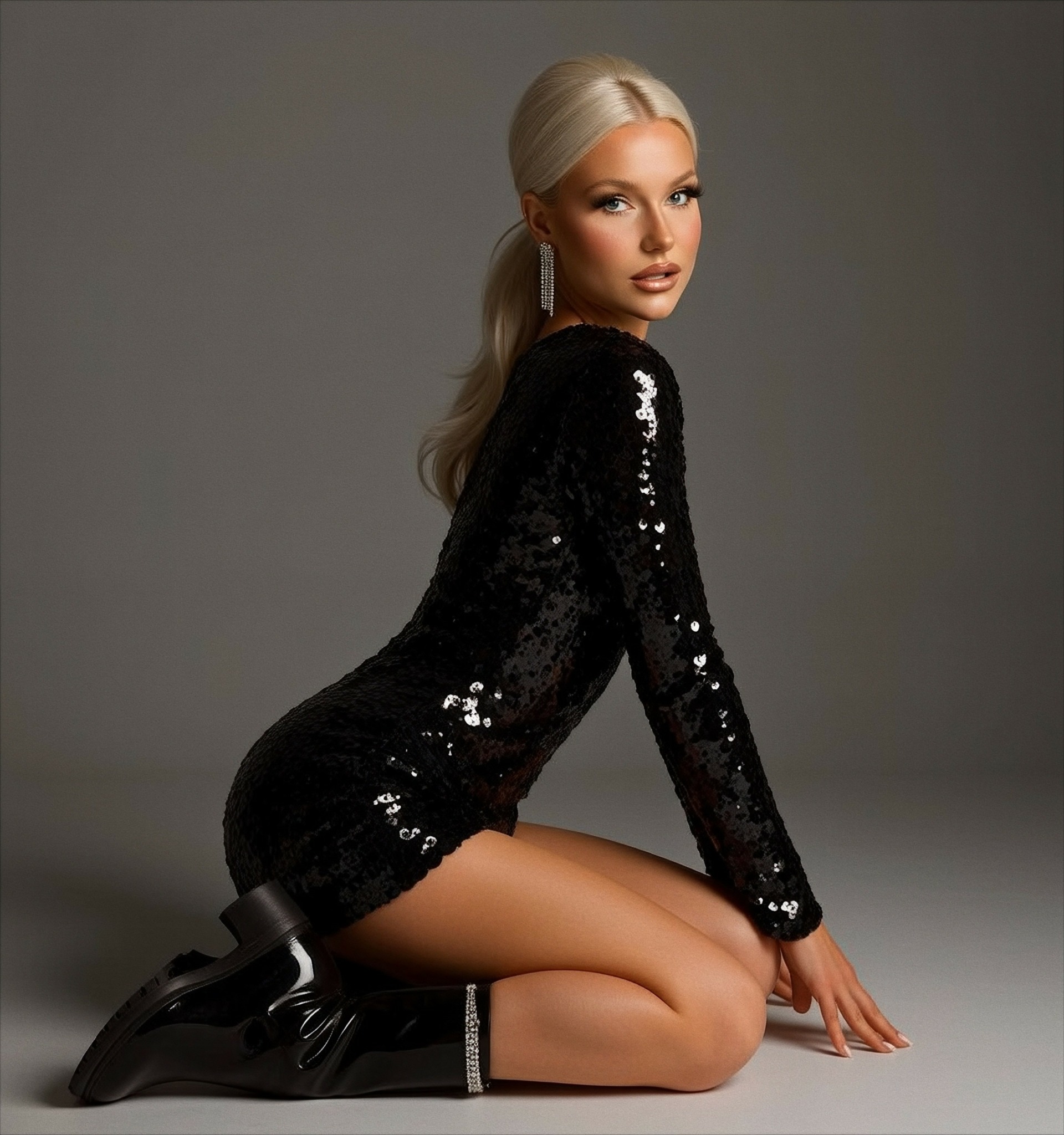

We were lucky to catch up with Chelsie Gold recently and have shared our conversation below.
Hi Chelsie, thanks for joining us today. Can you talk to us about how you learned to do what you do?
I truly believe being creative is something that comes from within. It’s not a skill that can be traditionally taught — it’s something you feel. As a child I was always drawn to creative outlets like dance, art, and music, so expressing myself visually felt very natural to me.
One of my earliest defining moments was in grade seven when I was flipping through magazines and saw the Sherri Hill models. I remember thinking, that’s what I want to do, that’s who I want to be. From there, I started experimenting on my own. My very first camera was the Olympus Tough TG‑615 14MP Waterproof Digital Camera — the metallic pink one — and I would set it up on my dad’s tripod and photograph myself. Then I would edit the images using the online platform Picnik to emphasize my features. They definitely weren’t magazine-worthy yet, but I was learning and developing my eye for visuals.
For a while, modeling felt a bit out of reach. I was under 5’3 at the time and living eight hours away from the nearest modeling agency, so the traditional path didn’t feel accessible. Instead, I turned to social media and started sharing my photos there. This was before platforms like Pinterest were widely used for inspiration, so a lot of what I created came very naturally and intuitively. I was an influencer before it became a trend to be one.
Over time, brands began to notice my work and things evolved organically from there. I’ve now built a loyal community of more than 70,000 followers who have grown with me over the past decade as I’ve developed my career as a published international model, accredited actress, and life+style content creator.
Looking back, the most essential skills were creativity, consistency, and the ability to adapt. If I could speed up the learning process, I probably would have sought mentorship earlier and treated my work like a business sooner. But in many ways, the obstacles — distance from agencies, lack of resources, and figuring things out on my own — were what forced me to become resourceful and develop my own style.
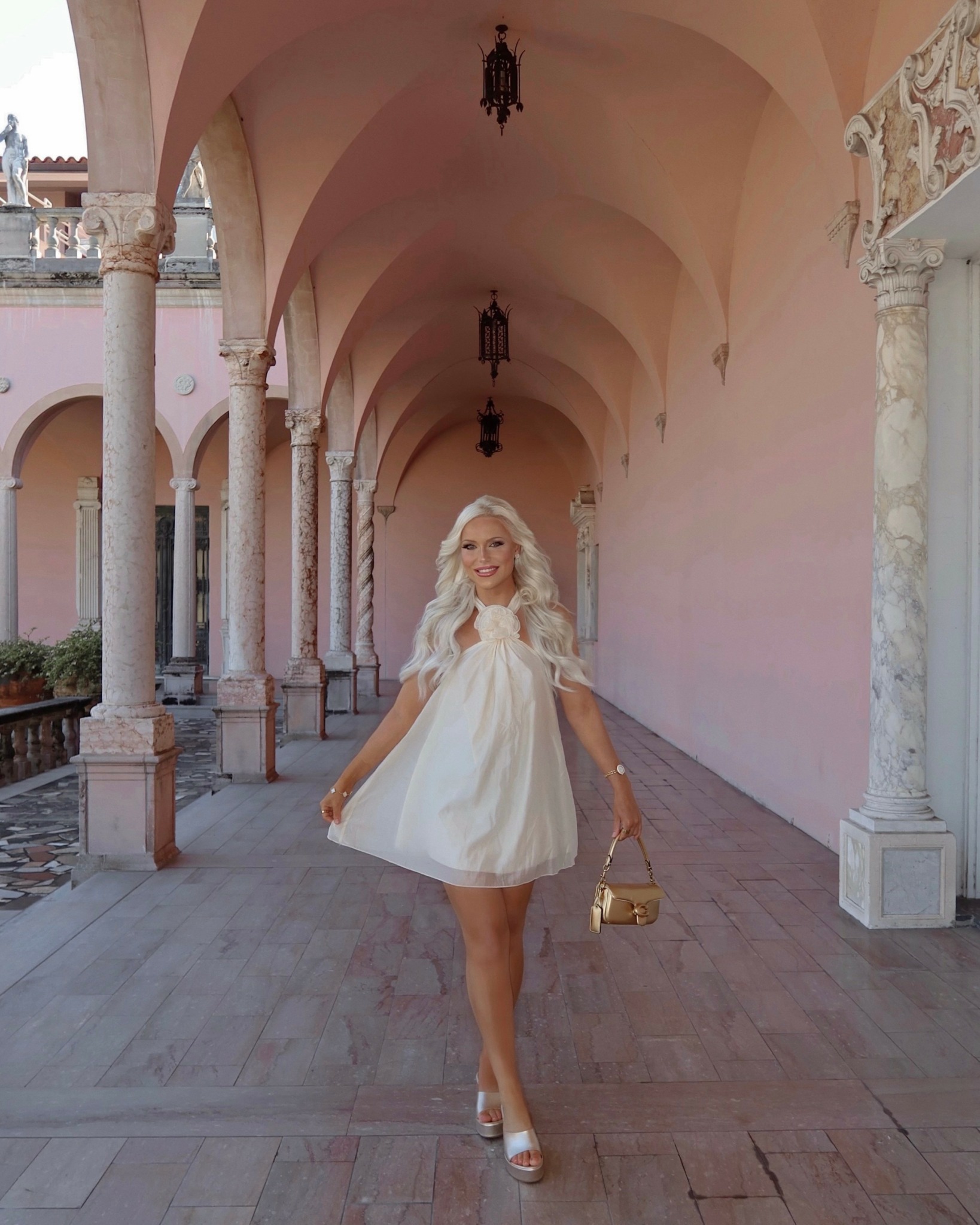
Great, appreciate you sharing that with us. Before we ask you to share more of your insights, can you take a moment to introduce yourself and how you got to where you are today to our readers.
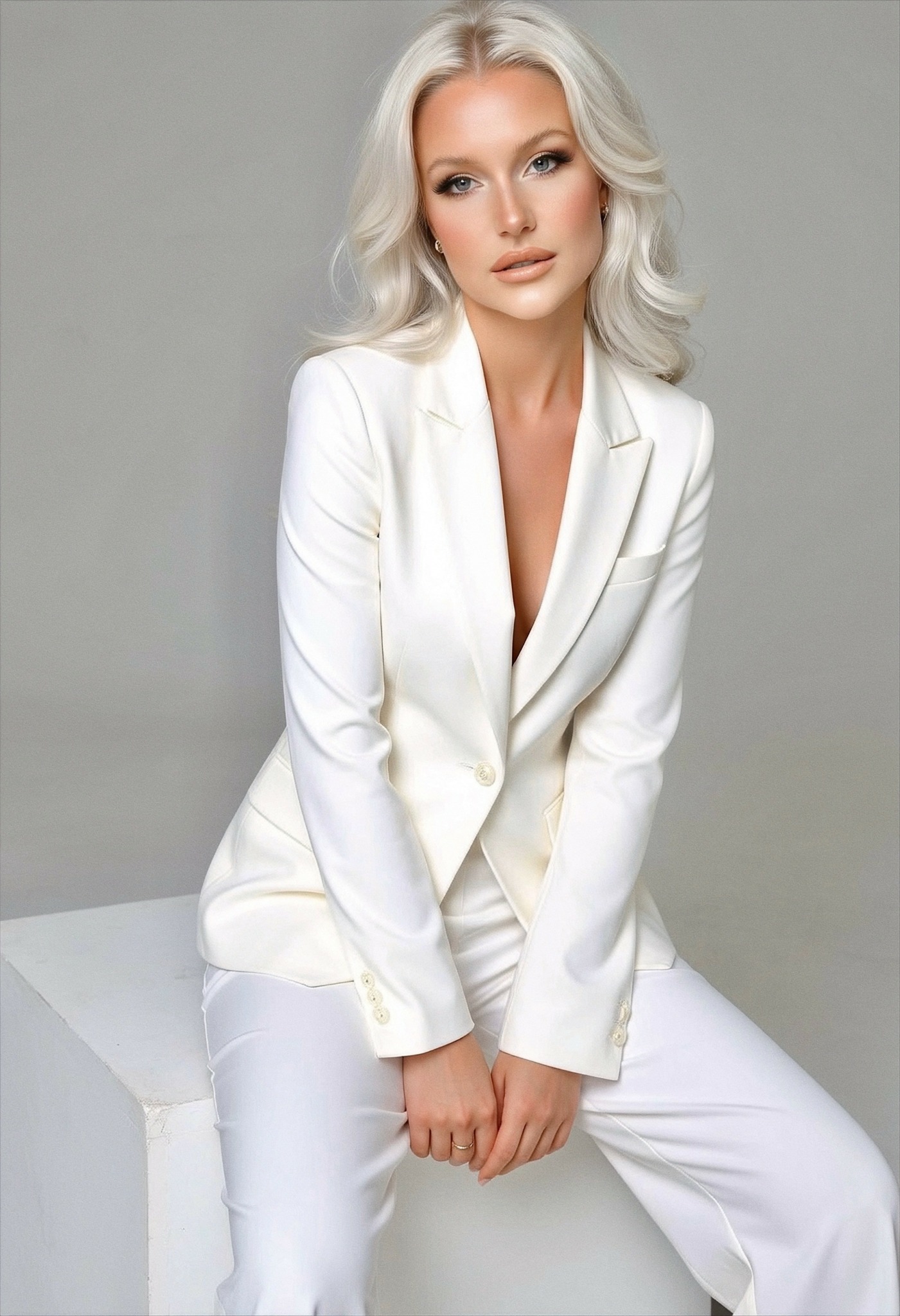
I’m an internationally published model, accredited actress, and life+style content creator based in Canada. I grew up in a very small, remote town in Northern Ontario called Iroquois Falls. It’s the kind of place where opportunities in fashion, media, or entertainment simply didn’t exist — and for a long time, I didn’t know anyone who shared those interests. I had wonderful friends growing up, but no one who wanted to put on creative outfits, experiment with makeup, or take photos just for the sake of art. I remember looking up to people like Paris Hilton and feeling like I was living in a completely different world from the one I saw in magazines.
Because of that, I had to create my own path. There were no local agencies, mentors, or industry connections — the closest modelling agencies were roughly eight hours away. So I turned to social media and began building my own platform by sharing photography, fashion, and creative concepts online. Over time, that platform grew organically into a loyal audience of more than 70,000 followers who have been with me for over a decade as I’ve evolved in my career.
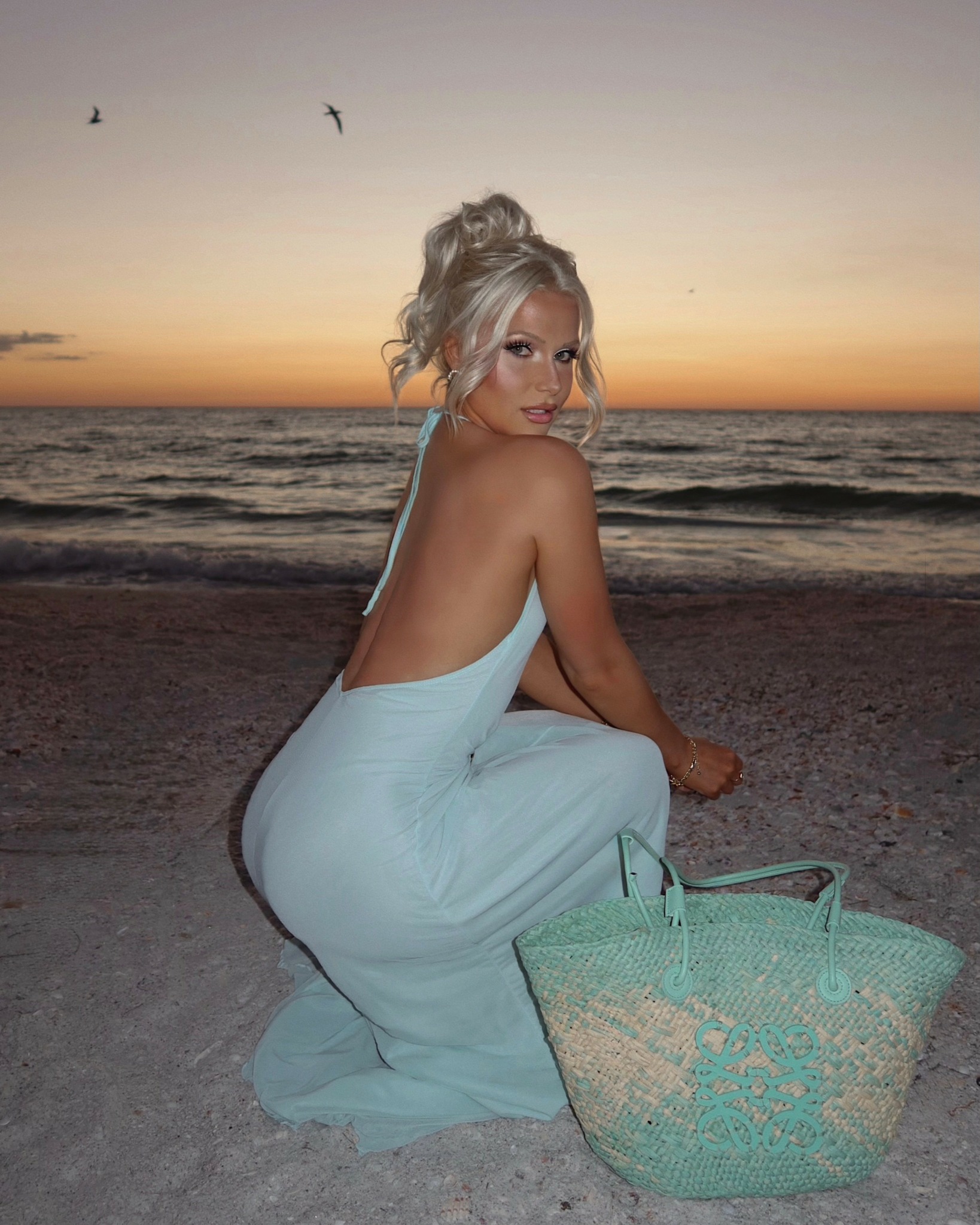
Today my work sits at the intersection of modelling, acting, and digital storytelling. I collaborate with fashion, beauty, and travel brands to create visual campaigns and lifestyle content that feel authentic and aspirational. Rather than simply promoting products, I focus on storytelling — showing audiences how something fits naturally into real life through imagery and video.
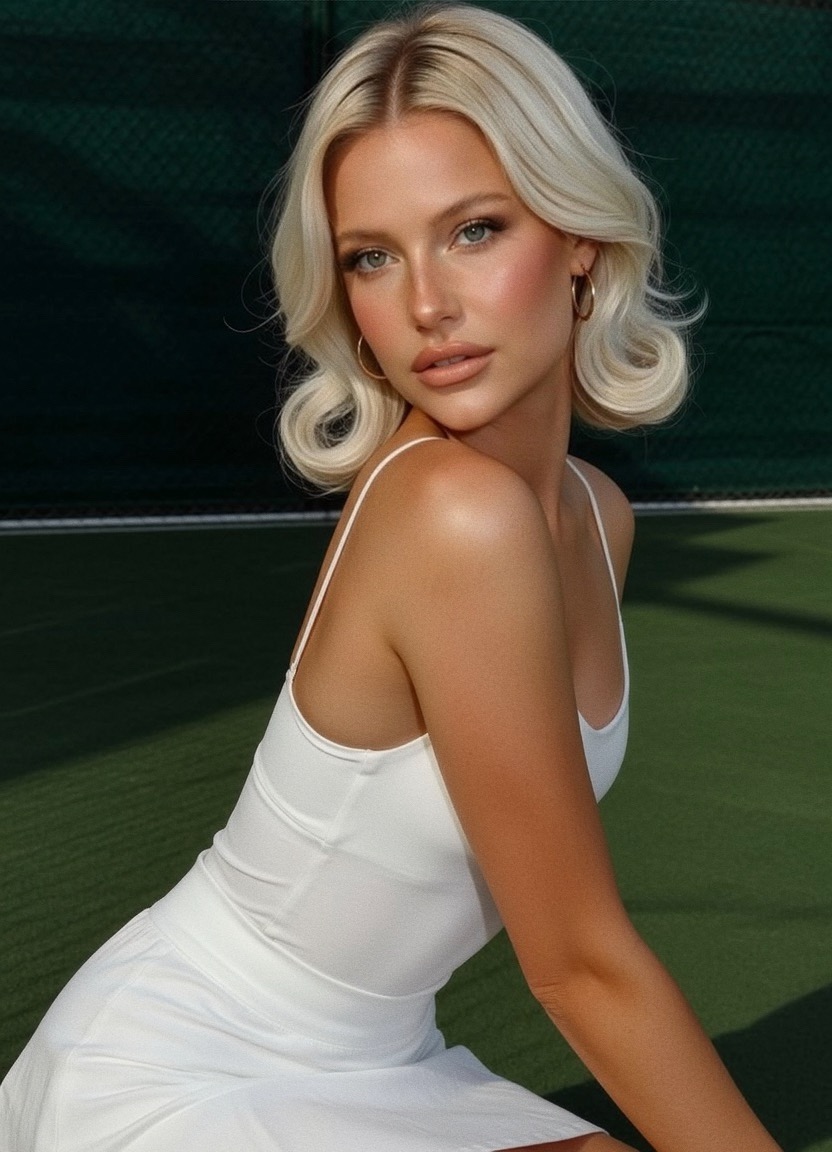
What sets me apart is that my brand has always been rooted in authenticity. The modelling industry can sometimes pressure people to change themselves to fit a certain mold, but early on I made a promise to myself that I wouldn’t lose who I was in the process. I wouldn’t dye my blonde hair just because it was trending, drastically change my body to fit a specific look, or become someone that wasn’t true to me. I chose to remain natural in a world that often encourages the opposite.
I sometimes explain it with a simple analogy: brands can market something as much as they want, but not everyone will like it. It’s like Froot Loops — they’re everywhere, but some people will just never like them. The same idea applies in modelling and content creation. Not every brand or audience will connect with every creator, and that’s okay. The key is finding the people who genuinely resonate with your work.
Because of that mindset, I focus on creating honest, organic content for the brands I work with. Whether it’s fashion, beauty, or travel, I aim to show products and experiences through my own lens and give my audience a genuine look at what they’re getting. That authenticity is what has allowed me to build trust with my followers over many years.
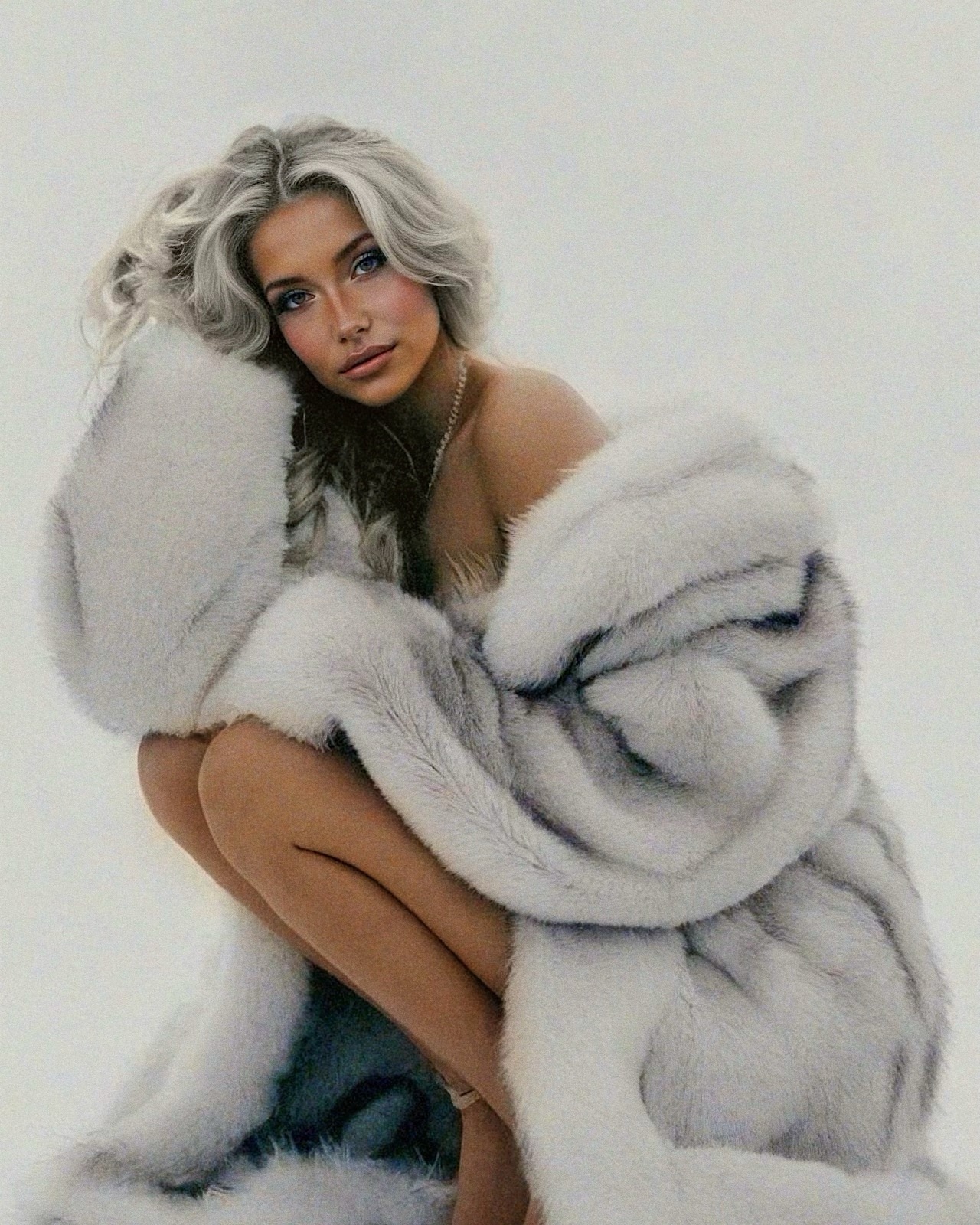
What I’m most proud of is that everything I’ve built has been organic. I started in a small northern town with virtually no industry access, and through creativity, persistence, and a lot of self-learning, I’ve been able to build a career that spans modelling, acting, and digital media. My brand today reflects that journey — it’s about creativity, individuality, and showing that you don’t need to come from a major city or traditional background to create something meaningful.
Do you think there is something that non-creatives might struggle to understand about your journey as a creative? Maybe you can shed some light?
One thing non-creatives often struggle to understand about the creative industry is that the freedom we have also comes with a very different set of challenges than traditional careers. On the surface, people see flexible schedules, travel, photoshoots, or content creation and assume it’s easy or effortless. What they don’t always see is the amount of work that happens behind the scenes. The vision board, the process of creation, the editing, and completing the story from start to finish… on your own.
I remember when beauty creator Mikayla Nogueira posted a video on TikTok saying something along the lines of “I just sat down and it’s 5 o’clock. You try being an influencer for a day..” The internet exploded with criticism, with many people saying her work couldn’t possibly compare to a traditional 9–5 job. But the reality is, no one knows what her day actually looked like before that moment. She could have been up since 5 a.m., 3 a.m., or even earlier creating content, filming, editing, negotiating with brands, or planning campaigns. In many ways, creators are doing the same thing traditional workers do — showing up, producing work, and being paid by companies — just in a different format.
There’s still a very strange stereotype surrounding influencers, models, and actresses. I even experienced pushback from people close to me because my career didn’t look traditional. I didn’t have an office, a pension, or corporate benefits, and for some people that made my work harder to validate.
But that wasn’t what motivated me. What mattered to me was having the freedom to wake up each day and do something creative that I genuinely loved. My work could change daily — sometimes I’m behind the camera, sometimes in front of it, sometimes speaking directly to it – that ability to share my perspective and create something new every day is incredibly fulfilling, and it’s something many people in traditional roles don’t always get the opportunity to experience.
In many ways, the creative path is very similar to entrepreneurship. There’s less security, but also more independence. You’re responsible for building something from the ground up and believing in it long before other people do.
What many people may not realize is that I also pursued a traditional academic path. I completed an Honours Undergraduate degree, Teachers College, and a Master of Education. Ironically, when I eventually stepped into my role as a Content Strategist at a college, what helped me get my foot in the door wasn’t just my education — it was my real-world experience as a creator.
For years that experience wasn’t always understood or supported, but it ultimately became one of my greatest strengths. Today I’m grateful that I’ve been able to build a career where both sides of my life — the creative and the academic — coexist. Each one tells a different story, and together they’ve shaped the path I’m on today.
How can we best help foster a strong, supportive environment for artists and creatives?
One of the most important things society can do to support artists and creatives is simply to approach their work with respect and an open mind. Creative careers often look very different from traditional professions, and because of that they’re sometimes misunderstood or dismissed. But at the end of the day, everyone is providing a service in one way or another, and it doesn’t take much to extend kindness and respect to someone whose path looks different from your own.
A thriving creative ecosystem depends on people recognizing that creative work is still work. Models, actors, influencers, photographers, designers, and content creators invest an enormous amount of time and energy into what they produce. Behind every finished photo, video, or campaign is planning, strategy, editing, communication with brands, and often years of building an audience or refining a skillset. It requires consistency, discipline, adaptability, and resilience — especially in industries that are constantly evolving.
One challenge creatives face is the tendency for their work environments to be judged through the lens of traditional careers. Because our work can happen anywhere — a studio, a hotel room while traveling, a quiet street during a photoshoot, or even our own homes — people sometimes assume it must be easier or less demanding. In reality, the flexibility of creative work often means the boundaries between work and personal life blur. Creators are frequently thinking about ideas, planning projects, communicating with collaborators, or engaging with their audiences at all hours of the day.
Supporting creatives also means recognizing the emotional resilience it takes to work in public-facing industries. Artists and creators put their work — and often parts of themselves — out into the world, where it can be praised or criticized instantly. Maintaining confidence and continuing to create despite that requires a strong sense of self and a willingness to keep moving forward.
More broadly, society benefits when creative voices are encouraged rather than discouraged. Art, fashion, storytelling, film, and digital media shape culture, inspire new ideas, and help people see the world through different perspectives. When people feel supported in pursuing those paths, it leads to more innovation, more representation, and more opportunities for others to see themselves reflected in creative spaces.
Ultimately, supporting artists doesn’t require complicated solutions. It starts with something very simple: respect the work, respect the person creating it, and understand that success can look different for everyone. When society embraces that mindset, it allows creatives to keep pushing boundaries, telling stories, and contributing meaningfully to the culture around us.
Contact Info:
- Instagram: https://instagram.com/chelsiegold
- Youtube: https://www.youtube.com/@chelsiegold
- Other: TikTok: https://www.tiktok.com/@chelsiegold