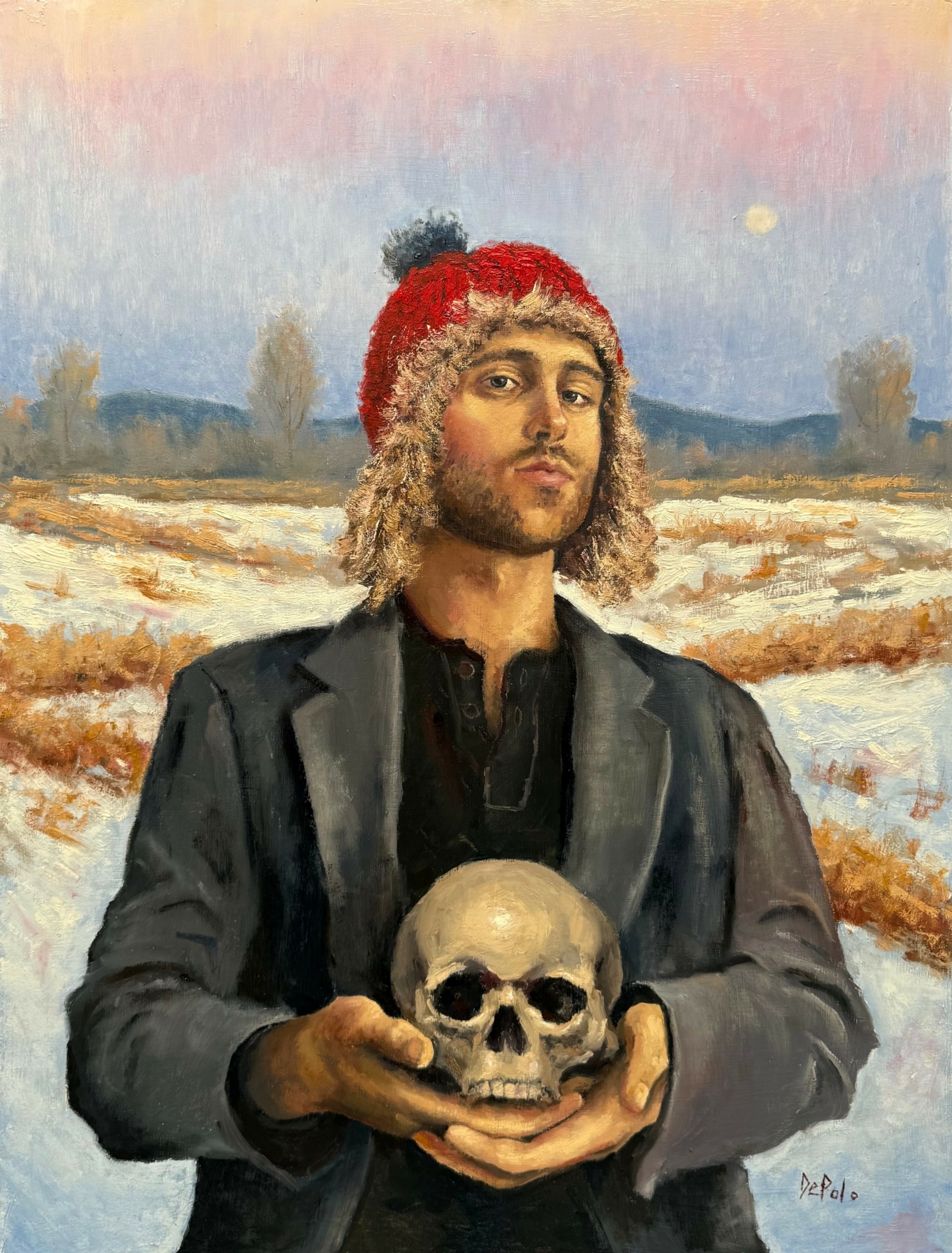

We caught up with the brilliant and insightful Luke DePolo a few weeks ago and have shared our conversation below.
Luke , thanks for joining us, excited to have you contributing your stories and insights. We’d love to hear about when you first realized that you wanted to pursue a creative path professionally.
I’m in my early twenties now, and I started painting about four years ago. Looking back, I sometimes wish I had started earlier. When I see artists who began as kids, it’s easy to wonder how much further along I might be if I had picked it up sooner.
But at the same time, I’m really grateful I started when I did. I found painting at a point in my life where I was more aware of the world and of myself, and I think that shaped the way I approach my work. Starting then meant I came to it with intention rather than just habit.
In a way, the timing feels right. Those years before I started painting were still important—they gave me experiences, perspectives, and emotions that now show up in my work. So while part of me wishes I had discovered it earlier, another part of me feels like I found it exactly when I was supposed to.
Awesome – so before we get into the rest of our questions, can you briefly introduce yourself to our readers.
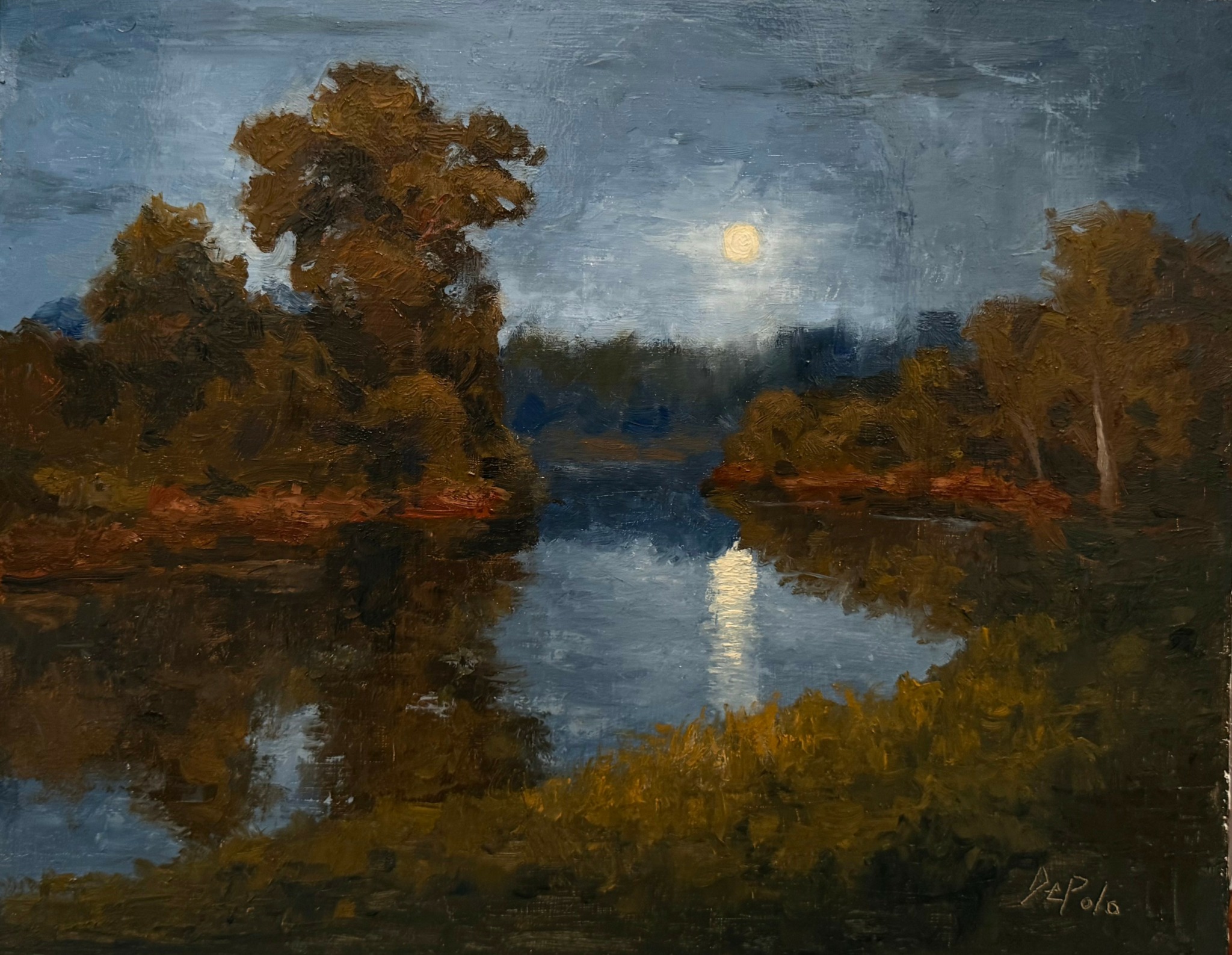
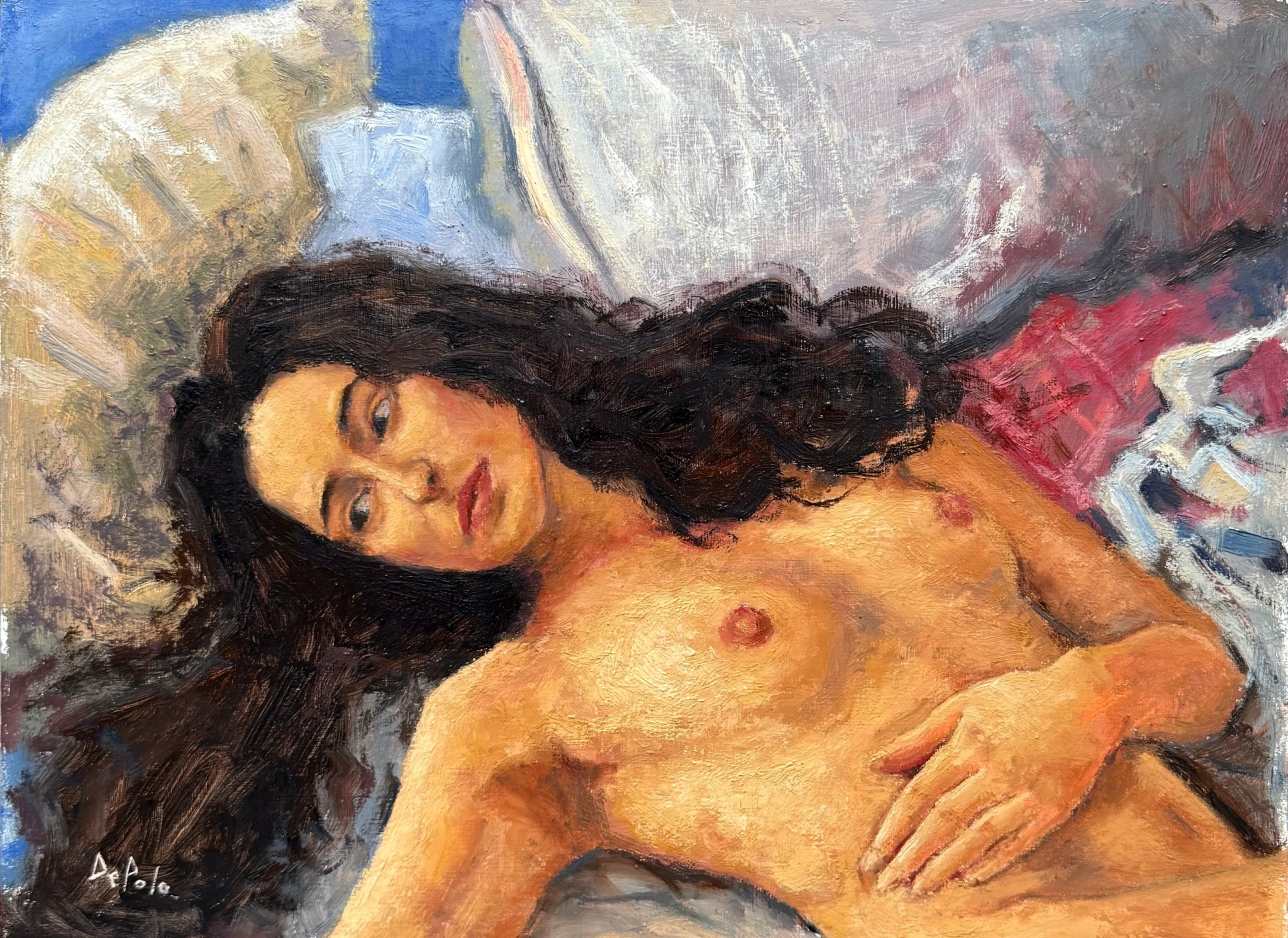
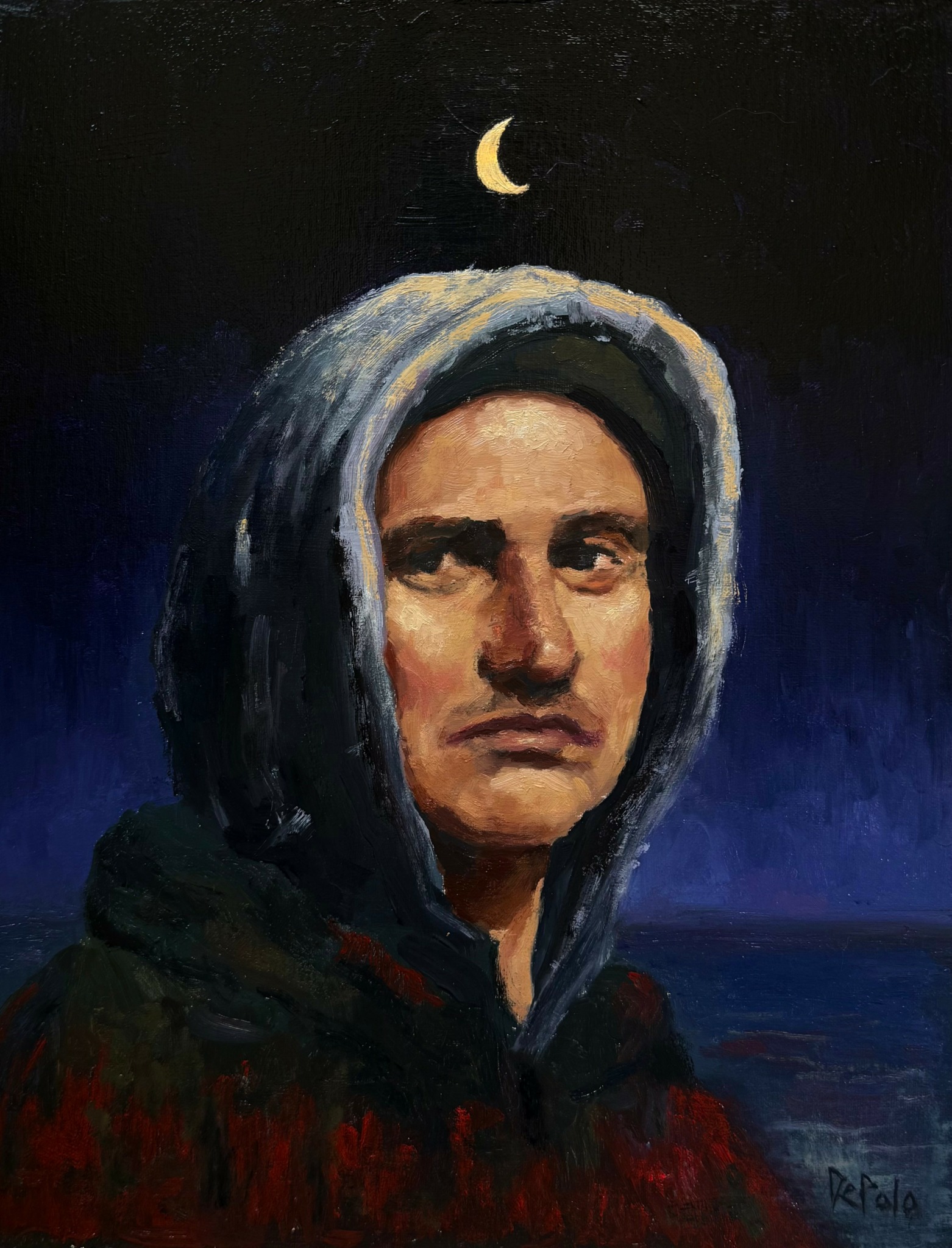
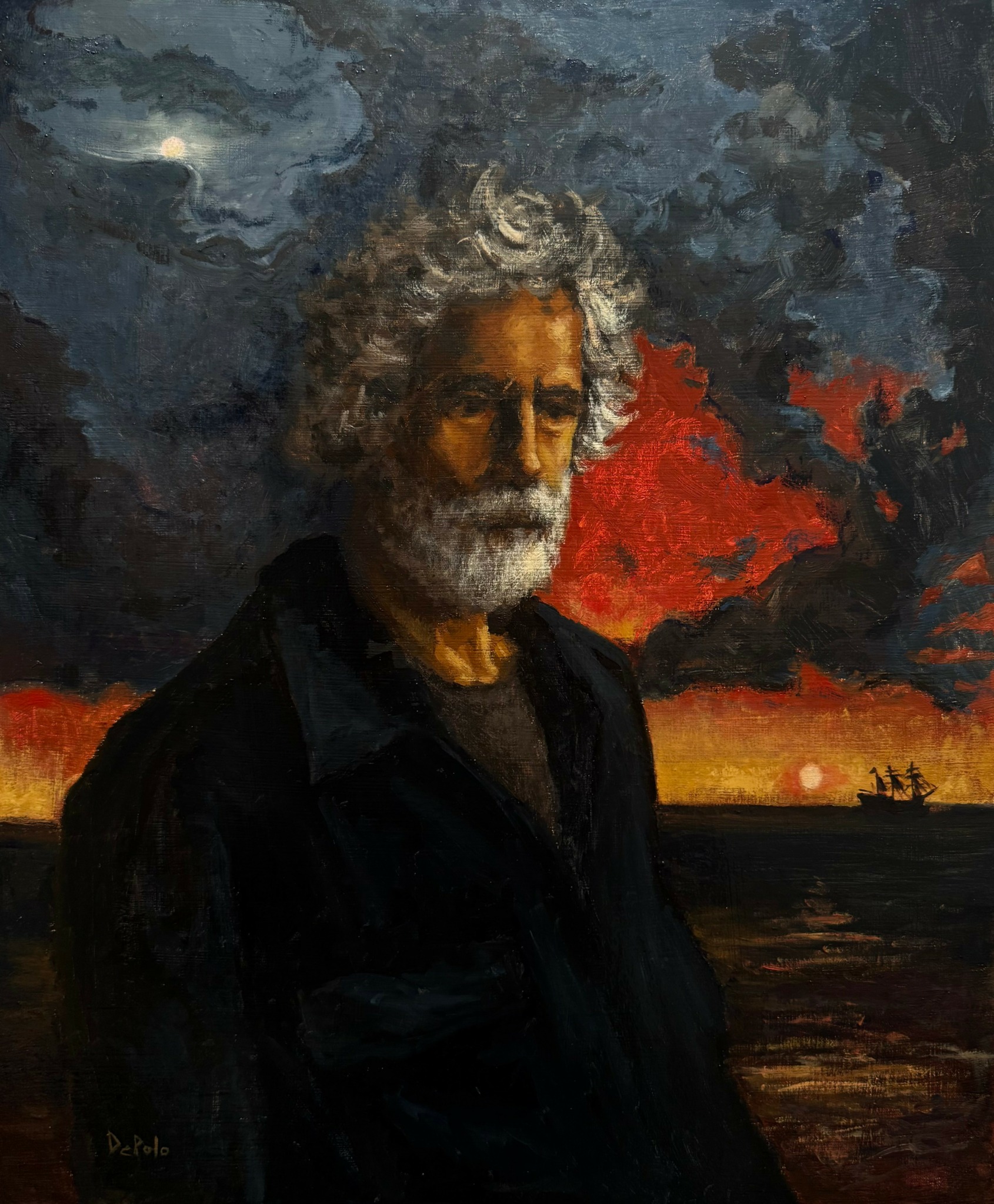
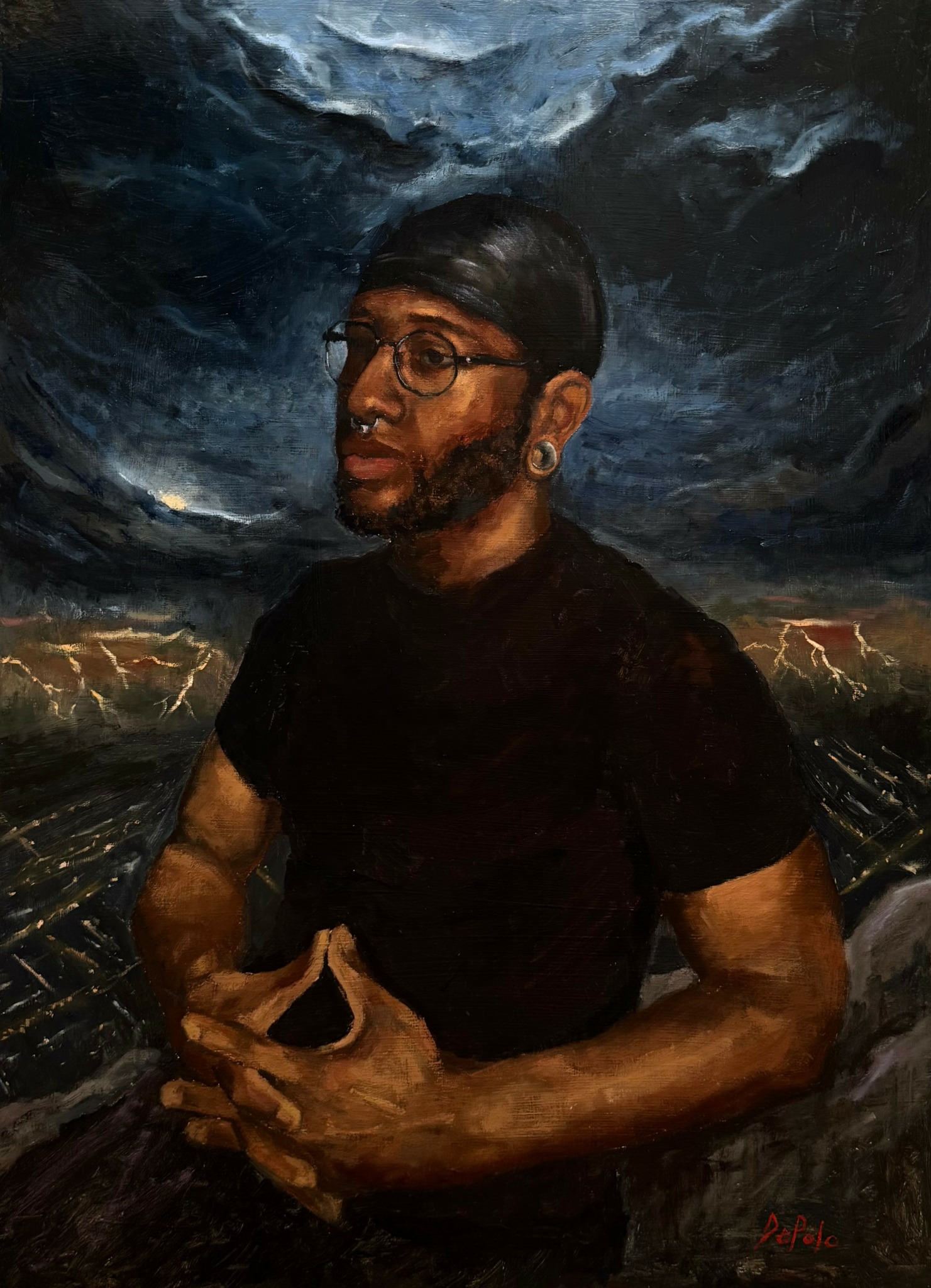
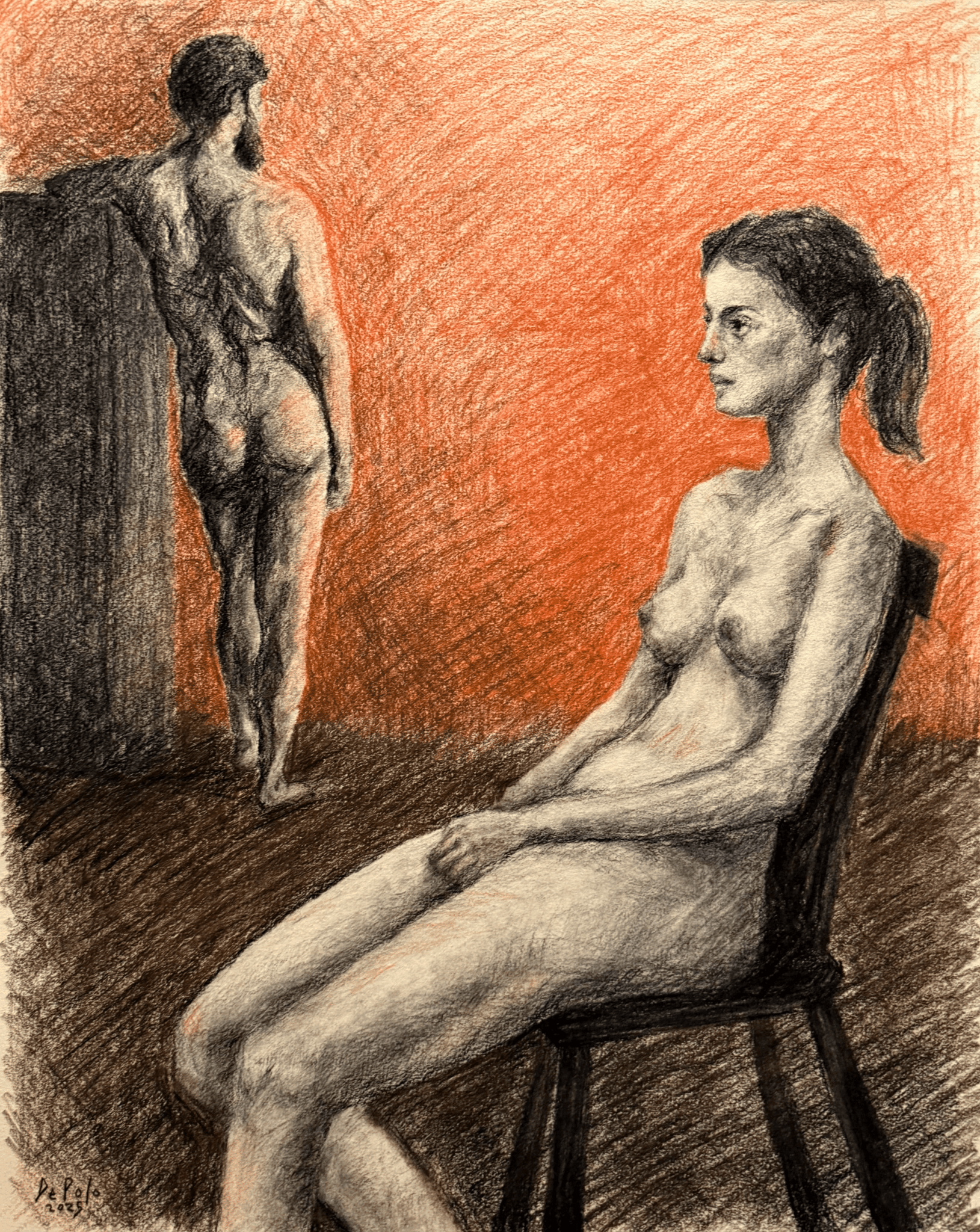
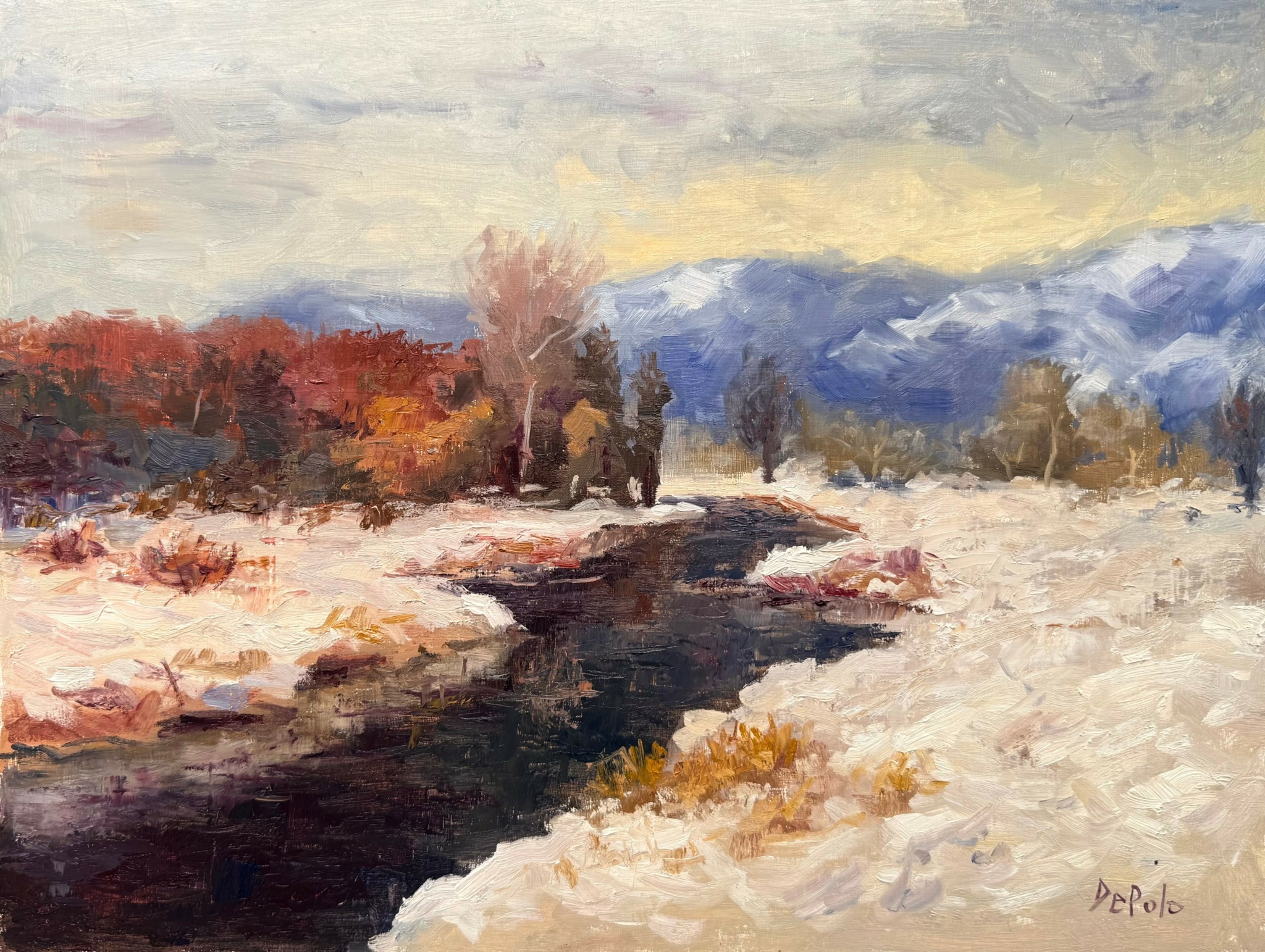
My name is Luke DePolo, and I’m an oil painter, charcoal artist, and art instructor based in downtown Charleston. I began painting about four years ago, and since then art has quickly become a central part of my life. What started as a creative outlet grew into something much deeper – allowing me to connect with nature and the people I paint and teach.
A big part of my work is commission-based. I love collaborating with clients to create something personal for them, whether it’s a portrait of a loved one, a meaningful place, or a scene that holds a special memory. Being able to turn someone’s story or moment into a piece of art that they can keep for years is one of the most rewarding parts of what I do. At the same time, I also spend a lot of time on personal projects that allow me to experiment, grow, and push my creative boundaries.
What I’m most proud of is the impact my work can have on people. Seeing someone connect with a painting, feel inspired by it, or recognize a piece of their own story in it is what motivates me to keep creating. I’m still early in my journey as an artist, but my goal is always the same—to create work that feels honest, thoughtful, and meaningful.
For anyone discovering my work, I want them to know that every piece I create comes from a genuine place of passion and curiosity. Whether it’s a commissioned piece or a personal project, my goal is to make art that resonates with people and captures moments in a way that words often can’t.
Can you share your view on NFTs? (Note: this is for education/entertainment purposes only, readers should not construe this as advice)
As a visual artist, I’ve always had mixed feelings about NFTs. While the idea of using new technology to support artists is interesting, I think a lot of what happened in the NFT space felt disconnected from the traditional values of art and craftsmanship.
For many artists, including myself, art is about the physical process—the time spent creating something with your hands, the texture of paint, the imperfections, and the presence of the original piece. NFTs shifted a lot of the focus toward speculation and quick sales rather than the artwork itself. At times it felt more like a financial trend than a movement centered on creativity.
Personally, I’m drawn to creating physical work—oil paintings and charcoal drawings—that people can live with and experience in real life. There’s something powerful about seeing a painting in person, noticing the brushstrokes, and feeling the scale and presence of the piece. That connection is a big part of why I make art.
In your view, what can society to do to best support artists, creatives and a thriving creative ecosystem?
Society can best support artists by valuing creativity not just culturally, but economically as well. Artists play an important role in shaping culture, telling stories, and capturing moments in ways that resonate with people, but it’s often difficult to sustain a career in the arts without consistent support.
One of the most important things people can do is support artists directly—whether that’s purchasing original work, commissioning pieces, attending exhibitions, or sharing artists’ work with others. When people choose to invest in art, they’re not just buying an object; they’re supporting the time, skill, and dedication that goes into creating it.
Communities can also help by creating more opportunities and spaces for artists to show their work. Local galleries, markets, and public art initiatives give artists platforms to connect with audiences and build sustainable careers. Cities like Charleston, for example, thrive culturally when local artists are visible and supported.
Education is another key part of a strong creative ecosystem. Encouraging creativity and artistic exploration from a young age helps people appreciate the value of art and understand the work behind it. When society recognizes art as an essential part of culture rather than something secondary, it creates an environment where artists can truly thrive.
Contact Info:
- Website: https://www.lukedepoloart.com
- Instagram: lukedepoloart
- Facebook: lukedepoloart
- Linkedin: N/a
- Twitter: lukedepoloart