

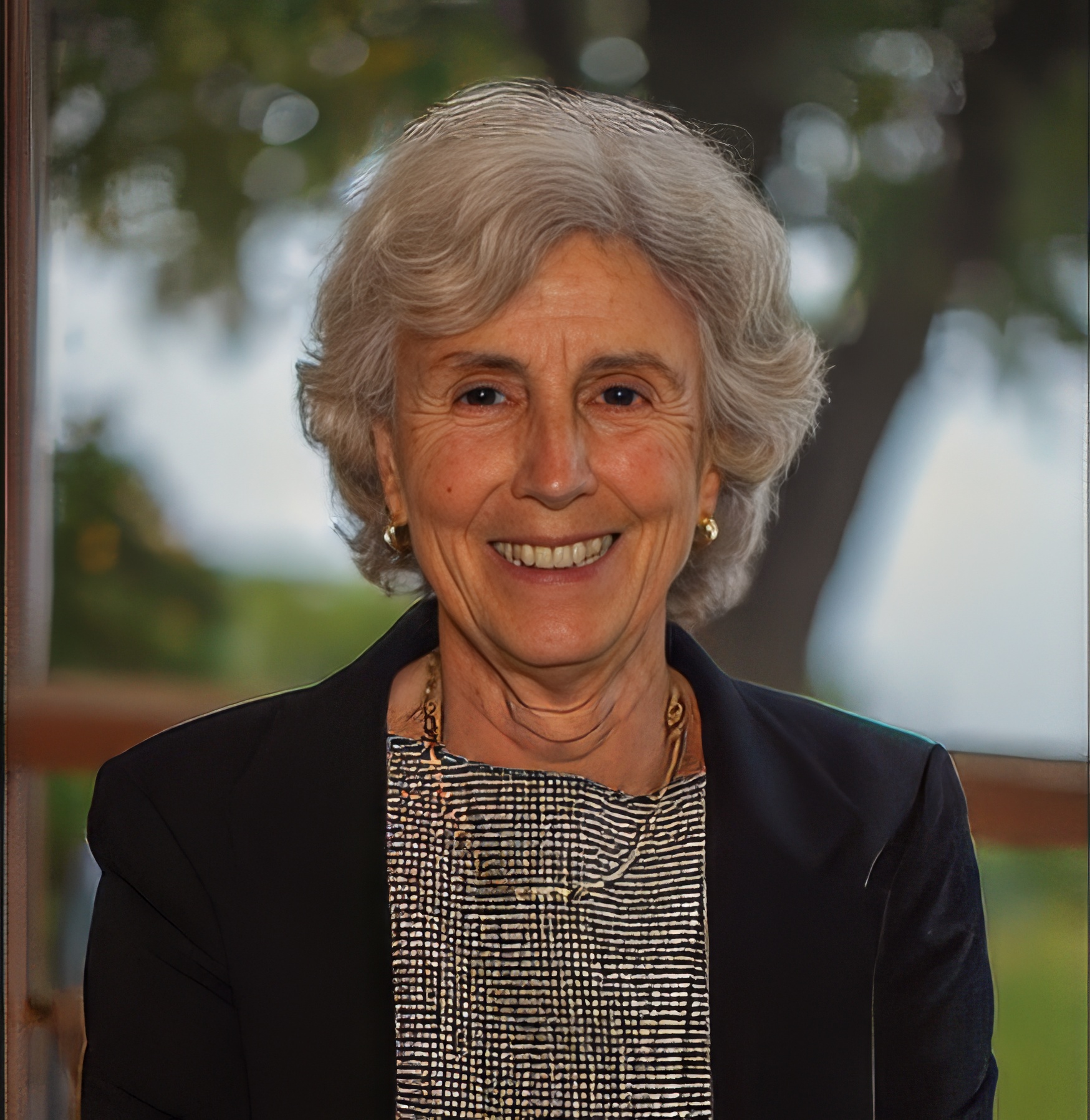

We recently connected with Elizabeth “Betsy” Aden and have shared our conversation below.
Elizabeth “Betsy”, appreciate you joining us today. It’s always helpful to hear about times when someone’s had to take a risk – how did they think through the decision, why did they take the risk, and what ended up happening. We’d love to hear about a risk you’ve taken.
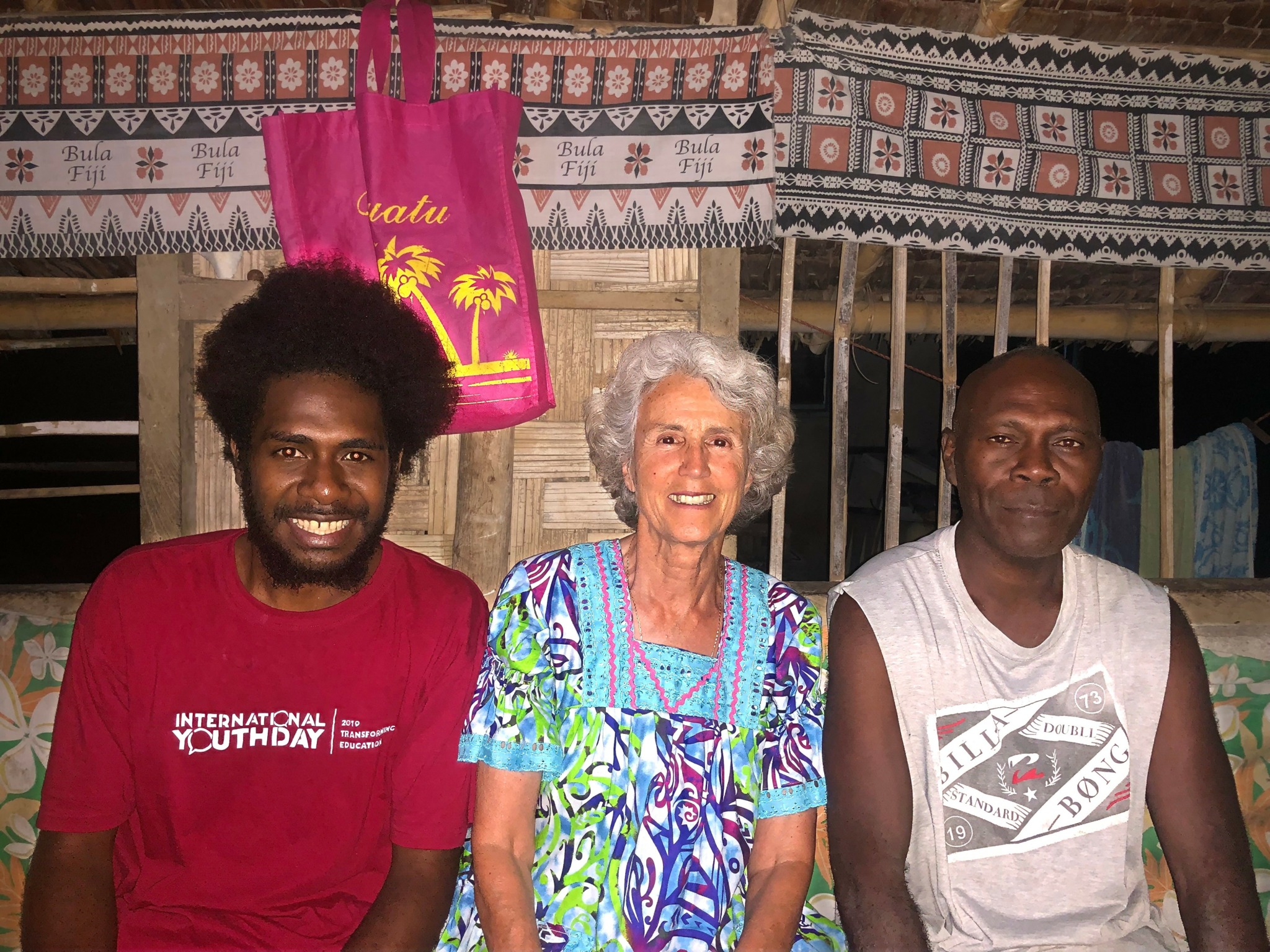
The 6-seater airplane that landed on the grass landing strip was followed by a 6-mile open ocean crossing in a rickety aluminum fishing boat. I was a young anthropology graduate student beginning fieldwork in a remote village in Melanesia—without electricity, running water, or reliable communication with the outside world. My goal was to study how hepatitis B virus spread in an environment where 20% of the population carried the virus. This couldn’t be done in a laboratory or in the US. Living in the village meant sharing daily life with families, learning their customs, and observing how social relationships shaped health and disease.
The experience was challenging and often uncertain, but it transformed how I understood science. I learned that biology is one aspect of disease while culture and social forces affect it’s transmission and severity. This risk-taking shaped my career. The biomedical anthropology became the foundation upon which I built a career in biotechnology and pharmaceuticals that focused on developing new products to improve human health and promoting ways to move medicine from “one size fits all” to gene-based personalized medicine.
Great, appreciate you sharing that with us. Before we ask you to share more of your insights, can you take a moment to introduce yourself and how you got to where you are today to our readers.
My work sits at the intersection of science, innovation, and storytelling. Over the course of my career I’ve moved between several very different worlds—academic research, biotechnology startups, large pharmaceutical companies, and now writing and speaking about the future of medicine. That unusual mix of experiences has given me a broad perspective on how scientific ideas evolve into real-world impact.
Professionally, much of my career has focused on evaluating and developing new biomedical technologies. In biotechnology and pharmaceutical settings, I worked with scientists, entrepreneurs, and investors to assess promising therapeutic ideas and help guide them toward becoming viable medicines. That process involves more than science—it requires understanding clinical need, regulatory pathways, commercial strategy, and how new treatments fit into the broader healthcare landscape. I have also worked with early-stage ventures and innovation programs to help translate new discoveries into products that can ultimately reach patients.
Today I divide my time between advising on biomedical innovation and writing about the broader themes that have shaped my career. My books and articles explore how scientific discoveries emerge, how medical innovation actually happens, and how advances in genetics and pharmacology are beginning to transform healthcare. One area that particularly interests me is pharmacogenomics—the growing understanding that people respond differently to medications because of genetic variation. This insight is helping shift medicine away from a one-size-fits-all model toward more personalized treatment.
What sets my work apart is the perspective that comes from seeing science from multiple vantage points. I have observed research at the level of communities and populations, worked within the biotech industry where discoveries are translated into products, and spent time explaining these developments to broader audiences. That combination allows me to connect scientific insight with the human and societal context in which medicine operates.
The work I’m most proud of is helping bridge the gap between scientific discovery and real-world application. Whether evaluating new therapies, mentoring emerging ventures, or writing about the future of medicine, my goal has always been to help ideas move from possibility to practical impact.
For readers, collaborators, and audiences, the central idea behind my work is simple: innovation in medicine does not happen in isolation. It emerges from curiosity, collaboration, and the willingness to look at problems from multiple perspectives. By bringing together science, business, and human experience, we can better understand how new discoveries ultimately improve health and lives.
Let’s talk about resilience next – do you have a story you can share with us?
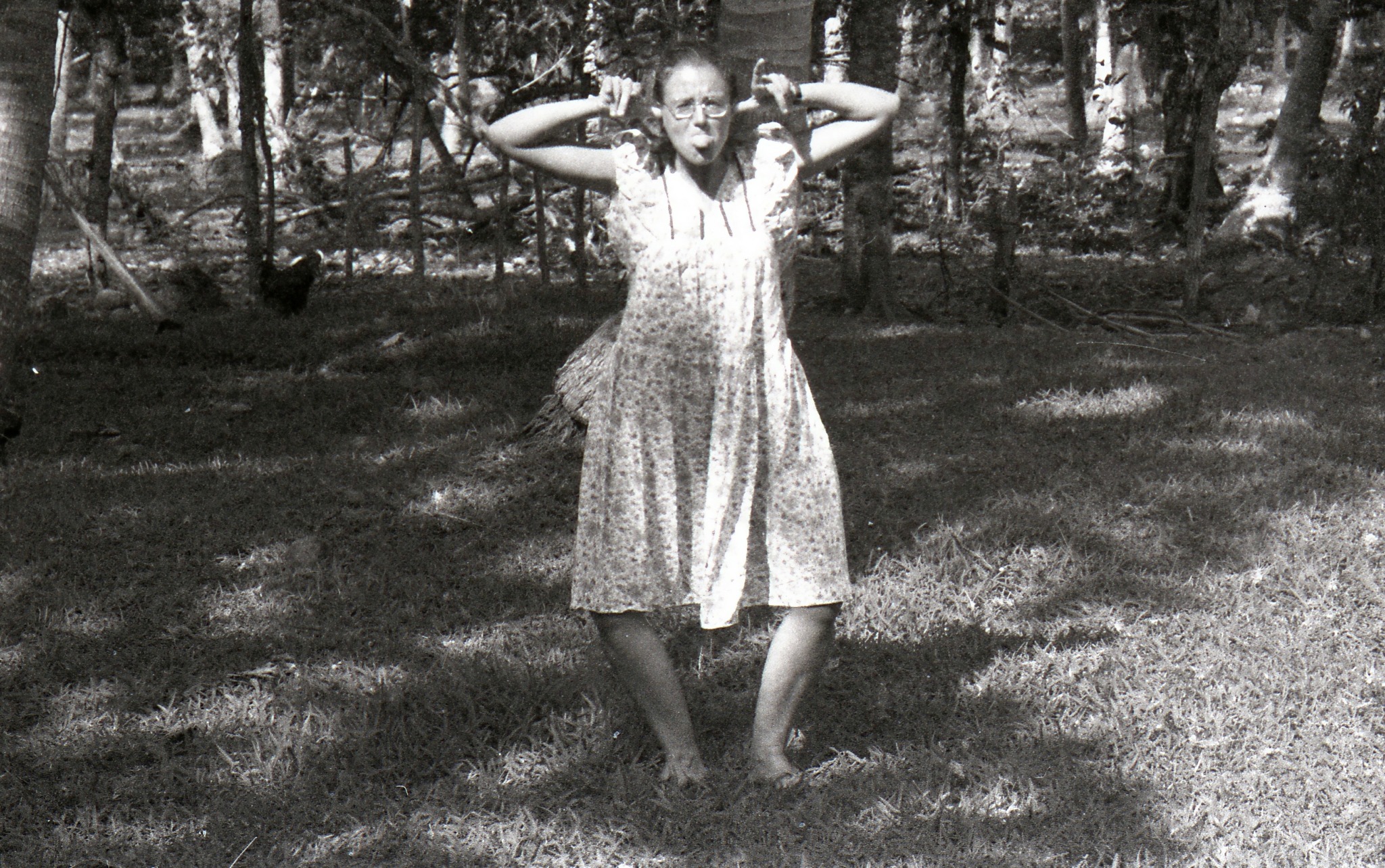
My resilience is reflected in my willingness to pursue challenging paths even when the outcome was uncertain—from conducting fieldwork in a remote Melanesian village to navigating male-dominated scientific and corporate environments, and later transitioning across disciplines from anthropology to biotechnology and science writing. Each step required persistence, adaptability, and the ability to keep moving forward despite unfamiliar terrain and inevitable setbacks.
One of the clearest examples of resilience in my career came when I moved from academic research into the biotechnology and pharmaceutical industry. At the time, I was entering a world that operated very differently from academia—fast-paced, commercially driven, and largely dominated by men in senior leadership roles. In the early stages of my career there, I was often the only woman in strategy discussions about new drug development. I had to quickly learn not only the science behind potential therapies but also the business, regulatory, and clinical realities that determine whether a drug can ever reach patients.
The learning curve was steep, and the stakes were high. Drug development decisions involve enormous scientific uncertainty and significant financial risk. But by asking good questions, building alliances with scientists and clinicians, and consistently focusing on the patient impact of new therapies, I gradually earned credibility. That experience strengthened my ability to adapt, persist, and contribute meaningfully in environments where the path forward is rarely clear.
If you could go back in time, do you think you would have chosen a different profession or specialty?
Yes, absolutely. I love the learning curve and nothing makes you stronger than seeking adventure and learning from mistakes. Even though my road was rocky and cobble-stoned with many forks, it got me to a fabulous destination…not all roads lead to Rome, but mine did!
Contact Info:
- Website: https://www.ElizabethReedAden.com
- Instagram: https://www.instagram.com/read_aden/linkedin.com/in/elizabeth-reed-aden
- Facebook: https://www.facebook.com/ElizabethReedAden/
- Linkedin: https://linkedin.com/in/elizabeth-reed-aden
- Twitter: @eliz_reed_aden
- Youtube: @malovanuatu
- Other: https://www.tiktok.com/@read_aden
www.goodreads.com/elizabethreedaden
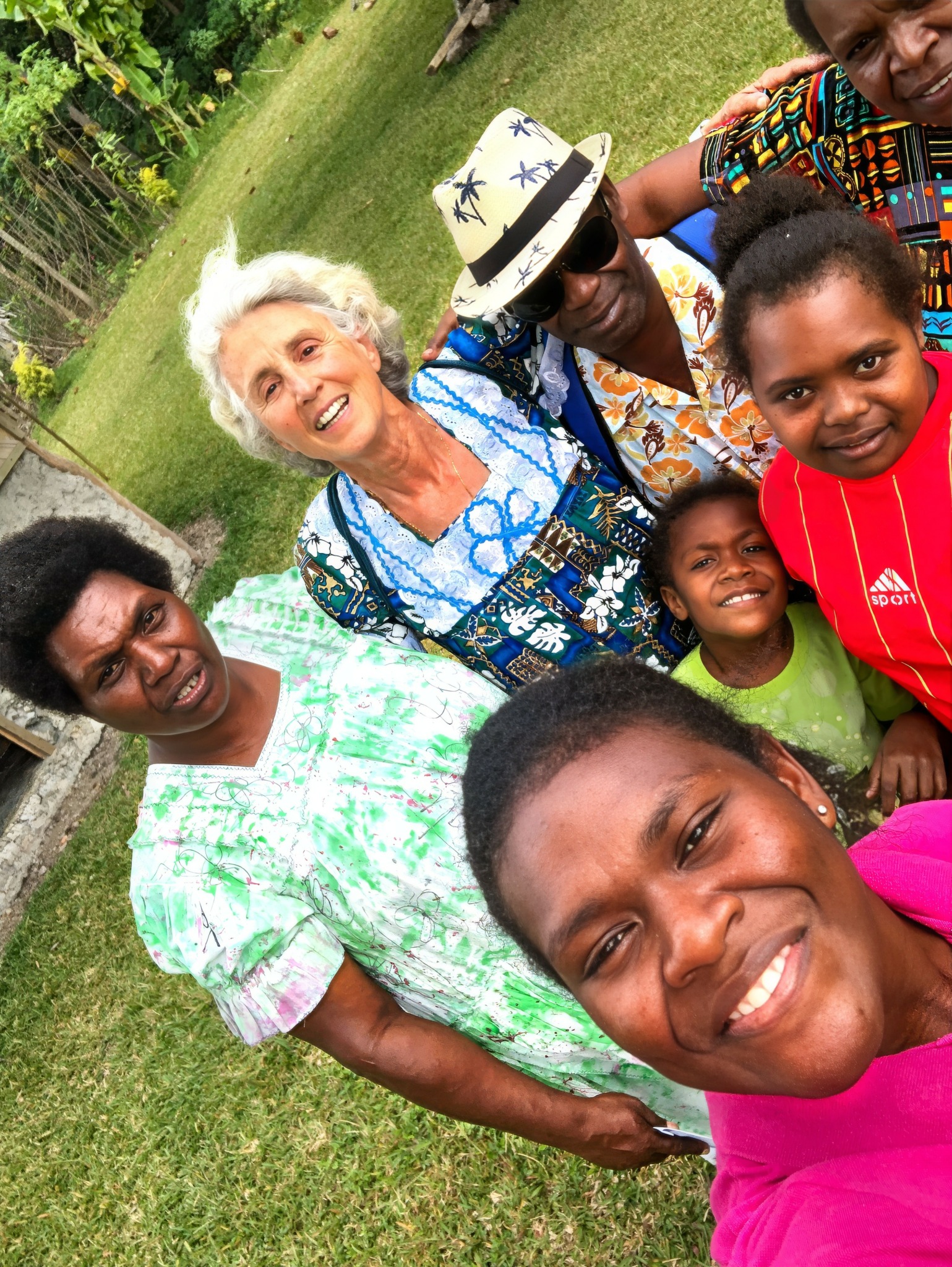
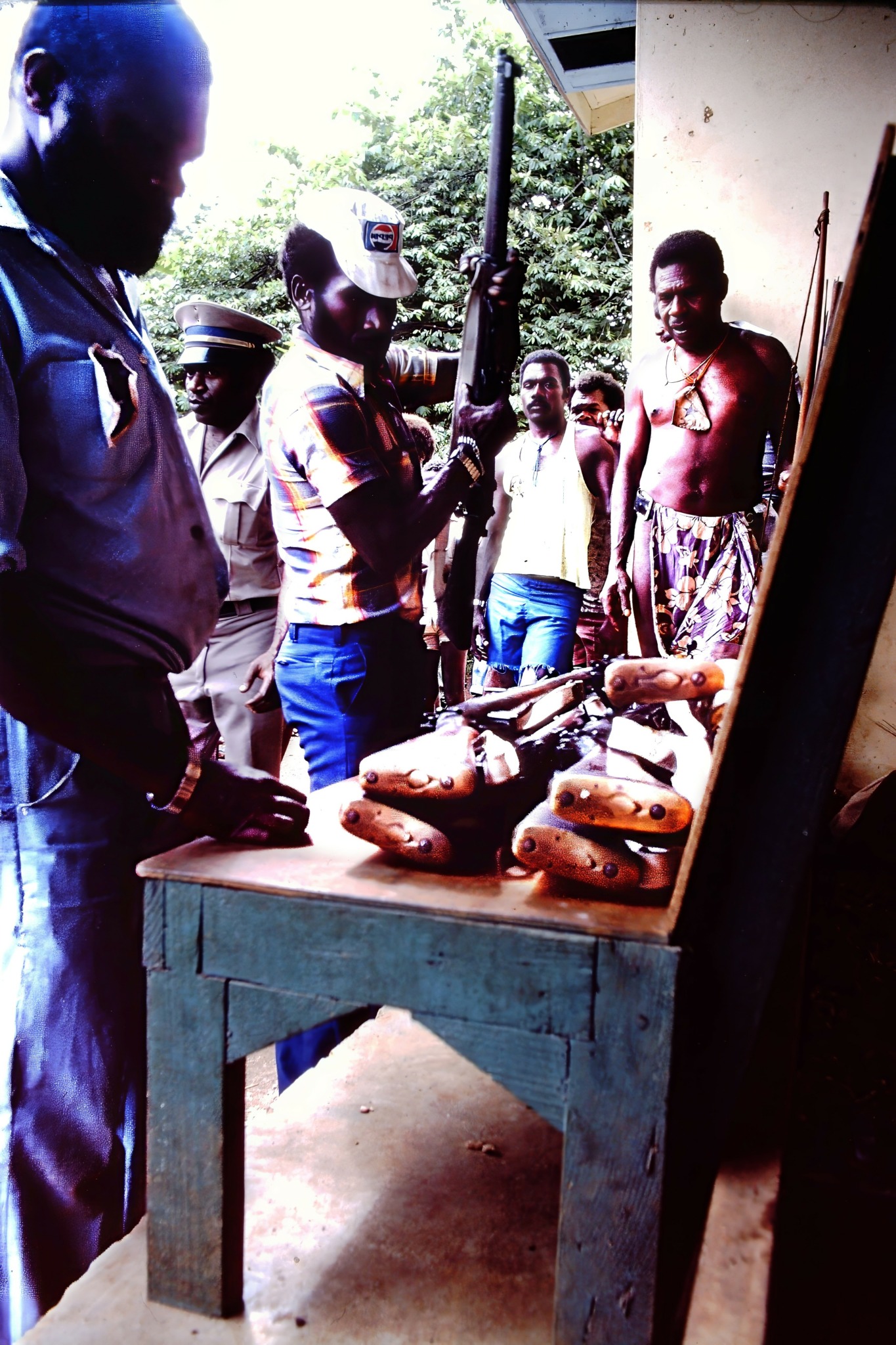
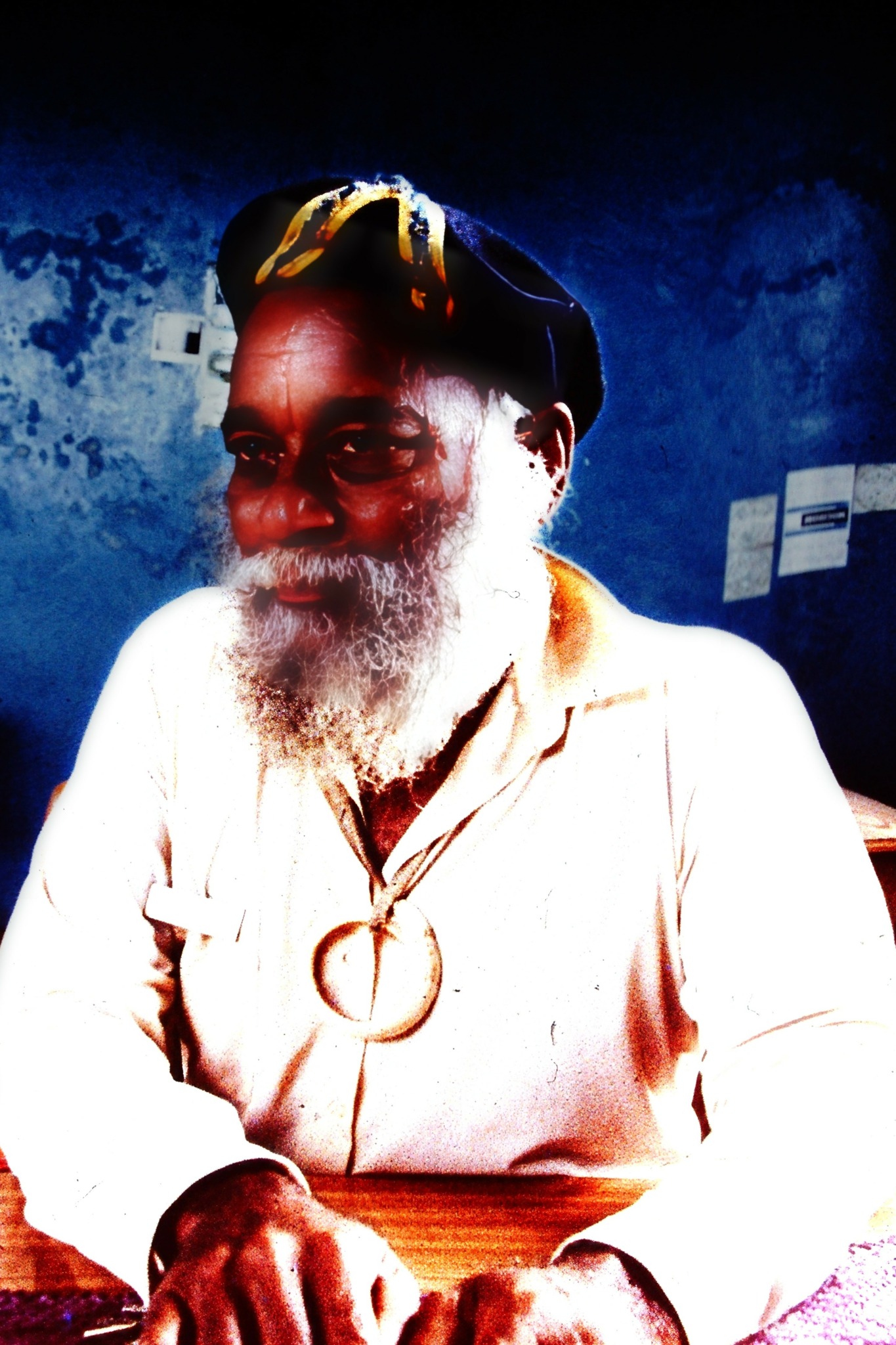
Image Credits
These are all pictures either of me or taken by me.