
Alright – so today we’ve got the honor of introducing you to Via Li. We think you’ll enjoy our conversation, we’ve shared it below.
Alright, Via thanks for taking the time to share your stories and insights with us today. Can you open up about a risk you’ve taken – what it was like taking that risk, why you took the risk and how it turned out?
I’m a painter, and for many years I balanced my studio practice with teaching. From the outside, it looked like a stable and meaningful life in the arts. I was helping young artists grow, building structure, staying productive. Teaching is generous work—it asks you to give your attention outward.
But over time, I began to notice a quiet imbalance.
I remember having days where I was surrounded by creativity, talking about art for hours, but at night I felt strangely empty—like I was constantly giving language to everyone else’s work and slowly losing language for my own. It wasn’t burnout exactly. It was more subtle: a feeling that I was becoming efficient at the logistics of art—schedules, outcomes, progress—while drifting away from the primal reason I paint.
My own work was happening in fragments, in whatever time was left over. And the kind of painting I want to make doesn’t grow in fragments. It requires stillness, uncertainty, and long periods of observation.
The risk I took wasn’t dramatic. I didn’t walk away overnight. Instead, I made the decision to reorganize my life around protecting my studio practice again—choosing uncertainty over comfort, allowing time for work that may not lead to immediate results, and stepping outside a system that felt predictable.
Once I created that space, something shifted. I began noticing emotional details again—the subtle tension in a gesture, the silence between people, the quiet strength beneath vulnerability. Those are the spaces my paintings come from.
The experience taught me that security and growth rarely coexist. Sometimes you have to willingly disturb your own comfort to see clearly again.
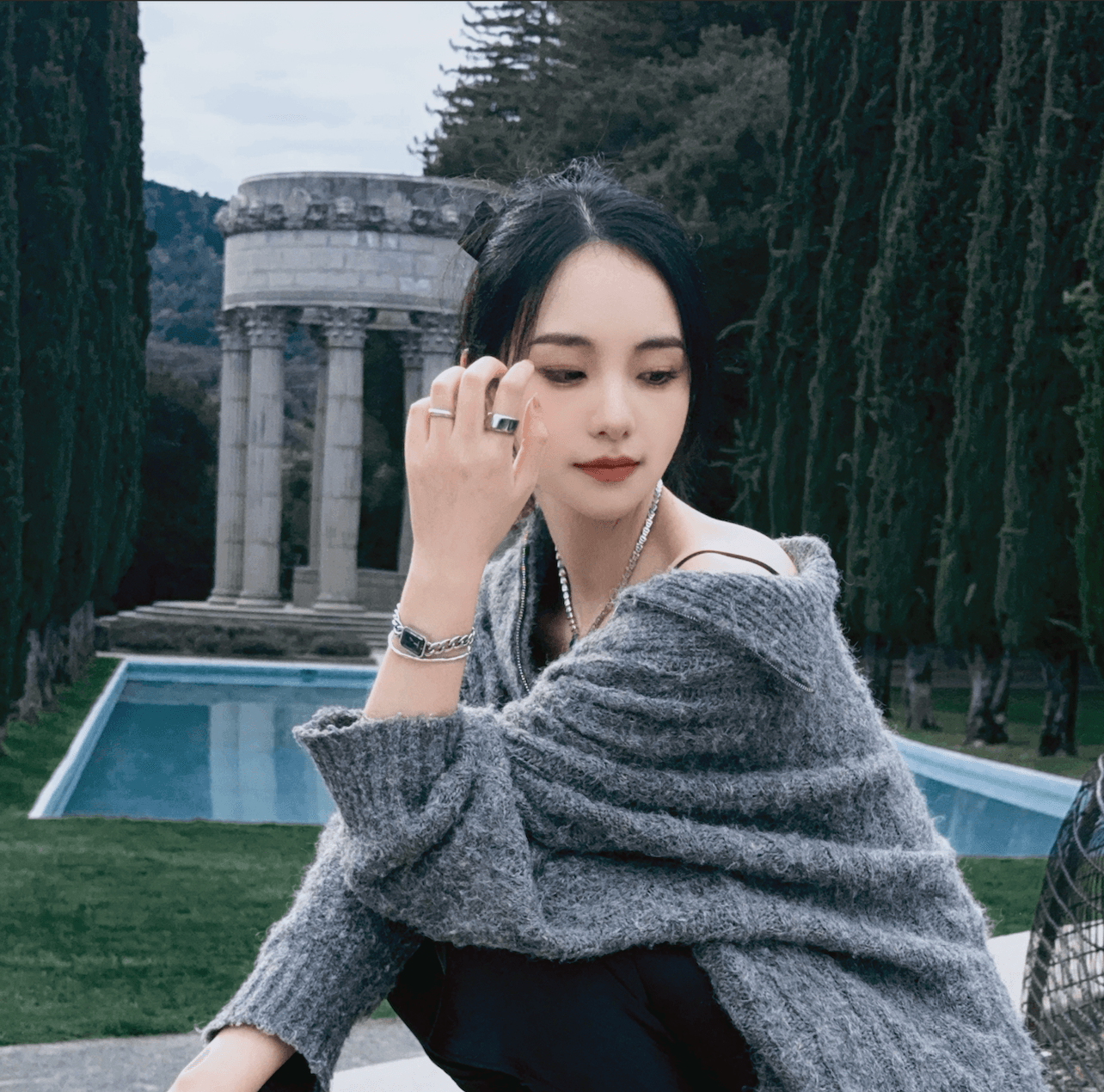
Great, appreciate you sharing that with us. Before we ask you to share more of your insights, can you take a moment to introduce yourself and how you got to where you are today to our readers.
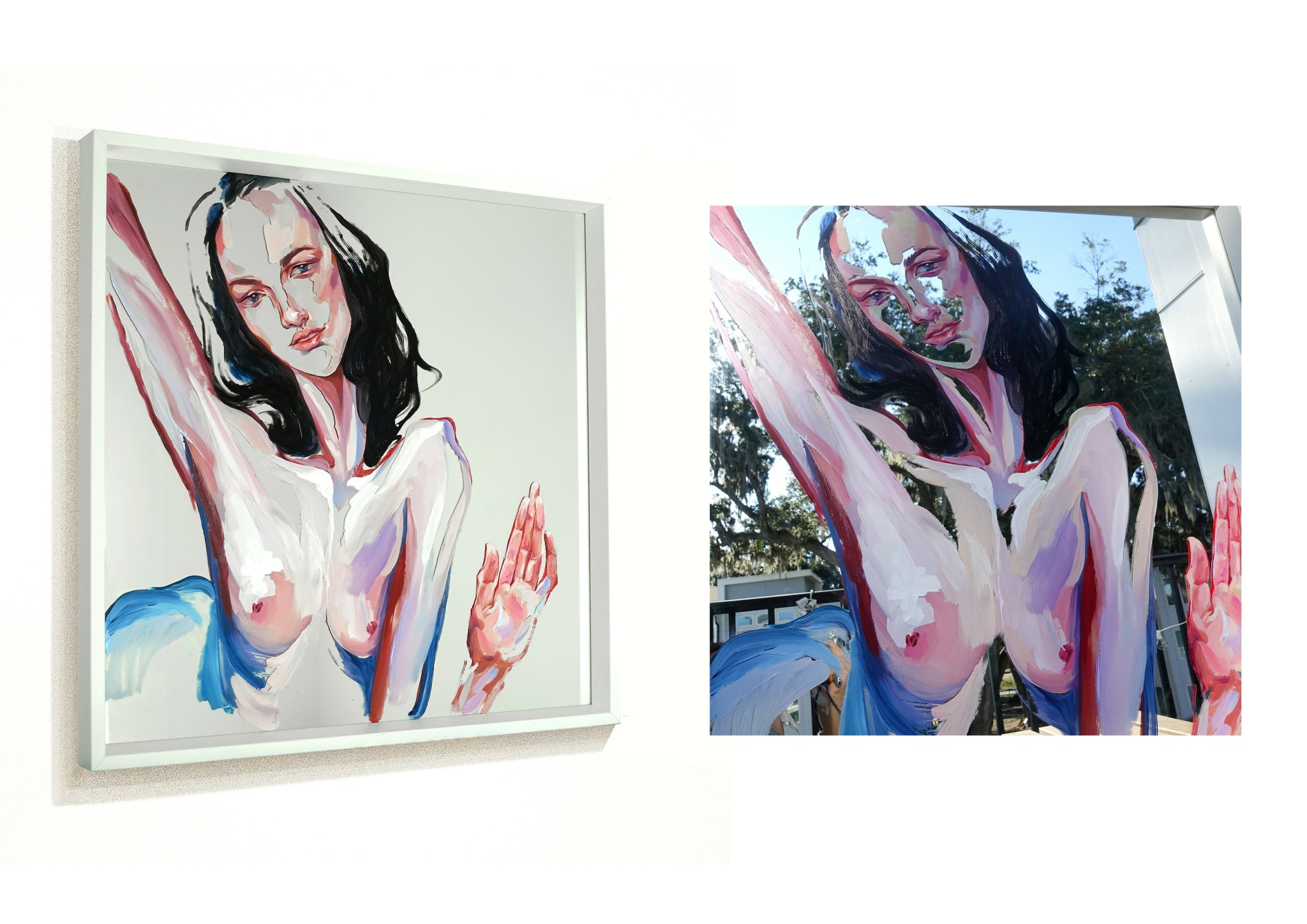
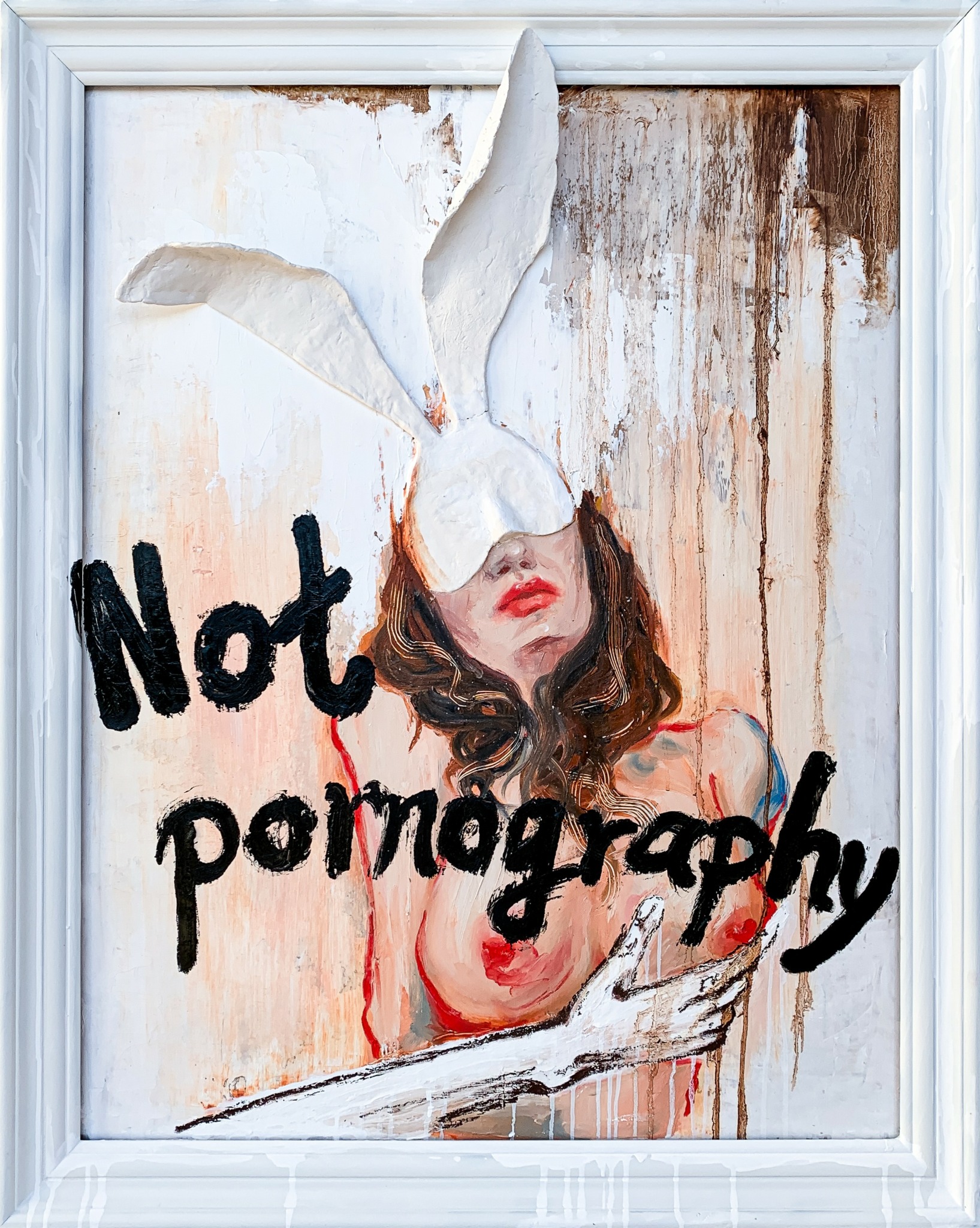
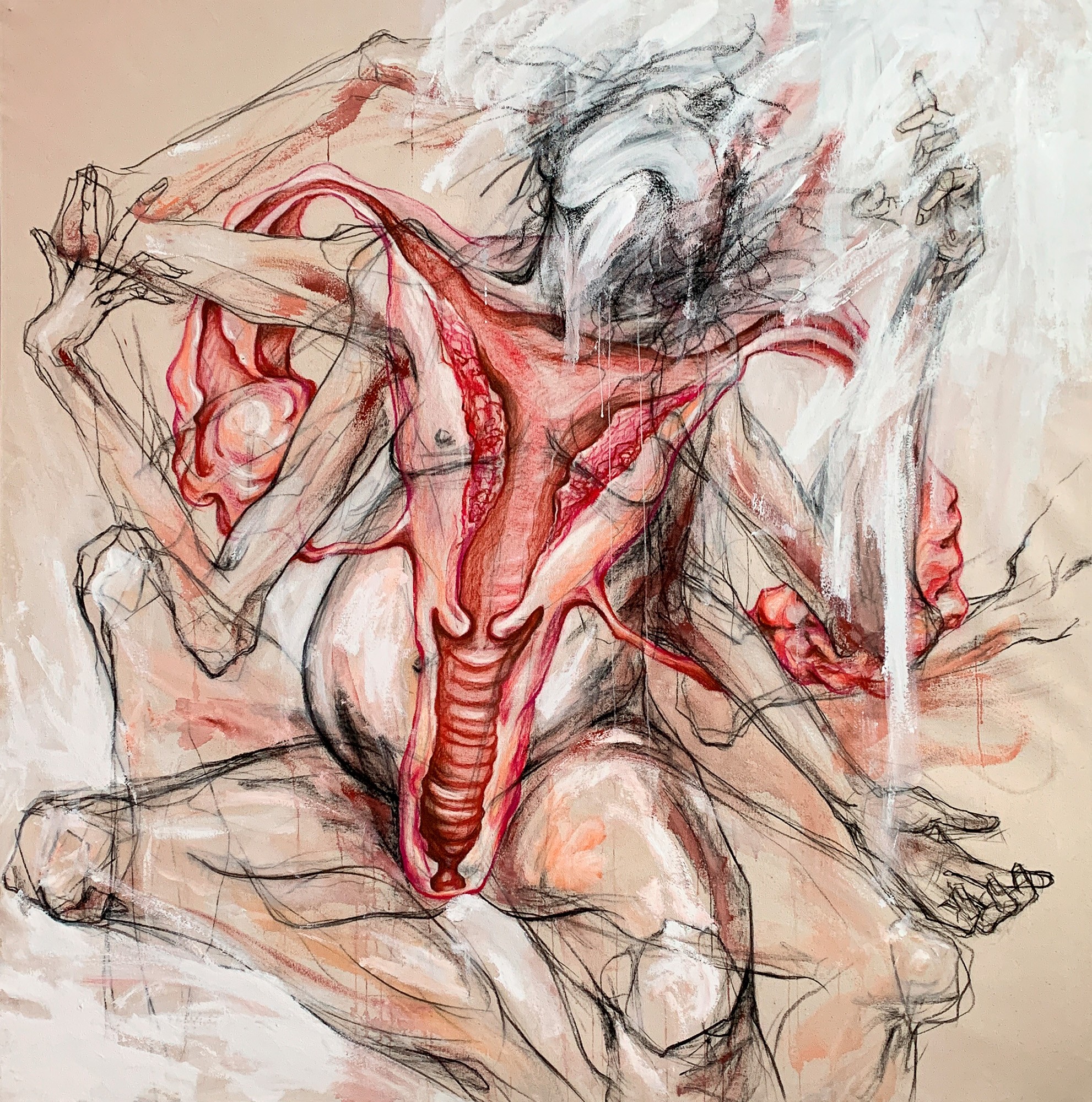
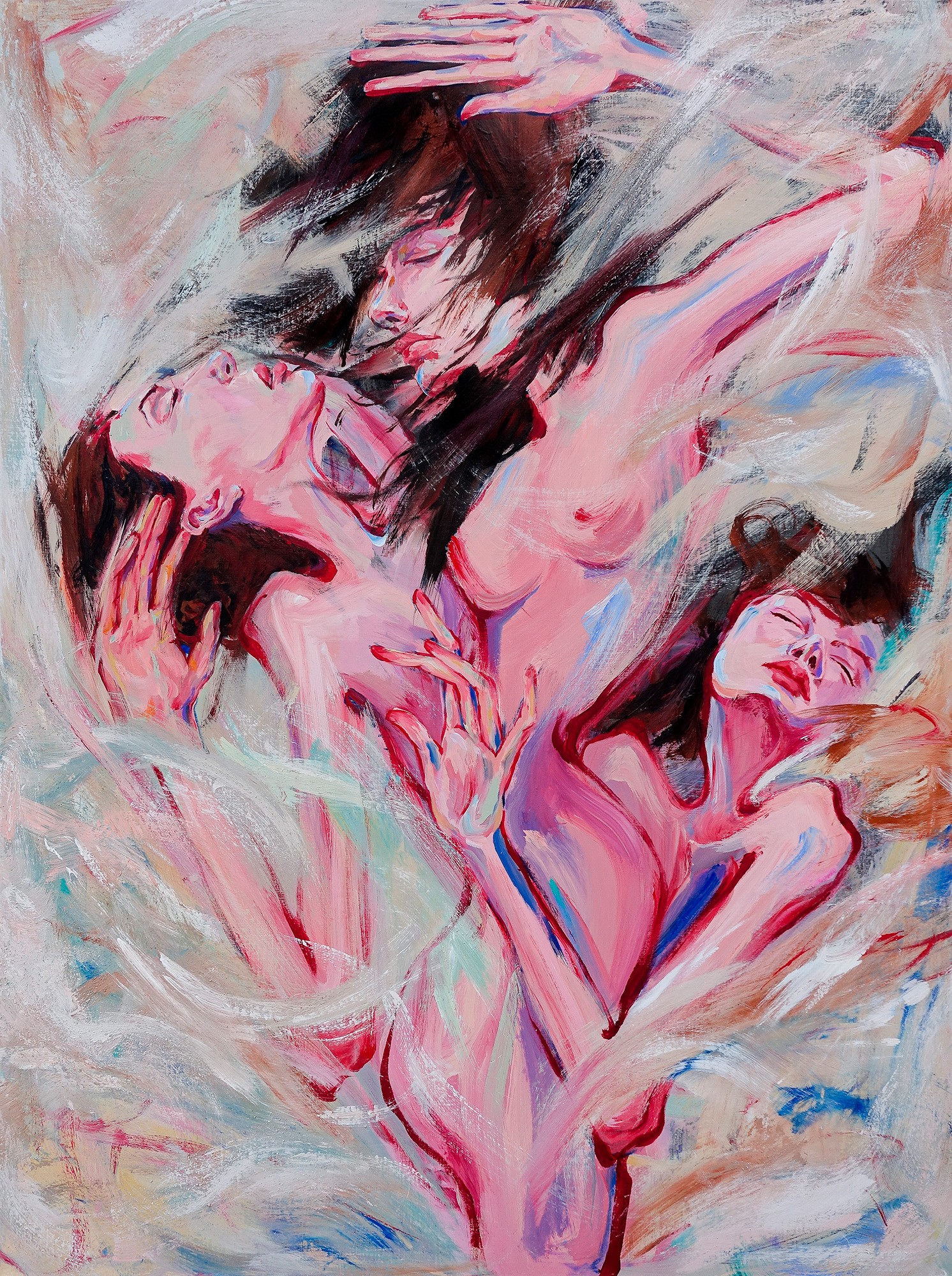
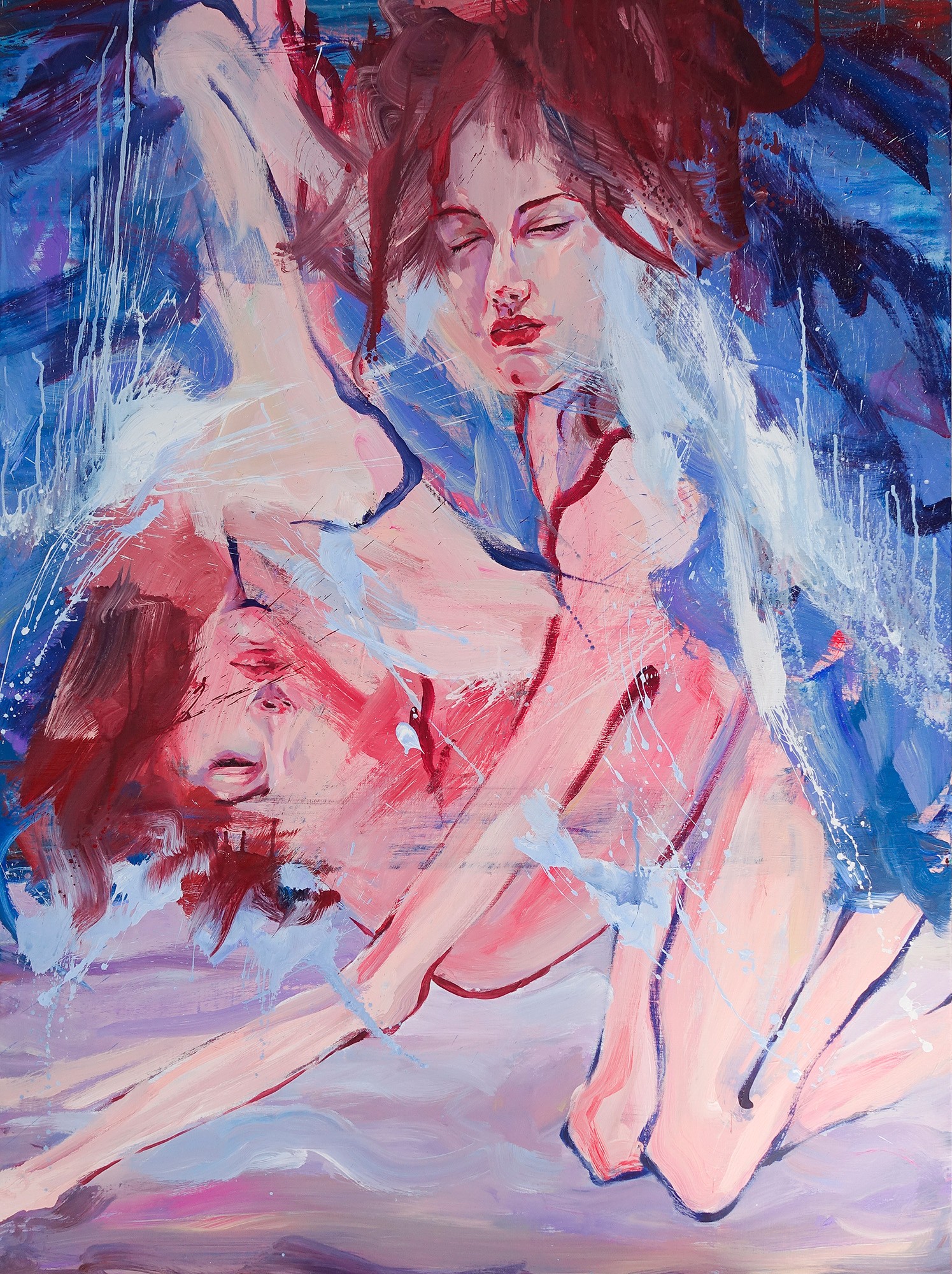
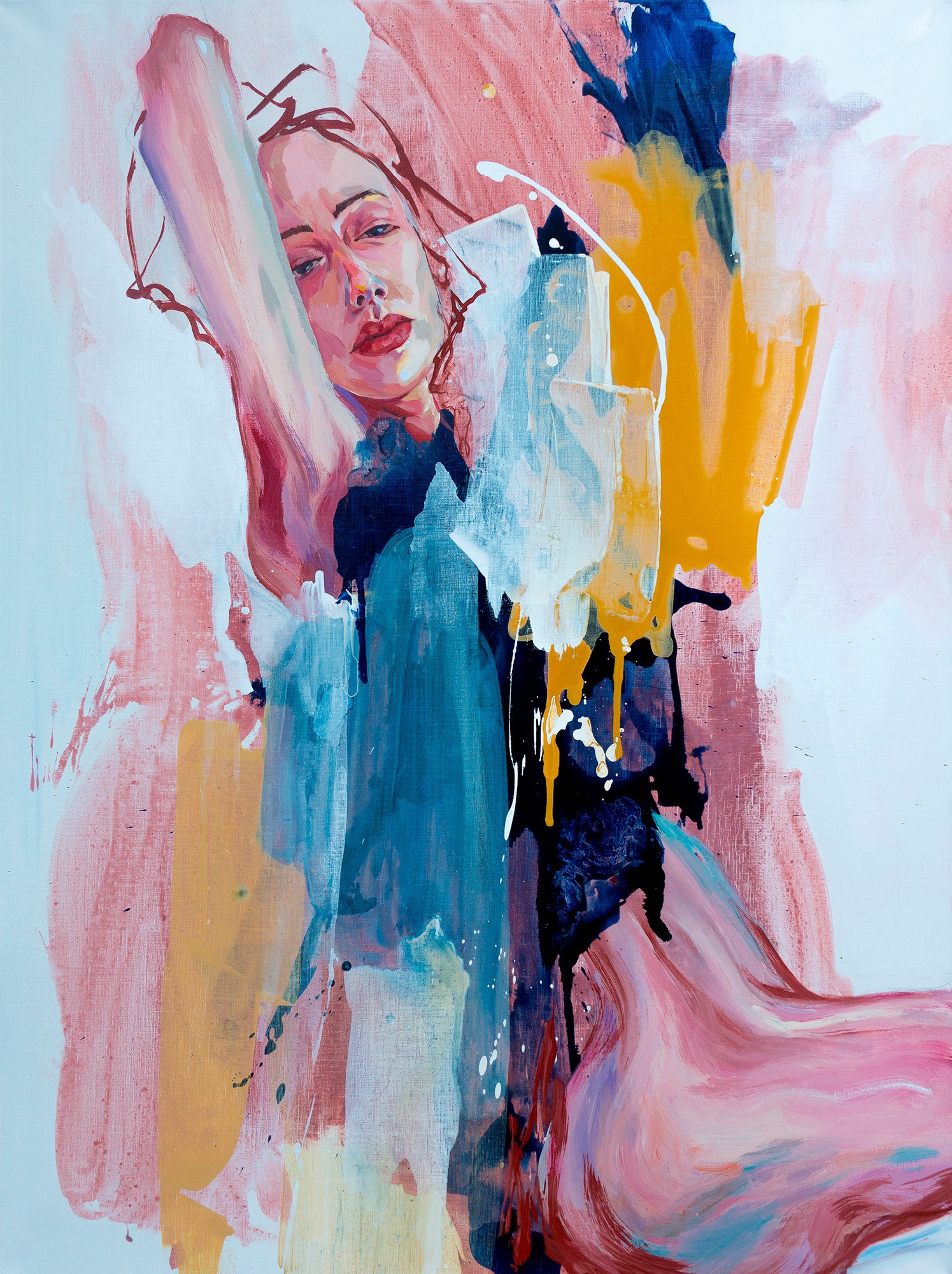
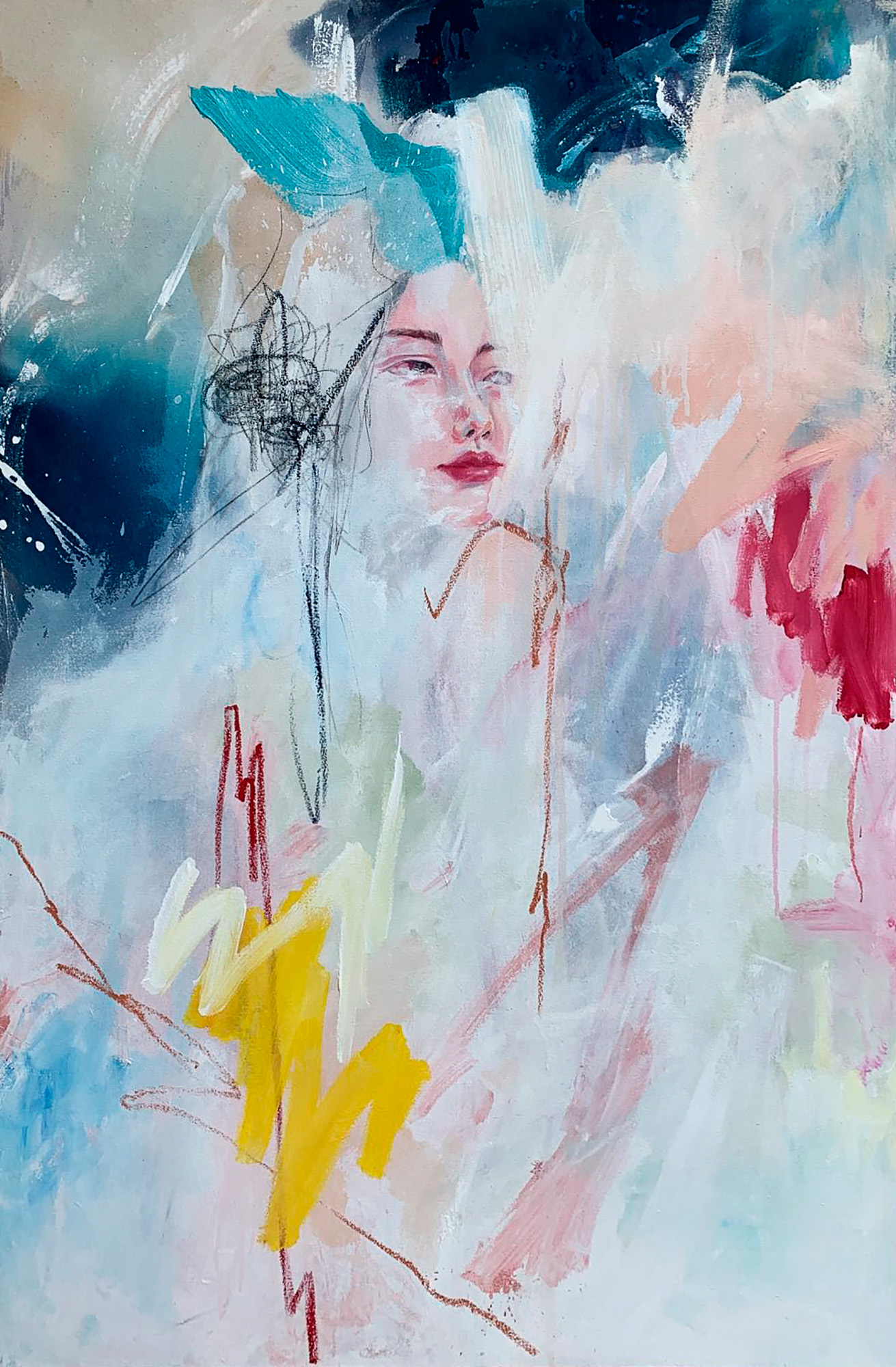
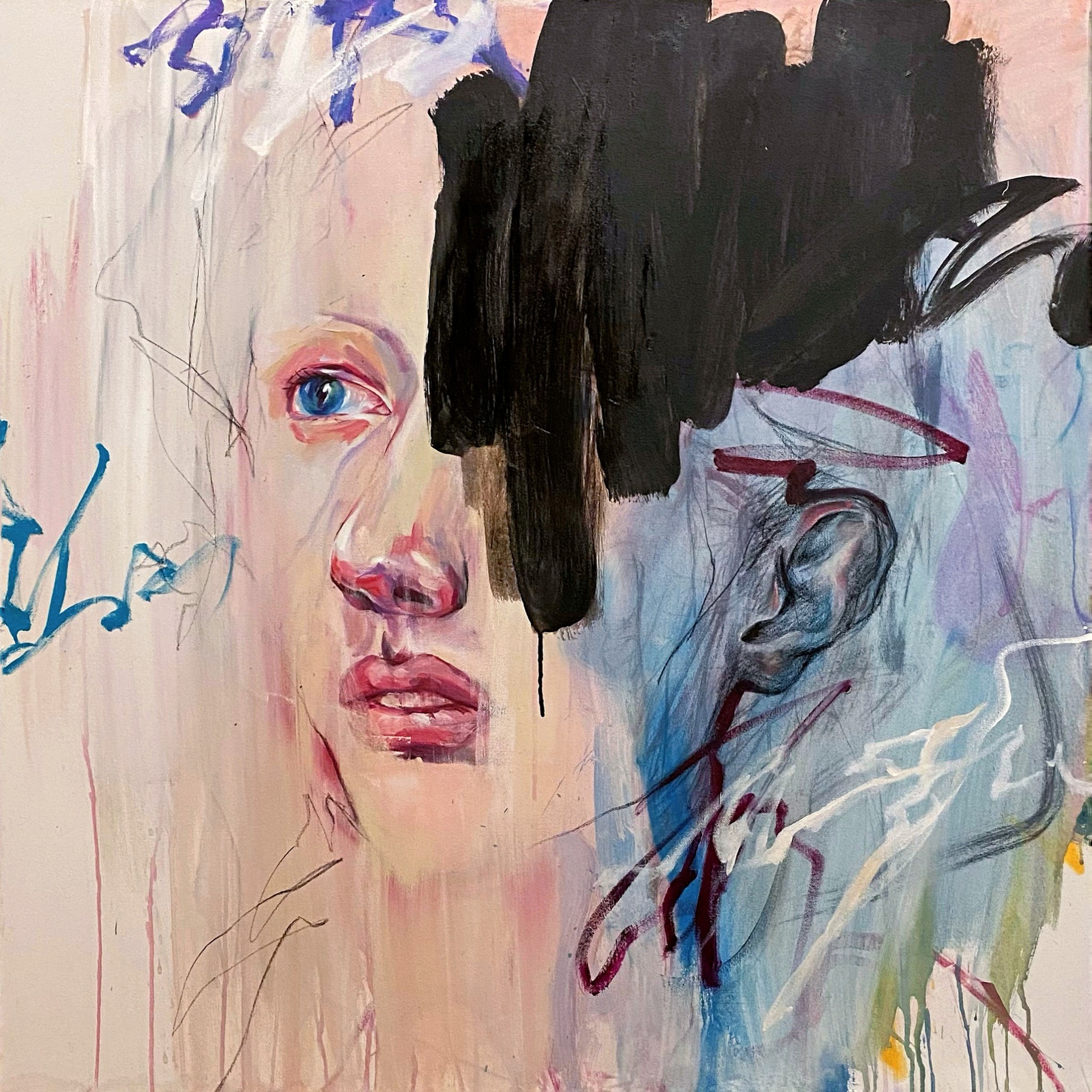
I am a contemporary figurative painter. My work explores emotional states rather than literal narratives. I’m interested in the psychological space people carry inside them—the tension between fragility and resilience, beauty and discomfort, exposure and self-protection. . Through my practice, I aim to give form to those interior silences that words often fail to capture.
My background began in design, which gave me technical discipline and structural thinking. But painting became the place where I could move beyond solving visual problems and instead sit with emotional questions. Over time, the human figure became central in my work—not as portraiture, but as a vessel for inner experience.
I don’t create decorative images. I create pauses. I want viewers to feel something slightly unsettled, slightly recognized—like they’ve encountered a part of themselves they hadn’t fully named. In a world that moves quickly and rewards constant output, my work is rooted in slowing down perception.
What sets my practice apart is this focus on emotional nuance. I pay attention to what is usually overlooked: micro-expressions, psychological weight, subtle gestures. These are small things, but they hold enormous human energy.
What I’m most proud of isn’t a specific exhibition or milestone—it’s that my work continues to evolve honestly. I’m committed to building a body of work that deepens over time rather than chasing trends or speed.
What do you think is the goal or mission that drives your creative journey?
My mission is not to produce more images—it’s to expand awareness.
I believe many people move through life disconnected from their own emotional depth. We function, we perform, we succeed—but we rarely pause long enough to examine what we’re actually feeling. My paintings are an invitation to slow down and look inward.
I’m especially interested in emotional strength that doesn’t look loud or obvious. There is a quiet resilience in vulnerability. There is power in stillness. That complexity drives my work.
If someone stands in front of one of my paintings and feels seen—or feels something they didn’t expect—that is success for me. I’m less interested in answers and more interested in creating space for reflection.
What’s a lesson you had to unlearn and what’s the backstory?
One of the biggest lessons I had to unlearn was the idea that productivity equals value.
Coming from a structured academic and professional background, I was trained to measure progress—exhibitions, output, achievements. And while those things matter, I realized they can quietly shape your relationship with creativity in unhealthy ways.
Painting doesn’t respond well to pressure. It responds to attention.
I had to unlearn the habit of constantly proving myself and instead allow time for uncertainty. Some days in the studio look like “nothing happening”—but internally, something is shifting. Learning to respect that invisible process was transformative.
Unlearning productivity allowed me to return to curiosity. And curiosity, more than discipline or ambition, is what keeps my work alive.
Contact Info:
- Website: https://www.vialiart.com/
- Instagram: https://www.instagram.com/via.li_art/?hl=zh-cn