

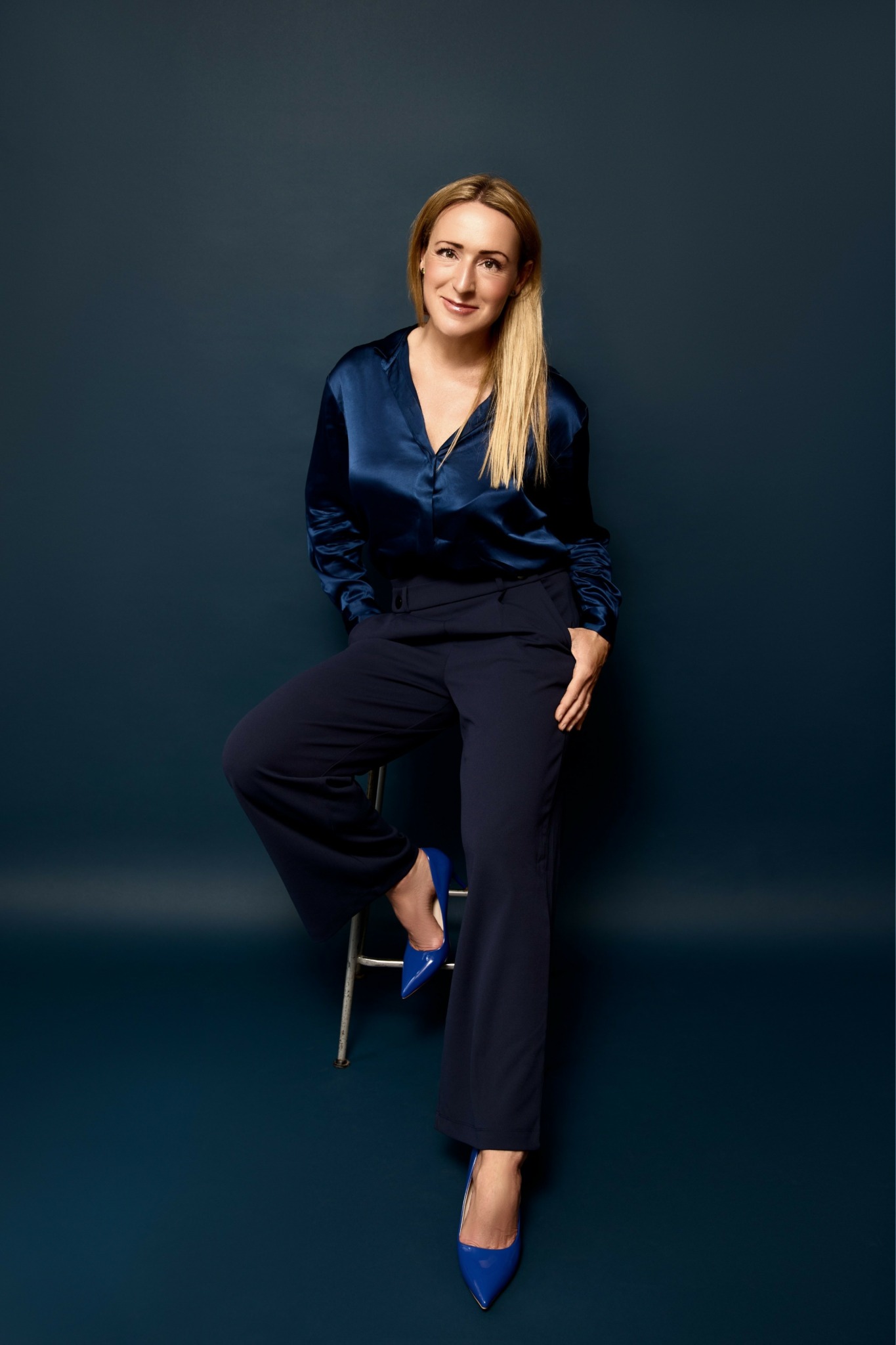

We’re excited to introduce you to the always interesting and insightful Christina Santini. We hope you’ll enjoy our conversation with Christina below.
Christina, looking forward to hearing all of your stories today. What’s the kindest thing anyone has ever done for you?
I’ve been fortunate to work with many kind people over the years. But there’s one experience that has stayed with me in a very personal way.
A woman came to me with stage 4 cancer. By the time we met, she had already been told there was nothing more to do. The conversations with her doctors had shifted. It was no longer about treatment. It was about managing the inevitable.
When you sit across from someone in that situation, you feel the weight of it. The room feels different. Every word matters.
We didn’t talk about miracles. We focused on what we could still do – supporting her body, easing her discomfort, helping her feel cared for instead of dismissed. We tried to give her more time, or at least better time. But it was too late to change the outcome.
That is one of the hardest parts of working in healthcare. You enter this field to help people get better. When you can’t save someone, even when you know you did what was possible, it stays with you.
After she passed, her son sent me a handwritten thank-you note and a basket. He thanked me for being there. For trying. For not giving up on his mother.
I remember holding that note and feeling completely humbled.
Grief can make people angry. It can make them look for someone to blame. That would have been understandable. Instead, in the middle of losing his mother, he chose to say thank you.
That takes character.
He probably has no idea how much that meant to me. In moments like that, you realize that this work isn’t only about outcomes. It’s about showing up. It’s about standing beside people when things are uncertain and painful.
What he did stayed with me. In the middle of his own loss, he didn’t turn outward with blame. He chose acknowledgment. He chose gratitude.
That mattered.
In this field, you learn quickly that you can’t control every outcome. But you can control how you show up. And so can the people you work with. His response reminded me that even in the worst moments, people reveal who they really are. And sometimes, it’s extraordinary.
Great, appreciate you sharing that with us. Before we ask you to share more of your insights, can you take a moment to introduce yourself and how you got to where you are today to our readers.
I’m a clinical nutritionist and the founder of The Nutrition Clinic, where I work with high-performing individuals and corporate teams.
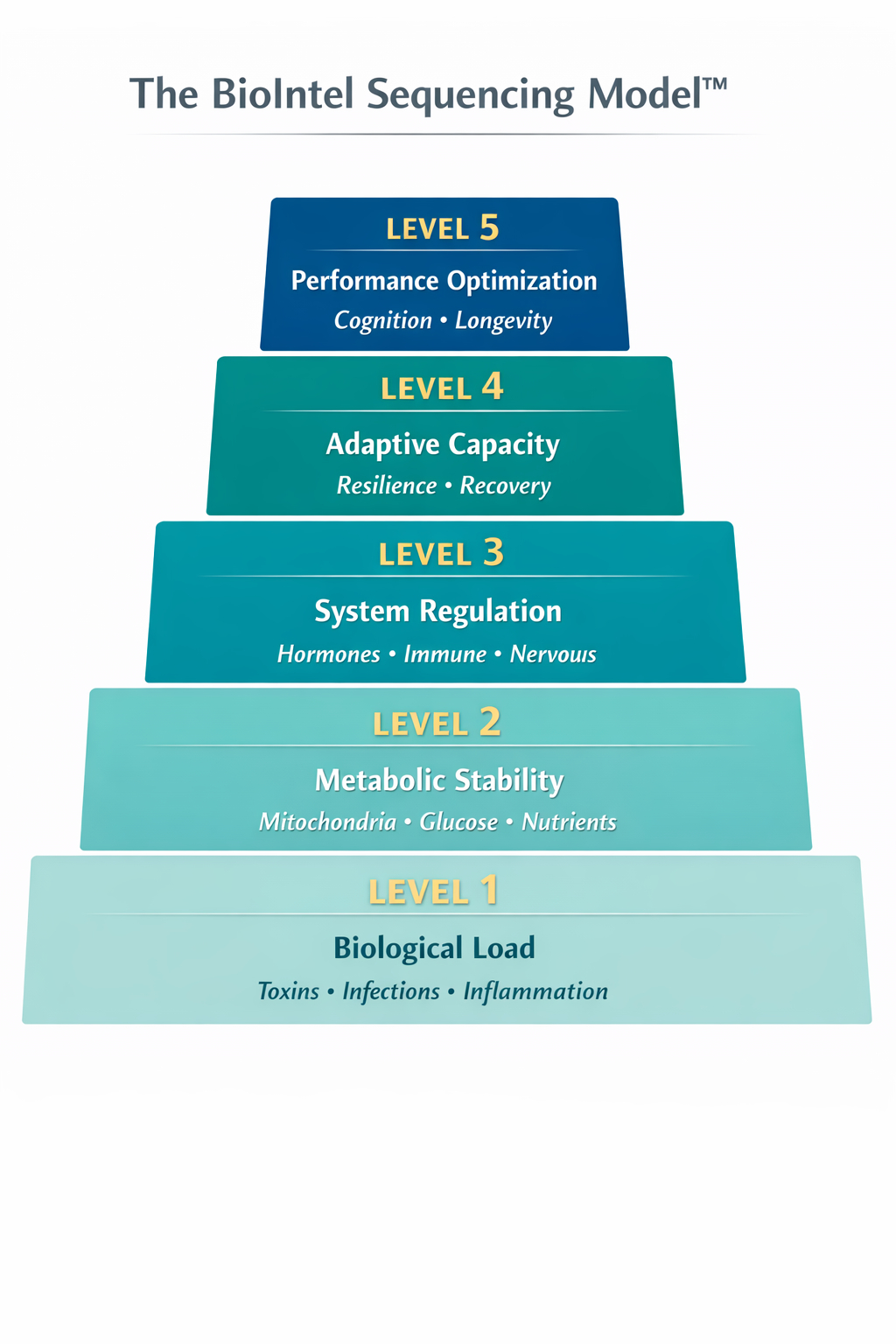
I chose this field because I saw how often people were brushed off with simple explanations – stress, age, hormones – without anyone really looking deeper. Early in my career, especially during my years in New York and Los Angeles, I was trained to think in systems. Not just symptoms, but what is overloading the body, what is regulating it, and what needs to be addressed first.
I work privately with executives, founders, and creatives who want clear answers and a structured plan. They don’t have time for guesswork. On the corporate side, I advise leadership teams on how to protect performance through early risk detection and practical, measurable health strategies.
What sets me apart is order. It’s not just about identifying problems – it’s about knowing what to address first and what to leave alone. Poor timing can make people worse. The right sequence builds stability.
I’m most proud of building a method that makes complex cases structured and solvable. My work is precise, disciplined, and designed for long-term resilience. I call it The BioIntel Method.
Health isn’t a trend to me. It’s something you build and protect.
Training and knowledge matter of course, but beyond that what do you think matters most in terms of succeeding in your field?
Technical knowledge is essential, but it’s not what makes someone truly effective in this field.
What matters just as much is emotional intelligence. You’re often working with people when they’re tired, scared, frustrated, or overwhelmed. If you can’t read the room, you miss half the picture. You have to understand how different personalities process information, how they handle stress, and how they make decisions.
Anticipating needs before they are spoken is a big part of the work. Some clients need direct, data-driven clarity. Others need reassurance and pacing. Some push too hard and need boundaries. Others hesitate and need structure.
You also have to be comfortable setting clear boundaries yourself. Without that, you burn out or blur roles.
In the end, it’s not just about protocols. It’s about understanding people well enough to guide them effectively.
What do you think helped you build your reputation within your market?
I built my reputation by not chasing noise.
We’re living in a time of information overload – bold claims, quick fixes, clickbait health advice. It’s tempting to compete on volume and visibility. I chose not to.
I’ve found that trust is built by consistency, not by being the loudest voice in the room. You don’t need to go viral to build a real business. You need to be steady. You need to follow up. You need to say the same thing today that you said a year ago, even when it’s less popular. That doesn’t mean you can’t change and evolve over time, but it does mean you don’t cater to what the world wants, but rather to what it actually needs.
Loud voices get attention. That’s one strategy. But attention and trust are not the same thing. I chose to build on trust.
Contact Info:
- Website: https://www.christinasantini.com/
- Instagram: https://www.instagram.com/forkmedicine/
- Facebook: https://www.facebook.com/christina.santini/
- Linkedin: https://www.linkedin.com/in/christinasantini/
Image Credits
Malene Nelting