


We recently connected with Dante Perozzi and have shared our conversation below.
Hi Dante, thanks for joining us today. Have you been able to earn a full-time living from your creative work? If so, can you walk us through your journey and how you made it happen? Was it like that from day one? If not, what were some of the major steps and milestones and do you think you could have sped up the process somehow knowing what you know now?
For the first six or seven years, my business was built in chopped up fragments of time.
I was home in Los Angeles with my first son, not going into a job for the first time since I was fifteen. That continued later with our second. We wanted to give our boys the presence of a parent rather than a nanny. I worked early mornings, squeezed things into nap times, and stayed up long after bedtime. I had transitioned away from exhibiting sculpture after discovering jewelry, and once I found it I was not going back.
Starting a business when you are pregnant with your first child is not something I would necessarily recommend. But I also would not recommend ignoring the thing you feel pulled toward.
My baby and my baby business were born within a year of each other. I pumped milk at art fairs between customers. I worked on my first line sheet with the baby monitor beside me. I had far more ideas than hours. I could see clearly what the business could become, but I did not yet have the capacity to execute it fully.
We moved to Colorado two and a half years later with our second on the way. I did not know if the business would find footing in a place where I was completely unknown. Our new home had a freestanding structure in the backyard that became a major upgrade from the closet studio I had in LA. Even with more physical space, time was still scarce. DPJ continued in the margins of motherhood. Part time. Slow. At times intensely frustrating. Not because the vision lacked clarity, but because the hours were limited and unpredictable.
What made it possible to build patiently during that season was stability at home. My partner’s established career gave me breathing room. I did not have to force the business into rushed decisions just to survive. That foundation bought time, and time was the most valuable resource.
When my youngest entered preschool, I was finally able to give the studio sustained attention. That is when things began to compound. I took over all productionpurchasing equipment and bringing it all in-house rather than outsourcing parts of the process, I began to expand into wholesale, built basic systems, and hired our for tasks that requires skill but did not require me personally. The work matured because I finally had hours available to me that matched the dream I had held onto.
Have I been able to earn a full time living from my creative work?
Yes, only recently. It was not immediate, but over time the business has grown to consistently contribute what our household needs. Things have shifted back and forth in terms of what I bring home as I have slowly added team members one at a time- this always creates a period where dollars are settling and operations adjust to meet goals and in time the investment starts to show in the numbers. The income goals I set are being met, and the structure is now strong enough that it is – maybe – approaching what would look more like a fully stand alone living.
Income has never been perfectly steady. Creative business responds to the world. The economy, global events, material costs, all of it can impact how strong a year looks. Some years are better than others. What has changed is that I now know how to keep things moving. Most importantly, I am really good at design and my creative vision, so far, seems ti be inwxhaustble. I love the community I serve and this all combines to allow me to generate revenue across different channels and adjust when needed.
The major milestones were simple but significant. Securing a real studio space. Gaining sustained work hours. Expanding into wholesale. Building repeatable systems. Hiring help so I could focus on design and direction rather than trying to do everything myself.
Could I have sped it up? Possibly. I could have taken on more risk earlier. I could have pushed for faster growth before the infrastructure was fully in place. But I do not think it would have been as durable.
What I built grew alongside my children and alongside my capacity. It was slower than my ambition, but it was steady. And steady is what allowed it to become sustainable.
The business did not take off. It layered on growth slowly and maintained at every new level. If I didn’t love the work though, it wouldn’t have lasted past the first 3 years.
Awesome – so before we get into the rest of our questions, can you briefly introduce yourself to our readers.
I am a sculptor turned jeweler based in Colorado. My background is in fine art and large scale sculpture. For years I exhibited work in galleries, building pieces that lived on pedestals and walls. Eventually I became interested in scale and intimacy. I discovered jewelry almost by accident, and once I began sculpting in wax and metal on a smaller scale, I did not look back.
What drew me in was the idea that sculpture did not have to live only in a gallery. The forms I loved could actually could be part of daily life – it could be worn.
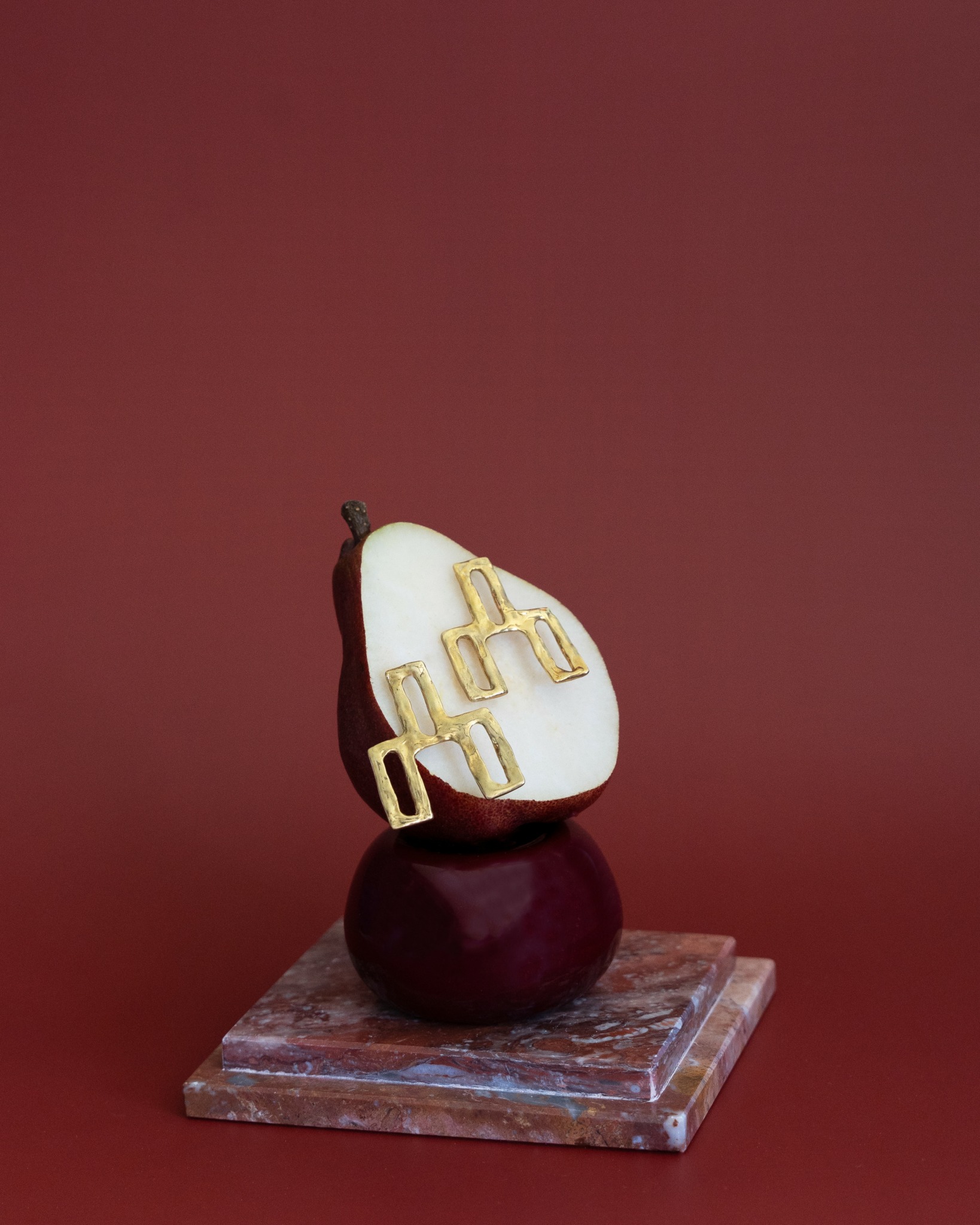
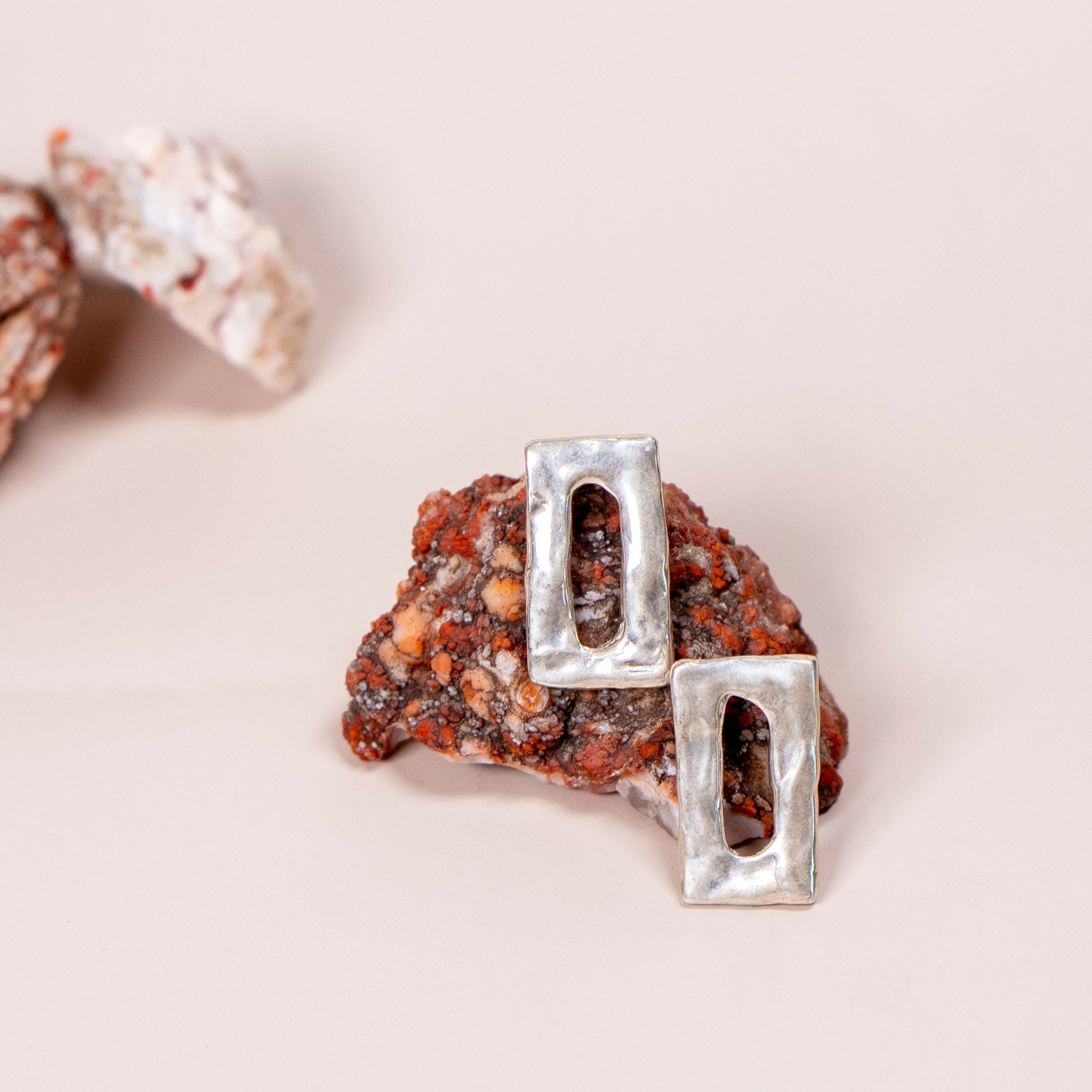
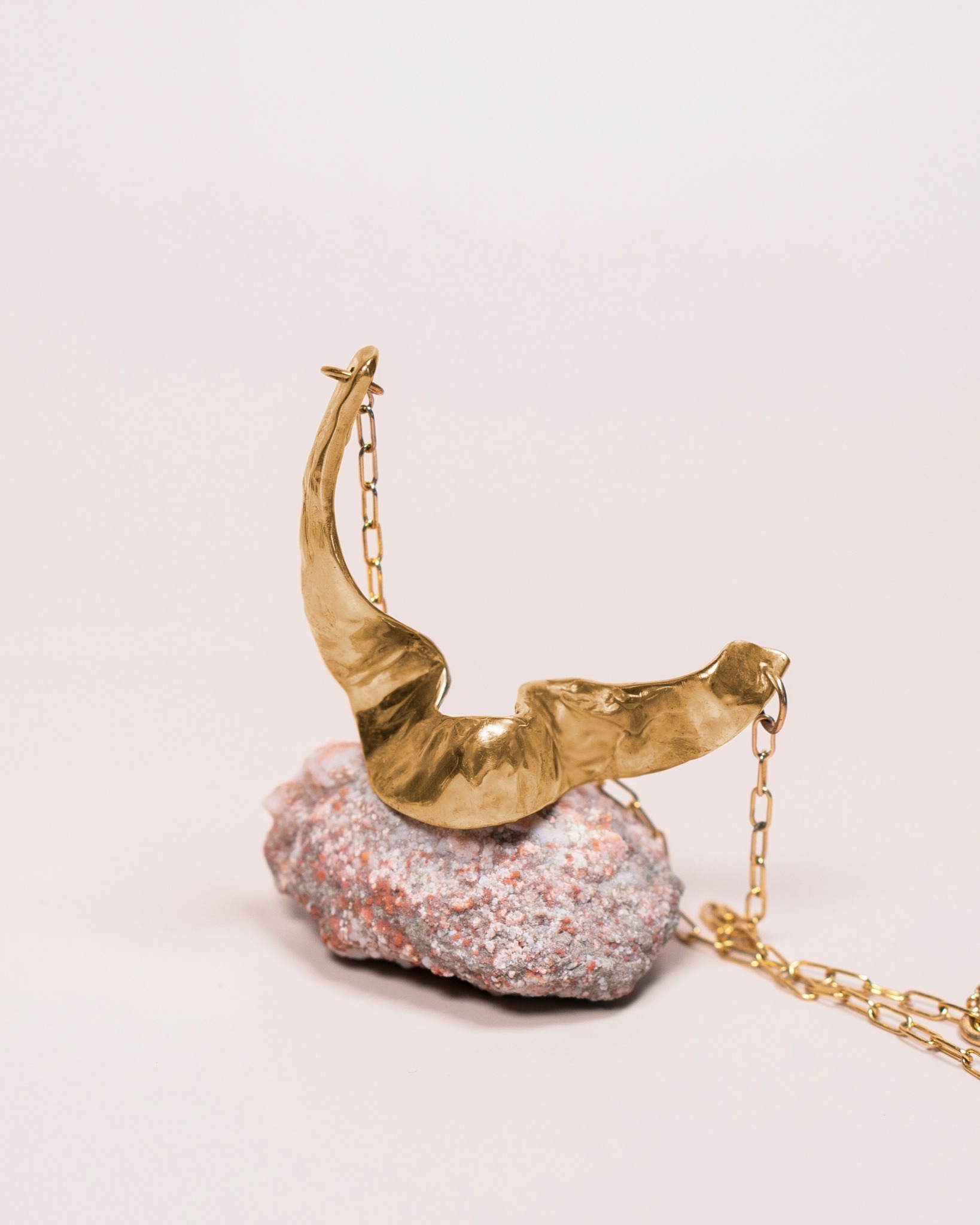
Every piece I create begins as a hand sculpted wax original, then cast in recycled brass, sterling silver, or gold. I am drawn to architectural forms, negative space, multiples, scale shifts, weight, balance, and texture.
Today I create sculptural rings, cuffs, earrings, necklaces, and fine gold pieces that live between art object and everyday adornment. I sell directly to collectors online, through select wholesale partners, and at curated events across the country. I also take on custom work and occasionally teach workshops, which keeps me closely connected to the material.
The problem I solve is emotional as much as aesthetic. Many of my clients are independent women who do not want trend driven jewelry. They want something substantial. Something that feels like a marker of their unique identity. They want pieces that wear easily between special occasions and every day.
What sets me apart is that I approach jewelry as a sculptor first. I build collections slowly and refine them over years rather than replacing them each season. I produce in house, work in small batches, and avoid plating in favor of solid materials that are beautiful, chosen intentionally for longevity and environmental responsibility.
I am also proud that this is a steady company, not a flash in the pan. The business supports four part time team members and has grown deliberately over time. It was not explosive. It was layered. That has made it durable.
If someone chooses to wear my work, I want them to feel grounded, strong, inspired and entirely themselves.
Let’s talk about resilience next – do you have a story you can share with us?
In the early years, I was building my business in fragments of time while raising two young children and moving states. I had no network in Colorado, limited hours, and inconsistent income. There were seasons when progress felt slow and uncertain.
Instead of shrinking the vision, I strengthened the foundation. I refined my core designs, put myself out there at markets and art fairs which slowly and organically built a whole community through relationships that came from that one on one interaction.
Over time that consistency compounded.
Resilience, for me, has been about patience, discipline, an ability to troubleshoot equipment and processess. and the ability to trust myself and take the leaps of faith that are often required in this line of work
What’s a lesson you had to unlearn and what’s the backstory?
One lesson I had to unlearn was that being a serious artist required academic dialogue to accompany every piece. That the work needed a direct tie to art history. That it needed layers of explanation and theory to justify its existence.
I had to remind myself that it is okay to simply love making something. To respond to form. To like the way a curve sits, or how weight feels in the hand.
I come from a fine art background where there can be an unspoken belief that commerce dilutes integrity. When I moved into jewelry and began building a company, I had to let go of that mindset as well.
The work does not need a dissertation to be valid. It needs intention, craft, and honesty and to be shared. Letting go of the pressure to intellectualize everything gave me back a kind of freedom in the studio and let me do my thing.
Contact Info:
- Website: https://danteperozzi.com
- Instagram: https://www.instagram.com/danteperozzijewelry
- Facebook: https://www.facebook.com/danteperozzi
- Linkedin: https://www.linkedin.com/in/dante-perozzi-236783101
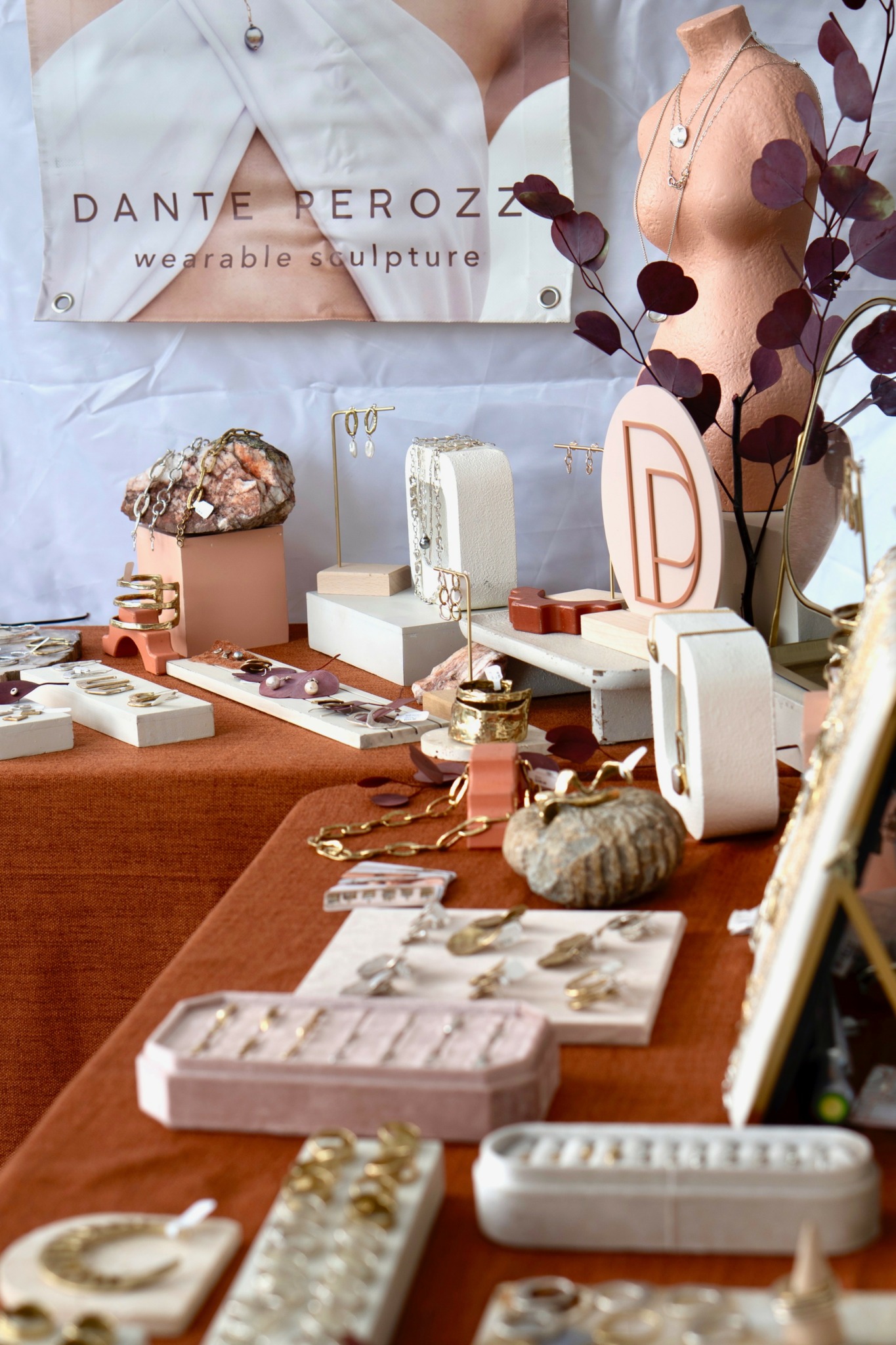
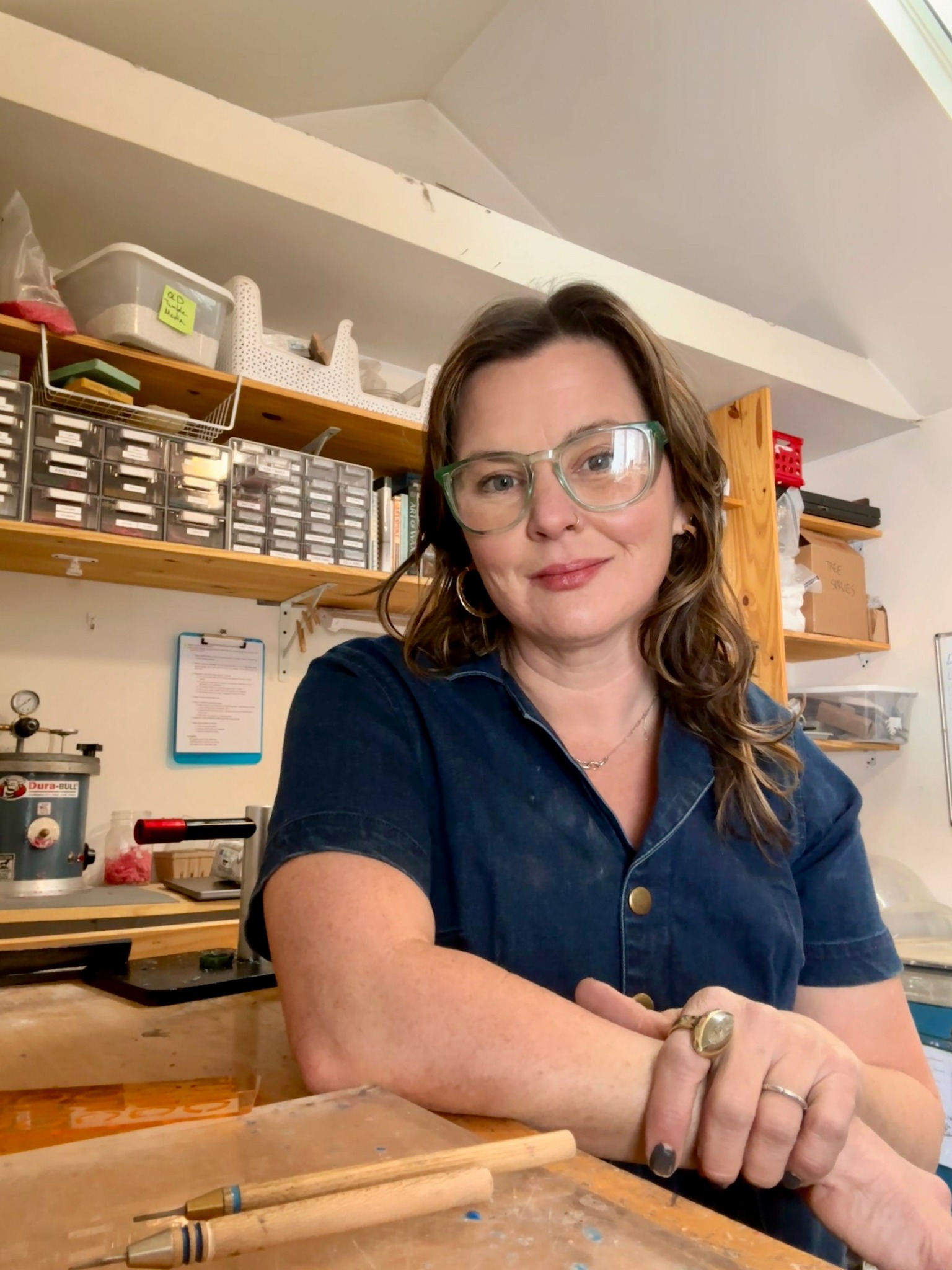
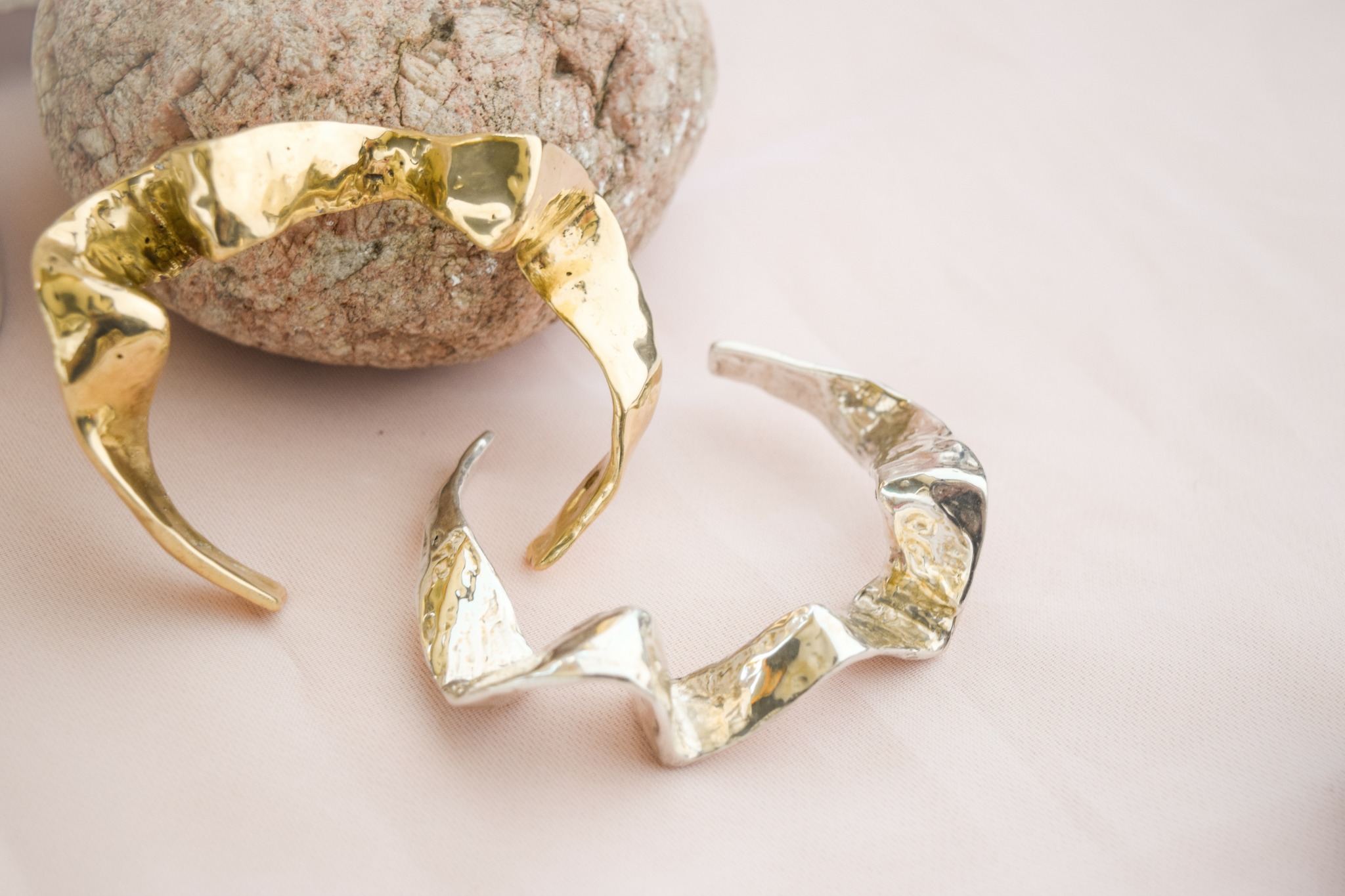
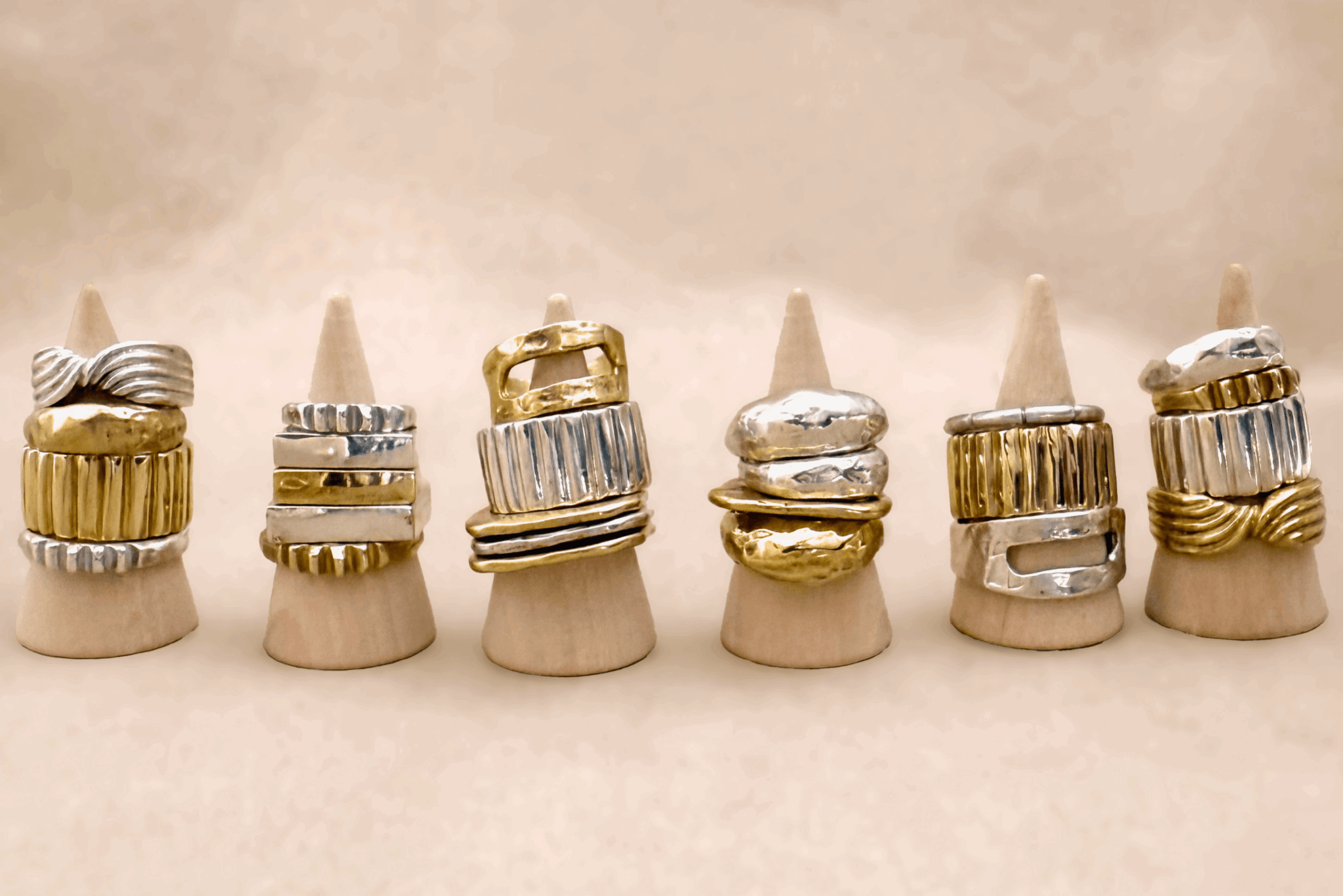
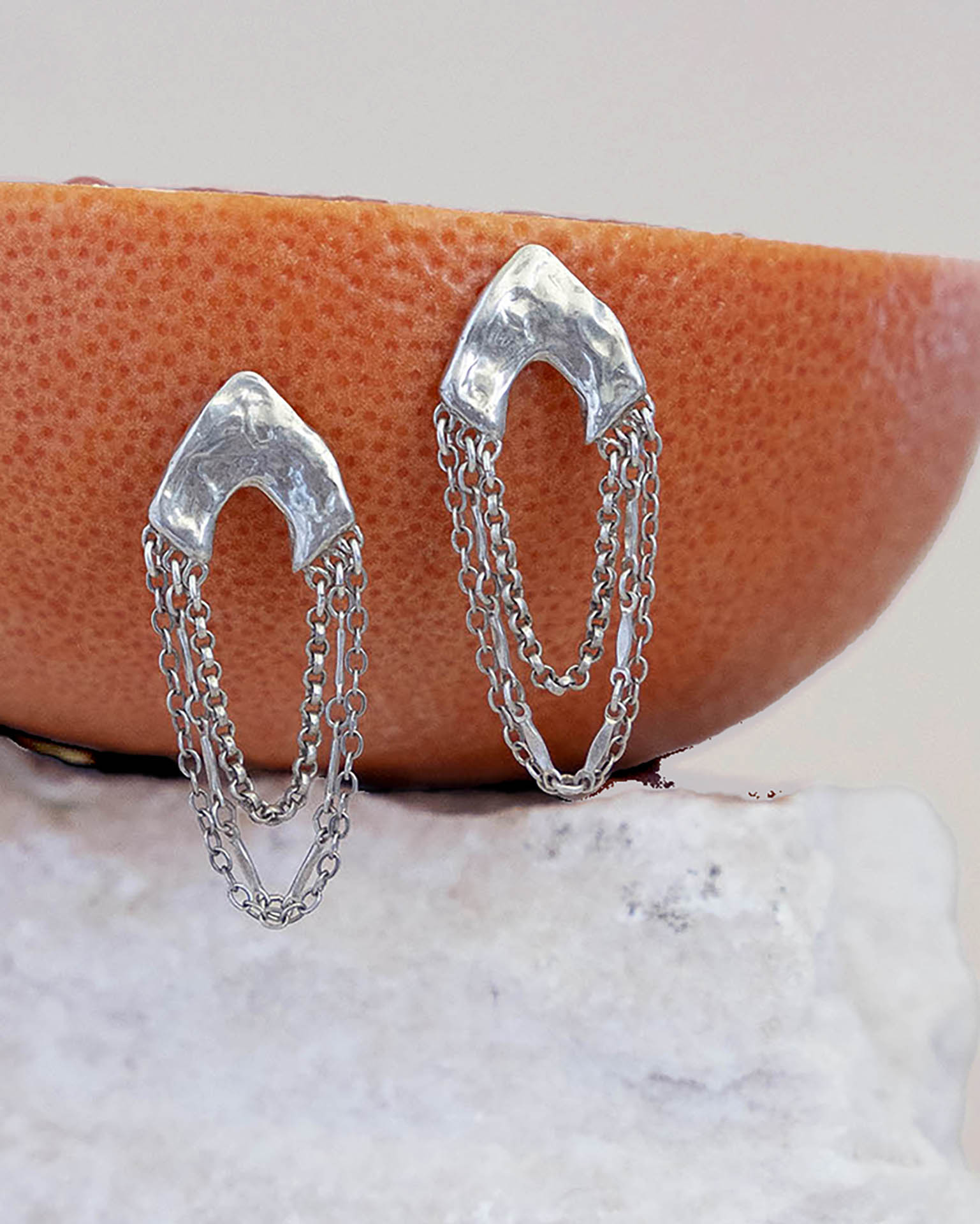
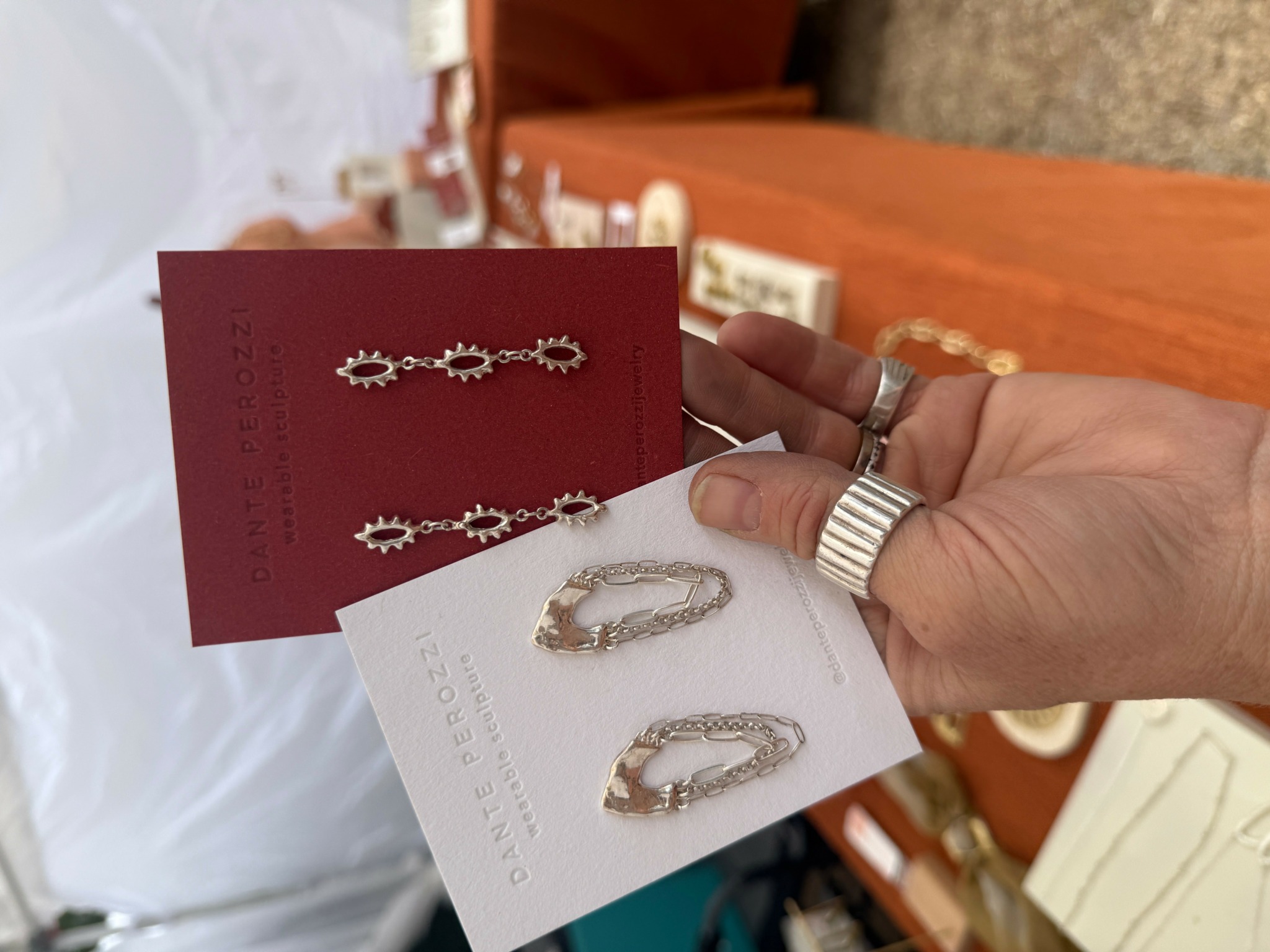
Image Credits
Katie Severson Photo